bobbytan wrote:
I don't think so ... as the yellow buoy is competing for attention and draws your eye away from the pink sailboat which is the main focus of interest. The pink sail boat really pops against a monochromatic background ... so you don't want any other object or color to compete and take away the viewer's attention on the pink sail boat. Less is more.
Not convinced, that 'less is more', or you cannot have competing objects. 'Less is more' was a saying that was in vogue and a method whilst doing a fine art degree many many many moons ago, aprox 360 moons . I clearly remember stoned art student taking up the latest mantra, of which this was one. Having said that I am certainly not in school of thought of the traditionalist as far as art and it's history. I do know what people are projecting, or mean by it,(less is more) but it is most often a concept with a personal emotional reaction rather than an actual language that is universal. What one person see's as less another may well see as too much. Less can be a quantity which can be overwhelming and too much.
Images more than often do, and many of the greatest have competing elements within them and it is the viewer who determines what is read from an image.This is gained from the viewer's own life's experiences inducing how their thoughts will be interpreted, progress, change and develop. Be it the language of light in photography, the words of a novel or the paint on a canvas they are all their own form as a language in an attempt to covey something, therefore friction in an image is good if that is what is intended. As are most subjects if they provoke thought and discussion, internally or with others.
Photography and art are both very subjective and one man's meat is another man's poison. I compete at 2 professional photographers' associations at the local level (Los Angeles and Orange Counties) and quite predictably, this is how most of the judges would critique this image. Of course, we do not have to agree or disagree with their views and opinions. And yes, most of the judges are old ... and old-schooled.
Here's one of over 1600 shots I took last night. Shot the dress rehearsal for my wife's musical (she's a music teacher). I haven't even sifted through all of them yet, but I'll post a few more when I get a chance to process them, but I thought I'd share. The Panasonic 35-100/2.8 was awesome last night. Locked on perfectly every time and just razor sharp. Really a joy to shoot with this combo for theater work. I brought the 75/1.8, but only took 15 shots with it, since the 35-100 worked so well.
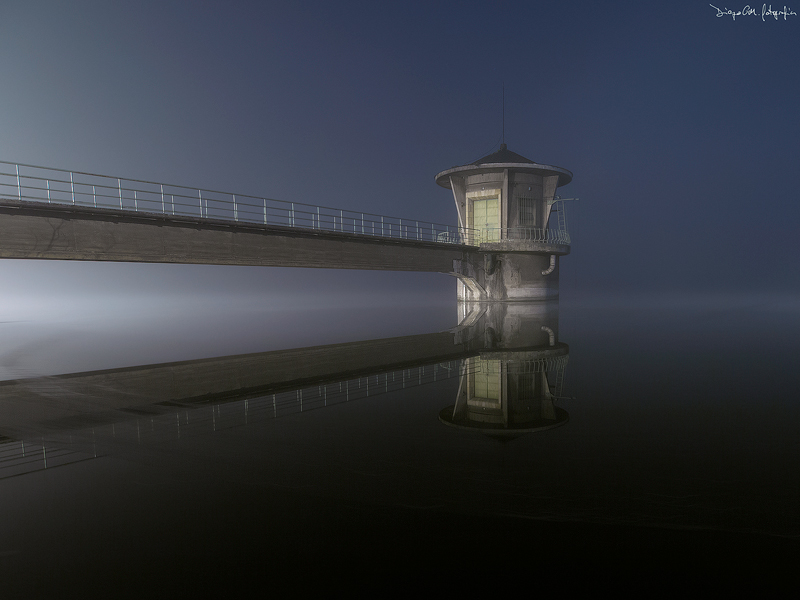
Duke - All the times i flew into Spain in the 1950s and 60s , i should have looked at some of the country side, instead of all girl watching. Another outsdanding image from Spain.
Cheers
Harry Palmer
I made a recent short trip to Florida to visit some family (great to get away from the Minnesota winter). I haven't been doing much shooting of late so it was fun to find a little time.