Among the 3D advocacy groups, the Sony FE 55mm f1.8 comes up time and again. When I bought mine in 2013, I liked it and felt it was practical and 'solid' in image quality, but coming from a series of medium format rangefinder cameras and lots of Carl Zeiss lenses, its 3D didn't stand out so much that I noticed. It was very competent, and in its rendering style had clarity and intimacy - great for travel. Here are a few samples with different focus distances and light. I think the 3D gains in portraits are greater than in the built environment or landscapes, that and street work.
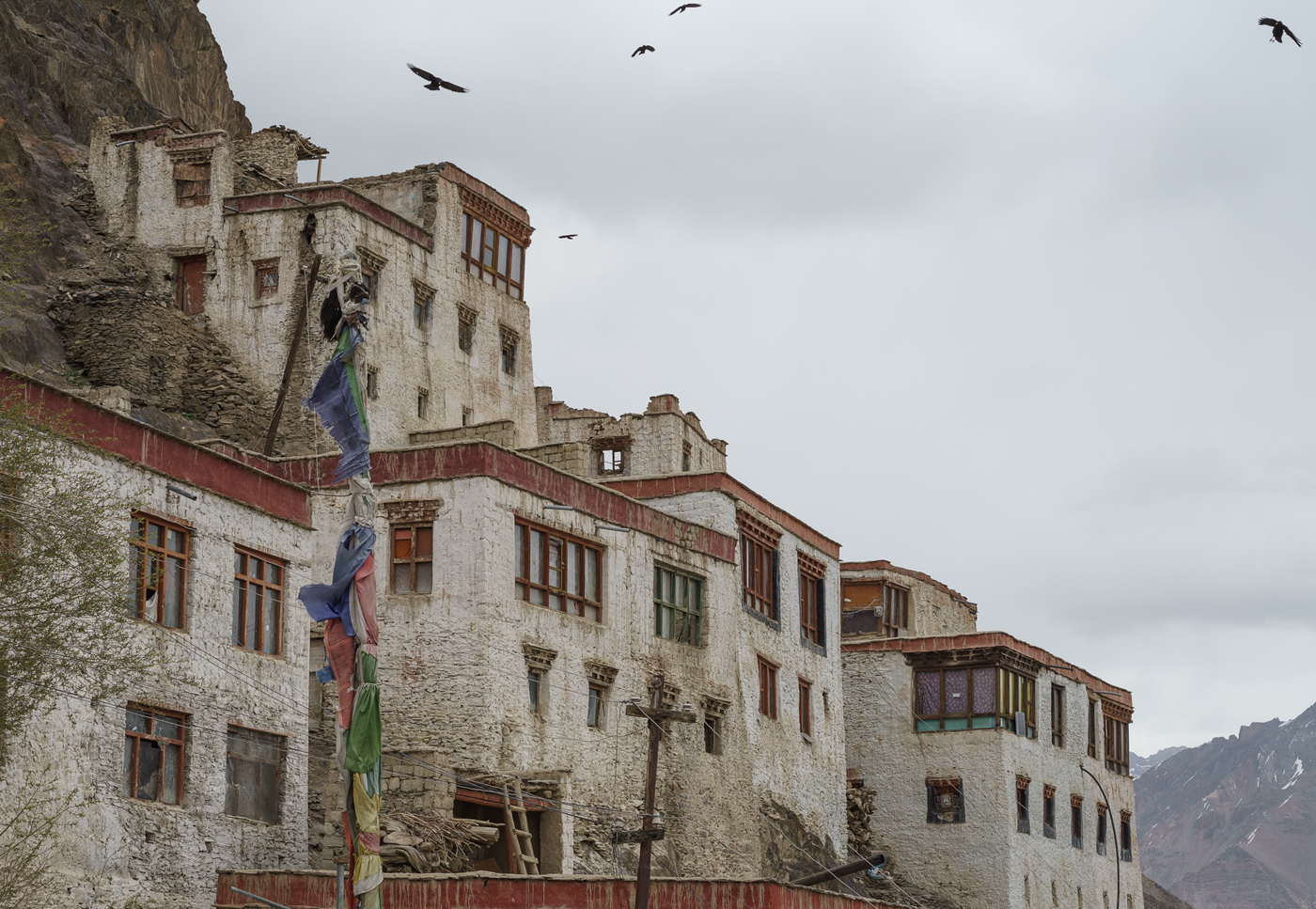
f7.1 I'd call this a good performance. One method: estimate the distance of objects or motifs in the frame - how hard is it?
f8 oblique angle helps here.
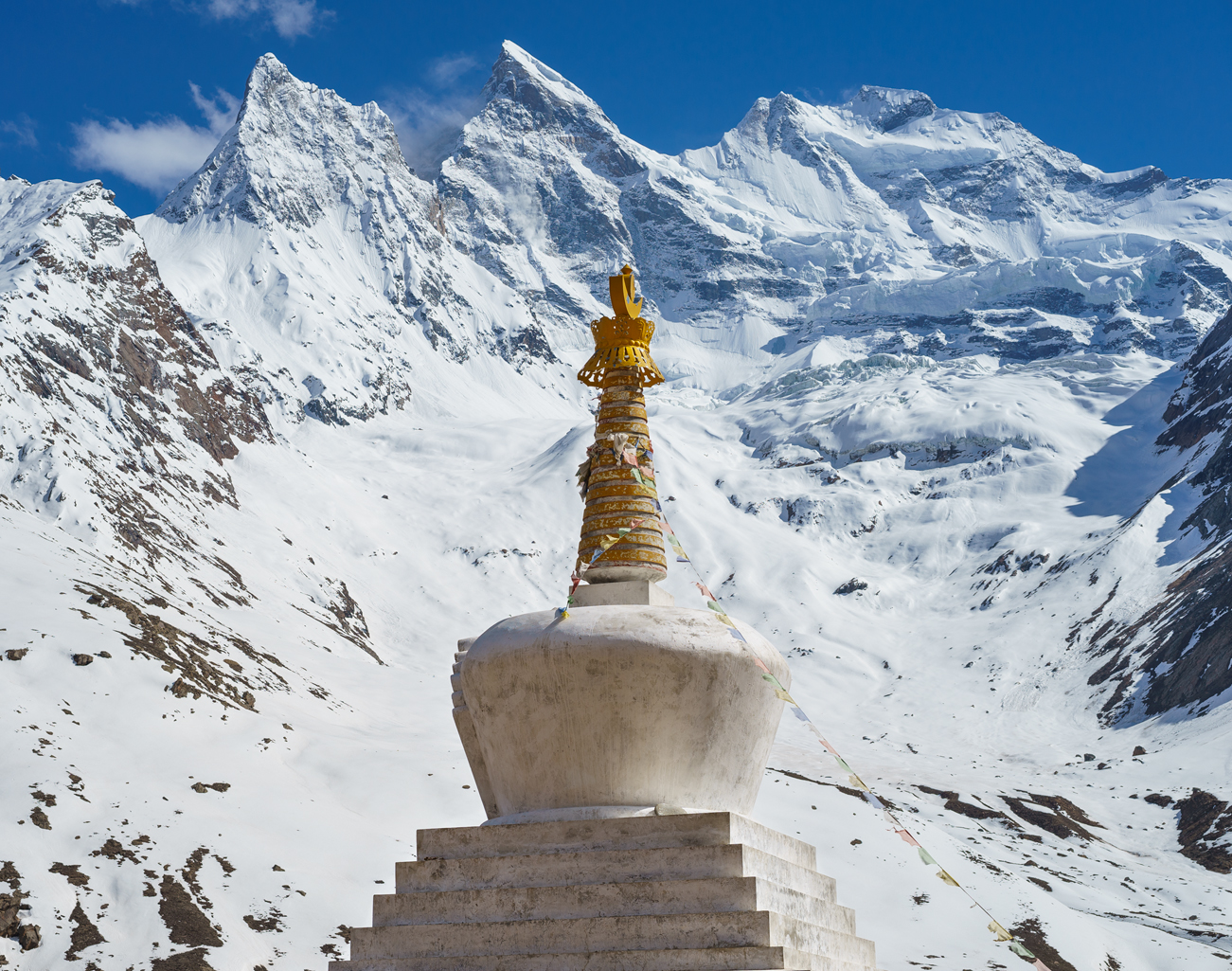
f8 high tones kill 3D, as seen here on left side face of Nun Kun (over 7000m), always need more DR and highlight tolerance, the Simeras have this.
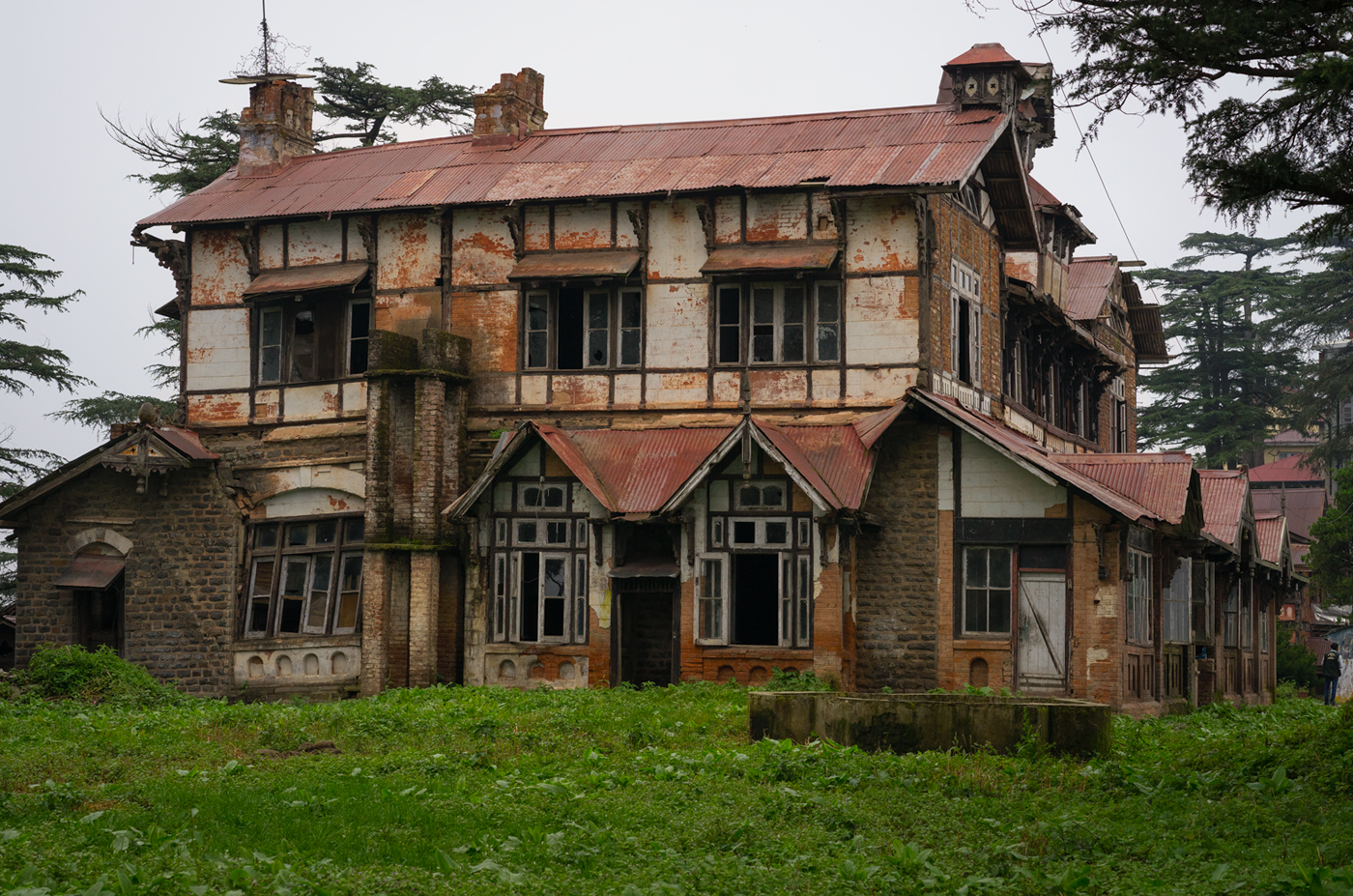
f3.2 the money clam front bokeh and facial rendering, still good wall and person at the door
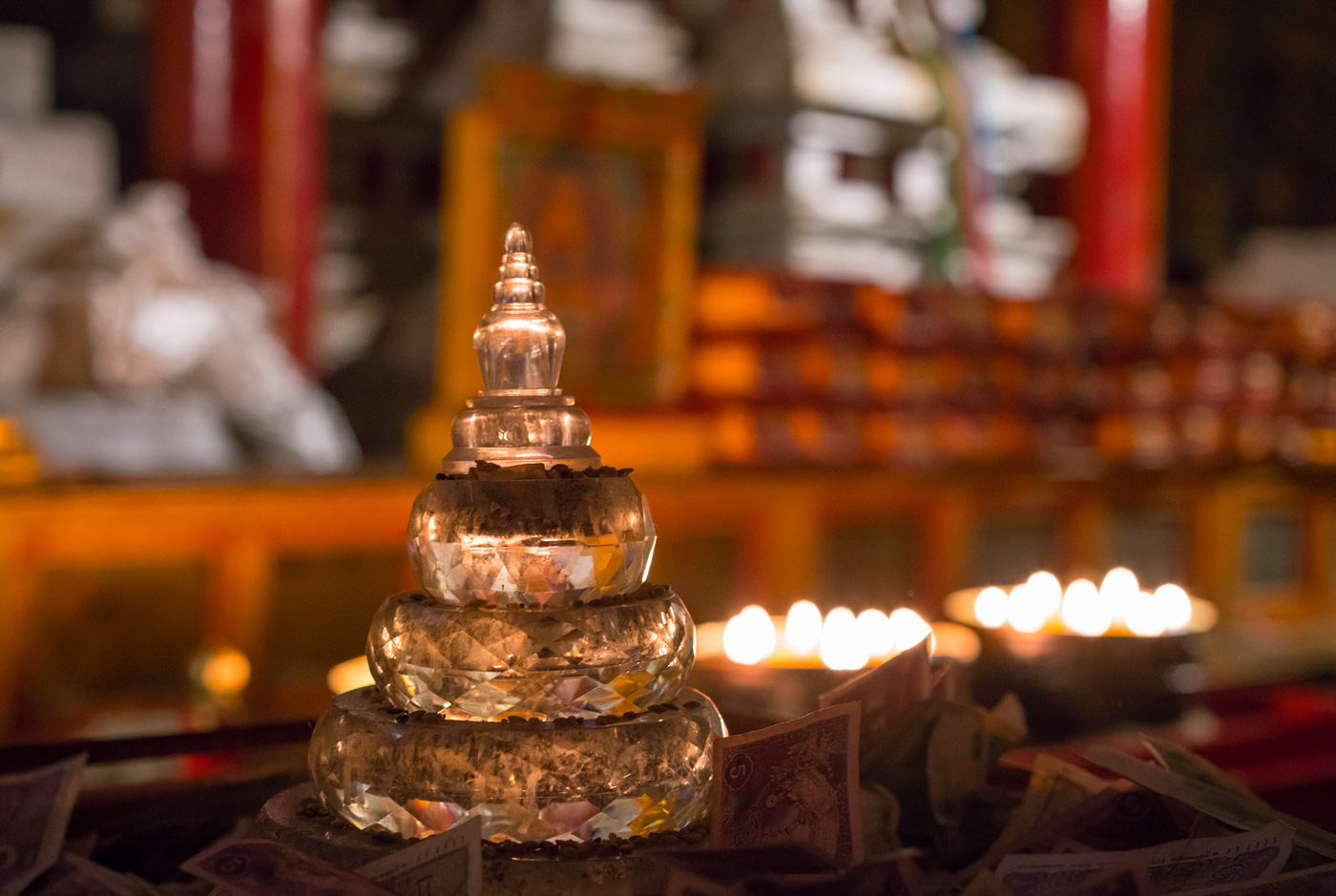
f3.5, more a bokeh demo - warm, pleasant and low key.
Sorry to buzz kill the discussion a bit but it just seems to me that given an image shot with lenses of the same focal length the vast majority of the time other factors contribute to image depth (3D) more.
Character of the Lighting.
Direction of lighting.
Relationship of objects in the frame and their positions.
Composition.
Chosen focus point.
Probably even sensor/output format attributes like subtlety of rendering from attributes such as bit depth.
All of these are likely as important or even more so. Unless we are talking about lenses at the extreme opposite ends of lems quality scales.
philip_pj wrote:
Among the 3D advocacy groups, the Sony FE 55mm f1.8 comes up time and again [...].
The caption at the second image; f8 high tones kill 3D, as seen here on left side face of Nun Kun (over 7000m), always need more DR and highlight tolerance, the Simeras have this.
Is there a way to describe this tolerance in words?
I guess you aren't saying the light levels are are filtered in the lens. We should be able to say the light passes in a linear fashion, no highlight roll-off in the lens, right? If so, is the "highlight tolerance" possible thanks to good contrast (low micro flare), thanks to good coatings and possibly thanks to something else as well?
Or is it just a more conservative exposure these days? Or better DR in todays sensors?
Curiously, for me the portrait in the doorway against the black background is the only one that shows a 3D pop effect. It’s not as pronounced as in some of the other examples posted here, but within this series it definitely stands out. I just can’t pinpoint what exactly makes it feel so three-dimensional to me 🤔
So it definitely doesn’t take pronounced bokeh or strong background blur to create a three-dimensional effect.
philip_pj wrote:
Now, people. Well, faces mostly, because they have to appear well-formed by the lens for the image to work. Lenses really matter for 'face 3D'.
gammarART wrote:
Curiously, for me the portrait in the doorway against the black background is the only one that shows a 3D pop effect. It’s not as pronounced as in some of the other examples posted here, but within this series it definitely stands out. I just can’t pinpoint what exactly makes it feel so three-dimensional to me 🤔
So it definitely doesn’t take pronounced bokeh or strong background blur to create a three-dimensional effect.
It is the light that makes that portrait so attractive and dimensional. The subject is in "open shade" at the boundary of the low interior light inside the house. Also, possibly with a little kick from light reflected off something behind the photographer.
This is one of the best natural light portrait setups possible. One I use frequently with success. Do not credit the lens with this success. It is a combination of many important aspects.
Nov 19, 2025 at 05:53 AM
Steve Spencer Offline • • • • • • • Upload & Sell: Off
Is there a way to describe this tolerance in words?
I guess you aren't saying the light levels are are filtered in the lens. We should be able to say the light passes in a linear fashion, no highlight roll-off in the lens, right? If so, is the "highlight tolerance" possible thanks to good contrast (low micro flare), thanks to good coatings and possibly thanks to something else as well?
Or is it just a more conservative exposure these days? Or better DR in todays sensors?
I am sorry, but I see this an another, now typical over claim by Phillip for Simera lenses.Simera lenses have their strengths, but handling bright light is not one of them. They are in fact quite prone to flare.
Steve Spencer wrote:
I am sorry, but I see this an another, now typical over claim by Phillip for Simera lenses.Simera lenses have their strengths, but handling bright light is not one of them. They are in fact quite prone to flare.
In fact this is one of the ways I use my 50mm Simera. I use most often at night when I want very round specular highlights and character rich handling of bright lights. Otherwise I use my 50mm Lux when I want images with fewer aberrations.
Simera lenses are great at what they do but they do have distinct characteristics.
Nov 19, 2025 at 06:45 AM
Steve Spencer Offline • • • • • • • Upload & Sell: Off
1bwana1 wrote:
In fact this is one of the ways I use my 50mm Simera. I use most often at night when I want very round specular highlights and character rich handling of bright lights. Otherwise I use my 50mm Lux when I want images with fewer aberrations.
Simera lenses are great at what they do but they do have distinct characteristics.
Yes, the oof handling of bright lights and the very round rendering of oof bokeh balls are indeed a strength of Simera lenses, just as long as those bright lights don't lead to flare. They typically do not in the situation you describe, but shooting with the sun in or near the frame is definitely a challenge with Simera lenses.
Lenses can enhance the effect, some to a surprising amount.
I shot each of the pairs below with different 28mm M42 lenses a few seconds apart with the same aperture, shutter speed and focus point.
I stood in the same place for each shot. One lens is obviously wider than the other despite their both being labeled as 28mm. Other slight framing differences are due to handholding. None are cropped.
Shot on Fuji Neopan Acros II B&W film, developed by my local lab.
Some exposure adjustments during negative conversion to correct the fact that one of them lets in about a half stop more light at the 'same' aperture. Aside from that, they all got the same additional processing in LR (minor adjustment to black point, straighten) and dust removal/output sharpening in PS.
1st in each pair: Bushnell Automatic 28mm f/2.8
2nd: MC Macro Revuenon 28mm f/3.5 - my copy, at least, is a clear contender for the MOST POP
Folks can dismiss what to call it, how to label, etc. But, your samples clearly show that the variance in the A : B is the lens contribution. I've never dismissed the contribution of the other attributes (i.e. lighting, etc.), but I've always maintained that different lenses render the rate of transitions differently and bring their own level of contribution to the party.
If the naysayers cannot see the differences in your A : B and want to find some reason to discount the variance in your optics ... well, we'll see.
Btw, it kinda looks like you forgot to use Scott's "special lighting".
In my opinion , almost any photo in your flickr has 3d pop, this one does not
tsdevine wrote:
That depth into a scene is what I'm often drawn to. It doesn't even need a singular subject, like my son sitting on the bench. And maybe that isn't 3D pop then, but some shots just cause something to click in my brain and it truly seems like I'm not looking at a 2 dimensional screen showing an image.
And I'm sure we see things differently, so what I see here may just be an ordinary shot to others, since it won't trigger the same perception of the scene as I have.
Garmadon wrote:
In my opinion , almost any photo in your flickr has 3d pop, this one does not
Cool, like I said...everyone kind of has their own take on how they see a shot and whether they see depth or pop. Historically when I've posted here, it's been hist or miss. So it doesn't surprise me if this was a miss.
tsdevine wrote:
Cool, like I said...everyone kind of has their own take on how they see a shot and whether they see depth or pop. Historically when I've posted here, it's been hist or miss. So it doesn't surprise me if this was a miss.
I think this brings up the aspect of what folks are looking for / anticipating for their definition(s).
For me, I think it falls into two basic camps (beyond regular subject / BG separation stuff).
1) 3D - conveys to me a sense of depth that transitions the Z axis into the scene from front to rear in a manner that presents multiple planes or a continuum of plane variance (akin to normal expectation). This, in regard to the similarities of our human physiological response cues to spatial depth.
2) 3D "Pop" - conveys to me a sense of "forward projection" from the plane of focus, that the subject "pops" out, or forward.
The scene of the pipes is a very good illustration of this, et al.
Imo, the latter is more in the realm of the requisite "Trompe' Loeil" regard ... but, the salient point being that these are two different presentations wrt to how our brains interpret spatial dimension cues.
gammarART wrote:
Curiously, for me the portrait in the doorway against the black background is the only one that shows a 3D pop effect. It’s not as pronounced as in some of the other examples posted here, but within this series it definitely stands out. I just can’t pinpoint what exactly makes it feel so three-dimensional to me 🤔
This is relatively easy to explain. It's due to the door leaf leading into the background and the decreasing amount of light reflected from it towards the back. Crop out this part of the image and the spatial effect disappears.
gammarART wrote:
So it definitely doesn’t take pronounced bokeh or strong background blur to create a three-dimensional effect.
Well, a monotonous black background remains exactly that, regardless of whether it's "sharp" or "blurry".
philip_pj wrote:
Among the 3D advocacy groups, the Sony FE 55mm f1.8 comes up time and again.
3D photographers use stereo cameras. The Sony FE 55mm f1.8 is completely ignored in this context.
I see it in the first two portraits . What makes it for me is how the light is reflected on the nose and cheek. When I did some lens compariaons back to back , some are like this ,the way I like , and in some this area is more flat . Call it micro contrast/3d pop or whatever.
When I look at a portrait I pay more attention to this but not so much to things like bokeh quality.
But yes , we are all different .
gammarART wrote:
Curiously, for me the portrait in the doorway against the black background is the only one that shows a 3D pop effect. It’s not as pronounced as in some of the other examples posted here, but within this series it definitely stands out. I just can’t pinpoint what exactly makes it feel so three-dimensional to me 🤔
So it definitely doesn’t take pronounced bokeh or strong background blur to create a three-dimensional effect.
RustyBug wrote:
Pipes at bottom of page 18 (re-posted a couple times, elsewhere also).
https://www.fredmiranda.com/forum/topic/983034/17/
Thank you for revisiting this post, as it serves as a reminder that we've been arguing here for ages about something for which there's still no consensus on what it even is. There's no binding definition; everyone defines it for themselves. This discussion is therefore as pointless as any discussion can be. It hasn't yielded any new knowledge or results so far, and it won't in the future either.
Folks can dismiss what to call it, how to label, etc. But, your samples clearly show that the variance in the A : B is the lens contribution. I've never dismissed the contribution of the other attributes (i.e. lighting, etc.), but I've always maintained that different lenses render the rate of transitions differently and bring their own level of contribution to the party.
If the naysayers cannot see the differences in your A : B and want to find some reason to discount the variance in your optics ... well, we'll see.
Btw, it kinda looks like you forgot to use Scott's "special lighting".
I'm guessing most of the naysayers won't have anything to say about my examples, since that might require a reassessment of their loudly proclaimed belief that lenses have a negligable effect on 3D POP.