fredmiranda.com
Login

Moderated by: Fred Miranda
  New fredmiranda.com Mobile Site
  New Feature: SMS Notification alert
  New Feature: Buy & Sell Watchlist
  

FM Forums | Leica & Alternative Gear | Join Upload & Sell

1       2       3              85              87              138       139       end
  

which lens has the most 3D POP?


1bwana1
Online
• • • • • •
Upload & Sell: On
p.86 #1 · which lens has the most 3D POP?


Nifty Fifty wrote:
So far, there has been no mention of books. But there are, of course, no limits to the absurdity of drawing ridiculous comparisons.


A book is just a form of document a concept which you introduced to the discussion. I origionaly referenced "writings". Now you call your own logic a form of "the absurdity of drawing ridiculous comparisions".

In any case my only point has been, and remains, that to the product the means of production are not important. But to the maker it might be very important.


Nov 12, 2025 at 09:40 AM
Nifty Fifty
Offline
• • •
Upload & Sell: Off
p.86 #2 · which lens has the most 3D POP?


1bwana1 wrote:
A book is just a form of document a concept which you introduced to the discussion. I origionaly referenced "writings". Now you call your own logic a form of "the absurdity of drawing ridiculous comparisions".

In any case my only point has been, and remains, that to the product the means of production are not important. But to the maker it might be very important.

Had I wanted to write "book," I would have. And the production processes, and therefore the means of production, are by no means insignificant for the value (both financial and intrinsic) of products.


Nov 12, 2025 at 09:57 AM
j4nu
Online
• • • • •
Upload & Sell: Off
p.86 #3 · which lens has the most 3D POP?


Nifty Fifty wrote:
Above all, you haven't understood that comparing a poor analog image with a good digital one is pointless. Furthermore, you haven't grasped that the process is something for the photographer, not for the viewer (at least not for the uninitiated), and that there are people who take pictures for themselves and not for paying clients or forum likes. When shooting the same subject simultaneously with analog and digital cameras, I'm proud of a successful baryta print, but not of a print made from the digital file. Moreover, I find the entire analog process, from testing the film to printing
...Show more

Without going further into what you think I understand and what I don't, I actually do appreciate the process behind the photo. It comes down both to the actual taking of the photo and all the work involved afterwards to reach the final outcome.
I just think that it's the final product that people see (or you see the final product of other people's work). If the quality is not there in the final product, the process becomes a secondary matter .

And I really don't want to get into how a lot of stuff requires less skill nowadays compared to the days of yore ...


Nov 12, 2025 at 10:26 AM
RoamingScott
Online
• • • • • •
Upload & Sell: Off
p.86 #4 · which lens has the most 3D POP?


Jonas B wrote:
This is like ads for dishwashers. "Hey, look how clean and nice everything is, also when using the wrong program!" I'm sorry Philip but this is too much.
Several members here have now asked you to post A/B test images. As you even haven't commented on these wises one have to assume you either are demonstrating integrity or don't care/dare.


C'mon. Philip has been insanely consistent over the course of this 14 year old thread with posting the flattest, most mundane photos possible all while tripping over himself with effusive praise for their pop. If you can't tell who you should and should not value the opinion of by now, that's not on him.


Nov 12, 2025 at 10:36 AM
gdanmitchell
Offline
• • • • • • •
Upload & Sell: Off
p.86 #5 · which lens has the most 3D POP?


I’m totally in the camp that regards photography done with digital tools and processes to be just as valid as photography done with optical/chemical tools and processes.

There is one difference however, though it probably doesn’t make a difference to most in this forum. A darkroom print is a singular object, and each one is subtly unique. That generally* isn’t the case with digital prints from digital files. (If we reevaluate and further adjust our image for each print we might claim something similar with digital images, but that’s not too common.)

At the same time, there’s also another similarity. The “process” that good photographers apply to with digital images is no less substantial that than applied by film practitioners. Yes, you can just crank out something in five minutes, but that’s not how the best photographers do it, no matter what media they work with. They typically pre-visualize just like film photographers, anticipating at the time of exposure what processes they intend to apply in post. They often work in the best images over very long periods of time. Frequently they make test prints and live with them for a few days before reevaluating and continuing to refine the images.

The fact that it is possible to forego that kind of thoughtful and careful work (as it was to a lesser extent with film, too) does not mean that today’s best photography is done that way.

That’s one (among several) reasons that “darkroom prints” by great photographers still command the highest sale prices.

- - -

Oh, and we’re no closer to resolving the “which lens has the most pop” question, are we? If there was convincing photographic evidence of some lens being the “best” at this, we would have seen it by now. And another 80 pages of this will not produce that either. If only we could let that one go, but I’m not optimistic.


Nov 12, 2025 at 11:39 AM
cbass
Offline
• •
Upload & Sell: Off
p.86 #6 · which lens has the most 3D POP?


gdanmitchell wrote:
Oh, and we’re no closer to resolving the “which lens has the most pop” question, are we? If there was convincing photographic evidence of some lens being the “best” at this, we would have seen it by now. And another 80 pages of this will not produce that either. If only we could let that one go, but I’m not optimistic.


It is clearly the Mitakon 35mm f/0.95 version 2. Followed by the Zeiss Contax 35-70 f/3.4.


Nov 12, 2025 at 11:56 AM
jcolwell
Offline
• • • • • • •
Upload & Sell: On
p.86 #7 · which lens has the most 3D POP?


It's a secret.


Nov 12, 2025 at 12:35 PM
ruthenium
Online
• • • •
Upload & Sell: On
p.86 #8 · which lens has the most 3D POP?


gdanmitchell wrote:
I’m totally in the camp that regards photography done with digital tools and processes to be just as valid as photography done with optical/chemical tools and processes.

There is one difference however, though it probably doesn’t make a difference to most in this forum. A darkroom print is a singular object, and each one is subtly unique. That generally* isn’t the case with digital prints from digital files. (If we reevaluate and further adjust our image for each print we might claim something similar with digital images, but that’s not too common.)

At the same time, there’s also another similarity. The “process”
...Show more

Dan, regarding "A darkroom print is a singular object, and each one is subtly unique. That generally* isn’t the case with digital prints from digital files" - let's not overlook the fact that there is (theoretically) an infinite multitude of color profiles that give the starting point for digital processing from raw. The product, corrected image, is greatly influenced by the choice of a color profile, to begin with. I confidently expect a photo expertly processed by a highly skilled photographer in DxO Photolab to look different from the same processed in Lightroom or in Capture One, or in some other application.
My points are that (a) the available processing tools are not equivalent, and also that (b) there is no "standard" processing routine - every professional processing from raw is uniquely personal.
Post a raw file and ask 10 good photographers to return their jpegs, and I expect you should receive 10+ distinctly unique interpretations of the image. In other words, the products of digital photography can be, and should be considered to be as "subtly unique" as the prints. Even the appearance of a digital image on my display is not going to be the same as this image would look on your display (if we don't have equivalent displays, calibrated with the same calibration device).


Nov 12, 2025 at 12:57 PM
gdanmitchell
Offline
• • • • • • •
Upload & Sell: Off
p.86 #9 · which lens has the most 3D POP?


ruthenium wrote:
Dan, regarding "A darkroom print is a singular object, and each one is subtly unique. That generally* isn’t the case with digital prints from digital files" - let's not overlook the fact that there is (theoretically) an infinite multitude of color profiles that give the starting point for digital processing from raw. The product, corrected image, is greatly influenced by the choice of a color profile, to begin with. I confidently expect a photo expertly processed by a highly skilled photographer in DxO Photolab to look different from the same processed in Lightroom or in Capture One, or in some
...Show more

I may have been unclear — since that wasn’t necessarily my main point in the post — so let me clarify.

When the photographer (or his/her printer in the case of some folks like HCB) makes a print from film, they virtually always engage in some darkroom post-processing. Let’s use dodging and burning as an example. (Perhaps some have seen the extensive mark-ups on test images that record how to do this in specific photos.) Because all of this is done manually by doing things like waving shadow-creating tools (and/or hands!) over the paper under the enlarger, it is impossible to do it the same way twice in a row, and there are inevitable differences between two copies of the same print. And that’s not the only source — it is virtually impossible to get every print out of and into the next bath with perfectly identical timing, etc.

(This is different than the evolution of the photographer’s interpretation of the print over time. There are some remarkable examples of how that changes over the decades, but I digress…)

Consequently, at the high end of the print market, it isn’t enough to own, say, _any_ print of “Moonrise, Hernandez…,” but people actually value specific iterations of the print more than others. And if you were to look at them side by side, you’d see the differences, too.

That is not to say that when we run 20 copies of a print on or inkjet printers that there are literally no differences among them. However, I’m positive that if I took them out in a particular order, shuffled them, and then asked someone to put them back in order based on the differences that it would be impossible unless there was a printer failure or similar. I know that I couldn’t tell by looking at a series of my own prints and I know them better than anyone. (In fact, I’d say that these differences are even smaller than the theoretical differences between the results from using the “best pop” lens and using the second-best pop lens…. ;-)

Make sense?

Edited on Nov 12, 2025 at 02:49 PM · View previous versions


Nov 12, 2025 at 01:16 PM
RustyBug
Offline
• • • • • • •
Upload & Sell: On
p.86 #10 · which lens has the most 3D POP?


gdanmitchell wrote:
I may have been unclear — since that wasn’t necessarily my main point in the post — so let me clarify.

When the photographer (or his/her printer in the case of some folks like HCB) makes a print from film, they virtually always engage in some darkroom post-processing. Let’s use dodging and burning as an example. (Perhaps some have seen the extensive mark-ups on test images that record how to do this in specific photos.) Because all of this is done manually by doing things like waving shadow-creating tools (and/or hands!) over the paper under the enlarger, it is impossible to do
...Show more

I think you missed the aspect that Moonrise iterations were not merely "copies" of one another. They were continued iterations and revisions over different time frames. Some of which were based on the advent of differing chemistry available to the market, some were variants of different approaches, etc. They weren't "copies". If I process an image from RAW this year using LR and three years from now I process using DXO and process differently (more contrast vs. less contrast vs. more saturation vs. less saturation, more D&B, etc.) then they are also NOT COPIES, they are iterative, variant versions.

Pre-digital we had basically the options of using standard processes, by sending our work to the lab and having the lab do their thing, to the standard process, consistently.

Or, if we wanted something custom, we had to work with the lab until we got what we wanted. Or, we went into the darkroom and did the custom work ourselves.

Fast forward ... we now have the choice to use any number of "canned" profiles, but the plethora of those does not suggest anything "standard" ... except that we might choose to be consistent in our choices (i.e. Adobe Portrait). Beyond that, we have inherently kicked the lab to the curb, and everyone is their own lab. The degree to which they approach with a standard or consistency vs. random / custom / iterative is inherently widespread. For some, we develop our own "custom" or "signature" profiles for such consistency. But, even still ... revisiting a raw file 3, 5 or 10 years later and reprocessing is not likely to be a "copy" of the first go with it.

That said, if all we are doing is hitting the "reprint" button, then yes the similarities will be great and the differences small. But, that's not to suggest that just because it is digital, they will be the same. Sure, print the same file, and you'll get the same "copy". But, that's not what Moonrise was about ... it was a journey to his vision, not merely a copy with uncontrolled variations. Two different things, imo ... not to be confused / presented as the same thing.


Nov 12, 2025 at 01:32 PM


Search in Used Dept. 

RustyBug
Offline
• • • • • • •
Upload & Sell: On
p.86 #11 · which lens has the most 3D POP?


ruthenium wrote:
there is no "standard" processing routine - every professional processing from raw is uniquely personal.
Post a raw file and ask 10 good photographers to return their jpegs, and I expect you should receive 10+ distinctly unique interpretations of the image. In other words, the products of digital photography can be, and should be considered to be as "subtly unique" as the prints.


+1

Anyone who participated with Dan Margulis workshops a while back went through this very exercise repeatedly (multiple weeks) ... and the result variations were anything from mild to wild.

The point being that nothing is "baked in" to a standard process. But, even that reminds of the baked in profile differences between Kodachrome, Ektachrome and Fujichrome. Back then, we only dreamed of being able to do our own profiles ... and now, here we are ... everybody gets to be their own lab rat, which includes the experimental growth / learning developments, as well.


Nov 12, 2025 at 01:43 PM
Nifty Fifty
Offline
• • •
Upload & Sell: Off
p.86 #12 · which lens has the most 3D POP?


Sometimes I get the feeling that some people discussing darkroom work here have either never actually worked in one, or if they have, they've done so rather poorly. Even back when many were working with hybrid methods, they often argued that it was on par with analog, since they were doing the same things in digital image processing as they would in the darkroom. Oddly enough, no one could ever produce a good analog print to prove they had mastered it practically, not just theoretically. And as for the discussion about unique prints: digitally, it takes me a smile to print an image in editions of 10, 20, or 100. Zero extra effort, just click the mouse, and you're done. That's nothing like the craftsmanship of a darkroom. And because someone mentioned that in the pre-digital age, you had the option of having your work done in a lab using standardized processes. There was and is no standard process for black and white photography, and there never will be (unless you used Ilford XP2 or Kodak CN400 or similar and processed them in the color process), and what large labs offered as standard was simply rubbish.


Nov 12, 2025 at 02:26 PM
gdanmitchell
Offline
• • • • • • •
Upload & Sell: Off
p.86 #13 · which lens has the most 3D POP?


RustyBug wrote:
I think you missed the aspect that Moonrise iterations were not merely "copies" of one another. They were continued iterations and revisions over different time frames...


I didn't "miss" that. It is literally in the post you quote. It seems that you overlooked this when you skimmed my post:

(This is different than the evolution of the photographer’s interpretation of the print over time. There are some remarkable examples of how that changes over the decades, but I digress…)

My posts are already long enough (yeah, too long) that I can't extend them to fully address every possible nuance of every possible variable, which I why I included that parenthetical rather than adding a full coverage of it.

To be clear — and this was my reason for mentioning it but not elaborating — this thing that you missed is about a parallel between digital and analog, and not among the differences that were the subject of the post.

(For anyone interested, there are a bunch of excellent examples of Adams' prints' evolution over time. I've seen great examples in person. One was many years ago at, IIRC, an exhibit in Anchorage that focused on his reinterpretations of the famous photo of a lake and Mt. Denali (then McKinley). Another was a pair of simultaneous exhibits in the SF Bay Area some years back. One at SFMOMA displayed his prints along with O'Keeffe paintings. The other, a smaller exhibit in San Jose, focused on his very early prints, before he became a big name. Some of the early interpretations are remarkably different than the later versions that we know. But that would have been true regardless of whether he used film or digital techniques so it seemed irrelevant to the discussion here that pits digital against film.)

- - -

Nifty Fifty wrote:
Sometimes I get the feeling that some people discussing darkroom work here have either never actually worked in one...


I have.

Edited on Nov 12, 2025 at 07:46 PM · View previous versions


Nov 12, 2025 at 02:53 PM
RustyBug
Offline
• • • • • • •
Upload & Sell: On
p.86 #14 · which lens has the most 3D POP?


Nifty Fifty wrote:
Sometimes I get the feeling that some people discussing darkroom work here have either never actually worked in one, or if they have, they've done so rather poorly. Even back when many were working with hybrid methods, they often argued that it was on par with analog, since they were doing the same things in digital image processing as they would in the darkroom. Oddly enough, no one could ever produce a good analog print to prove they had mastered it practically, not just theoretically. And as for the discussion about unique prints: digitally, it takes me a smile
...Show more

Ahh ... the matter of printing editions, yeah trying to produce same results repetitively ... not for the faint of heart, nor the expedient. +1 there is a big difference between sending off a file to a printer and asking them to serialize 100 prints, and calling that an edition ... vs. printing a set of 10 prints, holding the same temps, times, chemistry, chemistry dilution, D&B positions, etc.

Vastly different things when there isn't an "undo" button (translation: mistakes / adjustments = REDO, not UNDO). To that point, the darkroom print is very much a "live" performance, executed in real time. Meanwhile, a digital production, I can sit, edit, correct, adjust and take as much time as I want at whatever pace I want. Kinda like playing video golf and actual golf aren't really the same thing, at all ... in that regard, the process of the darkroom is indeed a different creature from digital creations. The amount of regard / respect one has for the ability to do so ... yes, some folks understand and value the difference. Others, not so much.


So, yeah ... been there, done that ... just been a while (long while, actually).


Nov 12, 2025 at 03:00 PM
RustyBug
Offline
• • • • • • •
Upload & Sell: On
p.86 #15 · which lens has the most 3D POP?


gdanmitchell wrote:
I didn't "miss" that. It is literally in the post

(This is different than the evolution of the photographer’s interpretation of the print over time. There are some remarkable examples of how that changes over the decades, but I digress…)


My bad ... indeed, I misread that.


Nov 12, 2025 at 03:07 PM
jamesdak
Offline
• • •
Upload & Sell: Off
p.86 #16 · which lens has the most 3D POP?


Today I got a chance to test my old Mamiya 645 200/2.8 APO on my SL camera's. I got the adaptor in yesterday. Overcast skies today so I just sort of did some "test" shots. This image made me think of this thread. Shot at f/2.8 on a SL2.


As I was reviewing the images I realized I should have done some comparisons with some other lenses to see what the differences are straight out of the camera. I am curious to see if this combo is sharper than using the Leica 90-280 I also have.


Nov 12, 2025 at 08:43 PM
RustyBug
Offline
• • • • • • •
Upload & Sell: On
p.86 #17 · which lens has the most 3D POP?


jamesdak wrote:

Today I got a chance to test my old Mamiya 645 200/2.8 APO on my SL camera's. I got the adaptor in yesterday. Overcast skies today so I just sort of did some "test" shots. This image made me think of this thread. Shot at f/2.8 on a SL2.

https://a4.pbase.com/o12/80/486280/1/175941293.iwVKYkHj.L1030403.jpg


As I was reviewing the images I realized I should have done some comparisons with some other lenses to see what the differences are straight out of the camera. I am curious to see if this combo is sharper than using the Leica 90-280 I also have.


Ironic ... with jcolwell's recent post (secret), I was thinking about this exact lens earlier today. I was recalling back to his use of it.


Nov 12, 2025 at 09:18 PM
philip_pj
Offline
• • • • • •
Upload & Sell: On
p.86 #18 · which lens has the most 3D POP?


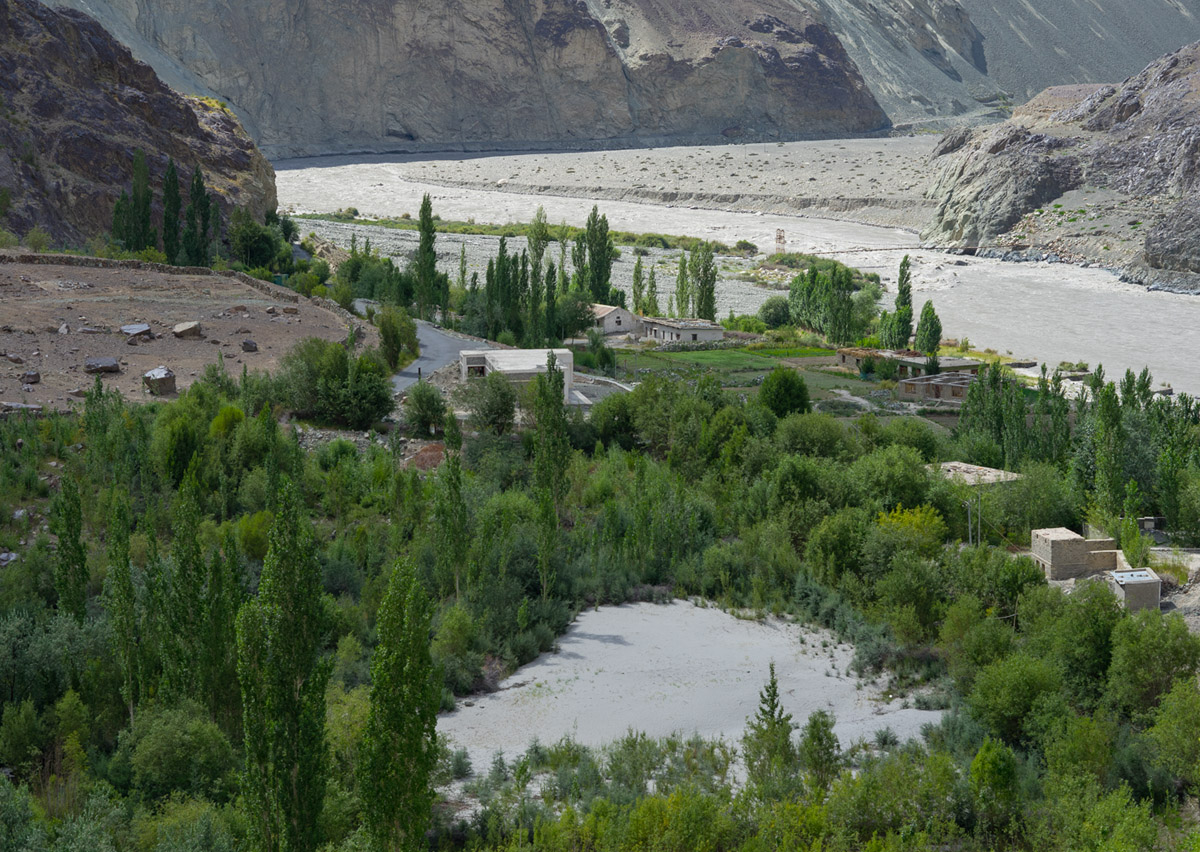
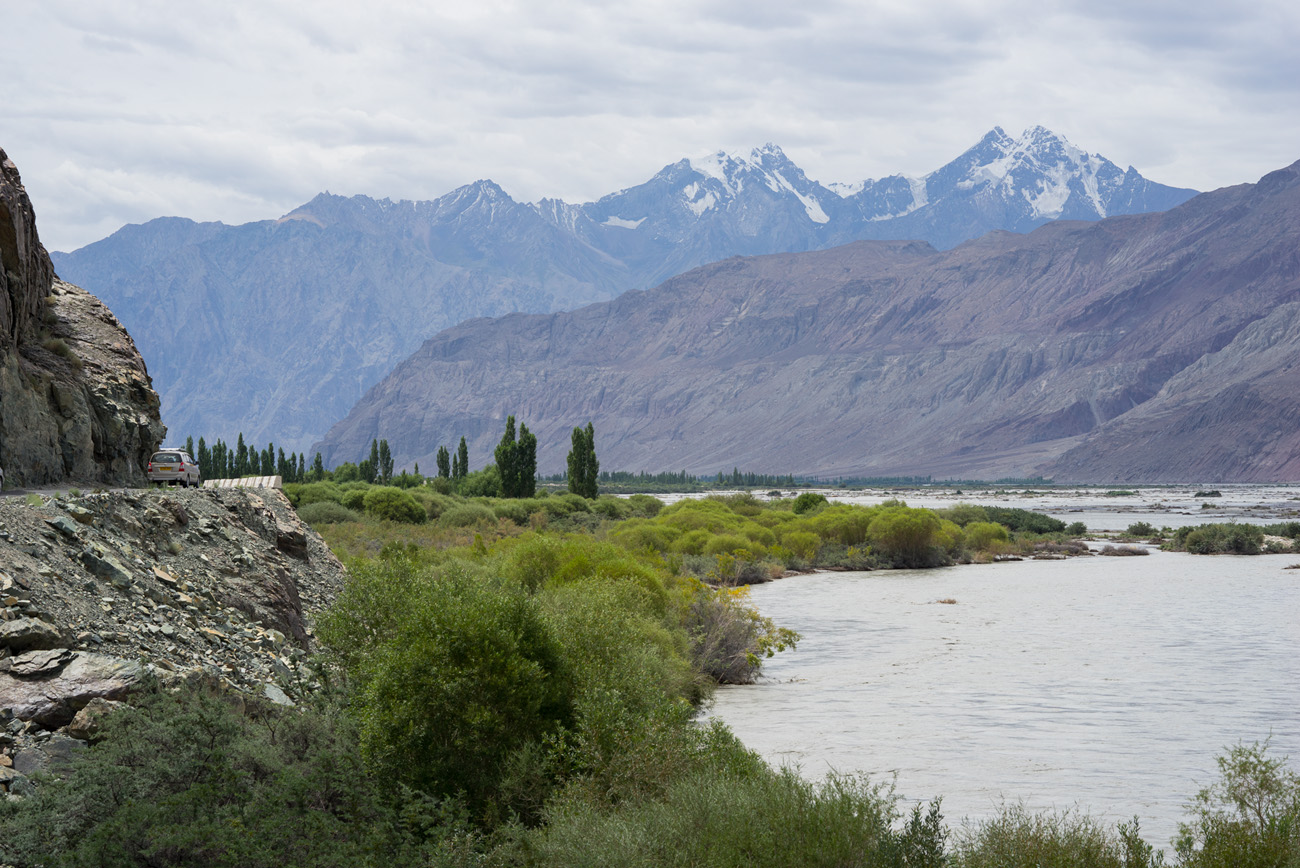
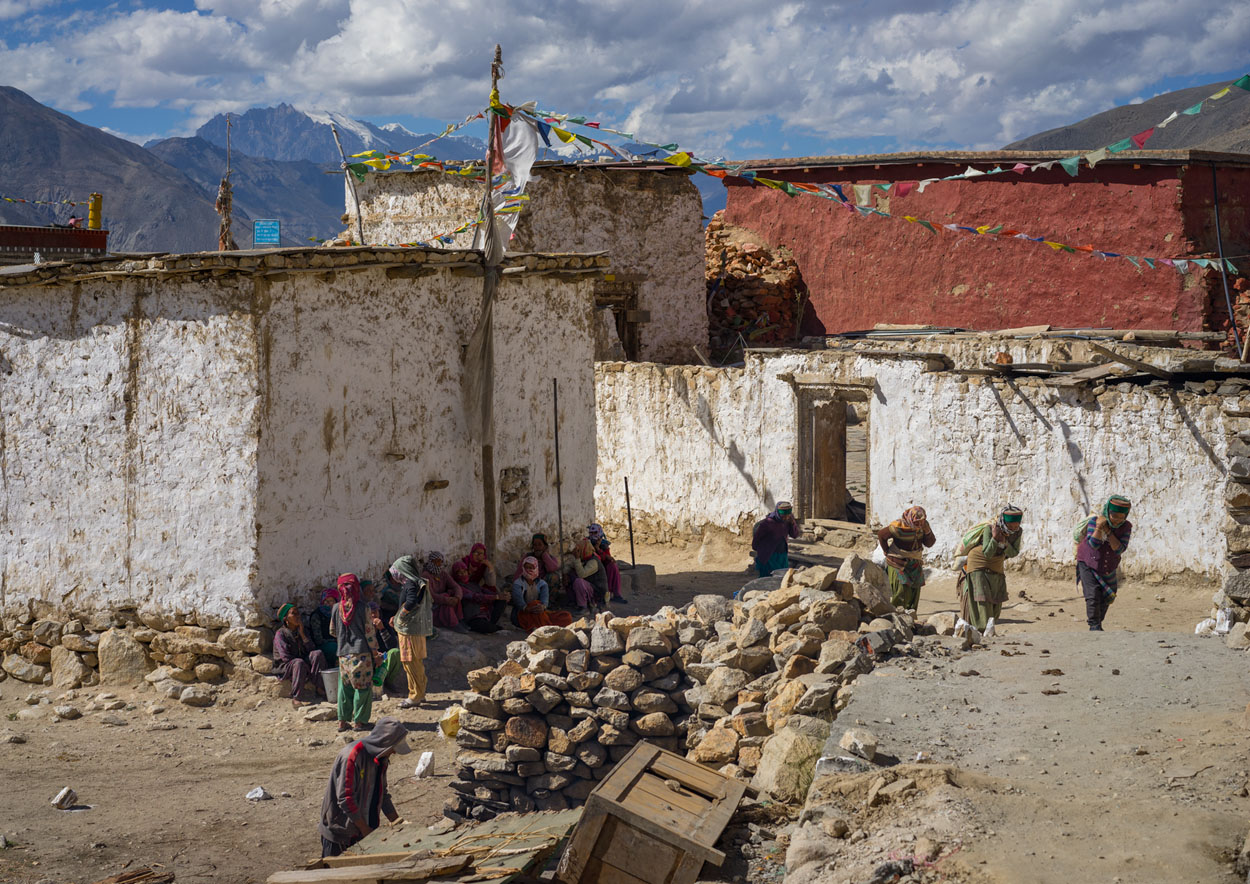
More in the flat lens stakes, these are from Zeiss - a decades long serial offender. Was I disappointed with this lens. I shoot in places you can't just take a stroll or short drive to re-shoot, so I need the lenses to perform. Luckily I got good at seeing it on the trip, left it in the bag after that. It's literally worthless to me.


5-6 green trees/plants, all the same green; drab monochrone everything else.


you would not believe the right-side ridge is perpendicular to the main range, UV overload, poor water handling.


ugly 'molten' bokeh, same queasy look from one metre to one kilometre.


Nov 12, 2025 at 10:30 PM
philip_pj
Offline
• • • • • •
Upload & Sell: On
p.86 #19 · which lens has the most 3D POP?


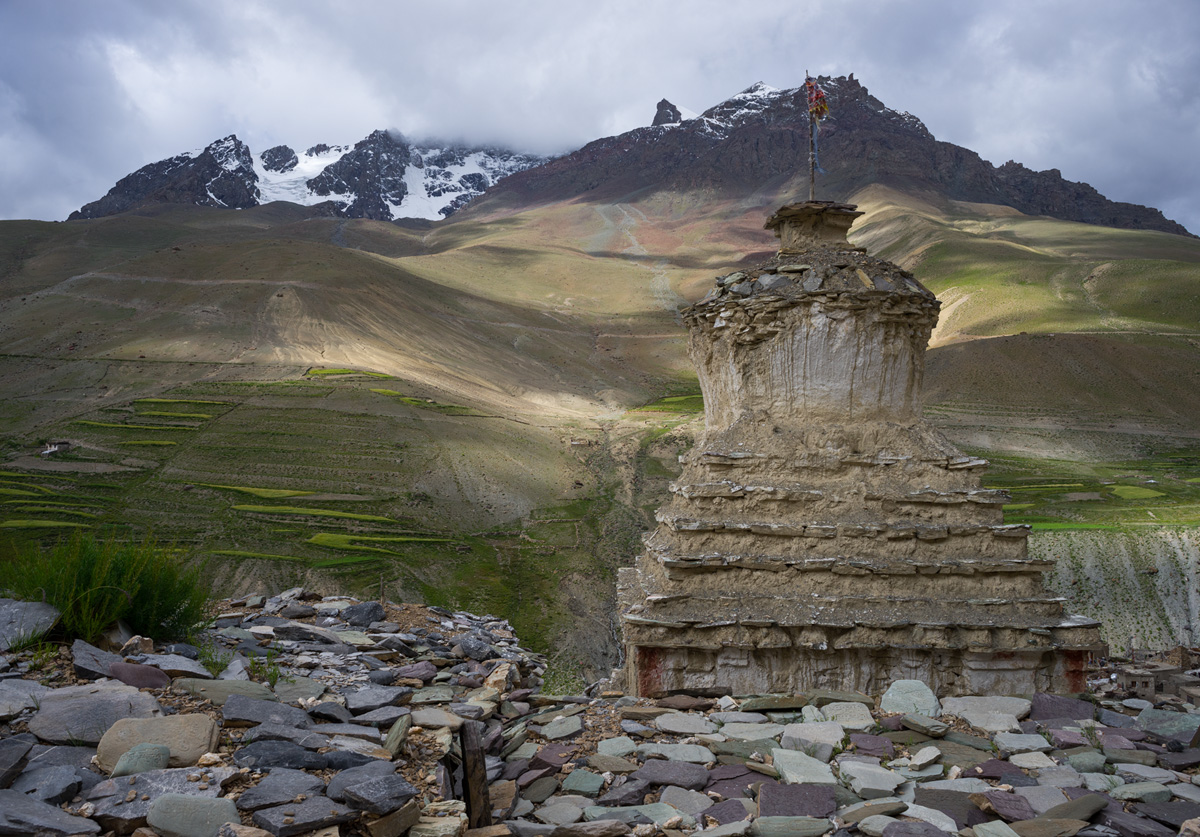
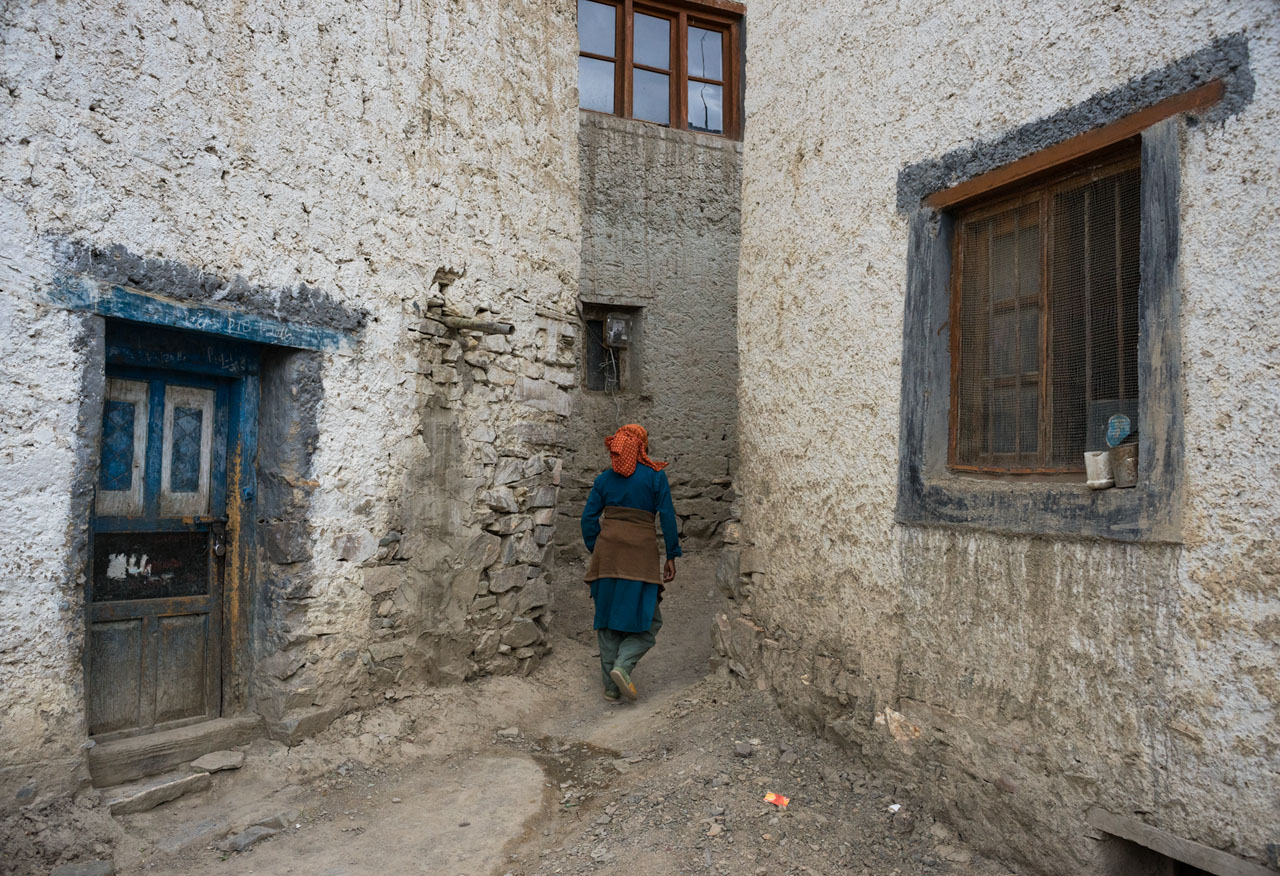
I divide Zeiss up into traditional Zeiss (up to 2000 or so) and modern Zeiss (ZE/ZF/ZM to the present) and see them as two quite different lens producers - organic and mellow, character giving way to harsh micro-contrast, flat rendering and poor color.

Here are two from trad Zeiss, showing the look they threw away. The old Carl Zeiss lenses are halfway towards the new 3D champs, some of the Chinese lenses. One door closes, another opens.


..


Nov 12, 2025 at 10:40 PM
philip_pj
Offline
• • • • • •
Upload & Sell: On
p.86 #20 · which lens has the most 3D POP?


I was, however, incredibly lucky with the only Sony lens worth me having, the 55/1.8 from 2013. It has recently become a firm favorite with advocates of true-to-life images, for good reason. Of course, it's apparently not 'sharp enough' for the rest. That 55mm has tremendous presence, too, so it's very nice for portraits. In fact, it's the lens that got me started down that path.


..


..


Nov 12, 2025 at 10:58 PM
1       2       3              85              87              138       139       end


FM Forums | Leica & Alternative Gear | Join Upload & Sell

1       2       3              85              87              138       139       end


Welcome back
Log in to your account