tsdevine wrote:
Reprocessed one from above to try to match color between the two lenses. Now 75% of you will say you see no 3D in either. 20% will complain that they are slightly different focal lengths. And 5% will maybe say you see it more in one than the other (or not.)
When I get a chance I will compare the narrow focal length "old" lens to a similar FL "modern" lens. And the wider "old" lens to a similar FL "modern" lens. (Assuming someone sees some evidence of 3D pop with these. (When I get the time....)
B has higher contrast which, to my eye, gives this particular image a bit more depth.
I see some nice depth and dimensionality; but nothing I'd throw into a folder labeled "3D Pop".
I don't disagree. I do these experiments in my spare time. If anything it shows that "classic" versus "modern" isn't the sole driver when it comes to lenses. I'll try to mix a couple of modern lenses in the mix next time, and see if I can get some more 3D pop from whatever subject I choose to shoot.
But obviously I can't guarantee that.
DaveFP wrote:
B has higher contrast which, to my eye, gives this particular image a bit more depth.
I see some nice depth and dimensionality; but nothing I'd throw into a folder labeled "3D Pop".
Tarekith wrote:
I had an art teacher in high school who told me something that I’ll never forget, more than 30 years later I still love how spot on it is:
“True art is never complete, true artists just get bored quickly and move on.”
Hmm.
That sounds like Leonardo da Vinci wasnt much of an artist with his Mona Lisa, considering he apparently spent a lot of time painting it.
The horse and carriage photo seems to play on light and focus point for 3d look. It stands out clearly, but does not look 3D to me. I posted this photo before, it is not necessarily a great photo, but it is a 3D look in my mind where the bridge seems to reach out even though DOF should appear flat. https://www.flickr.com/photos/95630920@N02/52265979413/in/dateposted-public/
“True art is never complete, true artists just get bored quickly and move on.”
Leonardo da Vinci carried his masterwork (Mona Lisa) around with him, even until shortly before his death: "It is known that Leonardo worked and reworked the painting for over four years, carrying it with him during his travels and parting with it only at his death"
Johann Wolfgang von Goethe is another example. "Goethe completed a preliminary version of what is now known as Part One (Faust) in 1806. Its publication in 1808 was followed by the revised 1828–29 edition, the last to be edited by Goethe himself. Goethe finished writing Faust, Part Two in 1831; it was published posthumously the following year."
It's hard to conceive of two more important figures in the canon of Western art. How about Michelangelo? "The Rondanini Pietà is a marble sculpture that Michelangelo worked on from 1552 until the last days of his life, in 1564."
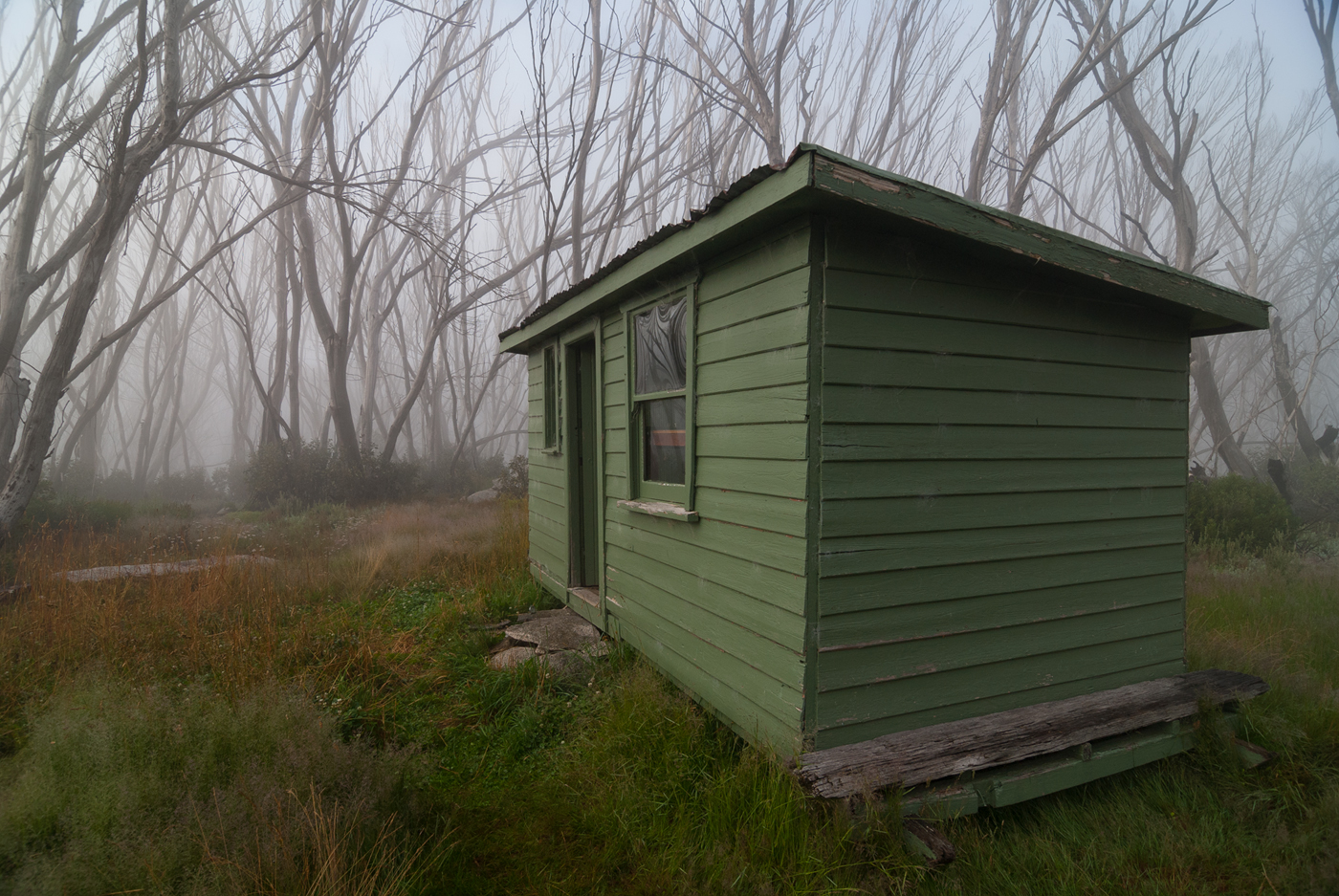
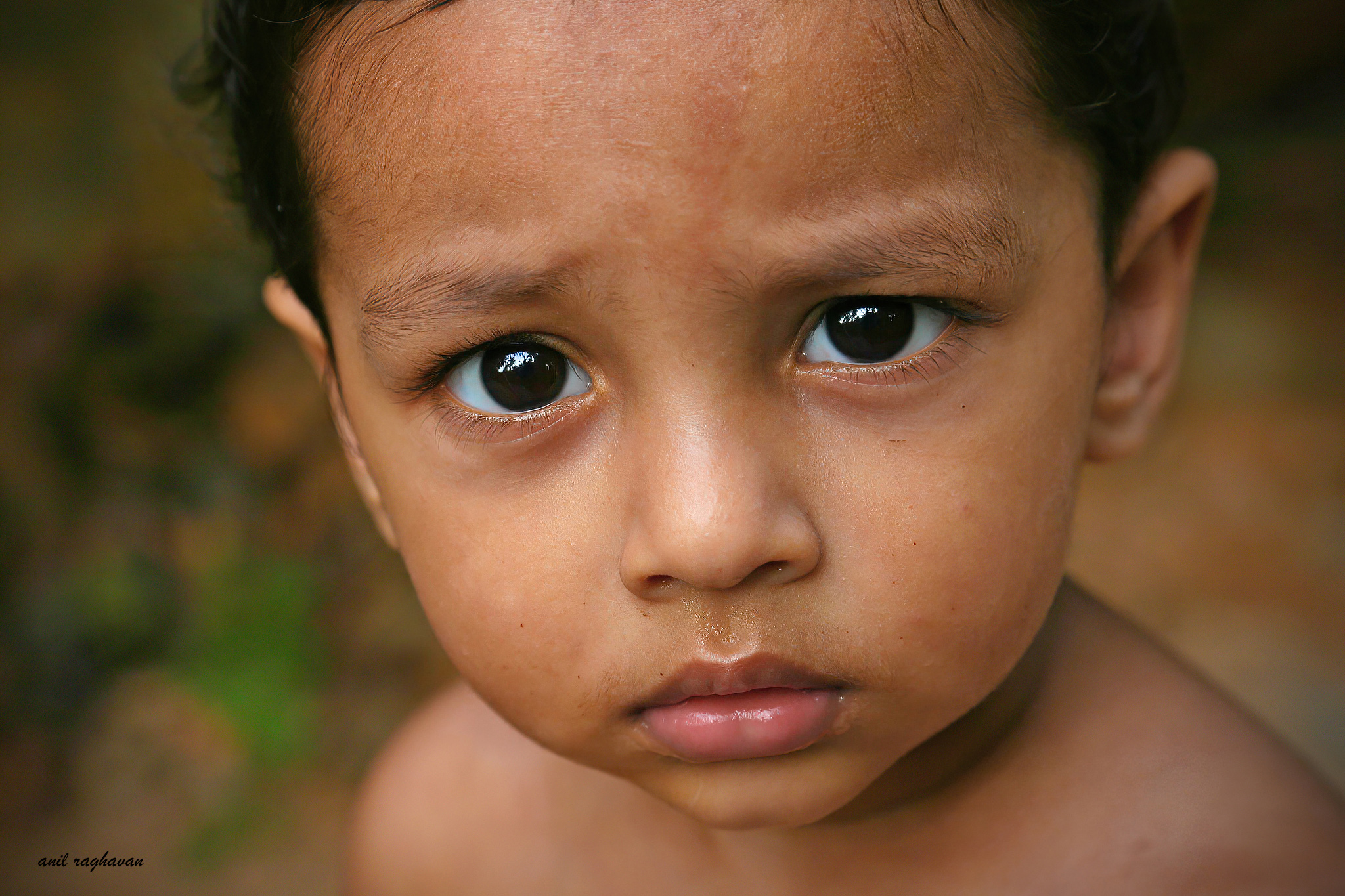
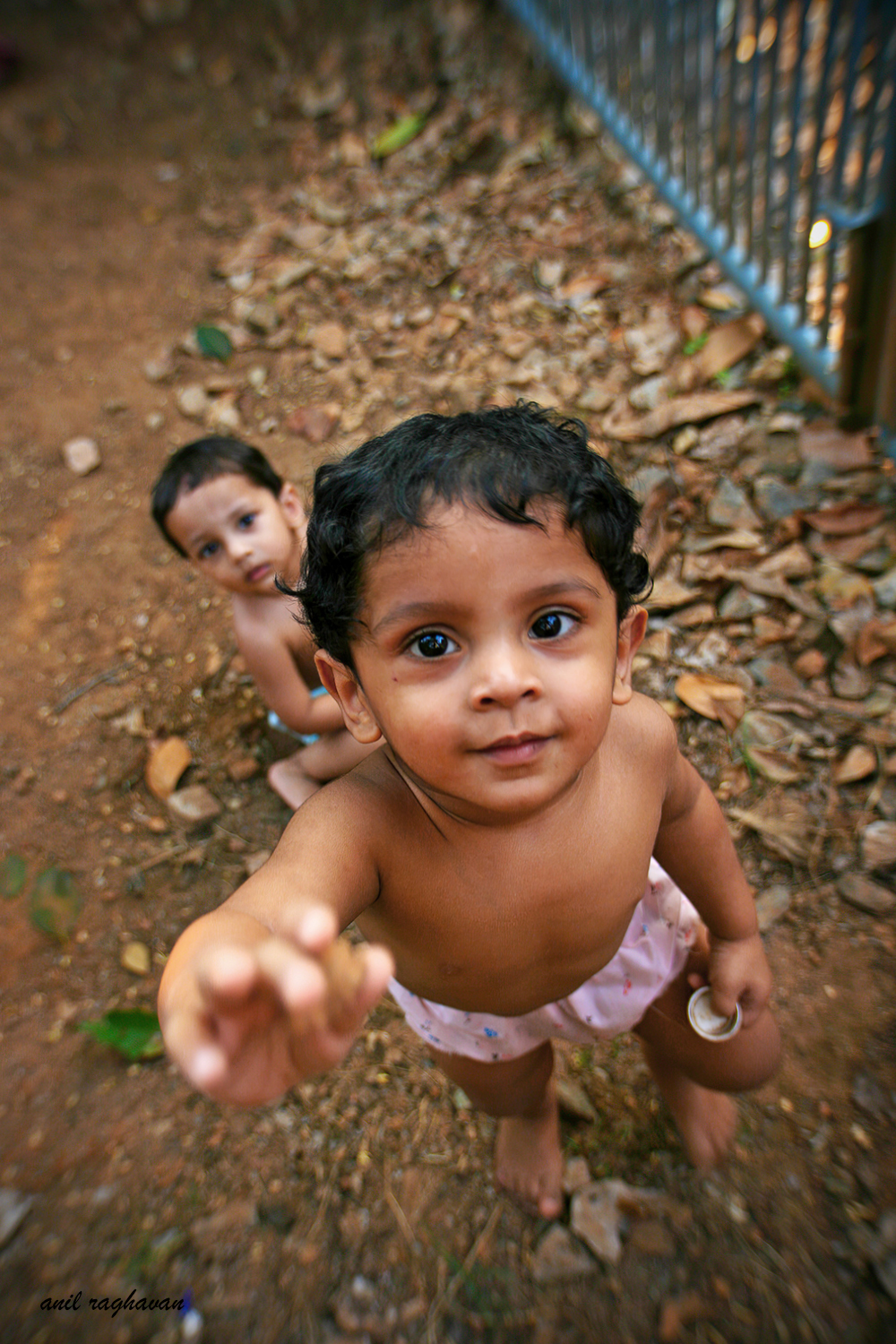
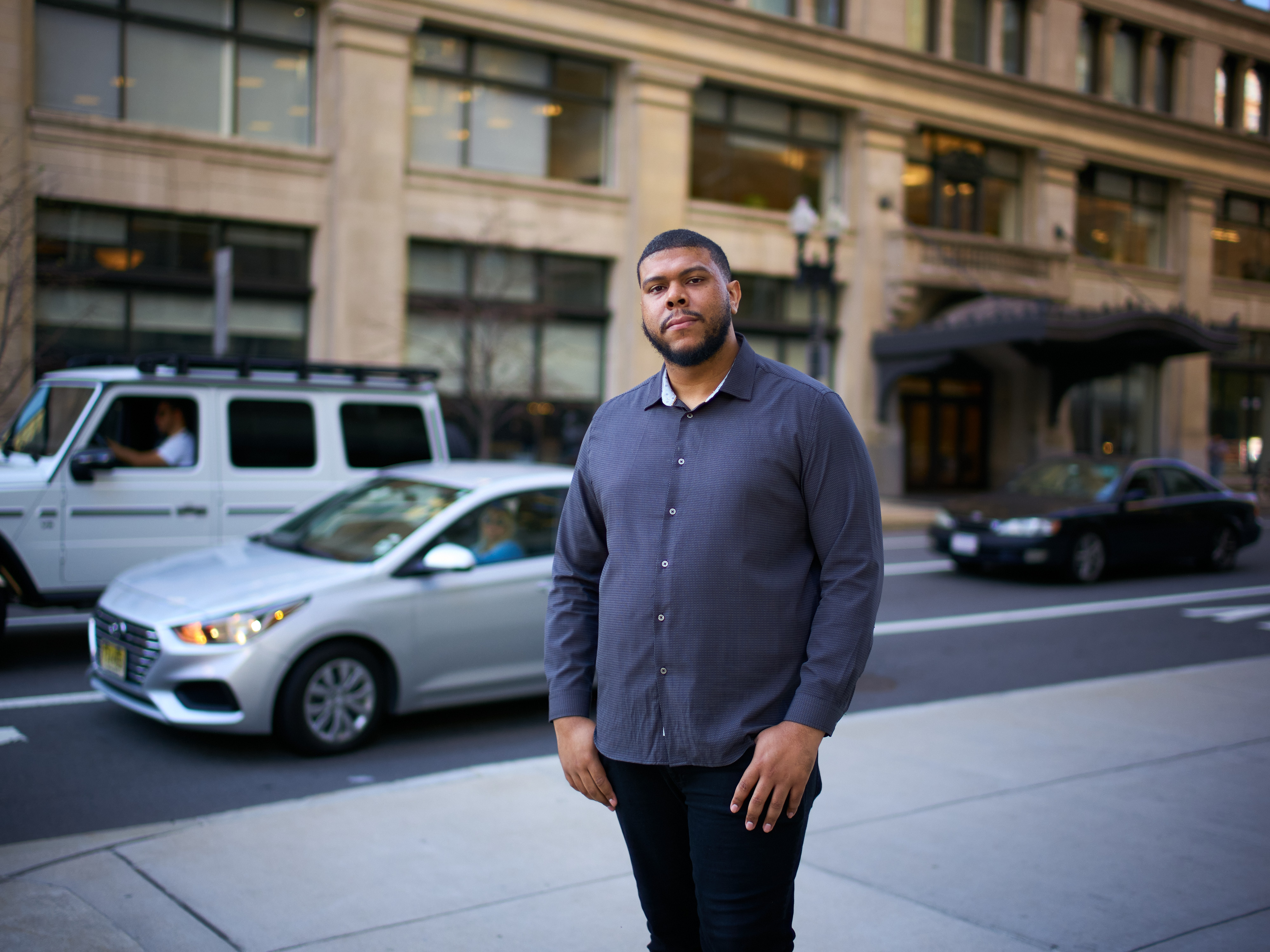
Unfortunately, we tend to identify in the out-of-focus of the background the only method to obtain the "3D effect".
To explain it in different words, without disturbing the photographic field, we could say that many persons are convinced that showing one thing in front of another constitutes a "three-dimensionality" of the scene. The three-dimensionality of an object, and even more the perception of its volume, is given by the lighting, by the shading (do you know Caravaggio? ).
To get 3D effect, it is not sufficient to have a properly focused subject superimposed to a out-of-focus background. The subject might look decontextualized, like a montage, with no trace of three-dimensionality of the scene; just a sequence of different planes.
A credible representation of 3D should be progressive, there must be a sense of increasing depth as the eye travels the depth of the scene.
Therefore, 3D lenses are those which render the transition between the focus plane and out-of-focus planes as smooth as possible, both behind and in front of the subject. Nevertheless, the lighting remains the best tool in the photographer's hands.
'Unfortunately, we tend to identify in the out-of-focus of the background the only method to obtain the "3D effect".'
I've been trying for a long time on this front with minimal success. I doubt minds can be influenced on the matter, but best people keep posting their images as a form of running display of what they are thinking it is. Vision is so personal.




 ).
).
 I doubt minds can be influenced on the matter, but best people keep posting their images as a form of running display of what they are thinking it is. Vision is so personal.