A contemporary, slowish 75-90 CV 3.5 APO would sell like next gen consoles.
philip_pj wrote:
Image depth should not be thought of as a desirable attribute in all instances and compositions. Indeed, as focal length increases, 3D decreases until the 135mm region - the more or less accepted limit for portrait lenses - delivers flat stopped down results at most focal distances, hence the bokeh craze at that FL. An interesting area is the short telephoto zone of 65mm to 90mm. Only a few slow primes are really landscape-oriented here (e.g. ZM85/4, M 135mm), plus the ever improving zooms are strong here too.
However, many of us would value highly an affordable and right-sized SL or Otus-level lens in this FL region, which I use quite a lot for open vistas in big country in clear air, where images really need detail. The history of performance of high end short tele primes is that the late 20C-early 21C lenses reached the 60s to 70 mark, the Leica M APO teles reached about the mid 70s, and the SL 75mm and Otus 100mm are in the low 80s zone - to give you some idea of the high end relativities (in 40lpmm). My theory is that the high performance short teles will change landscape photography, even though many will be used for portraiture and general work.
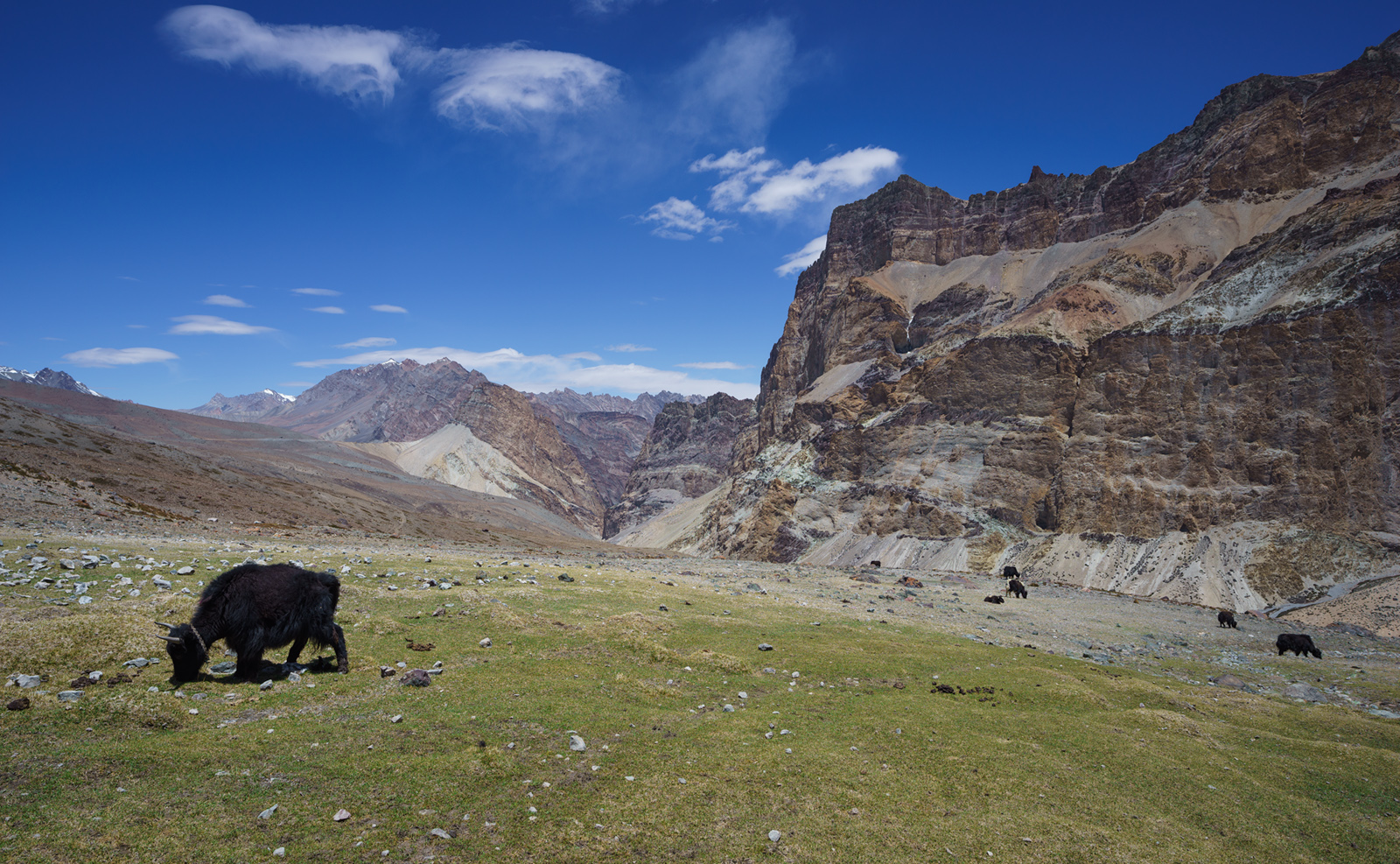
But back to how I started; this one below, shot with the CY 100/3.5 and its well-balanced frequency responses, is all about fine detail of the wall construction, the entrance, juniper burners and the anis, and the rock wall behind. This lens has very good 3D but not here, it's very flat! 3D is not only not needed, but it would dilute the message of the image. ...Show more →
It would be good to have more choice in that direction. I think these portrait lenses all appear geared to a narrow range of uses and users too, so it's good to see the 65/75 lenses come along for a wider range of photographic uses. On the 3D, here is an example of how a wide angle can always be expected to deliver 'native 3D' with a lot of volume. The focal length itself is the cheat.
Of all the examples posted is there such a thing as a complete consensus that one has 3D POP? There are a lot of good examples but any that we all say wow, that has it?
MARKFER wrote:
Of all the examples posted is there such a thing as a complete consensus that one has 3D POP? There are a lot of good examples but any that we all say wow, that has it?
I think there are quite a few that have 3D pop. Some have 3d qualities, some have "pop," and a few have both. But there are also really good discussions about what contributes to 3d pop.
This photo that I took last week has probably the strongest 3D effect of anything I've shot, but it doesn't have pop.
MARKFER wrote:
Of all the examples posted is there such a thing as a complete consensus that one has 3D POP? There are a lot of good examples but any that we all say wow, that has it?
I think that many (most?) images here seem lackluster simply due to the lack of basic IQ remaining after the compression for the web.
DaveFP wrote:
Both of your images exemplify what I think of when I think of "3D Pop".
Not surprised to see that they were taken with a Zeiss lens.
Thank you Dave. Indeed, shooting with some Zeiss family lenses makes it easier to get the effect. I recall a number of posts from our Swedish member of FM (Wilhelm?) who has dozens of outstanding true 3D shots with Contax glass; worth searching for it.
As for pop & 3D, well it’s a personal view on what is what, but to me 3D implies some degree of depth as many mentioned in this an other 3D related threads on FM forum. Oh, post processing matters as well!
My take on 3D
and on pop
When in post, specially RAW, try using masking to prevent background from being included in any sharpening; limit it only to subjects you want to pop out. Same with sharpening during and after resizing.
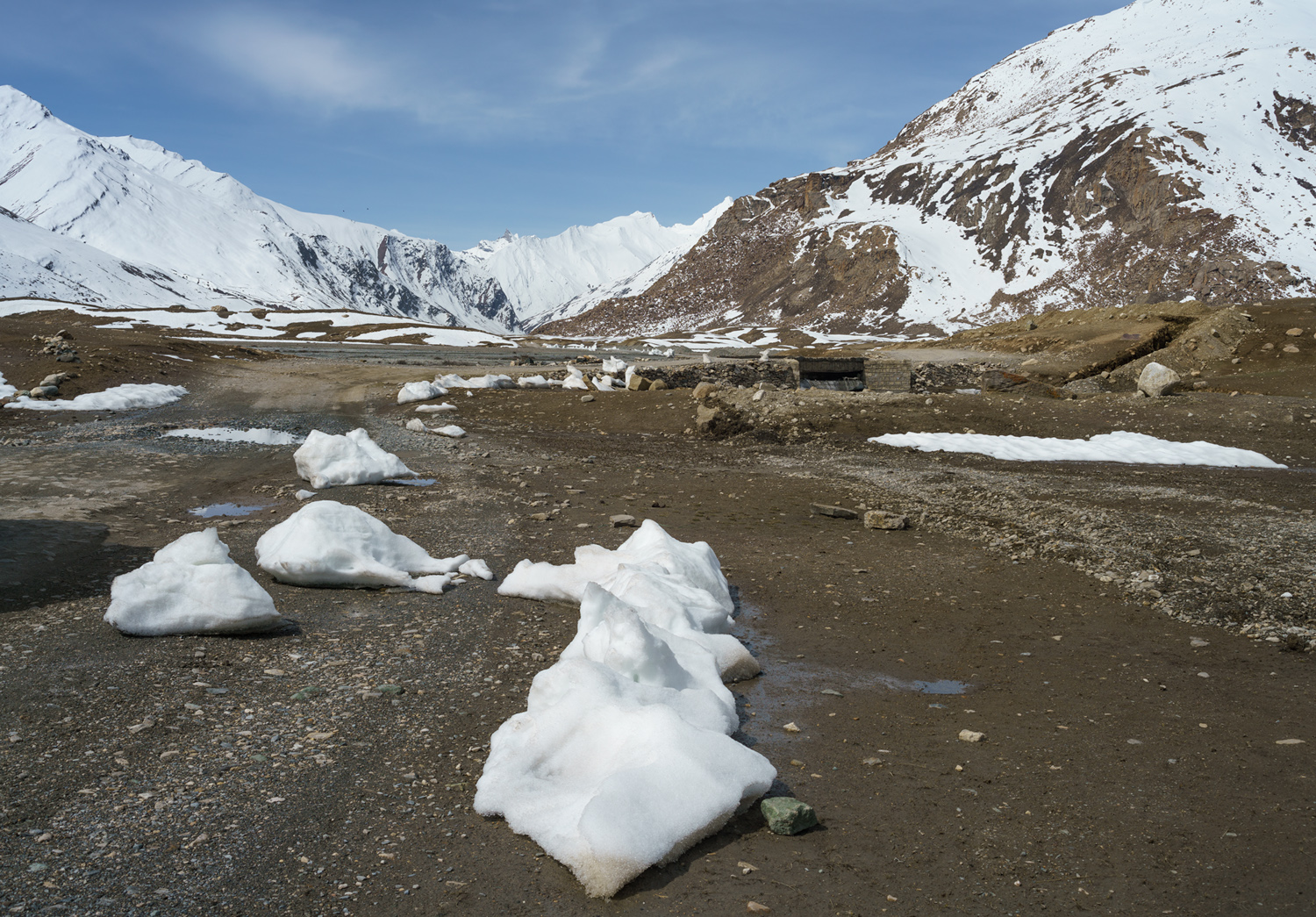
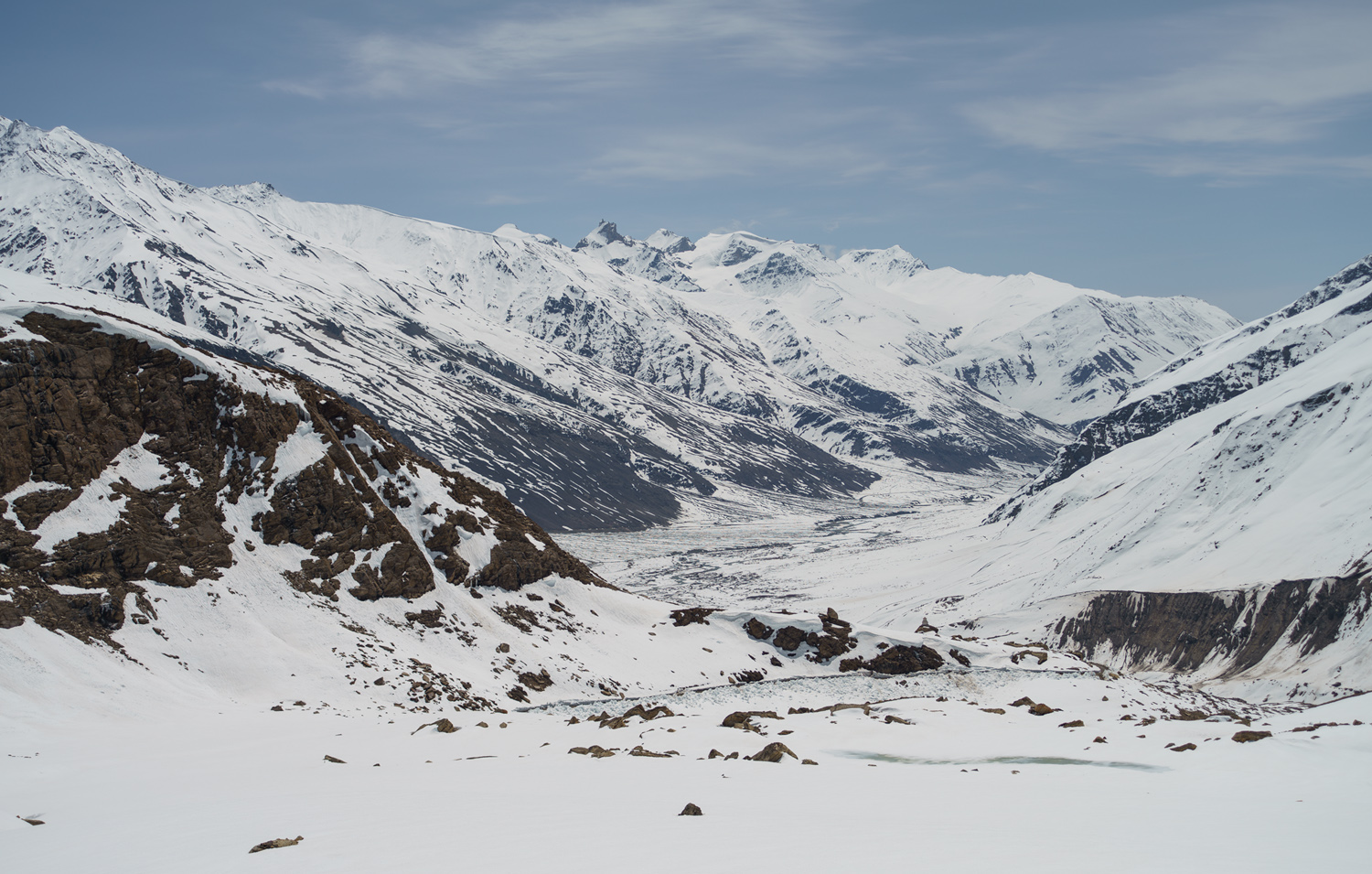
Often when you notice more depth it is a CY or other Zeiss lens. The wide Leica's are great too, the SEMs. #1 here is an ordinary shot of nothing much but the 35-70 did very well. #2 look, sometimes you cannot deliver even with the stronger 3D lenses. Low contrast (single narrow hump histos) or featureless scenes are bad news. The old axiom: learning to see the difference between an ordinary scene that is photogenic, and a great scene that is not. Such is life.
.. CY 35-70/3.4 .. see the two birds, I never delete birds, lol.
Minolta Rokkor 28mm/2 on Sony A7iii. Not a very flattering photo (she's threading a needle) but the 3D effect is pretty striking....especially look at her hands. This is likely due as much/more to the lighting as to the lens.