There is good separation of the pedestrians there, from backlighting, which proves that pop comes from a mixture of dof, contrasty lighting, distance to background etc.
Not a bad shot too 👍
Hassenbein's lamp post has good separation to my eyes.
Another nice shot.
Additionally, the editing is not good - especially the strong halo effect around the towers because you lowered the sky brightness and brought the dark building up.
hasenbein wrote:
No, there is no 3D pop in these 2 shots.
Additionally, the editing is not good - especially the strong halo effect around the towers because you lowered the sky brightness and brought the dark building up.
Thanks for your feedback, will try something else next time.
I'm giving "likes" to most of these images, even if I don't find them to be strong examples of "3D". I appreciate the images and the effort that goes into them, and the willingness to share. It also helps expand my impression of what others think of as striking images.
I posted those images because I like how they looked, and a friend commented how 3D it looked upon first reaction.
I take that everybody like different things and don't see images the same way. Cheers!
Gunzorro wrote:
I'm giving "likes" to most of these images, even if I don't find them to be strong examples of "3D". I appreciate the images and the effort that goes into them, and the willingness to share. It also helps expand my impression of what others think of as striking images.
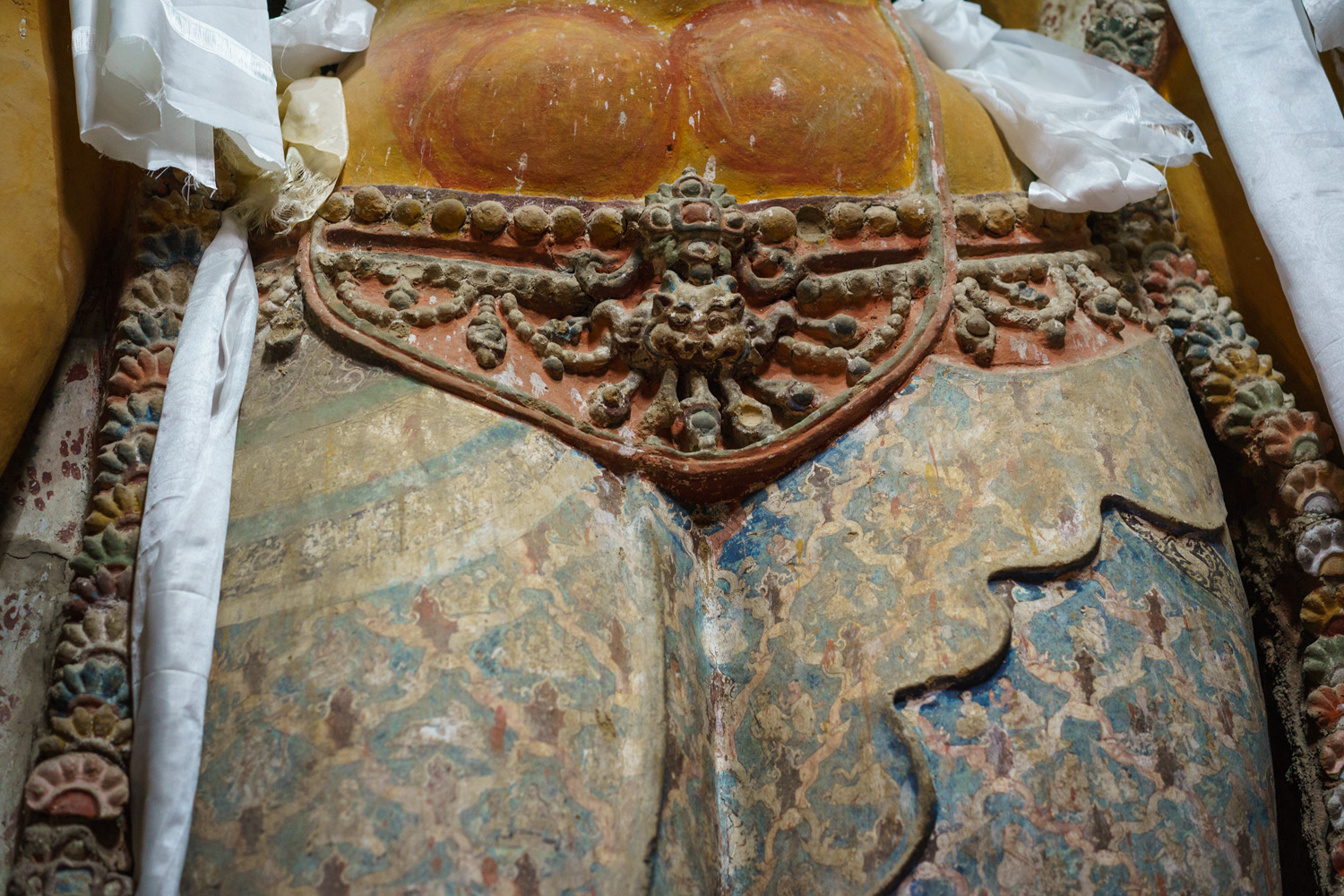
I saw a graphic display of close up 3D in a Dustin abbott video - he was comparing a Zeiss lens to a Canon lens focused on a piece of wood, it was night and day. #1 here is a similar example showing how very high detail renders image depth even in near subject matter, provided you have DOF to cover it.
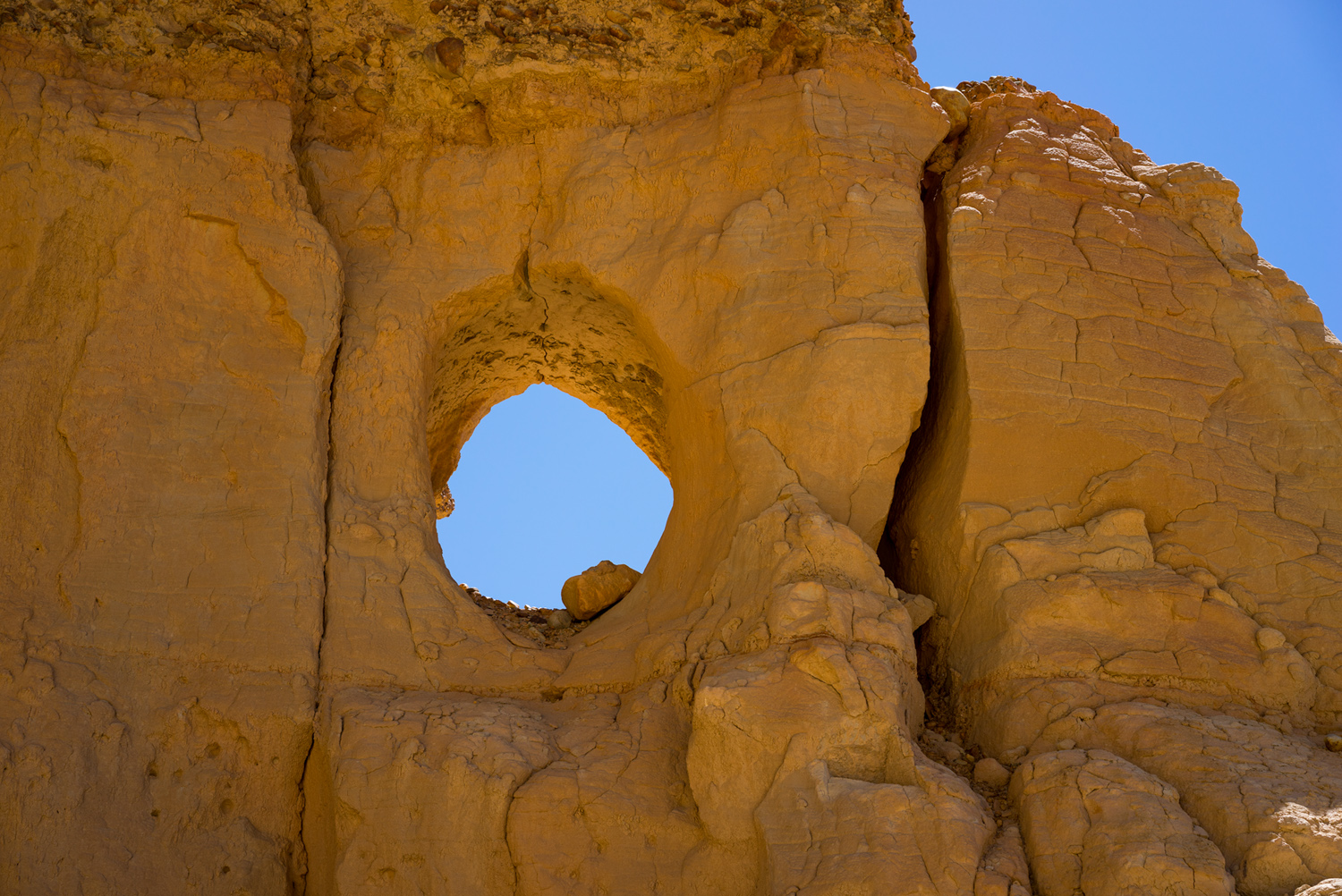
#2 Sometimes only well stopped down apertures will do the job, particularly at close quarters. I used f7.1 on the very sharp 55/1.8 to ensure the ancient rock portal, wall detail and crevices were drawn just as I saw them, in glorious 3D. Reality is attractive! Sometimes less photographic tricks and more reality works best.
Even after playing with more and more lenses, I always seem to most commonly find the look/feel in the Sigma 20 Art shots.
This first shot was just a test/throwaway after getting the Fuji X-S10 (APSC sized sensor for those that are unfamiliar) as I just wanted to see how confidently the lens would AF. So please excuse the crappiness of the image itself and know that I'm only sharing as an example of what I find to be the 3D effect.
SOOC without any additional editing. Interesting that it still did it here even with undesirable lighting and a tiny sensor behind it. Throwaway Test Shot - Fuji X-S10 + Sigma 20/1.4 Art by Johndizzo15, on Flickr
Image depth should not be thought of as a desirable attribute in all instances and compositions. Indeed, as focal length increases, 3D decreases until the 135mm region - the more or less accepted limit for portrait lenses - delivers flat stopped down results at most focal distances, hence the bokeh craze at that FL. An interesting area is the short telephoto zone of 65mm to 90mm. Only a few slow primes are really landscape-oriented here (e.g. ZM85/4, M 135mm), plus the ever improving zooms are strong here too.
However, many of us would value highly an affordable and right-sized SL or Otus-level lens in this FL region, which I use quite a lot for open vistas in big country in clear air, where images really need detail. The history of performance of high end short tele primes is that the late 20C-early 21C lenses reached the 60s to 70 mark, the Leica M APO teles reached about the mid 70s, and the SL 75mm and Otus 100mm are in the low 80s zone - to give you some idea of the high end relativities (in 40lpmm). My theory is that the high performance short teles will change landscape photography, even though many will be used for portraiture and general work.
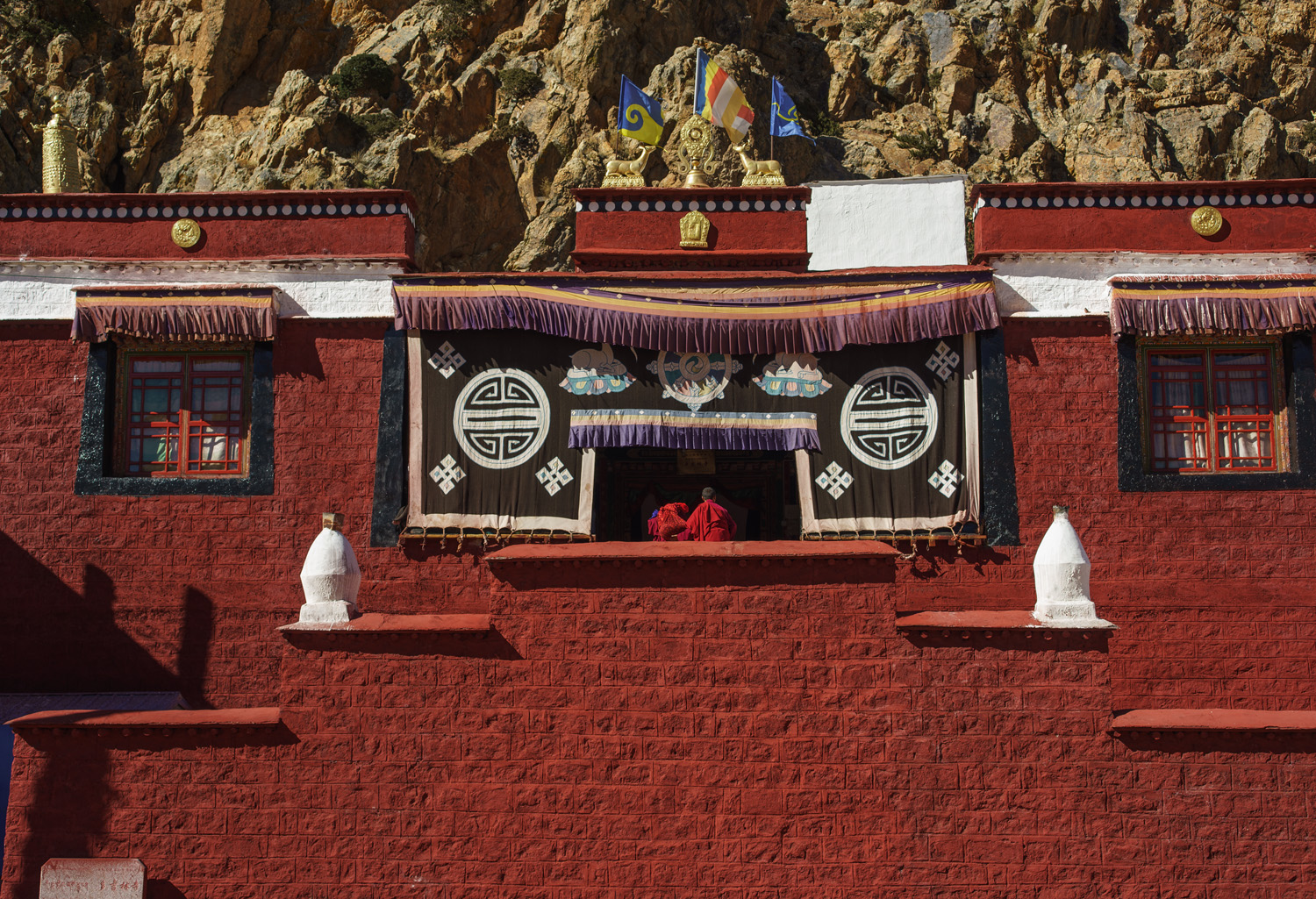
But back to how I started; this one below, shot with the CY 100/3.5 and its well-balanced frequency responses, is all about fine detail of the wall construction, the entrance, juniper burners and the anis, and the rock wall behind. This lens has very good 3D but not here, it's very flat! 3D is not only not needed, but it would dilute the message of the image.
philip_pj wrote:
I saw a graphic display of close up 3D in a Dustin abbott video - he was comparing a Zeiss lens to a Canon lens focused on a piece of wood, it was night and day. #1 here is a similar example showing how very high detail renders image depth even in near subject matter, provided you have DOF to cover it.
#2 Sometimes only well stopped down apertures will do the job, particularly at close quarters. I used f7.1 on the very sharp 55/1.8 to ensure the ancient rock portal, wall detail and crevices were drawn just as I saw them, in glorious 3D. Reality is attractive! Sometimes less photographic tricks and more reality works best....Show more →
This lens consistently captures images with 3D "pop" — one of my main reasons for purchasing it. It is something more than shallow depth-of-field; I believe it is caused by a fast and sharp transition from in-focus to out-of-focus regardless of aperture. It's somewhat visible in these lower resolution images, but please click through for the larger versions. If you can, download the full-size images and view them as scaled-to-fit your screen.
For me, "3D pop" isn't so much about one object appearing to be positioned closer or farther away than another object -- i.e., the layers of painted ships floating on a painted ocean effect -- but about the texture of objects giving them a rounded, dimensional, almost tactile quality.
To my eyes, this effect does exactly that to the stucco wall and steel bars in this photo, although your eyes may vary...