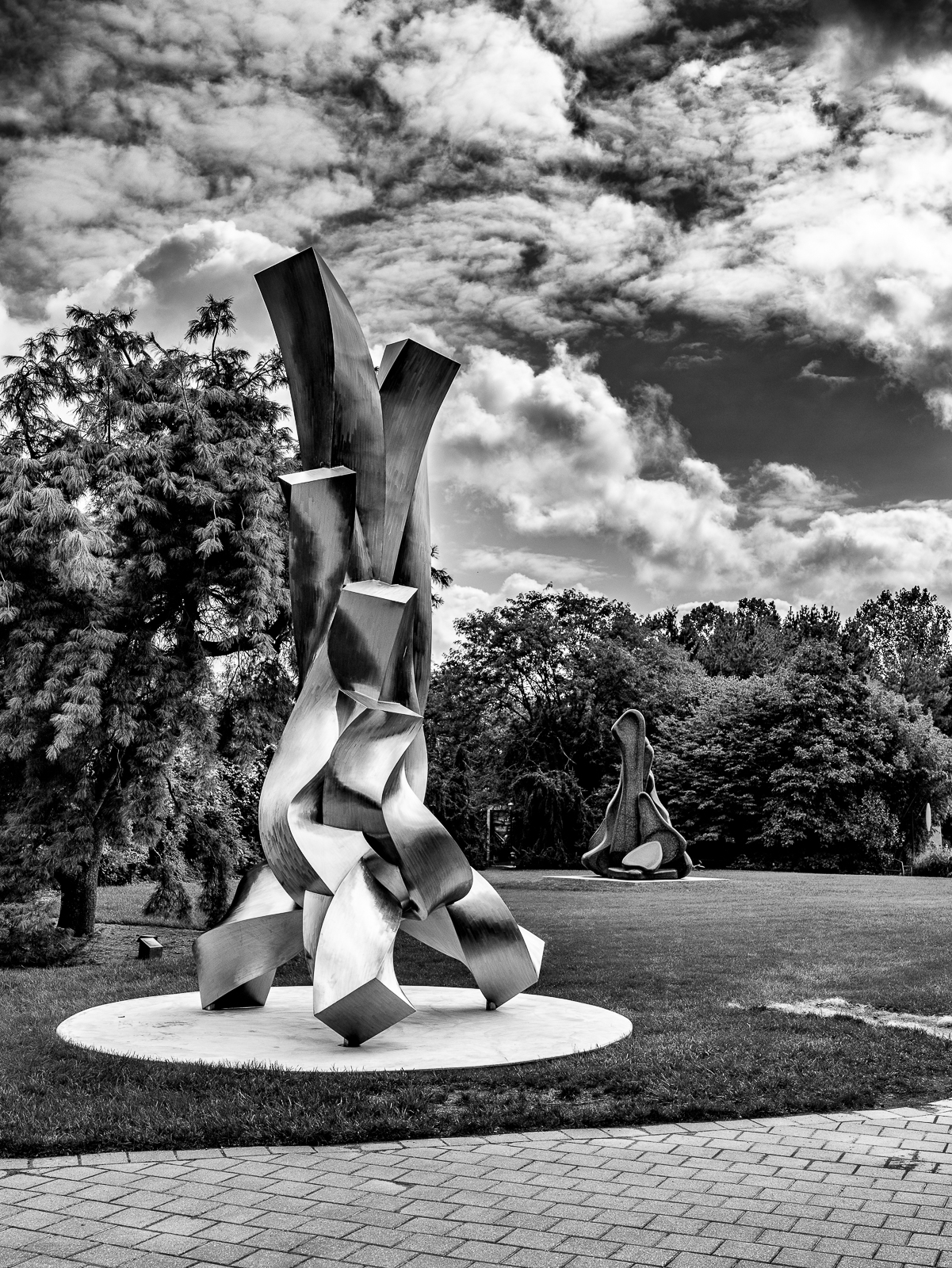
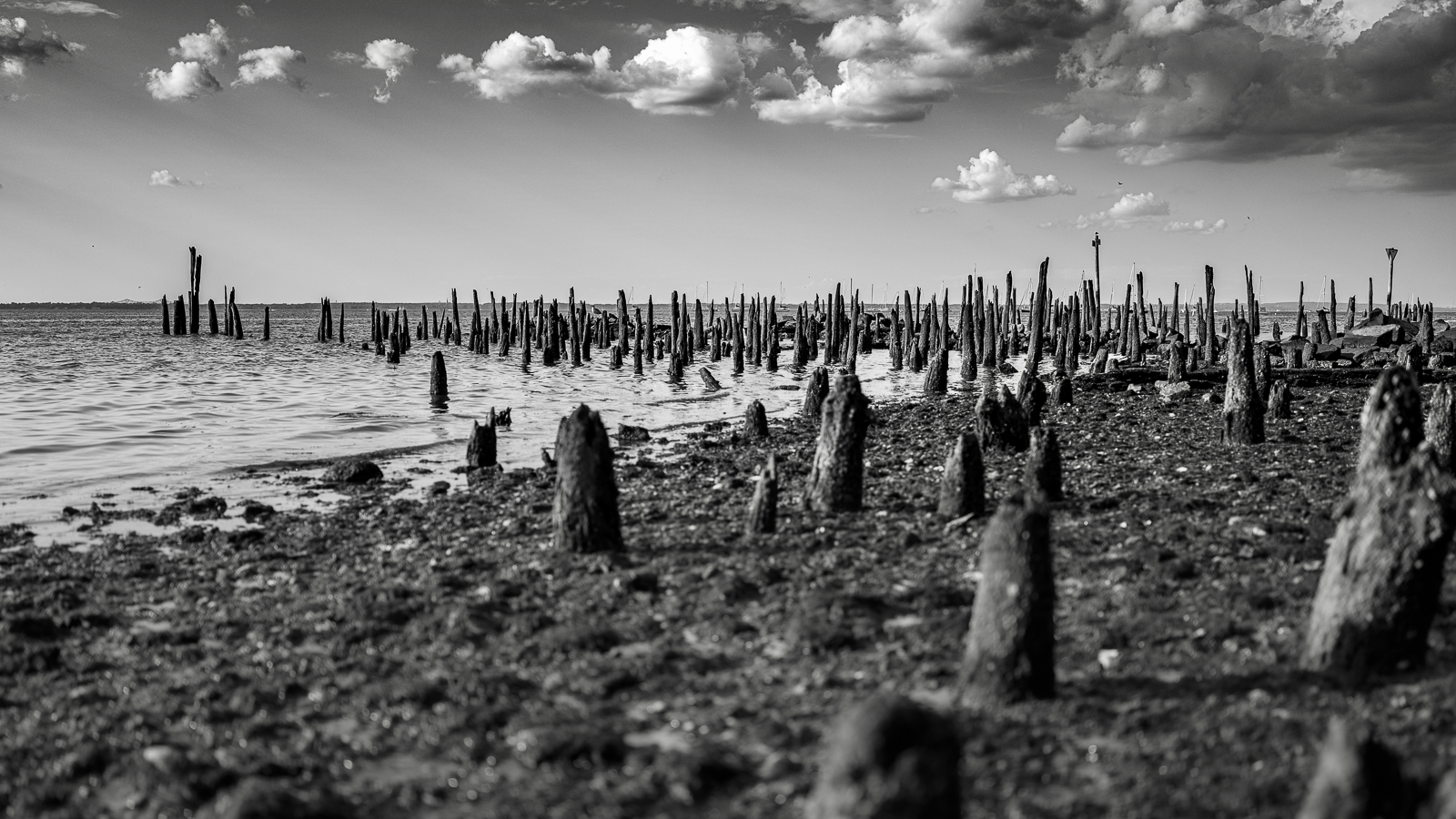
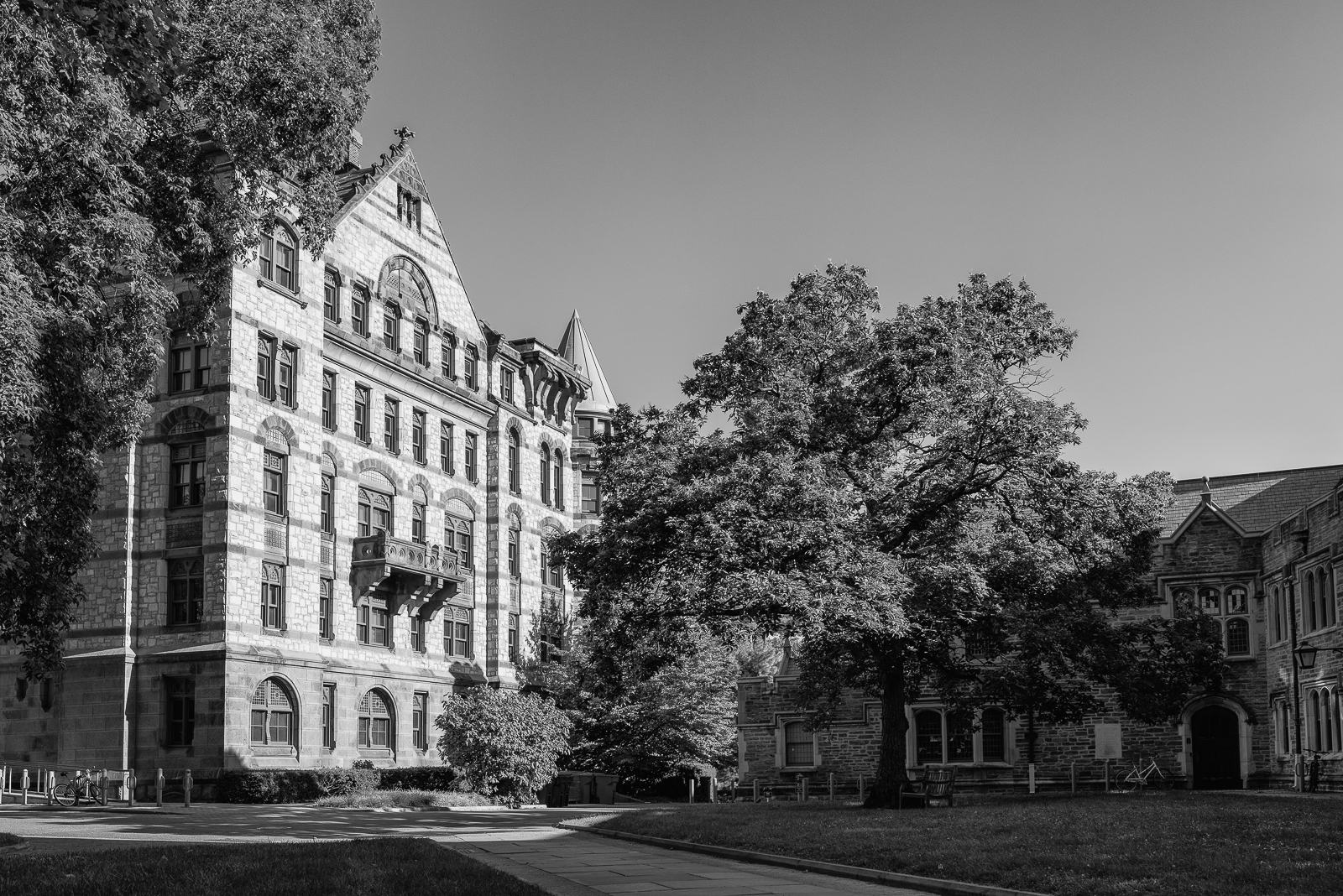
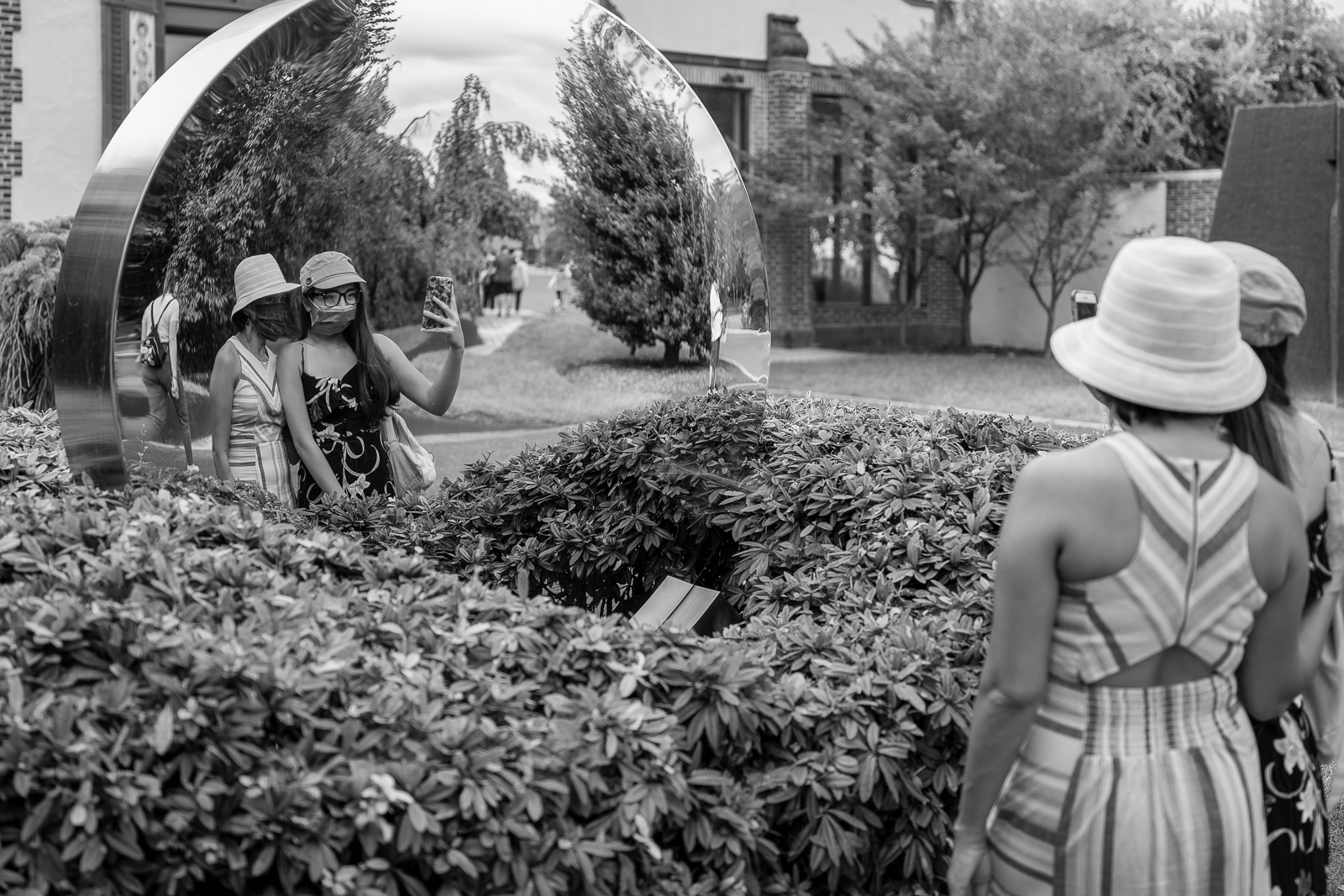
In my opinion, Luka ("denoir") was one of the best at showcasing the qualities of his lenses. He really made them sing... Luckily, his photos are still online, contrary to many images uploaded years ago and posted on the forum.
The so-called "3D" topic popped up in the Zeiss 35/1.4 image thread, especially when Luka started to post images made with his adapted Zeiss Distagon HFT for Rollei. I linked to the page where he started posting.
I briefly used this lens on a Sony A7r back in 2015 during a trip in the Pyrénées (France), before I switched back to a Nikon DSLR, and sold it.
The lens has character in spades, and shows spatial qualities stopped down as well. Look at this relatively planar scene shot at f/4. I don't know if this is "3D pop", but it's clearly not flat.
And those are wide open. The field curvature is massive and definitely contributes to the look.
I still like the Loxia series, in this case the Loxia 35 stopped down only one stop to f/2.8. Contrary to some critics, I've use the lens wide open at f/2 with good results in contrast and subject isolation. I generally shoot the lens at f/8 for overall sharpness and DOF with scenery and buildings, but it performs well through its entire range.
I find that the 40 Batis CF has the best 3d pop in the entire e-mount universe. Then nothing comes for a long time. Then comes the 50 Planar / 1.4 with the second best pop ... that's just my opinion. (See page 12; #7) DSC08163 by Stefan Mieth, auf Flickr
Long time lurker here. I thought I'd share some portraits with 3d pop with a lens I recently acquired, the Contax G 28mm F2.8 Biogon (+ 1500mm PCX filter) on a Sony A7r. Besides the usual attributes (microcontrast, DoF, bokeh quality, lighting) I think the 3d pop look is due in large part to the way a lens renders "highlights" (the shiny/sheen bits) in an image. It sort of tricks the brain into seeing volume where there is none (obviously, since images are 2d). The same trick is used by realist painters.
This first image is not particularly sharp, but the effect is visible due to the way the sheen on the jacket is rendered, also the bokeh is very gradual and smooth:
This one is much sharper, the texture in the neck and the fabric adds to the effect:
Long time lurker here. I thought I'd share some portraits with 3d pop with a lens I recently acquired, the Contax G 28mm F2.8 Biogon (+ 1500mm PCX filter) on a Sony A7r. Besides the usual attributes (microcontrast, DoF, bokeh quality, lighting) I think the 3d pop look is due in large part to the way a lens renders "highlights" (the shiny/sheen bits) in an image. It sort of tricks the brain into seeing volume where there is none (obviously, since images are 2d). The same trick is used by realist painters.
This first image is not particularly sharp, but the effect is visible due to the way the sheen on the jacket is rendered, also the bokeh is very gradual and smooth:
These two images did you do that purposely in post? the images you posted looks like they are shot behind a screen, a window screen. Look on top of each images why is that?
Hmm, just noticed that too. I think it's an issue with my processing chain. I sent the Sony ARW files through Adobe DNG Converter -> CornerFix (removes color cast/vignette) -> Affinity Photo (raw to jpeg conversion).
I've been through this thread dozens of times and I still have no idea what 3D pop is - I'm officially lost. Is it subject separation, micro contrast, supercontrast...or is it less lens dependent and more light and composition related. I can see some hint of 3D-ness in all of the following photos, albeit in very different ways... Which one actually has the most 3D pop? I have no idea.