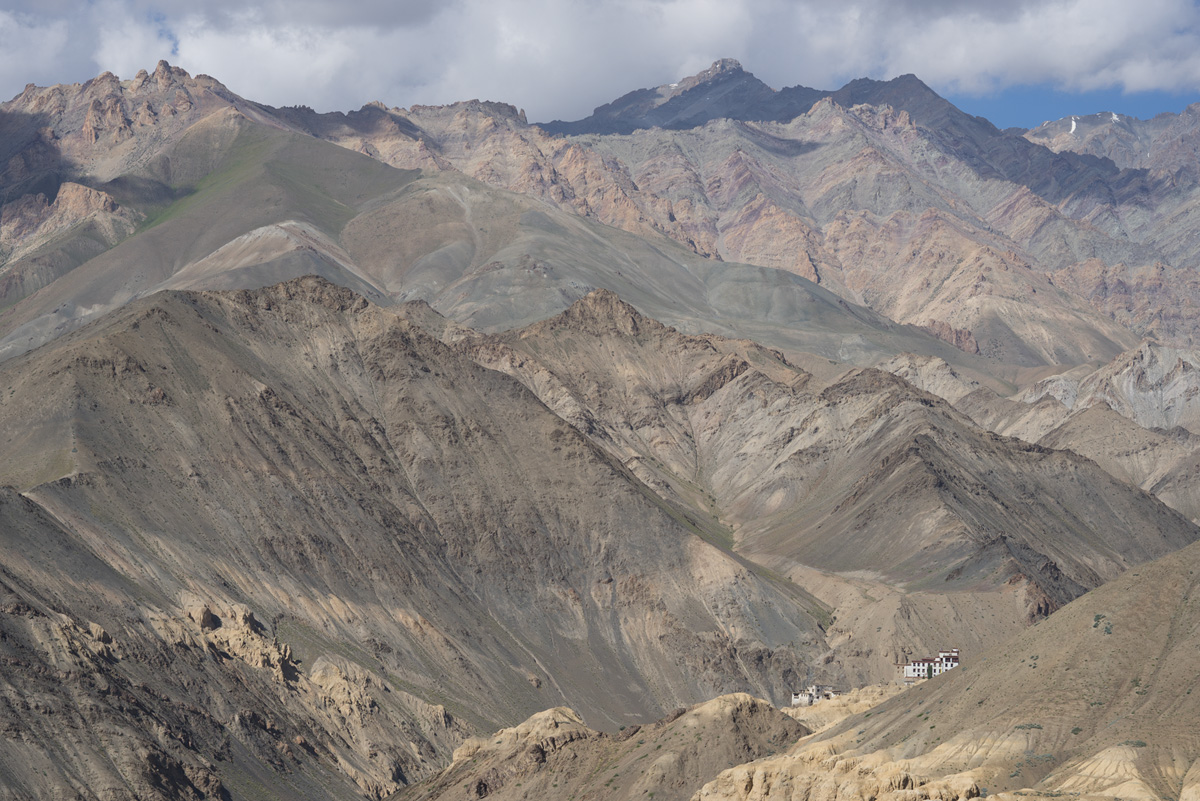
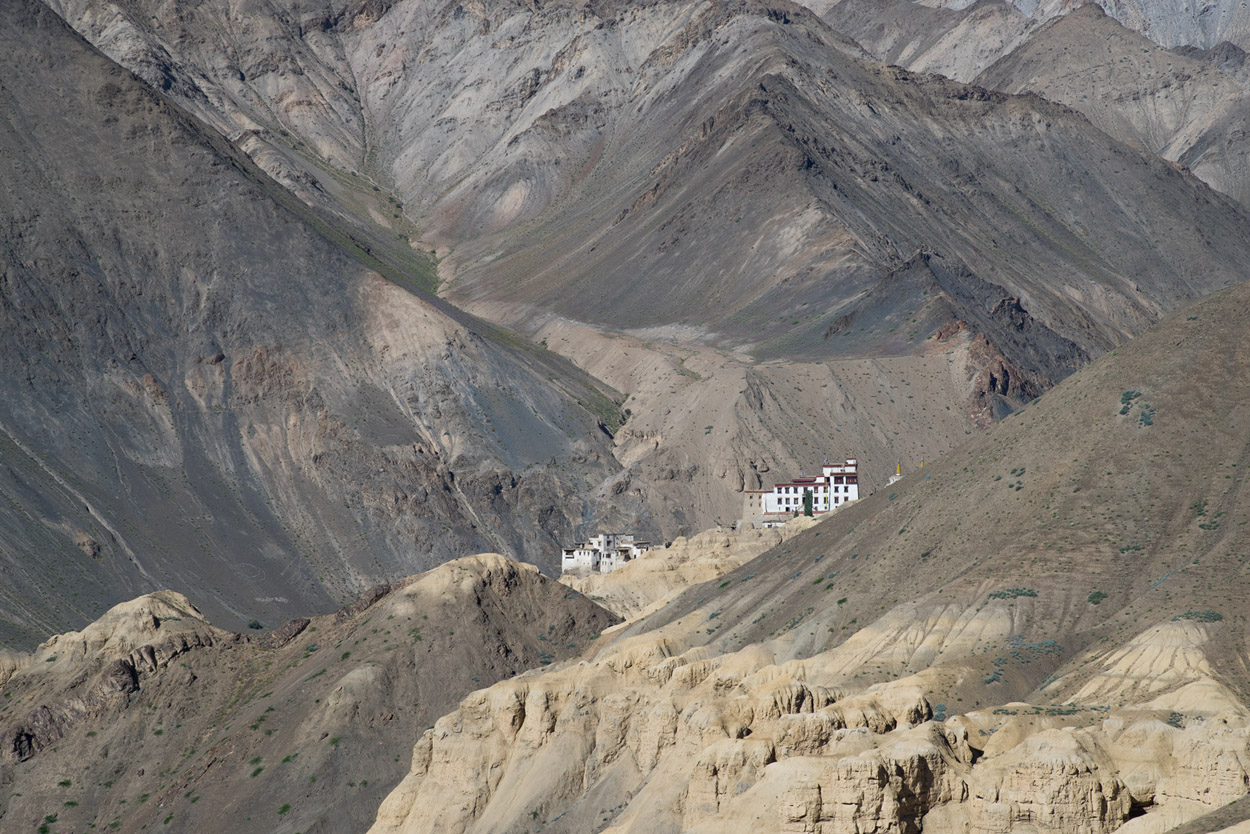
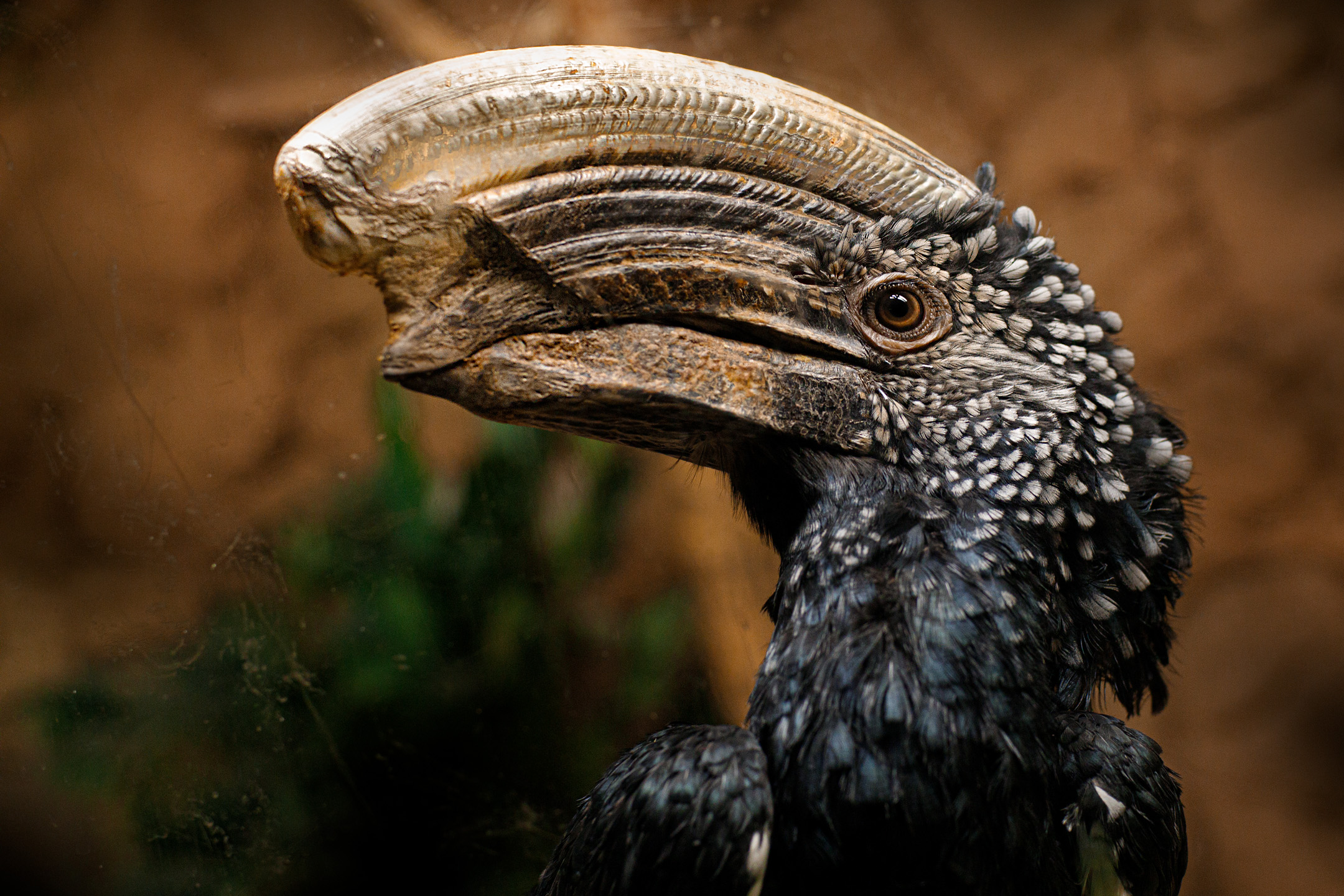
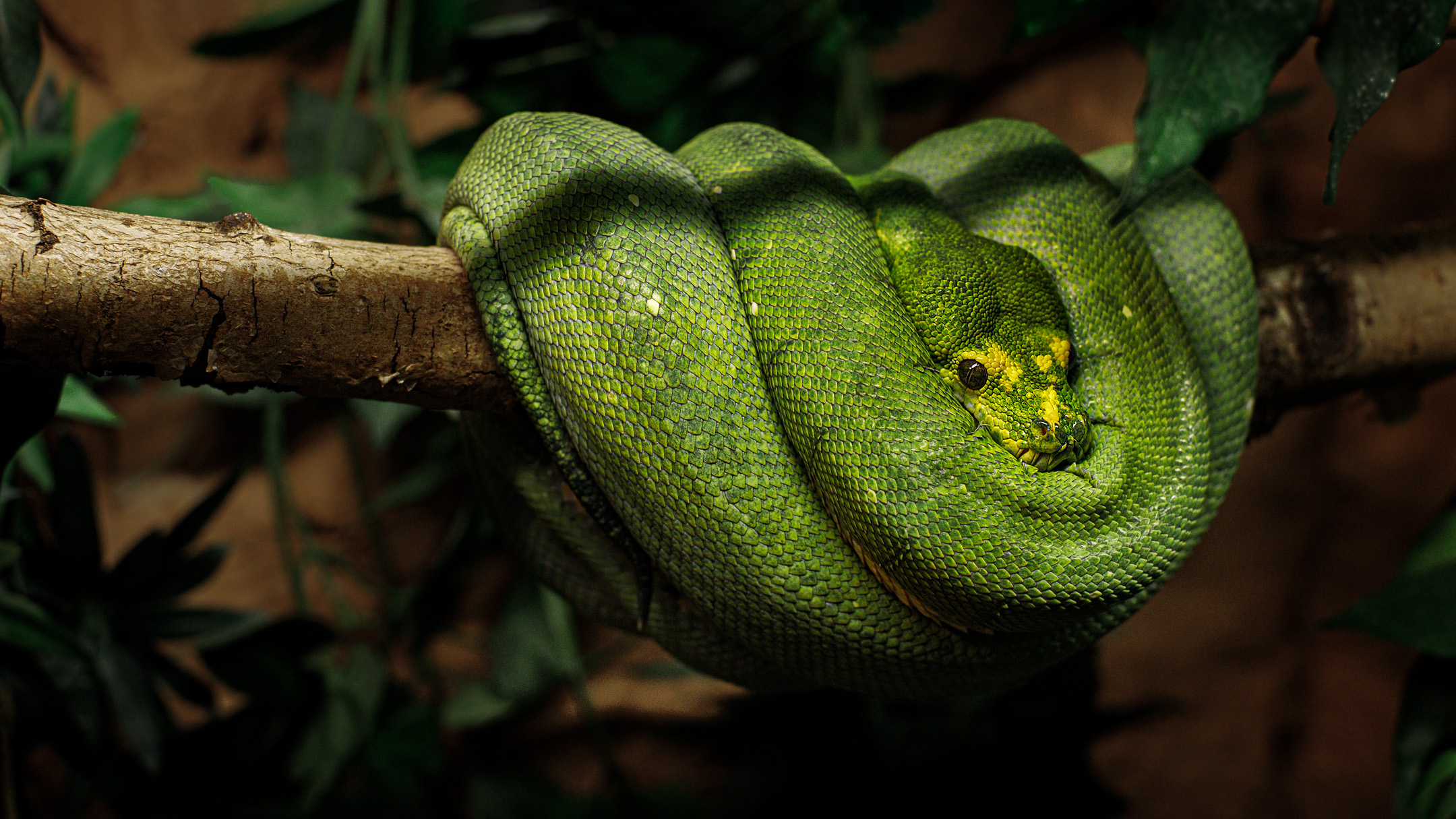
Confusion reigns supreme, regarding 3D. B&W is all about form and texture, tonal structures - these carry the load in the absence of colour cues. As a starting point, it might be that a strong focal plane performance at/near wide open is key to such images - the Leica formula. My intuition is that it is harder to achieve 3D in B&W, you need depth cues maybe to a greater extent.
Here, your 2-3-6-7-8 seem to do better than the other B&W images, because they force the eye to track the content in the images. Flatter compositions seem much harder. Flat, visually confusing or highly detailed images are harder work. And depth is not always necessary to make a great image, something easy to lose track of. Here is one that I feel B&W would not work well with, but it does not need 3D to succeed for my purposes. It is carried largely by colour.
philip_pj wrote:
Confusion reigns supreme, regarding 3D. B&W is all about form and texture, tonal structures - these carry the load in the absence of colour cues. As a starting point, it might be that a strong focal plane performance at/near wide open is key to such images - the Leica formula. My intuition is that it is harder to achieve 3D in B&W, you need depth cues maybe to a greater extent.
Here, your 2-3-6-7-8 seem to do better than the other B&W images, because they force the eye to track the content in the images. Flatter compositions seem much harder. Flat, visually confusing or highly detailed images are harder work. And depth is not always necessary to make a great image, something easy to lose track of. Here is one that I feel B&W would not work well with, but it does not need 3D to succeed for my purposes. It is carried largely by colour....Show more →
All of the photos you mentioned were, in fact, shot with Leica lenses. With the exception of one that was taken at f/1.4, the others were taken at f2.
I don't know what combination of factors brings it out. But I find I have the most luck in the 50-85mm range, but it just might be that I shoot those FLs in situations where there is a better chance it may happen. This is from the Sigma 65.
OK, so I had no idea there was such a thing as the Canon 200mm 1.8. I was aware of the Nikon 200mm F2 but this lens....must have slipped under my radar. Interesting, I see it is referred to as the "Eye of Sauron."
I kind of miss the old days when lenses got cool names. Like the Minolta Beer Can and the Secret Handshake. We need to make this trendy again.
m43hero wrote:
Long time lurker here. I thought I'd share some portraits with 3d pop with a lens I recently acquired, the Contax G 28mm F2.8 Biogon (+ 1500mm PCX filter) on a Sony A7r. Besides the usual attributes (microcontrast, DoF, bokeh quality, lighting) I think the 3d pop look is due in large part to the way a lens renders "highlights" (the shiny/sheen bits) in an image. It sort of tricks the brain into seeing volume where there is none (obviously, since images are 2d). The same trick is used by realist painters.
This first image is not particularly sharp, but the effect is visible due to the way the sheen on the jacket is rendered, also the bokeh is very gradual and smooth:
This one is much sharper, the texture in the neck and the fabric adds to the effect: