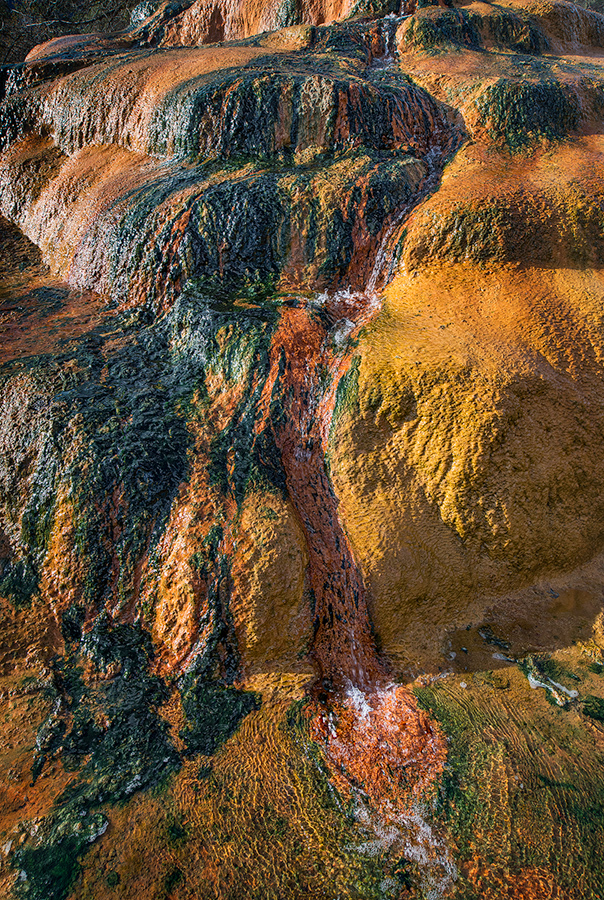
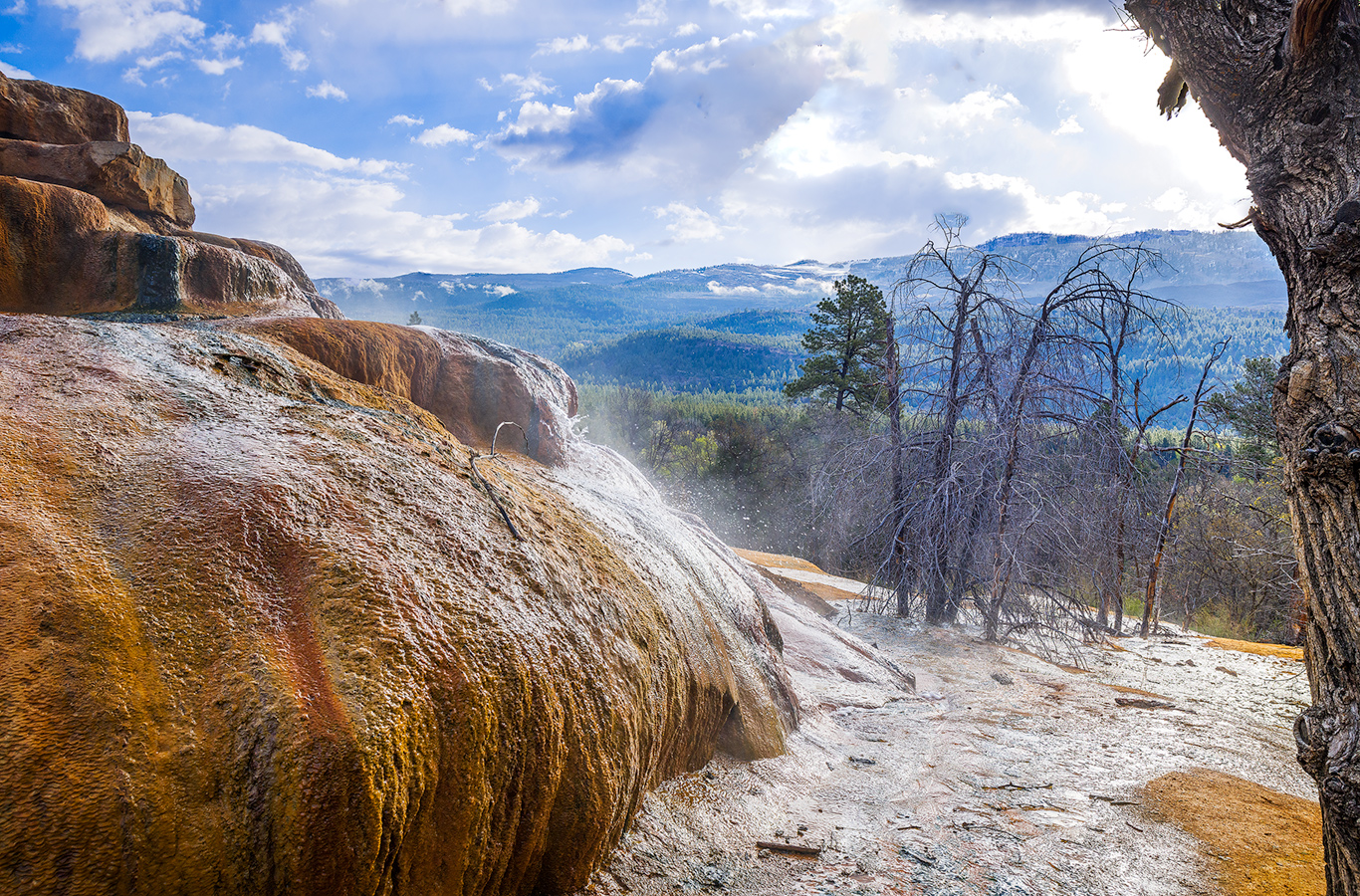
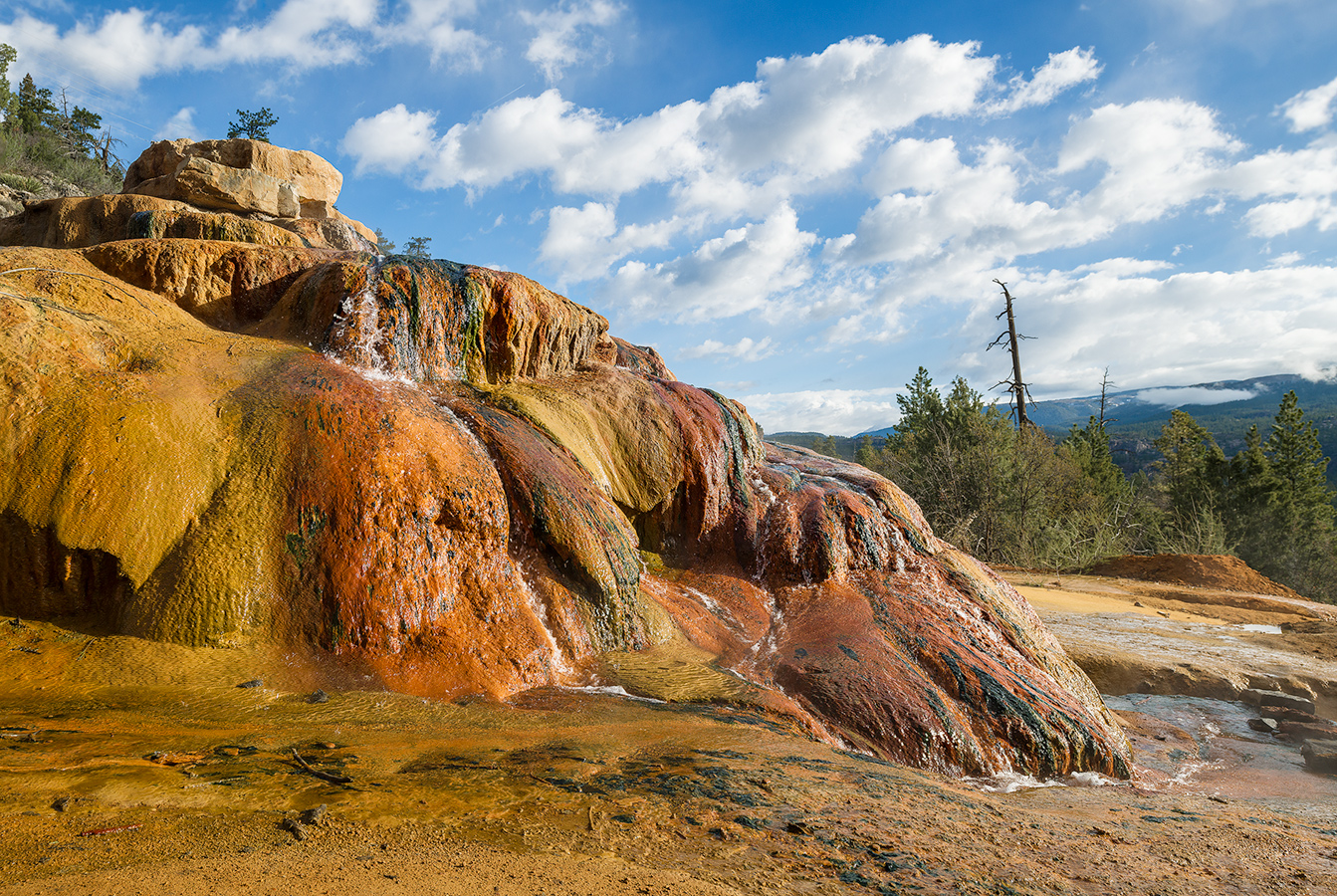
Did you know that when the H2S is above a certain concentration you can no longer smell it? That's when it becomes lethal....I remember that I did get a bit worried when my chemistry professor told us about that in the lab. We used very low concentrations of course. But it was still a quite scary gas to work with...
Thank you so much
I had only a hint of odor in selected spots so it seemed pretty safe, but these days you never know...
I had only a hint of odor in selected spots so it seemed pretty safe, but these days you never know...
Colin Looks so improbable it must be real.
Yeah, you were probably safe. I guess the concentrations in an outdoor environment is quite safe. I was at a similar place in New Zealand quite some years ago. We didn't have to worry.
It's fascinating how those springs shape and colourize it's surroundings
Jay, that hot springs looks great, super job making it look like it's not right next to a road in the second set.
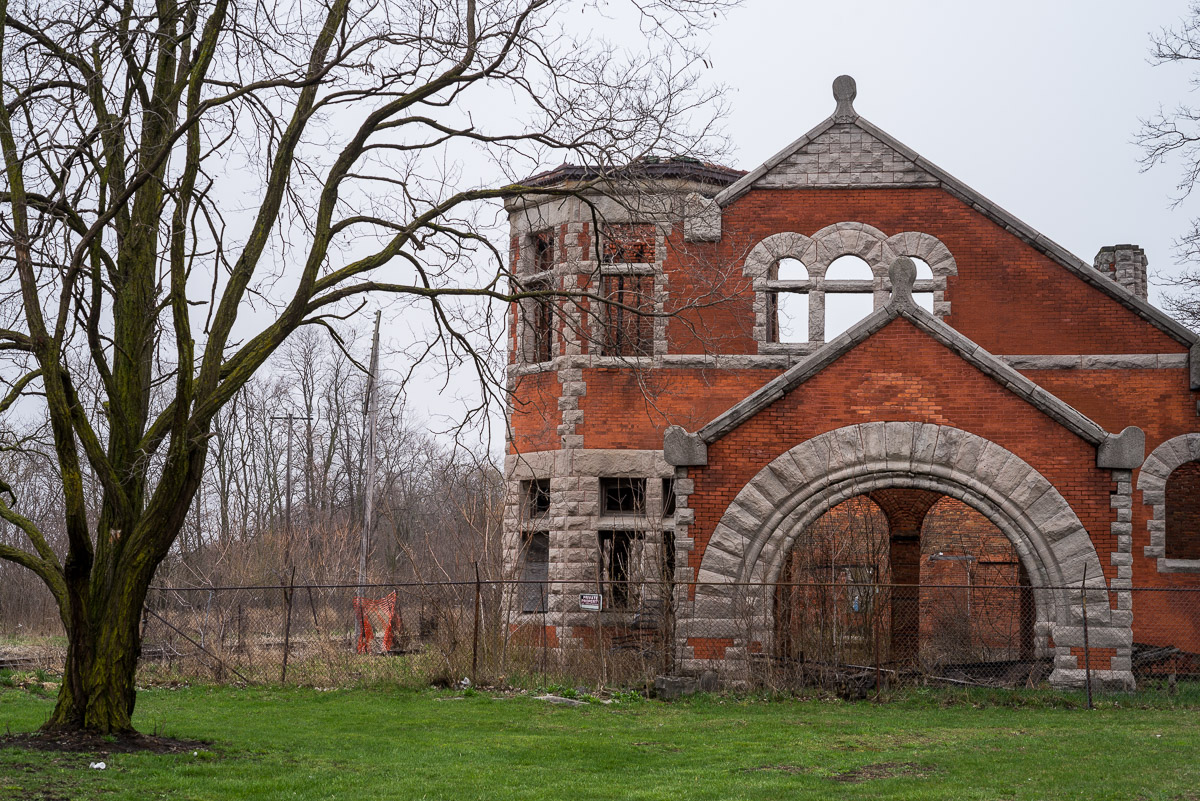
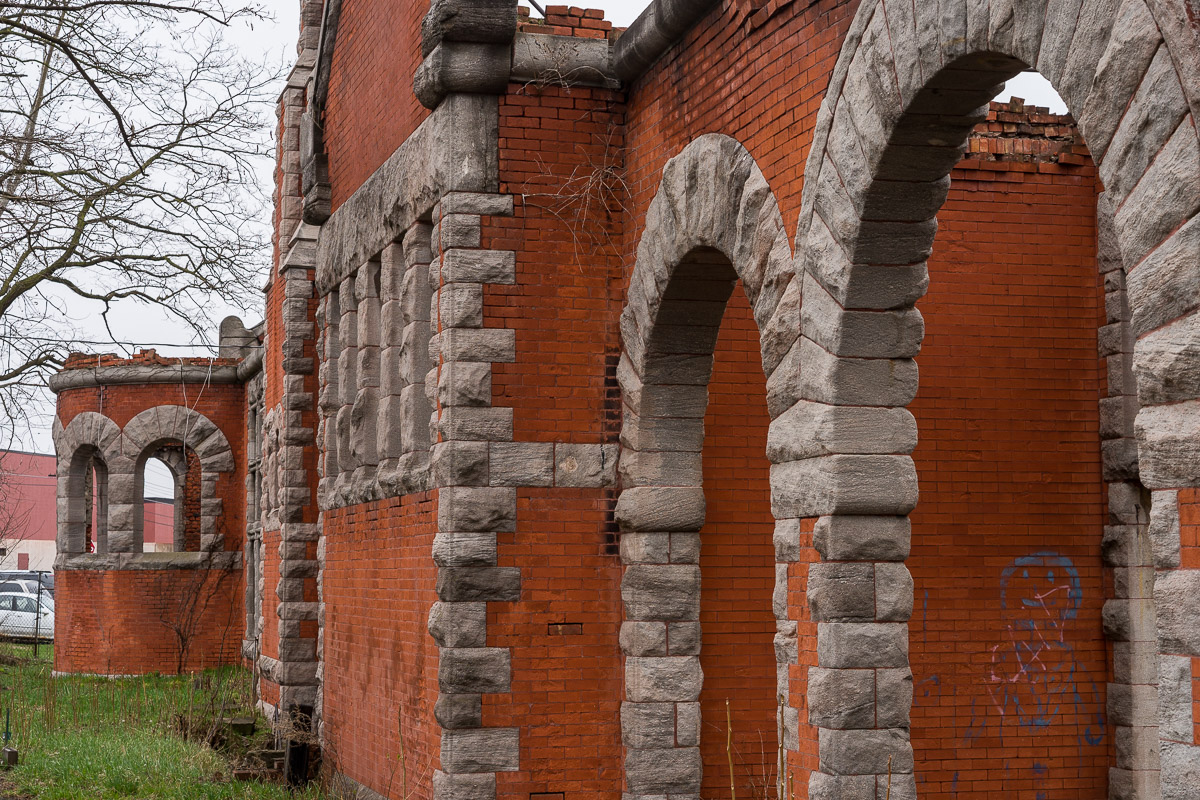
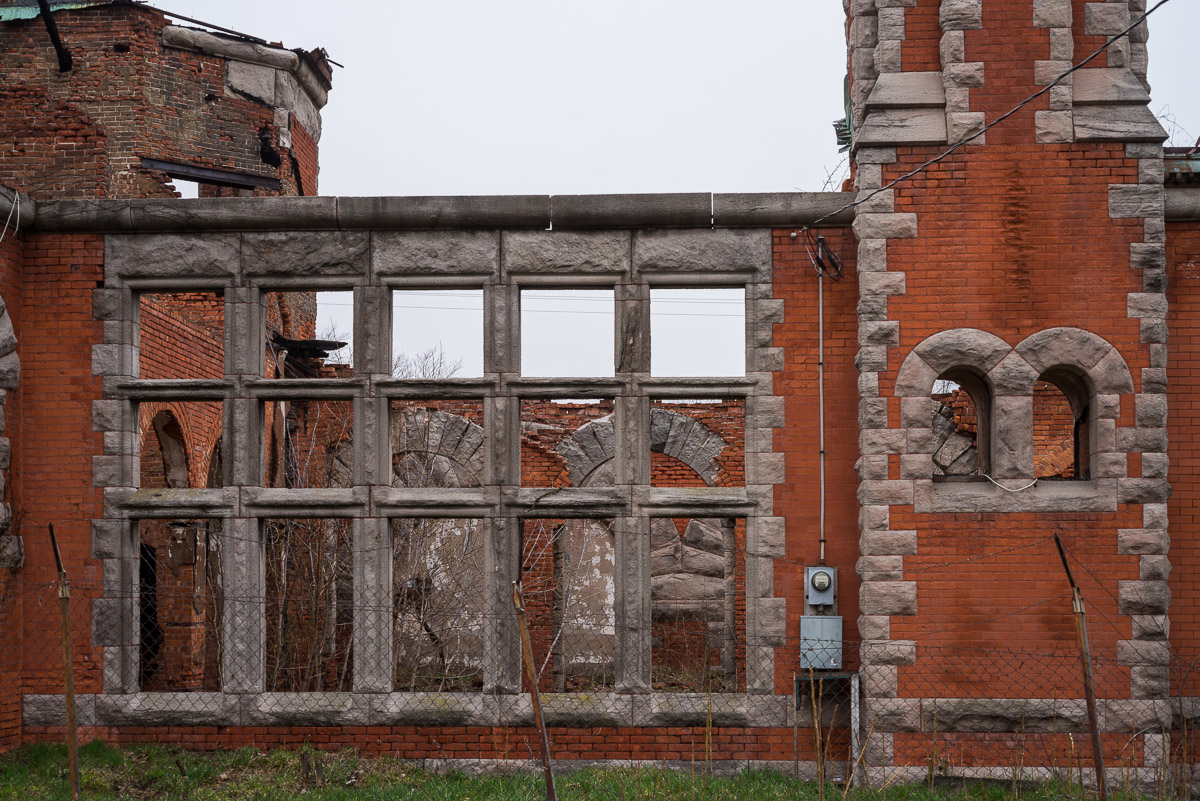
Scott, that RR station must have been beautiful to look at in it's heyday. Sad to see these really old, aesthetic structures decay while we maintain some of the middle aged, bland designs of the 70's and 80's (for my tastes anyway, acknowledging eye of the beholder and stuff). In the right location that would make a great gallery of sorts.
Laura, morels, yummy! Hope you're continuing to feel better by the day.
And? Did you like them
There's big money in this part of the world for morels. they seem to prefer old burn areas. Unfortunately, after several large burns over the past 20 acres here, there are far too many acres where these grow.
(personally, I don't care much for the taste - but others really prize them)
graytrekker wrote:
oops - that was supposed to follow Nightowl's photo of the morels
The thread will always run away from you, so there is an advantage in "quoting" a post you wish to comment on so your comment is kept in reference to its subject. Just another part of the learning curve Doug. You'll get the hang of it.
I have been following this thread on and off for about a year now. It is a great resource for Nikkor manual lenses. However, in that time I have not seen anything on the 35-200 f3.5-4.5 AIS zoom. Well, I am here to change that.
I got mine in the early 90s, along with my 24mm f2.0, just prior to an extended trip to Ecuador. I figured those two lenses on my Nikkormat FTN would cover my needs (I think I also took my 55mm f2.8 micro).
In looking at internet reviews, I was a little disappointed. This was amplified by the low resale value of this lens that I think originally went for over $700 new. In Bjorn's review he states "Opinions are highly divided on this 6X zoom design." and "On digital bodies this lens performs even better and I have used it with great success on my D1X. However, it didn't like D2X or vice versa." So it sounds like he was OK with it.
Fast forward to my entry into the full frame digital world last spring. Last spring I ended up getting a used Sony A7RII, but had no lens. I was interested in their 24-105, but there was a wait. I had a business trip to Sitka, so I picked up a cheap-o dumb adapter and took the 35-200 just to see what it would do. Below are 3 photos from that trip - none over 100mm I think (no exif data)
Near me is a great natural laboratory for testing landscape gear and technique. It's called McDonald Lake (not to be confused with Lake McDonald in Glacier NP). Its actually a reservoir in the Mission Mtns here. from the dam at the foot of the lake, one gets a pretty nice test scene for things like depth of field, infinity focus and lots of tree detail on the side to see what going on there.
So, I set the lens up on my Df, set the f stop to 8, ISO 200 and made a set of images across the range of the lens: 35mm, 50mm, 80mm, 105mm, 135mm and 200mm. Here they are in that order:
Finally, (and thanks for your indulgence), I thought I would take the weakest focal length (200mm) and compare the 16MB sensor of the Df to the 40+ MB sensor of the Sony. The Df image is first:
After posting what I thought were the only remaining unposted shots on my hard drive a couple of days ago, I just remembered that I still hadn't processed any photos from my early April daytrip to the west coast of Vancouver Island. So here is a set from that day. The first one shows a view northeastward from a back street in downtown Tofino via the 50 f/1.2 Ai-s. The second to fourth photos were shot with the 135 f/2.8 QC at Long Beach, which is just south of Tofino and very popular among surfers.
GroWeb wrote:
After posting what I thought were the only remaining unposted shots on my hard drive a couple of days ago, I just remembered that I still hadn't processed any photos from my early April daytrip to the west coast of Vancouver Island. So here is a set from that day. The first one shows a view northeastward from a back street in downtown Tofino via the 50 f/1.2 Ai-s. The second to fourth photos were shot with the 135 f/2.8 QC at Long Beach, which is just south of Tofino and very popular among surfers.
Excellent last shot Glen. You can almost feel the sea spray enveloping you and your camera!
I like how the darker contrast makes the two surfers standout.
graytrekker wrote:
Finally, (and thanks for your indulgence), I thought I would take the weakest focal length (200mm) and compare the 16MB sensor of the Df to the 40+ MB sensor of the Sony. The Df image is first:
Both taken with D810 at ISO 1600, lenses wide open.
Top: with Nikkor 135mm-f2 ai-s at 1/500s;
Bottom: with Nikkor 85mm f1.8K ai'd & CPU'd at 1/640s.
To my (good) surprise the lens came with the original UV filter (not announced).
For Rafael' standarts I would say this is a 7+ or at most a 8- lens; for me it looks like a 8+ or at most 9- lens.
The focusing is a little bit "dry", perhaps needs a little lubrication.
I had not much time to use it, but all I can say is that when you get the correct focus at f/2 it is sharp and the bokeh dreamy, as these lenses are supposed to be; but in fact I am impressed at f/2.8:
superb sharpness and still an excellent bokeh, even better than the venerable 180/2.8 ED wide open!
This is a sample wide open, one of my usual suspects, the Plain Parakeet:
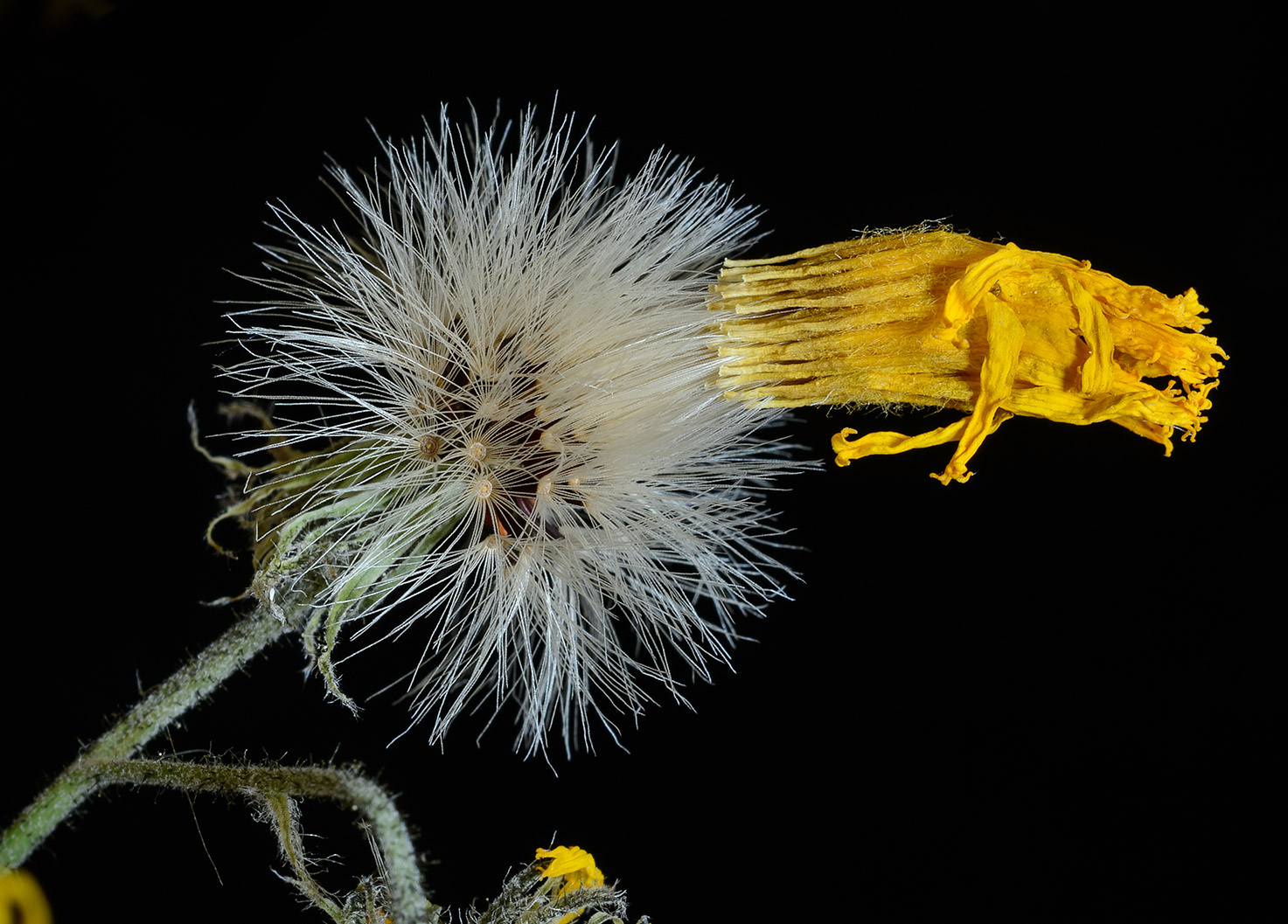
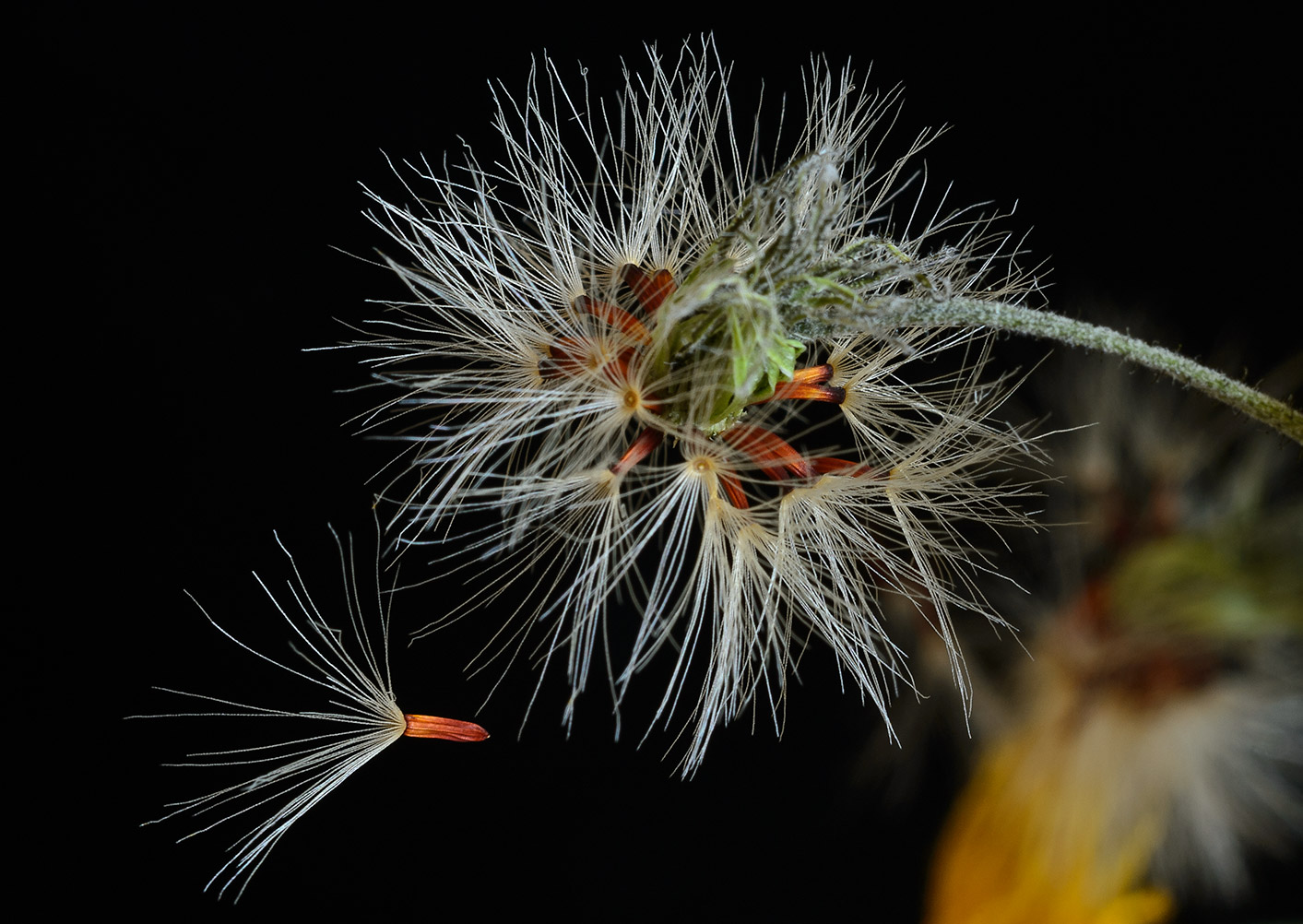
Seeds of the spotted hawkweed, Heiracium maculatum. I left these images larger than what I typically post to better show the detail that the 105/4 can capture. These seed heads are about 1/3 the size of dandelion seed heads. Even the ridges on the dried calyx threads are visible.