Here is a shot with an old camera and an older lens: the D3s and the 55 1.2 SC. I have returned to using Photo Ninja on the front end of my workflow, accessing it from Bridge and having it setup to go right to PS from Photo Ninja. Really like the colors in Photo Ninja. sharpening, etc. always done in Photoshop.
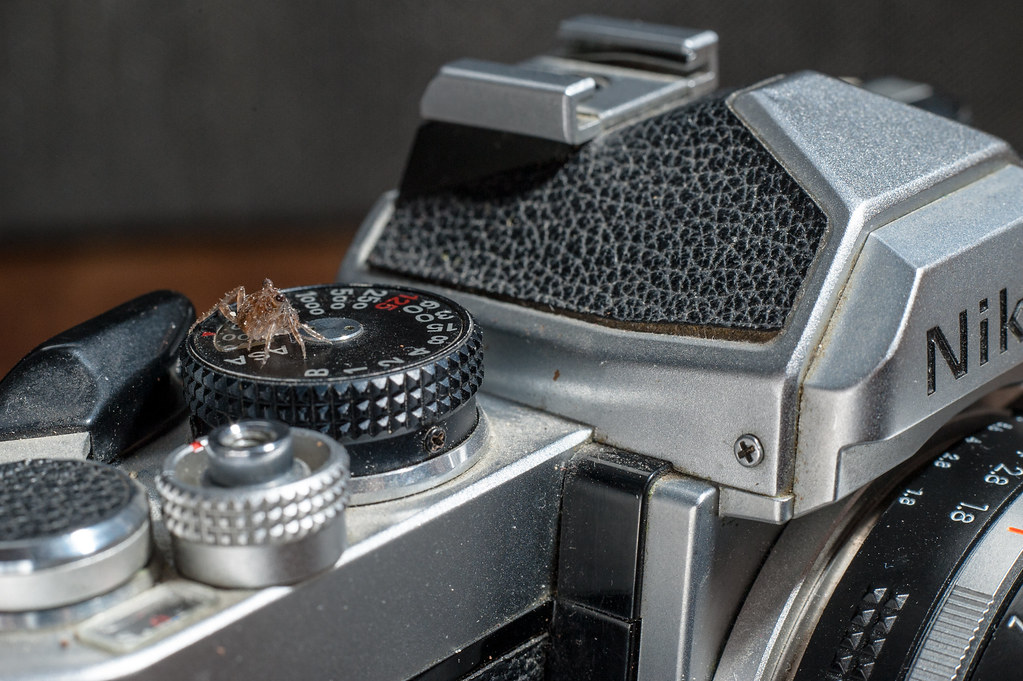
By the way, after seeing so much platitude for lighter cameras, I decided to weigh my own:
Nikon D4 3lb ¾ oz
Nikon D3s 3lb 1 ½ oz
Nikon D810* 3lb
Nikon F6* 3lb 1 ¼ oz
Nikon F5 2lb 15 ¾ oz
Nikon Df** 1lb 15 ½ oz
*battery grip
**half case.
Obviously, the film cameras are "weighed down" by their batteries...
pburke wrote:
After a set of futuristic hypercar photos, here's what was futuristic 47 years ago. 1935 of these things were built according to Wikipedia, and the family who had them at the car show have two of these, plus one that looked related, yet without the super speedway aero tweaks
first two with the 28mm f/2.0 AIS (which I am returning, because 50% of the time, you can't focus it, or the aperture sticks at f/2.0). Have to say, even when this copy works, I am not very impressed with its performance. Soft corners at f/11 even, CA at all distances, impossible to focus below 0.5 meters. It would never come hiking with me, even if it didn't sound like half the elements in the barrel are loose. In the case of the Superbird, it worked ok, even though it took about 10 frames to get 3 usable shots
Nikon 28mm f/2.0 AIS on D810
f/4.0 1/60s ISO 64 with CPL filter
Not to many Panther Pink ones out there. Probably the rarest color. These are quarter million dollar cars now, dealers had a hard time moving these back in the day.
pburke wrote:
After a set of futuristic hypercar photos, here's what was futuristic 47 years ago. 1935 of these things were built according to Wikipedia, and the family who had them at the car show have two of these, plus one that looked related, yet without the super speedway aero tweaks
first two with the 28mm f/2.0 AIS (which I am returning, because 50% of the time, you can't focus it, or the aperture sticks at f/2.0). Have to say, even when this copy works, I am not very impressed with its performance. Soft corners at f/11 even, CA at all distances, impossible to focus below 0.5 meters. It would never come hiking with me, even if it didn't sound like half the elements in the barrel are loose. In the case of the Superbird, it worked ok, even though it took about 10 frames to get 3 usable shots
Nikon 28mm f/2.0 AIS on D810
f/4.0 1/60s ISO 64 with CPL filter
Zichar wrote:
Okay buddy, here goes:
- That's an extremely detailed setup. How much time do you need to spend on maintenance? I presume if stable, you only need to change the water and clear the food after meals?
- How deep is the substrate and what do you do about bio waste?
- Do they need supplements for calcium and other minerals? I presume the former is important for moulting?
- I was amused that you could buy catappa leaves over there! I only know them by their local Malay name here - ketapang - which sounds really similar. I umm pick them off the roadside...
- Are they all from the same species? I have seen really colourful ones here in the local aquarium store. Granted I haven't stepped foot in one for over 8 years after I sold my tank......Show more →
1) Time spent on maintenance is about half an hour every 2nd or 3rd day. Hardly any science involved there. There are a few things that need to be done though.
-I did choose a somewhat bigger water container which allowed me to add a filter pump. The smallest one I could find actually, which is this model:
This filter moves 60 liters of water/hour which is slow enough for the 7 liter water container we have in our enclosure.
Even with the filter, I remove about 1 liter of water every other day to replenish some water.
We prepare food 2-3 times a week and leave it in there for 2 days. Since we offer the food on a small flat stone, removing remains is fairly easy.
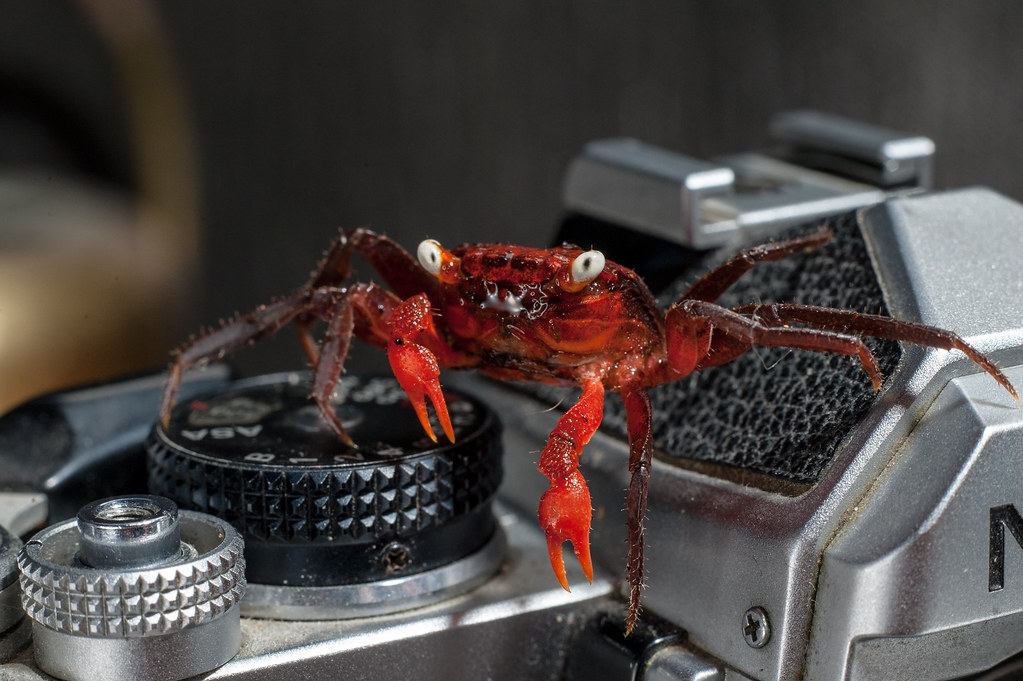
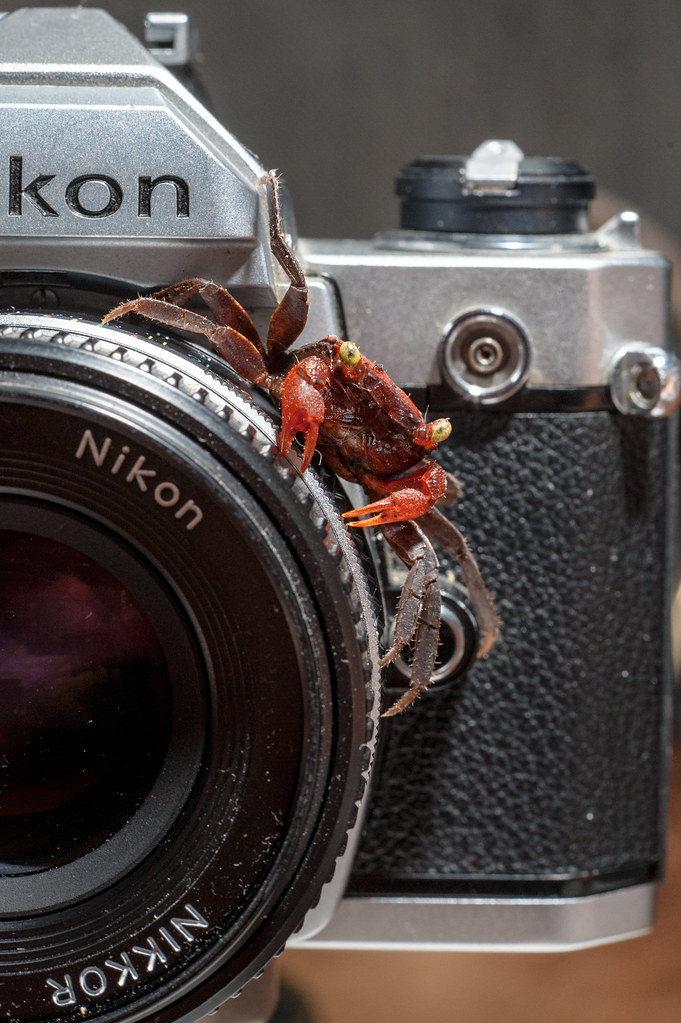
2) The substrate is, on average, 6-8cm deep. These Geosesarma hagen do not burrow very deep. Other species, like Geosesarma dennerle burrow a bit deeper, but 10cm of substrate should be enough for any of the Geosesarma species. Bio waste is mainly dropped in the water, so cleaning the water container solves that.
3) depending on the water you get, you might need calcium. Since we give a very varied diet, we do not need to offer other minerals or additives. For calcium, just crush a small bit of egg shell and sprinkle it on the substrate somewhere. Can be left there until it's gone. A small bit of sepia shell or any powdered calcium also works.
If your tap water does not contain pesticide, flouride, metals (this includes plumbing. Old copper or lead plumbing can lead to the death of crustaceans supplied with water from such a source over a longer period of time) but does contain calcium, you do not need to supply any additional calcium.
(I'll go into some detail on this in my next post)
4) Catappa/ketapang leaves seem to go very well in their diet, as do oak and beech. I found that supplying these 3 types of leaf helps in preventing disease in crustaceans, be it hermite crabs, land crabs or freshwater crays. Since I can't find Catappa freely here, I keep a supply of beech and oak to supplement. I guess that in your case, a supply of mainly Catappa will work just as fine.
5) With any type of crab, you can only keep crabs of the same species in the enclosure. Mixing species will lead to one dominant species surviving by eliminating all other species.
Hermite crabs are not crabs in the purest sense. They are, biologically, closer related to crayfish. With crayfish, you can only keep crayfish of one species in.... you get the idea.
Now the interesting thing is, hermite crabs are not entirely like crayfish. You can actually mix and match as you like with hermite crabs (which I will show in another post)
In order to grow, crustaceans moult. Effectively they do grow, but their exo skeleton does not, so at a certain stage space gets tight and they need to break out of their skin. Our Geosesarma hagen seem to prefer to do this under water. Their body sets free a hormone that creates an enzyme. This enzyme forms a layer of fluid between the old exoskeleton and the new one. Once done, the crab takes in liquid and pumps that in between the two layers of skin. Some musclepower then causes a seam in the exoskeleton to break and the whole crab comes out there. This seam is located just behind the carapax, and in front of the tail.
If the crab is not strong enough, it might lose limbs in the process because the crab does not possess the power to pull the muscle tissue through the narrow joints of the old exoskeleton. This is more likely to happen if the crab is interrupted in the moulting process.
The freshly moulted crab is quite soft.The new exoskeleton needs a while to harden up. It's vulnerable to attacks during this phase.
designdog wrote:
Here is a shot with an old camera and an older lens: the D3s and the 55 1.2 SC. I have returned to using Photo Ninja on the front end of my workflow, accessing it from Bridge and having it setup to go right to PS from Photo Ninja. Really like the colors in Photo Ninja. sharpening, etc. always done in Photoshop.
By the way, after seeing so much platitude for lighter cameras, I decided to weigh my own:
Nikon D4 3lb ¾ oz
Nikon D3s 3lb 1 ½ oz
Nikon D810* 3lb
Nikon F6* 3lb 1 ¼ oz
Nikon F5 2lb 15 ¾ oz
Nikon Df** 1lb 15 ½ oz
*battery grip
**half case.
Obviously, the film cameras are "weighed down" by their batteries... ...Show more →
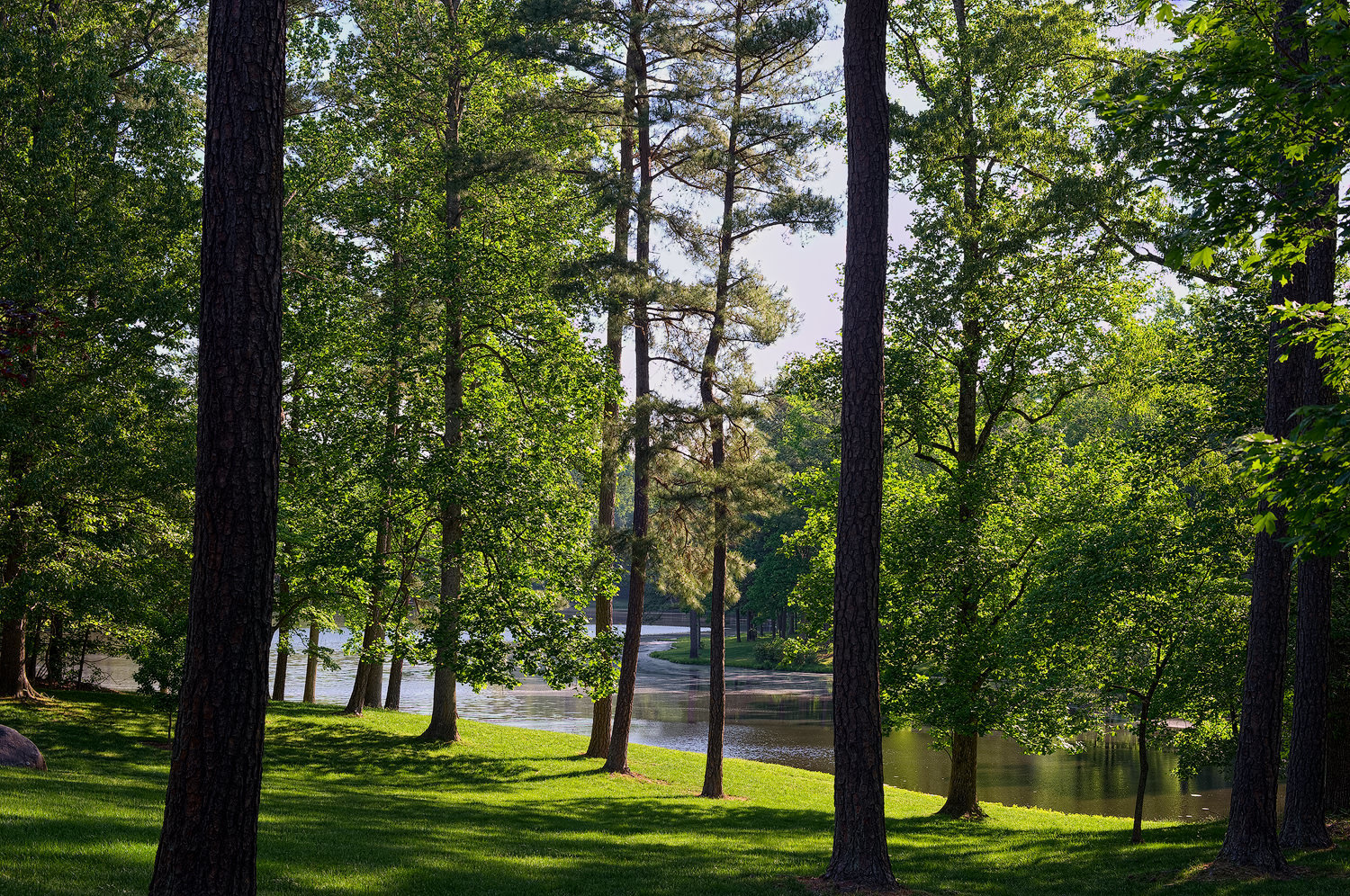
Very serene image here, David. Love the colors.... Looks so peaceful.
The moulting process for hermite crabs is largely the same as for crabs, with a few differences.
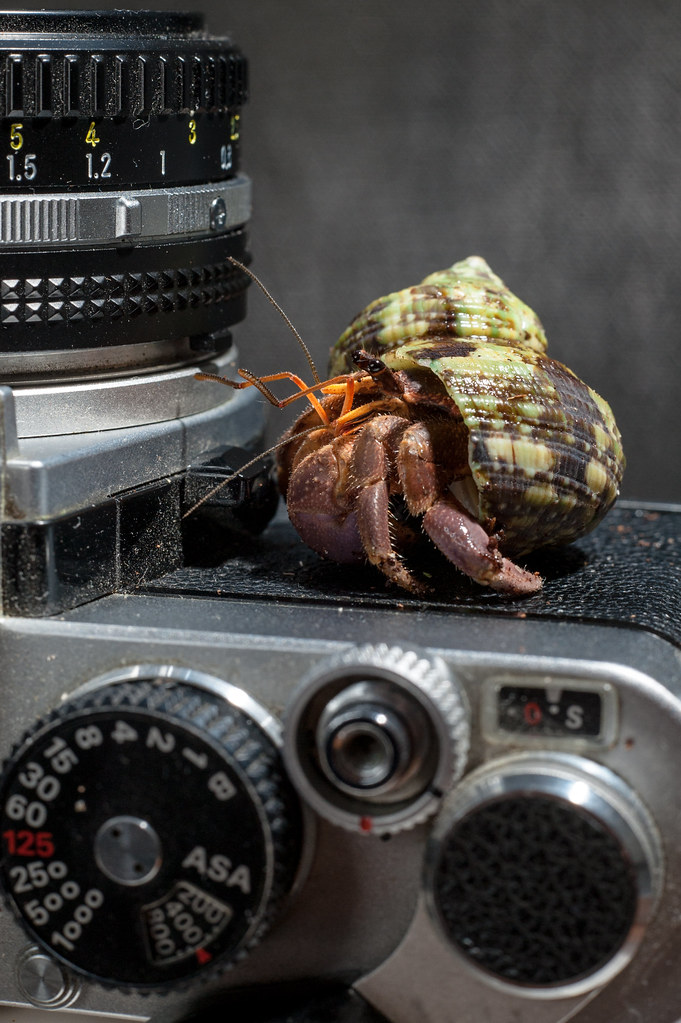
Hermite crabs burrow in, in orrder to complete the moulting process. Again, they start with the hormone business, then the enzyme to create the layer of fluid between the old exoskeleton and the new one, but compared to the crabs, the hermite crab chelipeds are huge, and the exoskeleton extremely hard. This means the hermite crabs need considerably more energy to pull all that muscle mass out of the chelepids, which is the most power consuming part of the moulting process.
In order to do this, hermite crabs find a space where they can take their time. One of our Coenobita perlatus took 4 months to emerge after burrowing in to moult. In this time, any disturbance can lead to the crab stopping the moulting process, and that can lead to death.
After the hermite crab shed it's exoskeleton, it completely retreats inside the snail shell it carries and waits for the new exoskeleton to harden. We noticed that once they emerge, they need quite a while (days) to regain precise coordination of their limbs and find their balance. Until that time, they tumble off things a lot.
As Chin already mentioned, crustaceans need calcium to form their exoskeleton. Most of this calcium is gained through digesting the old exoskeleton, but additional calcium is obtained through food or water.
On the topic of water, hermite crabs actually carry a supply of water in the snail shell they carry. They require saltwater as well as freshwater, which they then gather and mix to their requirements. This water is required to keep their gills moist, but is also vital in the moulting process where it is pumped underneath the old exoskeleton.
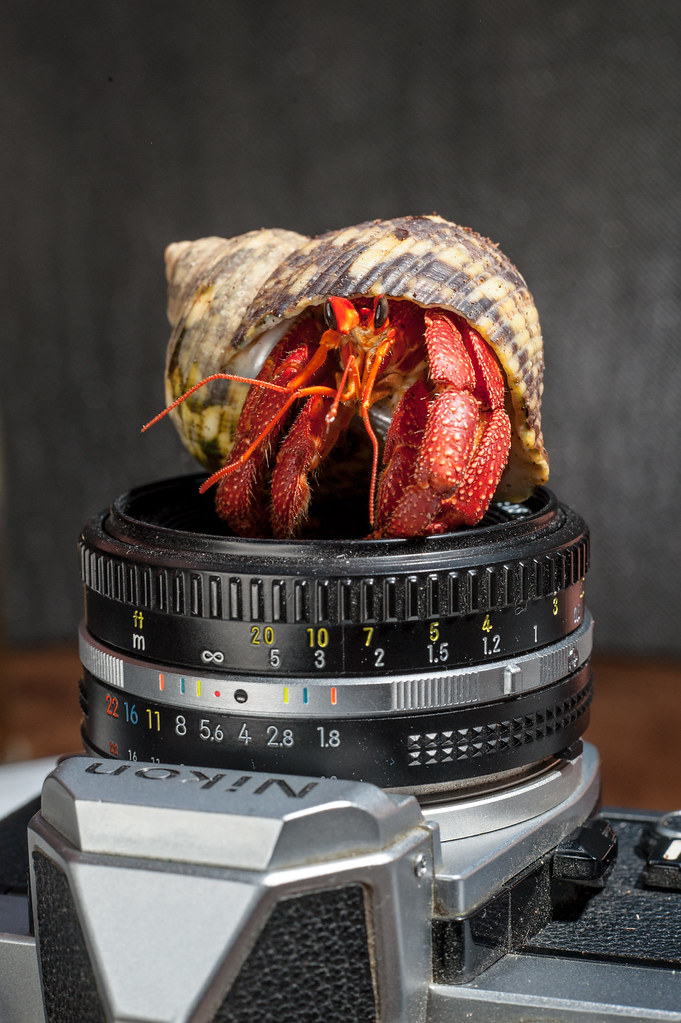
We keep two different species of hermite crabs in one enclosure
The latter species is considerably bigger then the former, but neither species shows any kind of aggression towards the other. I can't figure out why that is, but my best guess is that in their natural habitat they live in large colonies with individuals in all sizes.
Our hermite crabitat has twice the surface of our other crabitat. It also has far deeper substrate, allowing the larger crabs to burrow deeper. About 20cm at the deepest location.
One of the most unique features about hermite crabs is, of course, the fact that they require shells of snails to survive. When they outgrow a shell, they need a bigger one, but this is not the only reason for them to change shells. We found them to be quite vain. Some of our hermite crabs picked shells considerably larger or smaller then they would normally "require". They also modify their shells if they find one they really like, and are quite reluctant to leave behind a modified shell, even if more appropriate shells are available.
Since we have not yet figured out the fashion habits of our individual hermite crabs, we just keep a large supply of shells available, and as soon as we notice one of our crabs is actively searching for a new home, we provide various different shells in roughly the right size and shape
I think I could still write a lot about these fascinating animals, but I'll just leave it at this for now and enjoy the view I have of one of the enclosures for a bit. I will gladly answer questions (to th ebest of my knowledge) if there are any though
pburke wrote:
here is another idea - pick a single subject/object and shoot it with every lens you have. Rafael would be rather busy, others not so much.
I was thinking about doing this to demonstrate a few things about optics with my photo club at work - lots of beginners in the club who could use ae primer on focal lengths, depth of field, field of view, perspective, compression etc.
Stokesey wrote:
A few weeks ago I made a Prophecy .....
...........Yes I did invest in another bottle
Steve, invest? While some liquidity is recommended, entirely liquid "investments" just don't last, and the only appreciation is on the palate of the consumer!
Our hermite crabitat has twice the surface of our other crabitat. It also has far deeper substrate, allowing the larger crabs to burrow deeper. About 20cm at the deepest location.
One of the most unique features about hermite crabs is, of course, the fact that they require shells of snails to survive. When they outgrow a shell, they need a bigger one, but this is not the only reason for them to change shells. We found them to be quite vain. Some of our hermite crabs picked shells considerably larger or smaller then they would normally "require". They also modify their shells if they find one they really like, and are quite reluctant to leave behind a modified shell, even if more appropriate shells are available.
Since we have not yet figured out the fashion habits of our individual hermite crabs, we just keep a large supply of shells available, and as soon as we notice one of our crabs is actively searching for a new home, we provide various different shells in roughly the right size and shape
I think I could still write a lot about these fascinating animals, but I'll just leave it at this for now and enjoy the view I have of one of the enclosures for a bit. I will gladly answer questions (to th ebest of my knowledge) if there are any though...Show more →
Interesting stuff Buddy.
Have you ever considered mounting a small camera in time lapse mode to register movements throughout a long period?
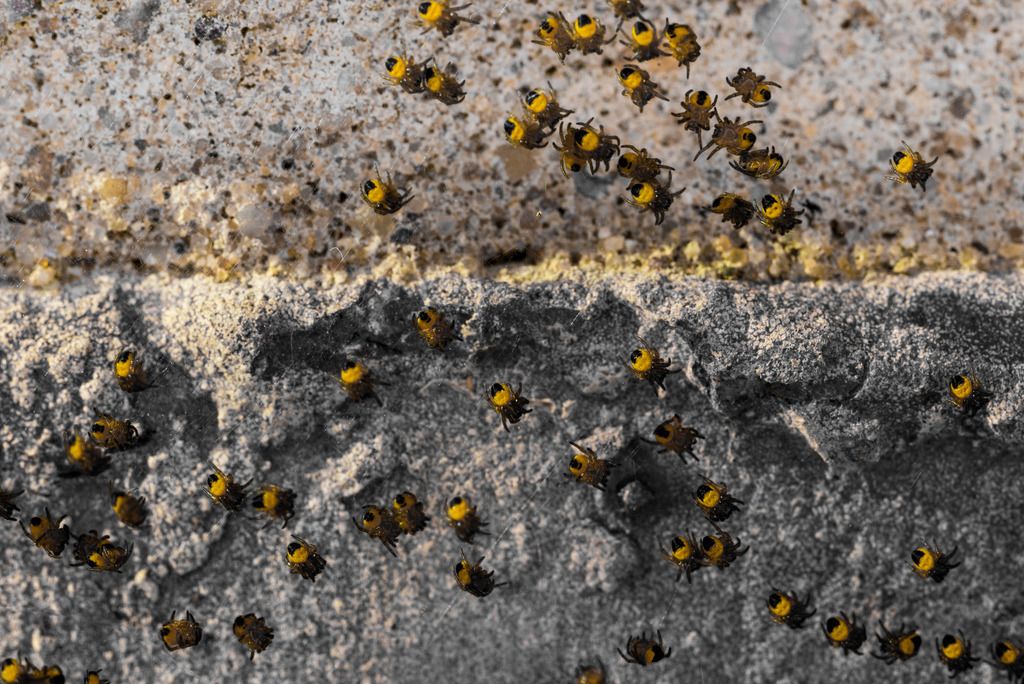
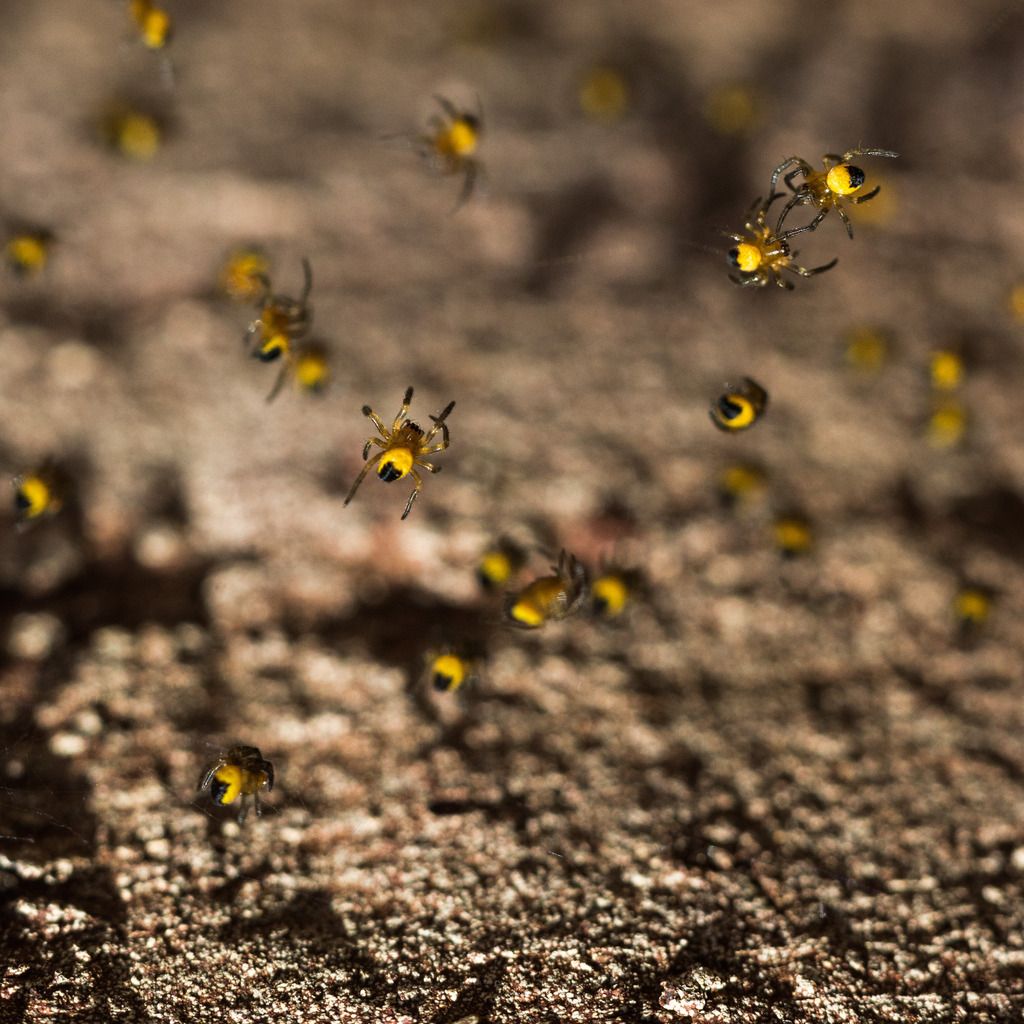
An exploding cluster of day old, tiny, baby European Garden Spiders (Araneus diadematus) greeted me on the wall by my back door the other evening. To get an idea of scale the macro pictures are approximately the equivalent of 1 inch square. The lighter layer seen in the first picture is the mortar course between house bricks.
Nice spidery capture Colin. I really hope to be able to get a picture of our Poecilotheria spec Lowland. She moved in with us last week, and has started to explore her enclosure last night. Getting a good exposure will be somewhat tricky though, as I do not know where in the enclosure she is most of the time, and since it's a very venomous, nervous and quick spider, I do not want to risk it getting out by accident.
We do have a GoPro, which we might use to that effect indeed. Timelapse will most likely mean that we see how the "furniture" moves around more then the hermite crabs themselves. They are quite destructive in their moving about and digging
D500 with the worst lens IMHO 43-86mm f3.5 .... I think I shot with this lens the other day just two shots ... first time it's been on a DSLR ever !!
So many years since it has been out .... following the admonition to use all the lenses we have - can't remember who suggested that !! But I've done that one now ....
Surprised by the results .... better than I thought they would be
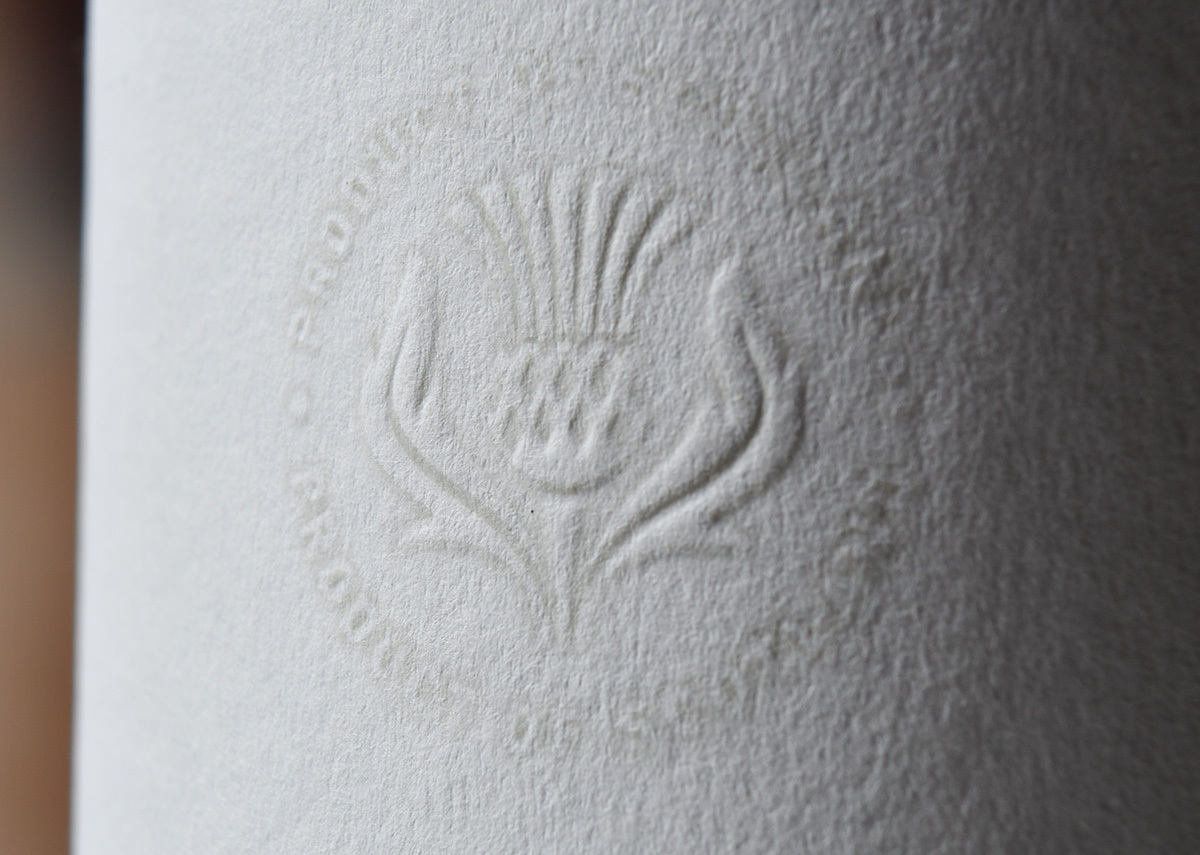
Shot close on a box for the Islay Single Malt that I bought the other day ..... using the PK-13 on the D500 ...
I thought of Curtis when I bought this bottle ..... I might have to send him a bottle !!
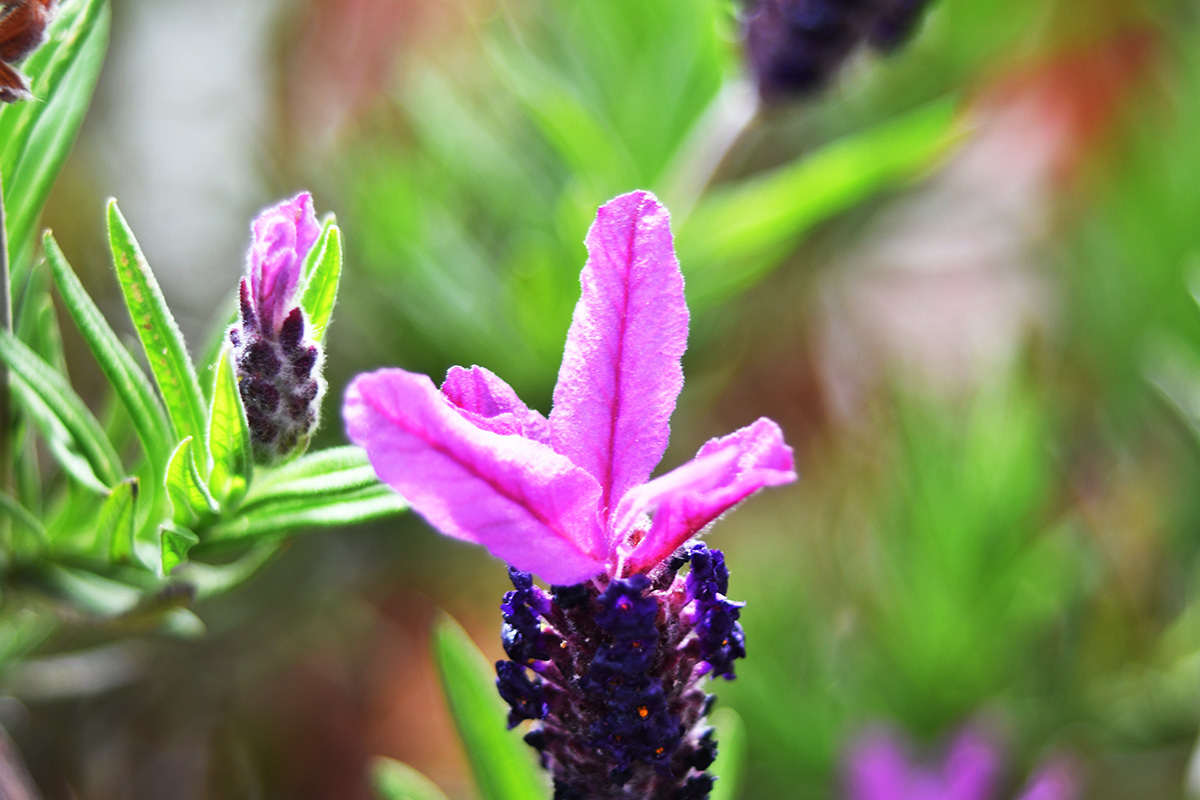
Shot a lavender plant too .... it was blown' in the wind !!
See what you folks think ...
Steve
Stokesey 2017
Inexpensive Islay Single Malt ..... (is there such a thing ??)
Stokesey 2017
oh yes .... it's a Product of Scotland
Stokesey 2017
Lavender flower in the wind !!
Stokesey 2017
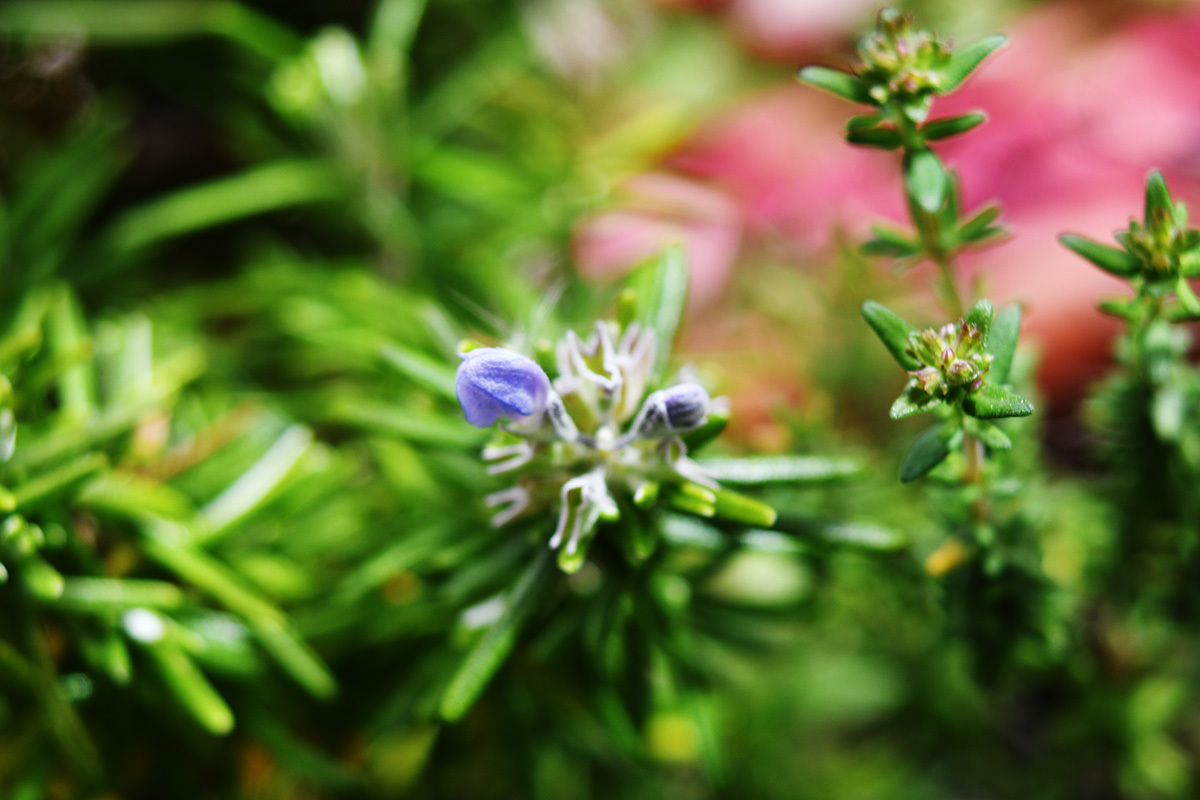
Flowering Rosemary .... love the smell ... and it's great with roast lamb !!
To move away from arachnids and decapod crustacea!
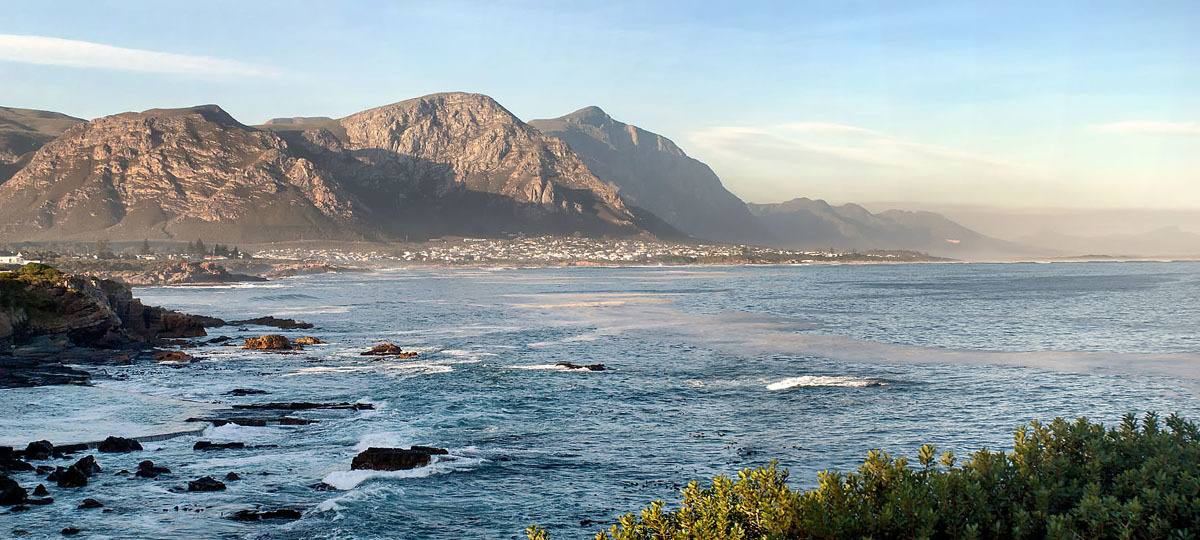
We spent the last 4 days in the coastal town of Hermanus, about 100 km from Cape Town, with our youngest daughter who is visiting from France. 4 days of great food, wine and good fun.
This pic is of Walker Bay at sundowner time from the terrace of one of the hotels. Hermanus is renowned for the best shore based whale watching on earth but unfortunately they only move in to calve from June. The town employs a whale crier who walks the cliff path to pinpoint the mothers and calves for the many eco tourists who throng to the town during whale season. See http://www.hermanus.co.za/whale-watching.








 ? While some liquidity is recommended, entirely liquid "investments" just don't last, and the only appreciation is on the palate of the consumer!