bobbelbob wrote:
It sure is supposed to snow here. But very little snow the last few years. And it usually starts in november and ends in february. It never starts in february. Worst thing about this weather is that normally it is season for sea trout now. But they are not anywhere near the coast in these conditions (perhaps that´s why I´m a bit grumpy about it ). And yes Lund is only 15km from here. But Lund is a bit inland and a bit higher in altitude and is usually a bit colder compared to Malmö lying right by the sea..
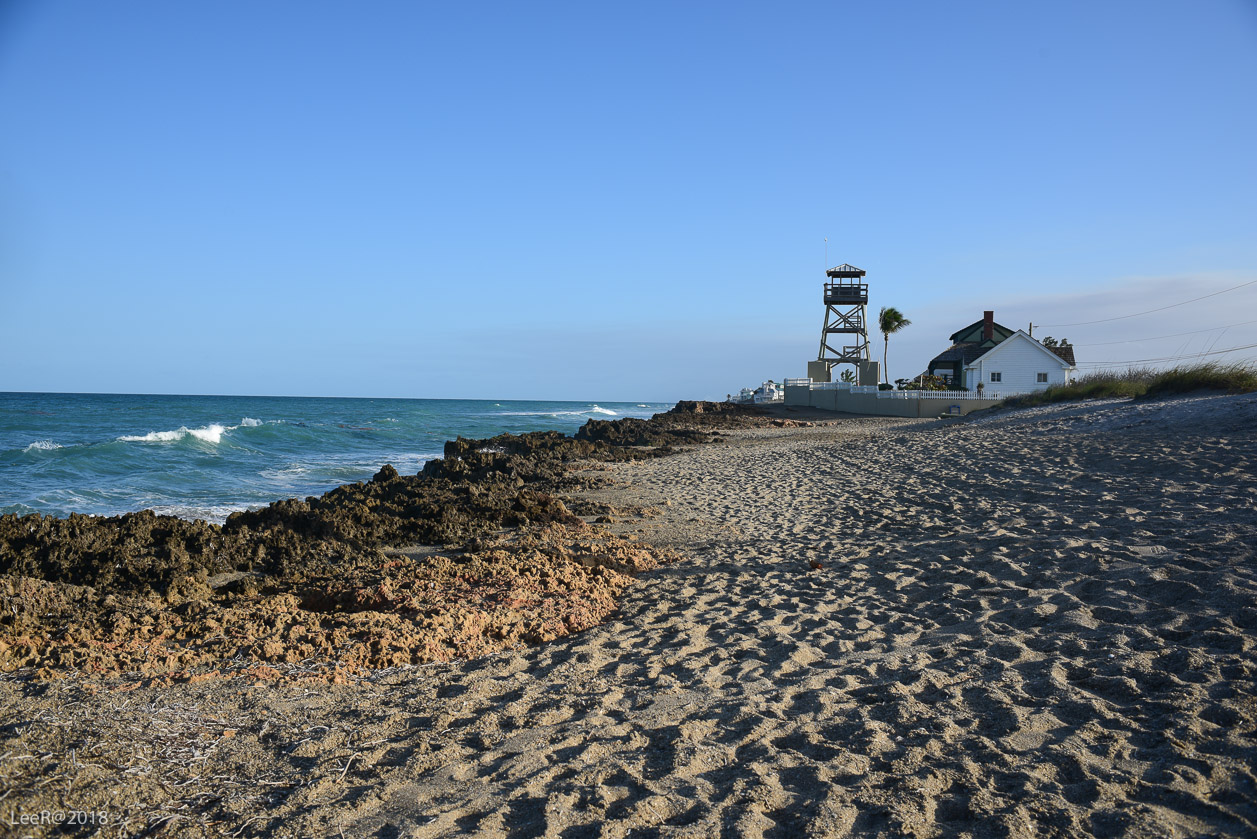
The weather gives of course some different scenery for photography than we are used to here, that´s the upside of it
Also have to add, I live in the very southern part of Sweden but I have seen on the news that up north it has been a long and very cold winter. Very cold...
CGrindahl wrote:
Awesome George. Funny that the projected cost of the NOCT is well BELOW the current market for the lens. The same is true for the more exotic lenses like the 300 f/2, the 13 f/5.6. But look at the price of the 2000 f/11 Reflex. Then I check E-Bay and the two copies of that lens available are north of $20,000. Thankfully, there are many other options available for us with which to play. All fascinating.
I paid less that that a year or so ago when KEH had the one day 30% off sale!!
Max Power wrote:
What body are you shooting the 25-50 on? The reason I ask is because I have a Nikon 810 and Df, and both cameras allow you to put in the CPU lens data in the menu, which works great for primes. But for zooms, I have read for proper exposure, you have to manually go in to adjust the focal length to match the zooms focal length that you are shooting at the moment, which sounds really clumsy. How are you doing it?
I always set my copy of the 25-50 f/4 AI-s for 50mm and never had a problem shooting with the D700. We have so much control in the digital darkroom that any exposure challenges that arise are relatively easy to work through. I too will welcome Ken B's comment on the subject since he's been using these lenses for decades and frankly, is more knowledgeable about them than I am. But it definitely is a lens worth owning. It is a great performer... as I've said many times. Certainly the work Ken is bringing to the thread demonstrates that fact.
I'll echo the comments of a few folks Ken regarding that last shot. When I saw it I was instantly reminded of Ronny's stunning images from Iceland. The light is quite magical on that image.
Max Power wrote:
What body are you shooting the 25-50 on? The reason I ask is because I have a Nikon 810 and Df, and both cameras allow you to put in the CPU lens data in the menu, which works great for primes. But for zooms, I have read for proper exposure, you have to manually go in to adjust the focal length to match the zooms focal length that you are shooting at the moment, which sounds really clumsy. How are you doing it?
Yup, found it here, even though there were quite a few pages removed since then during the purgings. And I see this thread added 2.5 pages already today, and the reason(s) why
Reagan wrote:
There was a big discussion a couple years ago about setting the 25-50 in the CPU menu
It should be at 25 or 50 but as I remember one exposed differently than the other
I'm sure Laura knows exactly what page that discussion was on
being our resident "LookerUpper"
Max Power wrote:
What body are you shooting the 25-50 on? The reason I ask is because I have a Nikon 810 and Df, and both cameras allow you to put in the CPU lens data in the menu, which works great for primes. But for zooms, I have read for proper exposure, you have to manually go in to adjust the focal length to match the zooms focal length that you are shooting at the moment, which sounds really clumsy. How are you doing it?
The Df was the only body I had along on this trip.
As for non-CPU register settings with zoom lenses, I worried about this a lot when I first started using zooms on digital bodies. Initially I tried a focal length near the middle of the zoom range as a compromise. I wouldn't even consider guessing the actual focal length and setting it for each shot.
After reading various things online it seemed that setting at the longest focal length might be the better was to go. Actual shooting has led me to believe that it really doesn't matter all that much. I suspect that having the absolutely correct focal length setting would give more precise exposures, especially under hard to meter conditions such as very high contrast scenes. In practice the exposure is never very far off. If you shoot Camera RAW files, it's a simple matter to compensate in post processing. I've never had exposures off by more than 1 stop, and that can usually be handled easily in PP. In any case, setting the correct maximum aperture [f/4 for this lens] is much more important for getting good exposure than the focal length setting.
For these shots I set the focal length to 45mm since that is near the long end of the focal length range, and I don't have a 45mm. When I see 45mm in the EXIF data, that let's me identify the image as shot with the 25-50mm.
Hope this helps. BTW, if anybody else has info regarding focal length settings with zoom lenses, I would be interested; but I don't worry about it anymore. I just go out and shoot. If the exposure is really way off, then I adjust and shoot again.
Thanks for the kind words. It's just that the desert Southwest inspires me. In fact I wish I were back there now rather than in soggy Portland. Oh well!
Well, I just noticed Laura's link to Scott's comments about exposing with the 25-50. That confirms that longer is better -- well more accurate. I'll continue with 45mm since it allows me to identify the lens easily and is close enough to 50.
Ballard wrote:
Well, I just noticed Laura's link to Scott's comments about exposing with the 25-50. That confirms that longer is better -- well more accurate. I'll continue with 45mm since it allows me to identify the lens easily and is close enough to 50.
Ken, here another possible explanation of the exposure mystery for the 25-50:
"As the aperture moves with the second lens group with zooming, in theory, more light should be admitted at wide-angle positions and less at telephoto positions. This lens, however, preserves the 1 : 4 aperture ratio by adjusting the diameter of the aperture according to the zoom position. Optically speaking, it's like using an f/2.8-4 lens. Mizutani took great pains to ensure sufficient aberration compensation. At the wide-angle zoom position, this effect similar to stopping down the aperture one stop significantly reduces flare and increases contrast."
I am not sure I totally understand this, but it helped me to discover that when the 25-50 Ai exif was set at 25mm that it overexposed. At 50mm it did not. I have ever since set mine at 45mm like Ken with great results. I "upgraded" to the 25-50 Ais version and the it does not seem to suffer from the same exif setting issue.
The older contributors to this thread will remember our dear friend Ray. He was instrumental in helping me to analyze and understand what was going with my first copy of the 25-50. Thank you Ray.
Scott
Still a few days in the far East, it's over 30 degrees and humid hear. At the moment -10 at home.
Too big of a difference.
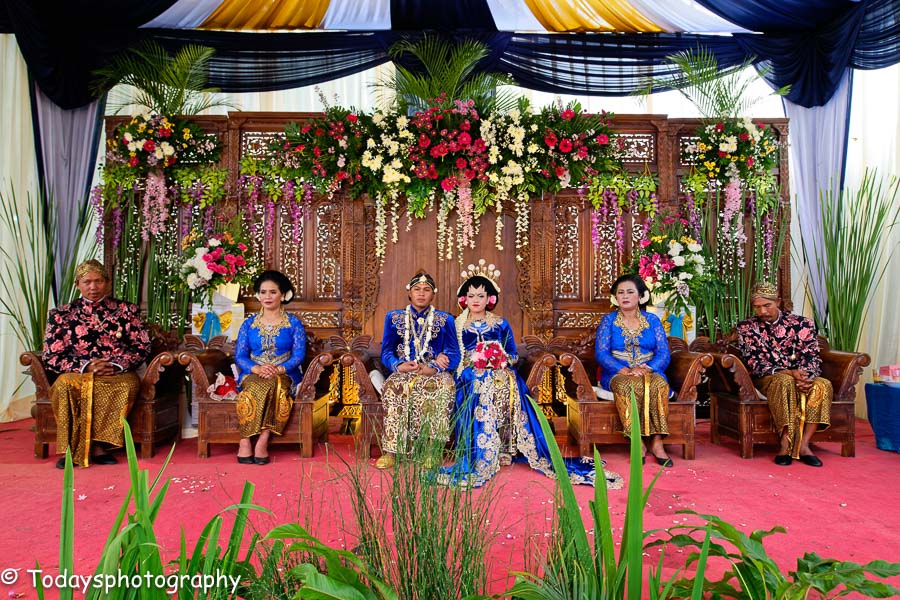
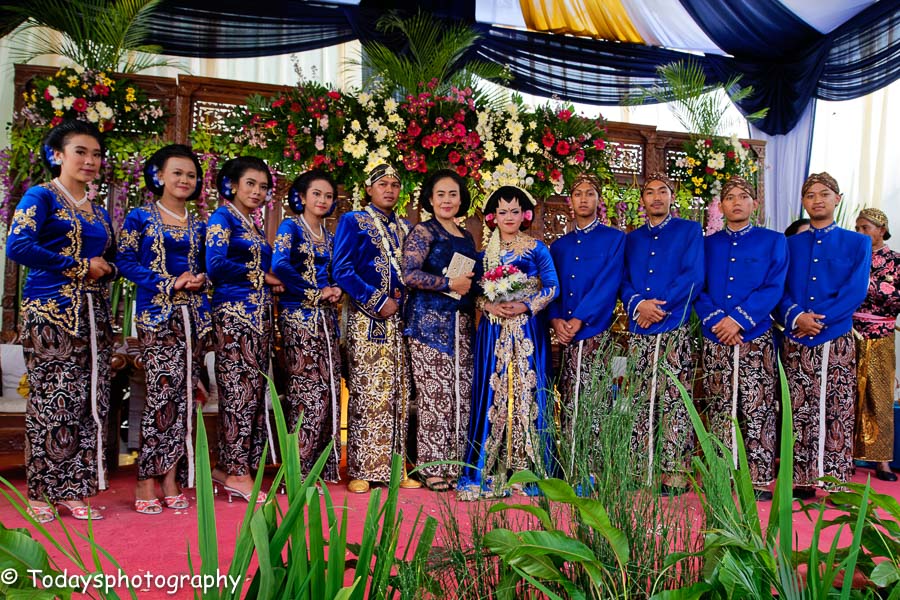
Traditional wedding on Java, Indonesia.
We were passing by and I asked if I could take a few pics.
No problem, we were invited, got lunch and drinks and a few pics. Very friendly people.
mp356 wrote:
Ken, here another possible explanation of the exposure mystery for the 25-50:
"As the aperture moves with the second lens group with zooming, in theory, more light should be admitted at wide-angle positions and less at telephoto positions. This lens, however, preserves the 1 : 4 aperture ratio by adjusting the diameter of the aperture according to the zoom position. Optically speaking, it's like using an f/2.8-4 lens. Mizutani took great pains to ensure sufficient aberration compensation. At the wide-angle zoom position, this effect similar to stopping down the aperture one stop significantly reduces flare and increases contrast."
I am not sure I totally understand this, but it helped me to discover that when the 25-50 Ai exif was set at 25mm that it overexposed. At 50mm it did not. I have ever since set mine at 45mm like Ken with great results. I "upgraded" to the 25-50 Ais version and the it does not seem to suffer from the same exif setting issue.
The older contributors to this thread will remember our dear friend Ray. He was instrumental in helping me to analyze and understand what was going with my first copy of the 25-50. Thank you Ray.
Scott...Show more →


 ). And yes Lund is only 15km from here. But Lund is a bit inland and a bit higher in altitude and is usually a bit colder compared to Malmö lying right by the sea..