cadman342001 wrote:
Props Jim, I had enough trouble shooting them when I used AF ! Glad to hear that wet feet was the worst of the slip, we've all been there !
Here's another view of The Remarkables, taken from outside work. I get to look at these all day. GFX50S + 180 ais
I am going to break the capital rule once and accept any penalty imposed.
I worked building 11 LPDs and was the design IPT lead for electronics for LPD 26, the John P Murtha who retrieved the Artemis Capsule Friday.
I was at the Naval Base today and they were showing Artemis in the well deck, nicely air fried.
Did not go in the ship as the lines were long and had to work on another ship, took photos but only had an AF Nikkor, the 24-135, which is an excellent little lens. I do want to share these with YOU!
rafaelcasd wrote:
I am going to break the capital rule once and accept any penalty imposed.
I worked building 11 LPDs and was the design IPT lead for electronics for LPD 26, the John P Murtha who retrieved the Artemis Capsule Friday.
I was at the Naval Base today and they were showing Artemis in the well deck, nicely air fried.
Did not go in the ship as the lines were long and had to work on another ship, took photos but only had an AF Nikkor, the 24-135, which is an excellent little lens. I do want to share these with YOU!
Thank you!
I can speak for only myself but I absolve you of most penalties. The work that you and others do to accomplish things like that is truly amazing. We can so easily take it for granted. The only penalty I impose is that you must now look at these pics.
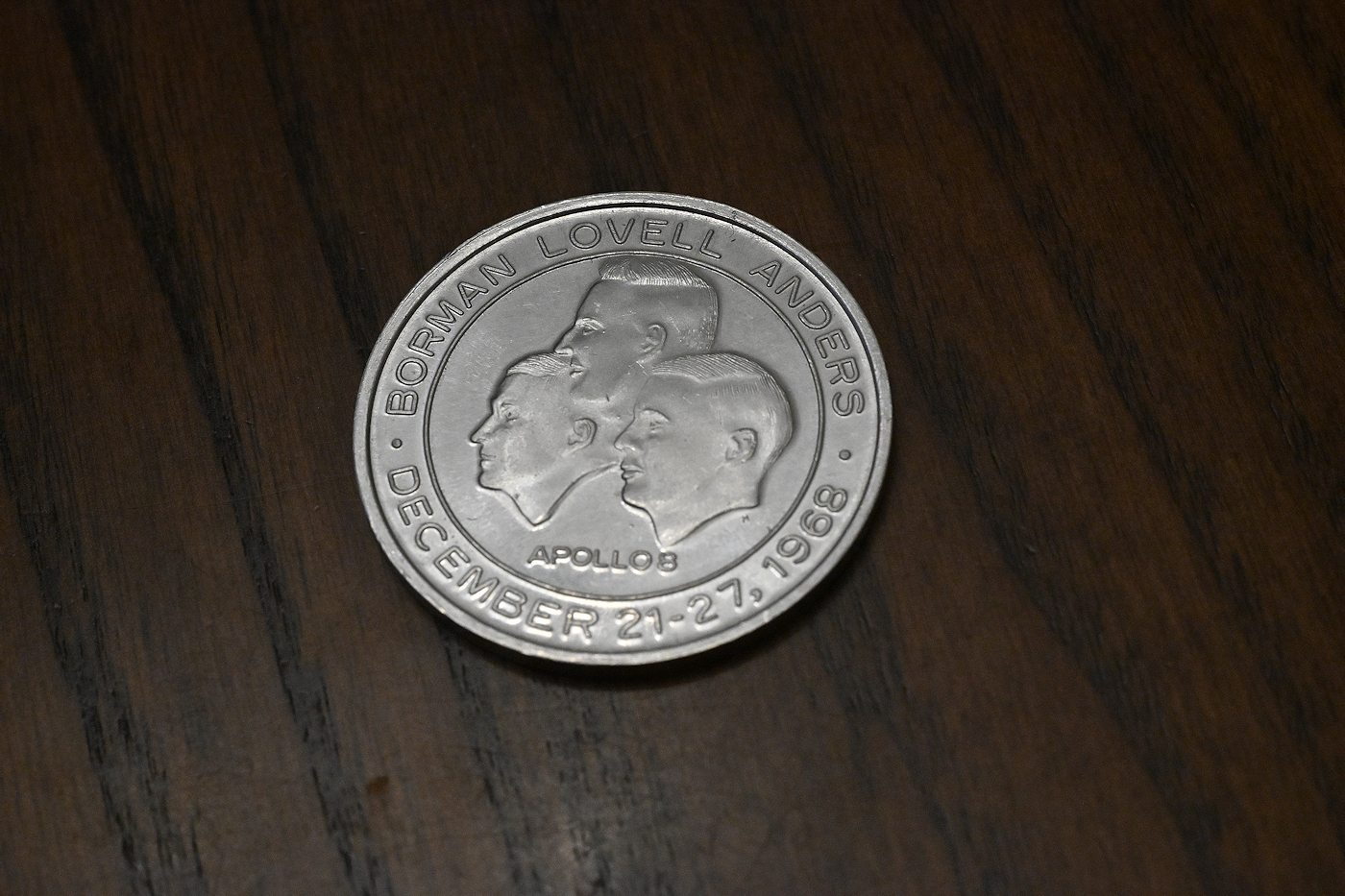
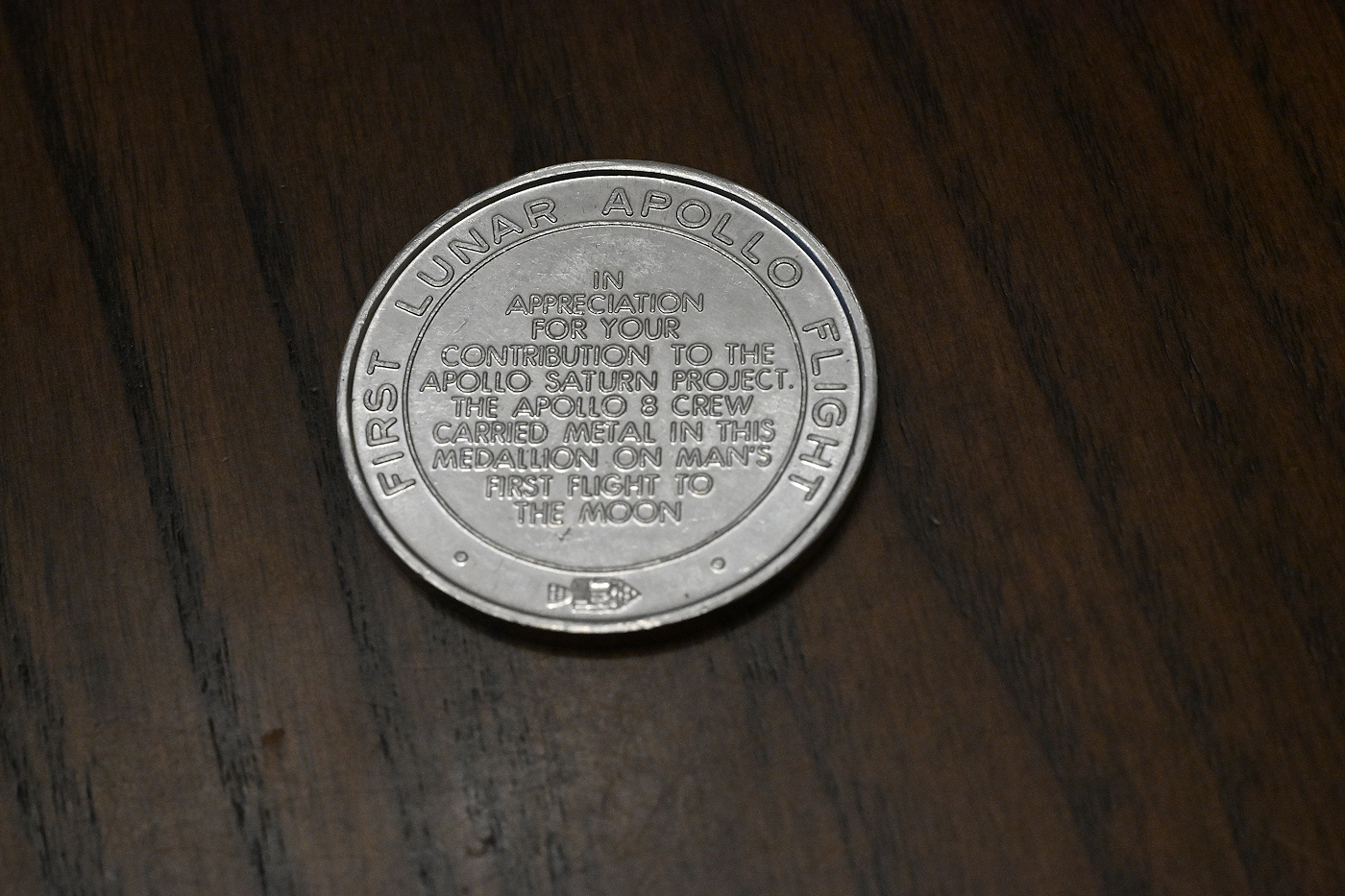
In the late 60's I worked as an undergraduate co-op student at Marshall Space Flight Center. Mostly what we did was development for Space Science Lab. (My contribution can best be described as nano-important, which is to say almost not at all.) In commemoration of Apollo 8 they gave everyone a medallion. It is one of my cherished possessions.
I can speak for only myself but I absolve you of most penalties. The work that you and others do to accomplish things like that is truly amazing. We can so easily take it for granted. The only penalty I impose is that you must now look at these pics.
In the late 60's I worked as an undergraduate co-op student at Marshall Space Flight Center. Mostly what we did was development for Space Science Lab. (My contribution can best be described as nano-important, which is to say almost not at all.) In commemoration of Apollo 8 they gave everyone a medallion. It is one of my cherished possessions.
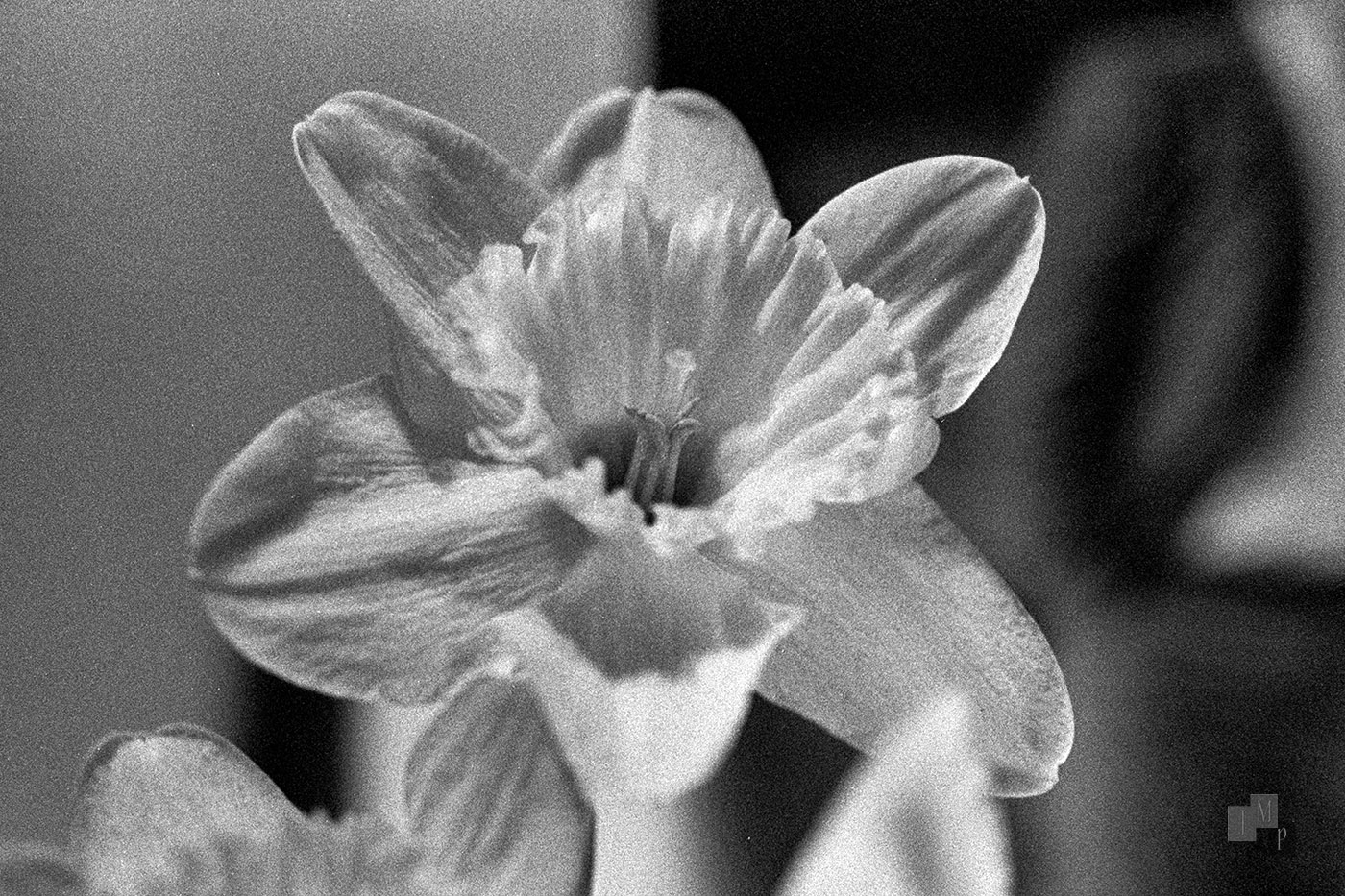
The memory and he fact that it flew around the moon makes that medallion priceless Jim. Love the 55mm 3.5 micro, it is really an outstanding lens and can be had almost for free.
rafaelcasd wrote:
The memory and the fact that it flew around the moon makes that medallion priceless Jim. Love the 55mm 3.5 micro, it is really an outstanding lens and can be had almost for free.
Yes, it is.
For the 55mm, I have this thread to thank. Also for the 105mm.
Unexpectedly, thanks to a friend's generosity I now have two of each, and two 50mm f/1.4, plus a 50mm f/2. I could carry the Z and a film camera, both decorated with the same lens!
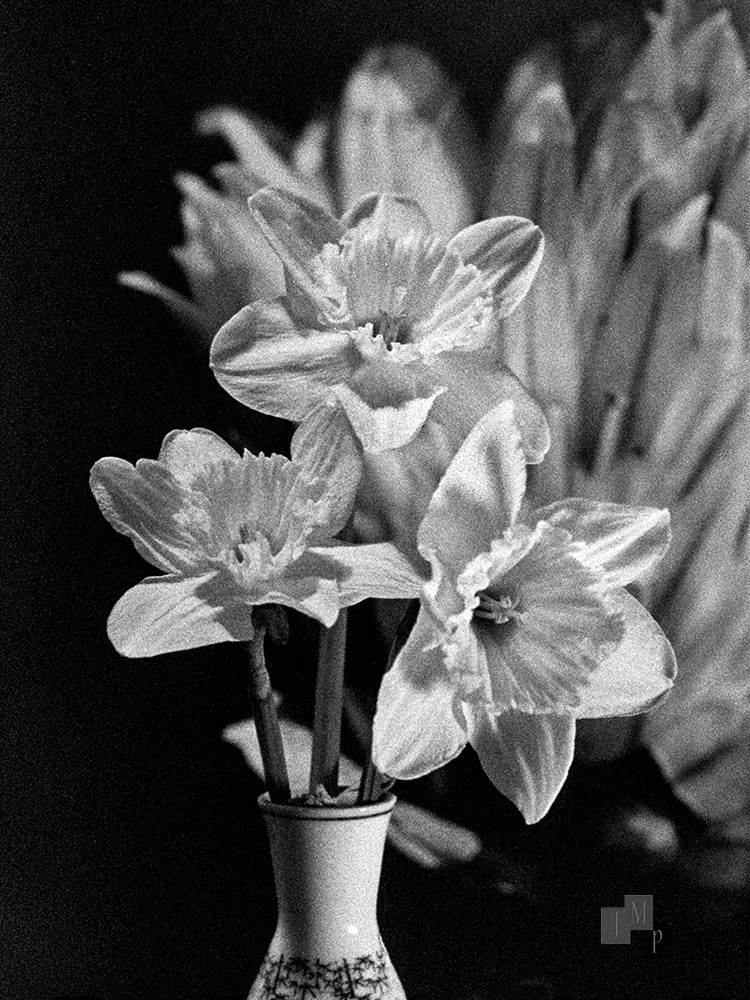
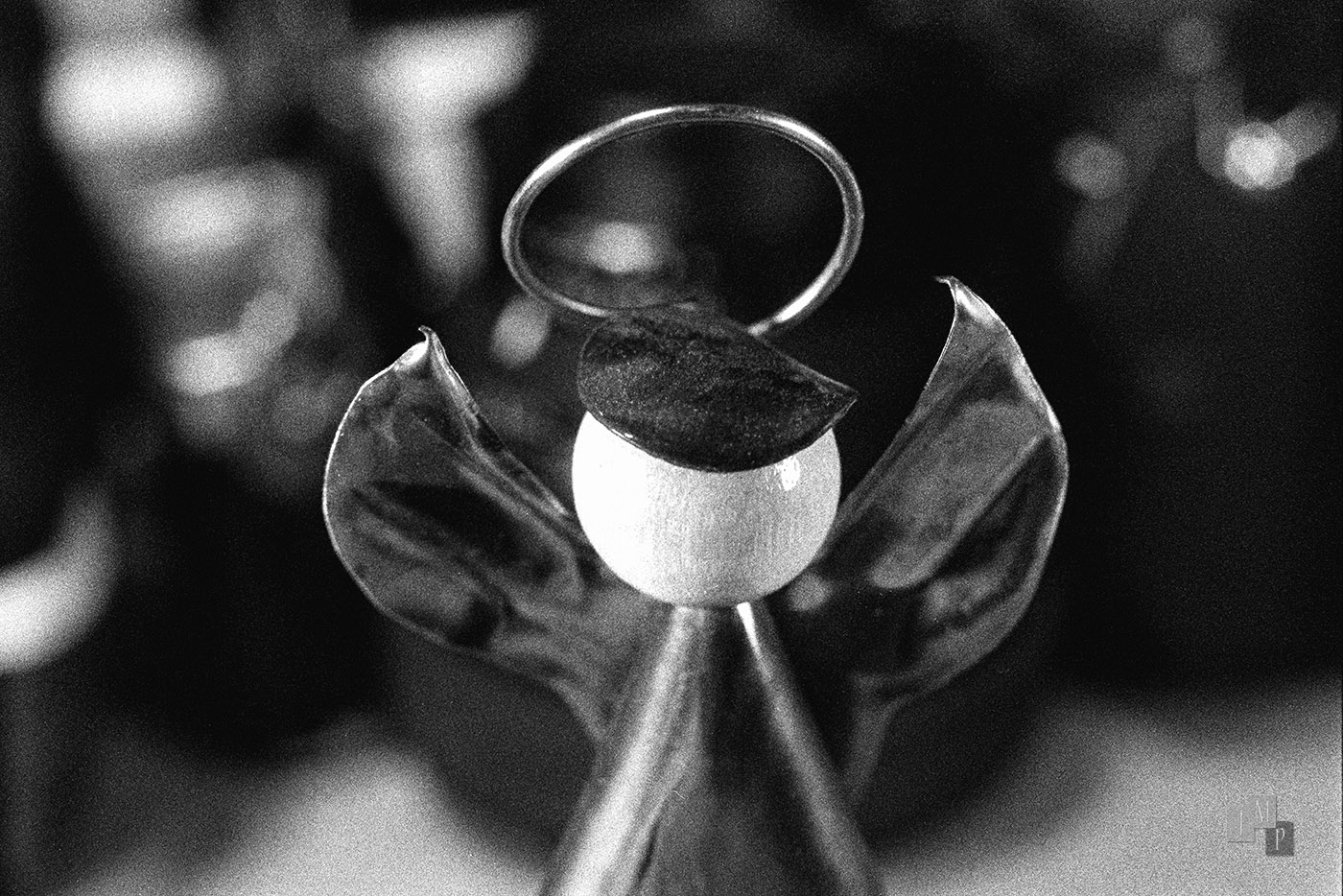
While we are on the subject of film grain, (a nod to James Markus' F4 pics above)...
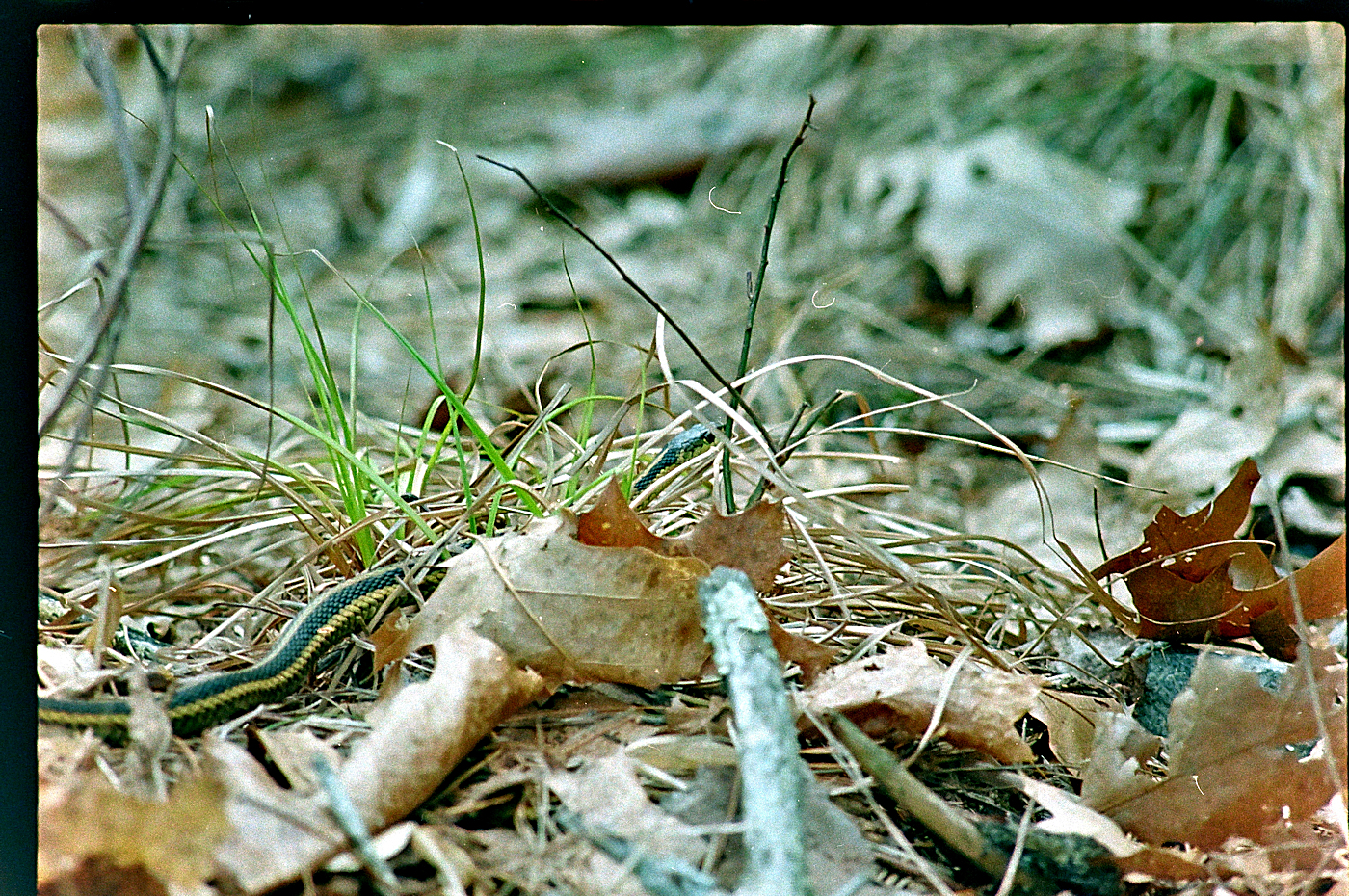
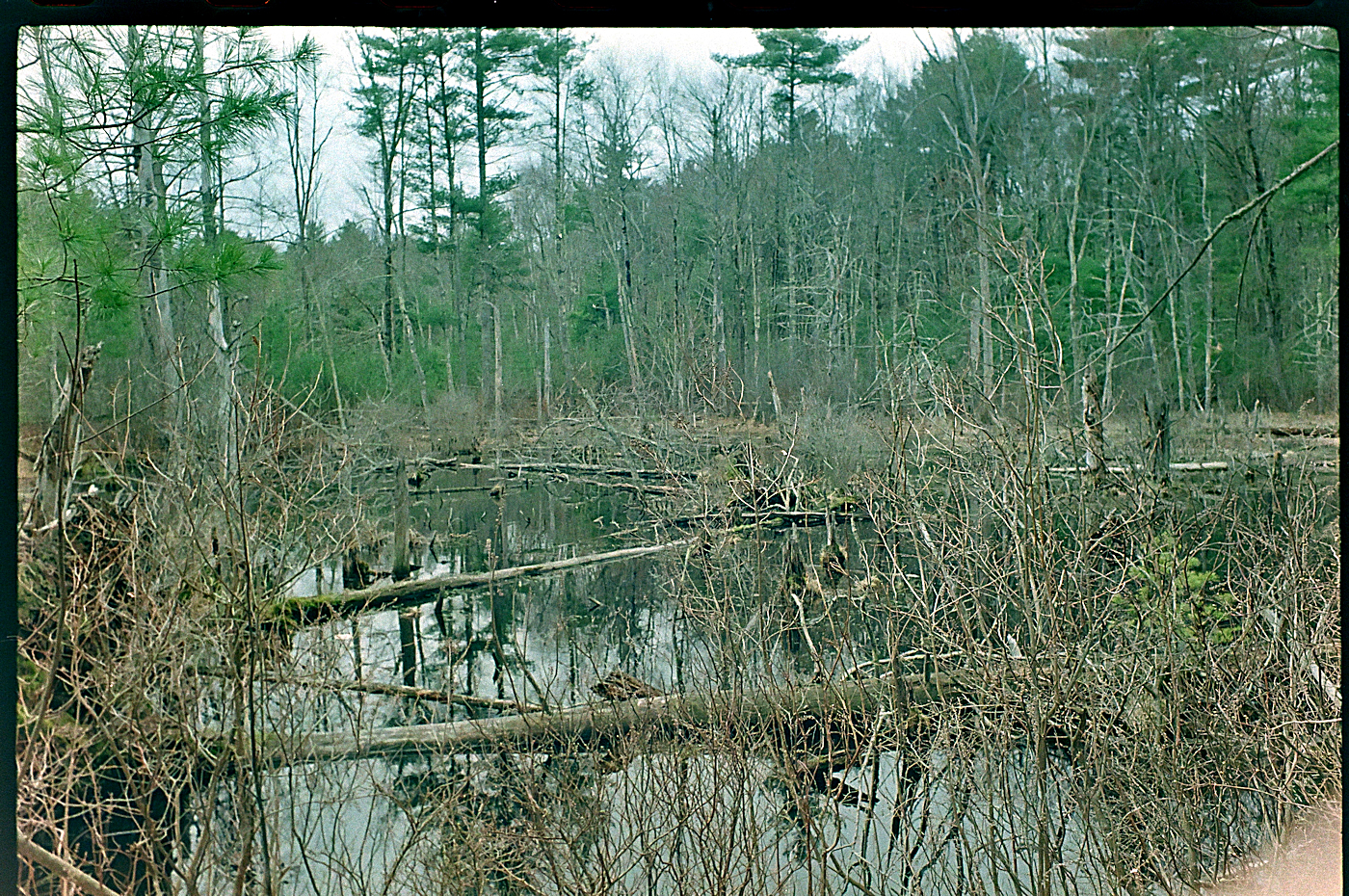
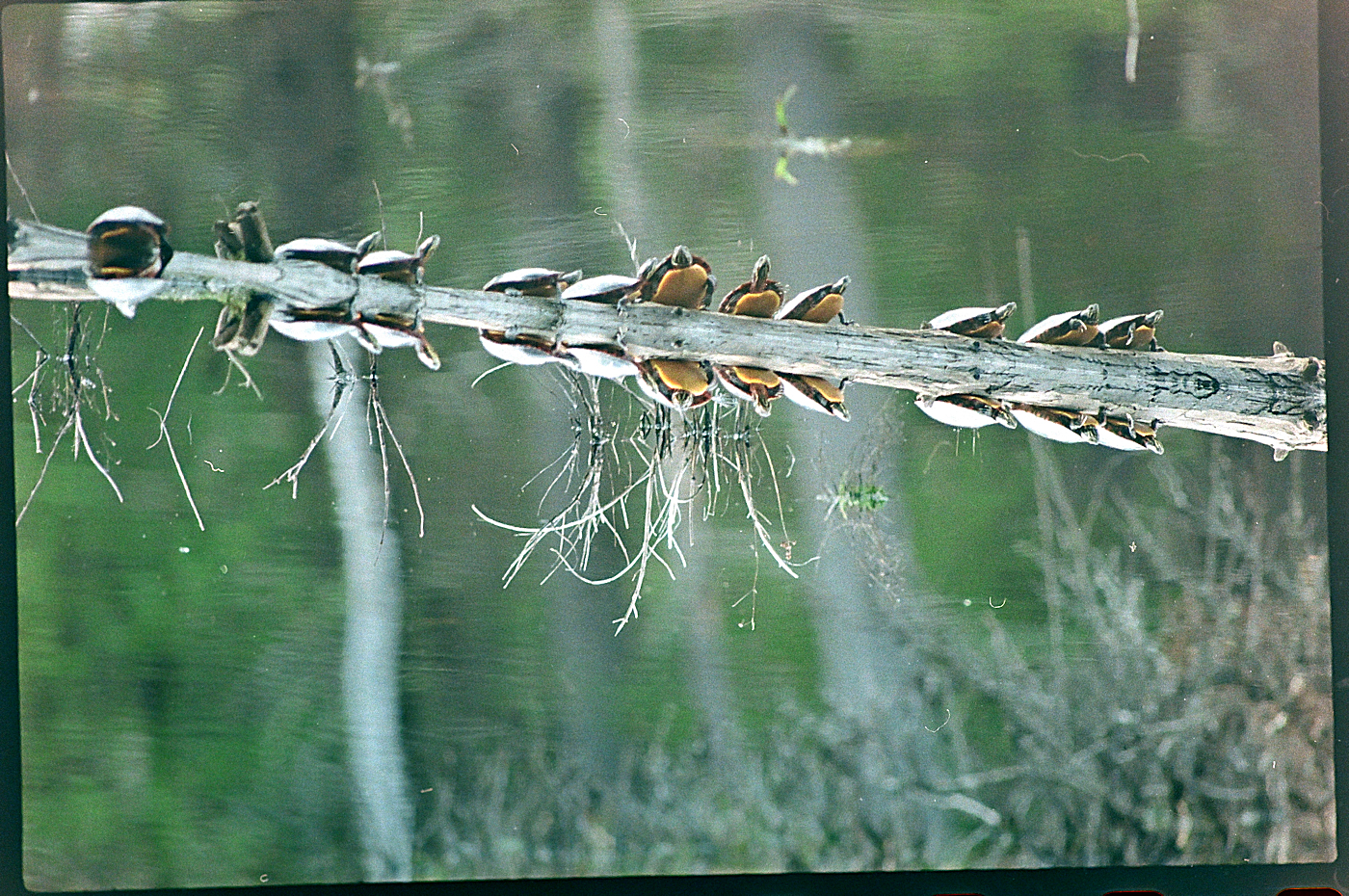
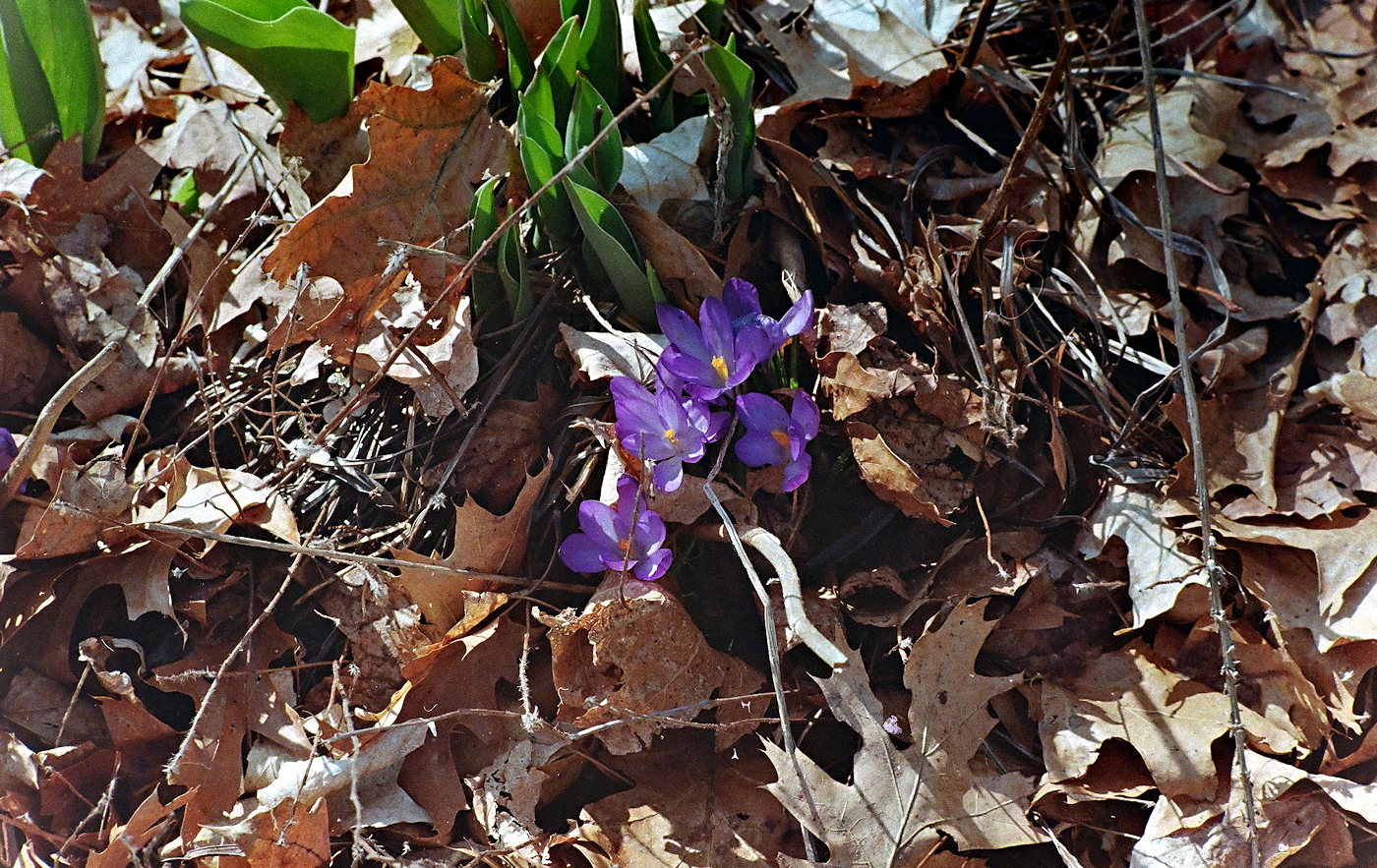
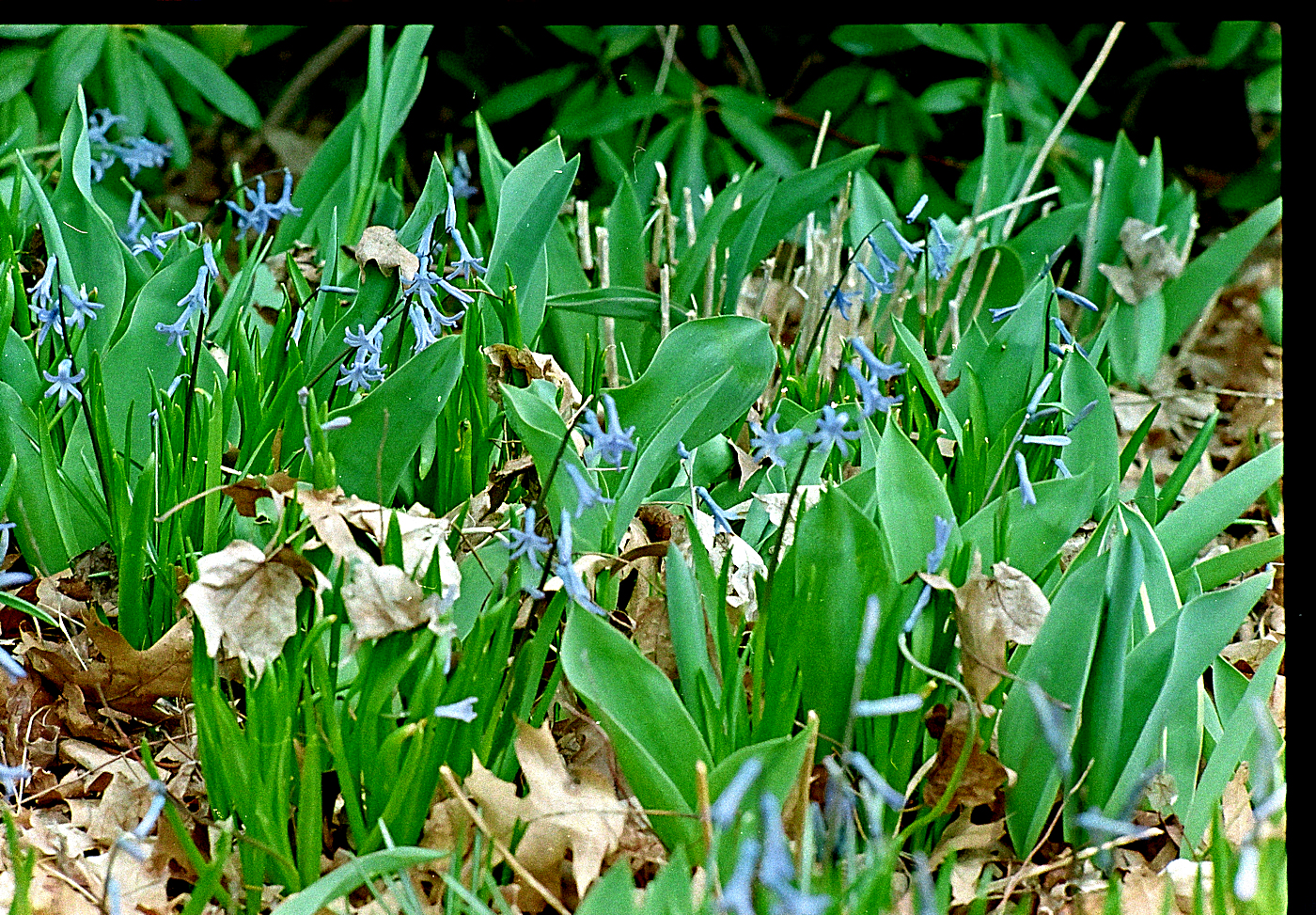
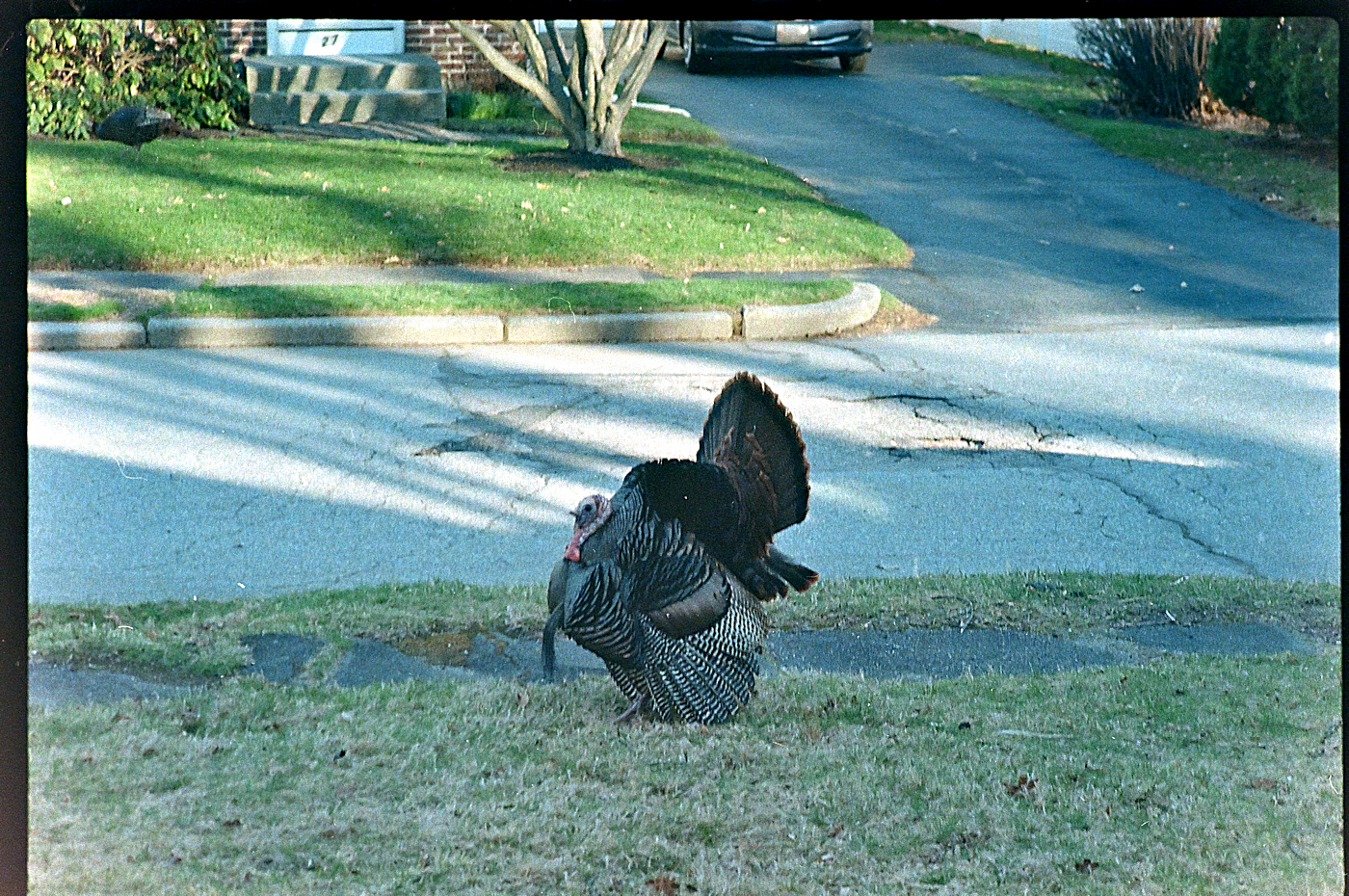
I got back the first roll taken with the 1972 F Photomic. The camera seems to have done better than its operator but I was pushing it intentionally. The good news is that the meter worked great. I had used alkaline batteries with a form factor like the original mercury 625, and adjusted the film speed until it gave me the same exposures as a phone app and my Nikkormat. All the exposures came out as I expected. The shutter seems to have worked just fine too.
First, some selected shots from our usual woods haunt.
Next, some from home. The turkey picture was taken through the glass of the front storm door.
Only about a third of the shots were acceptable IMHO. The film was Kodacolor 200. A common feature was film grain, way more than I expected, more than the UltraMax 400 I used in the Nikkormat last month. I tried some pics of nesting herons using the 300mm f/4.5. (No, the herons weren't using it, I was.) The grain obscured the interesting detail. The camera was on a monopod (just a single stick, no stabilizing feet) and propped against a tree trunk. For those I would have been using 1/250 or 1/500 sec, probably with fully open aperture, don't recall exactly. Even the more reasonable pics with a different lens, such as the flowers and turkey at home, have some grain though not so as to ruin the picture.
So I'm wondering two things. Is that graininess a likely difference between the Kodacolor and UltraMax? And would grain be increased with wider aperture but less time, as compared to less light and more time? Not a reciprocity failure per se but a "feature" detail that varies with where the exposure is on the curve. It's something I never had to think about before. (And I learned a few more lessons about scanning, but that's a different discussion.)
Jim, Film grain depends on a number of factors. This is my decreasing ranking of the predominate effect
1-The film stock itself (base, emulsion grain size, and grain shape)
2-Developer used
3-Agitation technique during development
4-Time, temperature, & dilution ratio of developer
5-Lens used to acquire image
6-Negative conversion process (digital camera, scanner, software etc)
7-Other variables I haven't remembered
It is a minefield of competing variables. For example; It looks like you used a Digital camera to digitize the negatives. That camera has default sharpness, noise reduction and other adjustments. It likely is removing grain during the conversion. A straight scan to a raw file is about the only way to actually see what was captured. Some lenses are too sharp. When I was looking for a process to convert my old negatives I found the 55mm f3.5 ai was one of those too sharp of a lens to consider. Sure, it got great sharp lines, but it also resolved the edges of each grain on the emulsion. The best lens I found was an enlarging lens by Schneider - the 50mm f2.8 Componon S. It gave me the sharp lines, but somehow minimized the grain to a more continuous tone instead of a Seurat-like painting. It literally is an analog version to what the digital camera does. I needed to embrace the grain, elevate it's contribution to the image, because if I take it away - I might as well use a digital camera.
It is funny how back in the day everyone wanted to get rid of grain, and used very slow films like Panatomic-X, Tech-pan etc. I wrote a photoshop action to tone down the grain, and when finished - I realized I had made an image like a digital camera - ugh
James Markus wrote:
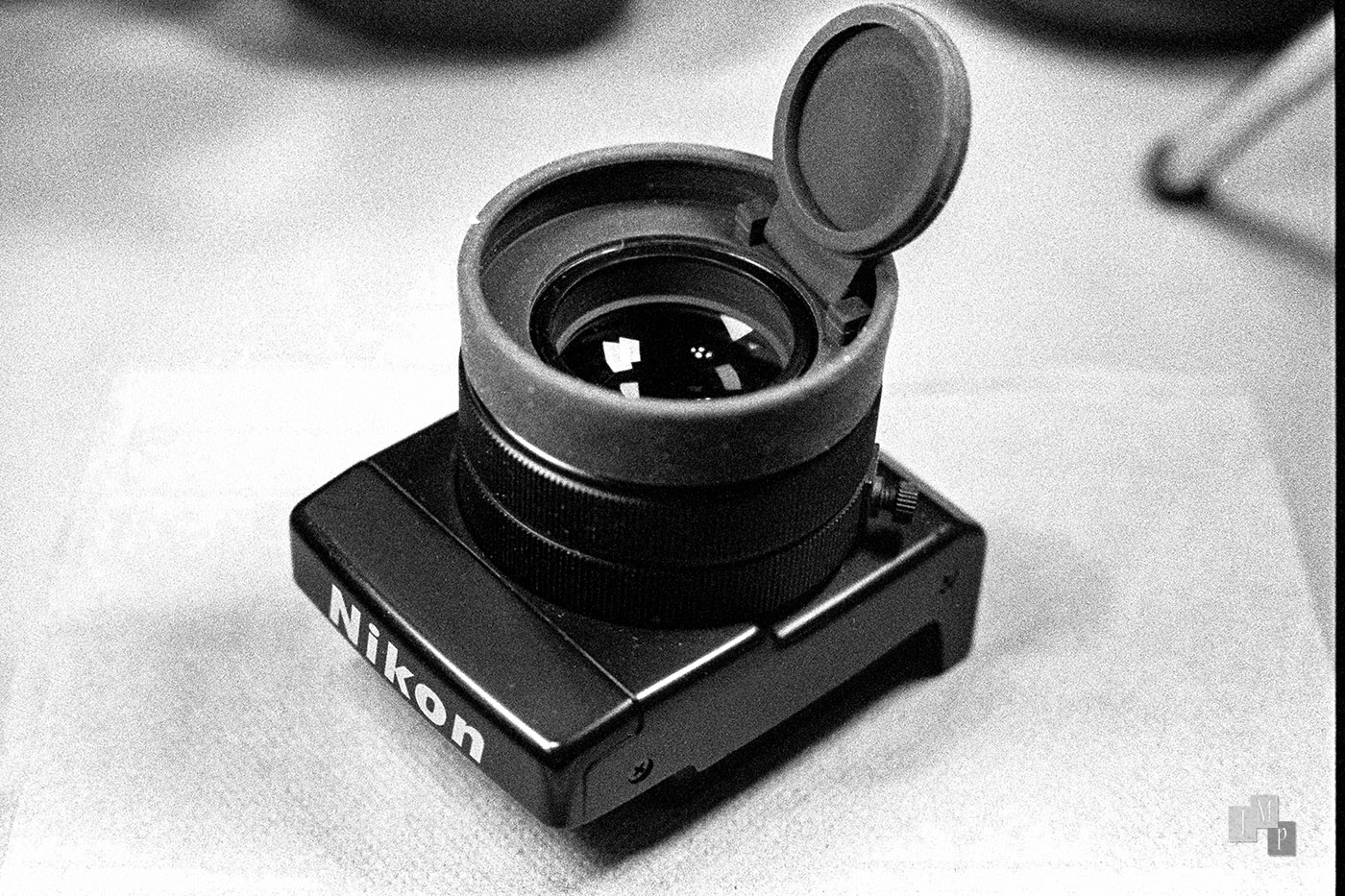
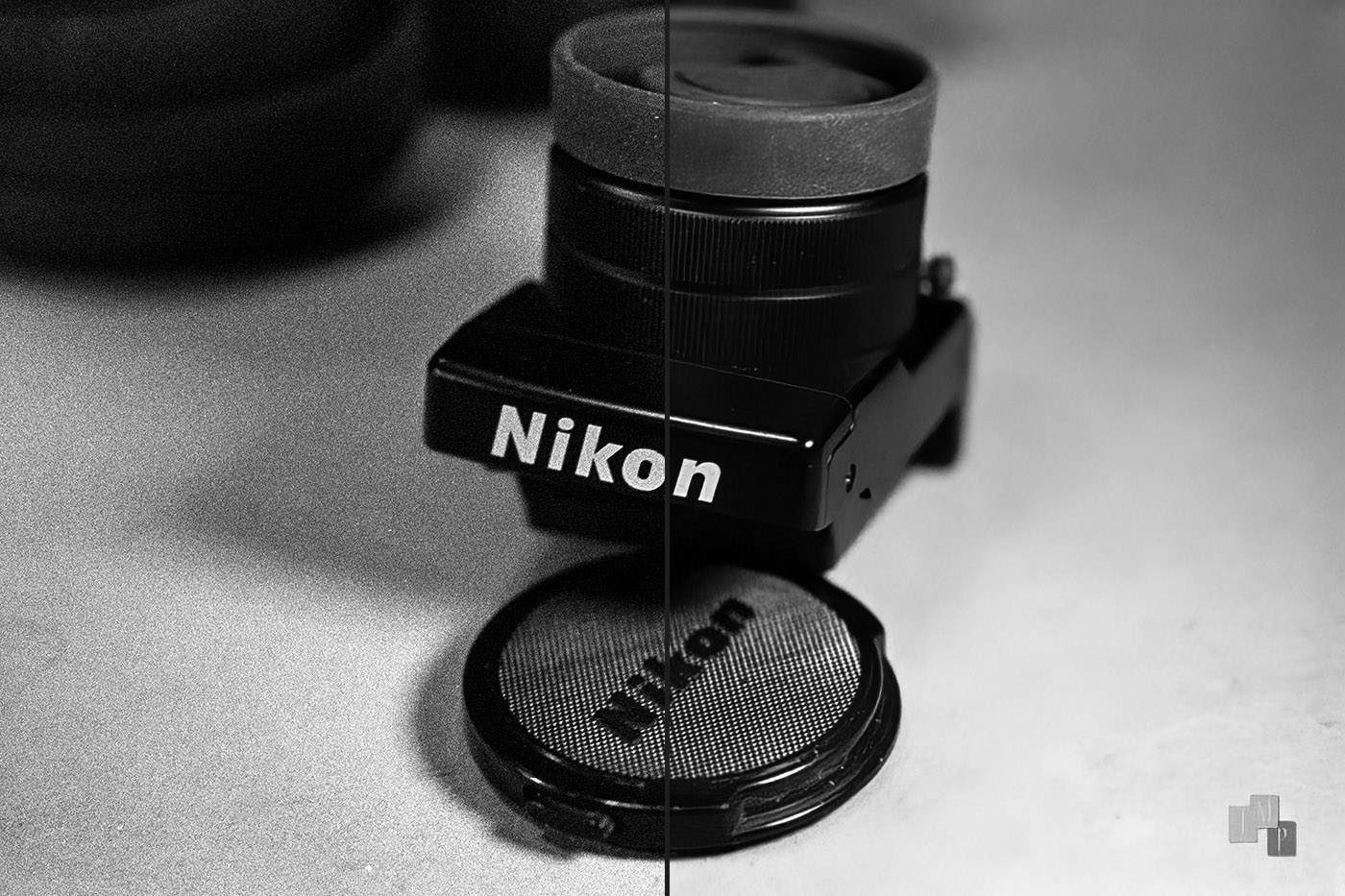
Testing a new to me F4 and a great waist level viewfinder. My eyes are happy
I think that's the DW-21 6x magnification finder, rather than the DW-20 waist-level finder. I have the equivalent DW-4 chimney-finder for my F3/T, but the DW-21 is much more compact. It's a great finder for macro work and can also be used with the special "aerial image" screens, description from MIR website:
"Type C: Fine-ground matte field with 4 mm clear spot and cross hair: For photomicrography - works especially well with the DW-4 finder, astrophotography and other high magnification work, using parallax focusing on aerial images.
Type-M: Fine-ground Fresnel field with 5.5 mm clear spot and double cross hair for use in parallax focusing on aerial image, plus millimeter scales for calculation of individual magnification of objects or for measuring objects. Brilliant image in dim light. Suitable for close-ups, photomicrography and other high-magnification applications. Another good companion with the DW-4 high magnification finder.'
I have the Type-M, and it is a bit of a pain to use, really takes time and practice to get it to work.
For general-purpose shooting I think the standard waist-level finders are better. But cool find none-the-less!
Specs:
"The Nikon DW-21 is a 6X high-magnification finder designed for the F4 35mm SLR camera, featuring a diopter adjustment range from -5 to +3 for individual eyesight correction. It is primarily used for close-up work and photomicrography, providing a clear and sharp view of the entire image"
I can see critical focus from about 12-18 inches away, but have to move my eye closer to see the whole frame. The brightness is amazing. I have Mamiya's chimney finder (2.5X & 6X switchable) for my C3 and C33 TLR. On ground glass it actually seemed to make the field slightly dimmer. However, I ordered and installed a split prism replacement focusing screen on the C3 from Brightscreen - it really is 1-2 stops brighter in the viewfinder. I still have to test the split prism out to make sure it is calibrated.
James Markus wrote:
Jim, Film grain depends on a number of factors.
Thanks for the description. I did scan with my Z5ii and a 90mm Tarmon 1:1 macro, saved both jpg and raw (NEF) files. I used that lens for all the old slides I've posted and never thought they had a problem. Then again, I don't think I could have gotten good film pics from that distance with my 200mm in the old days. At first I tried inverting the raw files, found them harder to work with and wasn't sure I liked what I saw without major manual manipulation. So I went to the jpg's the way I did with the previous roll. But I should try re-scanning them with different camera settings in case that makes a difference. The raw files were darker and converted to a different color balance than the jpg's.
For the nesting herons shots that I didn't like the herons were 150 to 200 yards away. The same pics with the Z5ii and even a Canon videocam with 1200 pixel horizontal resolution captured more detail. But its still a looong shot.
Of course I have no control over the developing other than the choice of lab. I would have thought my local Hunts would be pretty good.
It's an interesting game. The Z5ii sure makes it easy, makes me wonder why I'm bothering with film except for the challenge and the fun of it.
Addendum: You are telling me to embrace the grain. I told my sweetie to embrace her mistakes. She gave me a hug. Well, I suppose grain is an element of the artistic experience. Or I could apply smoothing early in the editing. Or I could decide that super-long-distance film shots with the 300mm is pushing the limits, which is what I expected before I tried it.