AdaptedLenses wrote:
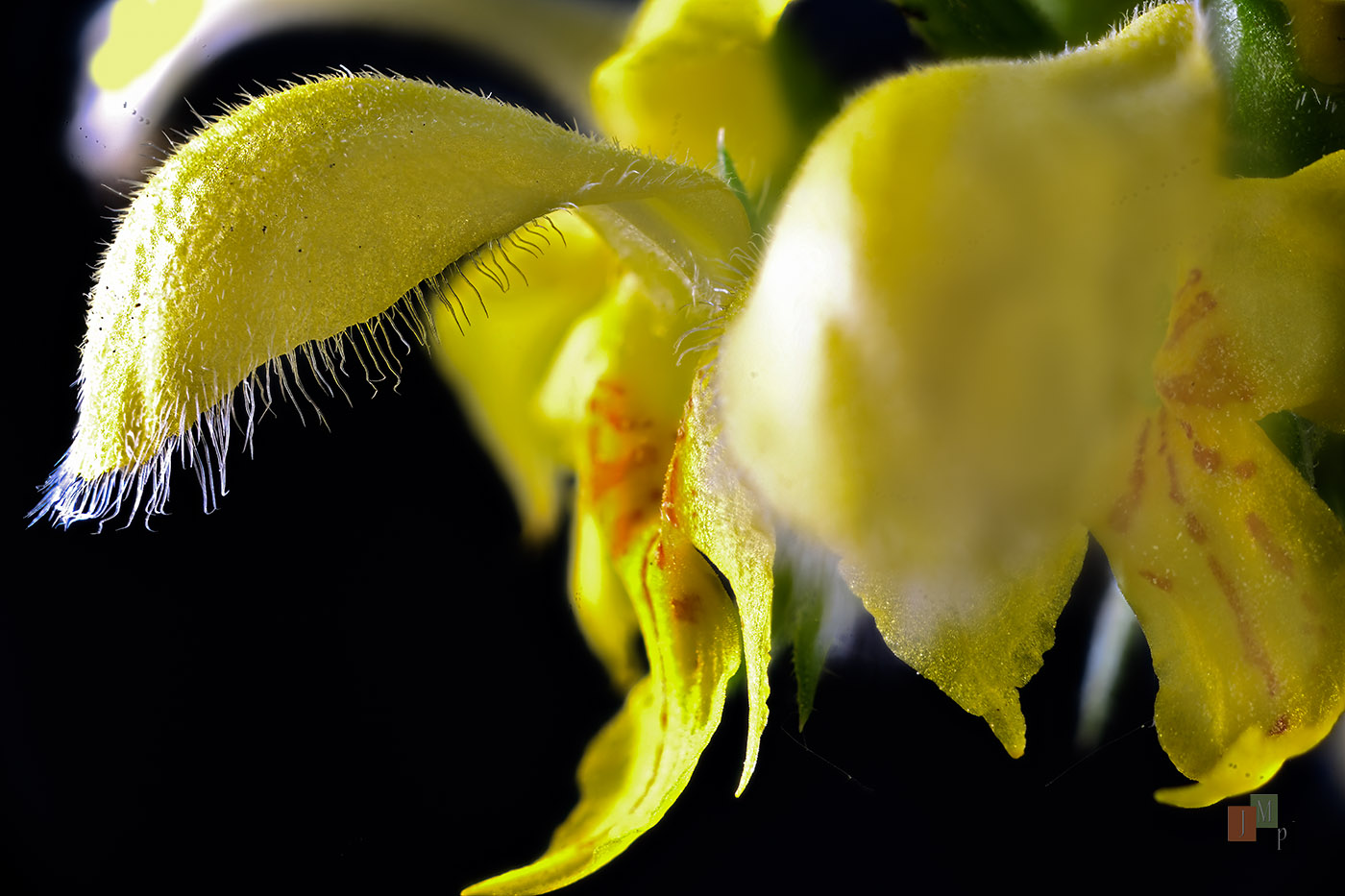
Ken, how did you light the Dicentra formosa (I had to copy that)? Fun shots. I’ve been wanting to play with off camera flash some more. I’ve been thinking about how to easily soften a small flash, you’ve got me thinking maybe I shouldn’t.
I was lucky. Early morning, low angle sun. Then I just underexposed. Sometimes I like that high contrast look. Sometimes I like a softer look, which I was doing today with English bluebells. But those shots were not with a Nikkor lens, so not posted here.
For what it's worth, one way that I've softened flash for small subjects is to point the flash away from the subject at a large piece of white styrofoam or at a piece of cardboard with white backdrop paper attached. The light is reflected onto the subject from a much larger area than the nearly point source of a flash. Very low tech. Not as sophisticated as a soft box; not as expensive either.
AdaptedLenses wrote:
Fast Cars and Color, great pages recently. Ken, how did you light the Dicentra formosa (I had to copy that)? Fun shots. I’ve been wanting to play with off camera flash some more. I’ve been thinking about how to easily soften a small flash, you’ve got me thinking maybe I shouldn’t.
OK. A little silliness. No aesthetic merit; just for laughs.
We all know that the term “normal lens” means a lens that gives a perspective corresponding to what the eye sees. But somehow the term “normal” rankles me. It reminds of when I worked as a technical writer for a major truck manufacturer. A non-turbocharged engine could only be called “naturally” aspirated in company literature. “Normally” aspirated was not allowed, presumably because it implied that a turbocharged engine was abnormal. I don’t really see an implied “unnatural” as being much better than “abnormal.”
So from the same vantage point, normal lens and seriously abnormal lens.
Ballard wrote:
OK. A little silliness. No aesthetic merit; just for laughs.
We all know that the term “normal lens” means...
50/2 H•C & 16/3.5
Not so silly at all. A diverse collections of books there. Geology and tectonics, economics, art and art history, Walden, Grimm's Tales and other books in German, History Of English and other literature texts, statistics, automotive handbook, and the ultimate chicken-and-egg problem How To Read a Book. And at least one issue of Scientific American.
kwoodard wrote:
Although I could never afford one, I’ve been a Porsche fan my whole life. When I was growing up in Germany, the landlord (who was a very famous soccer player) had a barn with three very top end for the 80’s Porsches. When I got my license, he let me drive “the slowest” one on the Autobahn. It was a 928 with two huge turbos on it. It cruised at 150mph like a Toyota doing 60mph. His two babies were a silver 959 and a near copy of James Deans 550 Spyder. I go to ride in both. His daily though, basic 911. He did not baby that one at all. I think that one was my favorite of all of his cars. Purest example of German engineering. ...Show more →
I bought a used 928 in 1988 - it was a superb car. Docile in Traffic but could get to 200KmH in no time Topped out at 244 on the highway once. It was stolen in 1990 and is the only car I ever made money on. Paid $ 22000 and got back $63000 . Insured for replacement cost!!
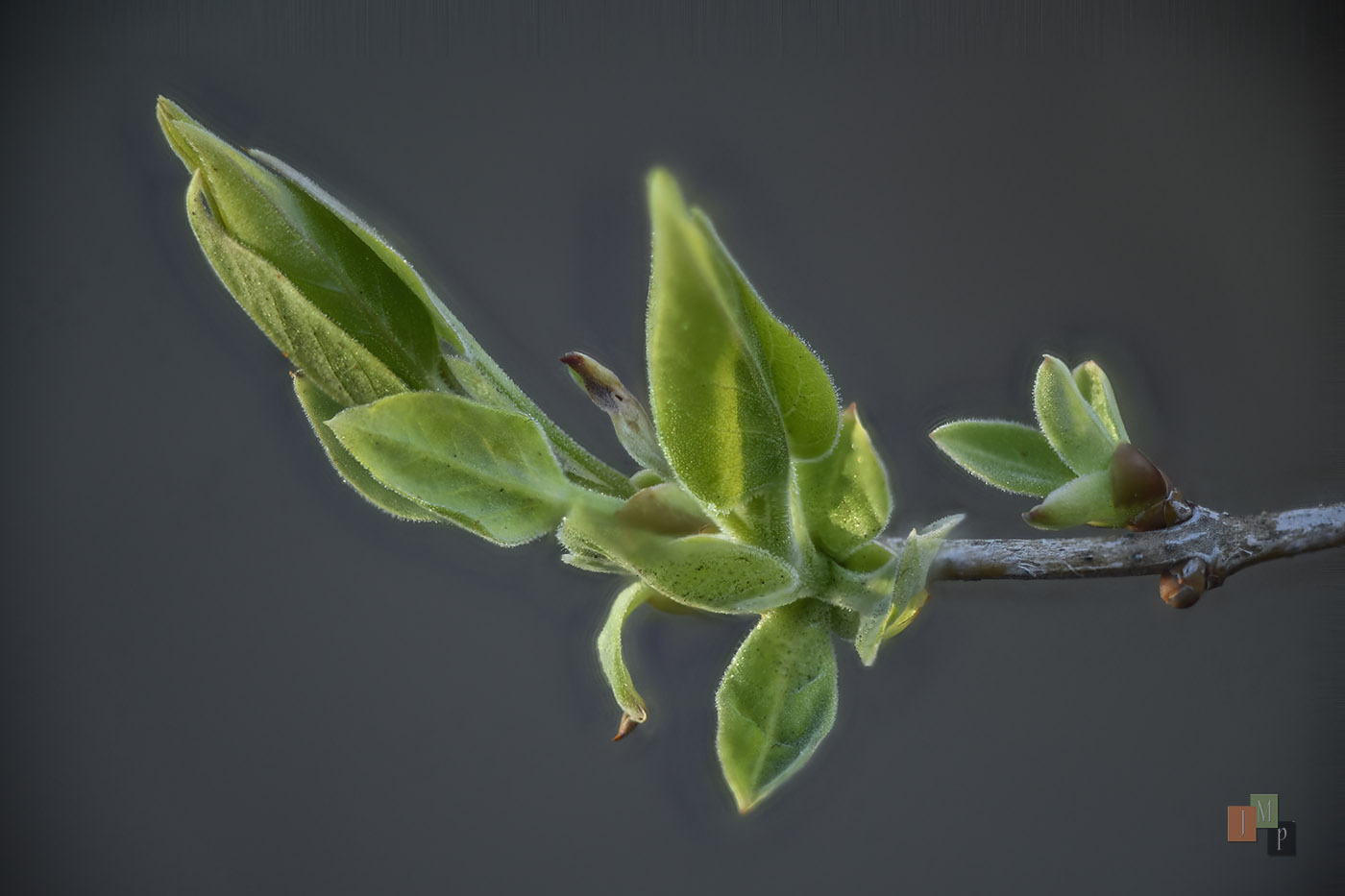
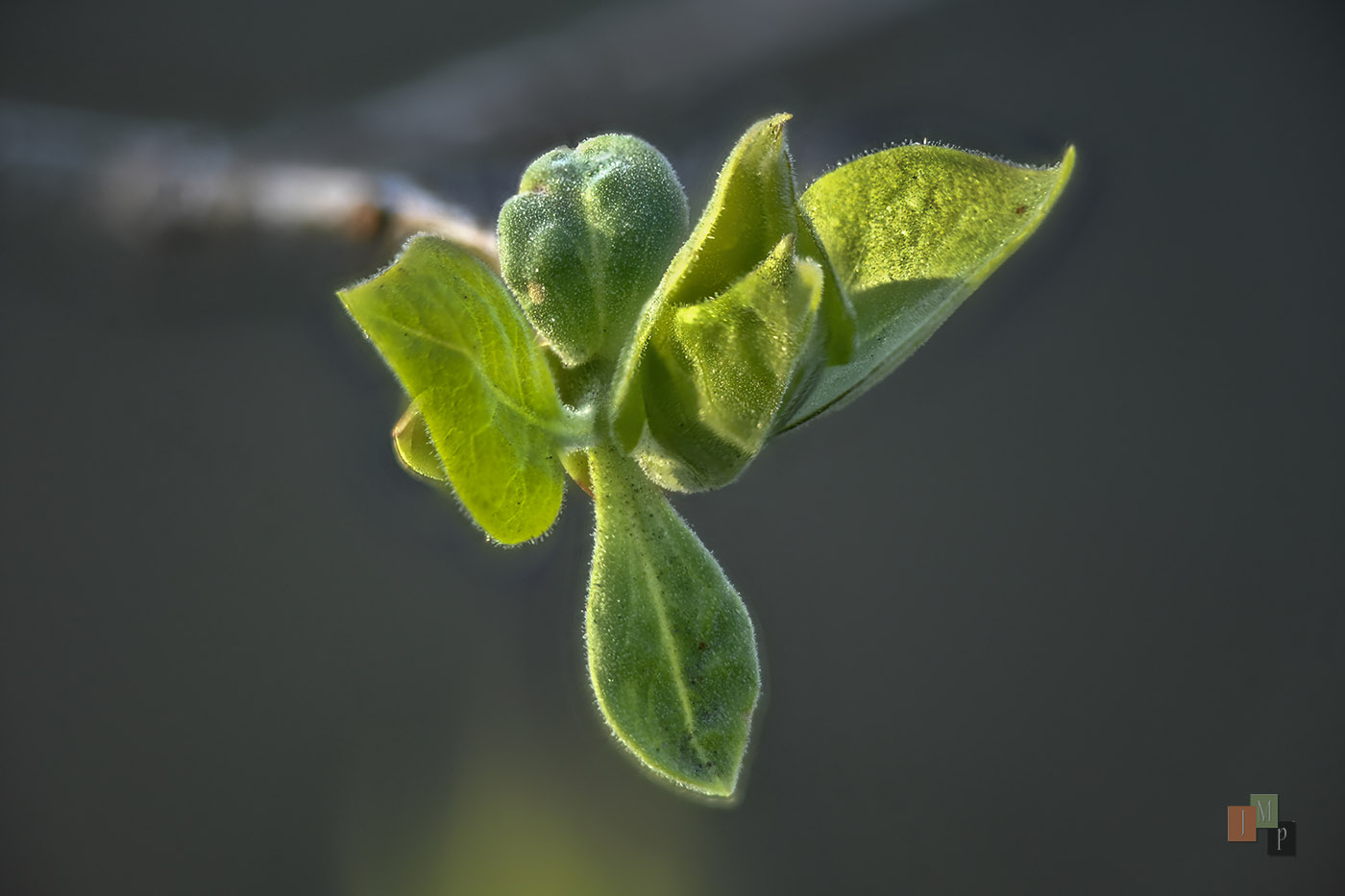
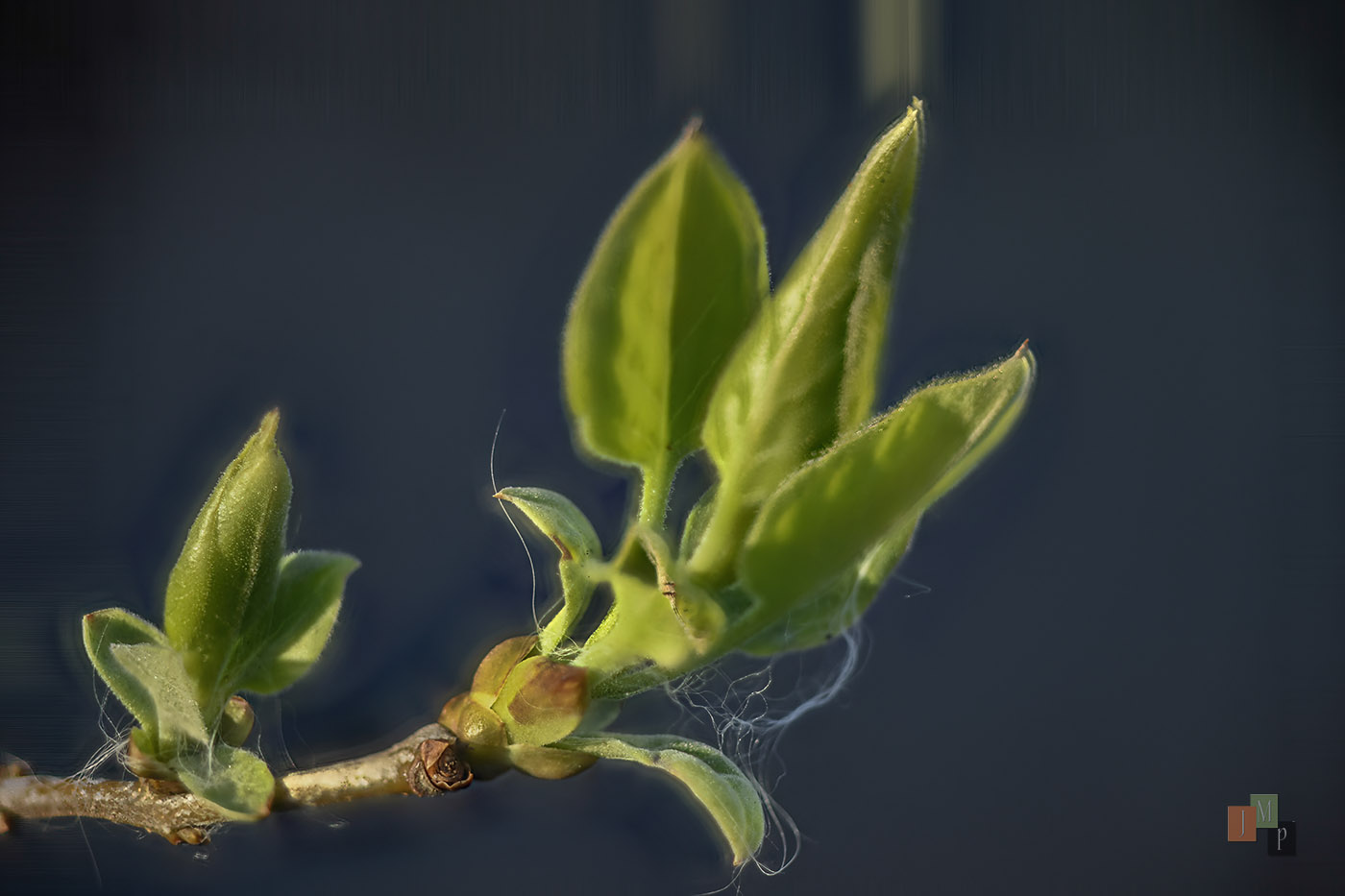
I re-imaged these two from about two years ago. Helicon focus tends to slightly enlarge the image - kind of like TV over scan on old Television tubes. Photoshop seemed to keep the framing of the original better, but the speed is dramatically faster on Helicon.
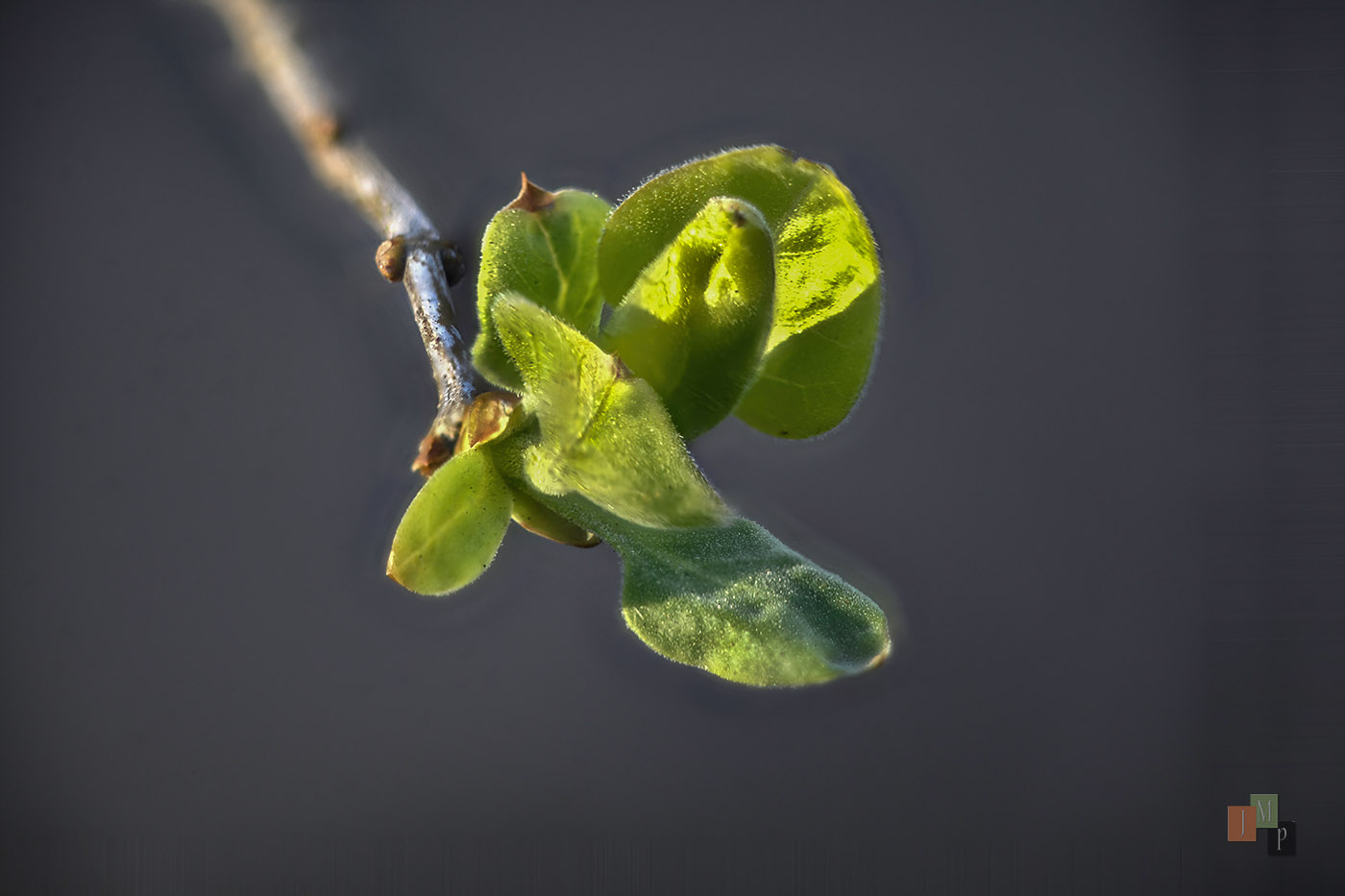
Went out last evening with an odd combo of the D850, 200mm f4 ais, and a 36mm extension tube to shorten the minimum focus distance. Sun kissed Lilac leaf budding is the subject. Bursts shot while rotating the focus ring. Fortunately, Helicon Focus is forgiving of drift. ISO 800 all frames at f4
Can you still make or take calls on that phone? Looks like it is still connected.
Ballard wrote:
OK. A little silliness. No aesthetic merit; just for laughs.
We all know that the term “normal lens” means a lens that gives a perspective corresponding to what the eye sees. But somehow the term “normal” rankles me. It reminds of when I worked as a technical writer for a major truck manufacturer. A non-turbocharged engine could only be called “naturally” aspirated in company literature. “Normally” aspirated was not allowed, presumably because it implied that a turbocharged engine was abnormal. I don’t really see an implied “unnatural” as being much better than “abnormal.”
So from the same vantage point, normal lens and seriously abnormal lens.
James Markus wrote:
Went out last evening with an odd combo of the D850, 200mm f4 ais, and a 36mm extension tube to shorten the minimum focus distance. Sun kissed Lilac leaf budding is the subject. Bursts shot while rotating the focus ring. Fortunately, Helicon Focus is forgiving of drift. ISO 800 all frames at f4
Jim, I'll have to try your technique of rotating the focus ring while burst shooting. I'm using Zerene Stacker. I don't know how well that will handle drift. It does align and resize stacked images, but I've always shot on a tripod for stacking. Something new to try.
Ballard wrote:
Jim, I'll have to try your technique of rotating the focus ring while burst shooting. I'm using Zerene Stacker. I don't know how well that will handle drift. It does align and resize stacked images, but I've always shot on a tripod for stacking. Something new to try.
Ken, I think there is a setting by percentages to allow for movement in ZS. I had to up the percentage in the tryout version if I remember correctly. Rik Littlefield. who wrote ZS (from https://www.photomacrography.net) was very helpful to me last year. Actually, all the experts over there were very helpful. I bought some microscope objectives from one of them. Was just getting going, and literally went blind for a bit - they probably think I fell off the planet. I digress - ZS actually does a better job of stacking than HF (at least last summer's versions). ZS was very slow compared to HF. I choose HF because of an addon application called "Helicon Remote". With an AF lens (or MF with the modified TC-16A) you pick the exact beginning and end point of focus, and it will step through the shots for you. How lazy can you get? (apparent I'm quite lazy)