Jim, welcome to the forum. Hope you keep posting great photographs.
Andrea, excellent capture of the coastline at Karystos. It looks like a very relaxing place.
Morten, excellent series of photographs with the 35/1.4 and 20/2.8.
To add to the cemetery series:
Castle Hill Cemetery, Nice, invested a couple of hours here which was easy to do. It a substantial place consisting four levels with very elegant artworks overlooking the coastline.
Marble replica of The Pieta, amazing craftsmanship.
I should have checked the dates but seems to be from the era of the Crusades.
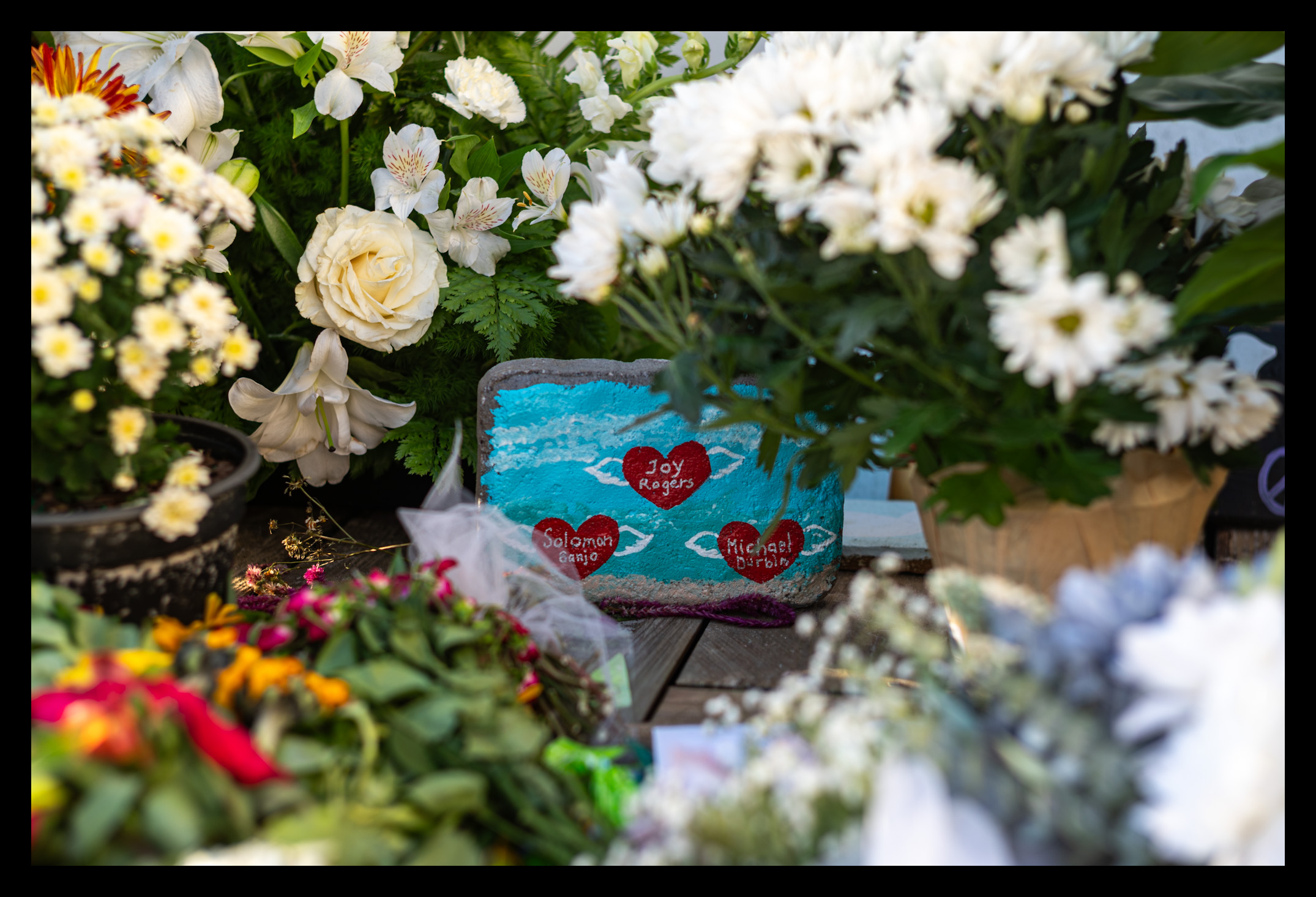
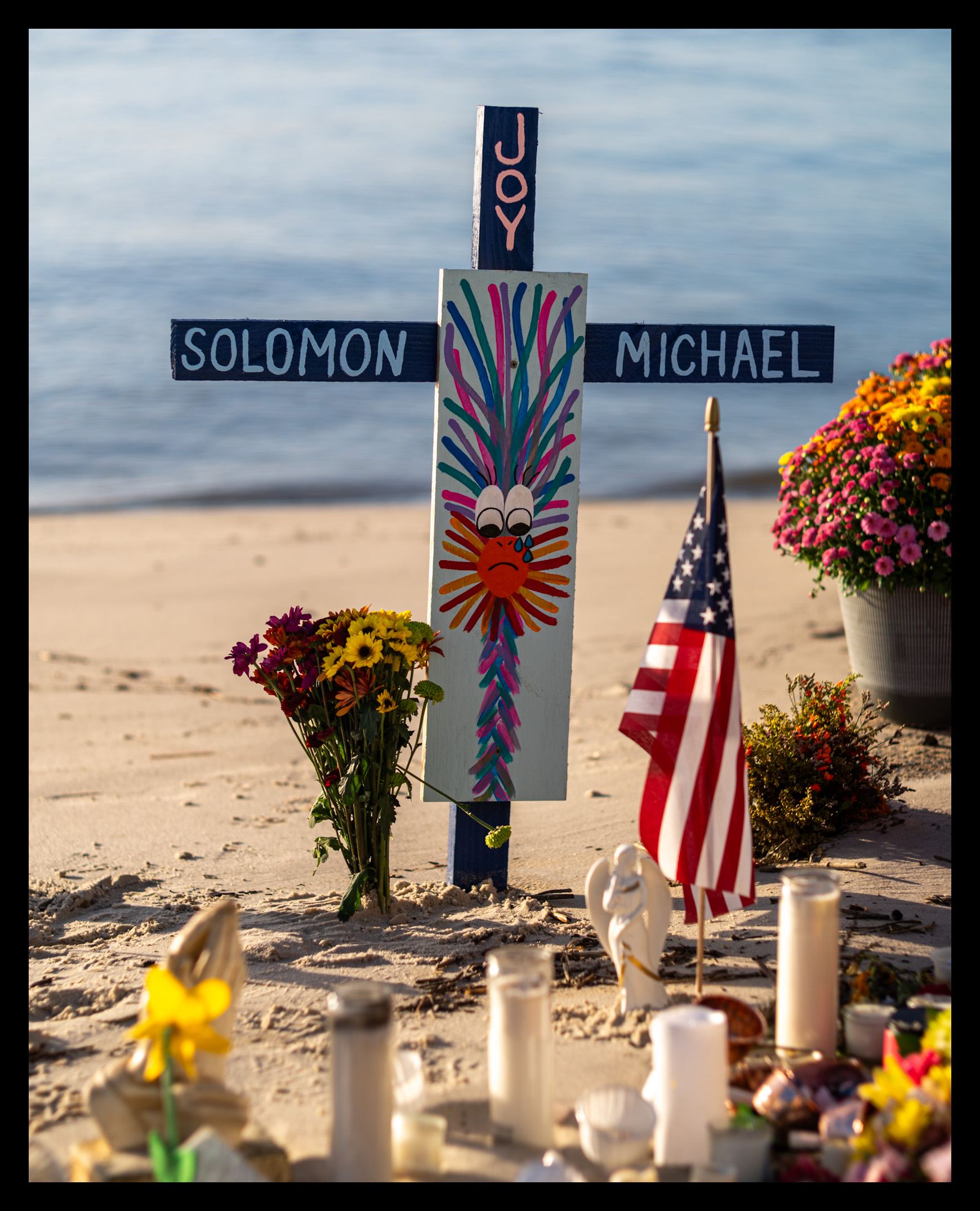
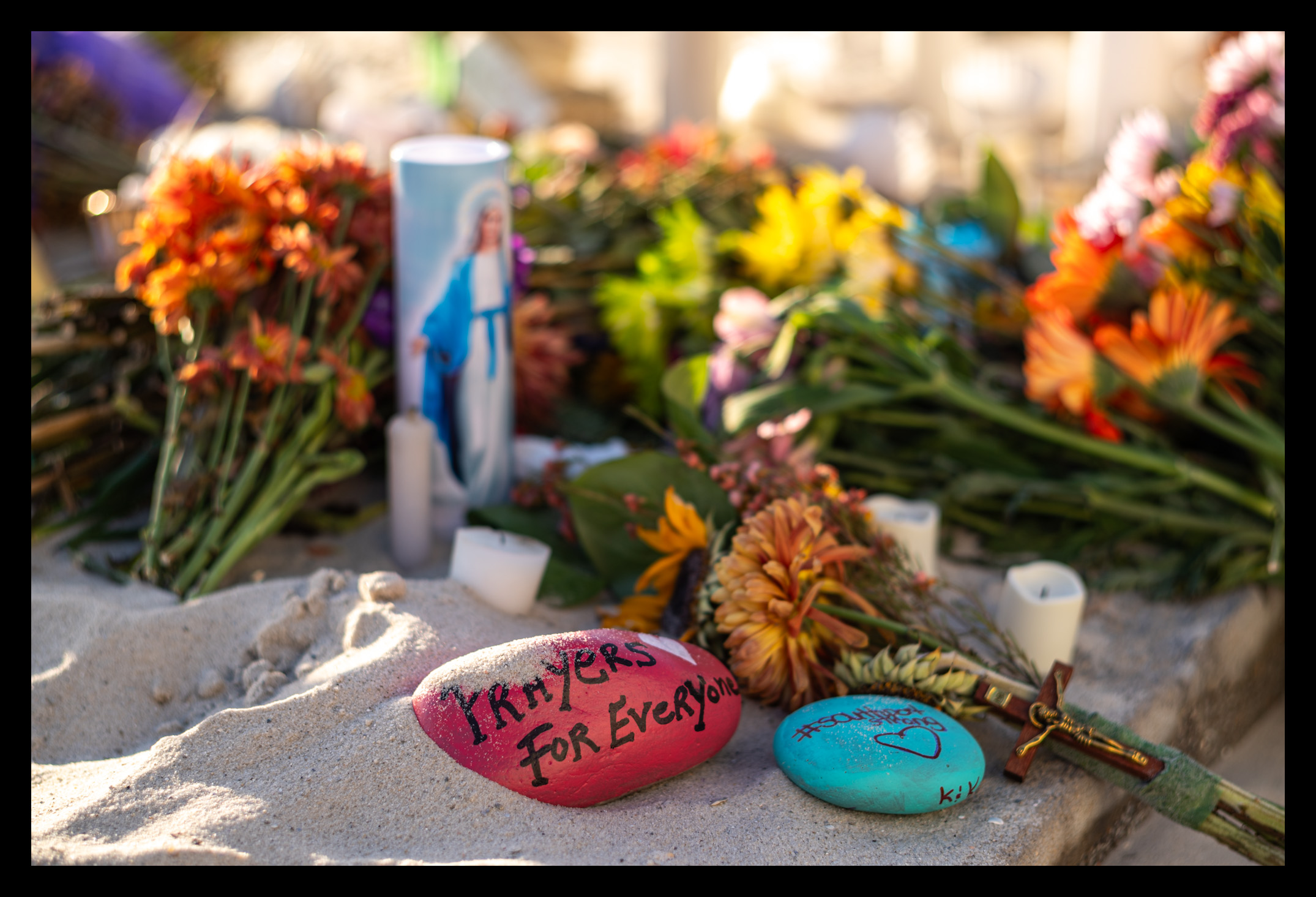
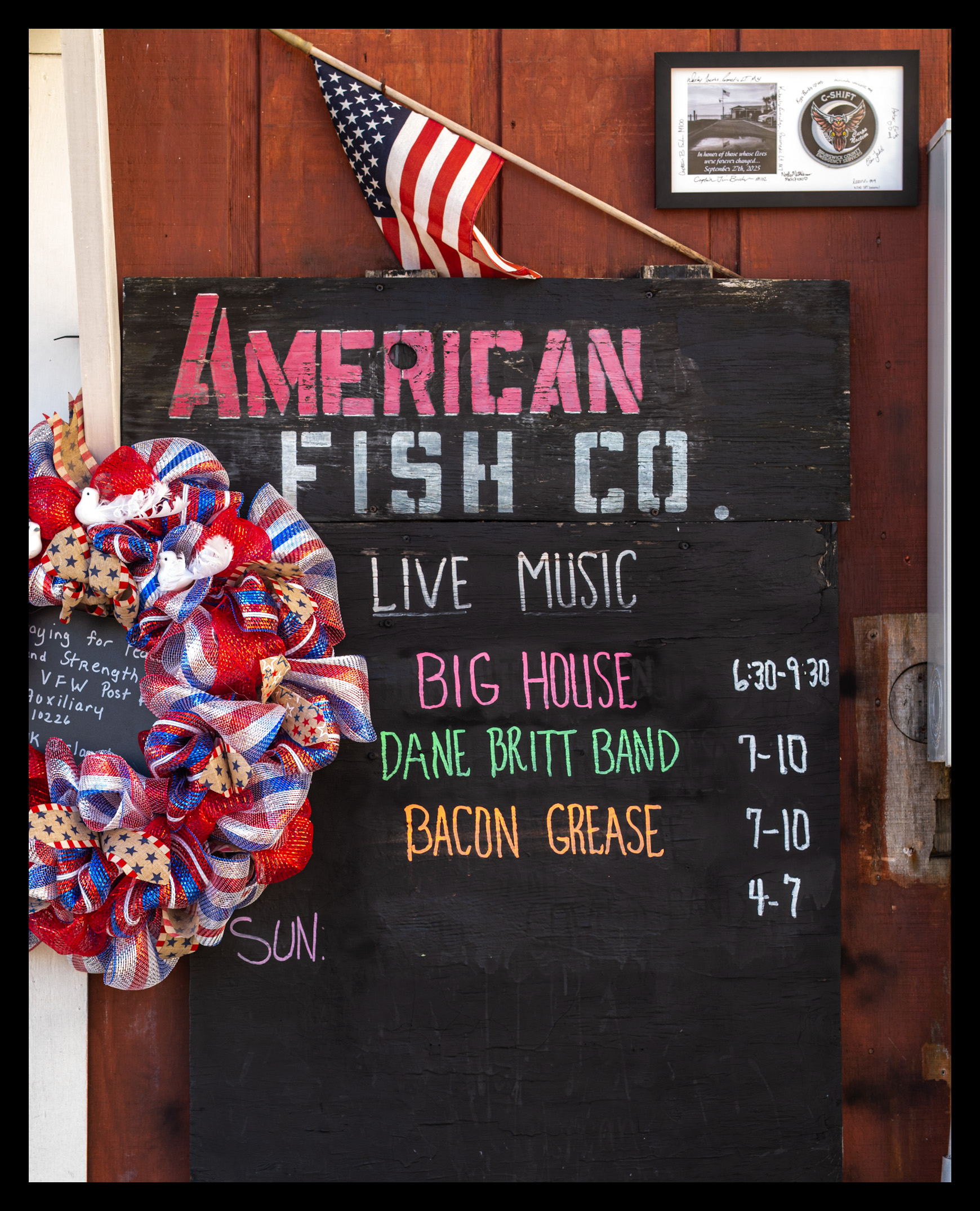
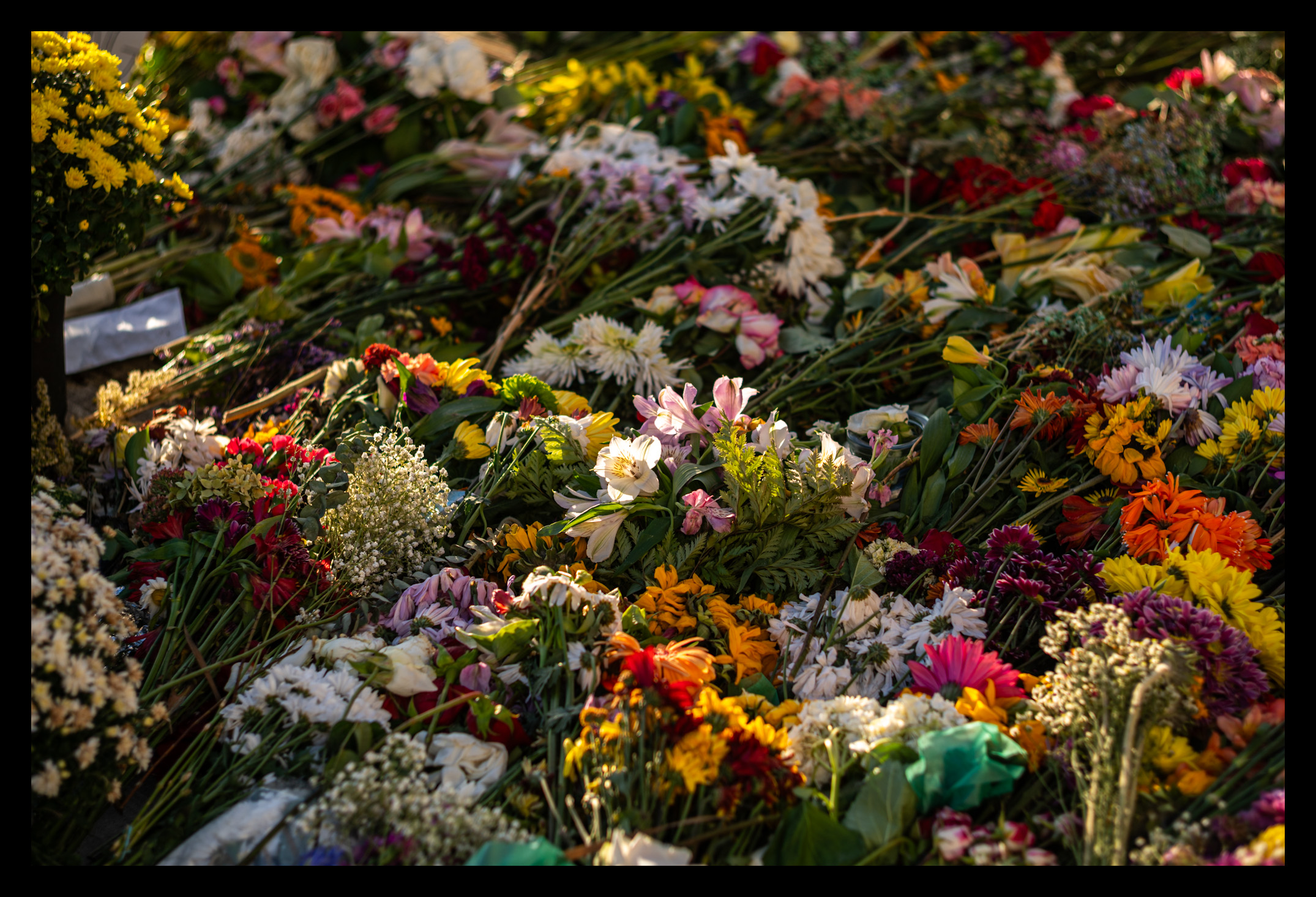
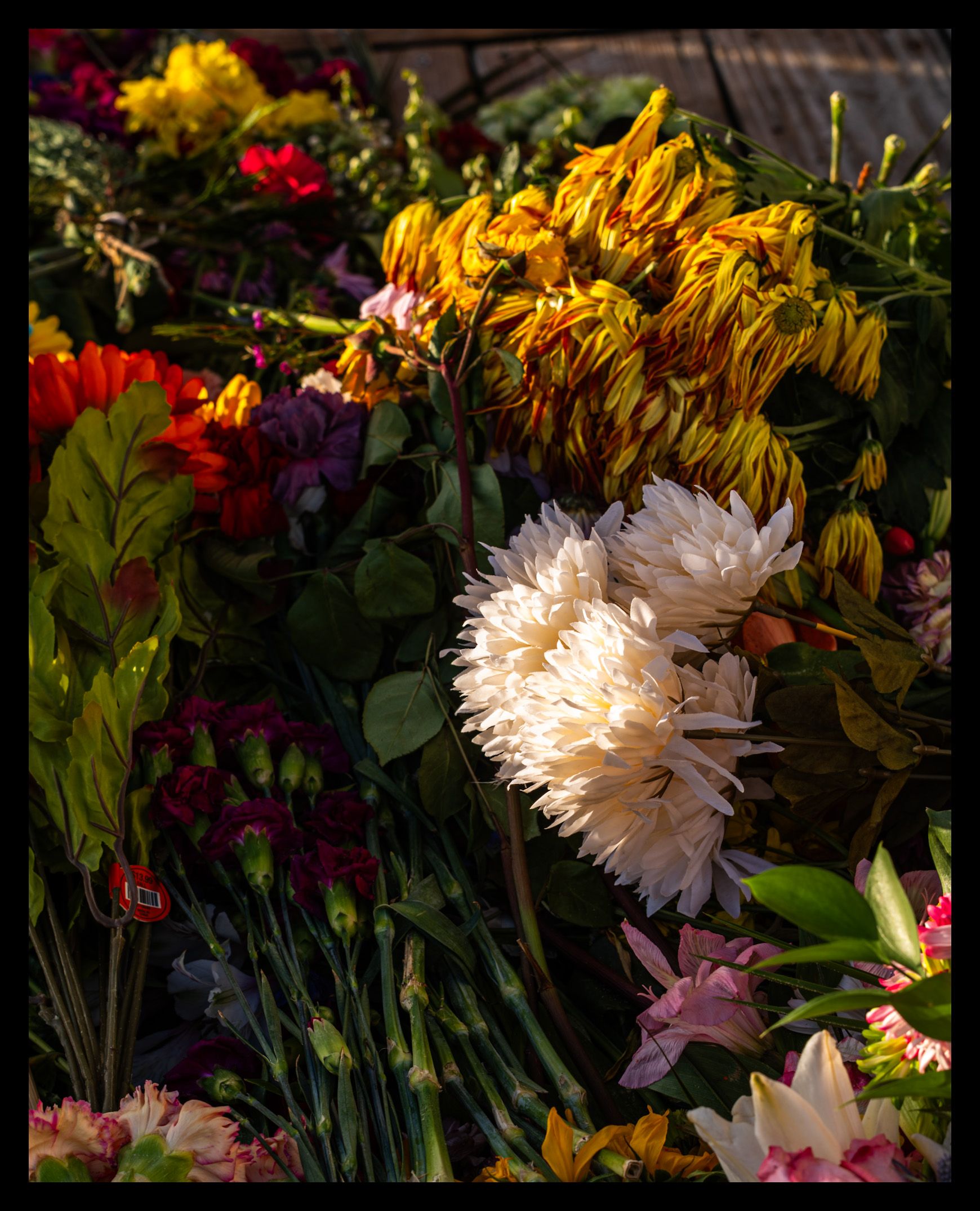
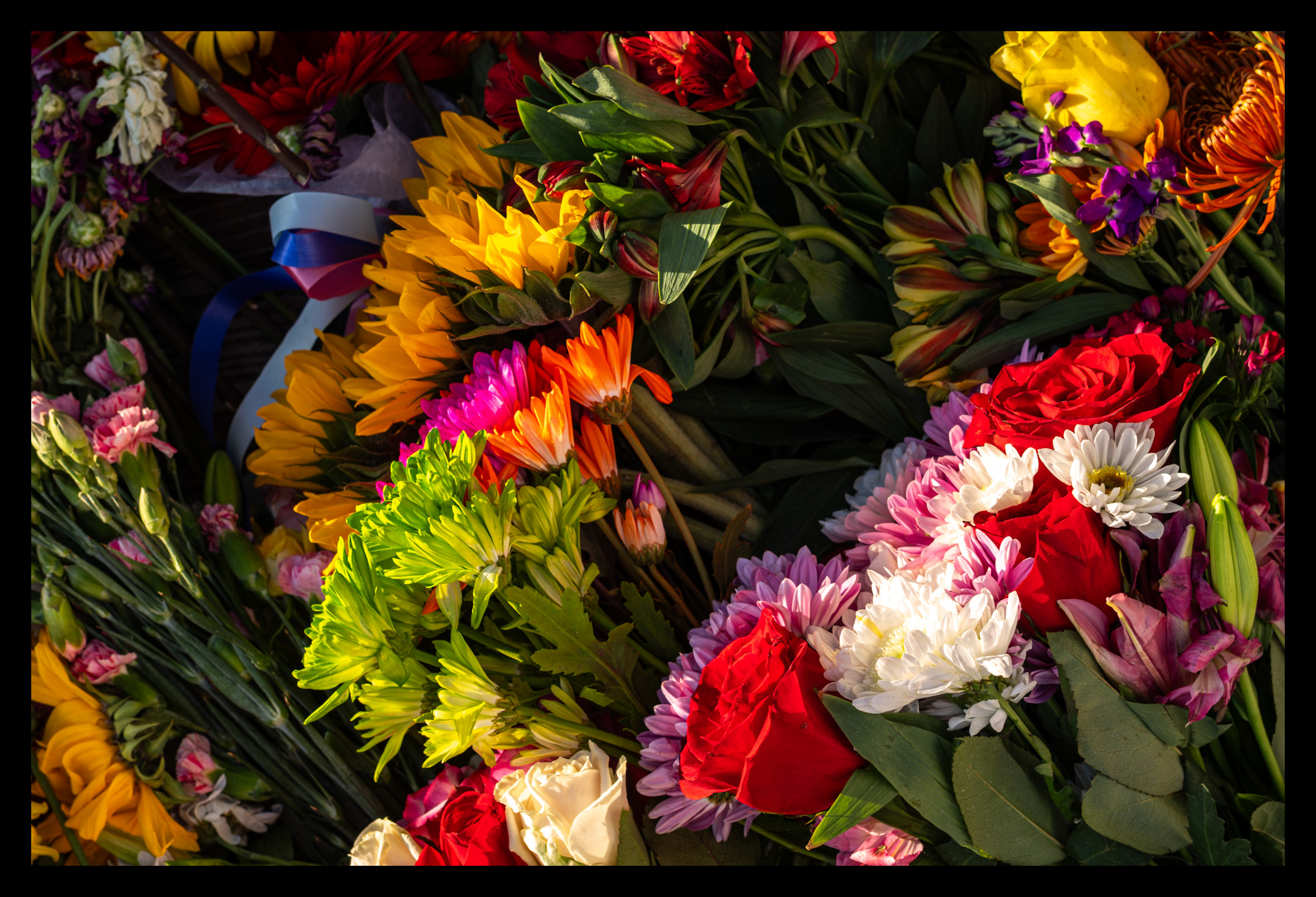
Some of you may have seen in the news, the shooting last weekend in Southport, NC. 3 killed, 5 more wounded by a disabled USMC vet. An all around tragic event. This was actually my third trip to the memorial, but I wanted to capture it with a real camera.
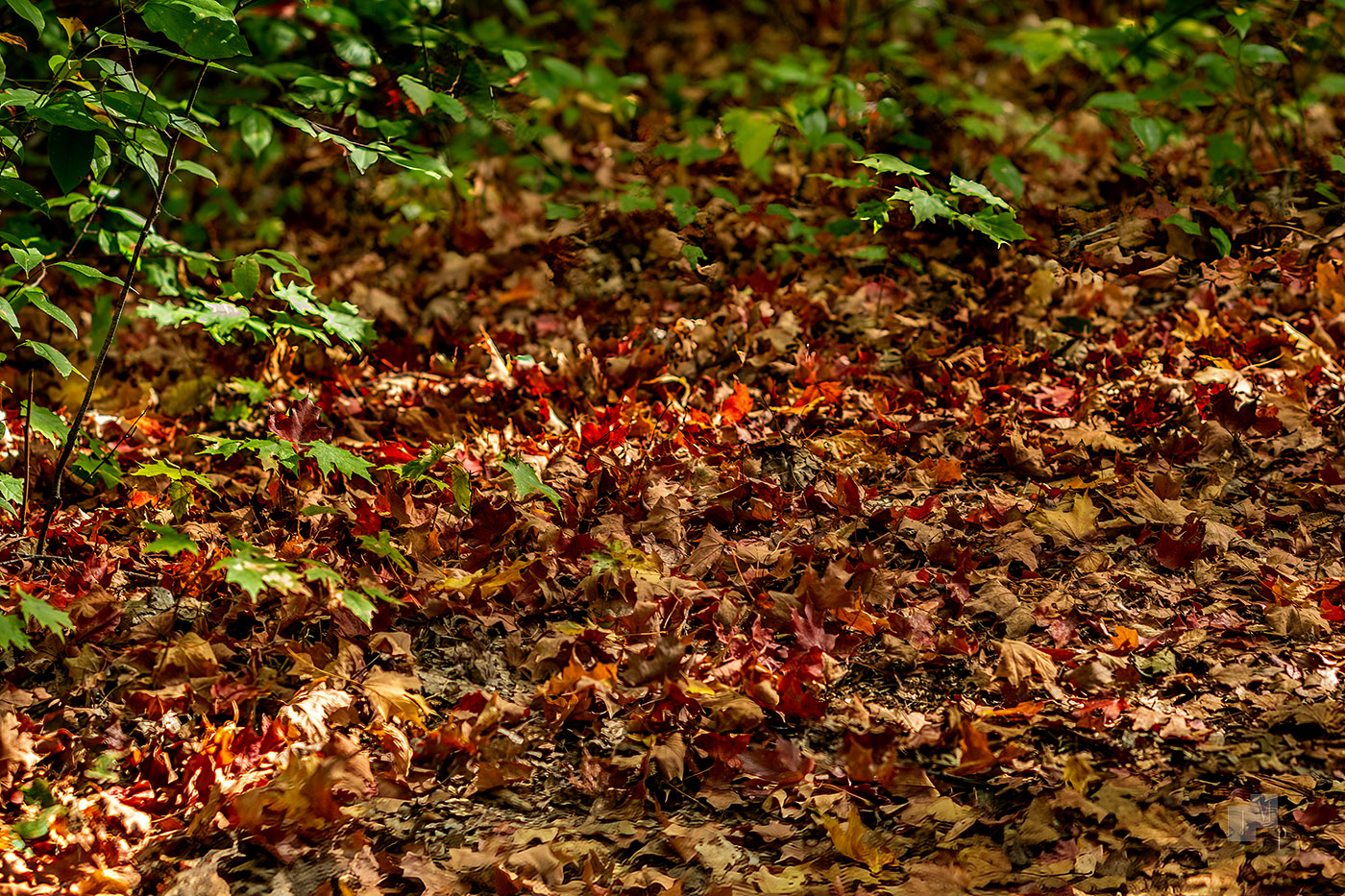
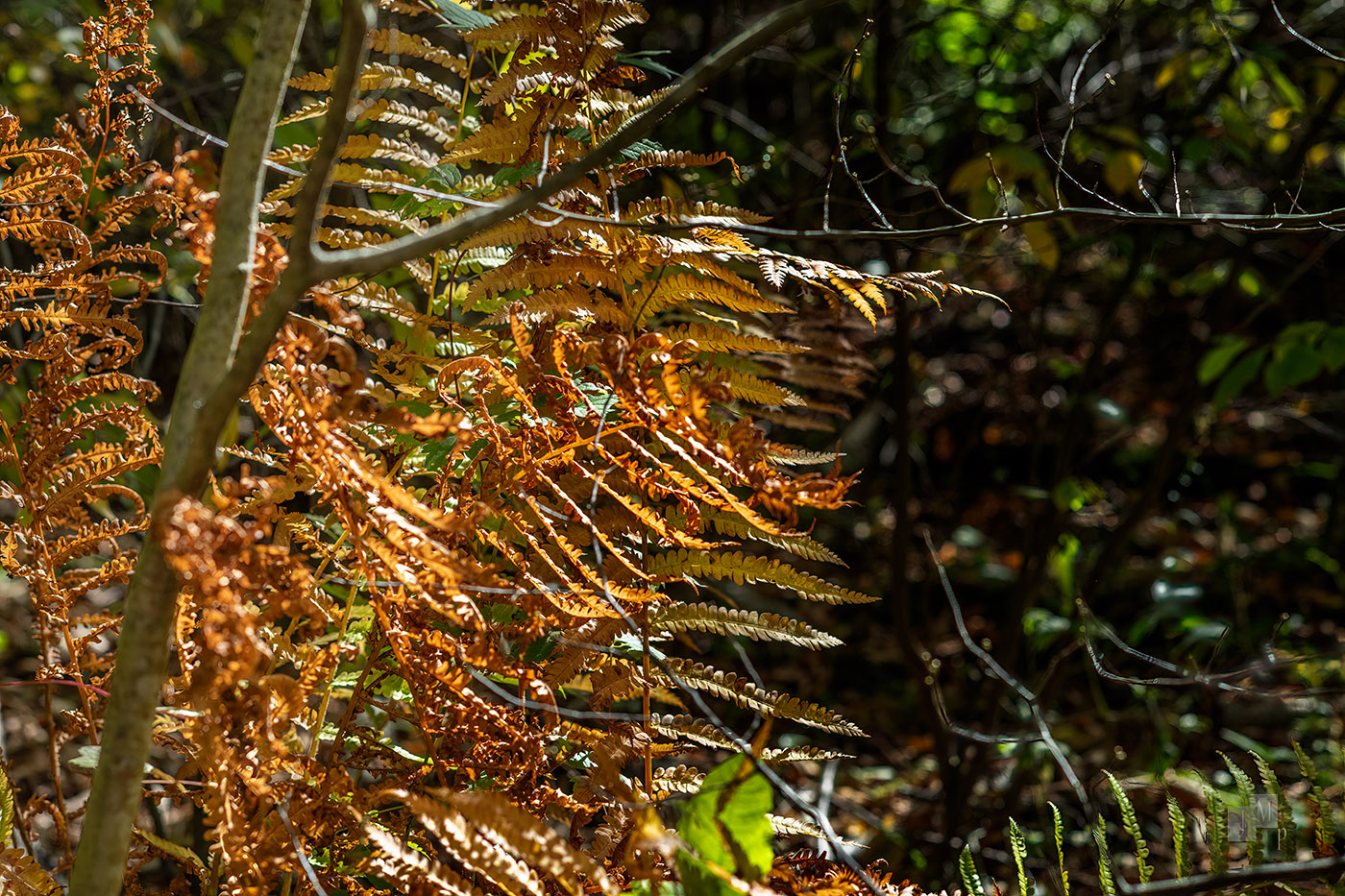
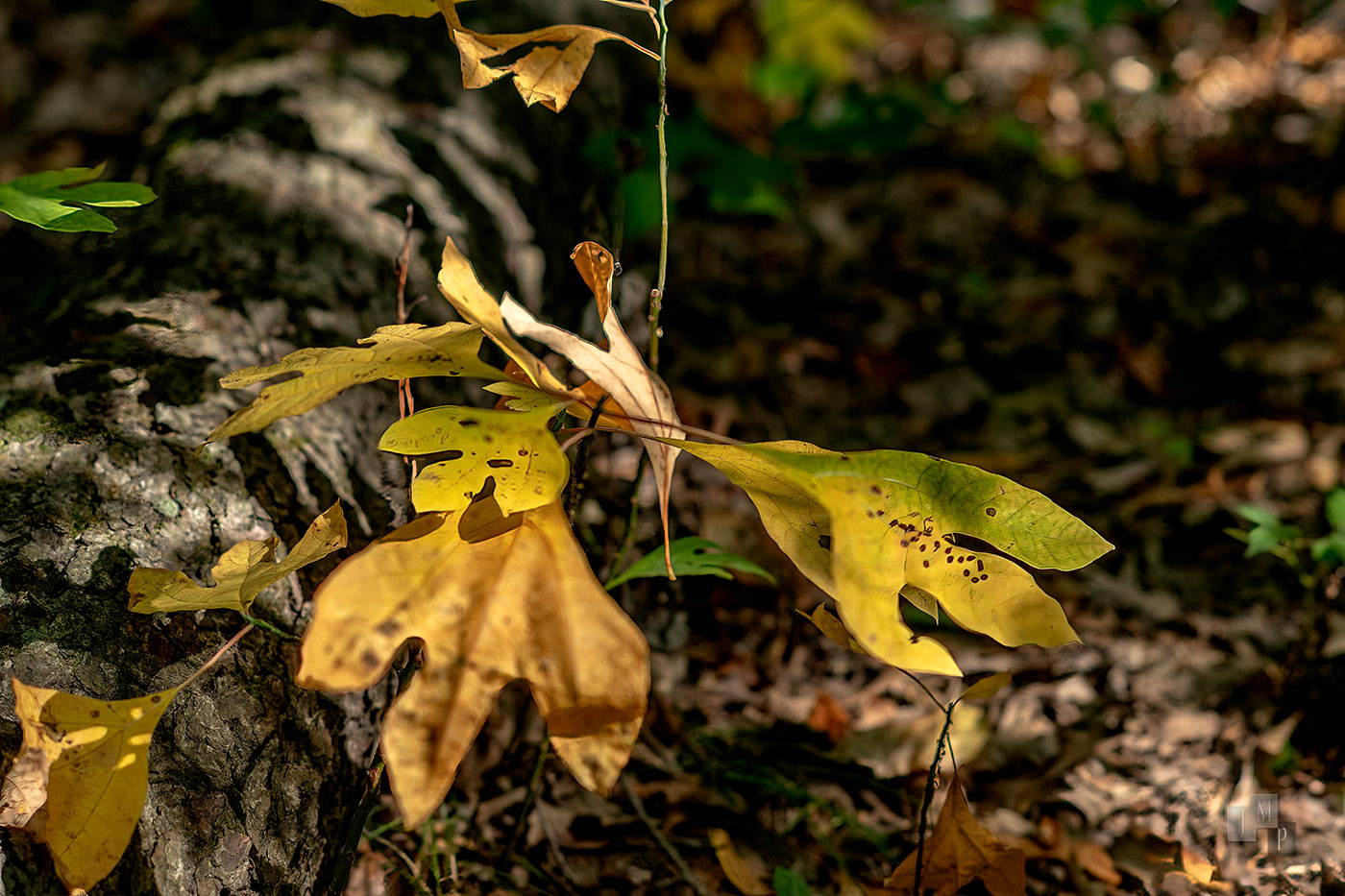
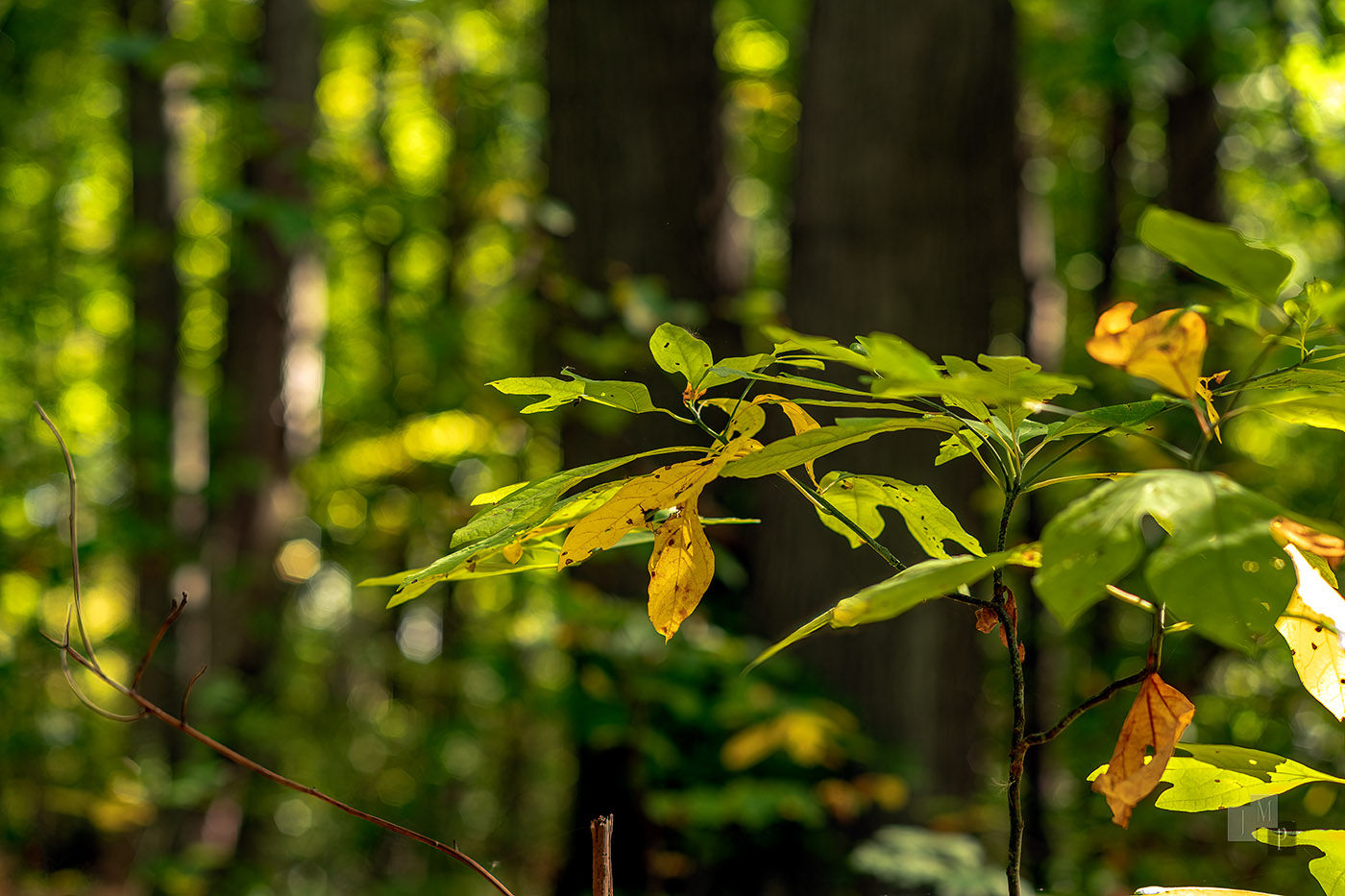
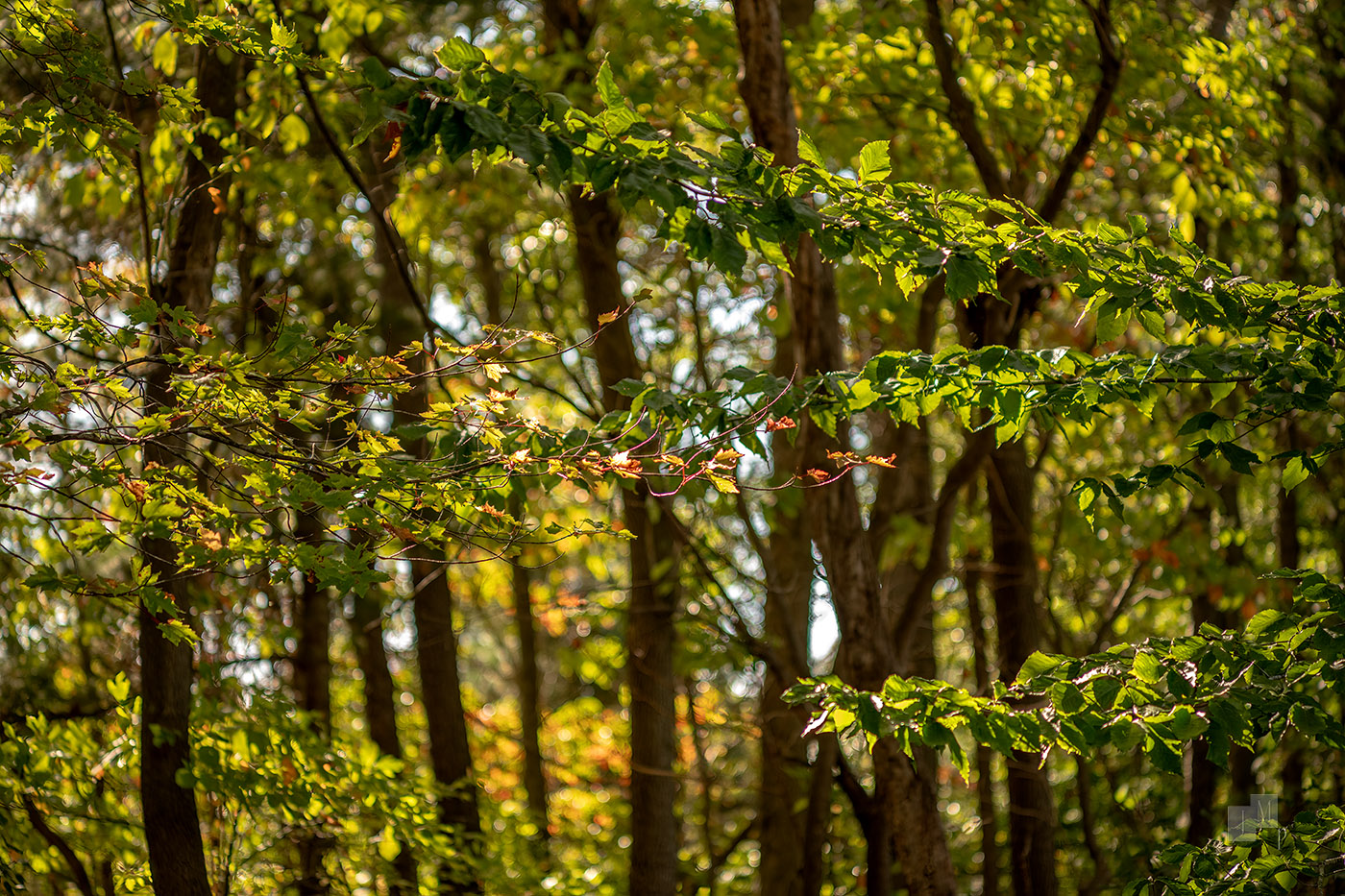
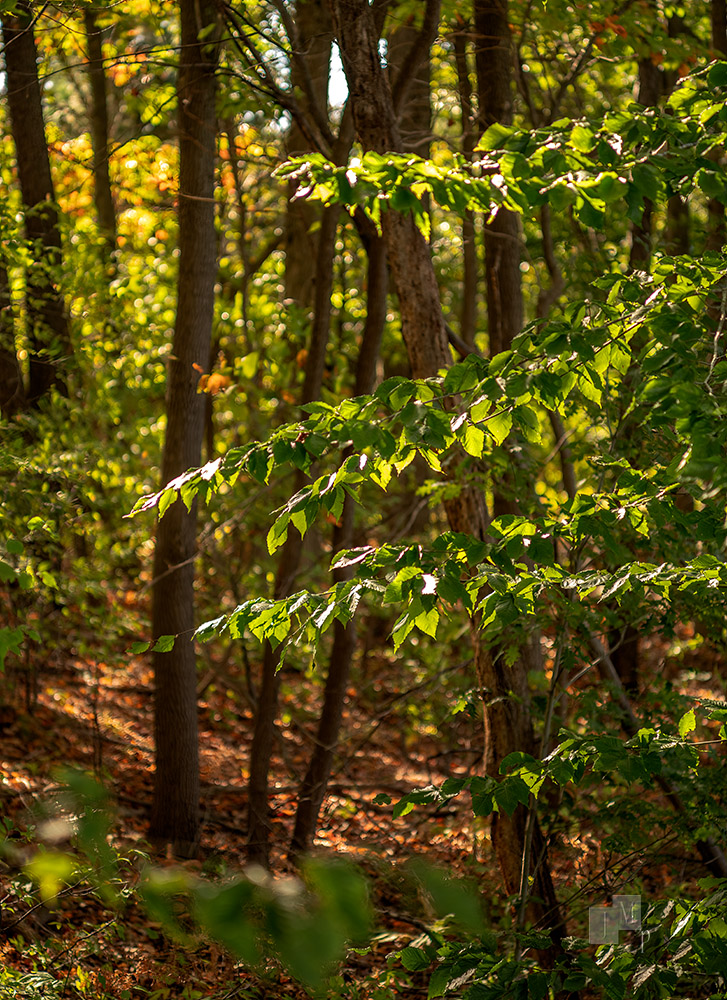
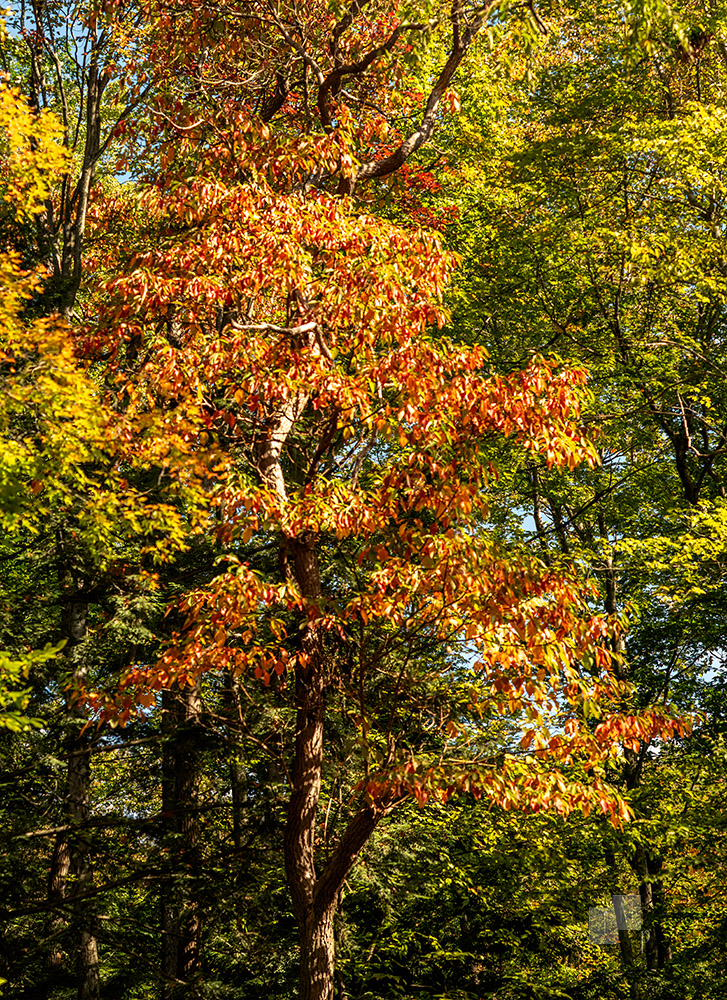
Lots of evidence of drought in my area,and in the forest I went to yesterday. Some trees have lost all their leaves, and others look ok, The leaf litter was thick, with most leaves lacking any color except brown. It smelled great. As the leaves lose their color all the damage shows in spots of discolored damaged areas. We have had nothing even approaching a first frost, and the condition of the flora is really foreign to my experience. D850 with the 105mm f2.5 ais green dotting it again.
Truth be told, I'm pretty sure I couldn't tell the difference between shots taken with these nice old lenses and newer ones, except that shots from a newer one might more likely have fewer flaws. I waste a lot of film, err, I mean pixels on shots that aren't worth the bytes they are stored on. But that's not a feature of the lens, it's a feature of that fact that bytes are expendable with no real cost so I can click first and ask questions later.
GroWeb wrote:
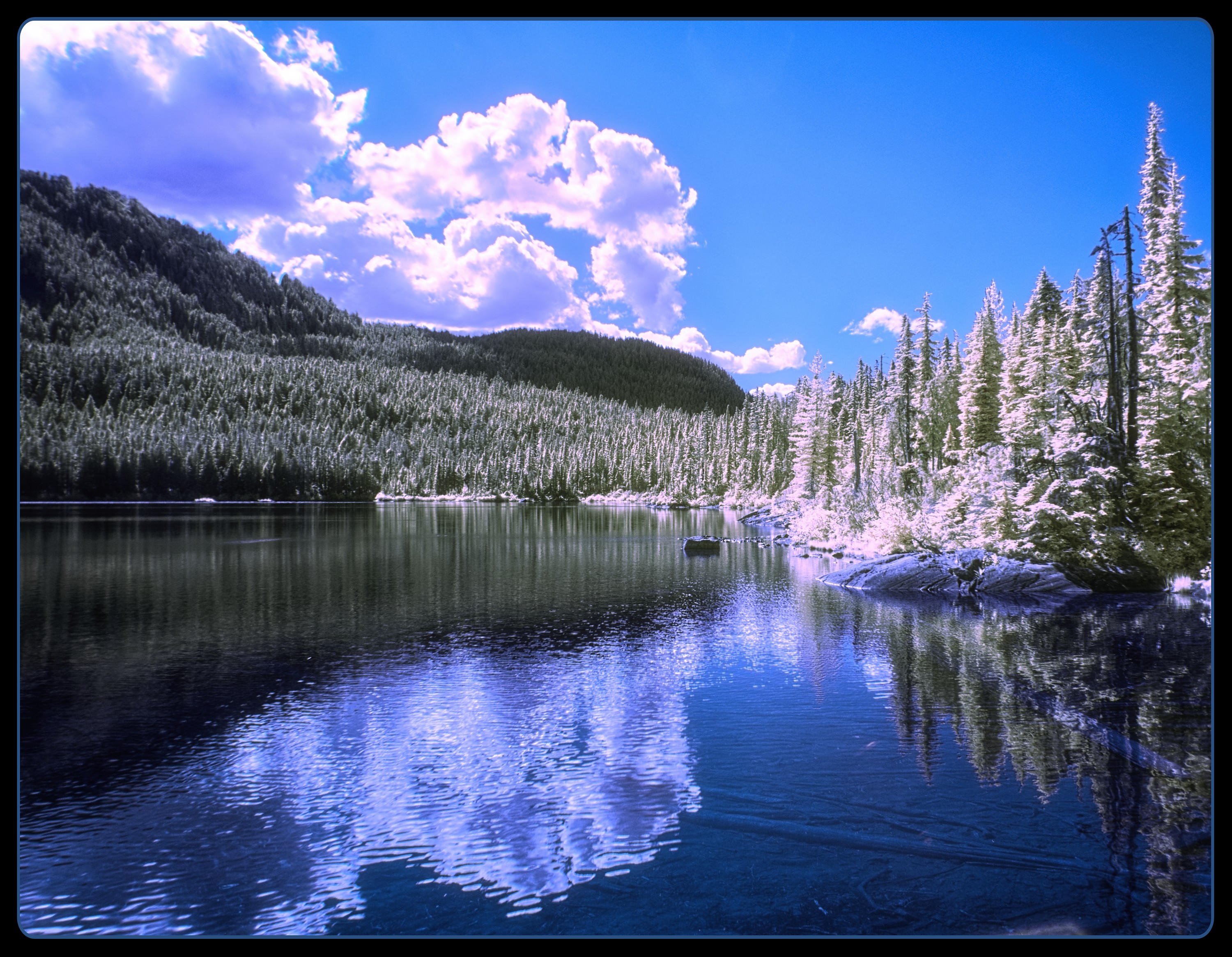
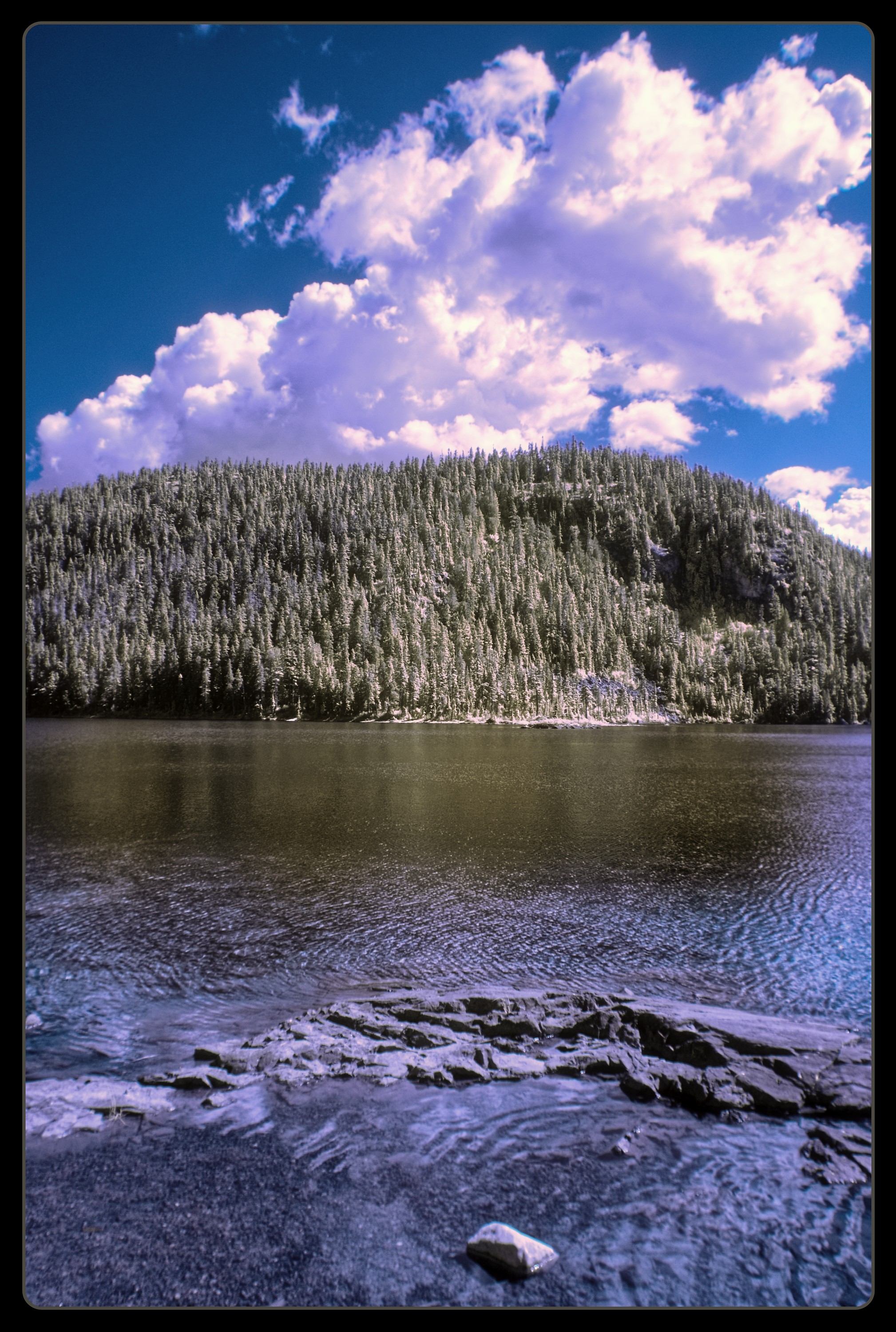
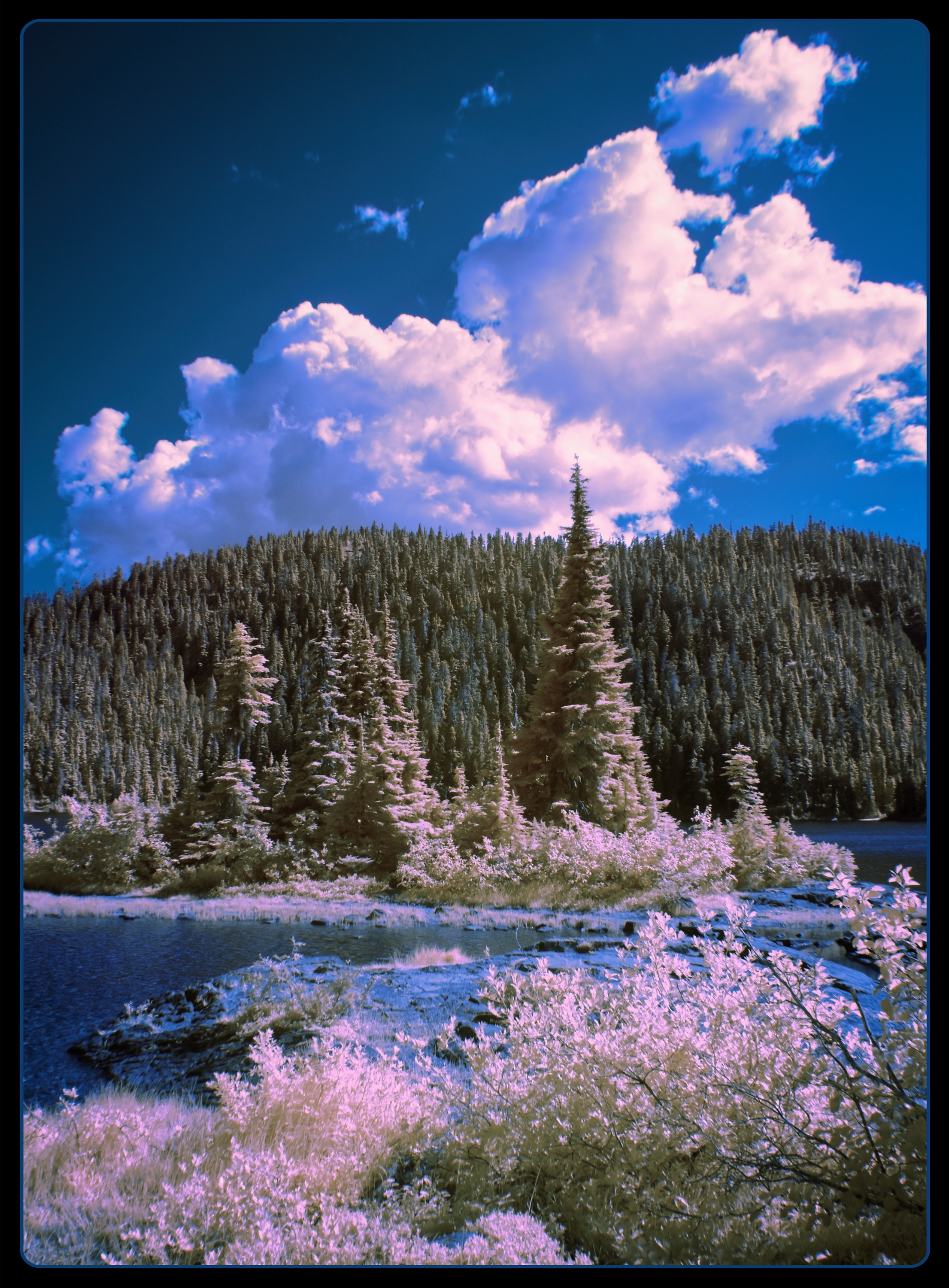
Here are a few more infrared images from Forbidden Plateau, courtesy of the 24 f/2.8 NC.
Okay, I have to show my newbie-ness. How do you take these IR shots? With a special digital/mirrorless camera or film scanned to digital, or what? They are pretty amazing.
As a primarily wide-angle shooter (80% of my photos with a Nikkor 24/2 AIS) I seriously considered the Plaubel W67 when I leapt into MF photography. I ended up going for the Plaubel 670 since 20 shots on 220 film was very compelling for a 35mm photographer used to 38 photos per roll. More fool me as 220 is dead. Enjoy your W67: a rare bird and wonderful handholdable MF setup.
jimmuller wrote:
Okay, I have to show my newbie-ness. How do you take these IR shots? With a special digital/mirrorless camera or film scanned to digital, or what? They are pretty amazing.
Glen has used a converted digital camera.
The conversion removes the 'hot mirror' - which is a glass filter that covers the digital sensor.
It's main job is to block out infrared wavelengths.
When a camera is converted this hot mirror is replaced by an IR filter whose function is to block visible wavelengths and allow mostly IR to hit the sensor. Depending on the wavelength of the filter (650nm, 720nm, 850nm are common) some of the visible spectrum will still pass thru.
You can buy an IR filter and screw it onto a lens mounted on a normal digital camera.
However, in this scenario, you still have the hot mirror filtering out the IR so exposure times will be long. Likely too long for hand held operation.
Camera sensor, filter wavelength and the lens used all add into the mix.
Some lenses are better than others when it comes to IR. https://www.edwardnoble.com/hotspots
Samy,
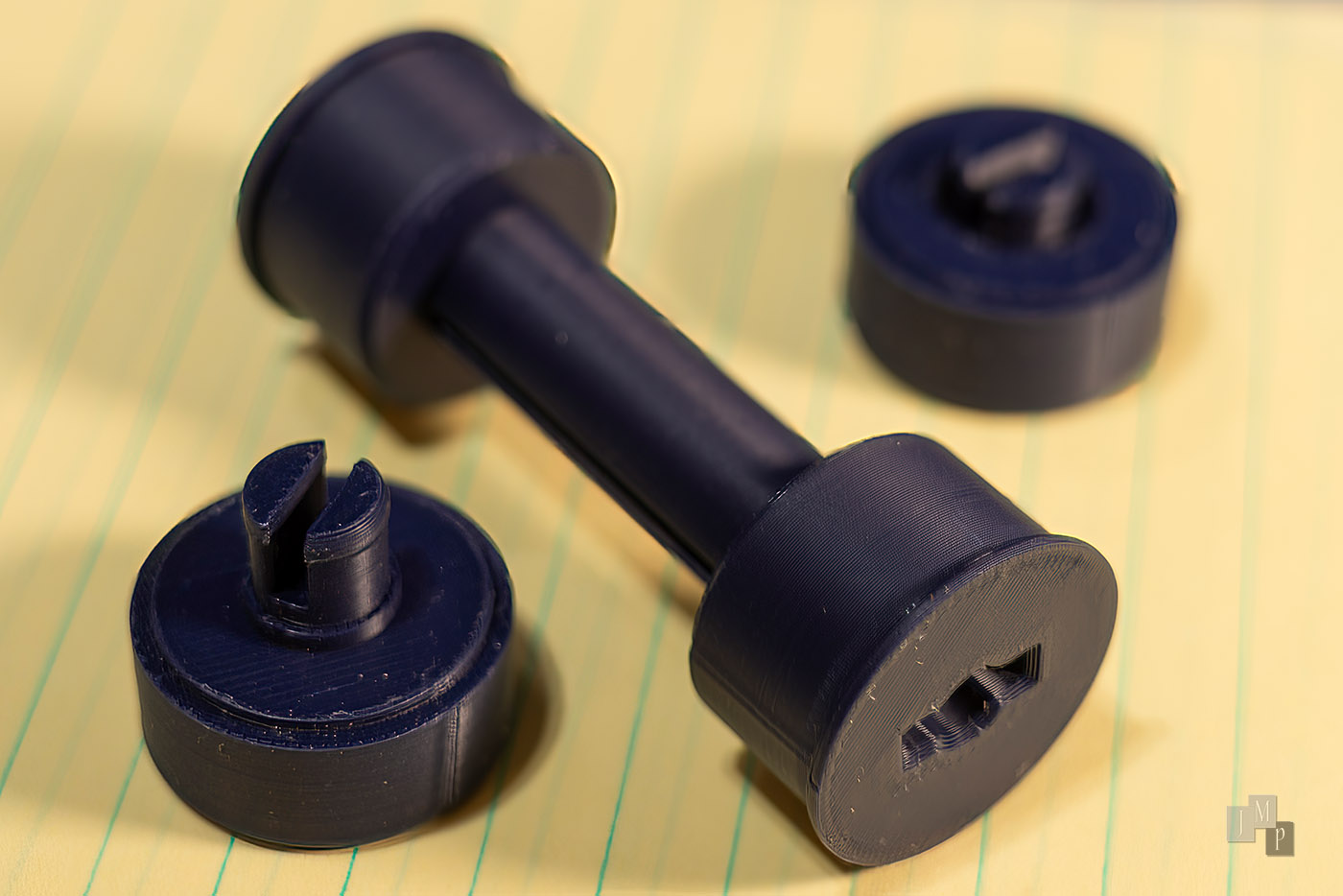
That Nikon lens W67 performs great. Recently, I picked up some plastic doo-dads that let you shoot 35mm film in medium format cameras. Some sell masks, but this is just a simple adapter. First try in a Yashicaflex didn't work well, but I will get it working I am sure. Hoping it is like the poor man's Hasselblad XPan camera. Though it will work on 6x6 - I imagine 6x7 would be better as the format is 65 x 24mm. Thought you might be interested - you get the full film rebate exposed as well. ($12 on the bay)
Jim
bernardl wrote:
Having spent lots of time stitching for nearly 20 years, I would suggest giving a try to https://www.ptgui.com/, it's much better than LR/PS.
If you want to send me the frames through dropbox of something similar I can also try it for you.
Regards,
Bernard
Thanks Bernard. Ouch that's too rich for my blood, though I'm sure it does great. I'm kicking myself that I lost Microsoft ICE in the last computer transition. I currently use PS or LR for stitching, tried Hugin in the past but never dug in deep enough to make it work. Perhaps I should try it again (I think it's still free).
------------------------------
BLLX wrote:
Here some shots with DF + 35/1.4 ais
The landscape @5.6 the - the others @1.4
The last one is with Raynox close-up filter
NIcely captured. I'm digging the color you are producing!
---------------------------------------------
James Markus wrote:
Lots of evidence of drought in my area,and in the forest I went to yesterday. Some trees have lost all their leaves, and others look ok, The leaf litter was thick, with most leaves lacking any color except brown. It smelled great. As the leaves lose their color all the damage shows in spots of discolored damaged areas. We have had nothing even approaching a first frost, and the condition of the flora is really foreign to my experience. D850 with the 105mm f2.5 ais green dotting it again.
Starting to look dreadful around here too for fall color. We have a trip planned to TN later this month that looks like it may be bust as well. Fingers crossed, but looking at alternate plans now.
---------------------------------------------
jimmuller wrote:
A few quick pics from today.
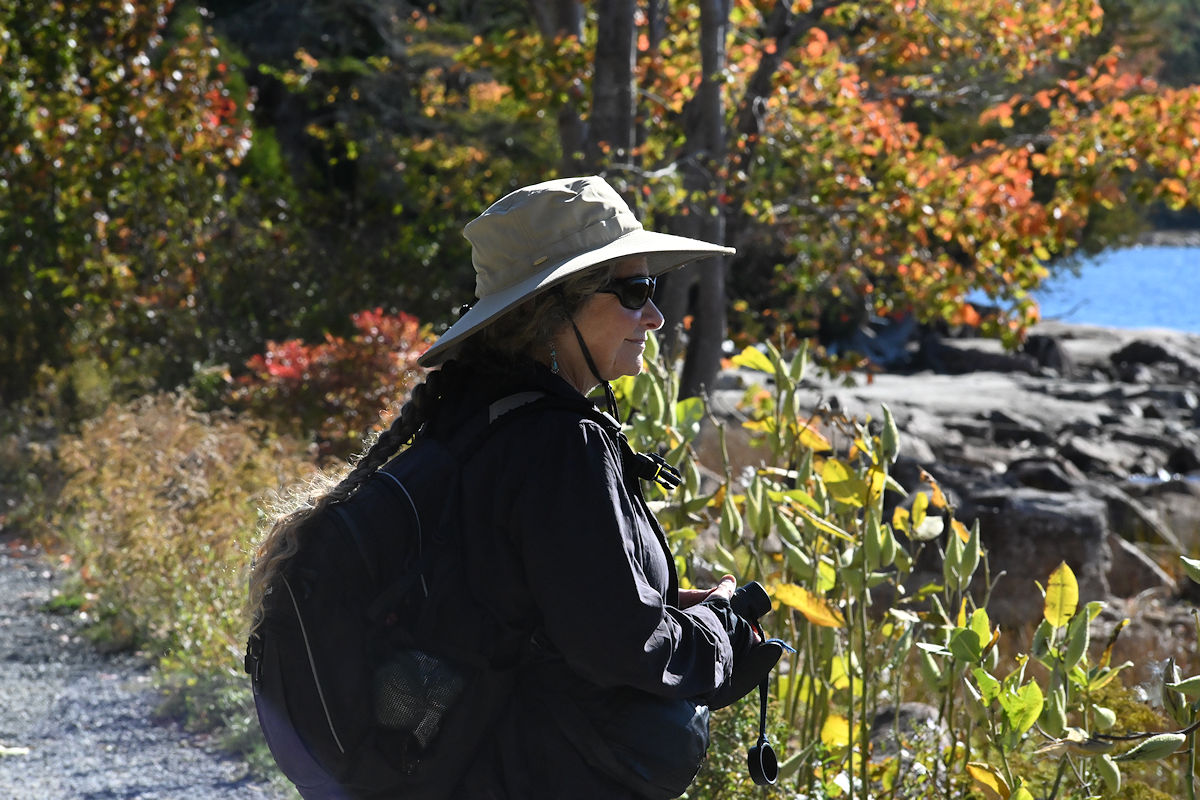
My sweetie (of 48 years), with the 200mm:
http://www.SouthernRail.com/pics/Z5/MySweetie.jpg
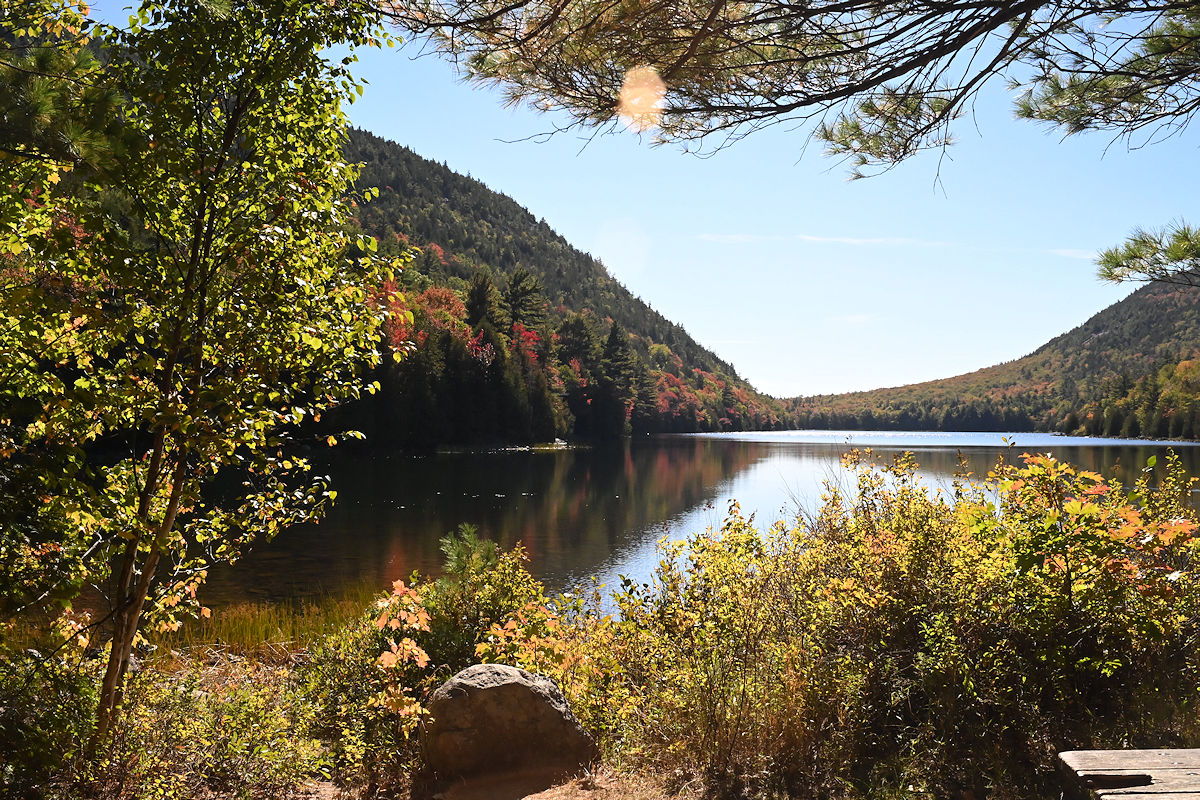
Bubble Pond, with the 35mm (which doesn't have a sun shade):
I keep telling people to get a 50-300mm 4.5 ED, it is sharp, does not lose focus when zooming, its heft brings stability and muscle growth, focuses and zooms easy and smooth.
It is very useful in smaller venues when you cannot move around, and in large areas for large objects. A perfect lens on a monopod.
It is the little lens behind the 800mm in this old iPhone photo.
jimmuller wrote:
Okay, I have to show my newbie-ness. How do you take these IR shots? With a special digital/mirrorless camera or film scanned to digital, or what? They are pretty amazing.
Thank you for your kind comment, Jim! I see that Colin provided a very thorough answer to your question, but I'll just add that Colin and Jim Markus both have IR converted cameras that they use, and post images from, regularly as well. I have two converted bodies, including the 590 nM Fuji X-T2 that I've been using for my recent posts, along with a 720 nM Nikon D7200. Both of my conversions were done by LifePixel, for whom Colin provided a link in his post. I should mention that processing IR image files takes a bit of extra work compared to visible spectrum photos, and I have by no means mastered this aspect. But I enjoy both the opportunity for additional creativity and the unique limitations that this presents.
The images below are examples of faux colour infrared photos. In all of them, I was doing my best to get the colours as close to reality as possible while appreciating their intriguingly inescapable infrared-ness. These were all taken with my X-T2 and 24 f/2.8 NC at Forbidden Plateau.
Rafael, great series of very interesting subjects. The attractive young lady has a great smile.
Glen, that is some wicked processing, vivid colors.
Ventimiglia, Italy historical hill top section, it was very quiet with hardly a mouse to be seen. The modern lower section was far more active with many shops and restaurants.
The narrow centuries old streets are the norm:
I was looking for interesting doors but the windows were more colorful.
It has been a while since I used a MF lens in anger.
The following are from the 28/2.8 AI-S on a Z8 on a short walk in the NE of London near to the 2012 Olympic site.