Reminds me, there was some dark history at the Tower of London too I didn't go in, but just walked around the outside at night. I have a few shots I need to find from March.
Thanks, Samy.
On the last visit to The Tower of London, I also walked around and did not visit the interior. There is some very dark history behind those stone walls.
Please post them, I posted a few of Tower Bridge late last year but the Tower of London photos were on the poor side.
Rafael, excellent captures of the classics specially the shiny red Mustang. Too bad Ford has moved far away from the original concept.
Tolbooth Tavern ( ca 1591), Royal Mile Edinburgh.
X-E1 + 28/2.8 AIs
Serge
Thank you for the compliment Serge, but most of all thanks for sharing your travels! very interesting stories from history.
Did some "tests" with the new Tochigi Rayfact 90mm. Lens is big and heavy, to a casual photographer like me it does not add anything from using a 105mm Micro, it actually detracts from the experience due to bulk and weight.
On the other hand the lens is ugly esthetically but beautiful to an engineer with formal optics training (U of A, Tucson) all metal is overdesigned with big helicoid and individual tracks for several elements to keep it all aligned and spaced properly, many element relative positions change as you focus.
Detail/sharpness appears exceptional, but it does have axial color, kind of makes sense for a lens designed for planar sharpness to measure/inspect flat objects like printed circuit boards.
I wont sell it, but may not use it much either, we will see.
I am not qualified to test this lens, these are casual tests. Actually, take that back - I am qualified to test this lens but my current job has no access to an optical bench.
This ebay photo show the lens at maximum magnification, the front element is 52mm diameter - that should give you a sense of the bulk of the metal. That front retracts all the way into the metal cylinder when focused further away, The outer cylinder is the focusing ring, with no knurling or rubber, it is meant to be focused once when assembling a test station and has knobs to fix focus and aperture once set.
The next few are at minimum focus which is 0.5X and maybe a foot away. They really need to be seen 100%. Take into account that I cannot get perfect alignment in pointing the lens.
Well done Raphael! Even lighting that close can be a problem.
rafaelcasd wrote:
Thank you for the compliment Serge, but most of all thanks for sharing your travels! very interesting stories from history.
Did some "tests" with the new Tochigi Rayfact 90mm. Lens is big and heavy, to a casual photographer like me it does not add anything from using a 105mm Micro, it actually detracts from the experience due to bulk and weight.
On the other hand the lens is ugly esthetically but beautiful to an engineer with formal optics training (U of A, Tucson) all metal is overdesigned with big helicoid and individual tracks for several elements to keep it all aligned and spaced properly, many element relative positions change as you focus.
Detail/sharpness appears exceptional, but it does have axial color, kind of makes sense for a lens designed for planar sharpness to measure/inspect flat objects like printed circuit boards.
I wont sell it, but may not use it much either, we will see.
I am not qualified to test this lens, these are casual tests. Actually, take that back - I am qualified to test this lens but my current job has no access to an optical bench.
This ebay photo show the lens at maximum magnification, the front element is 52mm diameter - that should give you a sense of the bulk of the metal. That front retracts all the way into the metal cylinder when focused further away, The outer cylinder is the focusing ring, with no knurling or rubber, it is meant to be focused once when assembling a test station and has knobs to fix focus and aperture once set.
The next few are at minimum focus which is 0.5X and maybe a foot away. They really need to be seen 100%. Take into account that I cannot get perfect alignment in pointing the lens.
Jim, as far as I an tell it is foxtail barley. It's a little bit annoying that for a lot of the year the photographically interesting flora are non-native, but such is the way it is around here. I typically shoot first, then identify on the computer at home.
After a couple of shots it let me know that the 55 f2.8 AIS Micro was too close for comfort by moving.
The Adobe profile editor, and DNG converter are free. With the 5D I made two profiles (color and b&w), I did the same with the 5DmkII, but I just haven't found a color profile I like. Perhaps with further attempts I will, but I am happy with the B&W profiles.
Thanks Jim, I'll give this link a look!
rafaelcasd wrote:
Thank you for the compliment Serge, but most of all thanks for sharing your travels! very interesting stories from history.
Did some "tests" with the new Tochigi Rayfact 90mm. Lens is big and heavy, to a casual photographer like me it does not add anything from using a 105mm Micro, it actually detracts from the experience due to bulk and weight.
On the other hand the lens is ugly esthetically but beautiful to an engineer with formal optics training (U of A, Tucson) all metal is overdesigned with big helicoid and individual tracks for several elements to keep it all aligned and spaced properly, many element relative positions change as you focus.
Detail/sharpness appears exceptional, but it does have axial color, kind of makes sense for a lens designed for planar sharpness to measure/inspect flat objects like printed circuit boards.
I wont sell it, but may not use it much either, we will see.
I am not qualified to test this lens, these are casual tests. Actually, take that back - I am qualified to test this lens but my current job has no access to an optical bench.
This ebay photo show the lens at maximum magnification, the front element is 52mm diameter - that should give you a sense of the bulk of the metal. That front retracts all the way into the metal cylinder when focused further away, The outer cylinder is the focusing ring, with no knurling or rubber, it is meant to be focused once when assembling a test station and has knobs to fix focus and aperture once set.
Image circle is 82mm, I am only using 43mm. If interested these are 100% at Flickr
Furthest distance with odd surface, plane of focus is diagonal top left to bottom right.
The next few are at minimum focus which is 0.5X and maybe a foot away. They really need to be seen 100%. Take into account that I cannot get perfect alignment in pointing the lens.
My 1956 S2 Chrome grain
My 1969 Moon Speedmaster ($150 in 1969!)
1932 Hamlton 992 Elinvar
Large 100% crop ...Show more →
Those sure are some mighty close close-ups, Rafael! Thanks for continuing to pursue these little rarities and sharing them with us as you go.
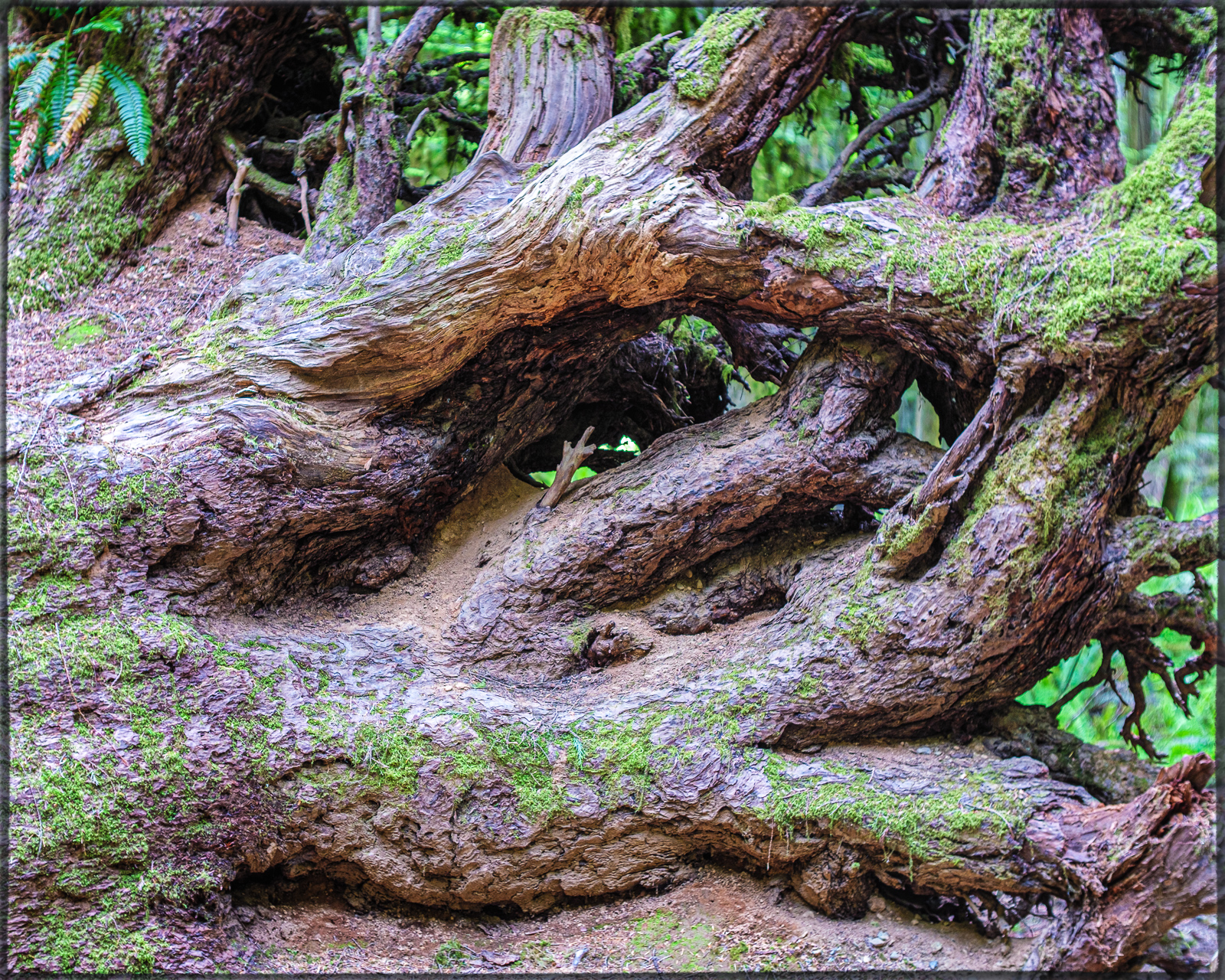
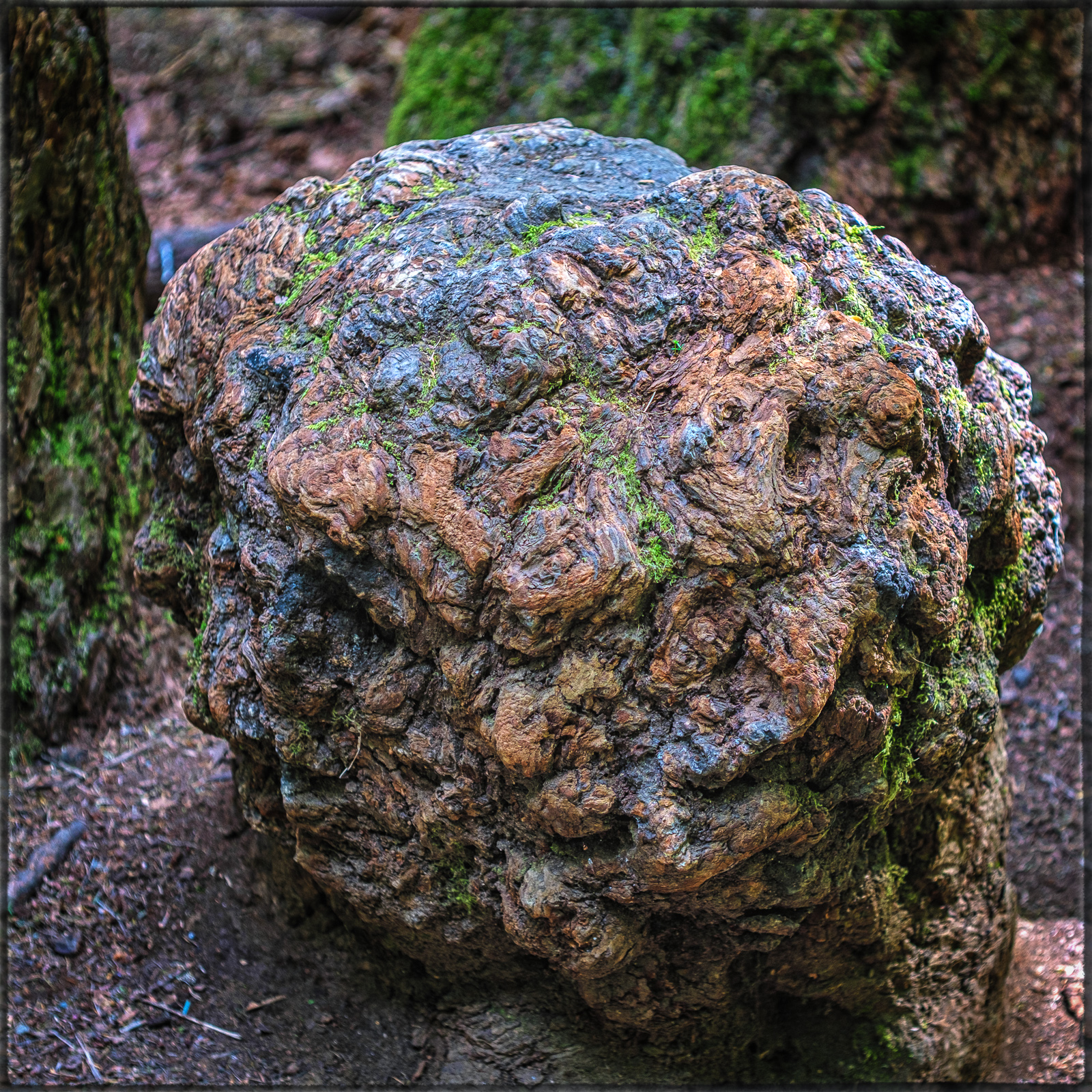
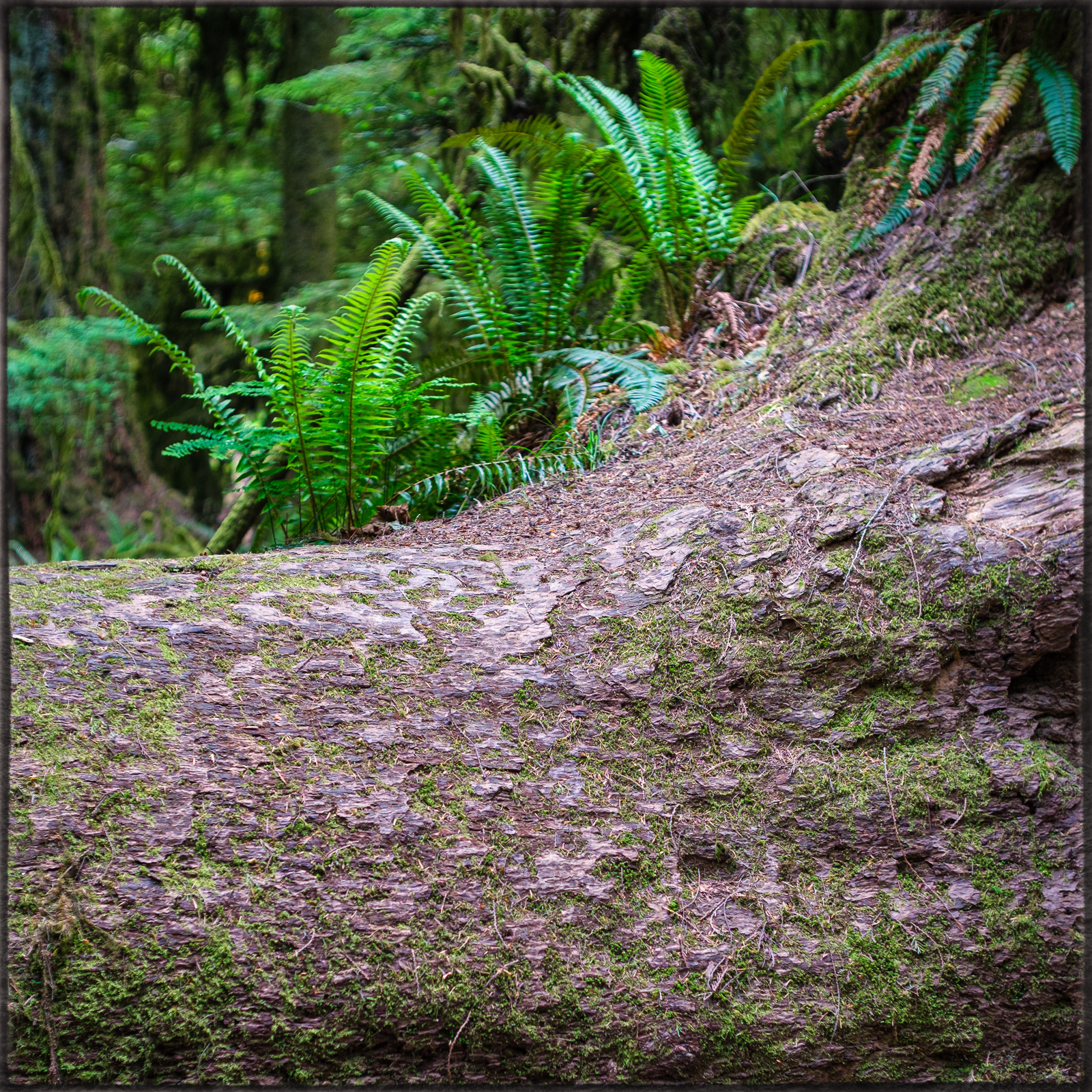
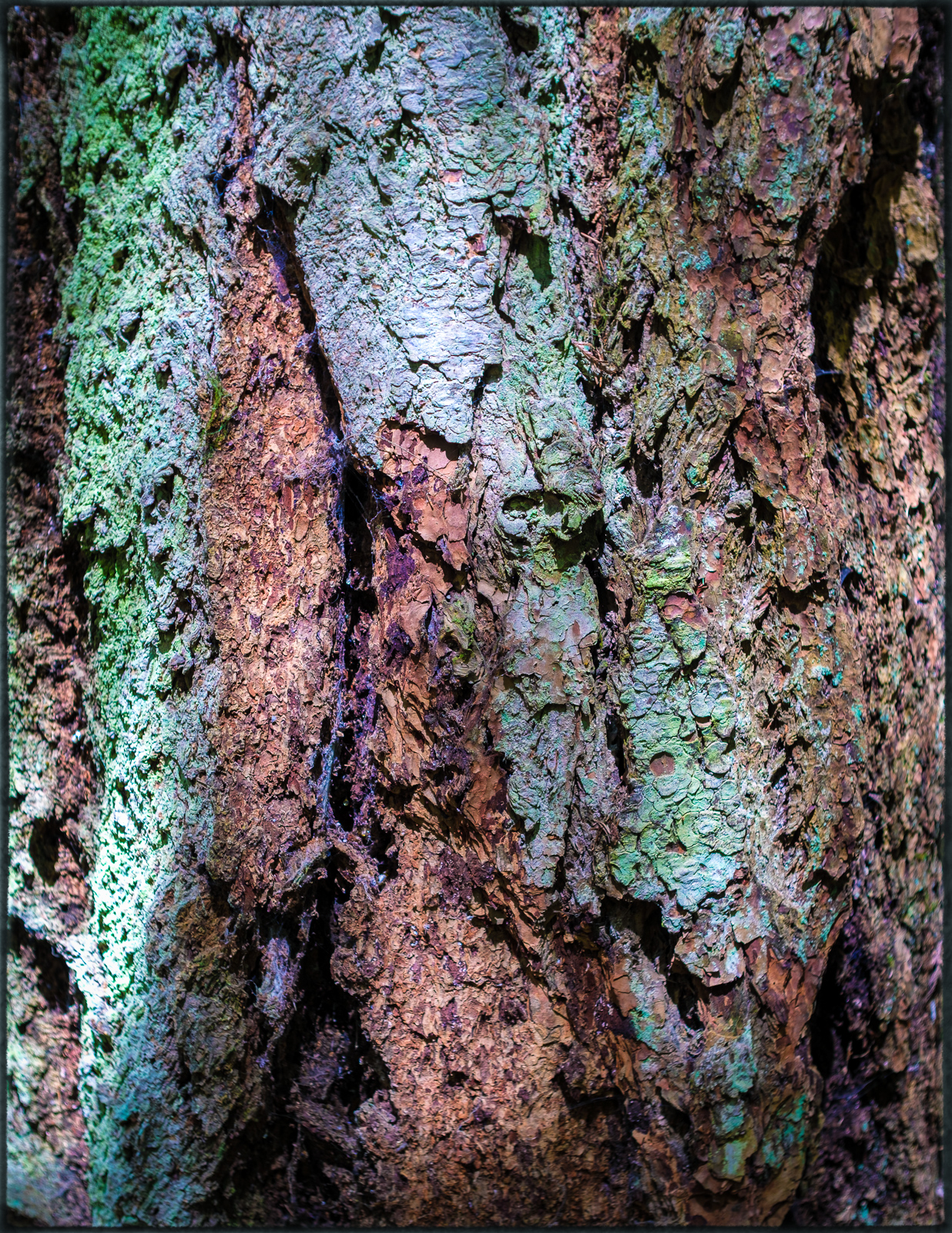
For my own next contribution to the thread, here are a few shots of interesting tree parts from Cathedral Grove, all courtesy of the 5.8 f/1.4 S.
I got some leftovers from the D800 and the 24mm f2.8 ais. Like the 28mm f2.8 ais, I went through multiple
copies of the 24mm hunting for the best copy I could find. This last winter I did get a central hot spot
at apertures lower (stopped down) more than f5.6 in IR. However, for the visible light spectrum this copy is really sharp.
rafaelcasd wrote:
Thank you for the compliment Serge, but most of all thanks for sharing your travels! very interesting stories from history.
Did some "tests" with the new Tochigi Rayfact 90mm. Lens is big and heavy, to a casual photographer like me it does not add anything from using a 105mm Micro, it actually detracts from the experience due to bulk and weight.
On the other hand the lens is ugly esthetically but beautiful to an engineer with formal optics training (U of A, Tucson) all metal is overdesigned with big helicoid and individual tracks for several elements to keep it all aligned and spaced properly, many element relative positions change as you focus.
Detail/sharpness appears exceptional, but it does have axial color, kind of makes sense for a lens designed for planar sharpness to measure/inspect flat objects like printed circuit boards.
I wont sell it, but may not use it much either, we will see.
I am not qualified to test this lens, these are casual tests. Actually, take that back - I am qualified to test this lens but my current job has no access to an optical bench.
This ebay photo show the lens at maximum magnification, the front element is 52mm diameter - that should give you a sense of the bulk of the metal. That front retracts all the way into the metal cylinder when focused further away, The outer cylinder is the focusing ring, with no knurling or rubber, it is meant to be focused once when assembling a test station and has knobs to fix focus and aperture once set.
The next few are at minimum focus which is 0.5X and maybe a foot away. They really need to be seen 100%. Take into account that I cannot get perfect alignment in pointing the lens.
I have always found the St Andrews section of the Fife coastline to be rather bland but you have captured it well.
Since you were travelling by train I guess you didn't manage to get to any of the nearby fishing villages?
Crossing the Firth of Forth on the iconic rail bridge on a sunny day must have been a joy.
rafaelcasd wrote:
Thank you for the compliment Serge, but most of all thanks for sharing your travels! very interesting stories from history.
Did some "tests" with the new Tochigi Rayfact 90mm. Lens is big and heavy, to a casual photographer like me it does not add anything from using a 105mm Micro, it actually detracts from the experience due to bulk and weight.
On the other hand the lens is ugly esthetically but beautiful to an engineer with formal optics training (U of A, Tucson) all metal is overdesigned with big helicoid and individual tracks for several elements to keep it all aligned and spaced properly, many element relative positions change as you focus.
Detail/sharpness appears exceptional, but it does have axial color, kind of makes sense for a lens designed for planar sharpness to measure/inspect flat objects like printed circuit boards.
I wont sell it, but may not use it much either, we will see.
I am not qualified to test this lens, these are casual tests. Actually, take that back - I am qualified to test this lens but my current job has no access to an optical bench.
This ebay photo show the lens at maximum magnification, the front element is 52mm diameter - that should give you a sense of the bulk of the metal. That front retracts all the way into the metal cylinder when focused further away, The outer cylinder is the focusing ring, with no knurling or rubber, it is meant to be focused once when assembling a test station and has knobs to fix focus and aperture once set.
The next few are at minimum focus which is 0.5X and maybe a foot away. They really need to be seen 100%. Take into account that I cannot get perfect alignment in pointing the lens.
Serge,
The first and third photo remind me of a dark comedy series "Bad Sisters". Heading off to read about St. Andrews Castle.
EDIT: I should explain that first comment. In the series - a family tradition of going for an annual swim in the Atlantic occurs in a setting very much like your photos.
serge07 wrote:
Hi, everyone:
Rafael, terrific close up series. The Tritium dial Speedmaster is a beauty.
Glen, great vivid colors. I find the 5.8cm f/1.4 to be a super sharp lens.
Regina, nice captures from the Nation's Capital. Last time I visited it was on a January and was super cold.
Ray, great capture and colors.
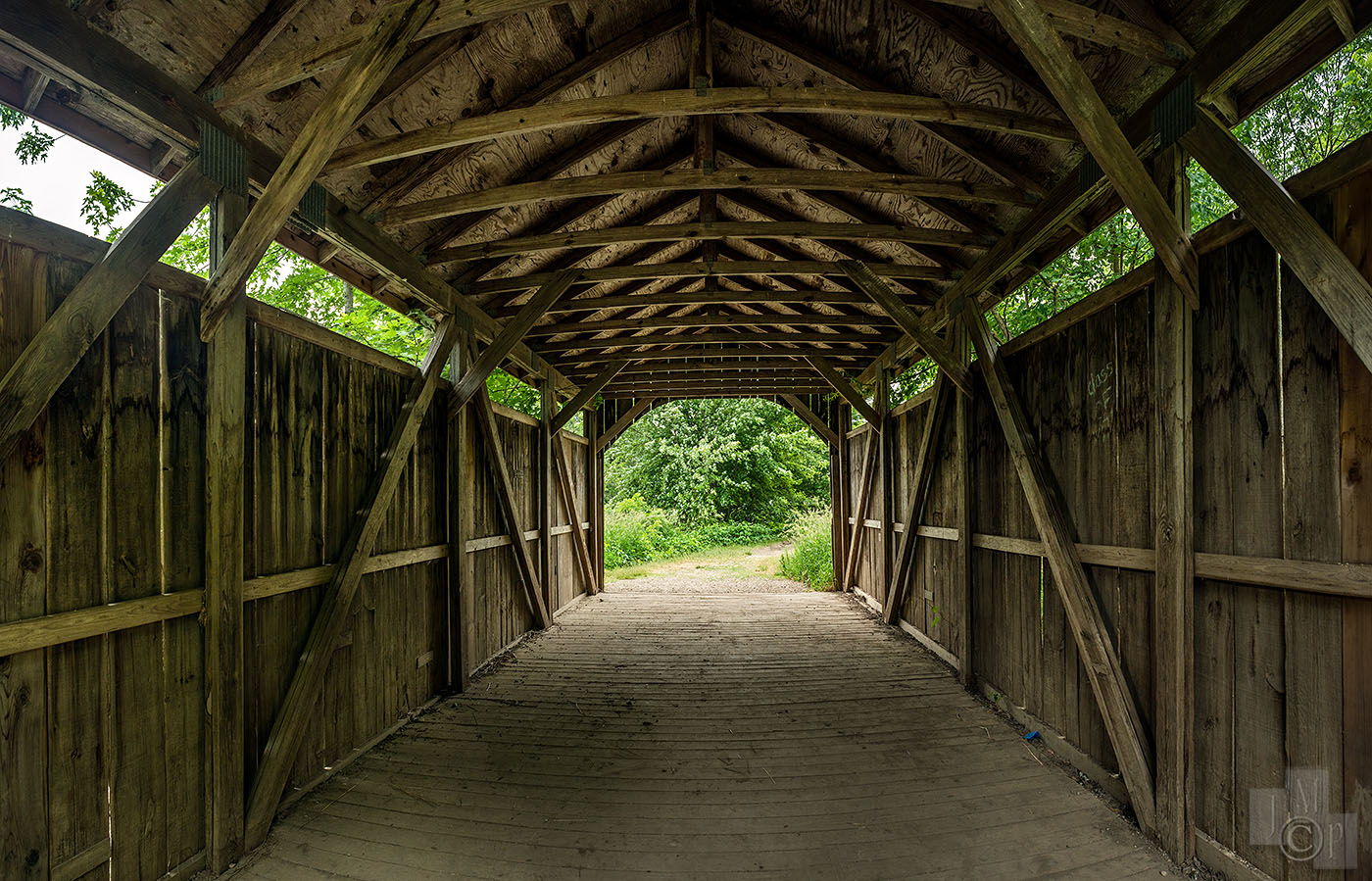
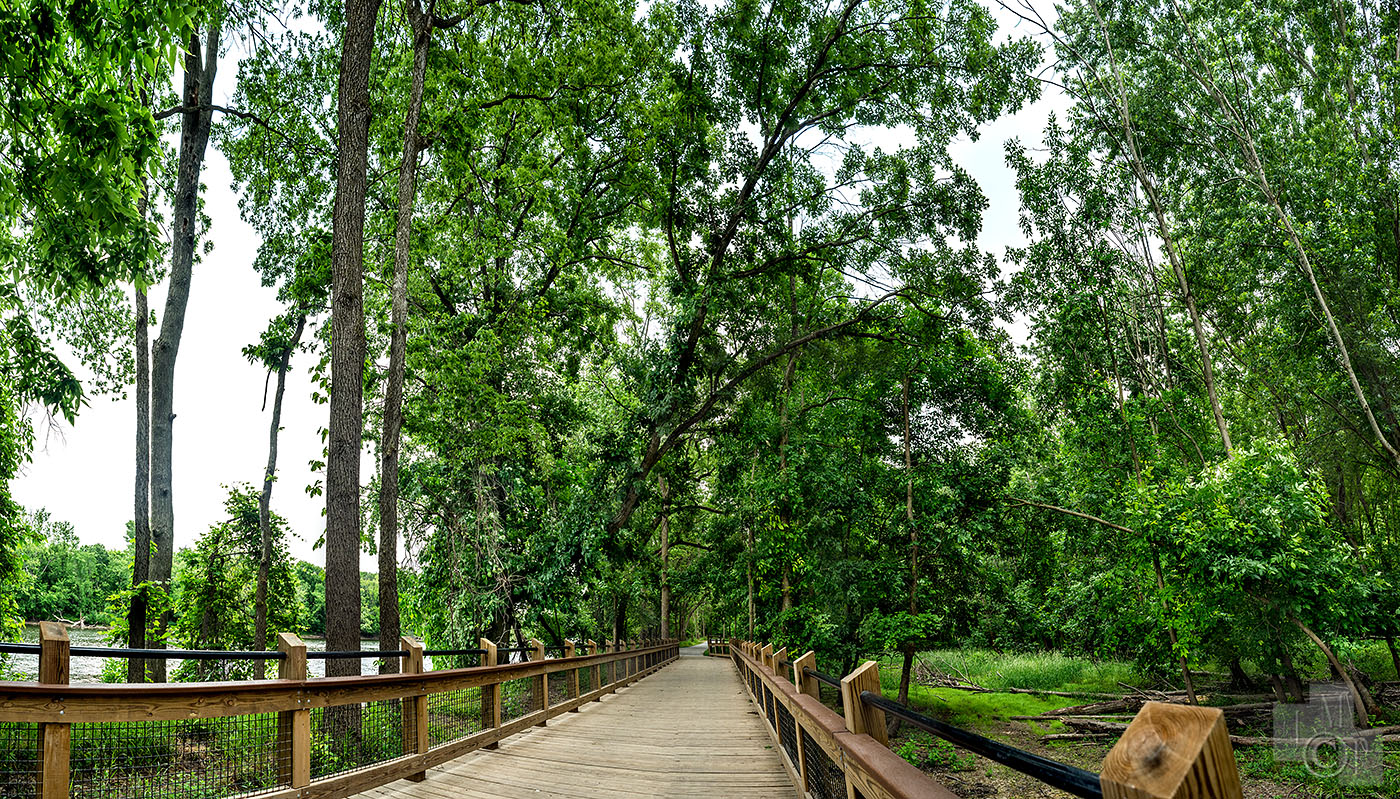
James, very nice scenes specially the bridge.
Scoot, great series of photographs.
St. Andrews which is a 1.5 hour train ride from Edinburgh.
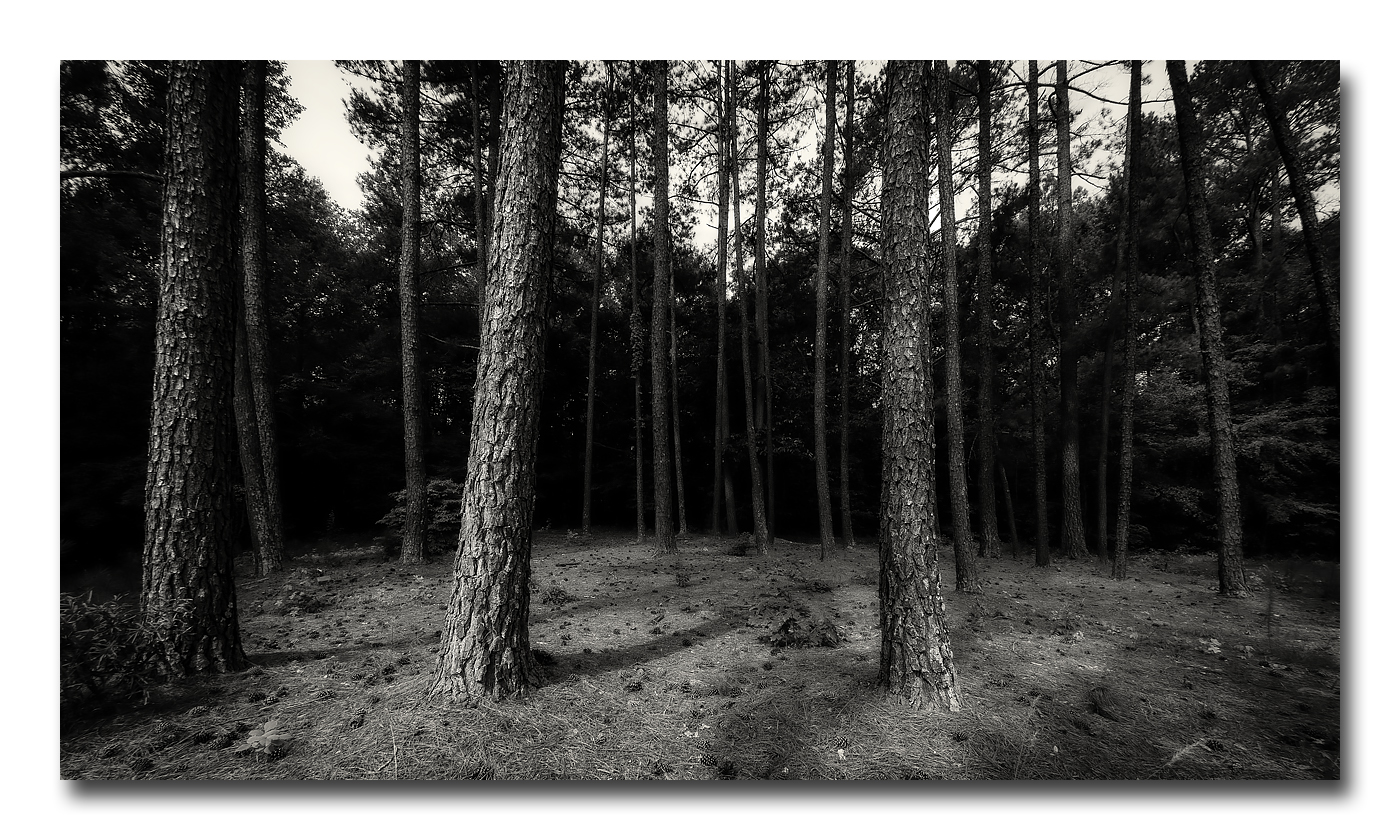
Wildfire smoke came back in for the weekend and combined with the midday lighting called for thinking in monochrome. From a walk on the trail today. Going old school DSLR with the Df and Fisheye-Nikkor 16mm/3.5 Ai'd
George
NIKON DfFisheye-NIKKOR Auto 16mm f/3.5 lens16mmf/11.01/60s100 ISO0.0 EV


 I didn't go in, but just walked around the outside at night. I have a few shots I need to find from March.