Manual Focus Nikon Glass
p.1849 #1Manual Focus Nikon Glass
I have been enjoying this banter about FUI robins. (flying under influence?) It would have been fun to take a video of them trying to take off 
mjgphotoz wrote:
You describe an almost Monty Python scene. I can almost see it in my minds eye - flying "Turduses" Gilliam graphics with Palin doing the Attenborough-like scientific description, while Cleese is rained upon by the drunken birds. It would have been another epic skit.
Jim

One spring years ago in Az, a flock of at least 100 "Turdus" migrated to our front yard and ate the heat fermented berries fallen from the pyracantha bushes around the porch. Their little bellies puffed up as they drunkenly staggered around the yard unable to fly for several hours. It was a sight to behold and I am sure an embarrassment to all birds everywhere!
MaryJim, I can see it now! The whole thing was surreal. The robins all were gone by the next morning and I did not see any feathers laying about so I am assuming the neighborhood cats did not get them while inebriated and earth bound!
There is a funny post script to this little tale however. A few weeks later, on a Sunday morning when no veterinary offices were open, my Mom and I were alarmed when her little fox terrier started regurgitating and staggering around in the back yard. We thought she was dying until I took a closer...Show more →
mjgphotoz wrote:
James Markus wrote
Mary,You describe an almost Monty Python scene. I can almost see it in my minds eye - flying "Turduses" Gilliam graphics with Palin doing the Attenborough-like scientific description, while Cleese is rained upon by the drunken birds. It would have been another epic skit.
Jim
mjgphotoz wrote
Jim, I am still laughing. I never knew the scientific name for Robins.One spring years ago in Az, a flock of at least 100 "Turdus" migrated to our front yard and ate the heat fermented berries fallen from the pyracantha bushes around the porch. Their little bellies puffed up as they drunkenly staggered around the yard unable to fly for several hours. It was a sight to behold and I am sure an embarrassment to all birds everywhere!
Mary
There is a funny post script to this little tale however. A few weeks later, on a Sunday morning when no veterinary offices were open, my Mom and I were alarmed when her little fox terrier started regurgitating and staggering around in the back yard. We thought she was dying until I took a closer...Show more →
Apr 14, 2023 at 04:25 PM
p.1849 #2Manual Focus Nikon Glass
Some variety of stuff.
First some architecture from Strasbourg. Z7ii, 28mm f/3.5 PC
 StrasbourgArchitecture by Maryland Photos, on Flickr
Nikon M synch, 5cm 1.4 SC, very expired Kodak EliteChrome, it was right at the bottom of my film shelf in the fridge (yes that's quite a mess). Wondered how the scratches on my glasses happened, well I see now, there's that little viewfinder with its sharp pointy border!
 000637880037 by Maryland Photos, on Flickr
And a couple with the Plaubel Makina:
Provia 100F
 000485470006 by Maryland Photos, on Flickr
Kodak Gold 200
 000486200004 by Maryland Photos, on Flickr
I recently got hold of the grip for the Makina at a somewhat reasonable price. It makes the camera SO much more handholdable. The grip is light so doesn't add too much weight.
Edited on Apr 14, 2023 at 04:41 PM · View previous versions
First some architecture from Strasbourg. Z7ii, 28mm f/3.5 PC
StrasbourgArchitecture by Maryland Photos, on FlickrNikon M synch, 5cm 1.4 SC, very expired Kodak EliteChrome, it was right at the bottom of my film shelf in the fridge (yes that's quite a mess). Wondered how the scratches on my glasses happened, well I see now, there's that little viewfinder with its sharp pointy border!
000637880037 by Maryland Photos, on FlickrAnd a couple with the Plaubel Makina:
Provia 100F
000485470006 by Maryland Photos, on FlickrKodak Gold 200
000486200004 by Maryland Photos, on FlickrI recently got hold of the grip for the Makina at a somewhat reasonable price. It makes the camera SO much more handholdable. The grip is light so doesn't add too much weight.
Edited on Apr 14, 2023 at 04:41 PM · View previous versions
Apr 14, 2023 at 04:32 PM
p.1849 #3Manual Focus Nikon Glass
Andy, another amazing trek to show us photos from!!
cadman342001 wrote:
A 3 shot horizontal pano, taken on a drive up Skippers Canyon near Queenstown, NZ South Island.
https://live.staticflickr.com/65535/52816421176_4333b0e5a6_h.jpg_DSF4406-Pano-Edit by Andy Macdougall, on Flickr
Very reminiscent of places in the UK I thought.
https://live.staticflickr.com/65535/52681791254_6012ed2f2f_h.jpg_DSF4357 by Andy Macdougall, on Flickr
https://live.staticflickr.com/65535/52681006887_5e937c8826_h.jpg_DSF4349 by Andy Macdougall, on Flickr
Can you spot the white water rafters?
https://live.staticflickr.com/65535/52681494621_85206a38ce_h.jpg_DSF4362 by Andy Macdougall, on Flickr
https://live.staticflickr.com/65535/52681916410_2d9304563f_h.jpg_DSF4363 by Andy Macdougall, on Flickr
Obligatory lupins shot
https://live.staticflickr.com/65535/52681452146_5d70a34567_h.jpg_DSF4379 by Andy Macdougall, on Flickr
https://live.staticflickr.com/65535/52680982877_0dc3fb1492_h.jpg_DSF4360 by Andy Macdougall, on Flickr
Andy
Apr 14, 2023 at 04:35 PM
p.1849 #4Manual Focus Nikon Glass
I want the M11 with the BSI sensor for using the 2.5cm and 2.8cm Nikkor LTMs without having color fringing on the edges. The BSI sensor accomplishes that. But if wishes were fishes
saph wrote:
https://leica-camera.com/en-int/discover-leica-m11-monochromOh come on George, you know you want it!
saph wrote:
GeorgeBo wrote
No, I don't think so.saph wrote
If we haven't heard from George today he may be busy discovering the new Leica M11 Monochromehttps://leica-camera.com/en-int/discover-leica-m11-monochrom
Apr 14, 2023 at 04:43 PM
p.1849 #5Manual Focus Nikon Glass
Wishes, fishes! Just put in the Request Stock Alert button and sit by your email:
https://www.bhphotovideo.com/c/product/1760461-REG/leica_m11_monochrom_rangefinder_camera.html
BH had their long holiday break and are back taking orders (yeah I keep track of that ).
Oh wait you said M11 normal, you are in luck, its in stock!!
https://www.bhphotovideo.com/c/product/1682569-REG/leica_m11b_m11_rangefinder_camera_black.html
GeorgeBo wrote:
I want the M11 with the BSI sensor for using the 2.5cm and 2.8cm Nikkor LTMs without having color fringing on the edges. The BSI sensor accomplishes that. But if wishes were fishes
https://leica-camera.com/en-int/discover-leica-m11-monochromOh come on George, you know you want it!
https://www.bhphotovideo.com/c/product/1760461-REG/leica_m11_monochrom_rangefinder_camera.html
BH had their long holiday break and are back taking orders (yeah I keep track of that
).Oh wait you said M11 normal, you are in luck, its in stock!!
https://www.bhphotovideo.com/c/product/1682569-REG/leica_m11b_m11_rangefinder_camera_black.html
GeorgeBo wrote:
I want the M11 with the BSI sensor for using the 2.5cm and 2.8cm Nikkor LTMs without having color fringing on the edges. The BSI sensor accomplishes that. But if wishes were fishes
saph wrote
GeorgeBo wrote
No, I don't think so.saph wrote
If we haven't heard from George today he may be busy discovering the new Leica M11 Monochromehttps://leica-camera.com/en-int/discover-leica-m11-monochrom
Apr 14, 2023 at 05:19 PM
p.1849 #6Manual Focus Nikon Glass
You are a bad man 😄
saph wrote:
Wishes, fishes! Just put in the Request Stock Alert button and sit by your email:
https://www.bhphotovideo.com/c/product/1760461-REG/leica_m11_monochrom_rangefinder_camera.html
BH had their long holiday break and are back taking orders (yeah I keep track of that ).
Oh wait you said M11 normal, you are in luck, its in stock!!
https://www.bhphotovideo.com/c/product/1682569-REG/leica_m11b_m11_rangefinder_camera_black.html
https://leica-camera.com/en-int/discover-leica-m11-monochromOh come on George, you know you want it!
saph wrote:
Wishes, fishes! Just put in the Request Stock Alert button and sit by your email:
https://www.bhphotovideo.com/c/product/1760461-REG/leica_m11_monochrom_rangefinder_camera.html
BH had their long holiday break and are back taking orders (yeah I keep track of that
).Oh wait you said M11 normal, you are in luck, its in stock!!
https://www.bhphotovideo.com/c/product/1682569-REG/leica_m11b_m11_rangefinder_camera_black.html
GeorgeBo wrote
I want the M11 with the BSI sensor for using the 2.5cm and 2.8cm Nikkor LTMs without having color fringing on the edges. The BSI sensor accomplishes that. But if wishes were fishessaph wrote
GeorgeBo wrote
No, I don't think so.saph wrote
If we haven't heard from George today he may be busy discovering the new Leica M11 Monochromehttps://leica-camera.com/en-int/discover-leica-m11-monochrom
Apr 14, 2023 at 05:34 PM
p.1849 #7Manual Focus Nikon Glass
saph wrote:
Andy, another amazing trek to show us photos from!!
Thanks Samy
Those shots were a pre-cursor to the main event at the of the road.
A bit of background first. Skipper's Canyon was the scene of finding gold. Europeans had been given directions by the local Maori tribes on the West coast of the South Island. The Maori had little use for the soft yellow metal and did not consider it valuable so when Europeans asked about it they were happy to direct them to the canyon where they knew it existed.
The Europeans who arrived first found 25 pounds of gold before nightfall on arriving at Maori Point ! A town called Charlestown was established there but very little trace is left.
https://en.wikipedia.org/wiki/Skippers_Canyon
Further along the road there is a bridge, a cemetery and remains of a village with museum/visitor centre (closed when I visited). As you can see, I crossed the bridge despite it looking like it would fall into the gorge below and visited the cemetery.
The dead trees gave it a very good spooky look I thought. They are non-natives and dubbed "Wilding Conifers" or "Wilding Pines" They are being eradicated due to their spreading across the landscape and farm land.
From the article -
The cemetery contains some interesting headstones. Of more recent times is the delightful inscription on the grave of Lorraine Borrell: "my time is up, I’ve been clocked out. The judge has tapped the gavel. I’ll retire the teapot, lay the knitting down and quietly unravel."
There was of course a MacDougall interred there I noted.
The Bridge. Lots of ratchet straps that I thought were holding it together ! But looking at the pics again I can see that they are to facilitate the ongoing works.
 _DSF4394 by Andy Macdougall, on Flickr
 _DSF4391 by Andy Macdougall, on Flickr
 _DSF4395 by Andy Macdougall, on Flickr
and the cemetery
The McLeods. Husband and wife. 1918
 _DSF4402 by Andy Macdougall, on Flickr
Ellen Henrietta Sainbury, aged 12yrs 7mths. 1882.
 _DSF4398 by Andy Macdougall, on Flickr
Father and son accidentally killed in the Pheonix Mine.
 _DSF4399 by Andy Macdougall, on Flickr
Another accidental death, Robert Duncan 42 a native of Nairnshire, Scotland.
 _DSF4401 by Andy Macdougall, on Flickr
Fascinating places those Pioneer Graveyards.
Andy
Andy, another amazing trek to show us photos from!!
Thanks Samy
Those shots were a pre-cursor to the main event at the of the road.
A bit of background first. Skipper's Canyon was the scene of finding gold. Europeans had been given directions by the local Maori tribes on the West coast of the South Island. The Maori had little use for the soft yellow metal and did not consider it valuable so when Europeans asked about it they were happy to direct them to the canyon where they knew it existed.
The Europeans who arrived first found 25 pounds of gold before nightfall on arriving at Maori Point ! A town called Charlestown was established there but very little trace is left.
https://en.wikipedia.org/wiki/Skippers_Canyon
Further along the road there is a bridge, a cemetery and remains of a village with museum/visitor centre (closed when I visited). As you can see, I crossed the bridge despite it looking like it would fall into the gorge below and visited the cemetery.
The dead trees gave it a very good spooky look I thought. They are non-natives and dubbed "Wilding Conifers" or "Wilding Pines" They are being eradicated due to their spreading across the landscape and farm land.
From the article -
The cemetery contains some interesting headstones. Of more recent times is the delightful inscription on the grave of Lorraine Borrell: "my time is up, I’ve been clocked out. The judge has tapped the gavel. I’ll retire the teapot, lay the knitting down and quietly unravel."
There was of course a MacDougall interred there I noted.
The Bridge. Lots of ratchet straps that I thought were holding it together ! But looking at the pics again I can see that they are to facilitate the ongoing works.
_DSF4394 by Andy Macdougall, on Flickr_DSF4391 by Andy Macdougall, on Flickr_DSF4395 by Andy Macdougall, on Flickrand the cemetery
The McLeods. Husband and wife. 1918
_DSF4402 by Andy Macdougall, on FlickrEllen Henrietta Sainbury, aged 12yrs 7mths. 1882.
_DSF4398 by Andy Macdougall, on FlickrFather and son accidentally killed in the Pheonix Mine.
_DSF4399 by Andy Macdougall, on FlickrAnother accidental death, Robert Duncan 42 a native of Nairnshire, Scotland.
_DSF4401 by Andy Macdougall, on FlickrFascinating places those Pioneer Graveyards.
Andy
Apr 14, 2023 at 08:00 PM
p.1849 #8Manual Focus Nikon Glass
Great series Colin. My grandfather used to own an Esso station/burger joint/local watering hole back in the late 60’s. I remember stocking drink bottles (child labor ) and helping clean the windshields of the cars during a fill up. Building is gone now along with the Esso brand.
DeltaSigma wrote:
More vintage petrol pumps. 28/2.8 AI-S
https://live.staticflickr.com/65535/52804732593_4e8ff51da1_h.jpgZ62_3605-Pano by Colin McIntosh, on Flickr
https://live.staticflickr.com/65535/52803172002_b01f26017a_h.jpgZ62_3563 by Colin McIntosh, on Flickr
Colin
) and helping clean the windshields of the cars during a fill up. Building is gone now along with the Esso brand.DeltaSigma wrote:
More vintage petrol pumps. 28/2.8 AI-S
https://live.staticflickr.com/65535/52804732593_4e8ff51da1_h.jpgZ62_3605-Pano by Colin McIntosh, on Flickr
https://live.staticflickr.com/65535/52803172002_b01f26017a_h.jpgZ62_3563 by Colin McIntosh, on Flickr
Colin
Apr 14, 2023 at 09:48 PM
p.1849 #9Manual Focus Nikon Glass
I can't remember which movie, Animals are Beautiful People, or The Gods Must Be Crazy, but there's a scene of animals getting fermented fruit... Too funny.
saph wrote:
I have been enjoying this banter about FUI robins. (flying under influence?) It would have been fun to take a video of them trying to take off
You describe an almost Monty Python scene. I can almost see it in my minds eye - flying "Turduses" Gilliam graphics with Palin doing the Attenborough-like scientific description, while Cleese is rained upon by the drunken birds. It would have been another epic skit.
Jim
One spring years ago in Az, a flock of at least 100 "Turdus" migrated to our front yard and ate the heat fermented berries fallen from the pyracantha bushes around the porch. Their little bellies puffed up as they drunkenly staggered around the yard unable to fly for several hours. It was a sight to behold and I am sure an embarrassment to all birds everywhere!
MaryJim, I can see it now! The whole thing was surreal. The robins all were gone by the next morning and I did not see any feathers laying about so I am assuming the neighborhood cats did not get them while inebriated and earth bound!
There is a funny post script to this little tale however. A few weeks later, on a Sunday morning when no veterinary offices were open, my Mom and I were alarmed when her little fox terrier started regurgitating and staggering around in the back yard. We thought she was dying until I took a closer look and saw recycled pyracantha berries. Yep, the backyard fence was planted with the same type bushes, and you guessed it, she ate the fermented berries. She was fine when she sobered up and we ever after referred to her as " the lush".
Mary
saph wrote:
I have been enjoying this banter about FUI robins. (flying under influence?) It would have been fun to take a video of them trying to take off
mjgphotoz wrote
James Markus wrote
Mary,You describe an almost Monty Python scene. I can almost see it in my minds eye - flying "Turduses" Gilliam graphics with Palin doing the Attenborough-like scientific description, while Cleese is rained upon by the drunken birds. It would have been another epic skit.
Jim
mjgphotoz wrote
Jim, I am still laughing. I never knew the scientific name for Robins.One spring years ago in Az, a flock of at least 100 "Turdus" migrated to our front yard and ate the heat fermented berries fallen from the pyracantha bushes around the porch. Their little bellies puffed up as they drunkenly staggered around the yard unable to fly for several hours. It was a sight to behold and I am sure an embarrassment to all birds everywhere!
Mary
There is a funny post script to this little tale however. A few weeks later, on a Sunday morning when no veterinary offices were open, my Mom and I were alarmed when her little fox terrier started regurgitating and staggering around in the back yard. We thought she was dying until I took a closer look and saw recycled pyracantha berries. Yep, the backyard fence was planted with the same type bushes, and you guessed it, she ate the fermented berries. She was fine when she sobered up and we ever after referred to her as " the lush".
Mary
Apr 15, 2023 at 03:00 AM

p.1849 #10Manual Focus Nikon Glass
GeorgeBo wrote:
I want the M11 with the BSI sensor for using the 2.5cm and 2.8cm Nikkor LTMs without having color fringing on the edges. The BSI sensor accomplishes that. But if wishes were fishes
https://leica-camera.com/en-int/discover-leica-m11-monochromOh come on George, you know you want it!
Even my tiny, fairly cheap Fuji X-S10 has a BSI sensor. Maybe you should pop back over to the dark side?
I want the M11 with the BSI sensor for using the 2.5cm and 2.8cm Nikkor LTMs without having color fringing on the edges. The BSI sensor accomplishes that. But if wishes were fishes
saph wrote
GeorgeBo wrote
No, I don't think so.saph wrote
If we haven't heard from George today he may be busy discovering the new Leica M11 Monochromehttps://leica-camera.com/en-int/discover-leica-m11-monochrom
Even my tiny, fairly cheap Fuji X-S10 has a BSI sensor. Maybe you should pop back over to the dark side?
Apr 15, 2023 at 04:04 AM
|
p.1849 #11Manual Focus Nikon Glass
I have thought briefly about that, but lose the view of 25mm and 28mm. And that optical rangefinder 
leighton w wrote:
https://leica-camera.com/en-int/discover-leica-m11-monochromOh come on George, you know you want it! Even my tiny, fairly cheap Fuji X-S10 has a BSI sensor. Maybe you should pop back over to the dark side?
leighton w wrote:
GeorgeBo wrote
I want the M11 with the BSI sensor for using the 2.5cm and 2.8cm Nikkor LTMs without having color fringing on the edges. The BSI sensor accomplishes that. But if wishes were fishessaph wrote
GeorgeBo wrote
No, I don't think so.saph wrote
If we haven't heard from George today he may be busy discovering the new Leica M11 Monochromehttps://leica-camera.com/en-int/discover-leica-m11-monochrom
Apr 15, 2023 at 05:08 AM
p.1849 #12Manual Focus Nikon Glass
Andy, you definitely captured this location well!
cadman342001 wrote:
Thanks Samy
Those shots were a pre-cursor to the main event at the of the road.
A bit of background first. Skipper's Canyon was the scene of finding gold. Europeans had been given directions by the local Maori tribes on the West coast of the South Island. The Maori had little use for the soft yellow metal and did not consider it valuable so when Europeans asked about it they were happy to direct them to the canyon where they knew it existed.
The Europeans who arrived first found 25 pounds of gold before nightfall on arriving at Maori Point ! A town...Show more →
cadman342001 wrote:
saph wrote
Andy, another amazing trek to show us photos from!!Those shots were a pre-cursor to the main event at the of the road.
A bit of background first. Skipper's Canyon was the scene of finding gold. Europeans had been given directions by the local Maori tribes on the West coast of the South Island. The Maori had little use for the soft yellow metal and did not consider it valuable so when Europeans asked about it they were happy to direct them to the canyon where they knew it existed.
The Europeans who arrived first found 25 pounds of gold before nightfall on arriving at Maori Point ! A town...Show more →
Apr 15, 2023 at 05:10 AM
p.1849 #13Manual Focus Nikon Glass
Oh boy that bridge is not for the faint of heart. It really has a sign for vehicles going across? I can read it partly.
cadman342001 wrote:
saph wrote
Andy, another amazing trek to show us photos from!!Those shots were a pre-cursor to the main event at the of the road.
A bit of background first. Skipper's Canyon was the scene of finding gold. Europeans had been given directions by the local Maori tribes on the West coast of the South Island. The Maori had little use for the soft yellow metal and did not consider it valuable so when Europeans asked about it they were happy to direct them to the canyon where they knew it existed.
The Europeans who arrived first found 25 pounds of gold before nightfall on arriving at Maori Point ! A town...Show more →
Apr 15, 2023 at 10:48 AM
p.1849 #14Manual Focus Nikon Glass
 000637880008 by Maryland Photos, on Flickr
Nikon M Synch, 5cm f1.4 SC, Kodak Elite Chrome expired. The camera was an improvement over the Nikon 1, in getting the film frame to 34mm instead of 32. It took a bit of evolution for Nikon to catch up to the likes of Leica in frame size. No back side illumination those days on the sensor
Apr 15, 2023 at 10:52 AM
p.1849 #15Manual Focus Nikon Glass
The recent surge in the posting pace here has been very enjoyable to watch and read! The weekend weather here on Vancouver Island has been quite cold and wet for the past few weeks, so I am still having to rely on what remains unposted from my fall excursions (though I might go for some indoor shooting soon, if I feel inspired enough to set it up). Here are a few from the Nanaimo harbour area last fall, taken, respectively, with the 2.8 f/3.5 H, 55 f/1.2 SC, and 105 f/2.5 P on my Fuji X-T4 with Lens Turbo II focal reducer.
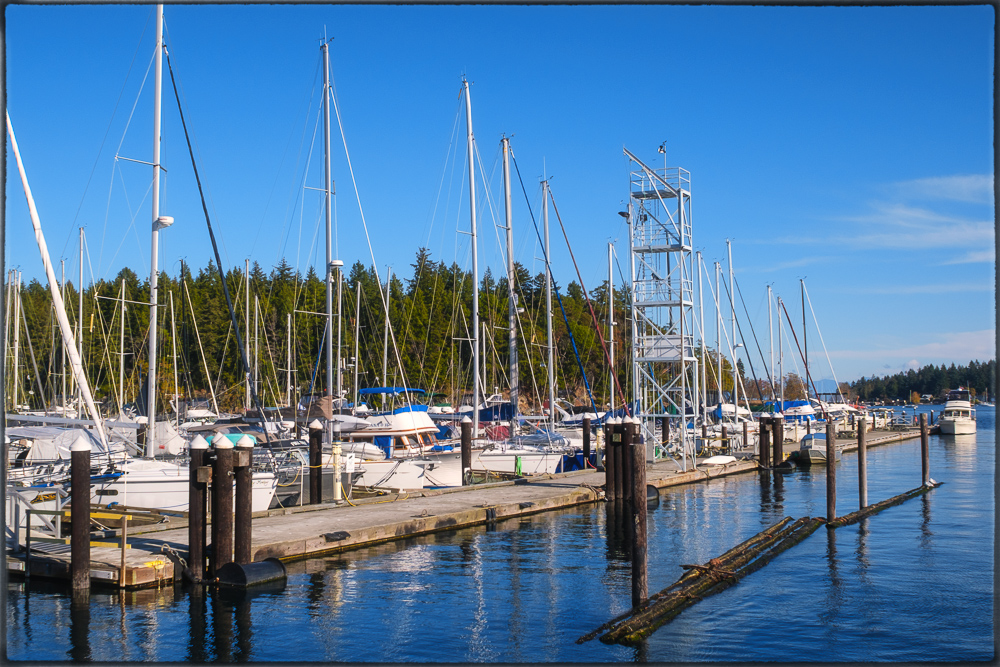
2.8cm f/3.5 H
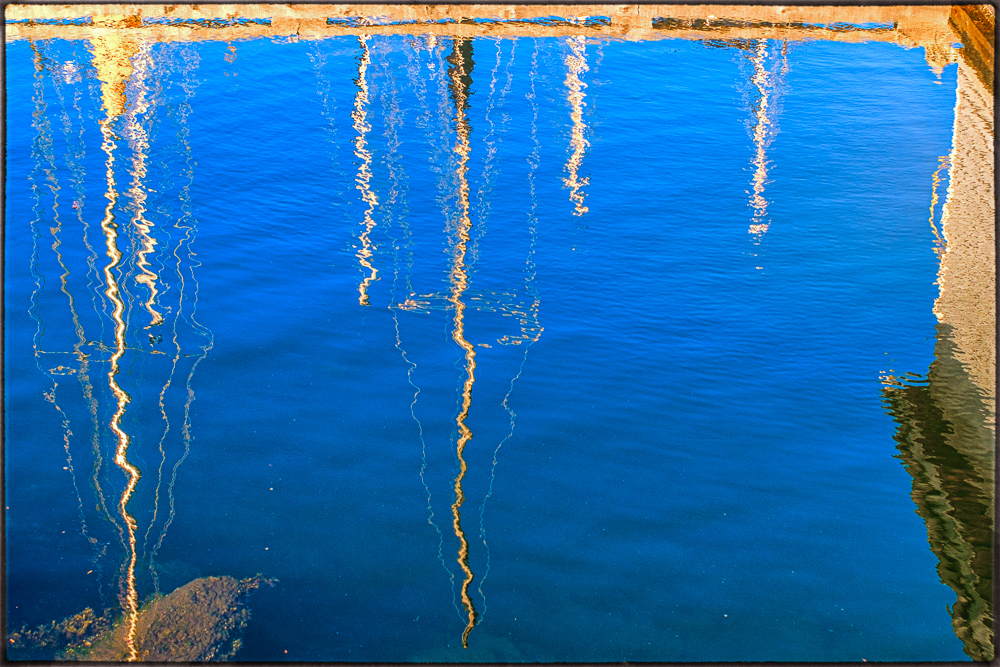
55 f/1.2 SC
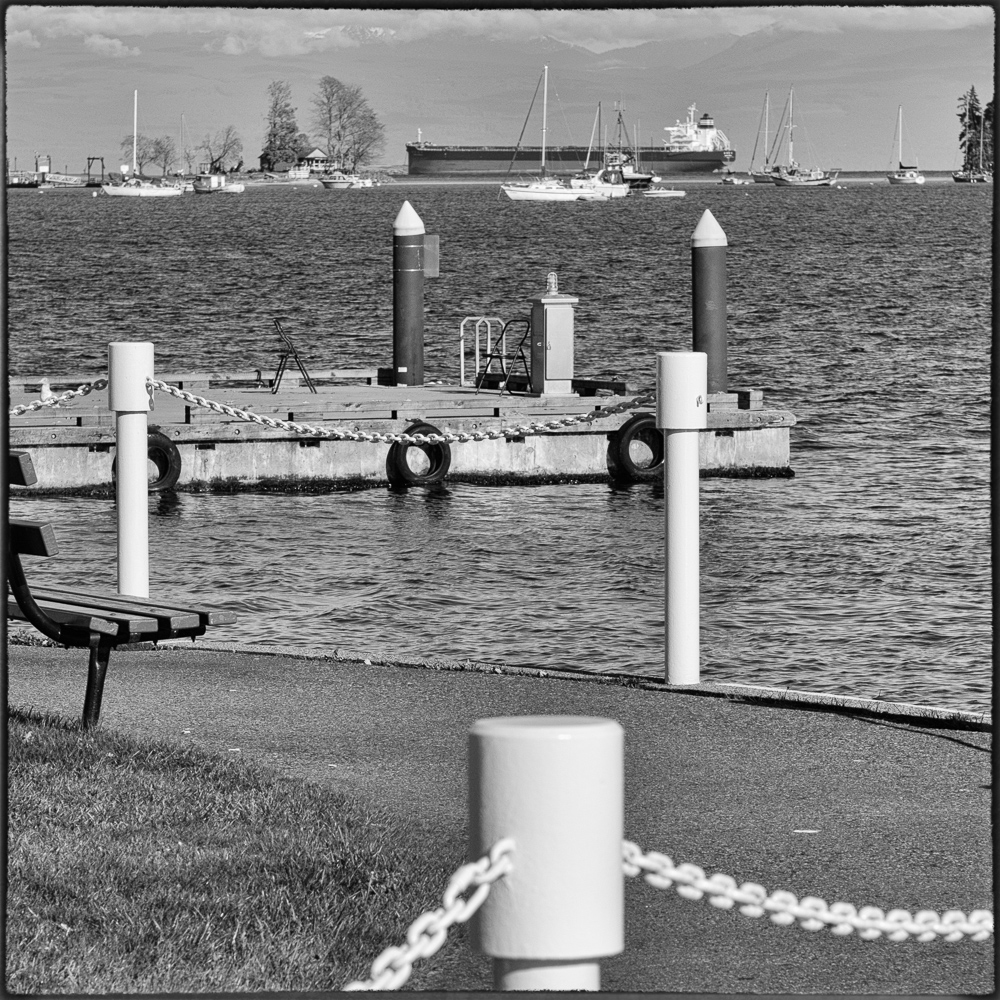
105 f/2.5 P
2.8cm f/3.5 H
55 f/1.2 SC
105 f/2.5 P
Apr 15, 2023 at 01:05 PM
p.1849 #16Manual Focus Nikon Glass
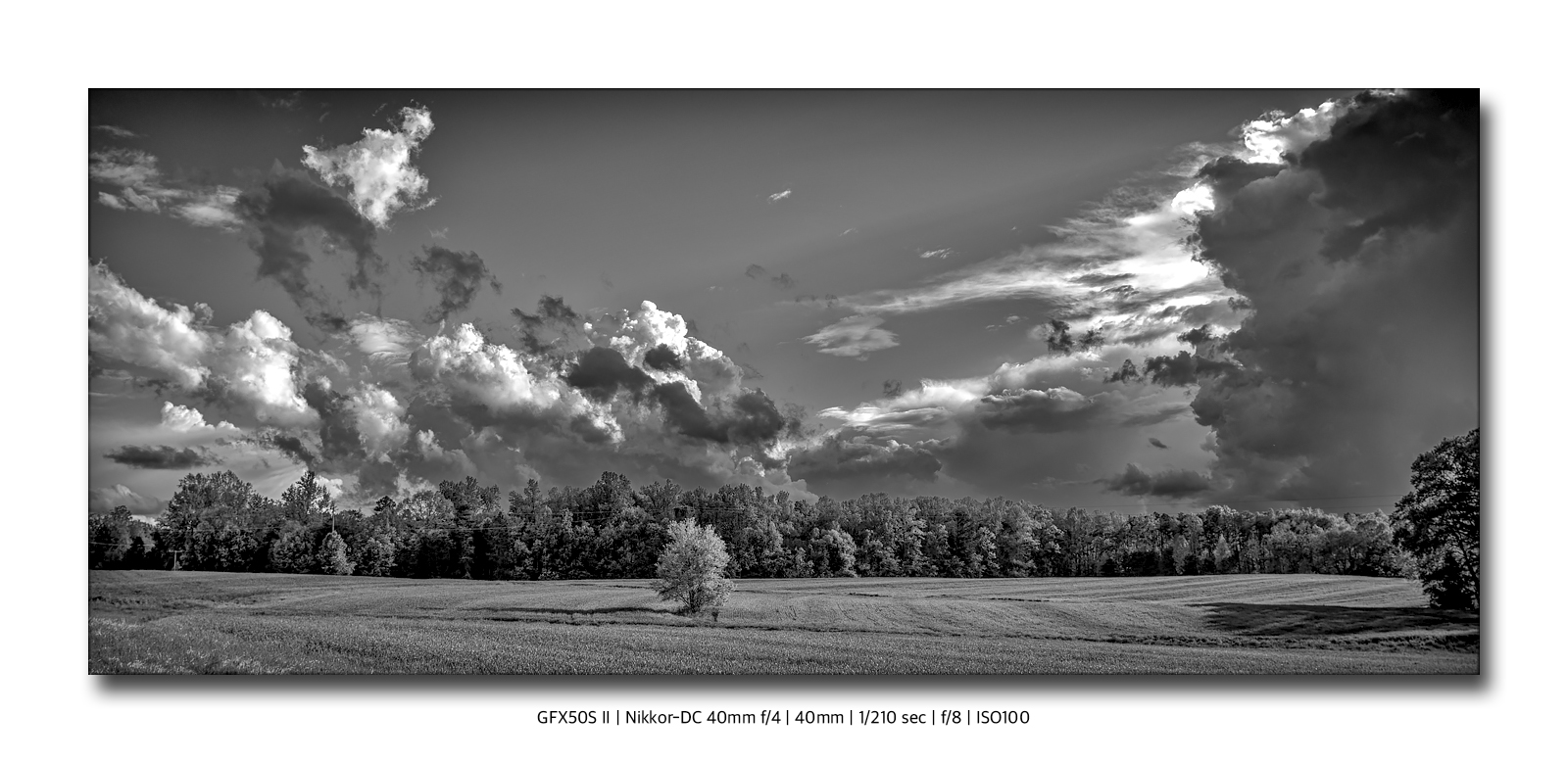
Spring thunderstorm rolling in yesterday evening. Glow to the right of frame was the sun shining through under the clouds on the horizon illuminating the rain. Got this shot about 3 minutes before the bottom dropped out over me
Nikkor-DC 40mm f/4 Bronica medium format lens
George
Edited on Apr 15, 2023 at 02:44 PM · View previous versions
Nikkor-DC 40mm f/4 Bronica medium format lens
George
Edited on Apr 15, 2023 at 02:44 PM · View previous versions
Apr 15, 2023 at 01:19 PM
p.1849 #17Manual Focus Nikon Glass
Lol. I believe the sign says 3000kg and only 1 vehicle on the bridge at a time. But yeah, it was a little nerve wracking !
saph wrote:
Oh boy that bridge is not for the faint of heart. It really has a sign for vehicles going across? I can read it partly.
Thanks Samy
Those shots were a pre-cursor to the main event at the of the road.
A bit of background first. Skipper's Canyon was the scene of finding gold. Europeans had been given directions by the local Maori tribes on the West coast of the South Island. The Maori had little use for the soft yellow metal and did not consider it valuable so when Europeans asked about it they were happy to direct them to the canyon where they knew it existed.
The Europeans who arrived first found 25 pounds of gold before nightfall on arriving at Maori Point ! A town called Charlestown was established there but very little trace is left.
https://en.wikipedia.org/wiki/Skippers_Canyon
Further along the road there is a bridge, a cemetery and remains of a village with museum/visitor centre (closed when I visited). As you can see, I crossed the bridge despite it looking like it would fall into the gorge below and visited the cemetery.
The dead trees gave it a very good spooky look I thought. They are non-natives and dubbed "Wilding Conifers" or "Wilding Pines" They are being eradicated due to their spreading across the landscape and farm land.
From the article -
The cemetery contains some interesting headstones. Of more recent times is the delightful inscription on the grave of Lorraine Borrell: "my time is up, I’ve been clocked out. The judge has tapped the gavel. I’ll retire the teapot, lay the knitting down and quietly unravel."
There was of course a MacDougall interred there I noted.
The Bridge. Lots of ratchet straps that I thought were holding it together ! But looking at the pics again I can see that they are to facilitate the ongoing works.
https://live.staticflickr.com/65535/52681438876_76cfac40d4_h.jpg_DSF4394 by Andy Macdougall, on Flickr
https://live.staticflickr.com/65535/52681897110_6d65ec6689_h.jpg_DSF4391 by Andy Macdougall, on Flickr
https://live.staticflickr.com/65535/52681865100_3fe0a31c2d_h.jpg_DSF4395 by Andy Macdougall, on Flickr
and the cemetery
The McLeods. Husband and wife. 1918
https://live.staticflickr.com/65535/52681424811_60ed6a0395_h.jpg_DSF4402 by Andy Macdougall, on Flickr
Ellen Henrietta Sainbury, aged 12yrs 7mths. 1882.
https://live.staticflickr.com/65535/52681862250_2bd1a1b9bc_h.jpg_DSF4398 by Andy Macdougall, on Flickr
Father and son accidentally killed in the Pheonix Mine.
https://live.staticflickr.com/65535/52681860210_8d2321d405_h.jpg_DSF4399 by Andy Macdougall, on Flickr
Another accidental death, Robert Duncan 42 a native of Nairnshire, Scotland.
https://live.staticflickr.com/65535/52681858310_2782599d12_h.jpg_DSF4401 by Andy Macdougall, on Flickr
Fascinating places those Pioneer Graveyards.
Andy
saph wrote:
Oh boy that bridge is not for the faint of heart. It really has a sign for vehicles going across? I can read it partly.
cadman342001 wrote
saph wrote
Andy, another amazing trek to show us photos from!!Those shots were a pre-cursor to the main event at the of the road.
A bit of background first. Skipper's Canyon was the scene of finding gold. Europeans had been given directions by the local Maori tribes on the West coast of the South Island. The Maori had little use for the soft yellow metal and did not consider it valuable so when Europeans asked about it they were happy to direct them to the canyon where they knew it existed.
The Europeans who arrived first found 25 pounds of gold before nightfall on arriving at Maori Point ! A town called Charlestown was established there but very little trace is left.
https://en.wikipedia.org/wiki/Skippers_Canyon
Further along the road there is a bridge, a cemetery and remains of a village with museum/visitor centre (closed when I visited). As you can see, I crossed the bridge despite it looking like it would fall into the gorge below and visited the cemetery.
The dead trees gave it a very good spooky look I thought. They are non-natives and dubbed "Wilding Conifers" or "Wilding Pines" They are being eradicated due to their spreading across the landscape and farm land.
From the article -
The cemetery contains some interesting headstones. Of more recent times is the delightful inscription on the grave of Lorraine Borrell: "my time is up, I’ve been clocked out. The judge has tapped the gavel. I’ll retire the teapot, lay the knitting down and quietly unravel."
There was of course a MacDougall interred there I noted.
The Bridge. Lots of ratchet straps that I thought were holding it together ! But looking at the pics again I can see that they are to facilitate the ongoing works.
https://live.staticflickr.com/65535/52681438876_76cfac40d4_h.jpg_DSF4394 by Andy Macdougall, on Flickr
https://live.staticflickr.com/65535/52681897110_6d65ec6689_h.jpg_DSF4391 by Andy Macdougall, on Flickr
https://live.staticflickr.com/65535/52681865100_3fe0a31c2d_h.jpg_DSF4395 by Andy Macdougall, on Flickr
and the cemetery
The McLeods. Husband and wife. 1918
https://live.staticflickr.com/65535/52681424811_60ed6a0395_h.jpg_DSF4402 by Andy Macdougall, on Flickr
Ellen Henrietta Sainbury, aged 12yrs 7mths. 1882.
https://live.staticflickr.com/65535/52681862250_2bd1a1b9bc_h.jpg_DSF4398 by Andy Macdougall, on Flickr
Father and son accidentally killed in the Pheonix Mine.
https://live.staticflickr.com/65535/52681860210_8d2321d405_h.jpg_DSF4399 by Andy Macdougall, on Flickr
Another accidental death, Robert Duncan 42 a native of Nairnshire, Scotland.
https://live.staticflickr.com/65535/52681858310_2782599d12_h.jpg_DSF4401 by Andy Macdougall, on Flickr
Fascinating places those Pioneer Graveyards.
Andy
Apr 15, 2023 at 02:26 PM
p.1849 #18Manual Focus Nikon Glass
13 hours without a post !
Finally got out with the GFX this weekend even if it was just to a local waterfall that I've photographed many times before.
Fairy Falls
GFX50S + nikkor PC 28/3.5
 DSCF5156-Edit by Andy Macdougall, on Flickr
Finally got out with the GFX this weekend even if it was just to a local waterfall that I've photographed many times before.
Fairy Falls
GFX50S + nikkor PC 28/3.5
DSCF5156-Edit by Andy Macdougall, on FlickrApr 16, 2023 at 03:05 AM
p.1849 #19Manual Focus Nikon Glass
Two lovely Fuji MF in a row. What are the chances.
Apr 16, 2023 at 03:55 AM
p.1849 #20Manual Focus Nikon Glass
Hi, everyone:
Andy, excellent series of photographs.
NYC Easter Parade, very nice couple:

Fuji S5 + 50/2 Ai @ f/4
Serge
Andy, excellent series of photographs.
NYC Easter Parade, very nice couple:
Fuji S5 + 50/2 Ai @ f/4
Serge
Apr 16, 2023 at 04:25 AM