Manual Focus Nikon Glass
p.1471 #1Manual Focus Nikon Glass
More from Bok
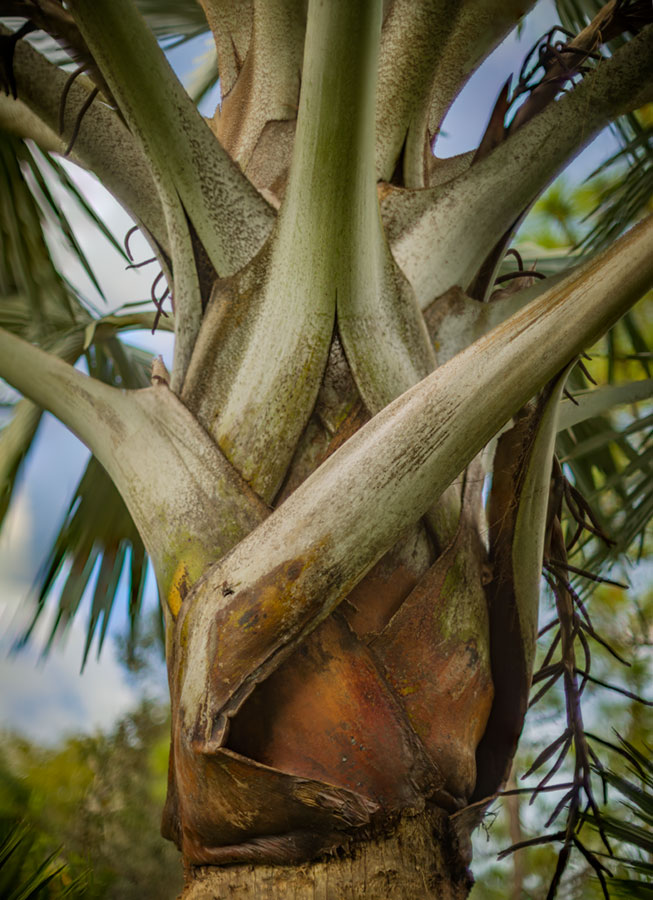
D800 55mm f/1.2
Palm Detail
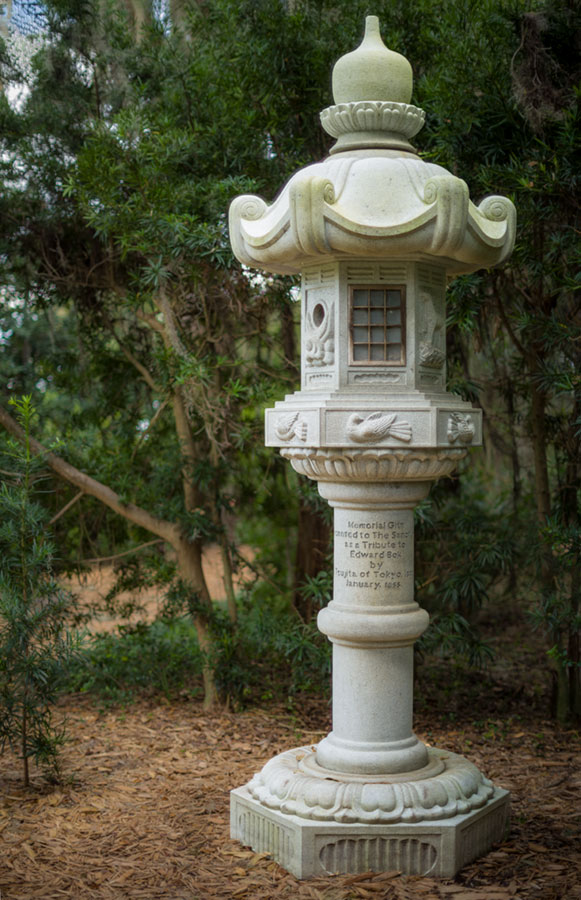
The Gift
D800 55mm f/1.2
 |
||
 -Jay- © HCE HCE 2021 |
||
|
Palm Detail
|
||
 -Jay- © HCE HCE 2021 |
||
|
The Gift
Oct 21, 2021 at 07:45 AM

p.1471 #2Manual Focus Nikon Glass
A couple from this morning's walk, this time with the 28mm f2.8 ais.
 DSCF6321 by T. Leighton Womack, on Flickr
 DSCF6317 by T. Leighton Womack, on Flickr
DSCF6321 by T. Leighton Womack, on FlickrDSCF6317 by T. Leighton Womack, on FlickrOct 21, 2021 at 07:50 AM
p.1471 #3Manual Focus Nikon Glass
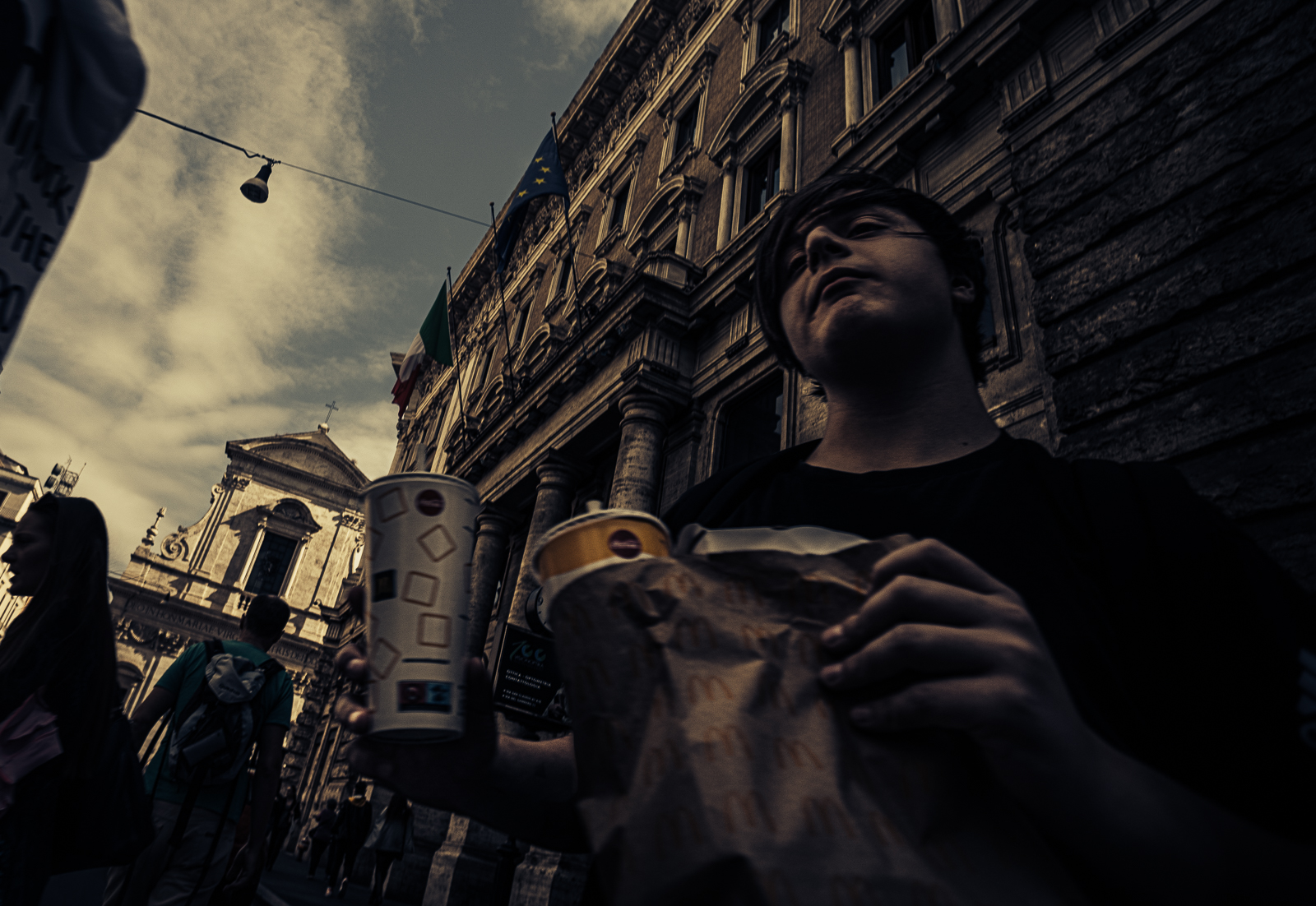
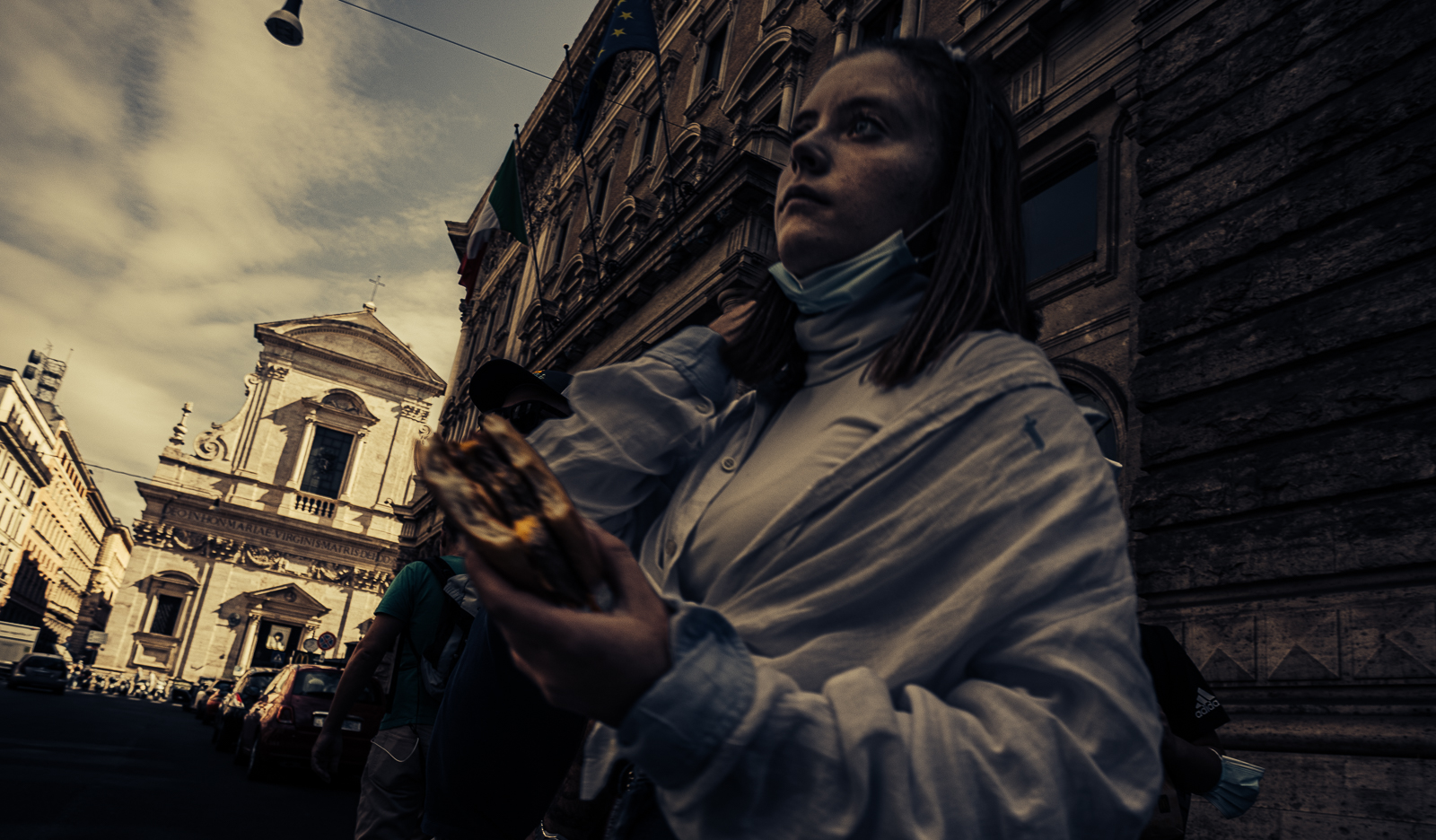
McDonalds in Rome - nikkor 18mm f3.5 and 50mm f1.4SC LTM
ben

ben
Oct 21, 2021 at 07:52 AM
p.1471 #4Manual Focus Nikon Glass
asiostygius wrote:
When it comes to good telephotos, focusing can make more of a difference than the lens themselves.
I believe that to be the case for the tests below, even with the high magnification finder of the Z6 focusing introduces more variability than the lenses. The old lens may have more chromatic aberration but the Z6 takes care of that.
on tripod, no IBIS. processing is copy paste, all the same. Aperture is 4.5. 100% on Flickr.
Which one is best for thsi distance and light? don't know, can't tell. Maybe the top left OOF in the nai H is uglier.
https://live.staticflickr.com/65535/51609849450_1b3aa36b02_h.jpgnikkor 300mm 4.5 K ED Z6 test_01_08 by Rafael Batlle, on Flickr
Lens identified in the file name
https://live.staticflickr.com/65535/51612734955_da707bb972_k.jpgnikkor 300mm 4.5 ED K z6 test 00 by Rafael Batlle, on Flickr
https://live.staticflickr.com/65535/51612506404_132cb95594_k.jpgnikkor 300mm 4.5 H NAI z6 test 00 by Rafael Batlle, on Flickr
https://live.staticflickr.com/65535/51612505369_c61c2d8f12_k.jpgnikkor 300mm 4.5 edif z6 test 00 by Rafael Batlle, on Flickr
https://live.staticflickr.com/65535/51611023592_4859eaab89_k.jpgnikkor 50-300mm 4.5 ed z6 test 00 by Rafael Batlle, on FlickrThe EDIF is my humble pic, just has a sharper output than the others, but its not over sharp like processing creates! Well done my friend! Thanks for taking the time to do this for us!I think you are right, the 300mm edif is a tad sharper than the others in this set, but in a natural way. The focus plane is slightly different and that maybe the reason one or the other is better, just don't know. Maybe at 50Mp with great technique these differences become very noticeable, for my photography any one of them would do.
The EDIF has such a low resistance when focusing that it seems to be on ball bearings, I do not like that because it is hard to keep it at the same focus setting, the lightest touch moves it. The more traditional focusing action of the others makes them better for me.
Jose's EDIF does not seem as good as mine, but his ED K may be better than mine. 'Sample variation'!
I will venture to say that at $90 for a H, $300 for EDIF, $500 for ED K/ai, and $500 for the 50-300mm ED, the winner is the H!
Or maybe if you divide the $500 of the 50-300mm into 50-85-105-135-180-200 and 300mm focal lengths, at $500/7 focal lengths = $71, the 50-300mm is the winner. Of course the 300mm ED K/ai is so rare it is the collector's winner, so forget the EDIF being a little better, it matters not. Definetively copy variation plays a role here: my ED non-IF is visibly better (sharpness, CA) than both my EDIF and H 4.5 models (not made a comparison yet with the 50-300/4.5).
Rafael, if you have the time or patience do a test for something with a flat plane and very contrasty to see at same time sharpness and CA.
Jose, I will repeat tests with this 300mm 4.5 lens set in different conditions, the palm test was a good test for central sharpness, contrast, and central edge acuity.
Certainly a flat plane test would give more complete results, also an infinity test and another against the sun would be meaningful.
Testing lenses is a rat hole, I only dare go there in this company.
Edited on Oct 21, 2021 at 09:21 AM · View previous versions
rafaelcasd wrote
AM4L wrote
rafaelcasd wrote
I hate testing good lenses. It is fun to test bad ones where you can easily point to the 'badness', or to look at the corners of a 16mm 3.5 compared to the poor 16mm 2.8 ais.When it comes to good telephotos, focusing can make more of a difference than the lens themselves.
I believe that to be the case for the tests below, even with the high magnification finder of the Z6 focusing introduces more variability than the lenses. The old lens may have more chromatic aberration but the Z6 takes care of that.
on tripod, no IBIS. processing is copy paste, all the same. Aperture is 4.5. 100% on Flickr.
Which one is best for thsi distance and light? don't know, can't tell. Maybe the top left OOF in the nai H is uglier.
https://live.staticflickr.com/65535/51609849450_1b3aa36b02_h.jpgnikkor 300mm 4.5 K ED Z6 test_01_08 by Rafael Batlle, on Flickr
Lens identified in the file name
https://live.staticflickr.com/65535/51612734955_da707bb972_k.jpgnikkor 300mm 4.5 ED K z6 test 00 by Rafael Batlle, on Flickr
https://live.staticflickr.com/65535/51612506404_132cb95594_k.jpgnikkor 300mm 4.5 H NAI z6 test 00 by Rafael Batlle, on Flickr
https://live.staticflickr.com/65535/51612505369_c61c2d8f12_k.jpgnikkor 300mm 4.5 edif z6 test 00 by Rafael Batlle, on Flickr
https://live.staticflickr.com/65535/51611023592_4859eaab89_k.jpgnikkor 50-300mm 4.5 ed z6 test 00 by Rafael Batlle, on Flickr
The EDIF has such a low resistance when focusing that it seems to be on ball bearings, I do not like that because it is hard to keep it at the same focus setting, the lightest touch moves it. The more traditional focusing action of the others makes them better for me.
Jose's EDIF does not seem as good as mine, but his ED K may be better than mine. 'Sample variation'!
I will venture to say that at $90 for a H, $300 for EDIF, $500 for ED K/ai, and $500 for the 50-300mm ED, the winner is the H!
Or maybe if you divide the $500 of the 50-300mm into 50-85-105-135-180-200 and 300mm focal lengths, at $500/7 focal lengths = $71, the 50-300mm is the winner. Of course the 300mm ED K/ai is so rare it is the collector's winner, so forget the EDIF being a little better, it matters not.
Rafael, if you have the time or patience do a test for something with a flat plane and very contrasty to see at same time sharpness and CA.
Jose, I will repeat tests with this 300mm 4.5 lens set in different conditions, the palm test was a good test for central sharpness, contrast, and central edge acuity.
Certainly a flat plane test would give more complete results, also an infinity test and another against the sun would be meaningful.
Testing lenses is a rat hole, I only dare go there in this company.
Edited on Oct 21, 2021 at 09:21 AM · View previous versions
Oct 21, 2021 at 09:15 AM
p.1471 #5Manual Focus Nikon Glass
Oosty wrote:
My 300 f4.5 ED IF s/n 237328 was made right towards the end of the production run of 28835 copies of this lens and has always been pretty good although I tend to use AF zooms for any wildlife etc.
This image was shot at f8 on my Z5 and there is just a touch of c/a on the left hand bloom although I had a lot on the D200 - maybe I'm able to focus better using focus peaking.
SOOC and a crop of the flower (a Watsonia)
https://live.staticflickr.com/65535/51614183123_766fe72351_b.jpgDSC_2334_DxO by Peter Oosthuizen, on Flickr
https://live.staticflickr.com/65535/51614836955_530304315d_b.jpgDSC_2334_DxO by Peter Oosthuizen, on Flickr
Peter, the D200 did not correct for CA, the D3 was the first Nikon camera to do so.
Oct 21, 2021 at 09:17 AM
p.1471 #6Manual Focus Nikon Glass
akul wrote:
I wish there were postcards this good Riccardo.
Thank you so much Luka. It's so kind of you
akul wrote:
Rome is ( with a deep sigh) beautiful.
Luka
Luka, Rome is waiting for you
Let's hope that in the next couple of years
i) the city could be more clean than today (it's ashamedly dirty!);
ii) COVID-19 will be over;
iii) you'll have bought a Z9
Oct 21, 2021 at 09:22 AM
p.1471 #7Manual Focus Nikon Glass
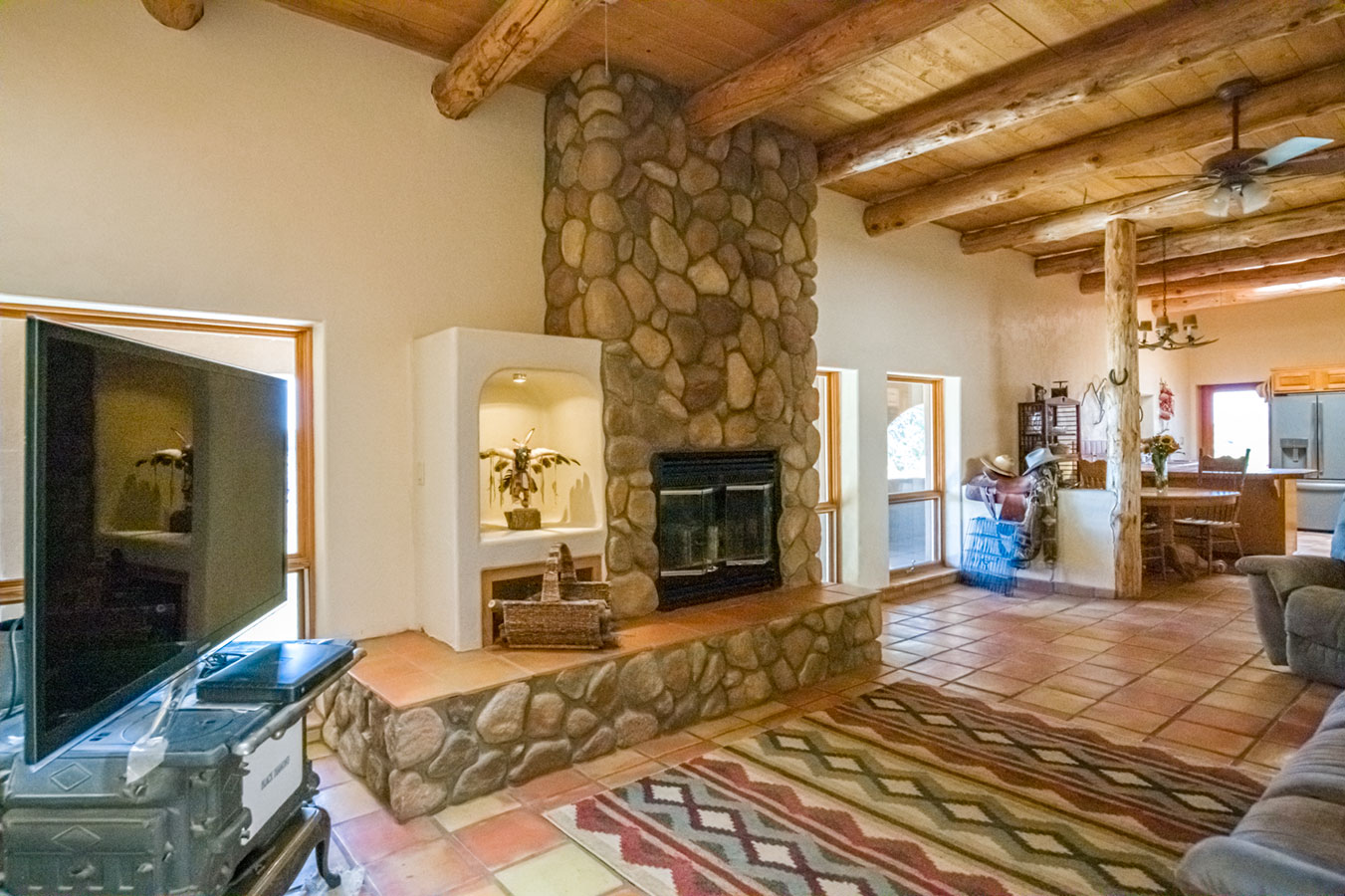
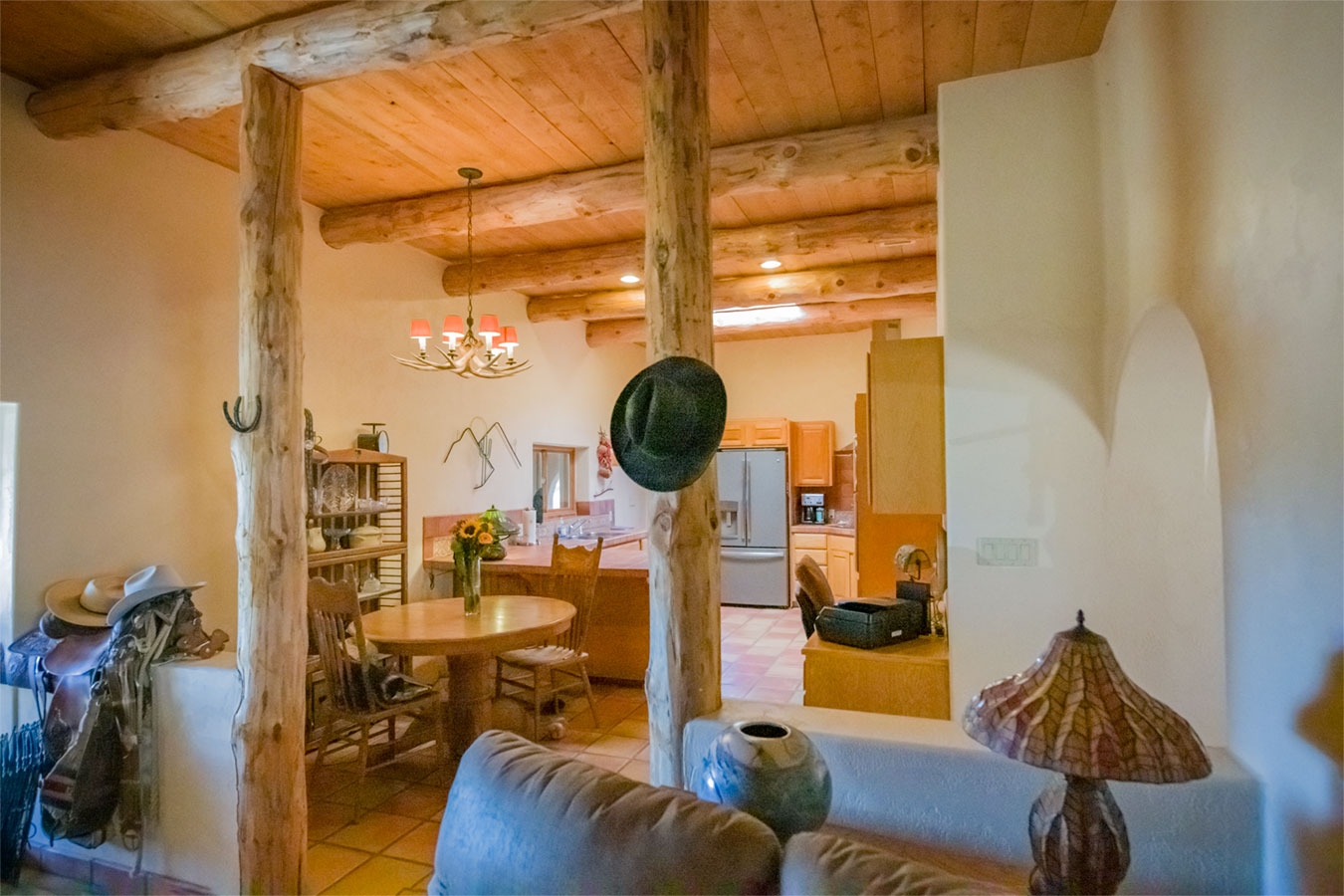
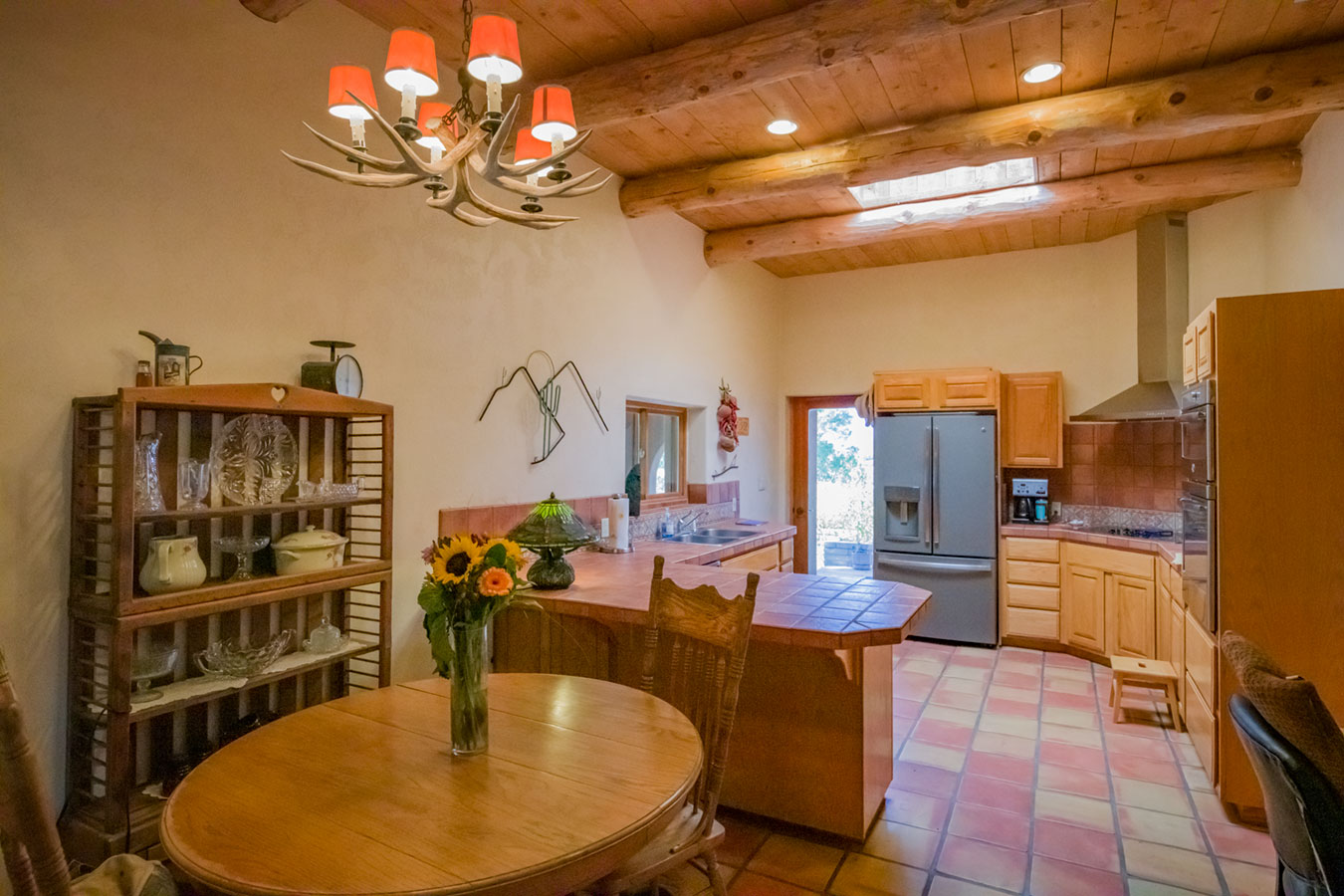
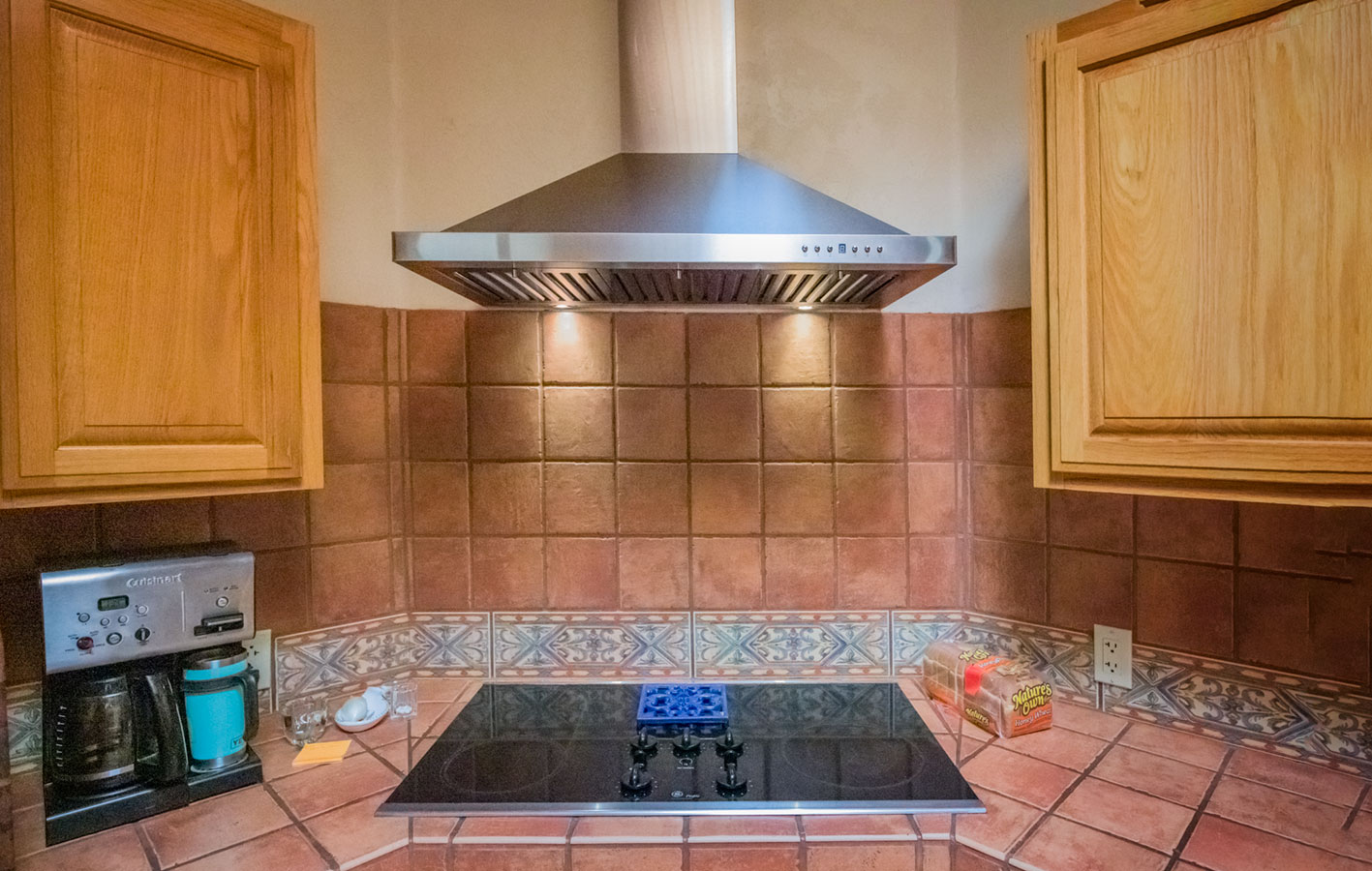
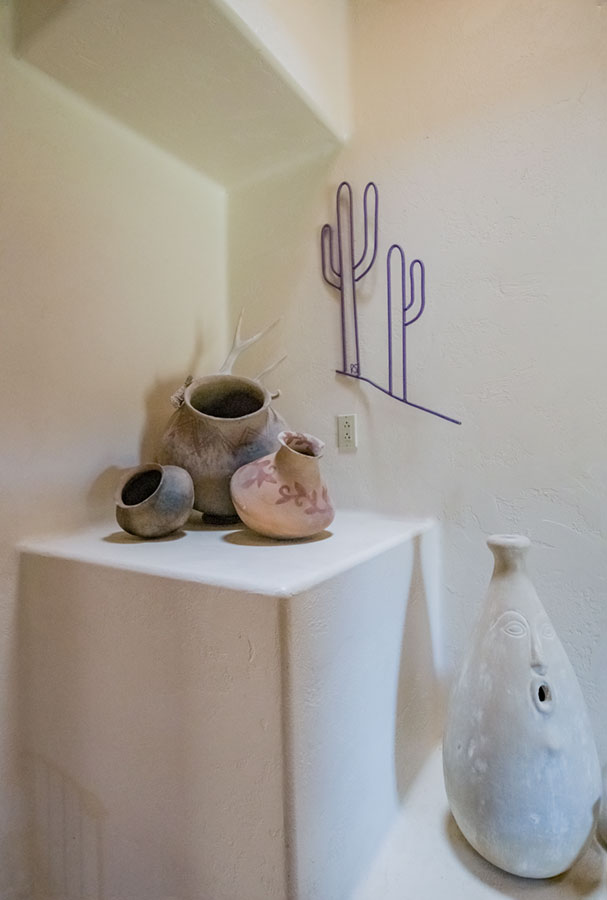
I'm not big on equipment tests but thought these photos of interest.
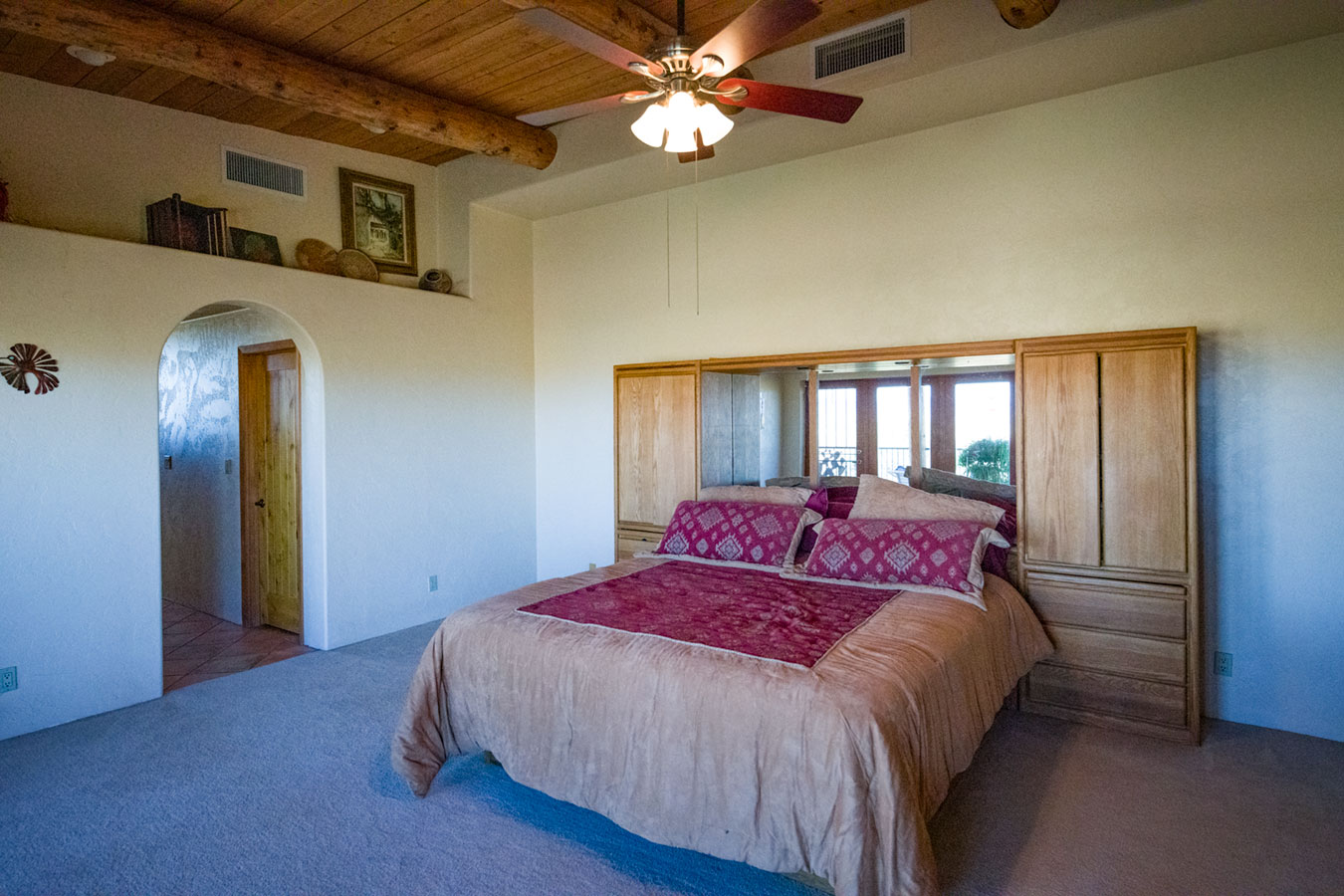
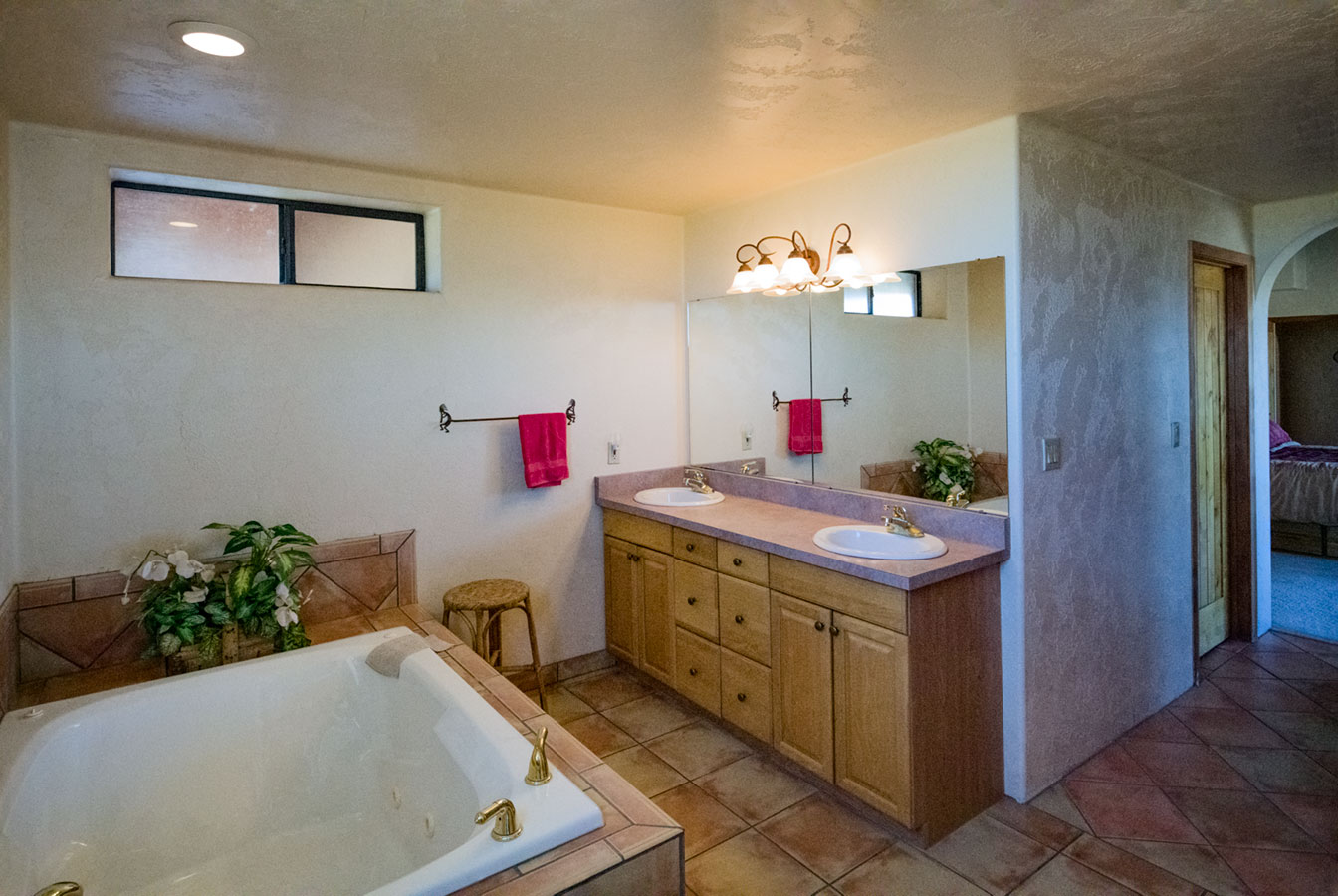
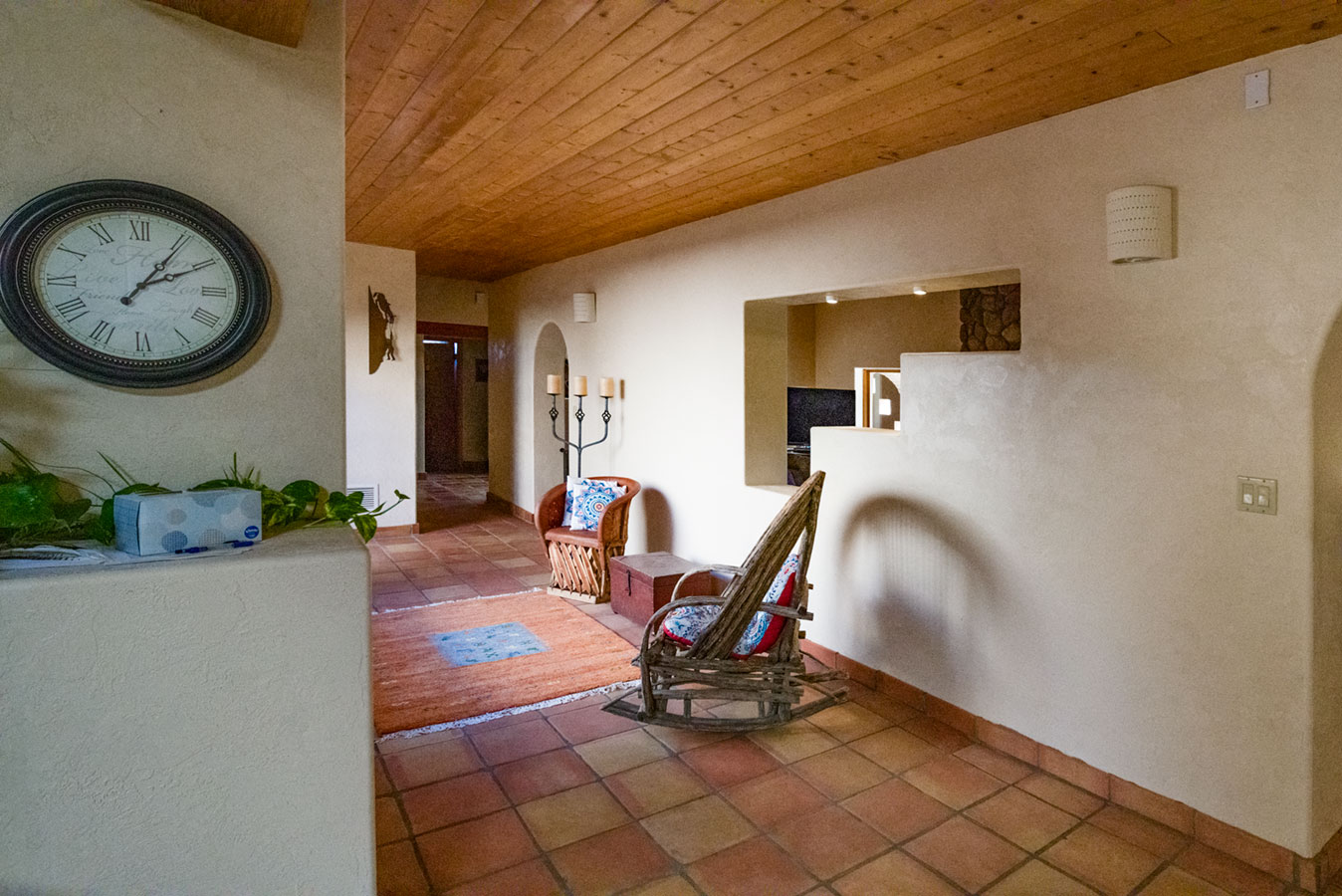
A neighbor's parents are buying a house and I was asked with 10 minutes notice to take some photos. These are all with the D850, 19mm PC-E and hand held, the ISO at times 25600.
If this were multi-media imagine 'I Wanna Be a Coyboy' playing.
Edited on Oct 23, 2021 at 09:26 AM · View previous versions
A neighbor's parents are buying a house and I was asked with 10 minutes notice to take some photos. These are all with the D850, 19mm PC-E and hand held, the ISO at times 25600.
If this were multi-media imagine 'I Wanna Be a Coyboy' playing.
 |
||
 -Jay- © HCE HCE 2021 |
||
|
|
||
 -Jay- © HCE HCE 2021 |
||
|
|
||
 -Jay- © HCE HCE 2021 |
||
|
|
||
 -Jay- © HCE HCE 2021 |
||
|
|
||
 -Jay- © HCE HCE 2021 |
||
|
Edited on Oct 23, 2021 at 09:26 AM · View previous versions
Oct 21, 2021 at 09:44 AM
p.1471 #8Manual Focus Nikon Glass
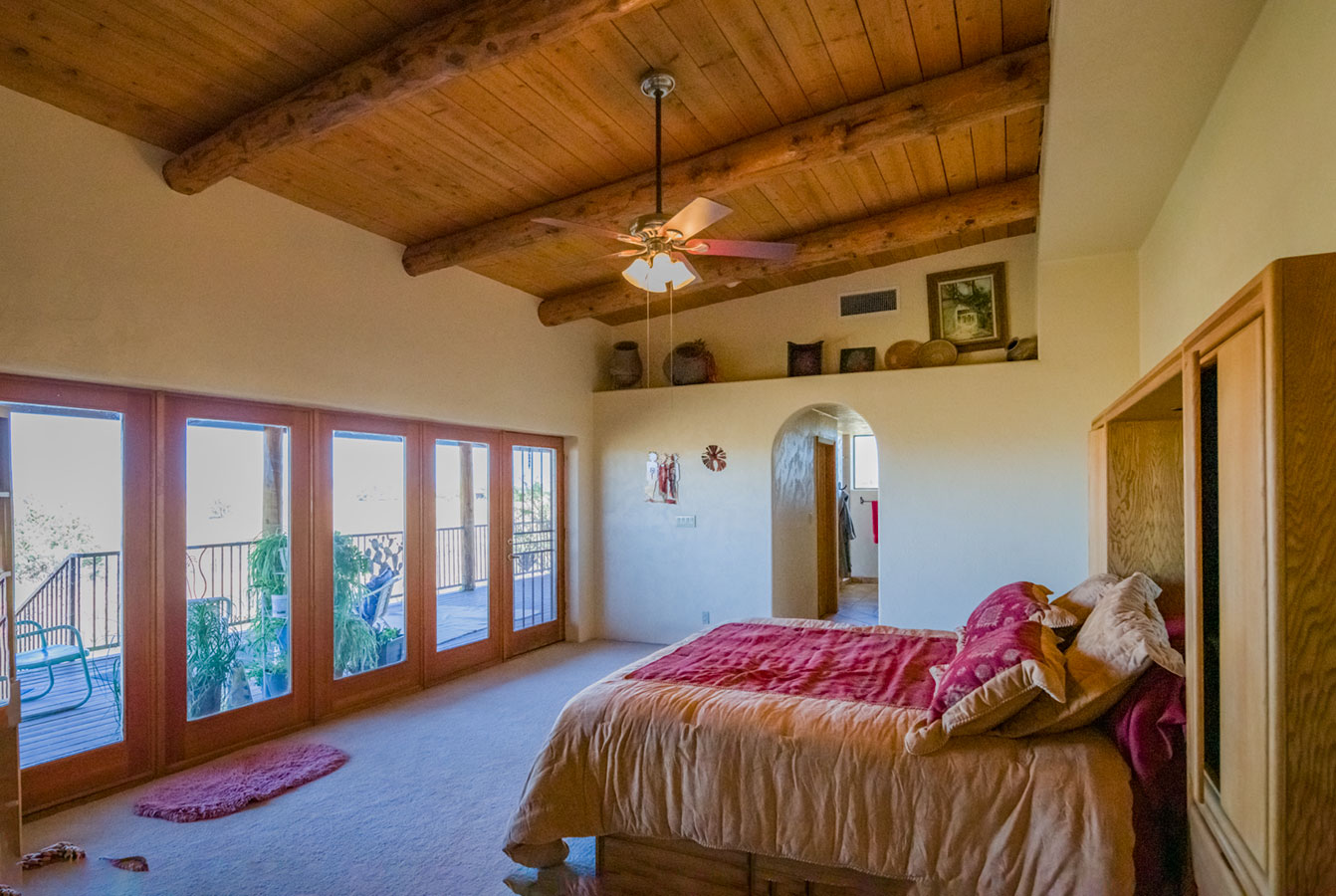
A few more...
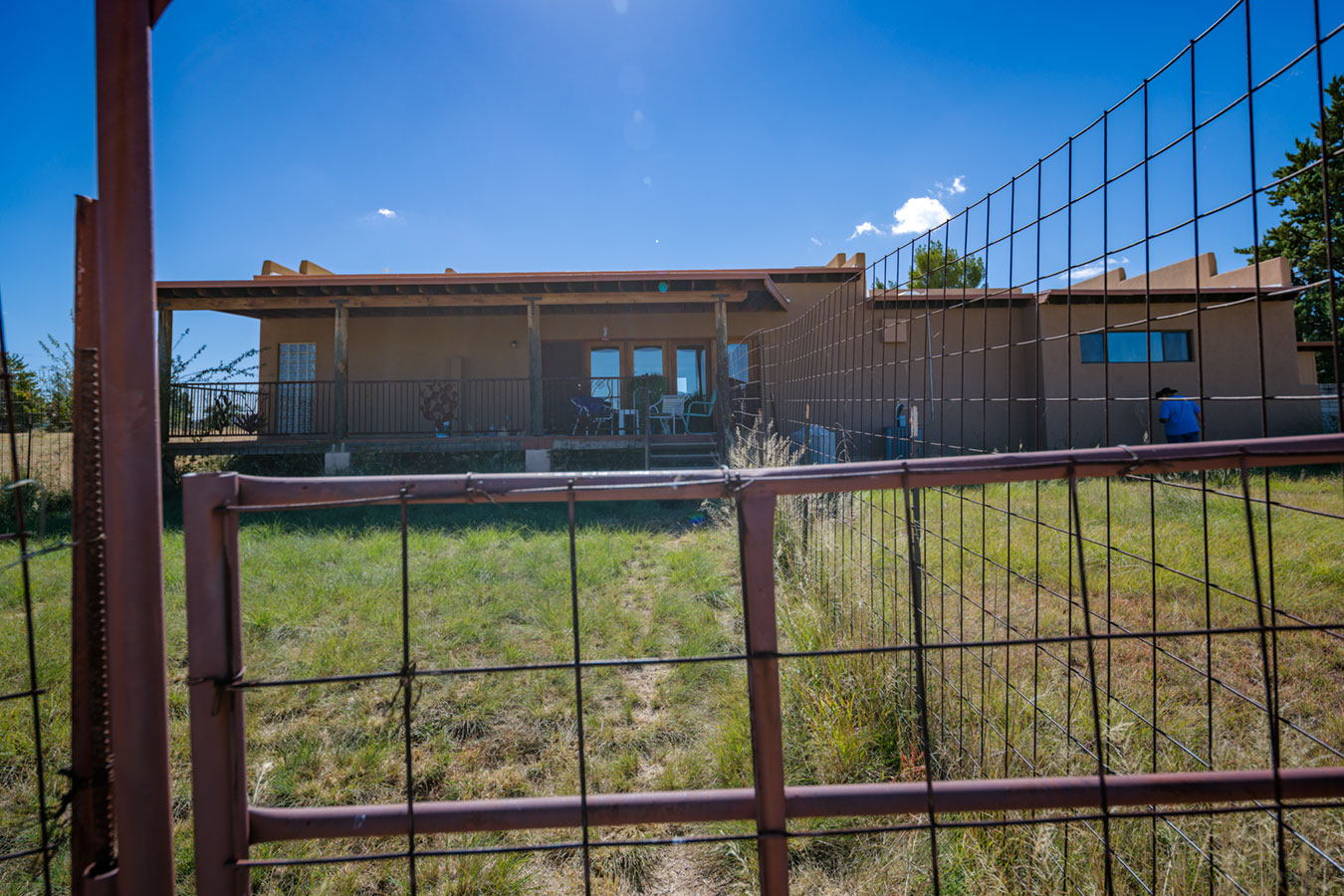
Horse Pen Outside Master Bedroom - note flare with sun just out of frame
|
||
 -Jay- © HCE HCE 2021 |
||
|
|
||
 -Jay- © HCE HCE 2021 |
||
|
|
||
 -Jay- © HCE HCE 2021 |
||
|
|
||
 -Jay- © HCE HCE 2021 |
||
|
Horse Pen Outside Master Bedroom - note flare with sun just out of frame
|
||
 -Jay- © HCE HCE 2021 |
||
|
Oct 21, 2021 at 09:50 AM
p.1471 #9Manual Focus Nikon Glass
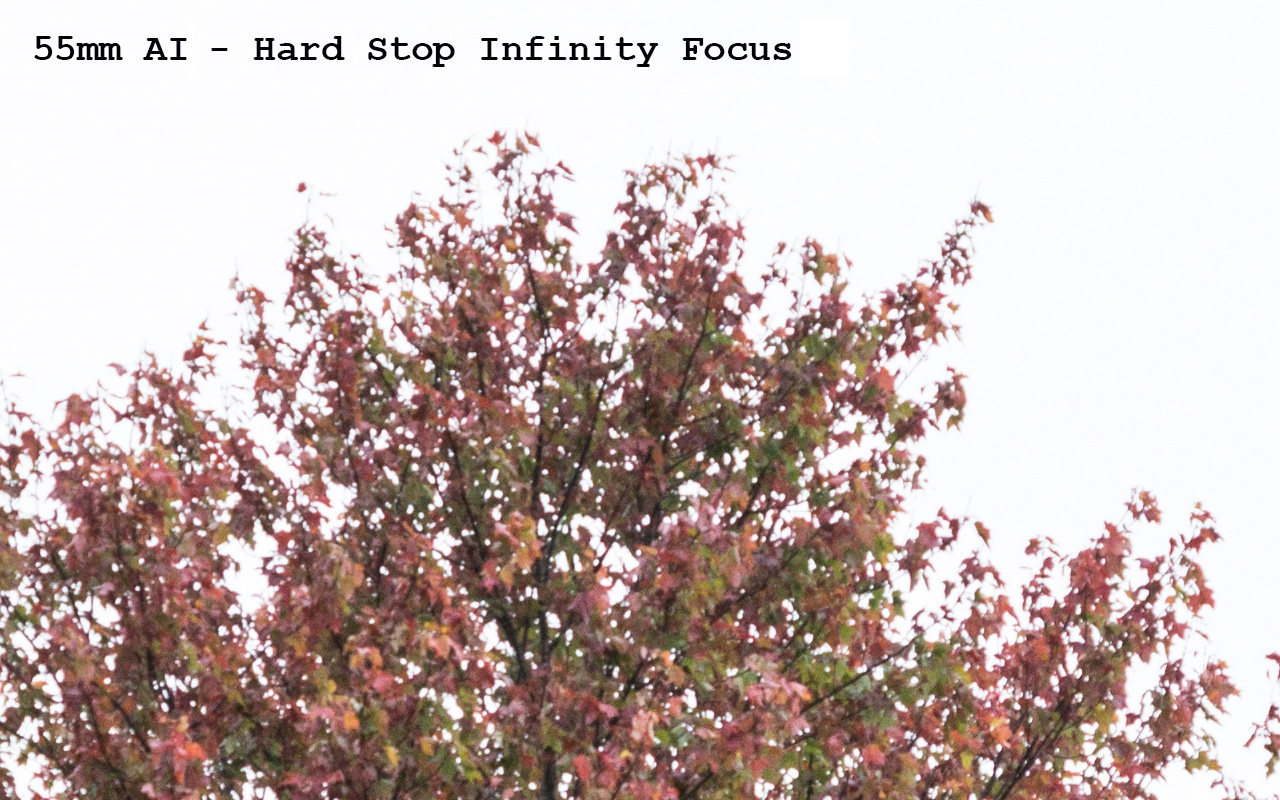
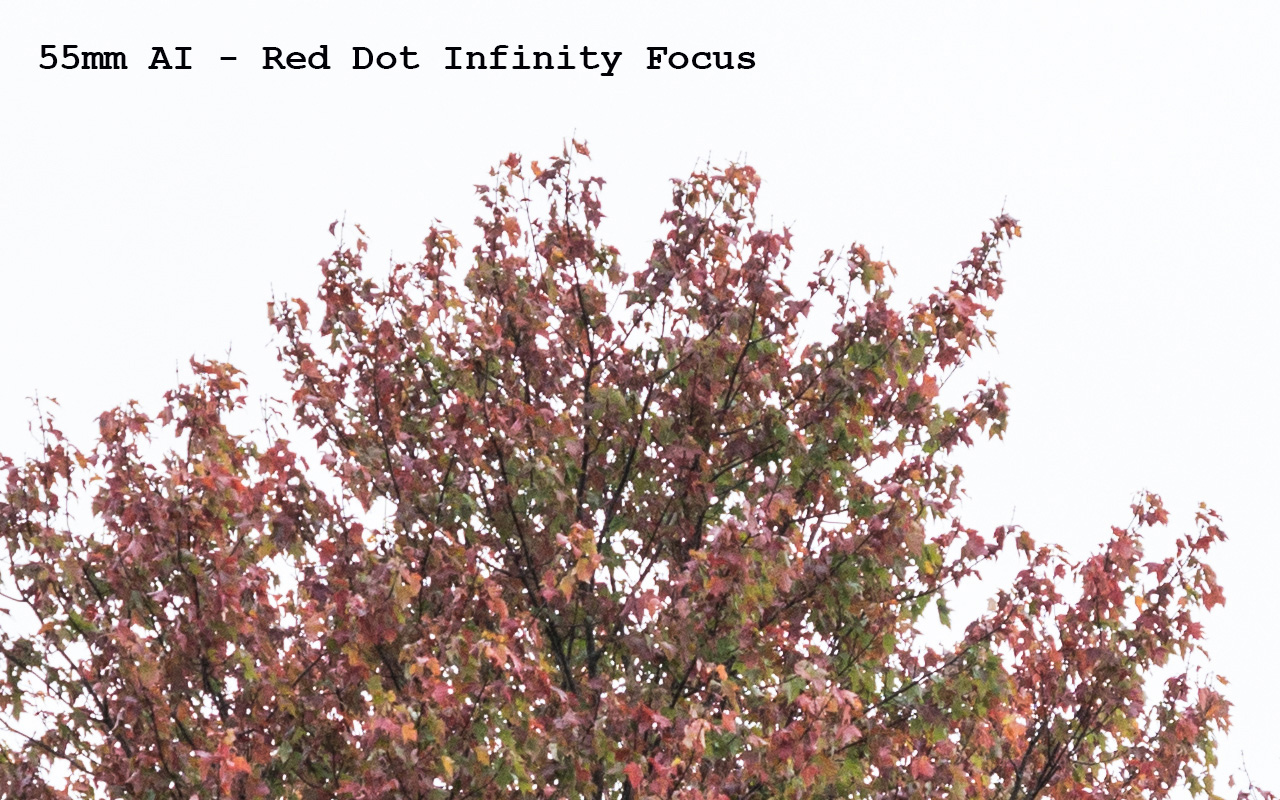
That did not go as expected. Even with no adapter shooting on the Nikon D800 the hard stop is not in focus, and the IR red dot is in better focus. Perhaps after 50 years of people slamming the lens into that hard stop it no longer is properly set. Lighting is very flat today, but you can see it for yourself.
55mm_f3.5_AI
55mm_f3.5_AI'd Nikkor P.C
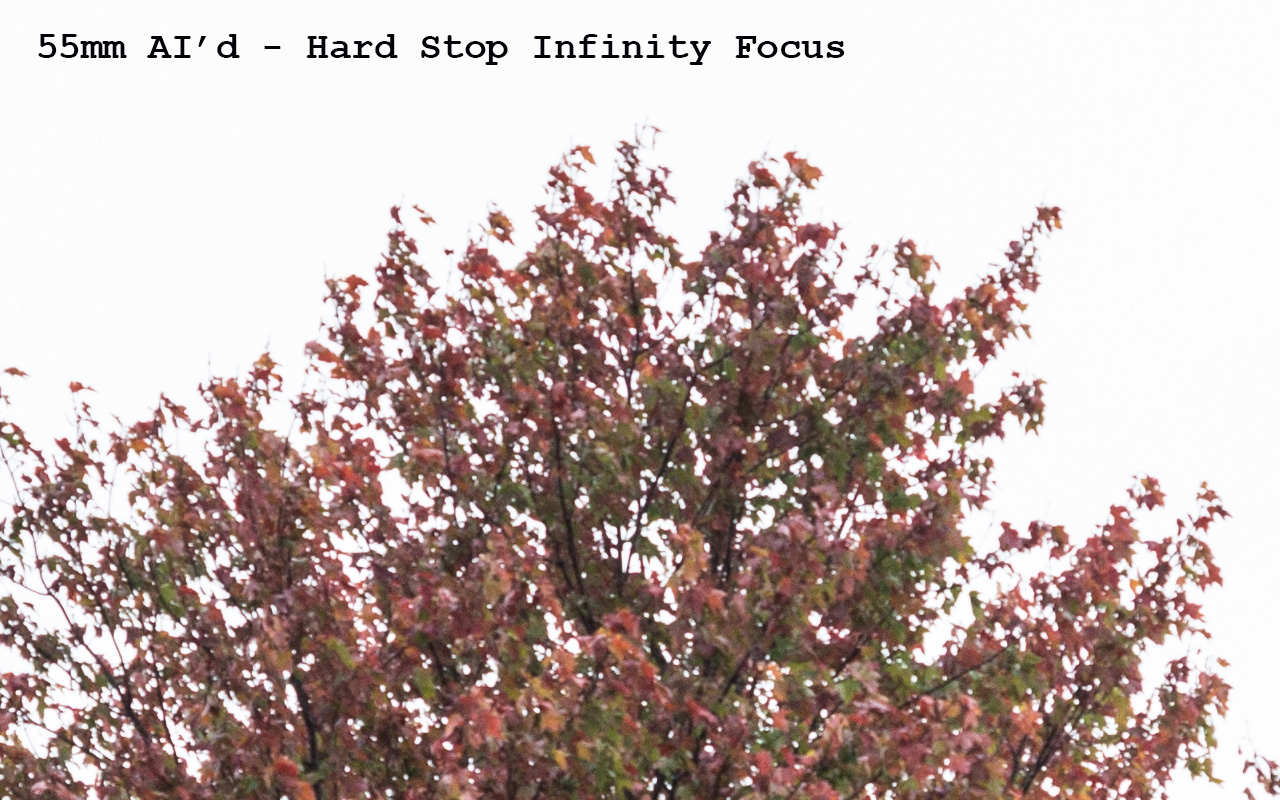
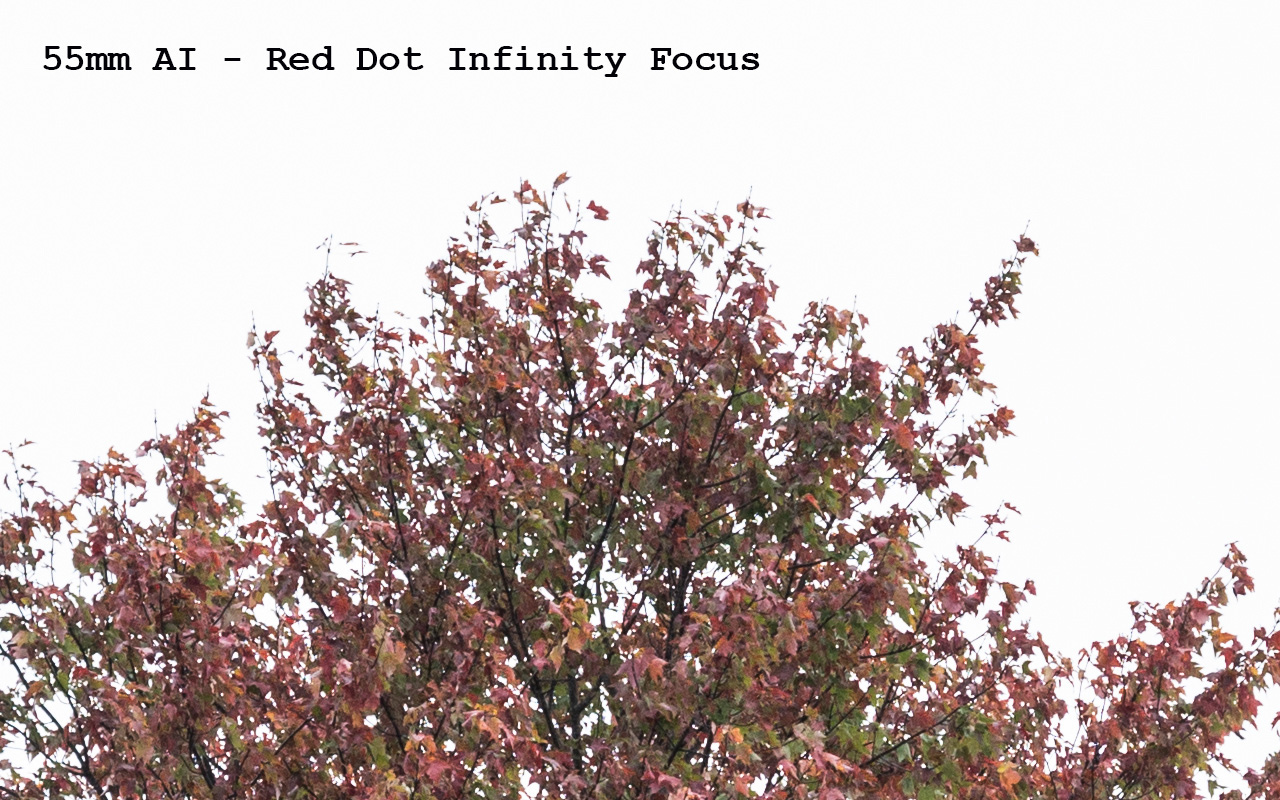
55mm_f3.5_AI
55mm_f3.5_AI'd Nikkor P.C
Oct 21, 2021 at 11:22 AM
p.1471 #10Manual Focus Nikon Glass
Scratching the head.
 Rufous-bellied Thrush scratching the head - 3 seconds sequence by Jose, on Flickr
Fujifilm X-S10 + adapter + Nikkor 300mm f/4.5K ED non-IF, hand held, ISO 2000, wide open at 1/500s. 31 & 38% cropped (8 & 10/26MP).
Edited on Oct 21, 2021 at 02:59 PM · View previous versions
Rufous-bellied Thrush scratching the head - 3 seconds sequence by Jose, on FlickrFujifilm X-S10 + adapter + Nikkor 300mm f/4.5K ED non-IF, hand held, ISO 2000, wide open at 1/500s. 31 & 38% cropped (8 & 10/26MP).
Edited on Oct 21, 2021 at 02:59 PM · View previous versions
Oct 21, 2021 at 01:26 PM
|
p.1471 #11Manual Focus Nikon Glass
James Markus wrote:
That did not go as expected. Even with no adapter shooting on the Nikon D800 the hard stop is not in focus, and the IR red dot is in better focus. Perhaps after 50 years of people slamming the lens into that hard stop it no longer is properly set. Lighting is very flat today, but you can see it for yourself.
55mm_f3.5_AI
http://www.photomatter.com/2021/55mm_f3.5_AI-7037_HardStopInfinity.jpg
http://www.photomatter.com/2021/55mm_f3.5_AI-7038_RedDot-IR-Infinity.jpg
55mm_f3.5_AI'd Nikkor P.C
http://www.photomatter.com/2021/55mm_f3.5_AI'd-7033_HardStopInfinity.jpg
http://www.photomatter.com/2021/55mm_f3.5_AI'd-7034_RedDot-IR-Infinity.jpg
I'll have to try this with my 2.8 version.
Oct 21, 2021 at 01:45 PM
p.1471 #12Manual Focus Nikon Glass
leighton w wrote:
A couple from this morning's walk, this time with the 28mm f2.8 ais.
https://live.staticflickr.com/65535/51614122066_373c22bfdd_c.jpgDSCF6321 by T. Leighton Womack, on Flickr
https://live.staticflickr.com/65535/51614772384_292c0a675a_c.jpgDSCF6317 by T. Leighton Womack, on Flickr
Really nice Leighton. Especially the first one. I looked at the larger version on Flickr and really like the composition with the fence line in the background.
Oct 21, 2021 at 02:14 PM
p.1471 #13Manual Focus Nikon Glass
James Markus wrote:
That did not go as expected. Even with no adapter shooting on the Nikon D800 the hard stop is not in focus, and the IR red dot is in better focus. Perhaps after 50 years of people slamming the lens into that hard stop it no longer is properly set. Lighting is very flat today, but you can see it for yourself.
55mm_f3.5_AI
http://www.photomatter.com/2021/55mm_f3.5_AI-7037_HardStopInfinity.jpg
http://www.photomatter.com/2021/55mm_f3.5_AI-7038_RedDot-IR-Infinity.jpg
55mm_f3.5_AI'd Nikkor P.C
http://www.photomatter.com/2021/55mm_f3.5_AI'd-7033_HardStopInfinity.jpg
http://www.photomatter.com/2021/55mm_f3.5_AI'd-7034_RedDot-IR-Infinity.jpg
And any tree is not "infinity" distance. If you have clear sky tonight give it a try shooting the full moon. When adjusting adapters that is what I always use to test. I realize you are testing both though.
George
Oct 21, 2021 at 02:20 PM
p.1471 #14Manual Focus Nikon Glass
GeorgeBo wrote:
https://live.staticflickr.com/65535/51614122066_373c22bfdd_c.jpgDSCF6321 by T. Leighton Womack, on Flickr
https://live.staticflickr.com/65535/51614772384_292c0a675a_c.jpgDSCF6317 by T. Leighton Womack, on FlickrReally nice Leighton. Especially the first one. I looked at the larger version on Flickr and really like the composition with the fence line in the background.
Thanks, I actually got lucky with this. I couldn't see it in the viewfinder very well because the sun was in my line of sight.
leighton w wrote
A couple from this morning's walk, this time with the 28mm f2.8 ais.https://live.staticflickr.com/65535/51614122066_373c22bfdd_c.jpgDSCF6321 by T. Leighton Womack, on Flickr
https://live.staticflickr.com/65535/51614772384_292c0a675a_c.jpgDSCF6317 by T. Leighton Womack, on Flickr
Thanks, I actually got lucky with this. I couldn't see it in the viewfinder very well because the sun was in my line of sight.
Oct 21, 2021 at 02:54 PM
p.1471 #15Manual Focus Nikon Glass
 DSC_3911 by Maryland Photos, on Flickr
Z6, NK 13.5cm f3.5 QC LTM version
Oct 21, 2021 at 03:27 PM
p.1471 #16Manual Focus Nikon Glass
18mm for closeup street Ben? Not something I could ever do. Medium to a bit longer telephoto is my comfort zone.
bruni wrote:
McDonalds in Rome - nikkor 18mm f3.5 and 50mm f1.4SC LTM
ben
bruni wrote:
McDonalds in Rome - nikkor 18mm f3.5 and 50mm f1.4SC LTM
ben
Oct 21, 2021 at 03:29 PM
p.1471 #17Manual Focus Nikon Glass
Excellent avian photography as always Jose. I had the PDF of your publication, will have to look for it again.
asiostygius wrote:
Scratching the head.
https://live.staticflickr.com/65535/51614854518_74d1a223e0_h.jpgRufous-bellied Thrush scratching the head - 3 seconds sequence by Jose, on Flickr
Fujifilm X-S10 + adapter + Nikkor 300mm f/4.5K ED non-IF, hand held, ISO 2000, wide open at 1/500s. 31 & 38% cropped (8 & 10/26MP).
Oct 21, 2021 at 03:30 PM
p.1471 #18Manual Focus Nikon Glass
Very cool real estate interiors with the 19 PC-E Jay.
HCE HCE wrote:
I'm not big on equipment tests but thought these photos of interest.
A neighbor's parents are buying a house and I was asked with 10 minutes notice to take some photos. These are all with the D850, 19mm PC-E and hand held, the ISO at times 256000.
If this were multi-media imagine 'I Wanna Be a Coyboy' playing.
Oct 21, 2021 at 03:32 PM
p.1471 #19Manual Focus Nikon Glass
George, If I ever get a clear night I will.
Jim
GeorgeBo wrote:
55mm_f3.5_AI
http://www.photomatter.com/2021/55mm_f3.5_AI-7037_HardStopInfinity.jpg
http://www.photomatter.com/2021/55mm_f3.5_AI-7038_RedDot-IR-Infinity.jpg
55mm_f3.5_AI'd Nikkor P.C
http://www.photomatter.com/2021/55mm_f3.5_AI'd-7033_HardStopInfinity.jpg
http://www.photomatter.com/2021/55mm_f3.5_AI'd-7034_RedDot-IR-Infinity.jpgAnd any tree is not "infinity" distance. If you have clear sky tonight give it a try shooting the full moon. When adjusting adapters that is what I always use to test. I realize you are testing both though.
George
Jim
GeorgeBo wrote:
James Markus wrote
That did not go as expected. Even with no adapter shooting on the Nikon D800 the hard stop is not in focus, and the IR red dot is in better focus. Perhaps after 50 years of people slamming the lens into that hard stop it no longer is properly set. Lighting is very flat today, but you can see it for yourself.55mm_f3.5_AI
http://www.photomatter.com/2021/55mm_f3.5_AI-7037_HardStopInfinity.jpg
http://www.photomatter.com/2021/55mm_f3.5_AI-7038_RedDot-IR-Infinity.jpg
55mm_f3.5_AI'd Nikkor P.C
http://www.photomatter.com/2021/55mm_f3.5_AI'd-7033_HardStopInfinity.jpg
http://www.photomatter.com/2021/55mm_f3.5_AI'd-7034_RedDot-IR-Infinity.jpg
George
Oct 21, 2021 at 04:15 PM
p.1471 #20Manual Focus Nikon Glass
I got started on this rabbit hole by Scott's (mp356) impressively sharp copy of the Nikkor 55mm f3.5 AI
which turned out to be a non AI that was factory AI'd. Additionally, it was the "P" version. Then Ken (Ballard) came along with another sharp non AI that had the tab filed off to AI it. My copy of the 55mm f3.5 is a late copy and was manufactured as an AI. It does wonderfully as a macro lens - which is what I always thought it was intended to do by Nikon. However, I was wrong. Nikon intended the 55mm f3.5 to be a good walk around normal lens that could shoot occasional macro images due to it's allowing a vast focusing range (9.5"-infinity), and it's spherical element(s).
The issue with my first AI copy is that I thought it wouldn't focus to infinity (it was actually focusing past infinity) - which, from what I have read, is a "factory or lab" setting done by Nikon during manufacture. It is suppose to be a hard stop on the focus ring. Though multiple people claimed this; it is not true on all three of my copies of the 55mm. One thing mentioned repeatedly is that the 55mm f3.5 AI is one of the sharpest lenses Nikon ever made, and that modern design and manufactured lenses don't seem to be any better. Another thing I was unaware of is the 55mm f3.5 cult status. Since I only spent $40 on my first copy of the AI, I decided to get the factory AI'd "NikKor P.C." (originally a non AI) of the 55mm f3.5. This is the last of the non AI line, and the first to introduce Coatings (hence the "C"). Below is just a sampling of what I found on the web. It may be a massive pile of BS, but what if half of it is true? My $78 dollar wonder lens is in the mail... and now I have it. It is the sharpest of the three.
So why do I want this lens? Some of Scott's landscapes with his copy of the 55 demonstrate amazing sharpness, flatness of field, edge-corner-and across the frame resolving of detail (like leaves on the trees on the horizon) that is perfect for a good landscape lens. I don't care if it is a macro lens if I can use it as a landscape lens. When I was trying to find the right lens for digitizing my color negatives my $40 55mm f3.5 AI was too sharp. It accentuated the film grains - where the Schneider Companon S enlarging lens held the sharp edges, and smoothed the grain. I was surprised a $40, 50 year old lens did so well, and how sharp it was even compared to modern lenses.
Here is a sample of the cult status of Nikon's 55mm f3.5 AI Micro lens
Micro Nikkor P.C 55mm f/3.5 Macro 1:1 Lens Review - "Perfect lens" (2012)
LINK HERE
Quote: "This a perfect lens, very,very sharp, macro ratio 1:1 it has wonderful color rendering and one of the best bokeh what I ever seen, believe me I saw pretty much.Optically perfect I can't imagine better lens"
Micro-Nikkor 55mm f/3.5 AI Review (2016) A George Lucas Star Wars story far beyond the Kubrick's epic science fiction film 2001: "A Space Odyssey" using the Nikkor 8mm f8 as a prop.
LINK HERE
Quote:"Did you know that this was the lens used to film the battle cruiser in the opening scene of the original Star Wars movie? George Lucas was after the maximum quality he could get, and he got it. They moved the lens over the model of the ship on a motor-driven slide, instead of moving the ship past the lens. It was filmed by Richard Edlund, who also created the opening scene for Star Trek, where the starship Enterprise whizzes past, and he worked on Raiders of the Lost Ark as well. Richard got several Oscars in his career, and was always a big fan of Nikon."
Micro-Nikkor 55mm f/3.5 AI MTF Performance (2020)
LINK HERE
Summary quote: "A true classic, the Micro-NIKKOR Auto 55mm f/3.5 is a great performer even on the latest Nikon DSLRs like D800. Its center performance is outstanding and while the mid-frame and corners suffer from field curvature a bit at the largest apertures, stopping down the lens to f/5.6 produces superb results across the frame."
Micro-Nikkor 55mm f/3.5 AI - A Nice History (2020)
LINK HERE
Quote: "As a Standard Lens
The big trick with the 55mm Micro Nikkor, and indeed all macro lenses of a standard focal length, is its ability to function effectively as both a macro lens and a standard lens. The 55mm macro is a lens type that’s made for people who want to make macro photos occasionally (or often) but who don’t want to spend big bucks on a dedicated lens for macro-only shooting, or for users who need to be able to shoot macro shots and then quickly shift to standard photos without removing and replacing a lens. In this way, the 55mm Micro Nikkor excels."
Micro-Nikkor 55mm f/3.5 AI - Coin Photography (year ?) (wish I knew about this lens before)
LINK HERE
Quote: "This lens produces very sharp and detailed images across the typical macro magnification range. Very good performance that few lenses significantly better in this magnification range."
Edited on Oct 21, 2021 at 05:40 PM · View previous versions
Oct 21, 2021 at 04:24 PM