CGrindahl wrote:
I'm curious how folks set up their 35-200 f/3.5-4.5 AI-s in the Non-CPU register. I'm under the impression that the choice made can have a difference in terms of metering. I expect that is especially so with a lens like this that doesn't have a constant wide aperture. I welcome guidance from folks who've used this or other Nikkor lense with variable aperture. This is an adventure for me.
Honestly Curtis, I never gave it much thought. I set it at 100mm f/4 only because I did not have any other 100mm lens and with that in the EXIF data I knew it was the 35-200 that I used to get the shot.
I never saw any exposure issues.
Edit: that was on my Df and D850. On the Z6 the Non-CPU information is used for IBIS for stabilization. And with that it does make a difference. So I would just turn off IBIS when using a manual focus zoom.
CGrindahl wrote:
I'm curious how folks set up their 35-200 f/3.5-4.5 AI-s in the Non-CPU register. I'm under the impression that the choice made can have a difference in terms of metering. I expect that is especially so with a lens like this that doesn't have a constant wide aperture. I welcome guidance from folks who've used this or other Nikkor lense with variable aperture. This is an adventure for me.
Curtis:
As a non-expert in these matters, I am not sure how valuable my input is.
I have been using this lens quite a bit since January. I wanted the EXIF data to be correct on my photos, so I restricted the focal lengths I used to those choices that are available in the non-CPU set-up menu. If I used a focal length listed on the barrel - say 50mm - then I set up the non-CPU lens data as a 50mm f3.5 lens. I stuck mainly to the focal lengths marked, but also estimated for ones like 70, 85 and 135, which are also options in the Df non-CPU lens. This method is prone to error, of course - especially when one changes the focal length and forgets to change the non-CPU entry.
If there is a better way, I am all ears, or should I say, "eyes"
PS - I should also note - I never use this lens wide open, so the default f3.5 setting always seems the match the observed f-stop on the lens to what is being displayed in the camera
Thanks guys. I know we're limited by the options available in the camera. It is with zoom lenses that we have a choice to make and then I do something close to what you do George, selecting a focal length/aperture combination not needed for a prime lens I use. It is the variable aperture that spins in my mind. I hadn't thought to use anything other that the widest aperture, but perhaps using f/4 is a useful compromise... between the two.
And Doug, I'm constitutionally incapable of using a lens without assessing its performance wide open since I love to isolate a subject. I know this lens is not expected to perform as well wide open as the more serious Nikkor lenses but I want to give it a go. Were I living where you do I'd likely be using this lens primarily for landscape shooting and then f/8 or higher would likely be my default setting. But there are always flowers to shoot...
I'd love to hear how Ken sets up his camera with this lens.
Of course you shoot wide open!
different horses for courses, different strokes for different folks; different lenses for ......hmmm.... what rhymes with lenses?
pbraymond wrote:
Good conversation about family and what started the photography interests.
Never really had an interest in photography until high school, but I remember the Yashica Twin Lens Reflex camera that my dad used to capture childhood memories. All this conversation had me going to *bay to look up Yashica TLR's. The Buy it Now pricing was enough to make me hesitate for something that would just sit on a shelf, that and I can't remember the exact model anyway. Thanks (I think) for stirring an almost impulsive purchase; definitely thankful for the stirring up of good memories.
I had a Yashica Mat 124 TLR right after high school but that was around 1970
It cost a little over $100 new back then
It was my second camera I also had a Minolta SRT 101 SLR
About a year later I traded them both for a Nikon F2 and I thought I was a pro
I know this is old news for most of the folks on this thread but it might be helpful for newcomers... though, of course, this link will be lost to everyone but Laura, our archivist...
No doubt the best way to learn about these things is to play with lenses and see what kind of results we get. This afternoon I'll put the 35-200 through its paces... and sorry I can't help you out with that rhyme Doug... you need a poet's dictionary... Here you go...
I know this is old news for most of the folks on this thread but it might be helpful for newcomers... though, of course, this link will be lost to everyone but Laura, our archivist...
No doubt the best way to learn about these things is to play with lenses and see what kind of results we get. This afternoon I'll put the 35-200 through its paces... and sorry I can't help you out with that rhyme Doug... you need a poet's dictionary... Here you go...
Though it could be argued that in terms of build quality, the manual focus lenses really ARE the Mercedes-Benzes of lenses... We'll give you all the credit Doug, whether you want it or not...
raboof wrote:
I lived near the Mekong Delta so there aren’t anything sophisticated. Just endless sea of rice fields. Sunset on these fields is something that I miss dearly. The winds make the waves and their shadows move under the last rays of light...my goodness. If I had a Nikon
Choung, thanks for sharing your story. Looks like some magnificent wood work. Talking about sunsets in the Mekong Delta, I was there in 2002, I traveled there for 6 days or so. One of the things I remember the most from that trip was the sunsets we had from a Hotel in Chao Doc facing the rice field's towards the cambodian border. Man, that was vivid. I wish I had some shots to share from there but most of it are packed down in a box somewhere and not shot with Nikon gear. I had a small compact Samsung film camera. Now I gotta find those old pics....
Since we are talking about peoples’ beginnings here, I’ll throw my lens cap into the ring – and hopefully get a 26 year old question of mine answered.
My first camera was some cheapo Agfa that I got for Christmas when I was 10 years old. I spent 7 of my formative years in England and when a junior in HS, went around Europe for a month with 2 US exchange students. One of them had a Nikkormat with the 80-200 zoom (1971). It wasn’t until I was 23 that I got my first “serious” camera (1977). I had just moved to Colorado from college and started backpacking. I needed a robust camera system. I found out that the husband of a colleague of mine repaired cameras for a living. He told me without a doubt get a Nikkormat. They are simple (less things to go wrong) and built like a tank. Once I had enough cash together (after getting a new stereo system!), I got a used Nikkormat with a 50mm HC f2 lens. I still have them both and continue to use that lens quite a bit on my Df. I also got a new, cheap Vivitar 24. Later I added an f2.8 35mm K-model (again relatively cheap). As I worked and accumulated wealth (like a couple hundred in the bank), I added a 55mm f2.8 micro and the 105 f2.5. Those served me very well for the better part of a decade. It was heavy lugging all that (and a Slik 500 tripod) around above treeline – but I was young and the choices were few. However, I never forgot that 80-200 – but jeez they were expensive!!
In 1994 I planned a 6 month trip to Ecuador. I wanted to simplify/upgrade my lenses for the trip. I now had enough cash to get a used Nikkor 24 (I got the f2 because for 20 years all I heard was faster is better) and thought it was finally time to consider the 80-200. However, when I got to the store this 35-200 was on sale and I heard a siren’s voice ‘buy me, buy me”. It made sense – I could cut down to just 2 lenses and sure that 35 end had to be better than my 35 f2/8 K. yes its big (754 g with both lens caps), but by replacing 3 – 4 lens, it would actually save weight. And – it had macro capabilities (well sort of). I used that lens quite a bit on that trip, but upon returning, I went back to my primes.
I have been shooting this lens again on my Df since January - just to get to know it again and do my own "evaluation". I have posted several of those here, along with some test shots last year. I had thought about doing a review – but I guess its lost on me. I am not going to do what Fred M does – endless shots at center, mid and edge at different f-stops, compare to other, well accepted "standards", check flare, CA, etc., etc. Don’t get me wrong – I love he does that – but I can’t.
And the 26 year old question? Well that is now for Curtis to figure out – how does the 35-200 compare to the 80-200? (obviously no contest between 35 - 79mm). Did I make the right or the wrong choice in 1994?
I’ll do a short review of my experience with the 35-200 by the end of the day (I hope)
I have bought and sold a couple of items in the last 5-8 years since I have been on this forum. But, the knowledge and generosity of its member base is what keeps brining me back. I drove ships of all manner and size for my profession and being out of touch like that so sporadically over the years makes it hard to keep track of much else than the local weather.
I do wish I had the tools I use today available to me for most of my career. The images I could have taken would have simply blown my mind if I had the ability to capture and process them while out to sea. I spent quite a bit of time driving in and out of Seattle in my early years. It is a not so small and and very tight-knit commercial boat community based there. In fact I had the opportunity to attend middle and high school with the Brothers Hansen who are now a semi famous crew on the cable show "The Deadliest Catch". Good times for sure.
I specifically remember a moment that I wish I could have captured on camera. I was bringing a one half million gallon fuel barge into a tiny little remote village in Glacier Bay, Alaska. It was called Pelican. The route into the village, which can ONLY be accessed by sea-plane or boat, was about a mile or two deep into the inlet from the bay. Long and narrow if memory serves. As we were bringing the barge into port we had a small sea otter that followed us all the way into the harbor. Sort of like an escort. It was swimming on its back most of the way in while opening shellfish on its belly and keeping a watchful eye on the strangers.
When we arrived in the harbor and the boat was secured to the pier I decided to do a bit of exploring while we were pumping their fuel and heating oil. About 100 feet down the pier, there was a Jeep Wrangler parked on the wooden dock with a garden hose in the back seat. Asking a local what this thing was doing parked in the middle of the boardwalk.......the response was a very simple, "Oh that thing, that is our fire department."
I will never forget how simple they made life all the way out there in the middle of nowhere.
I really need to find a pic of that cove online and see if it is still the way it used to be back in the early 90's. I know for a fact that Ketchikan is NOTHING like it used to be back then.
Now that I am retired, I have ample opportunity to trek out and find those special moments. Anyhoo..........I have another story that is CRAZY serendipitous that I will save for later, but for now...........
CGrindahl wrote:
Thanks guys. I know we're limited by the options available in the camera. It is with zoom lenses that we have a choice to make and then I do something close to what you do George, selecting a focal length/aperture combination not needed for a prime lens I use. It is the variable aperture that spins in my mind. I hadn't thought to use anything other that the widest aperture, but perhaps using f/4 is a useful compromise... between the two.
And Doug, I'm constitutionally incapable of using a lens without assessing its performance wide open since I love to isolate a subject. I know this lens is not expected to perform as well wide open as the more serious Nikkor lenses but I want to give it a go. Were I living where you do I'd likely be using this lens primarily for landscape shooting and then f/8 or higher would likely be my default setting. But there are always flowers to shoot...
I'd love to hear how Ken sets up his camera with this lens....Show more →
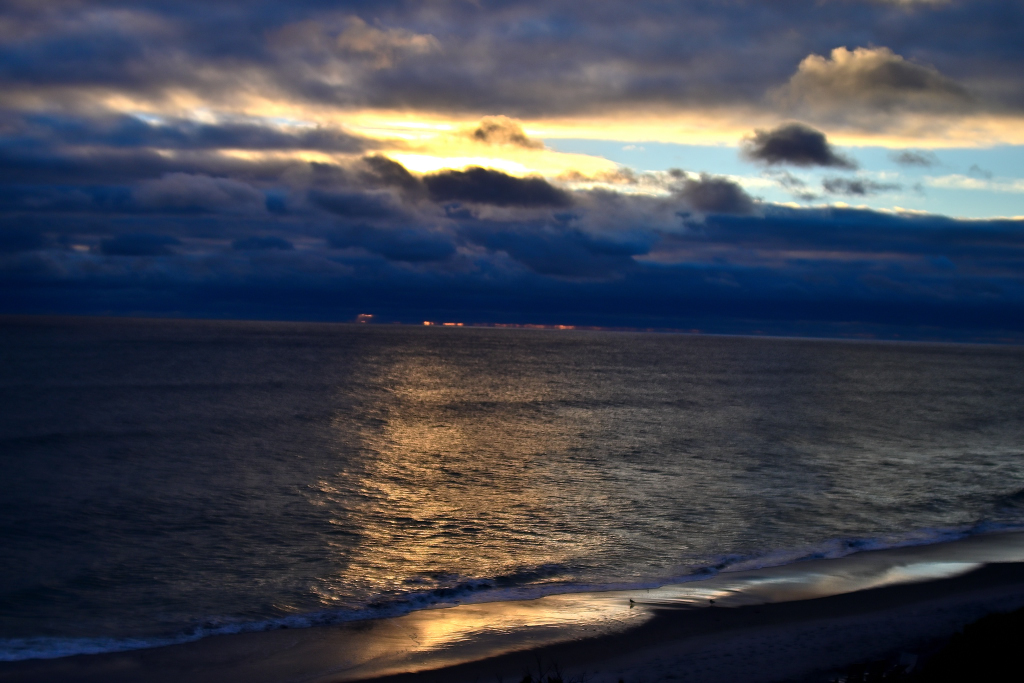
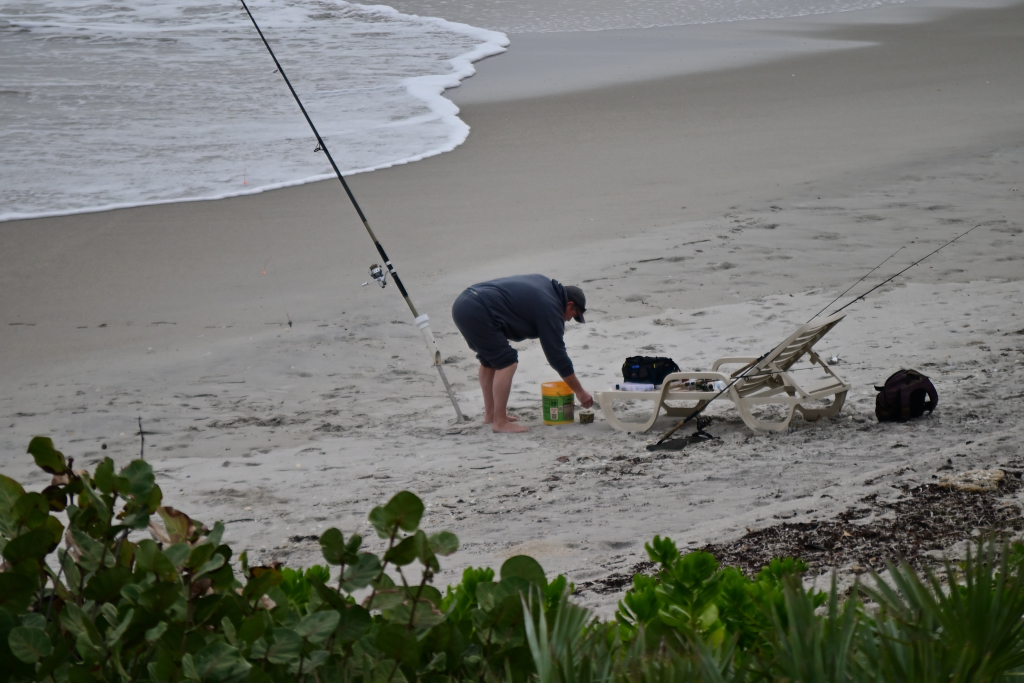
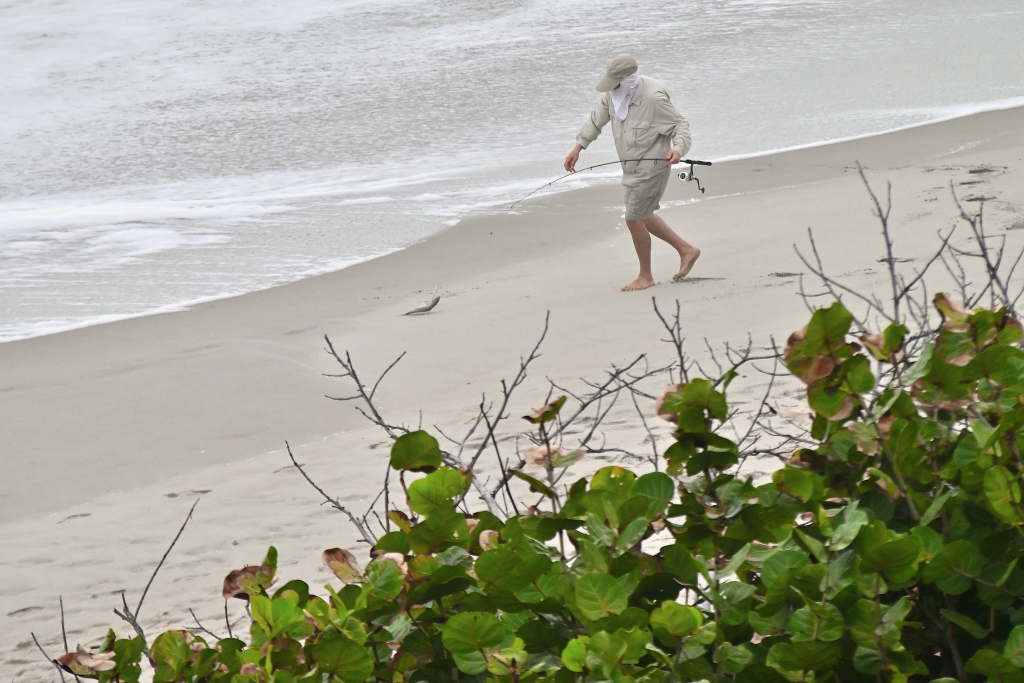
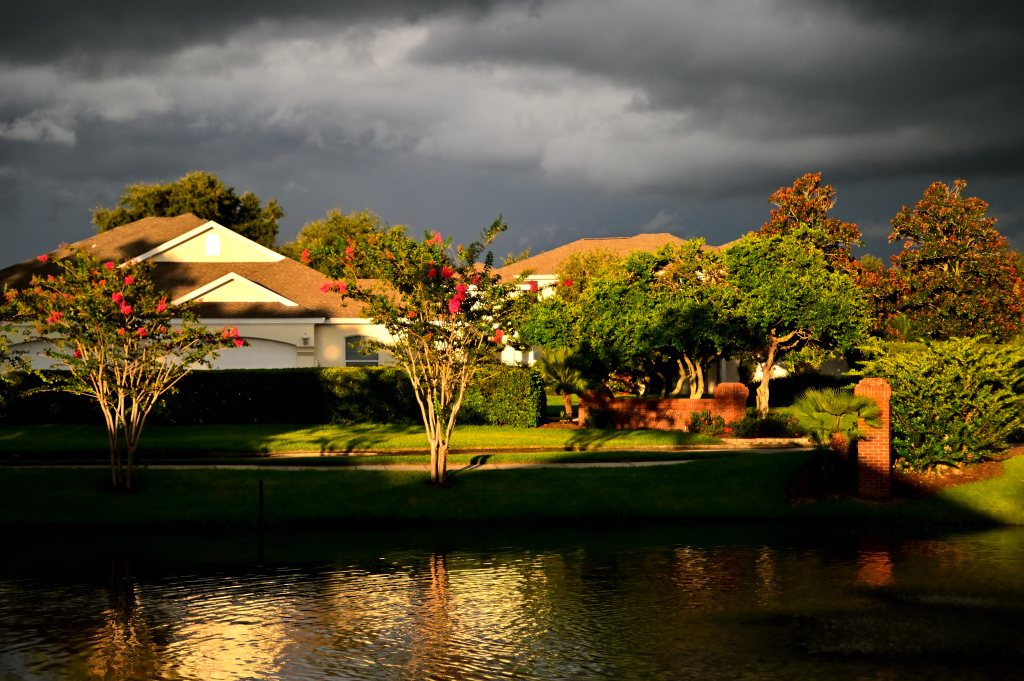
Curtis I have been fairly happy with the usual protocol of setting the to max FL and min aperture. For the most part I have had good results, Saying a picture is worth a 1000 words here are some example's of past photo's with the lens. Took a while to get samples that show off its capabilities in different light. Mostly I judge by crisp focus and the way a lens treats light. Not a pixel peeper but looking for a lens that enhances what the subject is, if only a bit.
Yes to woodworking and I’ve built tables, benches, cabinets and was offered a job making custom coffee tables etc for a woman that was a designer. She wanted to pay me an hourly rate and at the pace I worked she, or no one else could afford me. Typically I’d spend 12-15 hours on a 2 hour project.
Y’all got me thinking about my first Camera and I had opportunity to have some R&R going to Tokyo for a week. I told my GySgt I wanted a camera and he suggested a Nikon. I said why not Canon? He said they’re cheap because if you leave it on your dashboard it’ll melt. Not having the money for a Nikon and warned not to buy a Canon I got a Yashica Electro 35. It was a good camera.
That served me for twelve + years when walking into a JC Penney’s I saw an F2 amongst the point and shoots in the camera section. The sign on it said “clearance” and I made an offer. The clerk said “I’ll run it by my manager.” He called the next day and I got it along with a 35mm F?? lens. Later I got the 43-86 and the 55 1.2. The rest of the story. Well “Kit Building is Forever!”
Time to head out with the 35-200 f/3.5-4.5 AI-s. I'm really curious given the comments on offer. Ken, I can't imagine shooting landscapes wide open, so I won't try to assess your experience. I'll definitely do some flowers wide open though so I can assess performance there. It should be fun.