rscheffler
Offline
• • • • • •
Upload & Sell: Off
|
 p.933 #1 · Leica M/X/T/S/Q/CL/SL Picture Thread p.933 #1 · Leica M/X/T/S/Q/CL/SL Picture Thread | |
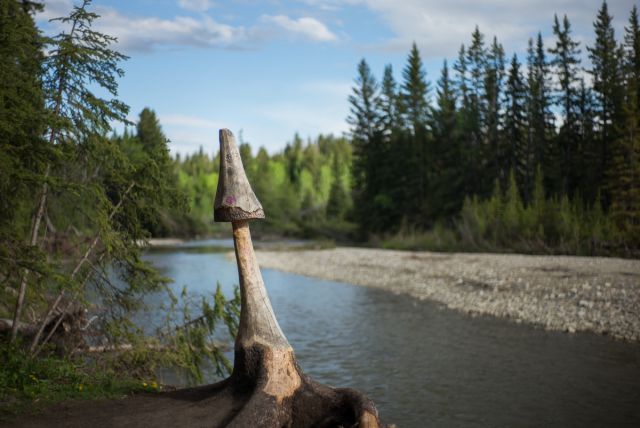
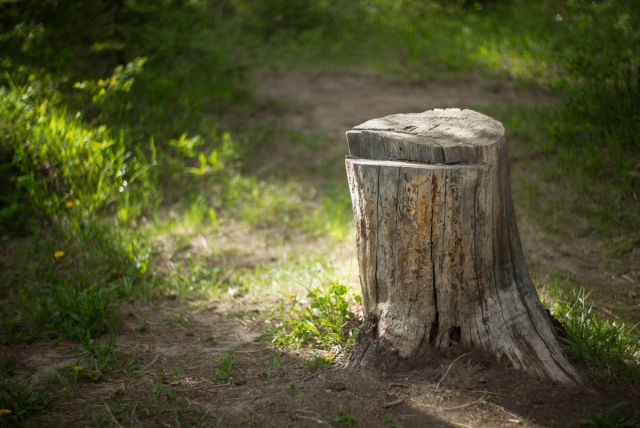
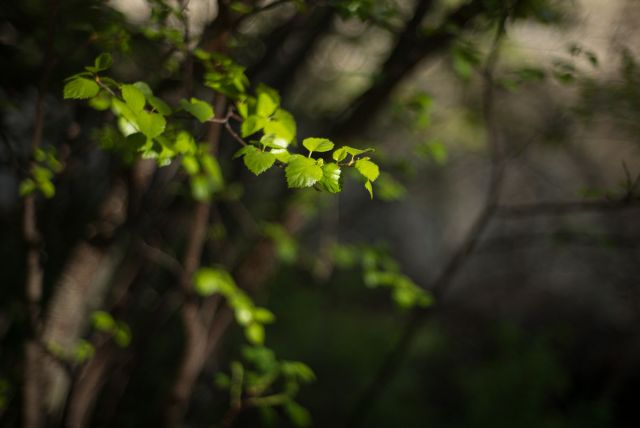
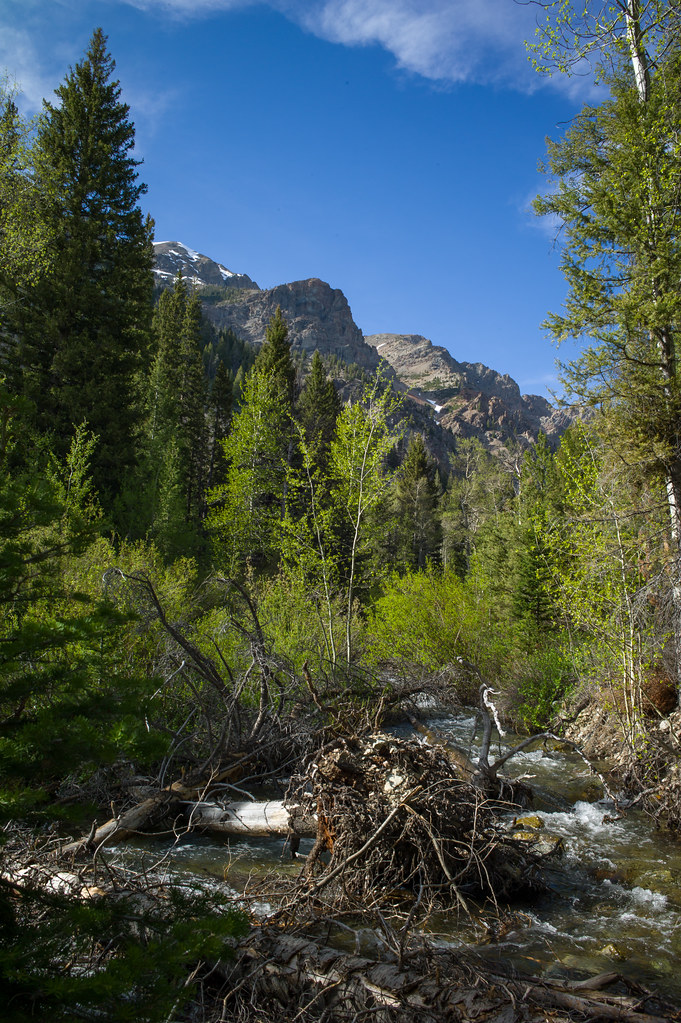
Katie - 1, 2, 5 for me. Love how you were in the right place at the right time for that shaft of light!
Gary - Man that ZM25 looks great. I briefly tried one and was really impressed by it (which I may have already mentioned). What are your thoughts on it vs. the 21 SEM?
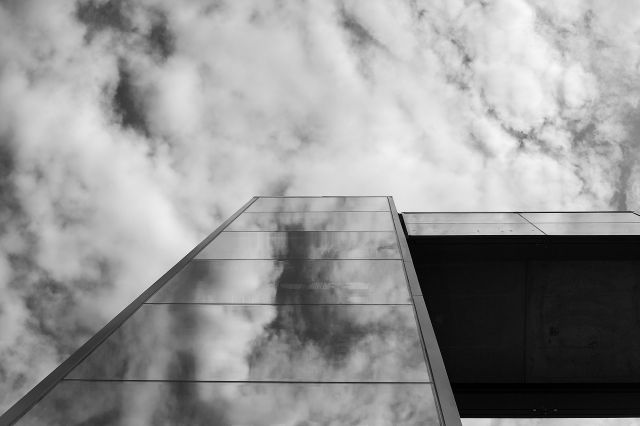
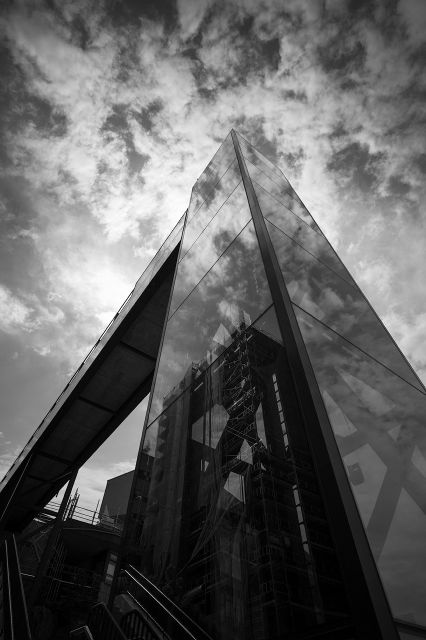
Allen - very nice that you can shoot B&W for jobs (assuming it was a job). He does look familiar, but I haven't watched that show...
Joakim - I agree with Gary, the tones look great in that image.
ricardovaste wrote:
No, I do follow Adam, they're commonly called the "corpse fruit" or something to that effect, aren't they?
I have used a small film RF camera for years as a personal camera. Stopped using it around a year ago, in favour of the RX1. But I've been reflecting recently and just haven't enjoyed using it so much, despite it being technically very capable. The M9, although damn old now, might fit quite well. Maybe. Who knows...
The files on imaging resource look very good, but they're all ISO160. Would be good to have some ISO800 and 1600 DNG files.
Funny you should ask here, because I just posted this in the "Leica starter kit" thread where you were also participating:
Regarding the M9 and higher ISOs... while grain tends to be a bit chunkier than current DSLR/mirrorless cameras, as Mike's examples show, it depends a lot on the quality of the light too. If it's a good broad spectrum light, you'll get good colors and relatively easy to handle files. If it's weird and/or mixed light, you might run into some trouble with odd, difficult to correct color casts.
Another aspect of the M9 and higher ISOs is that there really is very little benefit to setting higher ISOs in camera if you're shooting DNGs. This has been examined on various forums and also very carefully in controlled tests by Jim Kasson. Kasson's findings were that ISO 640 is about the highest in camera ISO setting where there remains a very slight edge compared to shooting at base ISO (160) and pushing the DNG in post. Beyond ISO 640, one is better off to leave the camera set at that ISO, or lower, and push the files in post. The general rule is to try to get the right exposure in-camera at the lowest ISO possible, but if it isn't feasible, set the shutter/aperture combination you need at push the file later. Due to the better noise reduction options in current software, you'll get better results than what the camera can provide directly. Another benefit to this approach is if you're in a situation where light intensity is somewhat variable and difficult to predict. Generally one would set a higher ISO to be on the safe side. Leaving the M9 at ISO 640, or lower, means you can individually push files just the amount each one needs. And depending on the conversion software, you could apply exposure tweaks to local areas of an image while leaving other areas, such as brighter spots that look good at the shot ISO. If you had instead set a higher ISO in camera, maybe the subject would be exposed OK, but those brighter areas might be blown out. And because the M9 is quite intolerant to blown highlights, you wouldn't be able to recover them in the manner that would be possible by pushing underexposed file selectively in post. The only benefit to shooting higher ISOs in camera is if you really need to review images on the camera's display, or must shoot Jpeg.
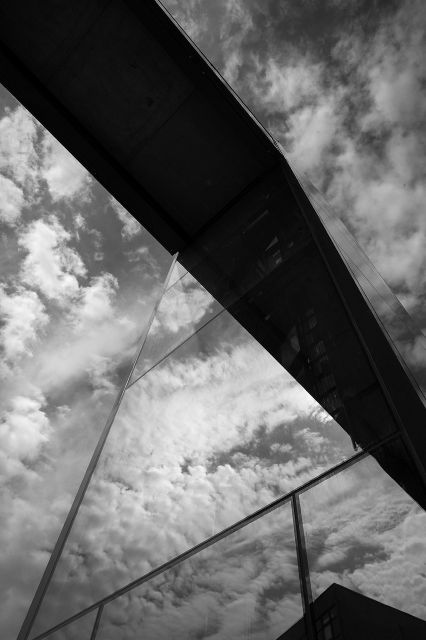
Additionally, if you're doing B&W conversions.... I simply desaturate to 100% in Lightroom, then after that, push the WB and tint sliders around a bit to tweak the tones. Then apply contrast, curve, clarity, etc... I find it also helps to get better, sharper grain by setting chroma NR to zero for B&W conversions. If you leave the chroma NR at a higher value, the grain will take on a waxier look.
|