Leica M/X/T/S/Q/CL/SL Picture Thread
p.1381 #1Leica M/X/T/S/Q/CL/SL Picture Thread
I thought that I would elaborate on the concept I wrote about above — of two intersecting circles of film and digital rendering characteristics: the area of overlap (i.e., common properties between the two), in my mind, is very large — and on either side is a small crescent: in the crescent on the left are the properties unique to film and on the crescent on the right the properties unique to digital. So, for me, the unique properties of film are a very narrow crescent, represented by the dark landscape that I posted (and by the film street portrait, also dark). Because I am right now interested by that dark vision, it seems worthwhile to shoot film. The downside, for me, is that often, when I shoot a highly detailed shot with film, I get something that would have been better done with, say, my M-Monochrom. I should add that I'm not up to shooting both film a digital — I'd rather go with "binges" of, say, 6-12 months of each.
The following three shots are, to me examples, of film shots, with a high level of detail, that would work better with my M-Monochrom. Any thoughts?
The three shots were taken at Dan Sing Khon, a Thai border town at the Singkhon Pass (Maw Daung in Burmese), across the Tenasserim Hills on the border between Thailand and Burma. The pass is close to the narrowest point of Thailand in Prachuab Kiri Khan Province. It has a brace of little shops selling jewelry, souvenirs and orchids from the adjacent Burmese forest, illegal in Thailand.
The third shot, of the bicycles: Not sure why these rusted old bikes are on sale. Who would buy them? But it was so hot and humid that I didn't have the energy to ask.
M6 | Tri-X @ 400 | Summicron-35v4 | Stand development in Rodinal

Dan Sing Khon
M6 | Tri-X @ 400 | DR Summicron-50 | Stand development in Rodinal

Dan Sing Khon
M6 | Tri-X @ 400 | DR Summicron-50 | Stand development in Rodinal

Dan Sing Khon
_______________
http://www.burnmagazine.org/essays/2016/05/mitch-alland-alone-in-bangkok/%22]Alone in Bangkok essay on BURN Magazine[/URL]
The following three shots are, to me examples, of film shots, with a high level of detail, that would work better with my M-Monochrom. Any thoughts?
The three shots were taken at Dan Sing Khon, a Thai border town at the Singkhon Pass (Maw Daung in Burmese), across the Tenasserim Hills on the border between Thailand and Burma. The pass is close to the narrowest point of Thailand in Prachuab Kiri Khan Province. It has a brace of little shops selling jewelry, souvenirs and orchids from the adjacent Burmese forest, illegal in Thailand.
The third shot, of the bicycles: Not sure why these rusted old bikes are on sale. Who would buy them? But it was so hot and humid that I didn't have the energy to ask.
M6 | Tri-X @ 400 | Summicron-35v4 | Stand development in Rodinal
Dan Sing Khon
M6 | Tri-X @ 400 | DR Summicron-50 | Stand development in Rodinal
Dan Sing Khon
M6 | Tri-X @ 400 | DR Summicron-50 | Stand development in Rodinal
Dan Sing Khon
_______________
http://www.burnmagazine.org/essays/2016/05/mitch-alland-alone-in-bangkok/%22]Alone in Bangkok essay on BURN Magazine[/URL]
Dec 03, 2016 at 03:07 AM
p.1381 #2Leica M/X/T/S/Q/CL/SL Picture Thread
All with the ZM 25/2.8
 L1001148 by edward karaa, on Flickr
 L1001163 by edward karaa, on Flickr
 L1001168 by edward karaa, on Flickr
 L1001135 by edward karaa, on Flickr
L1001148 by edward karaa, on FlickrL1001163 by edward karaa, on FlickrL1001168 by edward karaa, on FlickrL1001135 by edward karaa, on FlickrDec 04, 2016 at 09:45 AM
p.1381 #3Leica M/X/T/S/Q/CL/SL Picture Thread
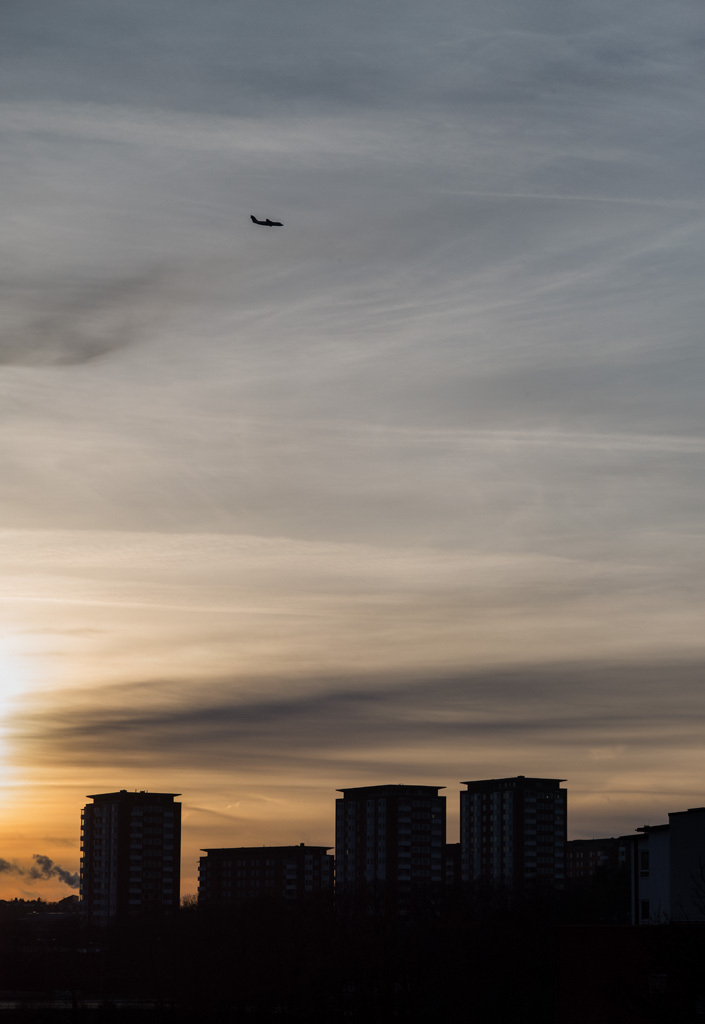
Cityscape. S-006 and 120 APO Summarit.
Dec 04, 2016 at 12:25 PM
p.1381 #4Leica M/X/T/S/Q/CL/SL Picture Thread
Mitch Alland wroteThe following three shots are, to me examples, of film shots, with a high level of detail, that would work better with my M-Monochrom. Any thoughts?
It's only my 2c. and there are far wiser heads than mine here that could give more informed answers but... since you asked
In your examples, the subject(s) seem 'clear enough' to my eye, the medium seems irrelevant. The 'level of detail' plays absolutely zero role for me in enjoying the pictures or understanding what I'm seeing.
My Monochrom vs M film issue is that I felt regret at every Monochrom shot I captured and liked, but now can't print traditionally (not without far more effort than I'd be prepared to use anyway.)
Of course you can print Monochrom files; better, faster, louder, larger, more easily etc. and if that's your goal and you enjoy the journey then that's probably more logical. Invest in quality outsourced printing, or the equipment to do it yourself. You can of course put film in that workflow too with little difficulty.
For me, the gelatin silver process is the only true point of difference. The rest; the subtleties of highlights, the noise the camera makes when you press the shutter, the size of the enlargement, grain etc. etc. are all totally secondary to the means of making a physical print at the end.
With a reasonable Leica lens and good light, you should have more detail than you could ever possibly need for a print at any reasonable size? I don't think resolution/detail is a worthwhile point of difference?
Low light is one other exception where maybe the Monochrom is justified but then some of my own favourite pictures are underexposed blurred film at night with wildly blown highlights and some of my Monochrom ones were in bright summer sun. Light is light, good, bad or indifferent and moments/pictures take on meanings and forms that are sometimes hard to see at the point of capture.
Personally I'm not (at this point in life at least) remotely interested in digital printing, so the choice is easy.
If you are, or are indifferent to printing anything right now, then the distinction seems moot - both workflows lead to the same point - an image in Lightroom with subtle differences.
Nothing wrong with using both if you're able. I'm preferring trying to simplify with just film, then enlarging and printing. But my output is slow, my results are mixed, my printing is amateurish, I'm not out to change the world, just to have fun and try and capture a few beautiful moments if I'm lucky.
I enjoy your pictures with both mediums, I wouldn't worry, but your binge idea sounds good - stick to one for a time and it'd help have a consistent project/theme etc. at the end? Good luck with it anyway, I enjoy seeing Thailand in b&w however you got there.. /my 2c.
I'd better post an image after that many paragraphs!
R6/28 Elmarit/HP5+
Dec 04, 2016 at 05:35 PM
p.1381 #5Leica M/X/T/S/Q/CL/SL Picture Thread
Leica m240 && Voigtlander 35mm 1.2 II


Edited on Dec 05, 2016 at 06:57 PM · View previous versions
Edited on Dec 05, 2016 at 06:57 PM · View previous versions
Dec 04, 2016 at 08:08 PM
p.1381 #6Leica M/X/T/S/Q/CL/SL Picture Thread
coogee - Good post. Maybe it's time for me to post some pictures from the only roll of color film, Kodak Portra 400, that I've shot since coming back to film for the last nine months.
First, I have to say that it's a wonderful film, forgiving of exposure and hugely malleable in post-processing digitally, in line of the "interpretation" necessary for color negative film that, in any case, is necessary because there is no color reference, unlike slide film. When I was shooting film some ten years ago, I only shot slide film, in order to have a color reference for scanning. I like the Portra 400 a lot better than the Kodak E100G that I used to shoot.
At first, when seeing the pictures below, my thoughts were that I could easily get very similar results with the M9m which I think can produce spectacular color, both in daylight and at night (shooting at ISO 640, pushed as far as 4 stops in Lightroom). But the more I look at these pictures, particularly the first one, there is something that makes me want to explore Portra 400 more. I’d like to try to push it to ISO 1600 and also try Portra 800.
M6 | DR Summicron-50mm | Portra 400

Bangkok
M6 | DR Summicron-50mm | Portra 400

Bangkok
M6 | DR Summicron-50mm | Portra 400

Bangkok
M6 | DR Summicron-50mm | Portra 400

Bangkok
M6 | DR Summicron-50mm | Portra 400

Bangkok
M6 | DR Summicron-50mm | Portra 400

Bangkok
_______________
http://www.burnmagazine.org/essays/2016/05/mitch-alland-alone-in-bangkok/%22]Alone in Bangkok essay on BURN Magazine[/URL]
First, I have to say that it's a wonderful film, forgiving of exposure and hugely malleable in post-processing digitally, in line of the "interpretation" necessary for color negative film that, in any case, is necessary because there is no color reference, unlike slide film. When I was shooting film some ten years ago, I only shot slide film, in order to have a color reference for scanning. I like the Portra 400 a lot better than the Kodak E100G that I used to shoot.
At first, when seeing the pictures below, my thoughts were that I could easily get very similar results with the M9m which I think can produce spectacular color, both in daylight and at night (shooting at ISO 640, pushed as far as 4 stops in Lightroom). But the more I look at these pictures, particularly the first one, there is something that makes me want to explore Portra 400 more. I’d like to try to push it to ISO 1600 and also try Portra 800.
M6 | DR Summicron-50mm | Portra 400
Bangkok
M6 | DR Summicron-50mm | Portra 400
Bangkok
M6 | DR Summicron-50mm | Portra 400
Bangkok
M6 | DR Summicron-50mm | Portra 400
Bangkok
M6 | DR Summicron-50mm | Portra 400
Bangkok
M6 | DR Summicron-50mm | Portra 400
Bangkok
_______________
http://www.burnmagazine.org/essays/2016/05/mitch-alland-alone-in-bangkok/%22]Alone in Bangkok essay on BURN Magazine[/URL]
Dec 04, 2016 at 08:18 PM
p.1381 #7Leica M/X/T/S/Q/CL/SL Picture Thread
Haha, colour film v M9, a win/win dilemma
I'l love to have access to a simple develop and print service for colour film, in line with the age old pharmacy minilab. I use colour film for all family stuff and would love to just get the 6x4s back, pick the best, put them in an album, job done! A specialised and expensive service now sadly, I might teach myself to print colour but that's more like a 5 year plan lol.
Portra is 'the right stuff' for sure - love the urban shots - the subtle smoke/haze, the colour and look of skin, the whole look/feel of the focus drop off etc.
These two are Portra 160 but I see little difference with the 400, grain is still negligible, colours are delicious!
Could they have been taken with an M9? Probably... but I sold mine!


I've never shot slide film and am strongly resisting the urge to indulge another complexity and cost right now - it'd be straight into 120 slide, then I'd want a projector, chemistry to dev at home etc.. If it's still around in 10 years maybe..!
Love the severely expressioned lady in the window ledes, and how she's masked your reflection. I'm picturing she broke into a warm smile immediately afterwards, but perhaps not?!
I'l love to have access to a simple develop and print service for colour film, in line with the age old pharmacy minilab. I use colour film for all family stuff and would love to just get the 6x4s back, pick the best, put them in an album, job done! A specialised and expensive service now sadly, I might teach myself to print colour but that's more like a 5 year plan lol.
Portra is 'the right stuff' for sure - love the urban shots - the subtle smoke/haze, the colour and look of skin, the whole look/feel of the focus drop off etc.
These two are Portra 160 but I see little difference with the 400, grain is still negligible, colours are delicious!
Could they have been taken with an M9? Probably... but I sold mine!
I've never shot slide film and am strongly resisting the urge to indulge another complexity and cost right now - it'd be straight into 120 slide, then I'd want a projector, chemistry to dev at home etc.. If it's still around in 10 years maybe..!
Love the severely expressioned lady in the window ledes, and how she's masked your reflection. I'm picturing she broke into a warm smile immediately afterwards, but perhaps not?!
Dec 04, 2016 at 08:42 PM
p.1381 #8Leica M/X/T/S/Q/CL/SL Picture Thread
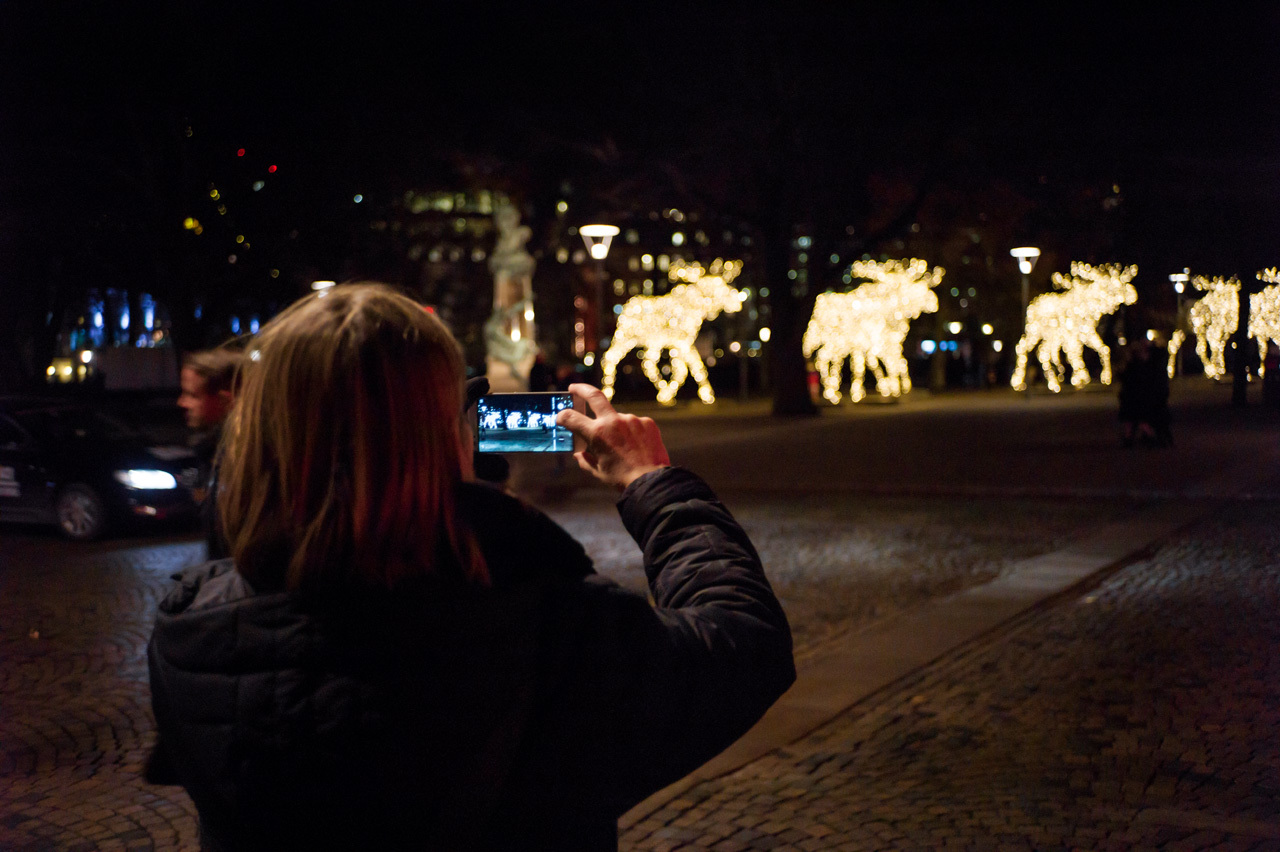
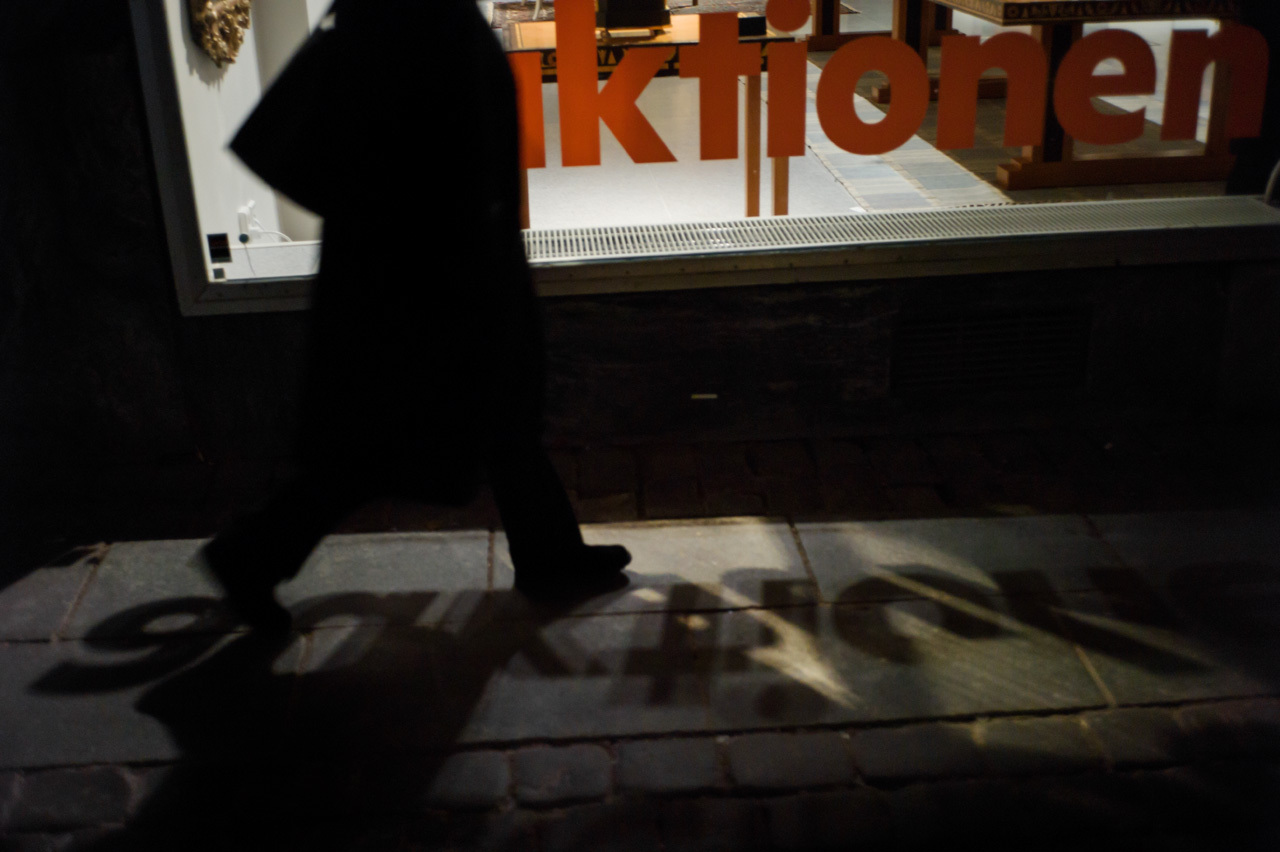
M9 and no natural light for that premium image quality Lens is the Zeiss 38 Sonnar
Lens is the Zeiss 38 SonnarDec 05, 2016 at 02:35 PM
p.1381 #9Leica M/X/T/S/Q/CL/SL Picture Thread
SEM21 and M240
Two image stitched

Two image stitched
Dec 05, 2016 at 07:05 PM

|
p.1381 #11Leica M/X/T/S/Q/CL/SL Picture Thread
Will catch up on the most recent posts and comment tomorrow.
It's late now, so I'll just post two quick shots from a roll of FP4+ that I had commercially developed and scanned.
1956 Leica M3, Summarit 90 f2.5, ilford FP4+. Post-scan minor PP in Lightroom
 Dan by David M, on Flickr
M3 as before. with 1959 Summicron 35 V1 8-element. This is taken near the S base of the Sydney Harbour Bridge.
 Classic car by The Rocks, Sydney by David M, on Flickr
It's late now, so I'll just post two quick shots from a roll of FP4+ that I had commercially developed and scanned.
1956 Leica M3, Summarit 90 f2.5, ilford FP4+. Post-scan minor PP in Lightroom
Dan by David M, on FlickrM3 as before. with 1959 Summicron 35 V1 8-element. This is taken near the S base of the Sydney Harbour Bridge.
Classic car by The Rocks, Sydney by David M, on FlickrDec 06, 2016 at 06:55 AM


p.1381 #13Leica M/X/T/S/Q/CL/SL Picture Thread
lenticular11 wrote:
It's late now, so I'll just post two quick shots from a roll of FP4+ that I had commercially developed and scanned.
1956 Leica M3, Summarit 90 f2.5, ilford FP4+. Post-scan minor PP in Lightroom
M3 as before. with 1959 Summicron 35 V1 8-element. This is taken near the S base of the Sydney Harbour Bridge.
beautiful B&W as I am fond of...
Dec 07, 2016 at 04:16 AM
p.1381 #14Leica M/X/T/S/Q/CL/SL Picture Thread
coogee wrote:
Haha, colour film v M9, a win/win dilemma
I'l love to have access to a simple develop and print service for colour film, in line with the age old pharmacy minilab. I use colour film for all family stuff and would love to just get the 6x4s back, pick the best, put them in an album, job done! A specialised and expensive service now sadly, I might teach myself to print colour but that's more like a 5 year plan lol.
Portra is 'the right stuff' for sure - love the urban shots - the subtle smoke/haze, the colour and...Show more →
I started learning and doing my own color film development in summer this year with tremendous success - no lab costs to be paid, just one time order of C-41 process chemicals and glass bottles to store the diluted chemicals in. I was additionally fortunate to have a friend who gave ma a whole box with older but still good 35 mm film rolls (Ektar 100, Porta films, some slide films). Maybe it helps that I am a PhD chemist, but I found the C-41 process pretty simple and reliable to do. I can only encourage you to try! After you developed a few color films yourself, you made up all cost for the investment of the chemicals compared to a development in an outside lab. Keep your bottles tightly sealed and filled to top, and they last for quite a while (in my case now for more than 6 months already with only little decomposition).
I found the more tricky part with color film was the digitizing and getting the color balance right. Every film behaves different there, so I started setting black/white/grey points manually for photos of my developed negatives. This is sort of tedious. I now moved to scan my negatives with plustek scanner and SilverFast software which has a very good automatic color calibration. Send me a PM if you like to know more!
Talking of silver gelatin prints, this can be also done with color. This process is not easy from my experience. I got hands on a second enlarger with color diffuser head, and the development of the exposed color-dye silver gelatin paper is done with the RA-4 process. Took me a while to figure out the best way to handle the very air sensitive developer chemicals in this process, but it works now. I admit that the difference between a color silver gelatin print vs. inkjet print is much less visible compared to B&W silver gelatin print and inkjet print.
Dec 07, 2016 at 07:54 AM
p.1381 #15Leica M/X/T/S/Q/CL/SL Picture Thread
one more from Columbia River Gorge
21mm SEM with M240

21mm SEM with M240
Dec 07, 2016 at 12:17 PM
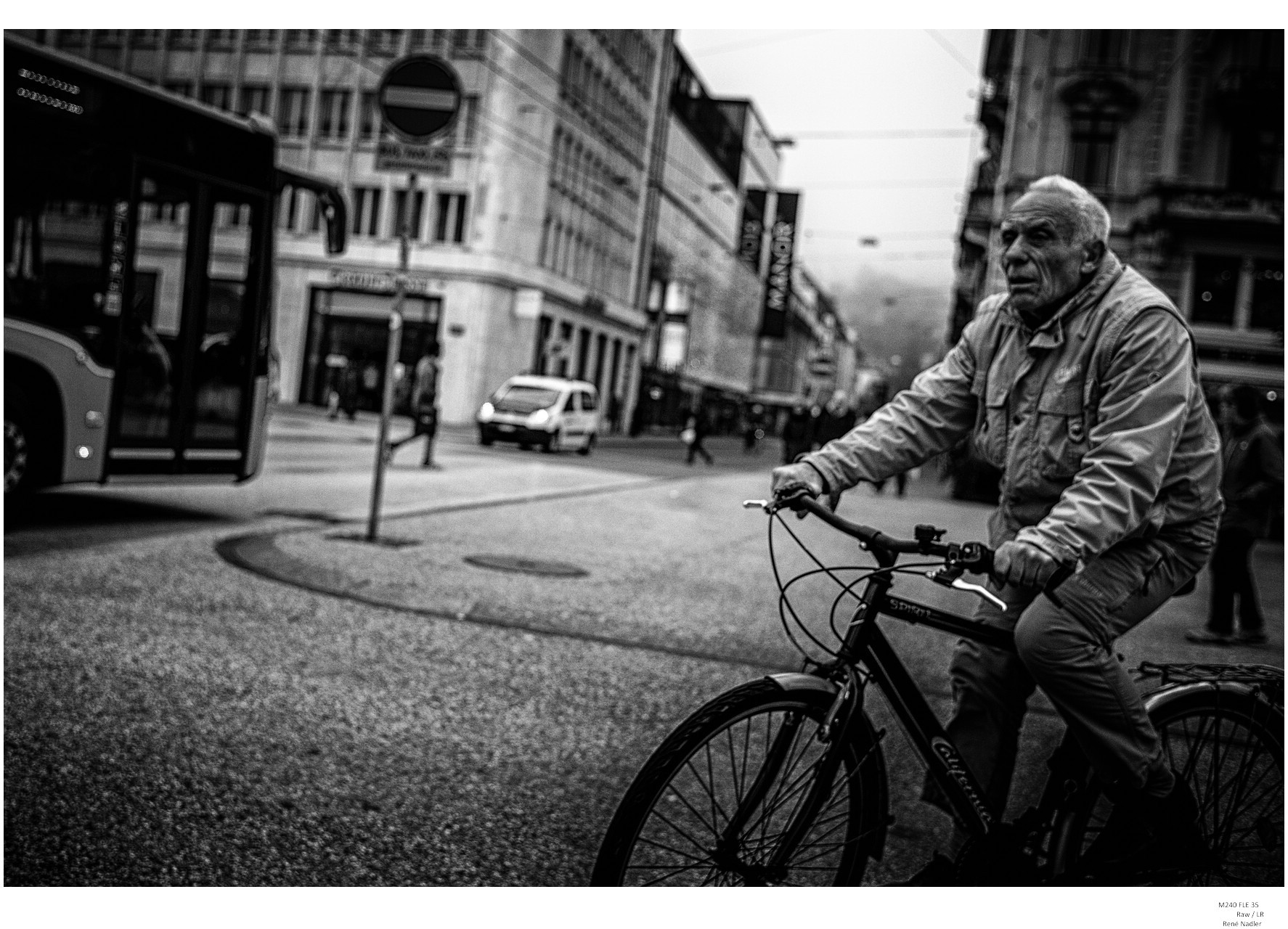
p.1381 #17Leica M/X/T/S/Q/CL/SL Picture Thread
Hello all, long time no post. Been busy, but also visiting the thread from time to time.
To add to Michael's 21 SEM love, here's one from hiking along Georgian Bay in October:

M240 & 21 SEM
To add to Michael's 21 SEM love, here's one from hiking along Georgian Bay in October:
M240 & 21 SEM
Dec 07, 2016 at 12:34 PM
p.1381 #19Leica M/X/T/S/Q/CL/SL Picture Thread
Mitch Alland wrote:
I thought that I would elaborate on the concept I wrote about above — of two intersecting circles of film and digital rendering characteristics: the area of overlap (i.e., common properties between the two), in my mind, is very large — and on either side is a small crescent: in the crescent on the left are the properties unique to film and on the crescent on the right the properties unique to digital. So, for me, the unique properties of film are a very narrow crescent, represented by the dark landscape that I posted (and by the film street...Show more →
I read the previous page from bottom to top. When I came to these images, I thought: 'I wonder how they would have looked on the Monochrom?' Then I read your comment above. I recall some months ago you were pondering when to use film vs. digital. I agree there is a certain cleanness and clarity to Monochrom images that better supports highly detailed images. But the film interpretation has a certain emotional quality that is difficult to explain. I won't say one is better than the other. Just different.
The Portra film images have a great calmness to the color palette that is so difficult to achieve well with digital. It's so easy to go for high vibrancy from digital that these kinds of images, in comparison, look drab. But on their own, there is a warmth and richness to them.
I only shoot digitally and lately for people work I've been finding my preference is some degree of desaturation, especially for skin tones.

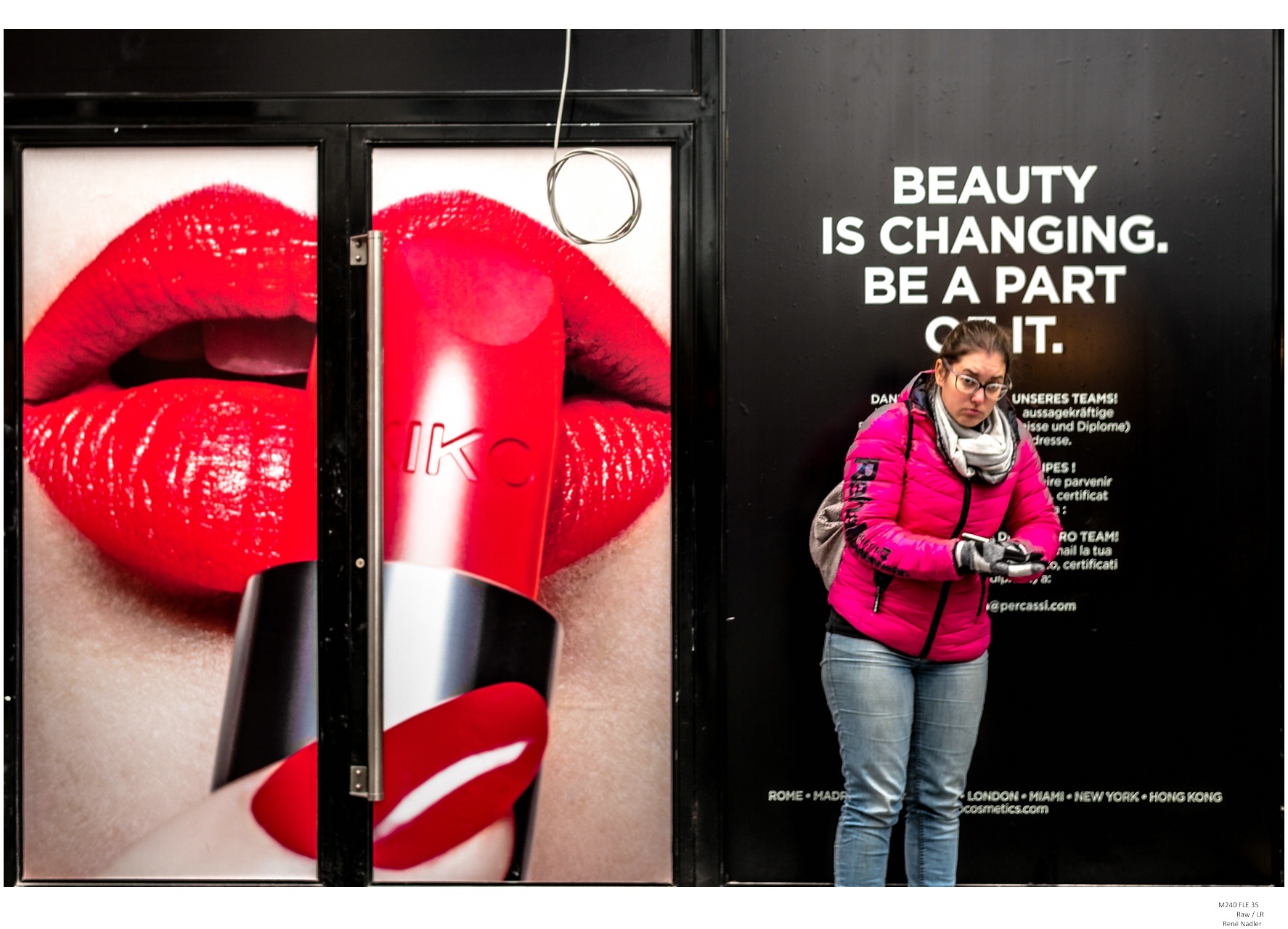
M240 & 90ME with perspective correction.
I thought that I would elaborate on the concept I wrote about above — of two intersecting circles of film and digital rendering characteristics: the area of overlap (i.e., common properties between the two), in my mind, is very large — and on either side is a small crescent: in the crescent on the left are the properties unique to film and on the crescent on the right the properties unique to digital. So, for me, the unique properties of film are a very narrow crescent, represented by the dark landscape that I posted (and by the film street...Show more →
I read the previous page from bottom to top. When I came to these images, I thought: 'I wonder how they would have looked on the Monochrom?' Then I read your comment above. I recall some months ago you were pondering when to use film vs. digital. I agree there is a certain cleanness and clarity to Monochrom images that better supports highly detailed images. But the film interpretation has a certain emotional quality that is difficult to explain. I won't say one is better than the other. Just different.
The Portra film images have a great calmness to the color palette that is so difficult to achieve well with digital. It's so easy to go for high vibrancy from digital that these kinds of images, in comparison, look drab. But on their own, there is a warmth and richness to them.
I only shoot digitally and lately for people work I've been finding my preference is some degree of desaturation, especially for skin tones.
M240 & 90ME with perspective correction.
Dec 07, 2016 at 12:59 PM
p.1381 #20Leica M/X/T/S/Q/CL/SL Picture Thread

Winter by Werner Utsch, on Flickr
S006, Apo-Macro Summarit S 120/2.5
Dec 07, 2016 at 01:36 PM