Mitch Alland
Offline
• • •
Upload & Sell: Off
|
I've spent the greater part of two days trying to make good "scans" with a Leitz BEOON copying stand that I bought from a member of this forum in Oz. It looks good: spotless with no scratches. The BEOON is a simple and effective solution for camera digitalization — and can be inexpensive if you get a good deal. It's small, solid and easily solves the problem of having the sensor plane parallel to the plane of the negative or transparency being digitalized.
However, using an M-Monochrom, and trying two 50mm lenses (Summilux-50 pre-ASPH and the DR Summicron) and, following the Leitz instructions in setting the lens at f/11 and the focus at infinity, I've found it extremely difficult to hit focus as well as negatives that were scanned for me on an Epson V800 at a small lab in Chiang Mai. My feeling is that the BEOON would work much better for someone using a camera with live view.
EDIT:
I figured out the problem: I was stupidly setting the lens for f/11, which is the aperture the BEOON manual states should be used for copying; but, of course, the lens should be set to it's maximum aperture (f/2 for the DR Summicron) for focusing, and then stopped down — that gives perfect focus every time.
END OF EDIT
Incidentally, I find that the BEOON/MM/DR-Summicron gives substantially more dynamic range than the scan I have that was done with the Epson V800.
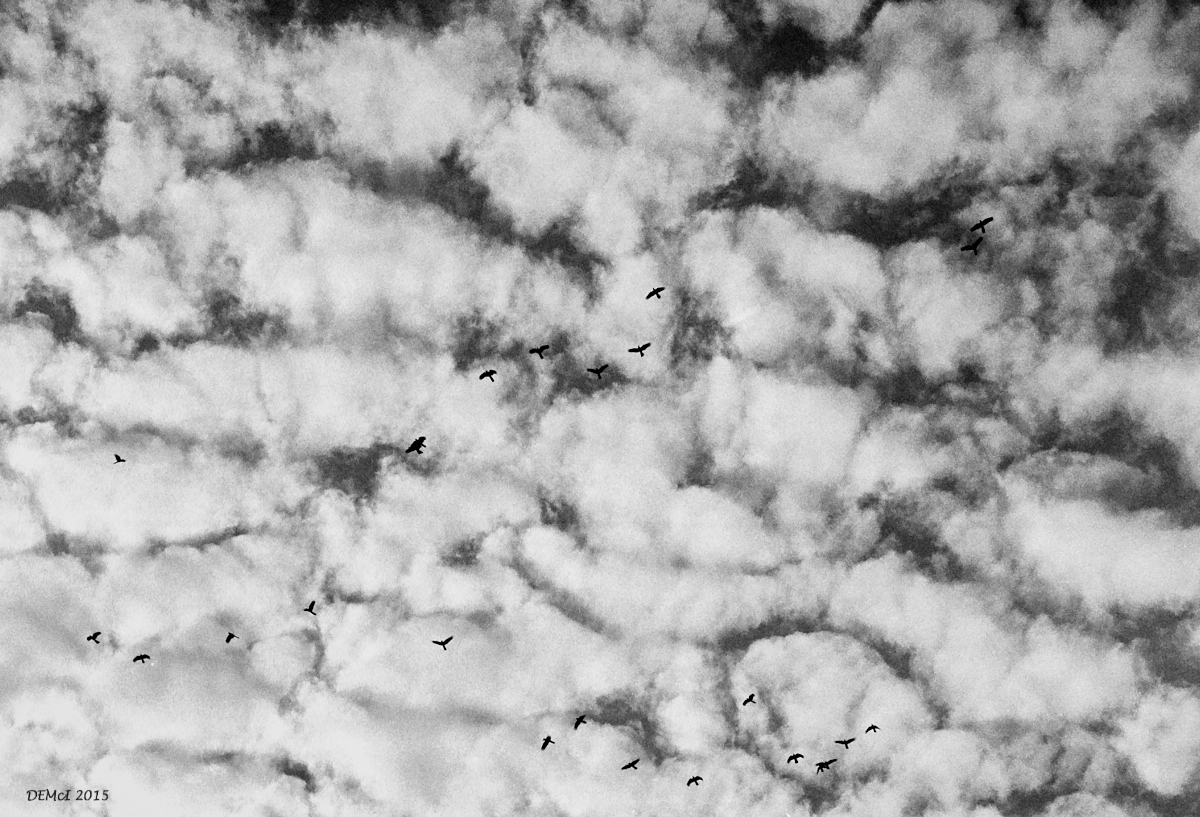
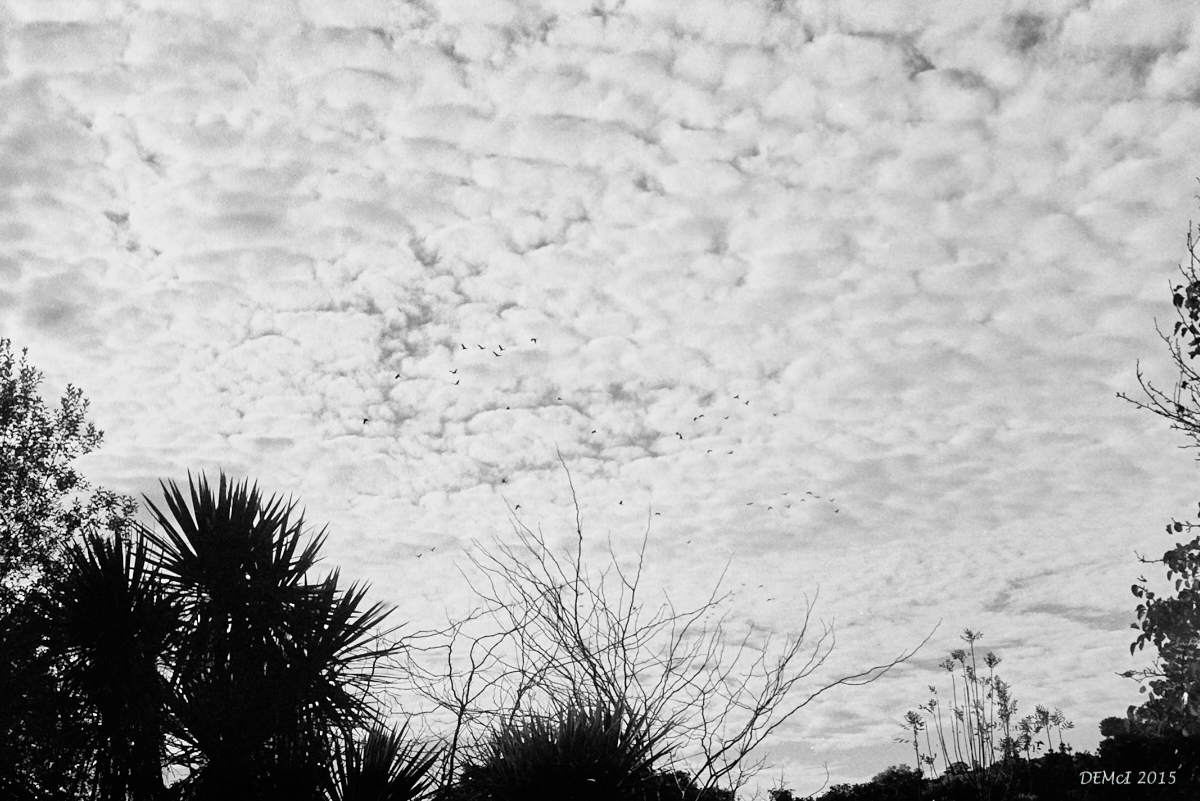
M6 | DR-Summicron | Tri-X @ 1600 | Digitalized with BEOON/MM/DR-Summicron

Chiang Mai
I particularly love film for its treatment of highlights in bright and harsh tropical light, but a choice between digital and film today is not easy because the advantages are not one-sided, as I showed in this thread:
http://www.rangefinderforum.com/forums/showthread.php?t=155090
Going back to film is a personal decision and must have a strong emotional element because it simply is a lot more work, whether one prints in the darkroom or scans; unfortunately there is no really good solution for scanning right now. It’s interesting, although not necessarily instructive, to look at some well-known photographers when thinking about going back to film:
David Alan Harvey, having tried the M9 and MM is clearly happy with the Fuji X100T and X-Pro 2, although I believe that he has recently made some darkroom prints and last year shot some medium format.
Ralph Gibson, after saying for years that digital was not real photography, happily switched to the M-Monochrom. He has continued to use the M-Monochrom. From a recent interview, it seems that he has continued with the MM, and also has been shooting color with the M240. If you're interested in his work you may want to read this interview: http://museemagazine.com/art-2/features/ralph-gibson-political-abstraction-at-mary-boone-gallery/
...in which he says that, with film, couldn't have done his latest book, Political Abstraction in a year. Here is an excerpt:
...The point being that I immediately achieved my visual signature through the digital space. It obeyed my visual intention. Now, that all of the sudden rang a lot of bells in my head because it meant that I could work a lot faster...I did this book in a year. I could have never processed the imagery fast enough to achieve that book in that time I did.
Jacob Aue Sobol showed that he could use the M-Monochrom to maintain the look he had with film, but after his trip on the Trans-Siberian railway for Leica with the MM, went back to film, presumably using small point-and-shoot cameras in the manner of Moriyama Daido and Anders Peterson.
Moriyama Daido has been shooting with digital point-and-shoot cameras for a few years, and likes the fact that he can decide whether a particular photo should be color or B&W. He currently has an important exhibition of digital color photographs at the Cartier Foundation in Paris.
Paulo Nozolino, in whom I've become interested recently, shoots with an M6 and maintains that "digital is not photography." I like the idea that Nozolino is gutsy enough not even to have a website.
Edited on Aug 08, 2025 at 08:24 PM · View previous versions
|


 I love my rangefinders