sebboh wrote:
if only forests were better lit.
First I have to say I understand NOTHING about bird photography, but I don't understand what is the issue with light in your photos. Typically I see bird photos and I'm in deep sleep after seeing half image, but these two were really really interesting, specially liked the 2nd one and it's bokeh (also using foreground bokeh on bottom right). I have never understood why bird photos "need to be" following typical formula "all blur expect bird and bird needs to be lighted so that it's very well and equally illuminated", recipe for boring, at least for "non-bird-shooters" like me.
I have been shooting past days exclusively only with 180mm APO-Elmarit-R to get some sort of understanding how it works. Luckily I got Monday also Leitax mount and I'm going to get one for all of my Leica's; really sturdy and lens is "one piece" with camera, almost no play at all in lens mount.
Pros:
+ very high resolution (exceeds 5DmkII in all conditions) and sharpness
+ high contrast in most situations
+ very long and accurate focus throw
+ like Erwin Puts says "Maximum quality is already reached at full aperture. From the center to the edge of the image, a resolution of extremely fine details with high micro-contrast is ensured." - the aperture is just to control depth of field (and diffraction...). Even vignetting wide open is very small.
Cons:
- when sun shines to front lens overall contrast drops RADICALLY, one of the worst lenses in this aspect I have used for years (=comparing to Contax, Zeiss ZE/ZF and top Canon L primes)
- rendering is quite flat
- aperture is weird shaped at f/4 and f/5.6 (kind of ninjastar but different, I will post later example and photo of aperture) and non-round f/8 and smaller
- bokeh highlight have very bright edge on some conditions, if bokeh highlights avoided bokeh can get to very interesting (not bad thing), maybe "busy" would be correct word
- bolt in all of my lens plates was too long for Leica STA-1, have to get shorter bolt for this lens from somewhere (also bolts in ALL of my tripod heads allowing the smaller skrew are too long) - while using without STA-1 and using the Arca-Swiss L-plates in camera the system was very front weighted on tripod
- handhold shooting was very very difficult; too front weighted and focus ring doesn't have enough resistance (never an issue for me, I doubt I would ever shoot this lens handheld, just waste of image quality)
Other things to notify (just different to what I'm used to)
- I'm used to colors of Zeiss lenses and getting Leica 180 APO photos to print or color managed monitor require quite much tweaking, while with Zeiss it's always simple procedure of blackpoint and WB finetuning
My overall impression is very positive, even the list of negative things is much longer than positive things, so please don't read this wrong.
Samuli Vahonen wrote:
First I have to say I understand NOTHING about bird photography, but I don't understand what is the issue with light in your photos. Typically I see bird photos and I'm in deep sleep after seeing half image, but these two were really really interesting, specially liked the 2nd one and it's bokeh (also using foreground bokeh on bottom right). I have never understood why bird photos "need to be" following typical formula "all blur expect bird and bird needs to be lighted so that it's very well and equally illuminated", recipe for boring, at least for "non-bird-shooters" like me.
the issue with light in my photos is that i'm pushing the shots to iso 4000 and iso 9600 respectively (in post). i just shoot at iso 1600 because it is the hard stop for auto iso on my camera and it doesn't matter with this sensor whether i boost in post or in camera. this means i lose a lot of fine detail to noise (or noise reduction) and can't display the images at large sizes.
in general, i agree with your boredom with the all blur except the bird type of photos (thanks for the compliment). i believe a lot of that stems from having uncooperative subjects that make choice in background nearly impossible for the spontaneous bird photographer. the solution of course is to spend time learning your subjects and position yourself for the composition you want in their environment and wait for them to come into the photo. as you can imagine this involves a lot of waiting and often produces no payoff. the easier solution is to just get a 400/2.8 lens and blow any aspect of the environment out of the picture. the other major drive behind bird and blur photos is bird lovers who simply want to appreciate the natural beauty of the subject without distraction.
as always, some fine nature photos i particularly like you second shot in the last post.
sebboh wrote:
.... the easier solution is to just get a 400/2.8 lens and blow any aspect of the environment out of the picture....
Turns out not to be an easier solution. The huge entrance pupil freaks the birds out and you end up using extenders ~99.994% of the time.
Samuli Vahonen wrote:
... I have never understood why bird photos "need to be" following typical formula "all blur expect bird and bird needs to be lighted so that it's very well and equally illuminated", recipe for boring, at least for "non-bird-shooters" like me.
I like your thinking! Ideally I'd like to make wildlife photos that have broader appeal than for use in a field guide. I think you won't see many of these photos because getting past the technical difficulties
a) finding the birds
b) getting close enough
c) handling a long lens
are often all-consuming tasks that leave little time and mental energy for composing the more interesting photos. I'd love to go beyond the field guide photos but I find that the opportunities to work the subject, lighting and backgrounds are very few and fleeting.
Thomas73 wrote:
Do some of you have some pictures taken with the Elmarit-R 24/2.8 (+ film or DMR)?
This lens is usually considered as one the less attractive within the R series but I would interested to get your feedback from "real-life"...
On a German forum user "Helge" just posted some shots taken with this lens on a 5D II a few days ago. He had to file down the rear element retaining ring a fair bit.
Here's the link: http://www.digicamclub.de/showthread.php?t=15736
The reliable Pebbleplace website lists it as a non-compatible lens for FF Canon (http://www.pebbleplace.com/Personal/Leica_db.html). Other superior options at that FL range abound so why bother with surgery? Unless you've gotten it for free.
I didn't suggest doing the surgery. Thomas73 was interested in samples taken with this lens and I thought it may be of interest to him to see some samples that were taken with this particular lens on a full-frame body.
So far I've used the Elmarit 19 vII, 21-35, Elmarit 24, and Summilux 35 on the a900 with mostly simple mount changes (the 21-35 presents a couple of challenges that you can overcome and remain fully reversible). I know the lack of liveview turns a lot of people off, but the OVF is really good and there's always focus bracketing. It's not like you're wasting film.
Excellent on the whole. If I were going to invest in either of them (and may still), it would be the 21-35, partially because I would find that range more useful than the 19 but mostly because the sharp, more modern high contrast draw on the zoom paired with Leica colors is wonderful.
JimUe wrote:
from the huge 19v2 xitek forum thread, it seems to have lower resolution anywhere but the centre, wide open.
I wasn't aware of that forum. I'll have to check it out. I can confirm that edge performance wide open isn't going to win any awards, but I would caveat that by saying it would be very easy to misuse the lens and draw the conclusion that edge resolution wide open is abysmal. Basically, it would be the rare scenario where you could rack out at 19mm to the infinity mark and expect everything within that massive field of view to be the 16 or so meters away you'd need to be at the start of your DoF, but that does seem to be the expectation of many. Stop it down to f/5.6, and all you have to worry about is flare (the original 19 had a better hood to fight this) and distortion (gull-wing is common off-axis with anything less than long distance shots on top of the perspective distortion inherent in the focal length). It's big, but not as heavy as it looks. Still, better balanced with grip than without. The built in filters are fairly pointless if you don't shoot film. If you want to use a neutral grad, you'll want one large enough to handhold in front of the lens without getting the edges and your fingers in the shot.
Ultimately though, I was very happy I borrowed the lens before buying, because I would not have kept it anyway. After I got over the "let's see what it can do" phase, it never came out of my bag. The Elmarit 24 is about as wide as I really need, and it's small enough and light enough to come along even if I don't think I'll be using it.
JimUe wrote:
i vaguely recall reading erwin puts stating the 21-35 is as good if not better than primes, which i had to take with a grain of salt.
I would say that depends on the primes, and which aspect of performance to which he's speaking. As I previously posted, it's a truly modern draw, more in line with the current M lenses than the older R lenses. You do sacrifice tonal variance to higher contrast, so it really depends on what you're going for. It's strongest on the long end, but that's probably where it's really only equaling the performance of the vII Elmarit 28 and the Summilux 35 set to like apertures. But it's miles ahead of the Elmarit 24 and SA 21/4. The hood sucks, but I'm not sure how possible it would be to design a great hood for a UWA zoom. It may be the best that can be done. Everything else about the lens feels right. And it's very easy to work with.
Äà! The signature on the photo taken without a catch However, I have not modified it for installing on full-frame Nikon cameras. Therefore, until more photograph on the crop.
@Samuli: Interesting findings with the APO-Elmarit-R 180. I have the Mamiya 645 200/2.8 APO, which some have compared to the Leica and said that it favourably compares to it. The Leica's bokeh reminds me of the APO-Macro-Elmarit 100, which displays the same bright edges at times. The Mamiya certainly doesn't have this, but probably has a bit less "bite"/acutance too.
Are you taking any countermeasures to prevent your sharpening routine from making the bright edged bokeh too strong? I've found that the step sharpening method can have a huge impact on bokeh, so I either use layer masks or the history brush to remove excessive hardening of the bokeh.
Samuli, the 80-200 shots are really lovely. Hope it found a good home. What was its weight like? I also mainly shoot primes, but a zoom in that range would be nice. Since I shoot almost exclusively outdoors, f/4 would not be a problem.
One from the Hansa Kokerei. Leica Summilux-R 35mm f/1.4 @ f/8, I believe. 8 shot HDR:
It was almost pitch-black here, I used a flashlight to focus, and just saw tiny bits of light coming in from the side. I couldn't do the full series because it was so dark I hit the maximum exposure limit of 30 seconds, and didn't have a timer.


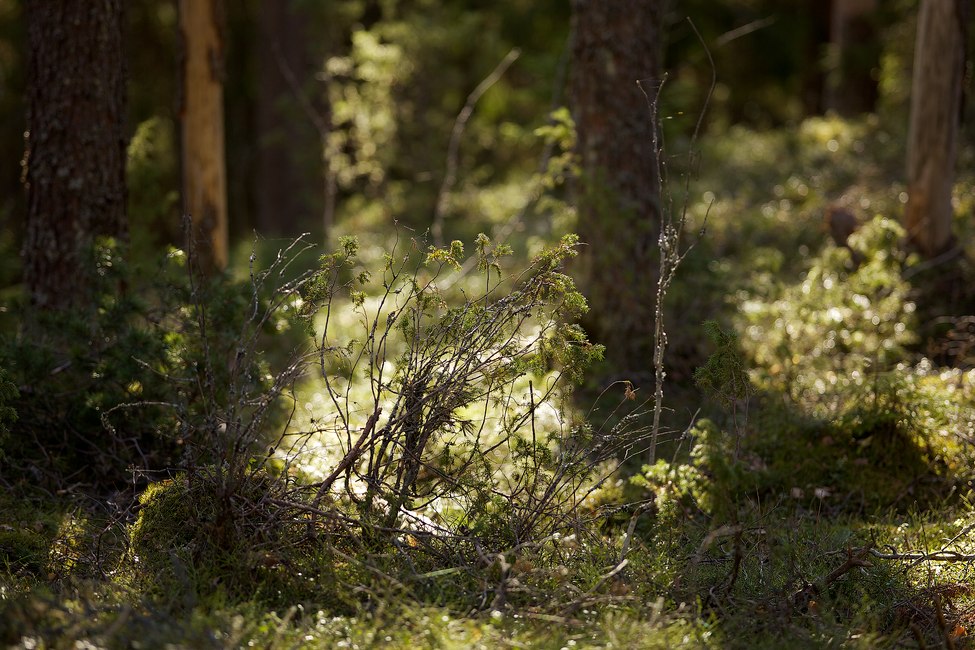
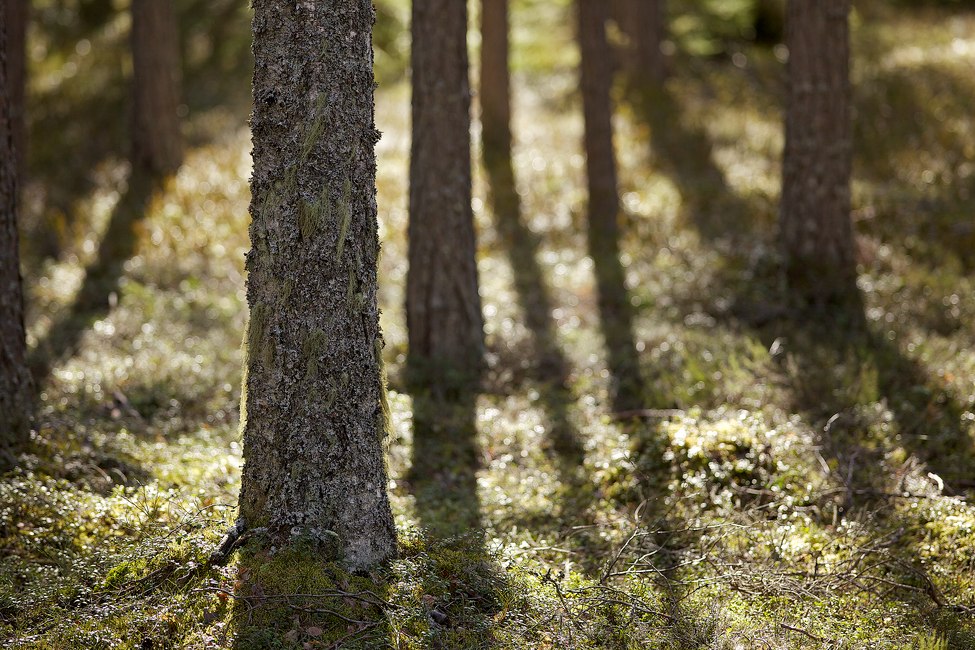

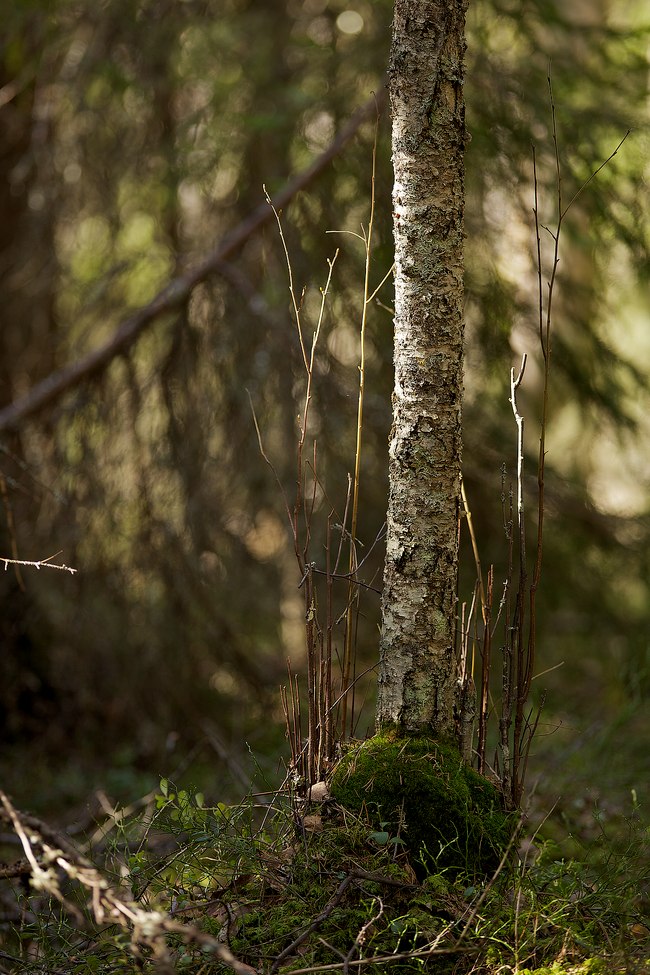
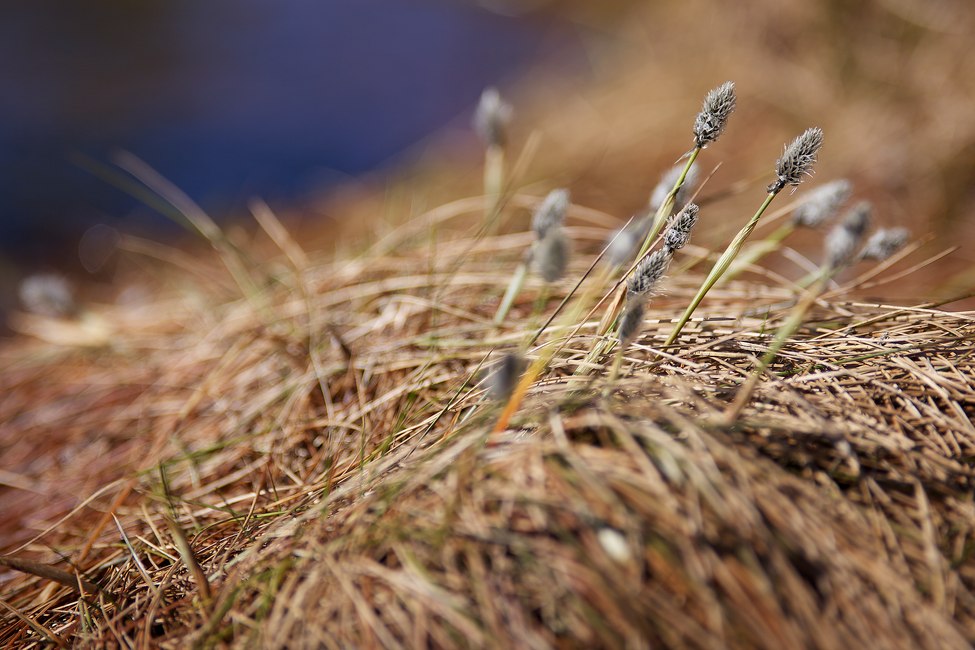

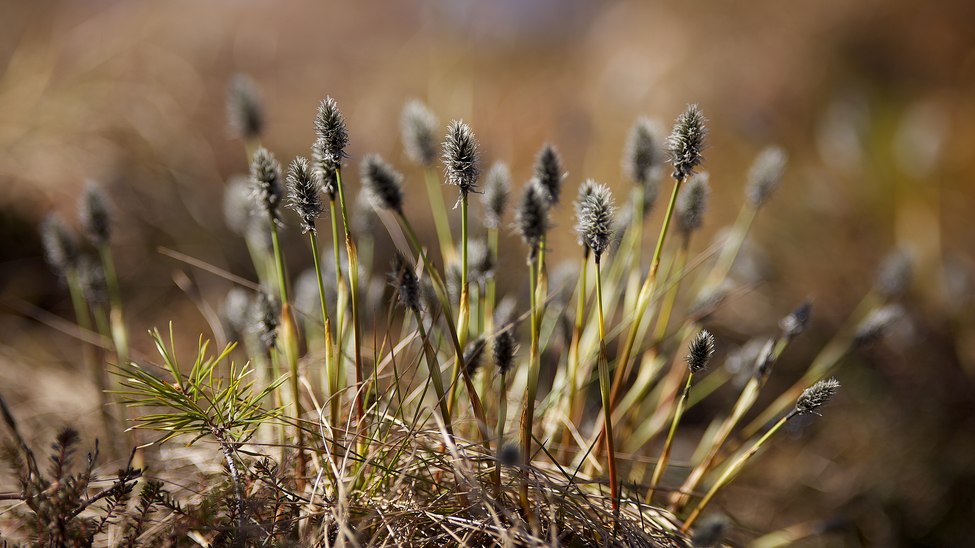
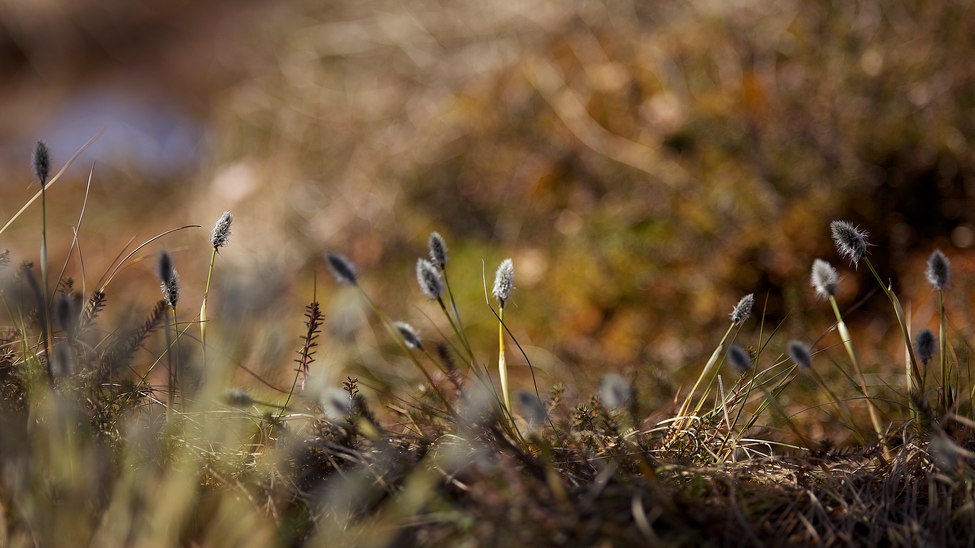
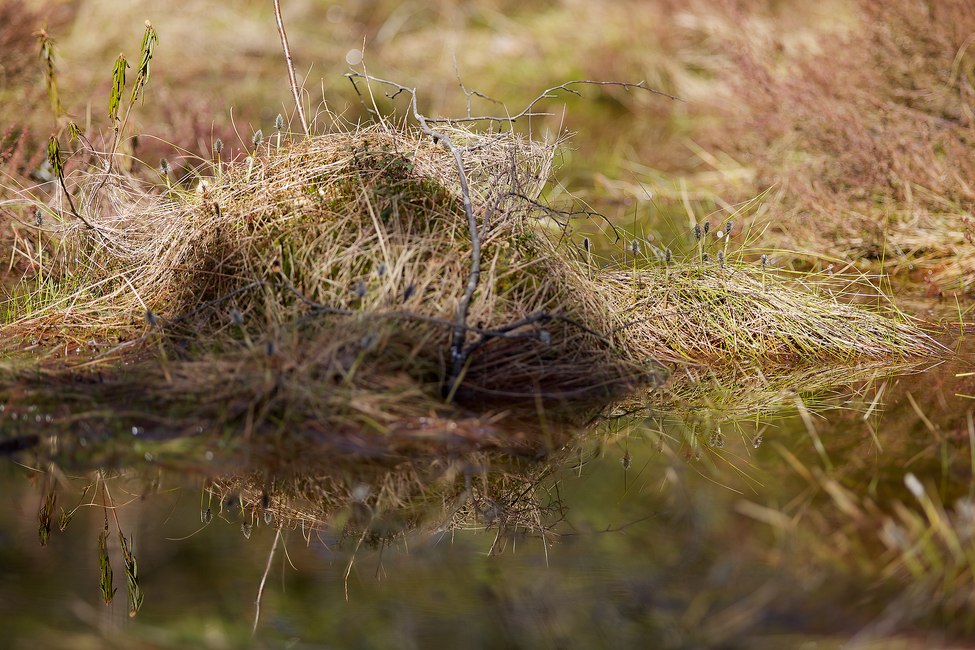


 However, I have not modified it for installing on full-frame Nikon cameras. Therefore, until more photograph on the crop.


