BTW, a good way to judge exposure and development is to look at the factory imprints on film borders (for images on negative film - after the image is fully edited and ready for presentation). In correctly exposed and developed frames they look "normal" (not too bright and not too dark; not too saturated or desaturated) . In underexposed they look too bright, and in overexposed - too dark. Of course, that only works when the image is scanned with film borders and the same exact conversion and editing applied to both main image content and borders. With 135 film the sprocket holes can be problematic for many of conversion algorithms unfortunately...
Minatureman13 wrote:
Cool pics! Whats "the rebate" mean?
Rebate = the film sprocket area. It tends to mess things up when you do a negative conversion as you want to base the conversion off the exposed film area.
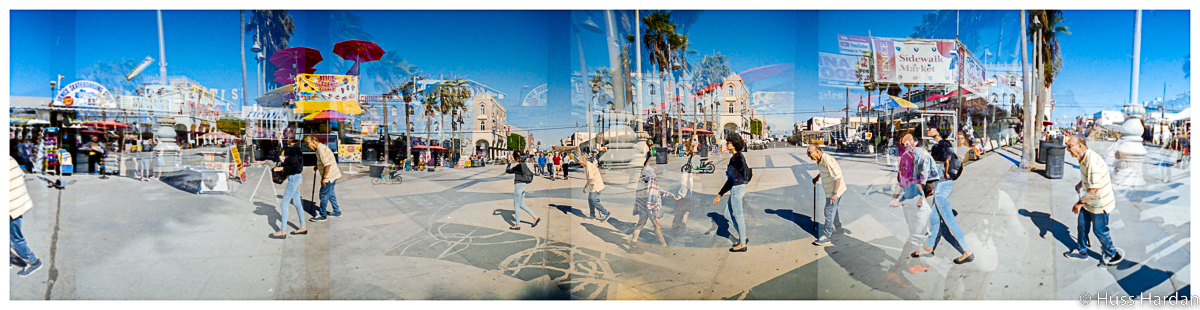
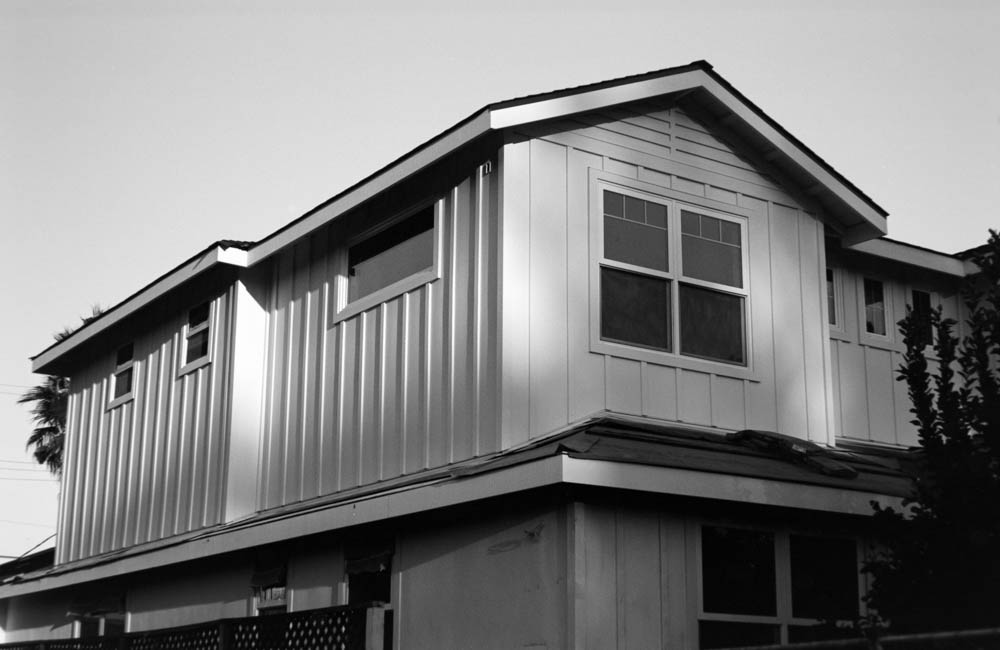
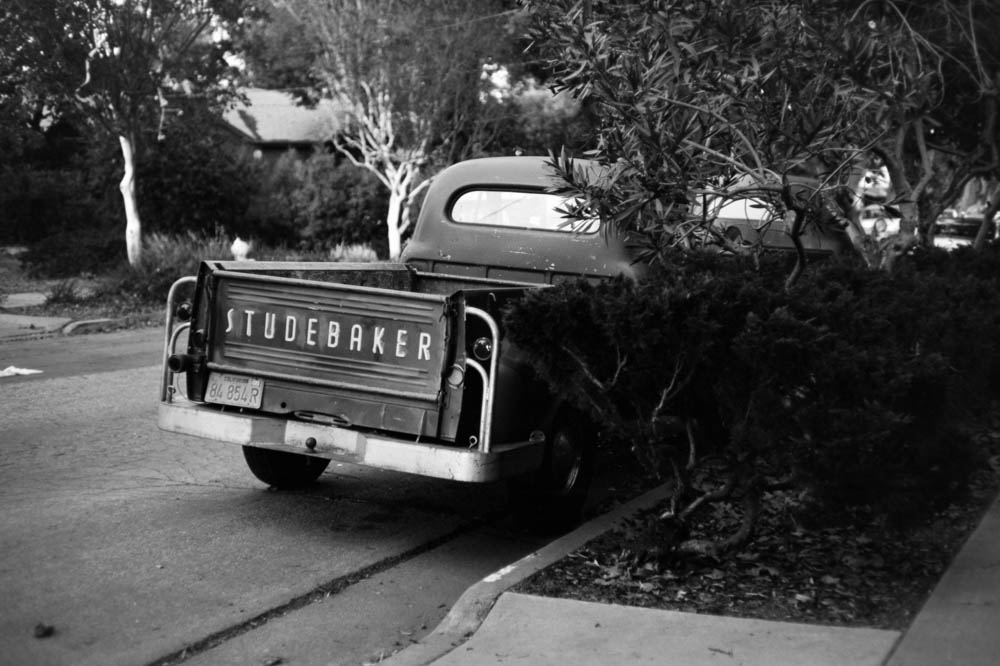
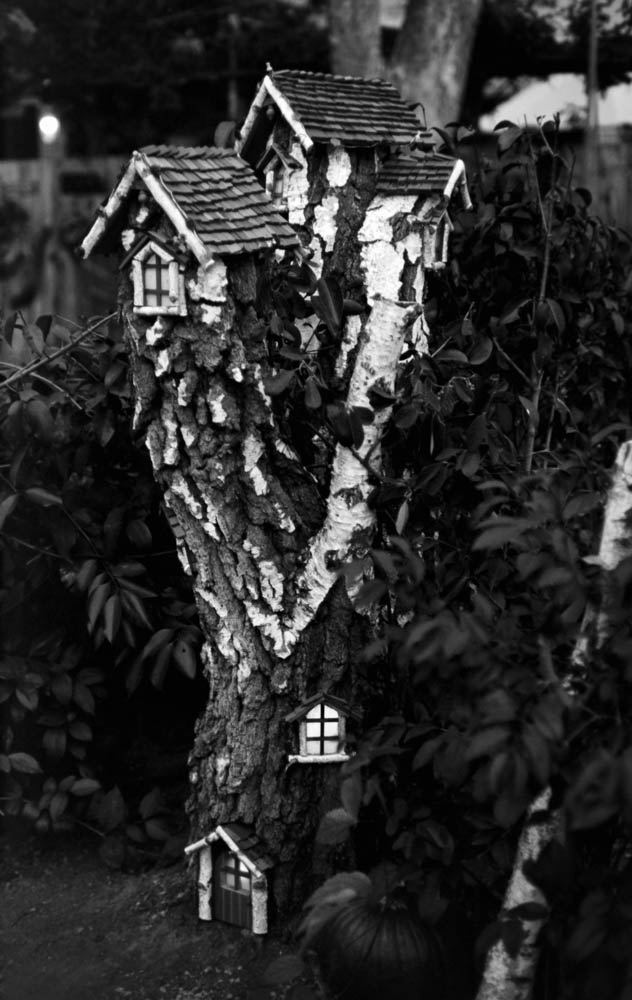
CatLabs 320 in DF96. ISO 200. Severe bromide drag on this roll, but when I developed a roll of Acros II after this, using the exact same technique and the same bottle of DF96 - no bromide drag. These pics show it far less than most of the others on this roll.
So I cannot recommend CatLabs to be developed w DF96 Monobath.
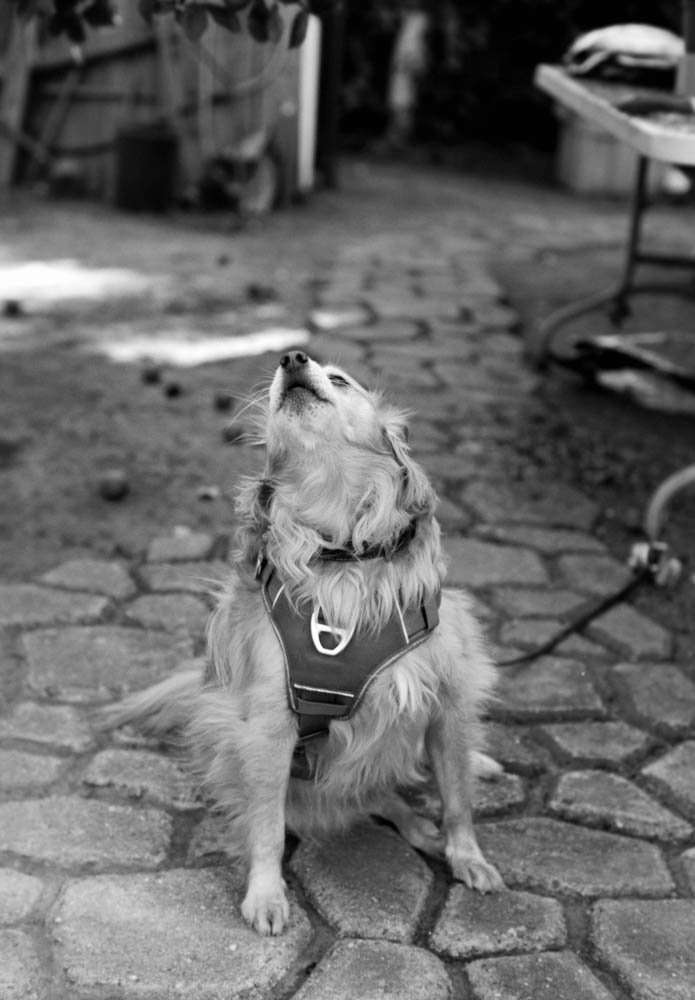
My first roll of Ferrania P30. It's tough. I think I will rate next roll at 30 iso. All with my M6 and either 35 cron or 50 Sonnar. Developed in XTOL 1+1
This was probably 1/30th while trying to control my naughty staffy.