A ton of firsts for me. Using a handheld meter being the one that is common among all the following pictures. Hooray for not having to carry a metered prism!
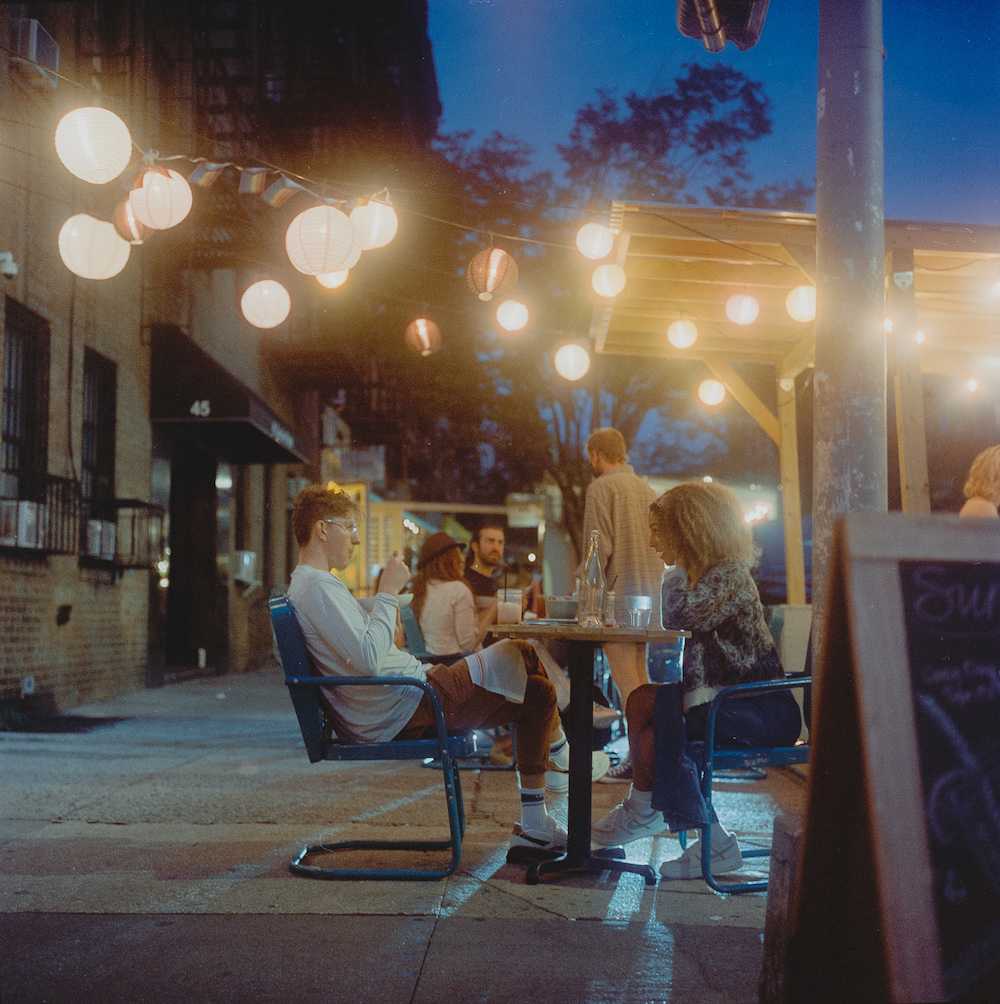
Roll 52: Cinestill 50 on Fuji GW690II:
- I will finish the last remaining roll, but I will not buy another roll as I don't see what it does that I don't get with Portra 160 or 160NS
- This is my first roll with my new to me Fuji GW690II. What an _absolute_ BEAST in terms of resolution. I was mentally prepared to see all sorts of issues in terms of light leaks, out of spec shutter speeds, ... , and instead I get higher resolution negatives than I have gotten used to with my RZ67. Maybe it's the RZ67 that I need to send out ... Needless to say, I am happy. 6x9 and hand-holdable, the only complaints I have with the RZ67.
Roll 53: Lomo Potsdam Kino with RZ67 Pro II and Mamiya-Sekor Z 110mm f/2.8 W: Lots of defects in the film. I am not happy, but with the silhouette work I typically do with bw film, it actually works on several shots (especially with the flowers). Some of the others (Pelicans) are more a public service announcement to beware of this film stock. This film has too much character for my taste, and I will stick to Delta, XP2, Pan F, and T-Max in the future.
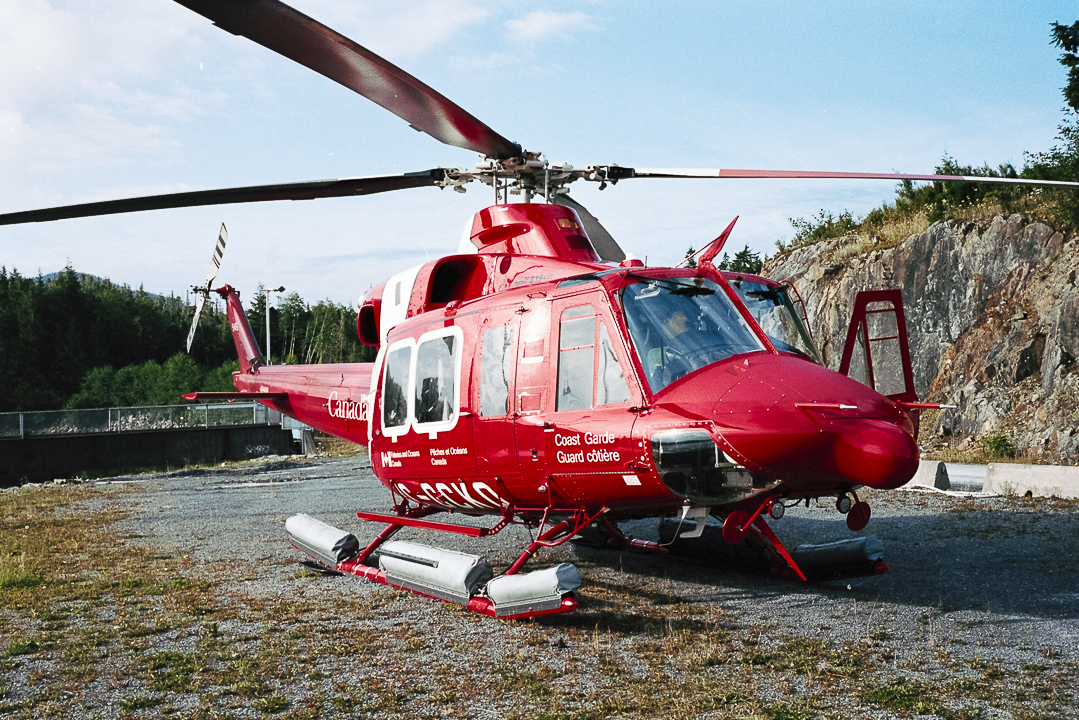
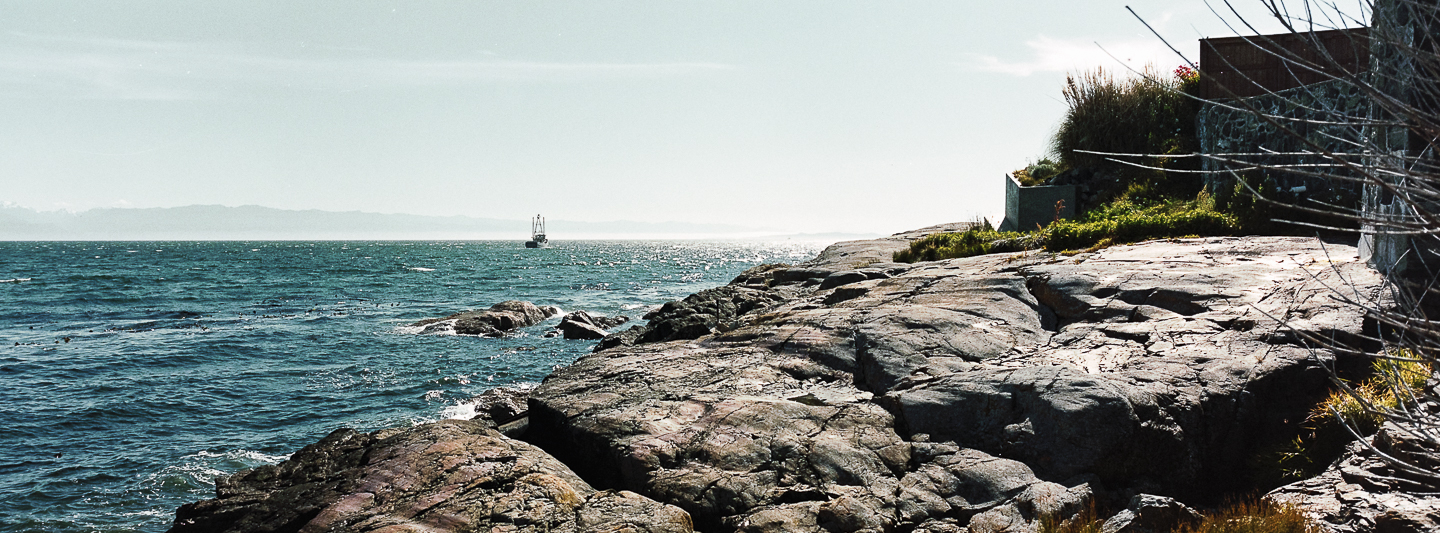
Roll 54: 160NS on Fuji GW690II:
This last one is more of a test shot to check (1) vignetting and (2) my metering skills. At f/4.8 the vignetting is certainly present, but I don't think it is objectionable. I'll revisit this at f/8 eventually.
theHUN wrote:
- This is my first roll with my new to me Fuji GW690II. What an _absolute_ BEAST in terms of resolution.
I haven't shot film in quite awhile, but if I get back into it I am only interested in shooting with my GW690III. Negatives from the GW are very close to "digital" resolution, and the 90/3.5 lens is a gem. Sharp even wide open, with beautiful bokeh...
Dang. I just might have to fire up the beast today!! haha
Activatedfx wrote:
I haven't shot film in quite awhile, but if I get back into it I am only interested in shooting with my GW690III. Negatives from the GW are very close to "digital" resolution, and the 90/3.5 lens is a gem. Sharp even wide open, with beautiful bokeh...
Dang. I just might have to fire up the beast today!! haha
You absolutely should!
The thing I found most shocking is that several hand-held shots with the GW690 were sharper than pictures from the RZ67 that were taken on a tripod + cable release after careful focusing with the magnifier in the waist level finder. But I didn't get into film looking for higher resolution, so no complaints. Heck, if resolution had been a criterion, I would have gone with a Hasselblad and Zeiss lenses.
So far the only downsides of the GW690 is the lack of a bulb setting on the shutter and the fixed lens. The lack of a bulb setting is not the biggest issue as I prefer digital for long exposures anyway. And the fixed lens is not a big issue either as it is a dang competent lens.
Edit: Continuing GW690-chat: What is the circular thing in the bottom right of this image? I can see the circular thing in the back of the body, and i don't understand its purpose.
theHUN wrote:
So far the only downsides of the GW690 is the lack of a bulb setting on the shutter and the fixed lens. The lack of a bulb setting is not the biggest issue as I prefer digital for long exposures anyway. And the fixed lens is not a big issue either as it is a dang competent lens.
Edit: Continuing GW690-chat: What is the circular thing in the bottom right of this image? I can see the circular thing in the back of the body, and i don't understand its purpose.
On the other hand, the battery free operation is ideal for extreme long exposures (many minutes) and the rangefinder focusing makes using ND filters a piece of cake.
I have and love the GSW690II, crazy how much prices have gone up on both models. I picked up mine in mint condition two years ago for $425 total and it was a little more than a comparable GW at the time. I wish I'd picked up one of each
FWIW, the GSW also exhibits the half-circle thing.
OregonSun wrote:
On the other hand, the battery free operation is ideal for extreme long exposures (many minutes) and the rangefinder focusing makes using ND filters a piece of cake.
theHUN wrote:
Heck, if resolution had been a criterion, I would have gone with a Hasselblad and Zeiss lenses.
So far the only downsides of the GW690 is the lack of a bulb setting on the shutter and the fixed lens.
What is the circular thing in the bottom right of this image? I can see the circular thing in the back of the body, and i don't understand its purpose.
- I had a 500 C/M with a Zeiss 80/2.8 CF, and I think the Fujinon lens is better than the Zeiss. Sharper. Smoother bokeh. Shooting with a Hasseblad is fun and engaging, but I eventually decided to sell the Hassy and keep the Fuji because I preferred the Fuji look and self-contained 6x9 rangefinder format.
- My GW690III has a "T" shutter setting, which (I would think) is better than B because you don't have to keep the button depressed.
- The little notch is there on my GW as well. I would guess it's to distinguish the lower right corner of the negative for placing in an enlarger film holder?
- I had been looking for a good GW690III when a head shot studio put up a dozen GW690III's on eBay. By sheer luck, I spotted the listings 5 minutes after they were posted, and I immediately picked though until I found a 9++ copy for $275 all in! Probably worth a lot more now, but I don't think I'll ever sell it. It's a work of art and I just love to pick it up admire it!
Activatedfx wrote:
- My GW690III has a "T" shutter setting, which (I would think) is better than B because you don't have to keep the button depressed.
The issue with T is that you have to move the aperture dial or the film advance knob to end the exposure which will move the camera. Of course you can use a hat to black out the lens and then end the exposure, but I think a cable release would be easier with bulb. At least my cable release will stay depressed until I mush a second knob, so I would not have to keep the thing depressed manually the whole time.
theHUN wrote:
The issue with T is that you have to move the aperture dial or the film advance knob to end the exposure which will move the camera. Of course you can use a hat to black out the lens and then end the exposure, but I think a cable release would be easier with bulb. At least my cable release will stay depressed until I mush a second knob, so I would not have to keep the thing depressed manually the whole time.
I agree bulb is more user friendly. In my experience movement from closing the shutter becomes a non issue once the exposure goes beyond 10-20 sec, since the motion occurs for such a short period relative to the exposure. I just avoid shutter speeds of 2-20 seconds by stopping down or using ND filters as needed.
FWIW the manual recommends to always use the shutter speed ring to close the shutter, not the film advance method.
theHUN wrote:
...
The thing I found most shocking is that several hand-held shots with the GW690 were sharper than pictures from the RZ67 that were taken on a tripod + cable release after careful focusing with the magnifier in the waist level finder. But I didn't get into film looking for higher resolution, so no complaints. Heck, if resolution had been a criterion, I would have gone with a Hasselblad and Zeiss lenses...
Did you use mirror lockup on RZ?
And speaking of resolution...
Some years ago, out of curiosity,I have compared a drum scan of a 35mm frame on Velvia 50 with an APS-C 24MP direct capture of the same landscape scene with plethora of fine details in it.
Both shot from a tripod through the same Contax CY 35-135 lens (my absolutely favorite in the entire CY line due to its versatility and great IQ) at around 50-80mm to match the scene coverage (35mm vs APS-C) and at F8 . Mirror lockup on 35mm film and mirrorless in APS-C.
The resulting scan was done at 8000-10000 dpi(file size 400MB+) and then the digital file from APS-C was enlarged using bicubic to match the scan size. Each farme got its own optimal amount of sharpening afterwards.
Surprisingly , the amount of details was practically identical between the two. Or there was no winner in resolution...
Disclaimer. The test was valid for my purposes as I prefer and mostly use zooms whenever possible for speed, convenience and reduction of bulk and weight of my kit. My typical aperture is from F8 and smaller as the scene deems it necessary.
And of course, a drum scan from a 4x5 is in a different league from anything I have seen coming out of a medium format, including C645.


 Needless to say, I am happy. 6x9 and hand-holdable, the only complaints I have with the RZ67.