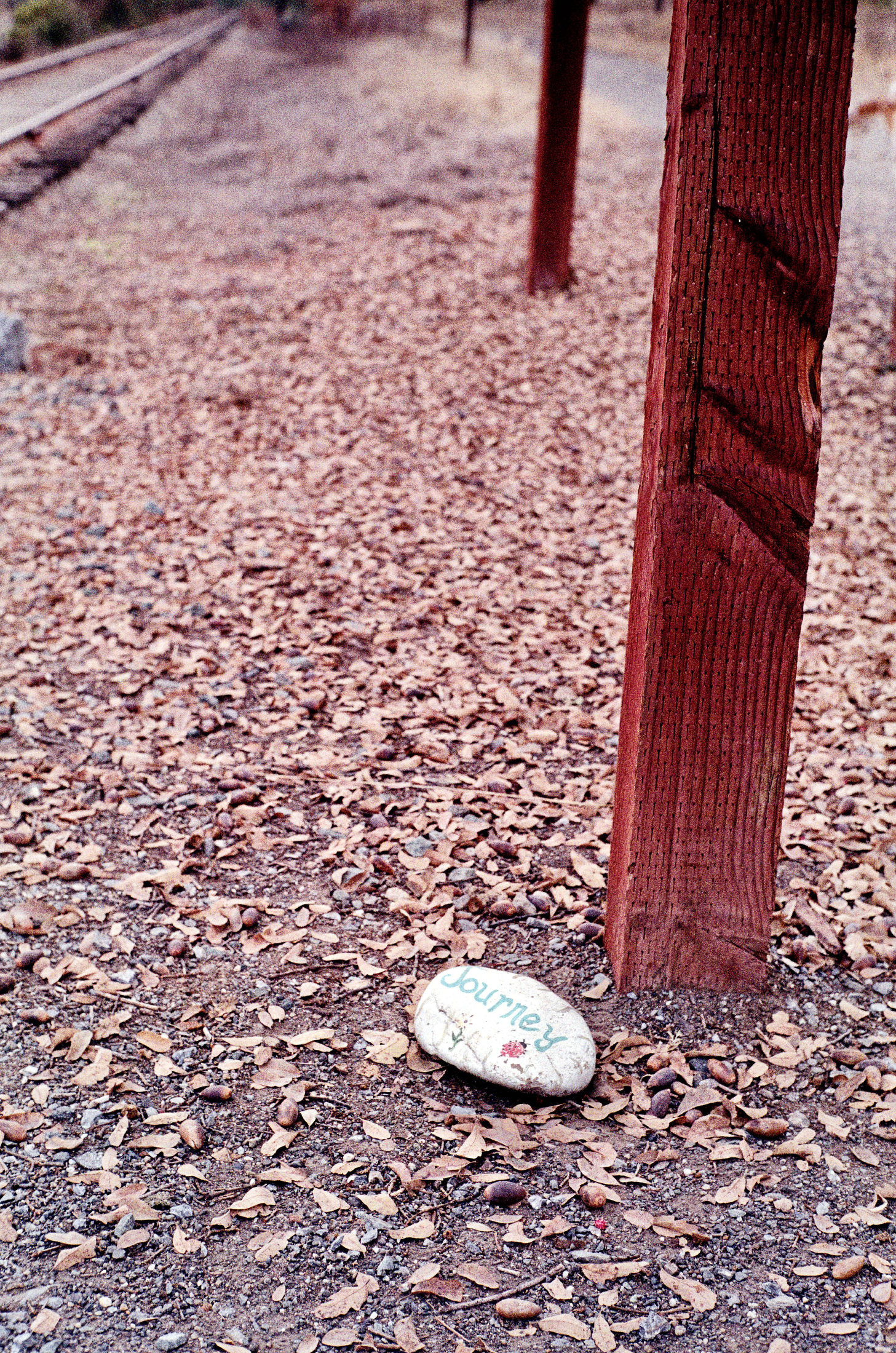
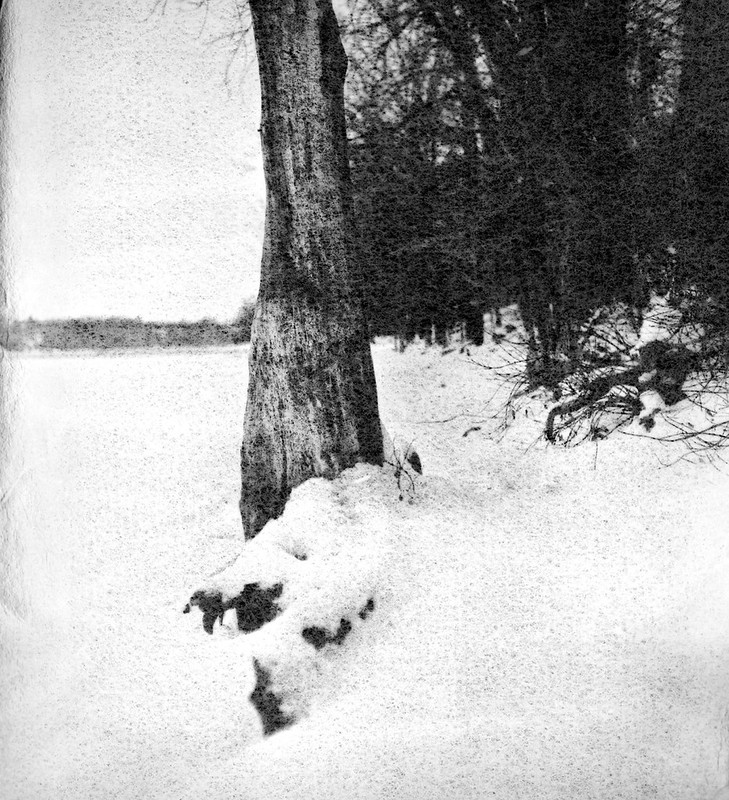
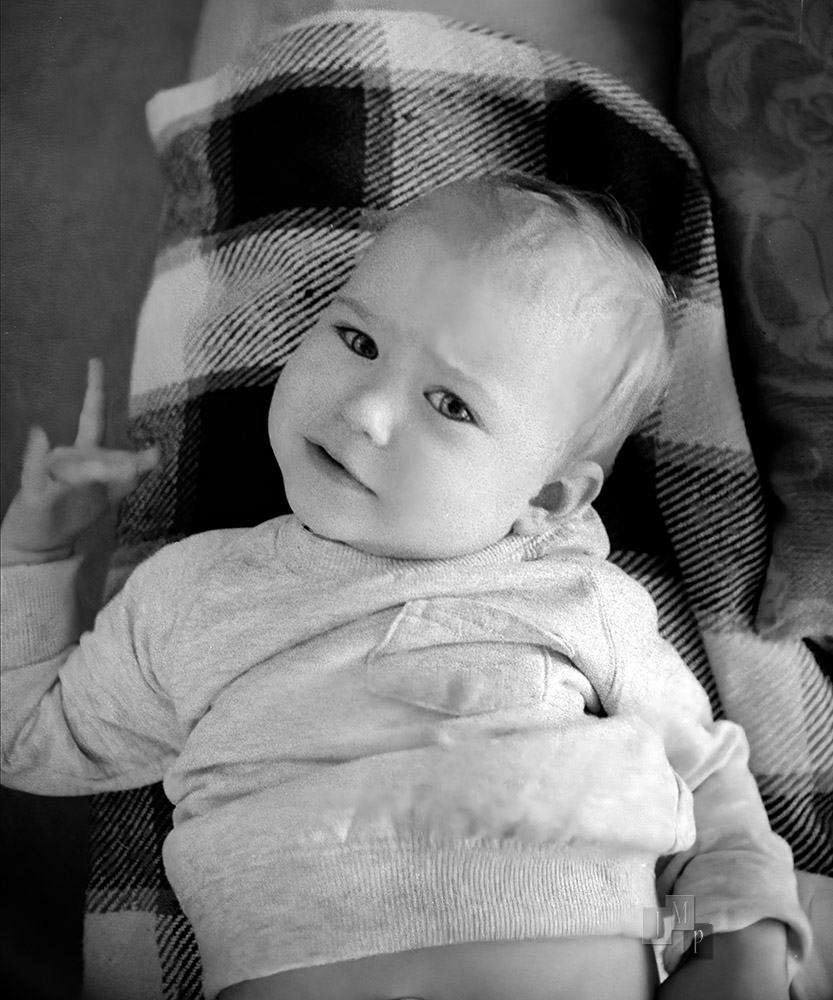
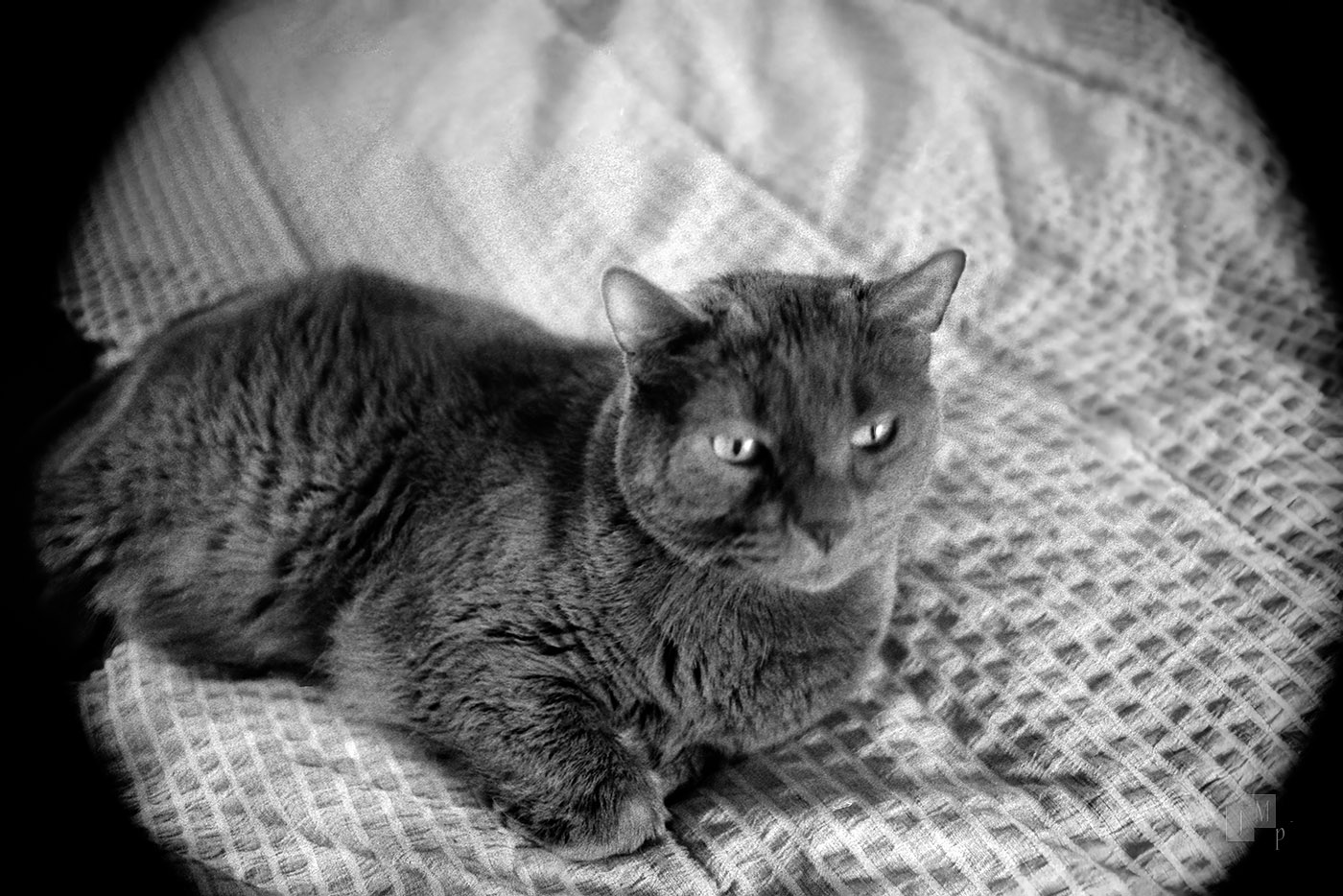
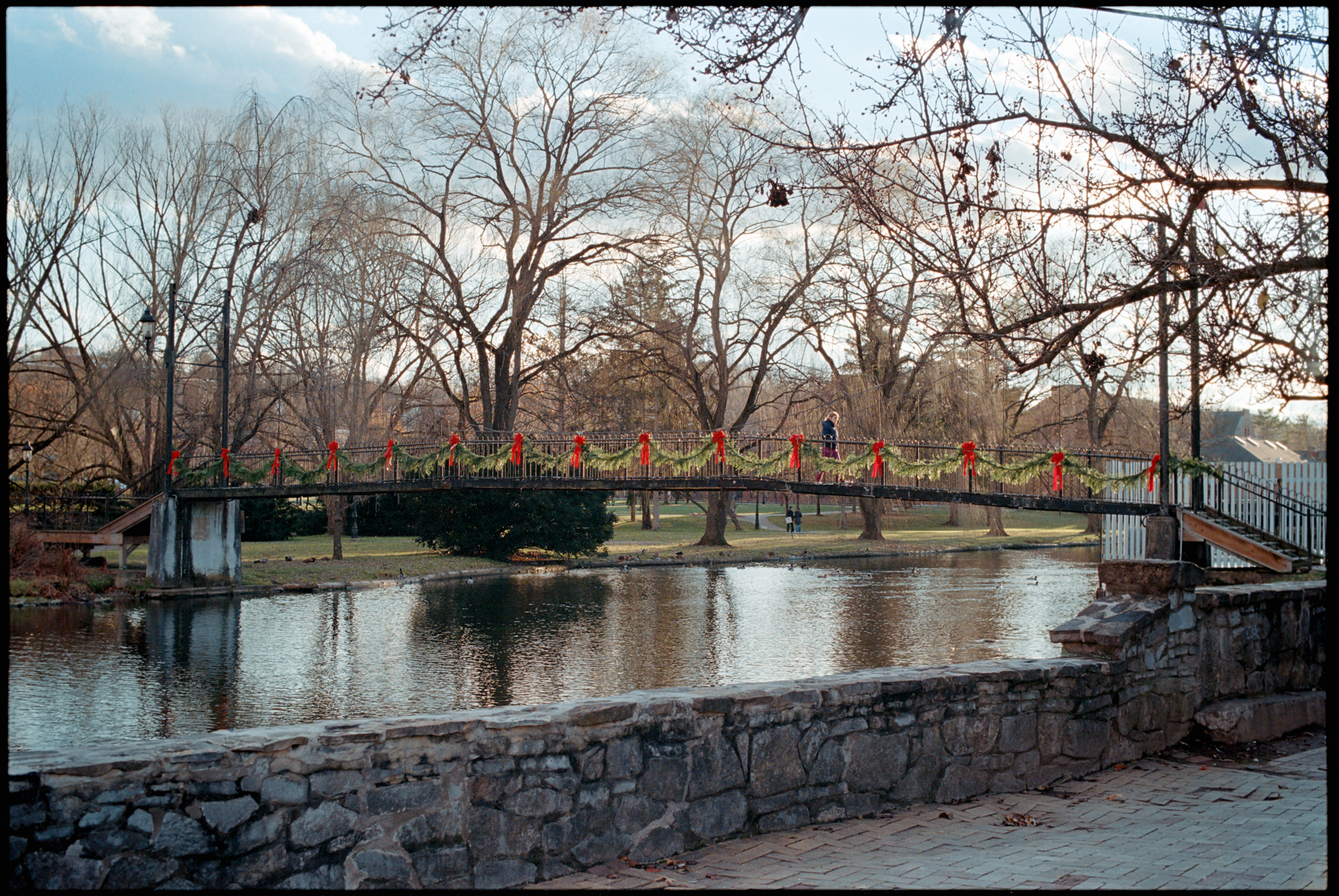
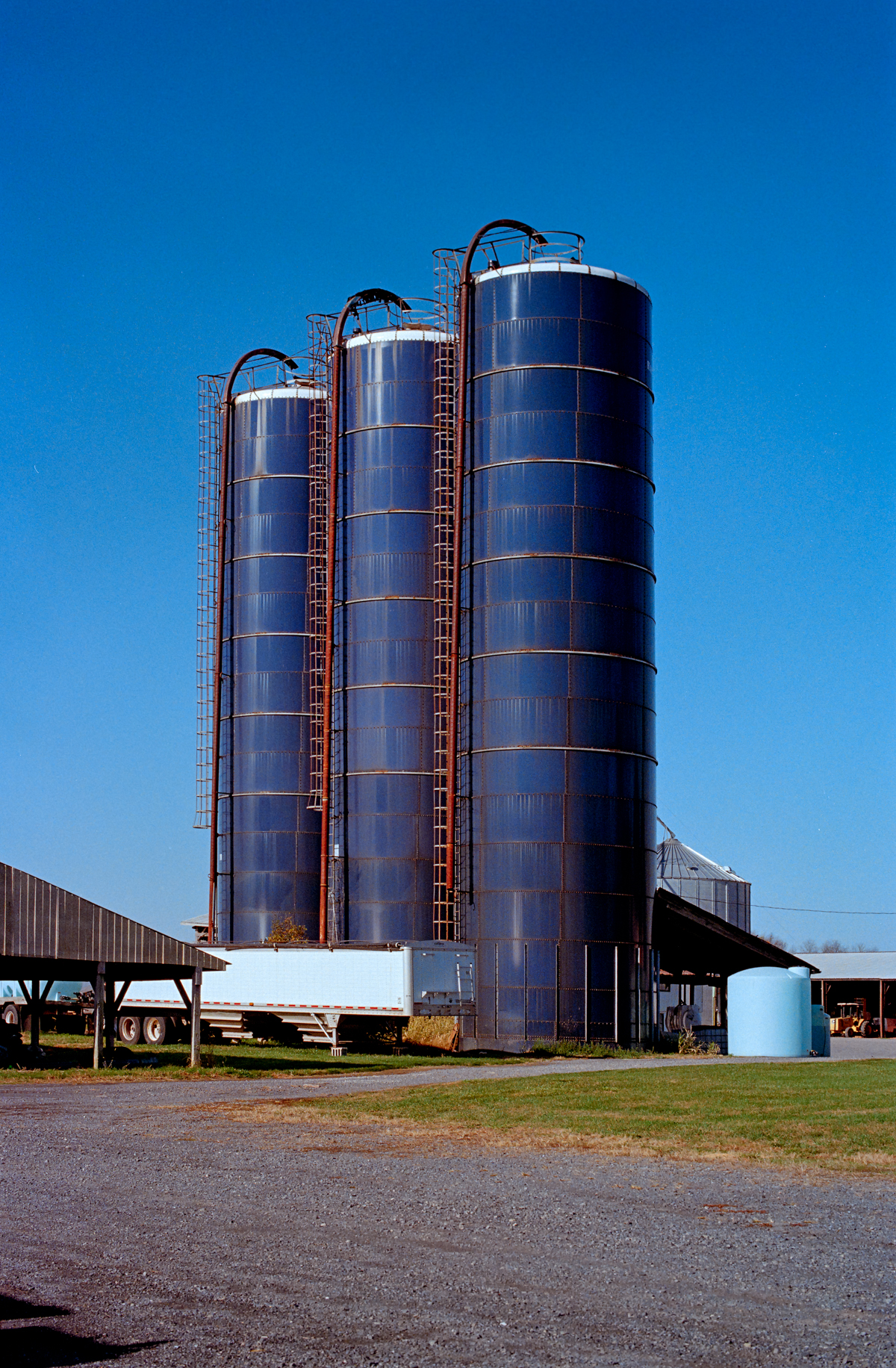
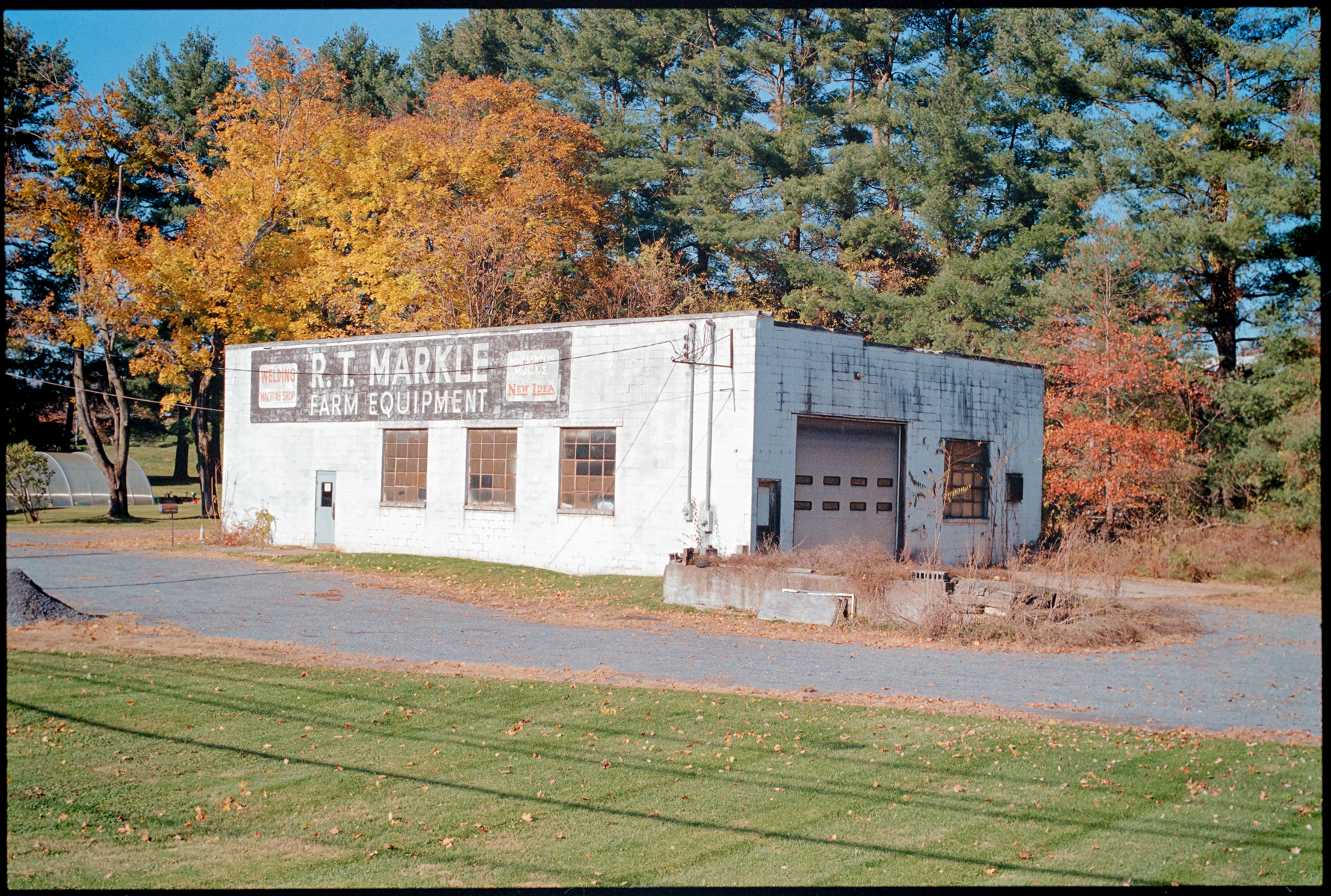
Mamiya C330 with Film Washi W, which is an orthochromatic emulsion coated onto washi paper. I developed it in Rodinal in an old Kodacraft tank; the film is far too thin to be loaded onto standard reels. I was skeptical but when I pulled the film out of the tank I was stunned by how gorgeous the negatives looked. My excitement soon faded, though, because once it dried it had curled in on itself and was all wrinkled. I tried all the suggestions I saw online: rolling it back on itself and storing for 12 hours, putting the cut negatives into a book and weighting it down, nothing worked. I don't have any ANR glass but that would have been the only solution: sandwich it between two pieces of ANR glass. In the end I just laid the film directly on the scanner.
bjhurley wrote:
Mamiya C330 with Film Washi W, which is an orthochromatic emulsion coated onto washi paper. I developed it in Rodinal in an old Kodacraft tank; the film is far too thin to be loaded onto standard reels. I was skeptical but when I pulled the film out of the tank I was stunned by how gorgeous the negatives looked. My excitement soon faded, though, because once it dried it had curled in on itself and was all wrinkled. I tried all the suggestions I saw online: rolling it back on itself and storing for 12 hours, putting the cut negatives into a book and weighting it down, nothing worked. I don't have any ANR glass but that would have been the only solution: sandwich it between two pieces of ANR glass. In the end I just laid the film directly on the scanner.
Just an idea, but vinegar will soften and relax fibers the longer it soaks. Remember the rubber egg experiment? You could use stop bath (glacial acetic acid - essentially vinegar) in a tray and give it a few minutes soak - too long will eventually destroy the paper. Rinse, and then dry using an old print dryer like the Premiere 110 (low heat - emulsion up, back on the fero plate for the reverse curl - linked)
James Markus wrote:
Just an idea, but vinegar will soften and relax fibers the longer it soaks. Remember the rubber egg experiment? You could use stop bath (glacial acetic acid - essentially vinegar) in a tray and give it a few minutes soak - too long will eventually destroy the paper. Rinse, and then dry using an old print dryer like the Premiere 110 (low heat - emulsion up, back on the fero plate for the reverse curl - linked)
Wow, thanks, that's a great idea! The guy who makes these films stipulates that you must not use stop bath, only water to stop development, but putting it in stop bath after it's dried might work as long as I don't leave it in too long.
I have nothing to lose at this point, although I might take some photos of the negatives as I think I like them more than the inverted scans. I think the best time to scan this film is when it comes out of the tank and is still wet; I don't have a scanner that can do wet scans, but I think that would work. Normally you develop this film in trays using paper developer (it's orthochromatic so you can develop under a safelight) but since I don't have a darkroom I went with the tank approach.
bjhurley wrote:
Wow, thanks, that's a great idea! The guy who makes these films stipulates that you must not use stop bath, only water to stop development, but putting it in stop bath after it's dried might work as long as I don't leave it in too long.
I have nothing to lose at this point, although I might take some photos of the negatives as I think I like them more than the inverted scans. I think the best time to scan this film is when it comes out of the tank and is still wet; I don't have a scanner that can do wet scans, but I think that would work. Normally you develop this film in trays using paper developer (it's orthochromatic so you can develop under a safelight) but since I don't have a darkroom I went with the tank approach....Show more →
Just thought I would mention that the Epson V750 and V850 can do wet scans.That "stipulation" must mean the acid dissolves the bonding for the paper. Test on a small strip for a few seconds at a time to see how long it takes before the integrity is compromised.
James Markus wrote:
Just thought I would mention that the Epson V750 and V850 can do wet scans.That "stipulation" must mean the acid dissolves the bonding for the paper. Test on a small strip for a few seconds at a time to see how long it takes before the integrity is compromised.
Yep, and I have an Epson V600 which cannot do wet scans. Not the end of the world, I don't plan to buy this film again and I'm not sure the photos are worth any more effort. But it was a fun experiment!
bjhurley wrote:
Mamiya C330 with Film Washi W, which is an orthochromatic emulsion coated onto washi paper. I developed it in Rodinal in an old Kodacraft tank; the film is far too thin to be loaded onto standard reels. I was skeptical but when I pulled the film out of the tank I was stunned by how gorgeous the negatives looked. My excitement soon faded, though, because once it dried it had curled in on itself and was all wrinkled. I tried all the suggestions I saw online: rolling it back on itself and storing for 12 hours, putting the cut negatives into a book and weighting it down, nothing worked. I don't have any ANR glass but that would have been the only solution: sandwich it between two pieces of ANR glass. In the end I just laid the film directly on the scanner.
Nice results but your double exposure experiment with photographing the washi paper for the background then exposing it again made a nicer image. The papers texture stood out giving the picture a unique look. More work at the front end, less fussing with development and scanning.
madNbad wrote:
Nice results but your double exposure experiment with photographing the washi paper for the background then exposing it again made a nicer image. The papers texture stood out giving the picture a unique look. More work at the front end, less fussing with development and scanning.
Thanks, I completely agree. I actually did a portrait shoot yesterday where I tried this: I shot a roll of Fomapan 400 through washi paper in my pinhole camera, rewound it, and loaded it into my Mamiya C330. The only problem is that the frames don't line up; when I do this I need to use a camera that has a red window so I can line up the frames exactly between the two cameras.