James Markus wrote:
Thanks. I was a bit anxious if anything would come out while mixing 10ml (less than a tablespoon) of Rodinal into 990ml of water (a little more than a quart). It looked like only water.
They are indeed lovely, though a lot grainier than what I usually see from stand development in Rodinal; I looked up the film and see that it's ISO 640, which probably explains it. Did you do it at 20°C or 18°C? I haven't noticed a difference with slower films, but if this roll was Paul then maybe you could develop Reinhold the same way but at a different temp to see if it makes a difference in the grain.
bjhurley wrote:
They are indeed lovely, though a lot grainier than what I usually see from stand development in Rodinal; I looked up the film and see that it's ISO 640, which probably explains it. Did you do it at 20°C or 18°C? I haven't noticed a difference with slower films, but if this roll was Paul then maybe you could develop Reinhold the same way but at a different temp to see if it makes a difference in the grain.
Brad, Development was at 20C or 68F. I looked at this comparison that someone here, I thought, provided.
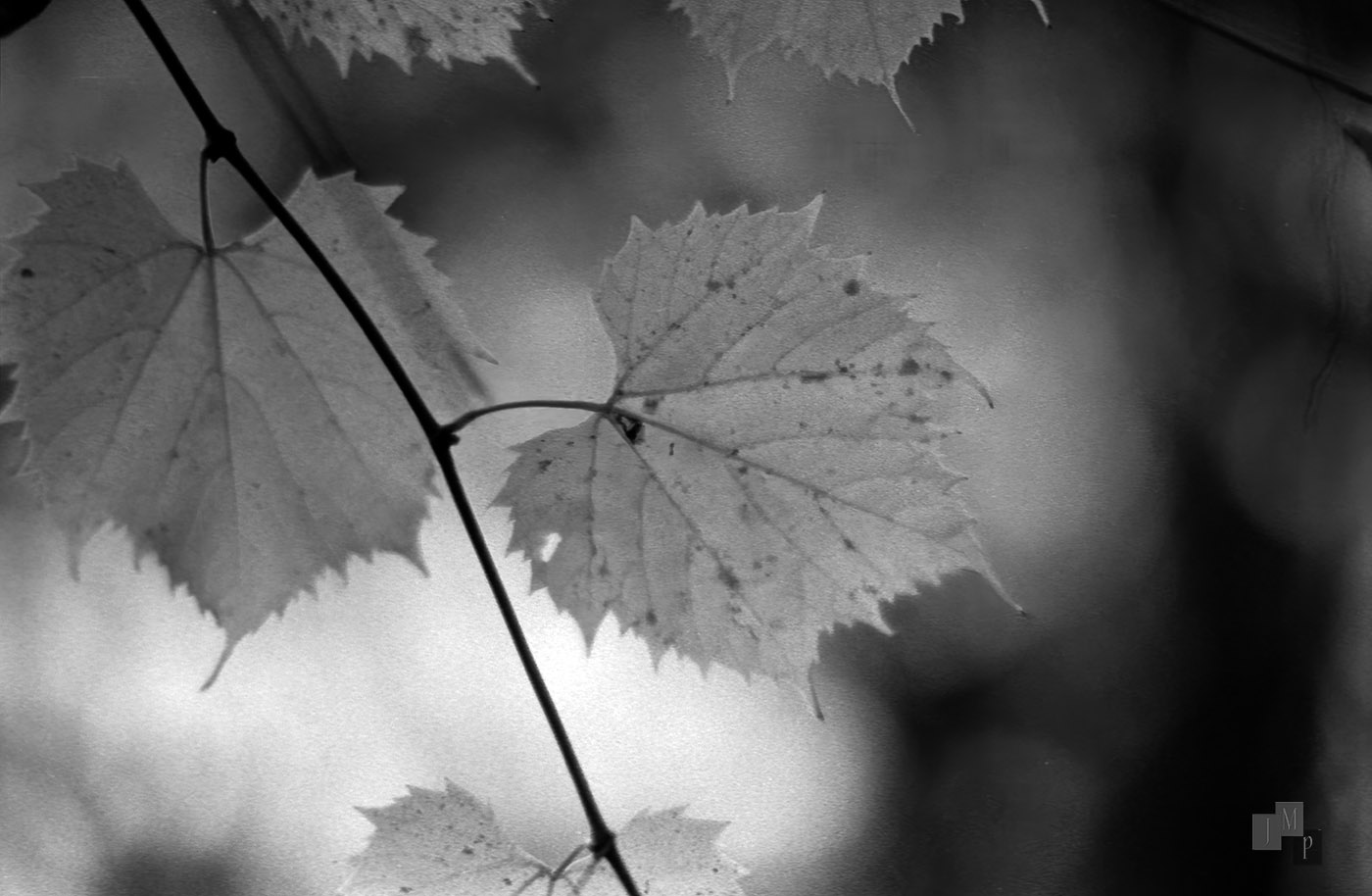
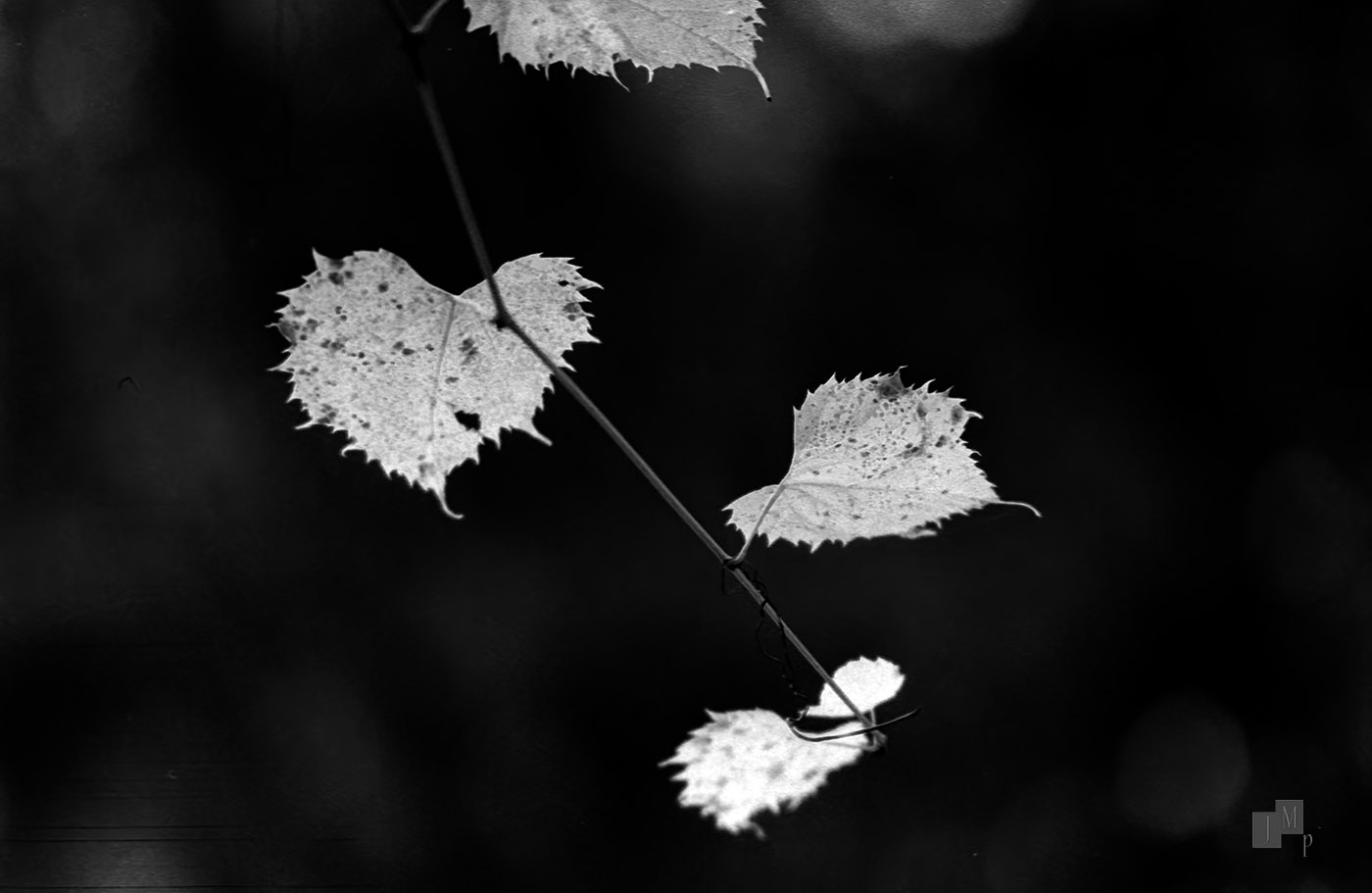
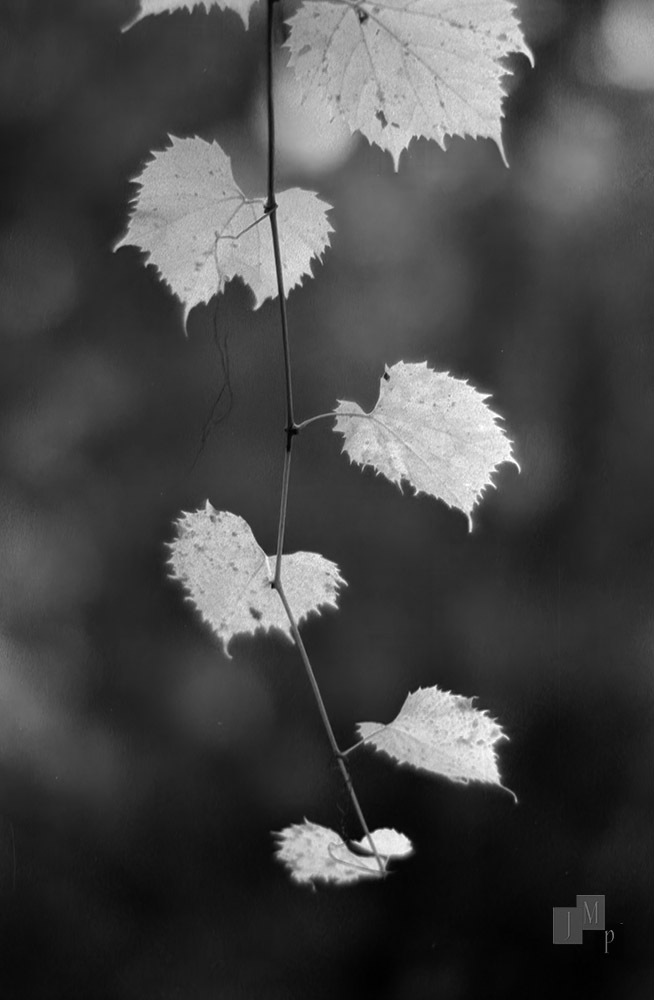
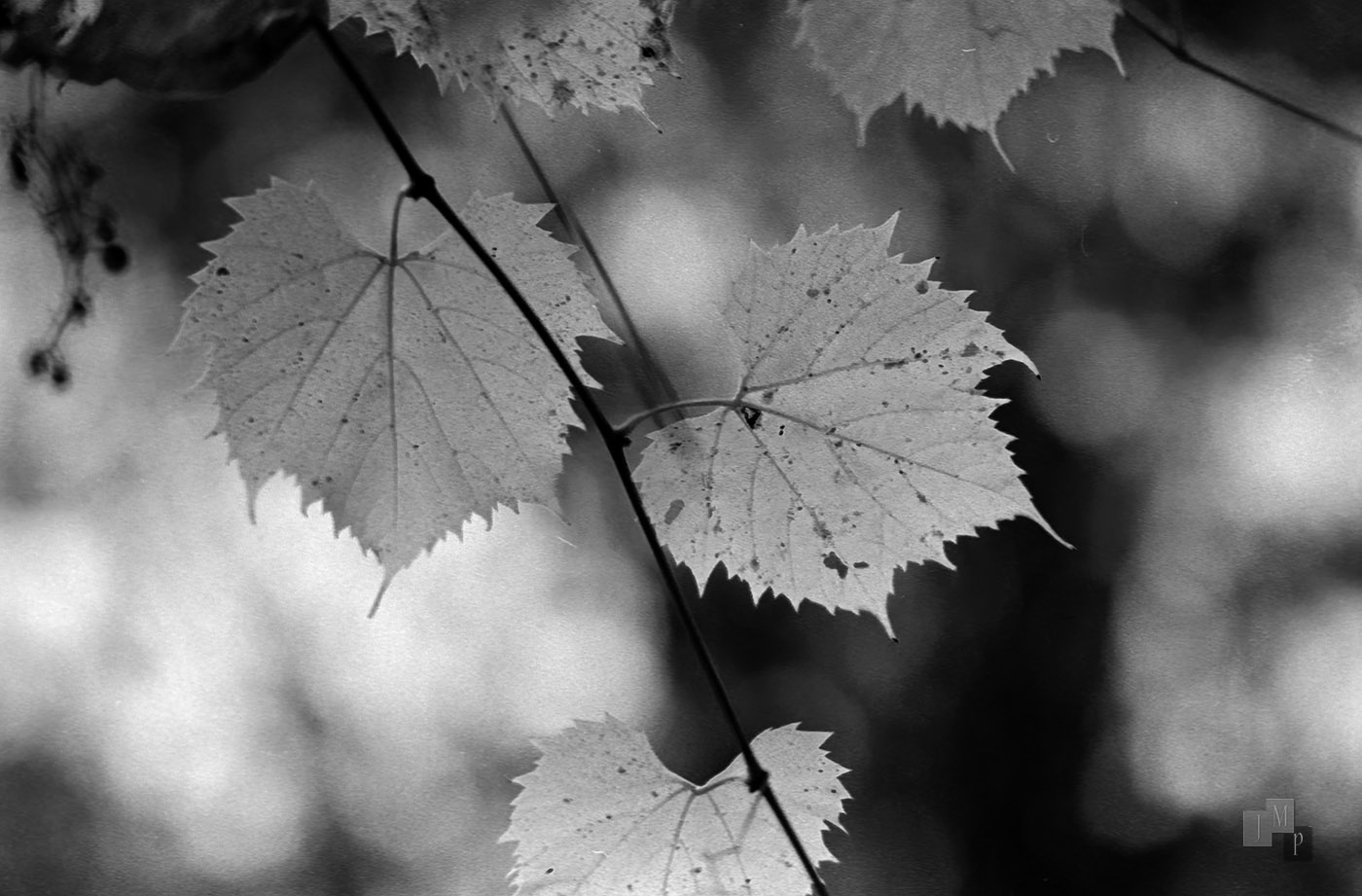
The Rollei Supergrain developer was $35 per 500 ml gave the best grain at 640 iso - imo, but contrast was too high and it wasn't worth the price difference. His Rodinal 1:100 stand developing examples are right in line with what I got, and match his balanced gradations and contrast. Another link on Alex's comparison blog post led to using "Blazinal" - which is another companies copy of the original Agfa Rodinal, but used at 1:25 or 1:50 dilution. The examples on that link looked a bit better for grain, but lost a touch of smoother gradations - imo. Here are some grape leaf shots where I hoped to explore the contrast smoothing of stand development. I gathered from my reading that digging details out of highlights without blocking up the shadows was the original motive for the standing development process. I'm amazed it works so well. Same roll, camera lens and f-stop as the others. Just faster shutter speeds.
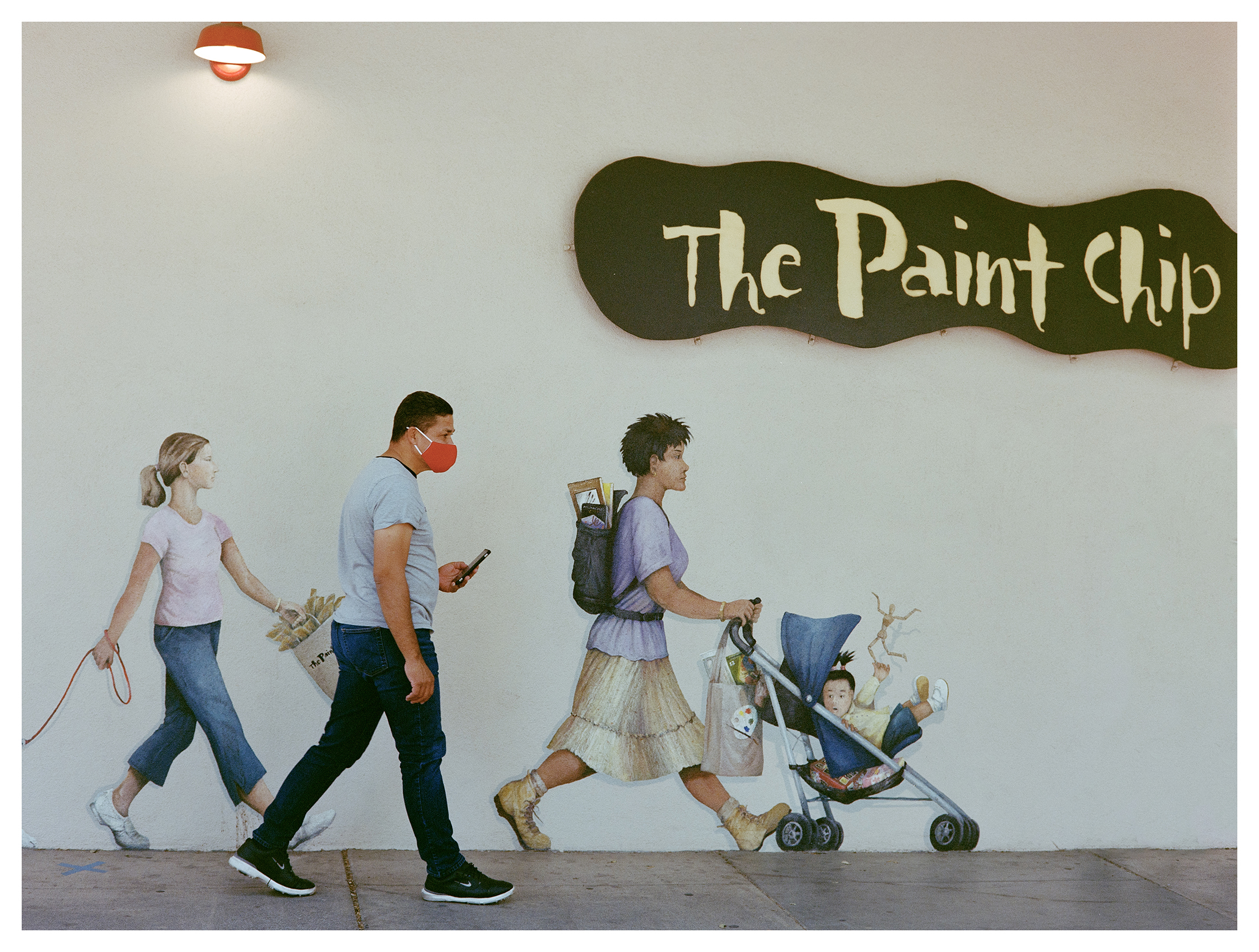
The 1st is one of my favorite of this year and I'm so grad it's B&W.
( thank you for this gentleman allowed me to take couple photos during his cigarette break )
James Markus wrote:
I gathered from my reading that digging details out of highlights without blocking up the shadows was the original motive for the standing development process. I'm amazed it works so well. Same roll, camera lens and f-stop as the others. Just faster shutter speeds.
Yep, that's been my experience at least. Semi-stand development has saved me in cases where I wasn't sure I nailed exposure or was using a film that is often described as contrasty. If the resulting negatives are not contrasty enough I can always increase contrast in post, but my goal is usually to capture as much detail in the highlights and shadows as possible so I can then adjust the digital file to my liking. I'm not sure if it would work so well for wet-darkroom prints, but I think it's a good approach when you're scanning.
Usually I've found semi-stand with Rodinal at 1:100 results in finer grain than I get with Rodinal at higher ratios (e.g., 1:50 or 1:25), but you still get all the sharpness. I've seen some people claim that the finer grain is due to the weaker dilution and others claim that it's due to the lower amount of agitation, but whatever, it just works!
bjhurley wrote:
Yep, that's been my experience at least. Semi-stand development has saved me in cases where I wasn't sure I nailed exposure or was using a film that is often described as contrasty. If the resulting negatives are not contrasty enough I can always increase contrast in post, but my goal is usually to capture as much detail in the highlights and shadows as possible so I can then adjust the digital file to my liking. I'm not sure if it would work so well for wet-darkroom prints, but I think it's a good approach when you're scanning.
Usually I've found semi-stand with Rodinal at 1:100 results in finer grain than I get with Rodinal at higher ratios (e.g., 1:50 or 1:25), but you still get all the sharpness. I've seen some people claim that the finer grain is due to the weaker dilution and others claim that it's due to the lower amount of agitation, but whatever, it just works!...Show more →
I haven't used stand development with Rodinal but use 1:50 regularly. Thirty seconds of gentle agitation to start and a couple of inversions every minute. The grain is fairly fine and good contrast. I still have about 50ml of Adox Rodinal in the bottle. When that's gone, it'll be Bellini RDL. RDL is Rodinal with an added sulfite that helps boost shadow detail. The same Rodinal rules apply, pay the speed tax and don't agitate very much.
When I did a lot of stand development it was the first 30 seconds of inversions and then nothing except an inversion in the mid-way mark, about 30 minutes in.