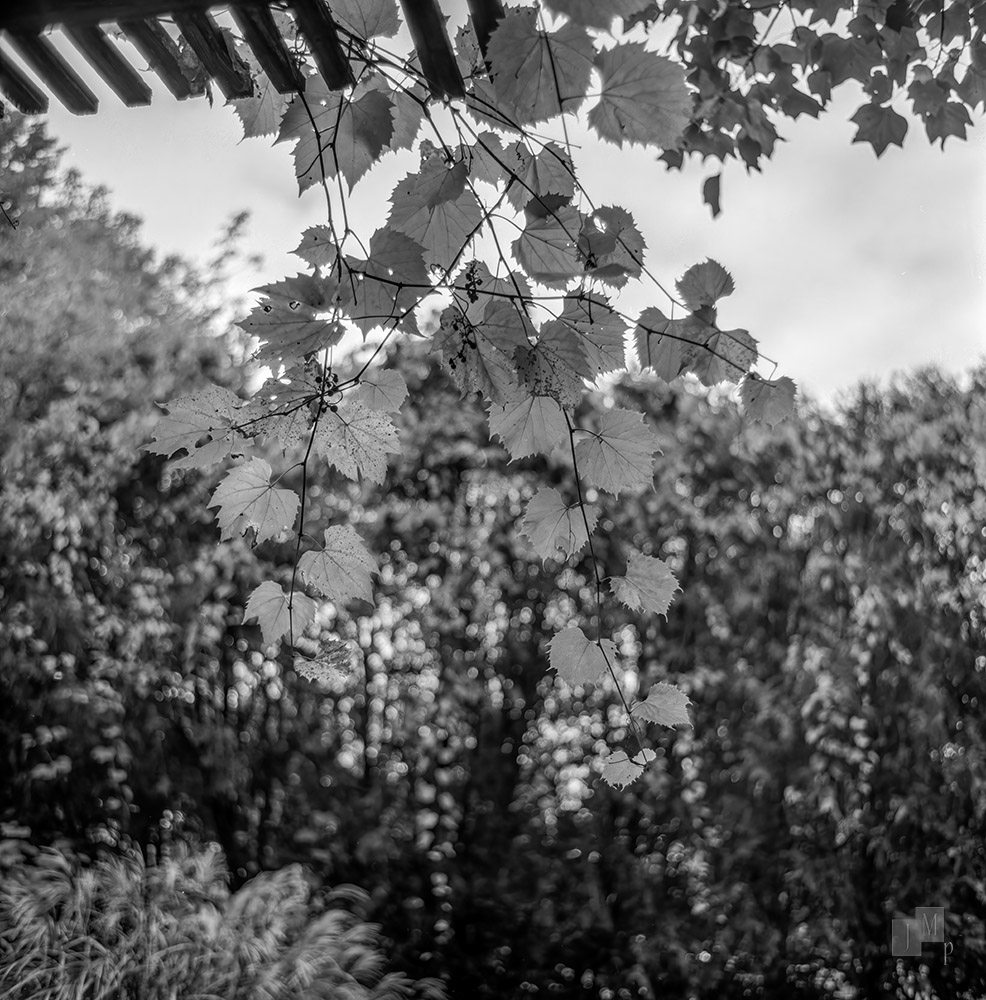
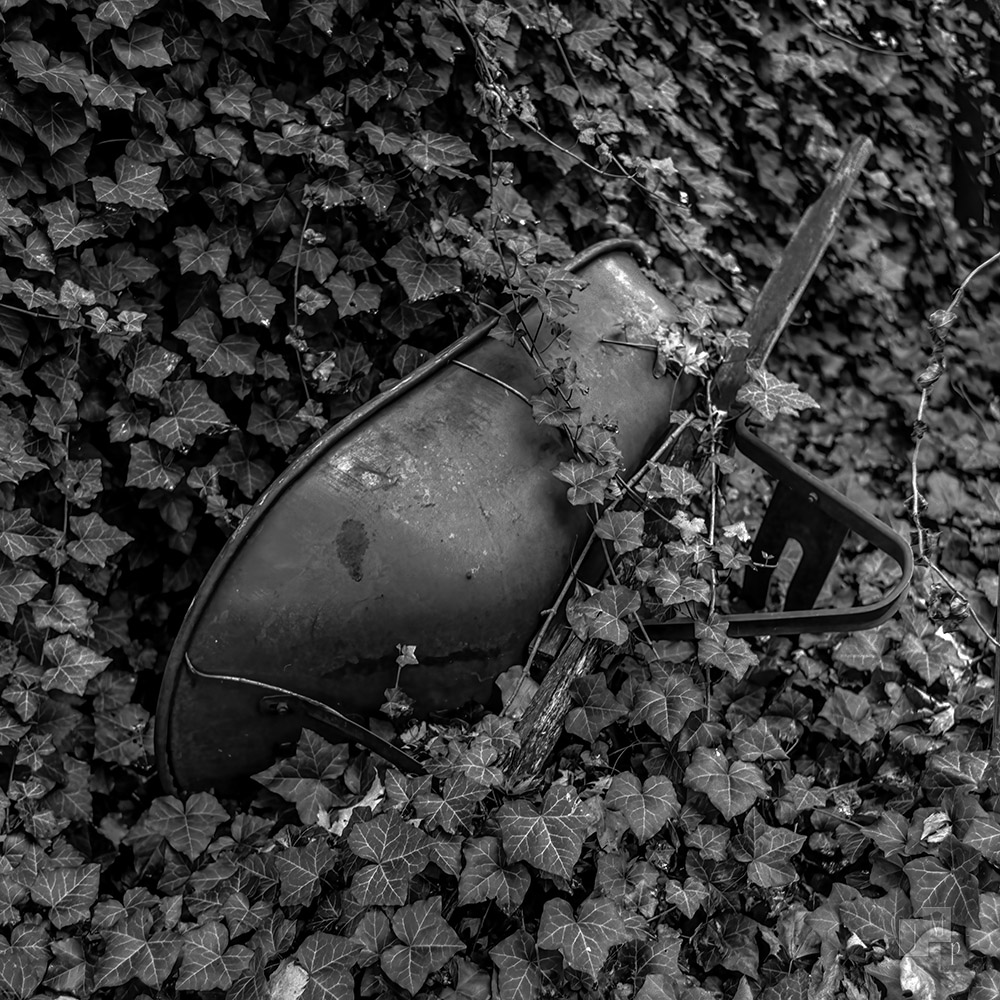
Roll 194: Rollei Retro 400S film curve. Rodinal, 1+50, 20 minutes, rotary development. I had done a curve of Rollei 400 IR a long time ago, but that was before I went back to rotary development. In addition, while there are rumors that 400 IR and Retro 400S are the same film, I wanted to make sure that my process agrees with that hypothesis. Finally, I had complained about film curl with CHS100II, and @James Markus had offered a suggestion that I wanted to try out.
1. Squares
God only knows why the last frame is missing. I am just going to blame Rollei quality control.
2. Data
I had assumed ISO100 (what Rollei 400 IR gave me). If true, then an exposure 4 stops below normal exposure should give me a density of 0.1, and that is practically what I get. Perhaps a third of a stop faster, but no more.
3. Commentary
Compare this measured film speed to what the spec sheet shows. "Rodinal, 1+ 50, 22 minutes, ISO400". Well, I guess this is true if you only need two stops of shadow detail. This illustrates why I do these tests.
4. Curl
Now that I have the data I have put one strip back on the reel facing the other direction to see if the film dries flatter, because this film, like CHS100II and 400 IR, has massive curl.
theHUN wrote:
3. Commentary
Compare this measured film speed to what the spec sheet shows. "Rodinal, 1+ 50, 22 minutes, ISO400". Well, I guess this is true if you only need two stops of shadow detail. This illustrates why I do these tests.
Really nice job with this and thanks for sharing, very insightful!
theHUN wrote:
Finally, I had complained about film curl with CHS100II, and @James Markus@ had offered a suggestion that I wanted to try out.
4. Curl
Now that I have the data I have put one strip back on the reel facing the other direction to see if the film dries flatter, because this film, like CHS100II and 400 IR, has massive curl.
You need to try the method immediately following development while the emulsion is still soft, and only partially dry. Don't forget the heat - it sets it.
Geza, I look at at your Rollei film test sheet, and judging by eye - I would want approximately frame 9 as the highest density portion of the negative. There are so many variables that pinning it down requires exacting methodology. Thanks for doing these.
Lens test #3 on the Mamiya C3 - the 65mm f3.5 Sekor using UXF-400. So far the 80mm f2.8, 135mm f4.5 have been surprisingly good, and the 65mm seems to be in the same league.I only have one lens test to go - as I have no intention of acquiring the extreme ends of the Mamiya TLR lens range. There are a total of seven lenses for this system, and four is enough. I am really appreciating the design of having all the important bits (lenses and shutter) in the lens, and reducing the body to merely a light tight box with film advance. I also like how all the lenses will work on all Mamiya's TLR models, as well as the modular viewfinders.
Mamiya-C3_65mm-f3.5-Sekor_Xtol_1-1_Used&Replenished-13.5min-at-68-degrees - Wide open
James Markus wrote:
You need to try the method immediately following development while the emulsion is still soft, and only partially dry. Don't forget the heat - it sets it.
Geza, I look at at your Rollei film test sheet, and judging by eye - I would want approximately frame 9 as the highest density portion of the negative. There are so many variables that pinning it down requires exacting methodology. Thanks for doing these.
Right. After drying and measuring, I put one strip back into into the final rinse solution, then back onto the reel, while the room was still hot and humid from the water distiller running all day.
Yeah, the contrast is high, probably from the high concentration and development time. The Epson scanner can partly make up for high densities. The next roll will be the same film stock but with actual subjects and if things look funky because of the high densities then I will try to dilute more or dev for a shorter time.
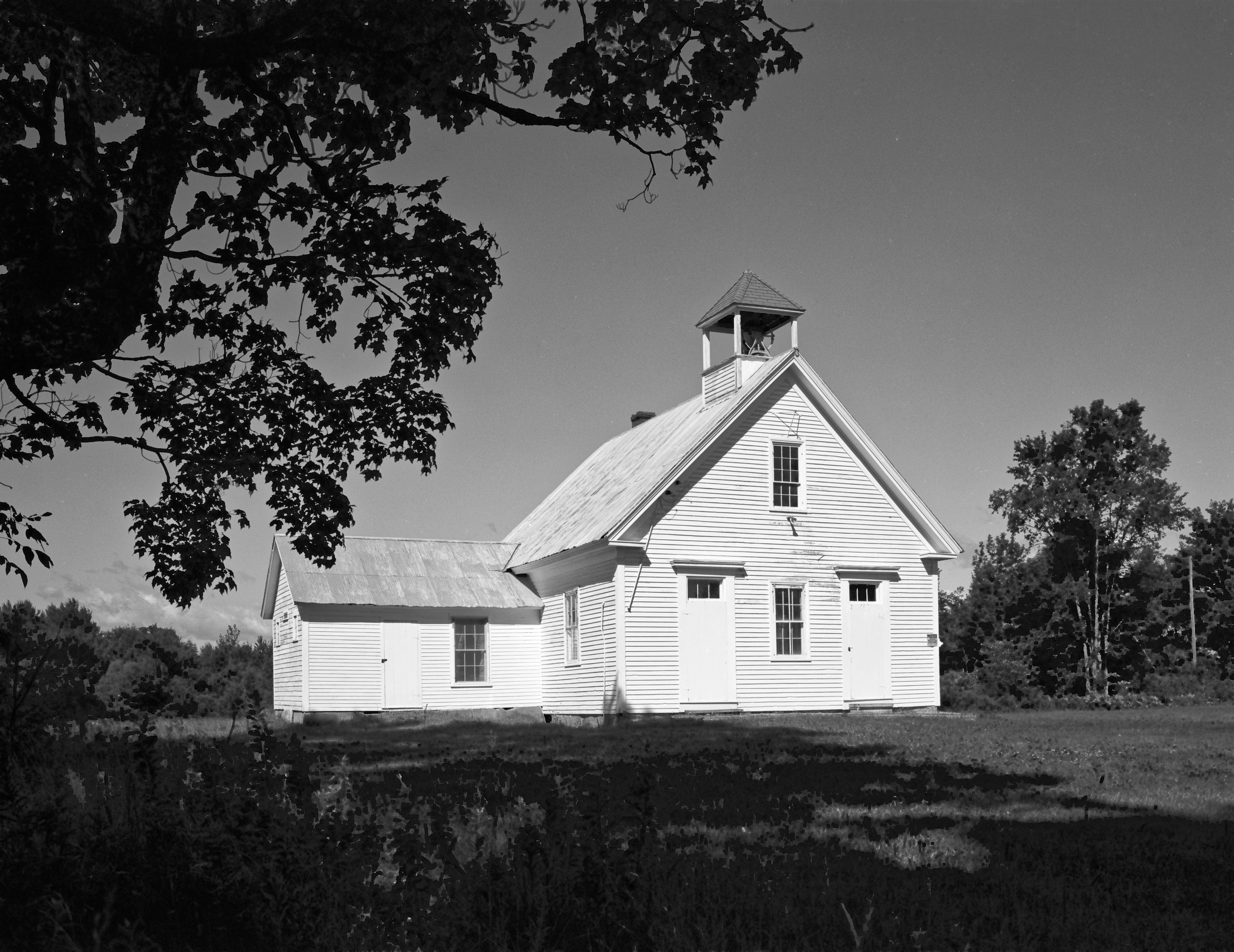
A re-visit to an old Maine schoolhouse in Harrison (ME) with some old gear with a new-to-me lens; Nikkor 120mm f8 SW. Used the Technikardan 45 without needing the bag bellows...no real corrections needed. Shot on Arista 200 (4x5).