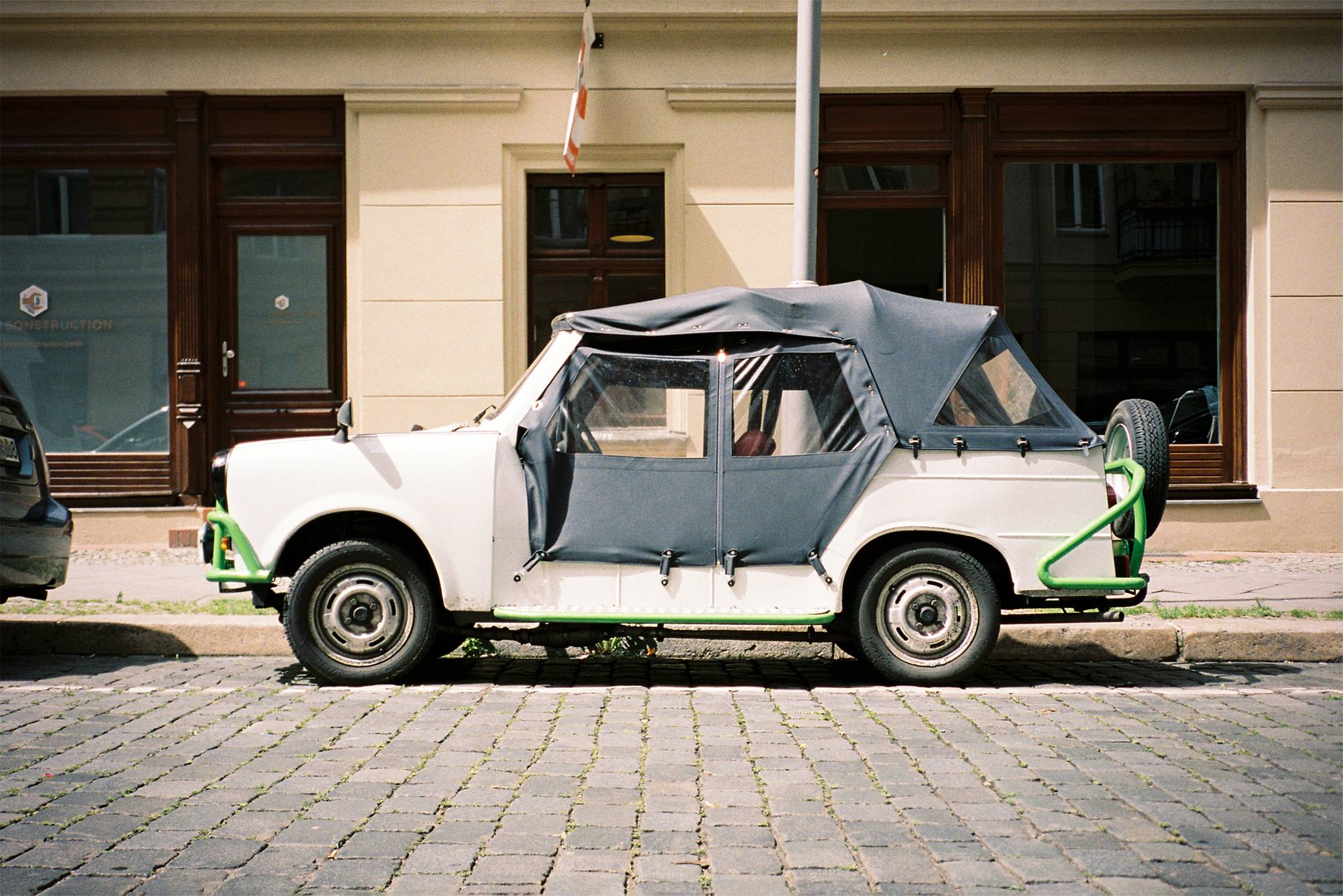
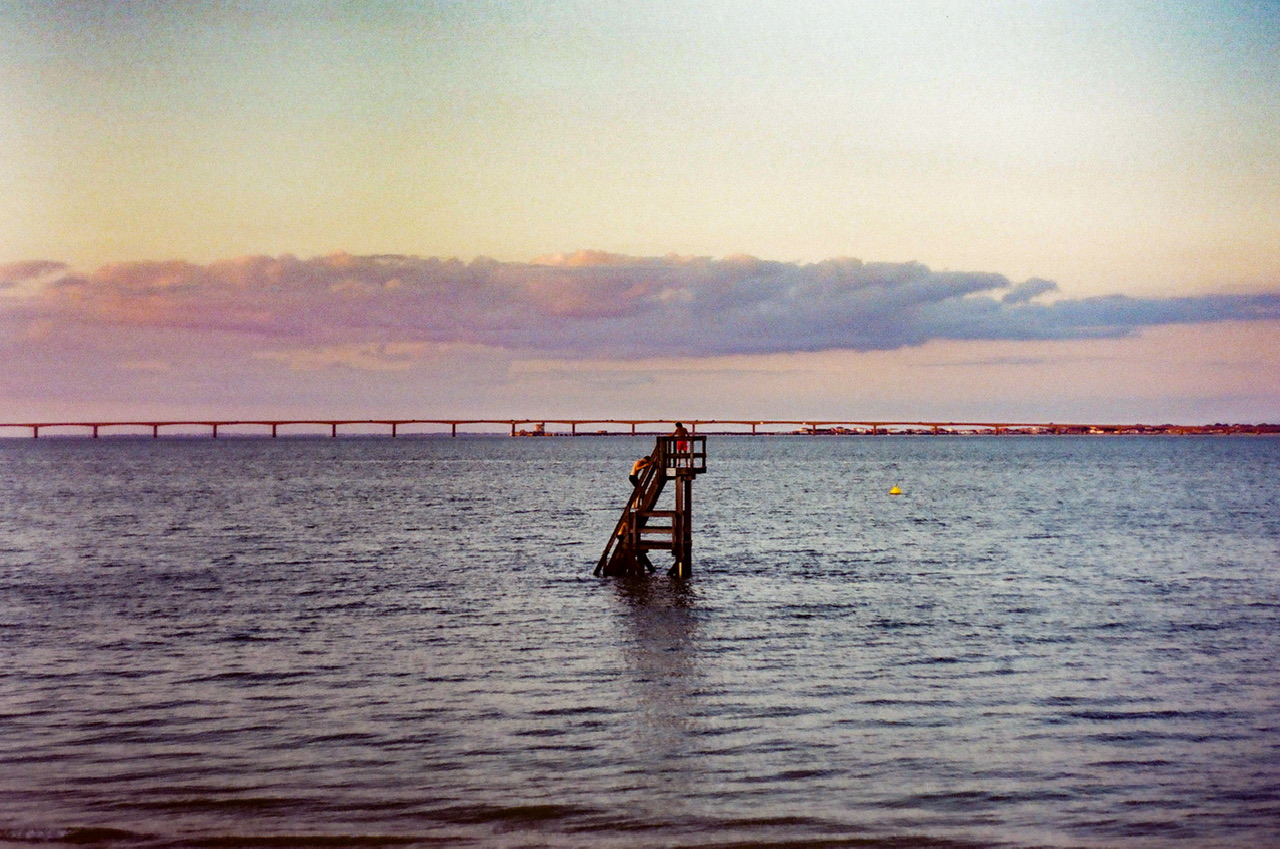
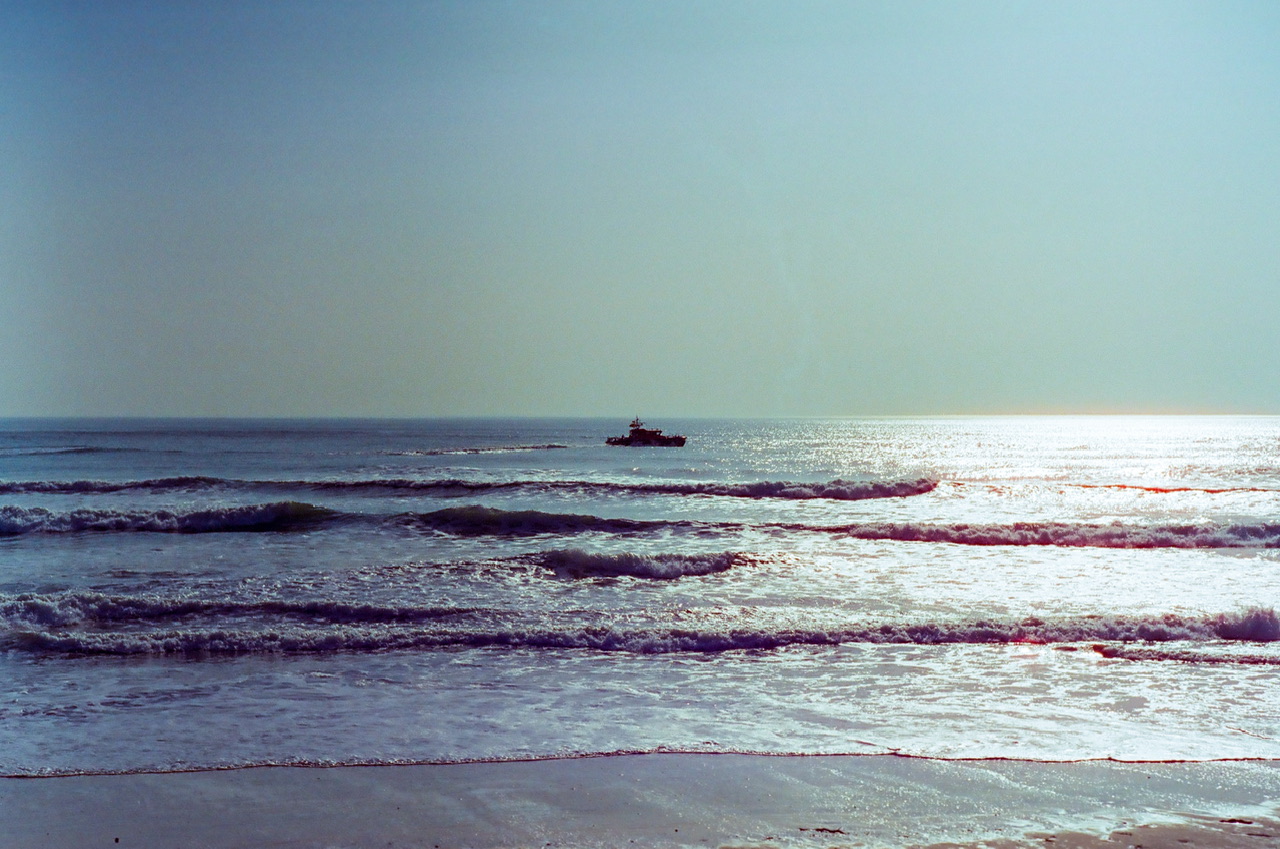
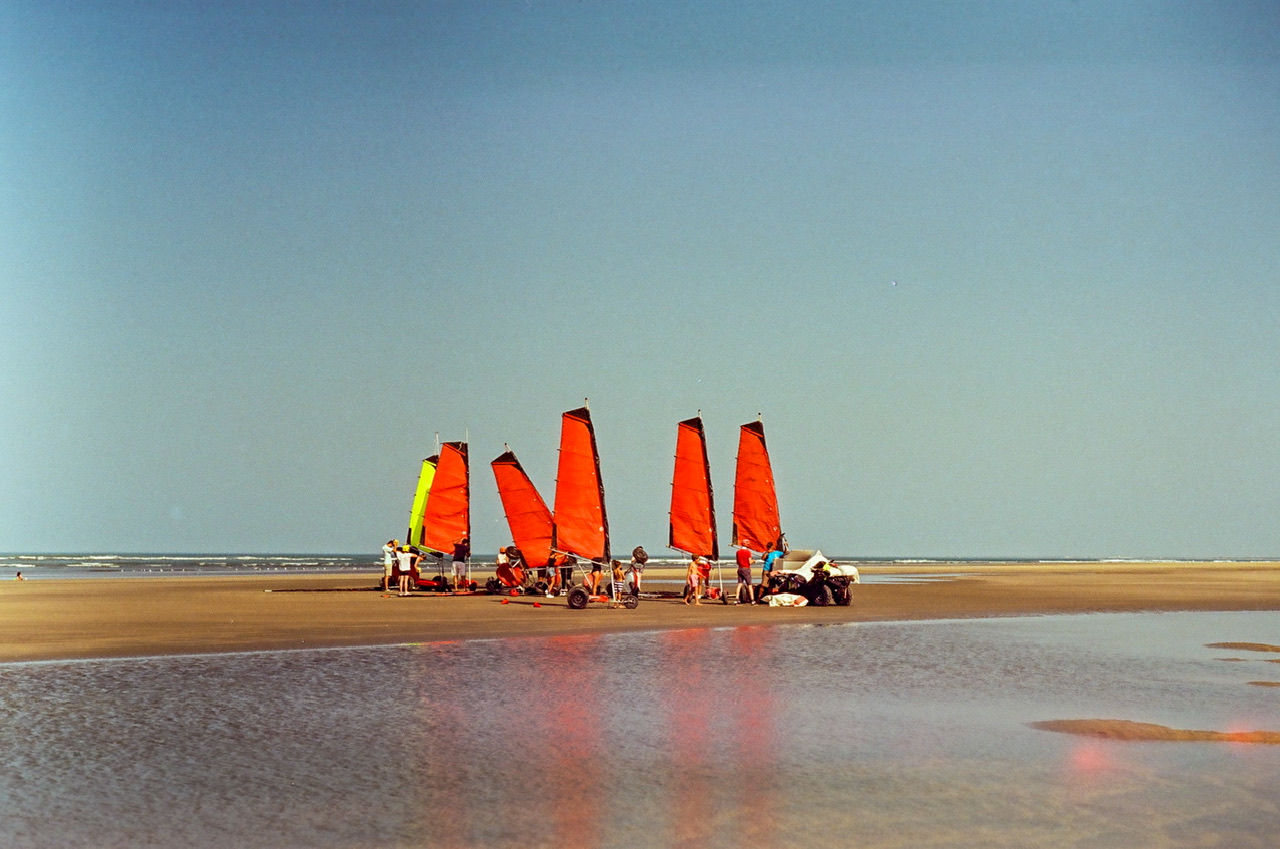
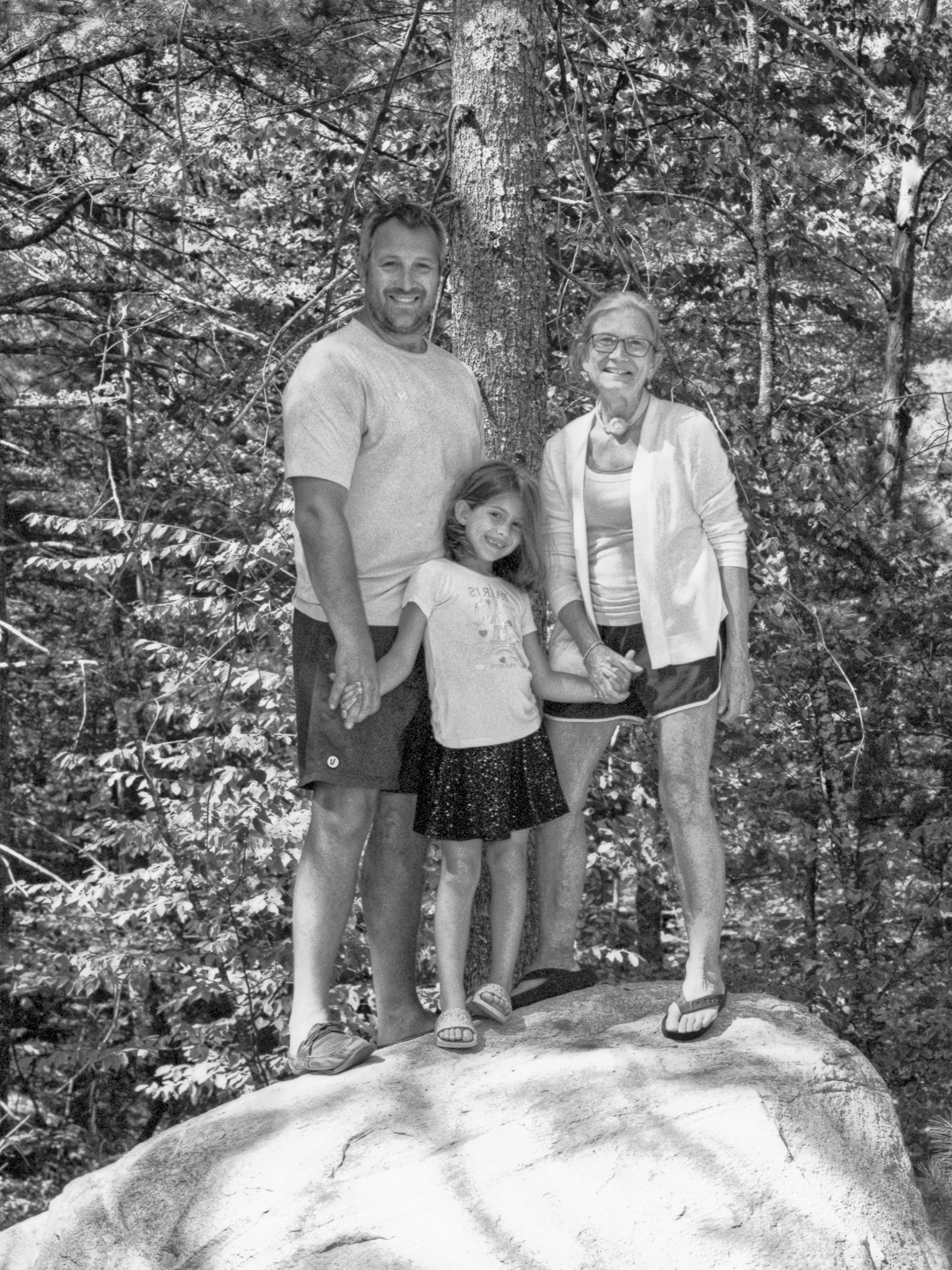
Nikon FM2n, AI Nikkor 50mm f/1.8S, Kentmere Pan 400, developed in LegacyPro L110 at 1:31 for 5.5 minutes. Three individual black and white frames shot through Tiffen #25 Red, #58 Green, and #47 Blue filters, respectively, then combined using GIMP to create a trichrome color image.
dourbalistar wrote:
Moss covered tree in Sanborn County Park.
Nikon FM2n, AI Nikkor 50mm f/1.8S, Kentmere Pan 400, developed in LegacyPro L110 at 1:31 for 5.5 minutes. Three individual black and white frames shot through Tiffen #25 Red, #58 Green, and #47 Blue filters, respectively, then combined using GIMP to create a trichrome color image.
dourbalistar wrote:
Moss covered tree in Sanborn County Park.
Nikon FM2n, AI Nikkor 50mm f/1.8S, Kentmere Pan 400, developed in LegacyPro L110 at 1:31 for 5.5 minutes. Three individual black and white frames shot through Tiffen #25 Red, #58 Green, and #47 Blue filters, respectively, then combined using GIMP to create a trichrome color image.
Wow, Haven't thought about this process in years. When I was a boy, a local high end photographer (LeClair) had a studio within bicycle distance to my home. His color prints were like nobody else's - way better quality. This is in the 1960s. I would ride my bike to his studio just to see new prints. He claimed his grand father had invented the "dye-transfer printing process" ( with his french accent it sounded like "dyatransfer"), and promised he would let me watch his next print. (I can't find any verification of his claim) I really credit him for igniting the love of photography in me. Anyway, the day came and I showed up early. He had this huge enlarger, and we made three identical enlargements onto some kind of thick graphics arts film. Approximately 2 x 3 feet in size. Then he punched register holes into each sheet, and moved to a homemade frame that had a high quality paper in it. He inked each sheet, then made sure the pins were through the holes on the short end, and then gently laid the film down on the paper. He had this long clean paint roller-like tube that he very lightly rubbed one time across the non-inked side of the film. He would wait a bit, then lift the film off, and repeat with the next color. I only got to see this once, but it made a huge impression on me. Later, When I worked in production at the newspaper - we did a crude version of the same process multiple times per day whenever we did "four color" photos.
Tina Kino wrote:
@dourbalistar@ ..oh wow, that looks interesting, I've never done trichromes before!
The rainbow-y colors on the side of the stem, and in the unsharp highlights in the background are funky..
Do you have some more of those?
@Tina Kino, it takes some time to change filters between each exposure. In the meantime, there are subtle changes in the light that come out as prismatic colors in the final trichrome. For this image, I used f/4 for each of the individual frames, so there is a bit of background blur.
I've been experimenting with trichromes for a few years now. The process does involve several steps, but isn't really that difficult, especially if you process your own film. This album on Flickr has some of my results over the years: https://www.flickr.com/photos/dourbalistar/albums/72157714304198026/
James Markus wrote:
Wow, Haven't thought about this process in years. When I was a boy, a local high end photographer (LeClair) had a studio within bicycle distance to my home. His color prints were like nobody else's - way better quality. This is in the 1960s. I would ride my bike to his studio just to see new prints. He claimed his grand father had invented the "dye-transfer printing process" ( with his french accent it sounded like "dyatransfer"), and promised he would let me watch his next print. (I can't find any verification of his claim) I really credit him for igniting the love of photography in me. Anyway, the day came and I showed up early. He had this huge enlarger, and we made three identical enlargements onto some kind of thick graphics arts film. Approximately 2 x 3 feet in size. Then he punched register holes into each sheet, and moved to a homemade frame that had a high quality paper in it. He inked each sheet, then made sure the pins were through the holes on the short end, and then gently laid the film down on the paper. He had this long clean paint roller-like tube that he very lightly rubbed one time across the non-inked side of the film. He would wait a bit, then lift the film off, and repeat with the next color. I only got to see this once, but it made a huge impression on me. Later, When I worked in production at the newspaper - we did a crude version of the same process multiple times per day whenever we did "four color" photos.
@James Markus, wow, that sounds much more technical and way more impressive that what I'm doing! I have zero experience with the whole printing side of things.
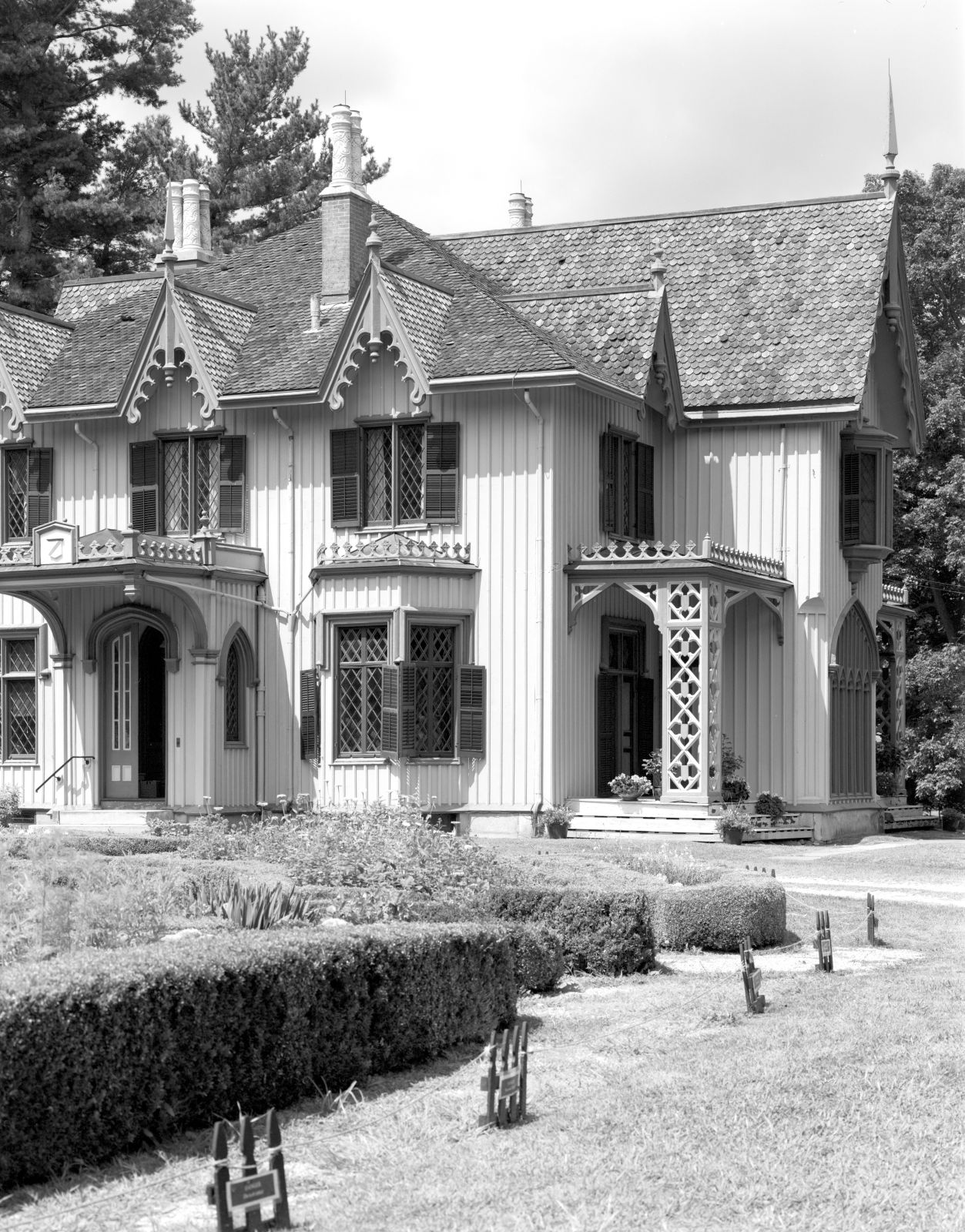
Trying out my "new-to-me" Fujinon AS 240mm f9 APO lens on a vintage historic home (Roseland Cottage) in my hometown. Shot with Zone VI 4x5, Fujinon AS 240mm f9 APO, on Arista 100, scanned with Epson V850 Pro, running on Vuescan.