zi464 wrote:
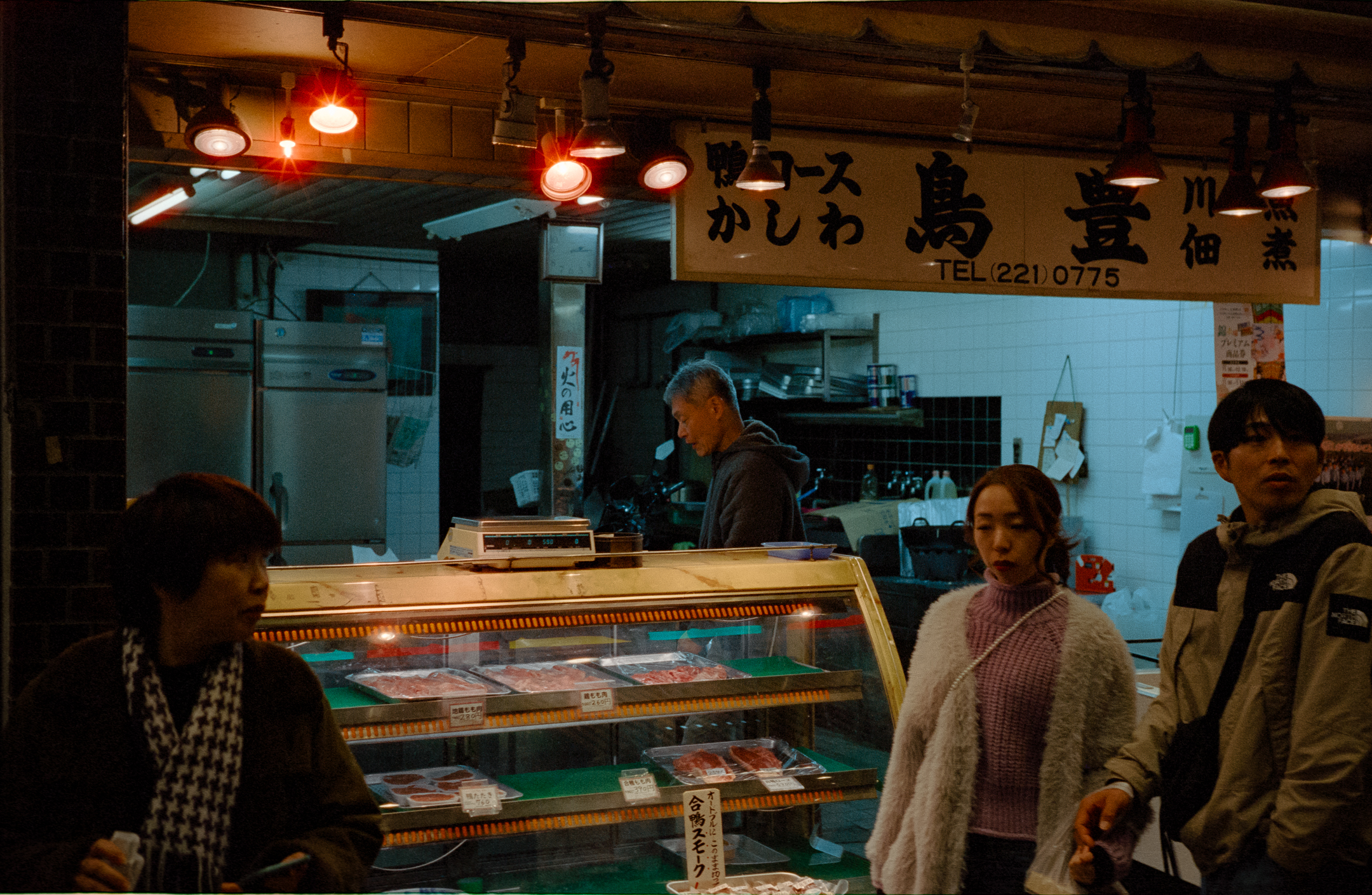
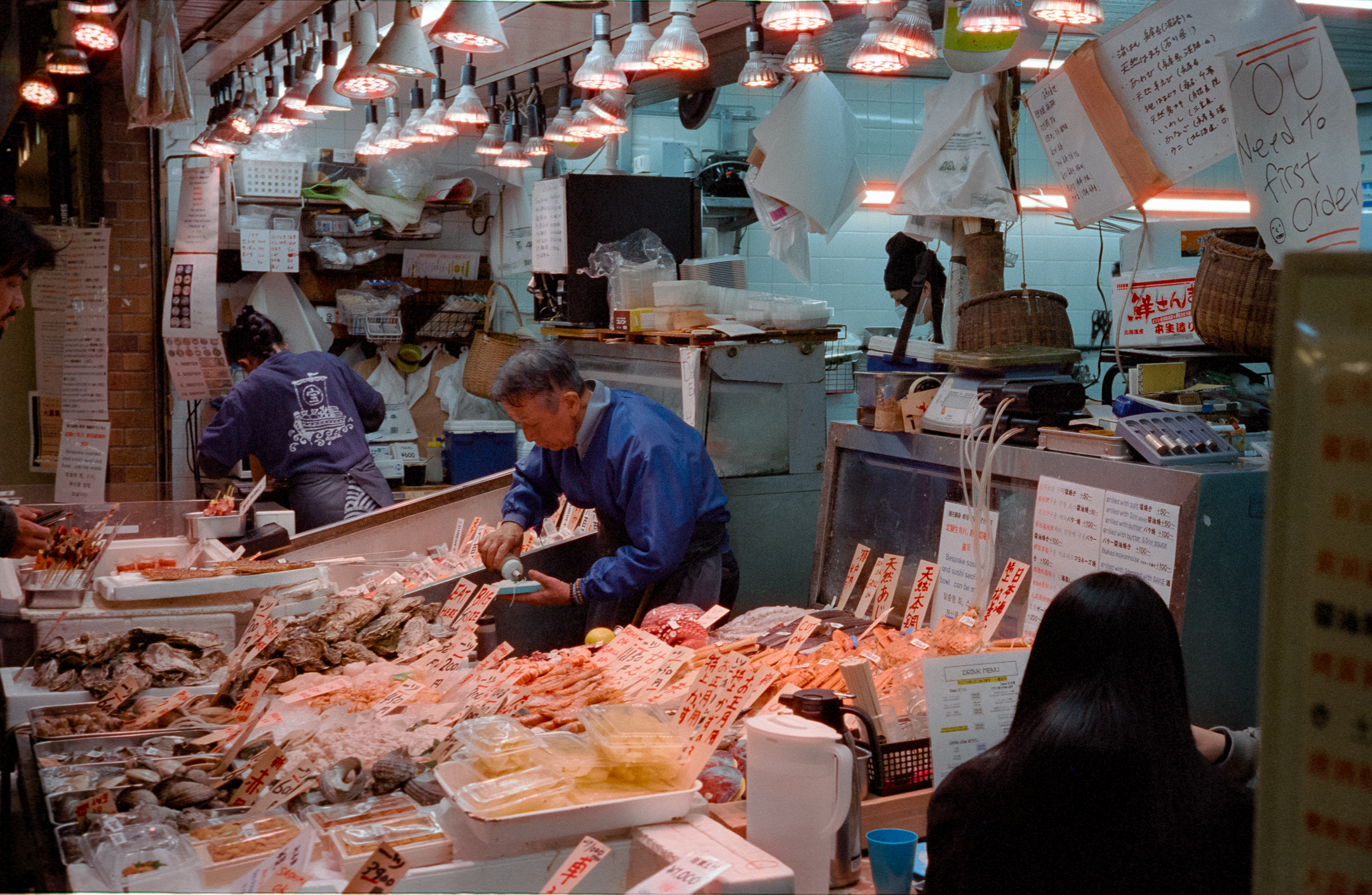
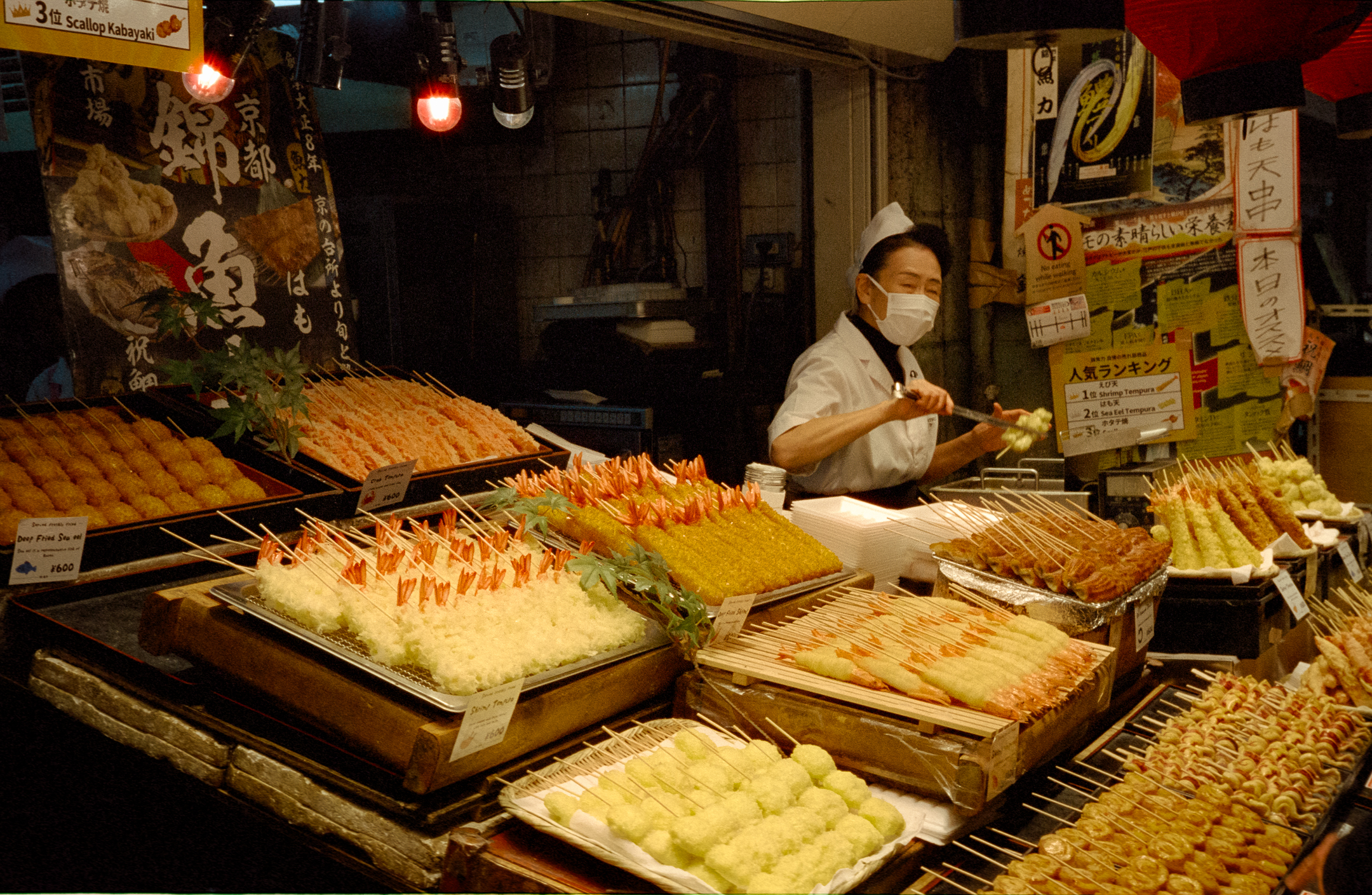
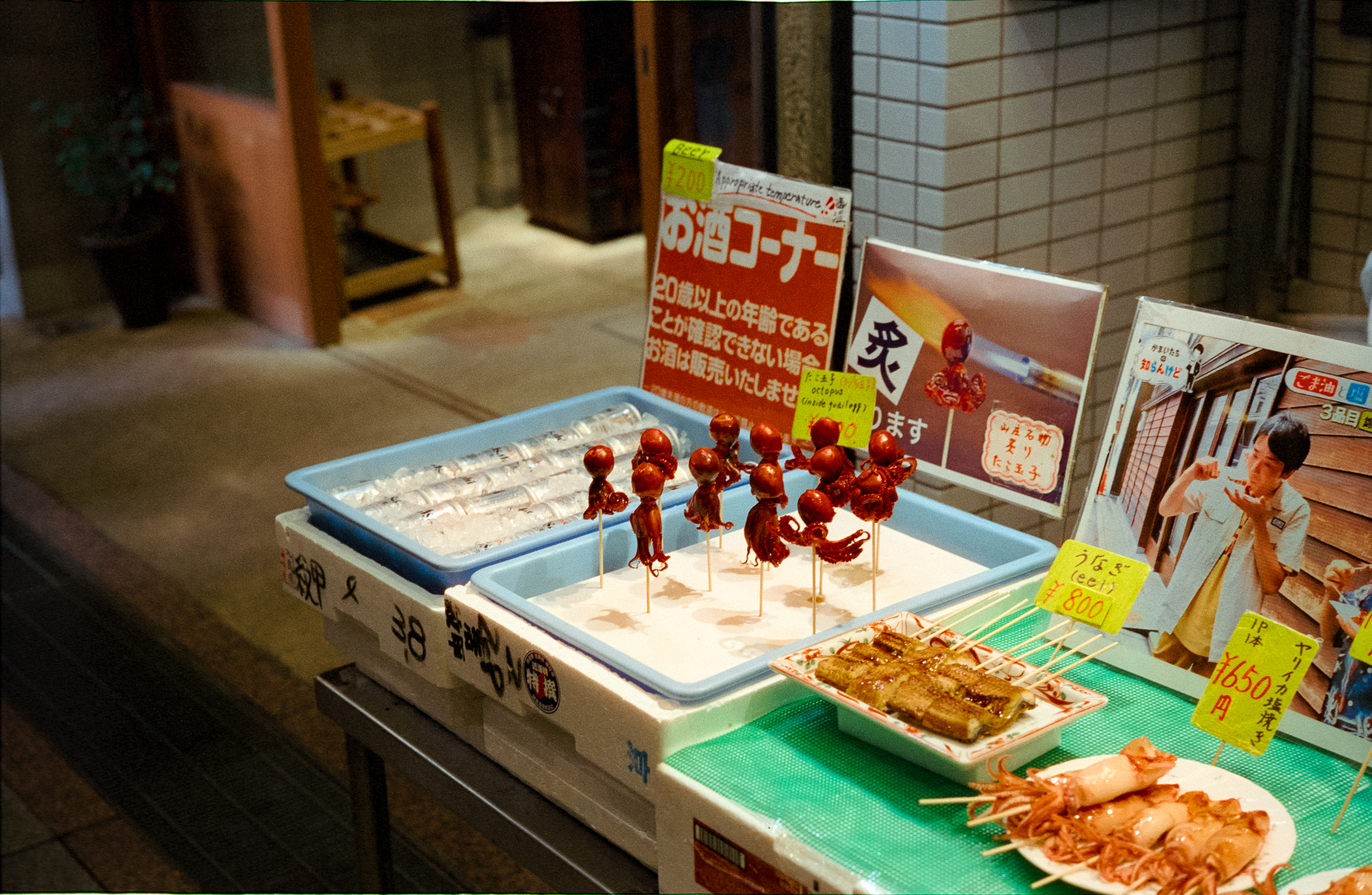
2nd roll of Candido 400 , some weird halation here
That's pretty typical of the remjet-removed Vision 3 films sold by respoolers -- removing the remjet (antihalation layer) causes that halation, and also sometimes light leaks are introduced during the respooling process. The only one of those films I like is the 800T; I've had a couple of good rolls without light leaks and got some decent images.
bjhurley wrote:
That's pretty typical of the remjet-removed Vision 3 films sold by respoolers -- removing the remjet (antihalation layer) causes that halation, and also sometimes light leaks are introduced during the respooling process. The only one of those films I like is the 800T; I've had a couple of good rolls without light leaks and got some decent images.
The 1st roll I shared in previous pages the halation was there but was okay. The 2nd roll .....
The Candido 400 is selling around $12-13. There is no reason I buy this again over Ultramax and Fuji 400.
bjhurley wrote:
That's pretty typical of the remjet-removed Vision 3 films sold by respoolers -- removing the remjet (antihalation layer) causes that halation, and also sometimes light leaks are introduced during the respooling process. The only one of those films I like is the 800T; I've had a couple of good rolls without light leaks and got some decent images.
If it is the 800T from Cinestill it's probably because Cinestill gets it directly from Kodak without the remjet and spools it themselves.
After my bad experience with Cinestill I buy 800T from Reflx Lab. No light leaks, all looks good. People buy this film for the halation around light sources, especially in night-time shots, but in daylight conditions it's not too extreme.
The actual Vision 3 film stocks with remjet are much cheaper, but ECN-2 processing is more expensive (unless you do it yourself) so the cost ends up being similar.
I took out the 4x5 for the first time in eh...18 years. (I'm sorry 4x5, I know you've been lonely.) It was a flood of memories to open up the backpack and see all that gear so neatly packed in a backpack I sewed by hand. Anyway, this is the last test before developing film which I believe is from Glacier in 2007. it gave me a chance to run through the process of shooting again and using a tank I made out of plumbing supplies that I mentioned in another post.
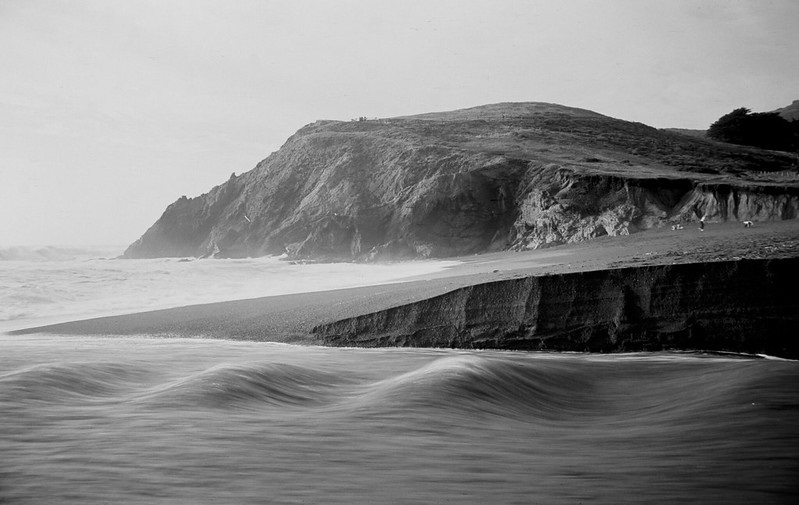
Tmax, D-23, Wisner 4x5, 150 Rodenstock.
I'm really happy with how even the sky turned out. In the past, I've had problems with streaks using hangers. Tray processing is difficult to get perfectly even if you look closely.
Phoenix really should be shot at iso 100, not the 'recommended' 200. It gets murky and very grainy at 200 - signs of underexposure.
This film is also much better in 120 format vs 35mm, as it is grainy and basically unsharp - something that medium format film hides really well compared to the smaller 35mm format.
It also needs a proper Phoenix specific profile when scanned! All those weird/horrible colours are from incorrect scanning profiles by the lab tech. This is what it looks like with a Phoenix specific profile (via negativelabpro):
Would I buy this film again? Not in 35mm as for me it is too grainy and unsharp. But in 120? Sure.
Phoenix really should be shot at iso 100, not the 'recommended' 200. It gets murky and very grainy at 200 - signs of underexposure.
This film is also much better in 120 format vs 35mm, as it is grainy and basically unsharp - something that medium format film hides really well compared to the smaller 35mm format.
It also needs a proper Phoenix specific profile when scanned! All those weird/horrible colours are from incorrect scanning profiles by the lab tech. This is what it looks like with a Phoenix specific profile (via negativelabpro):