bjhurley wrote:
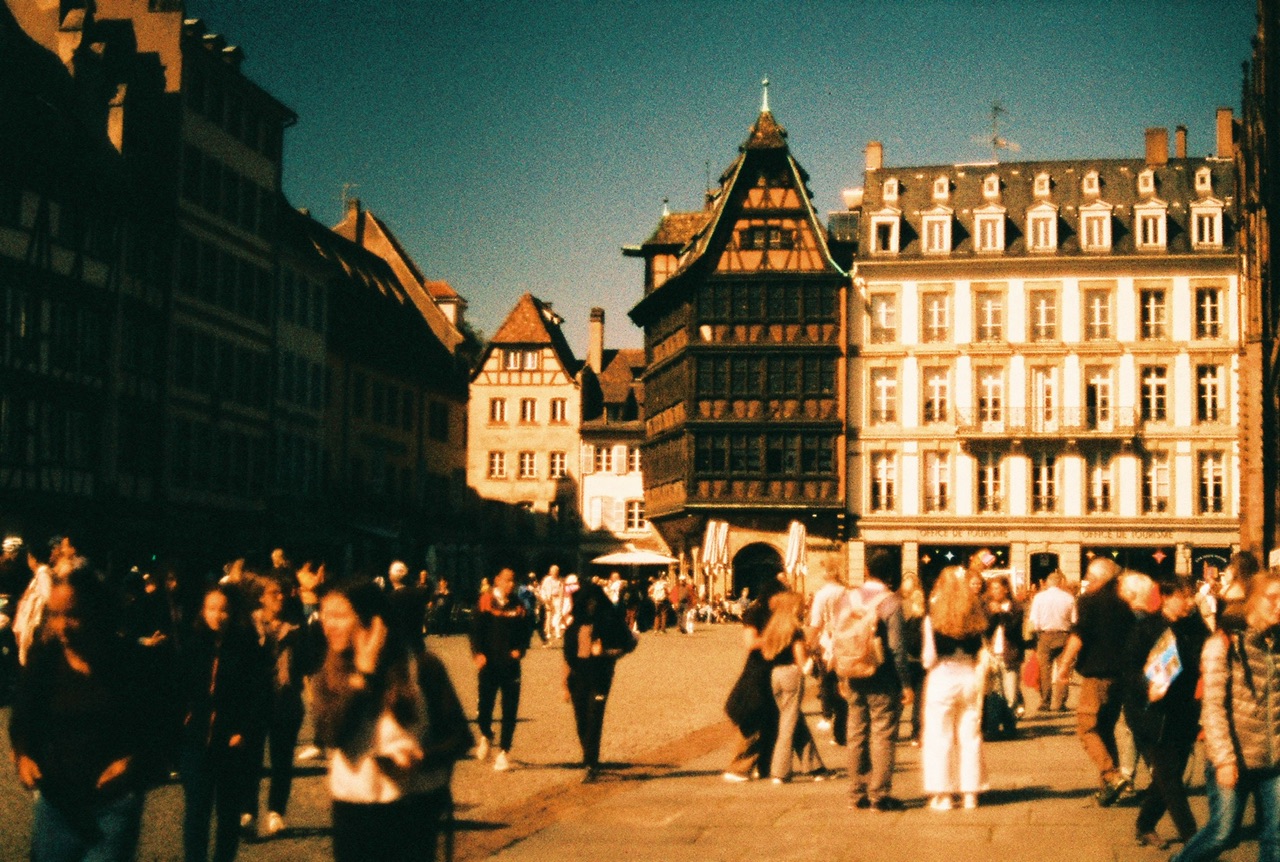
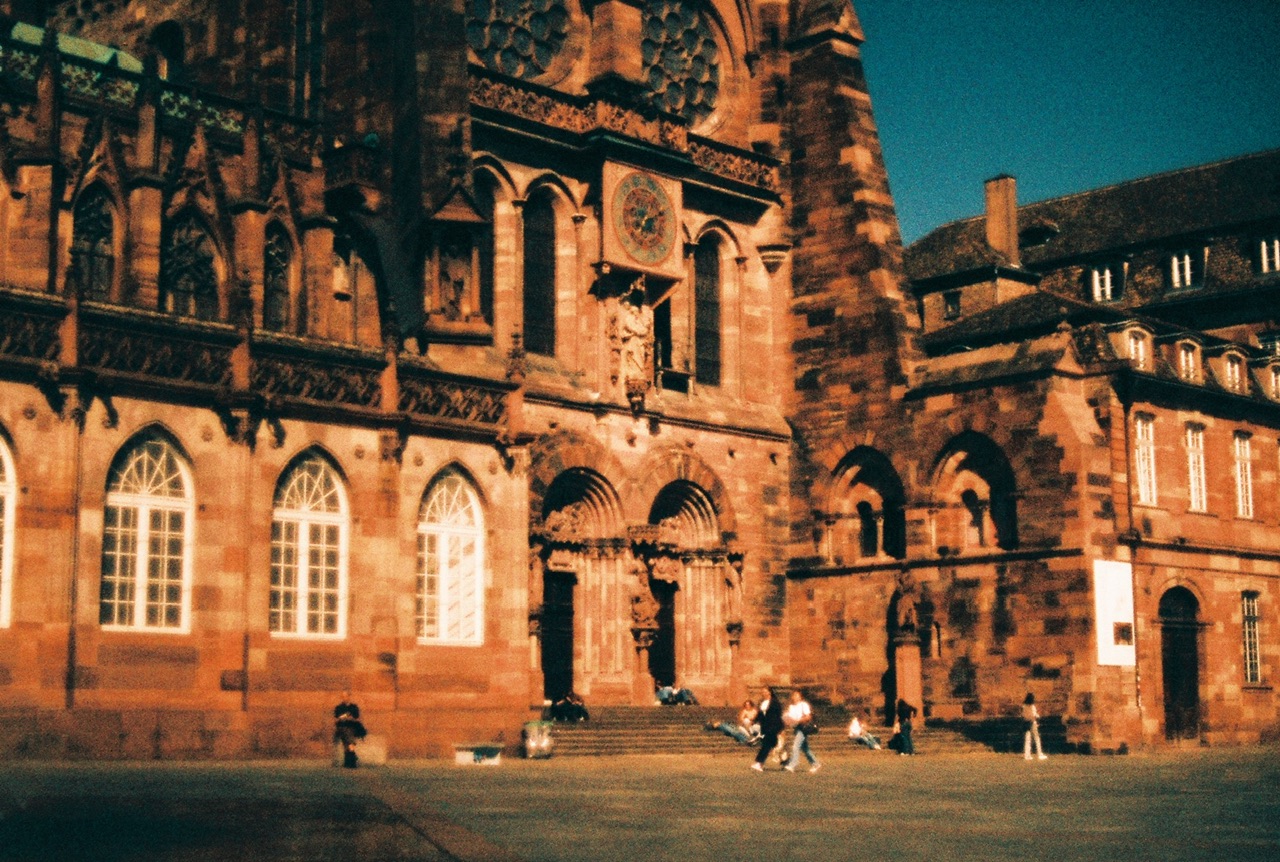
The Fuji Work Record did a nice job on our vacation last week. But the real star of the show was the Mamiya C330; I'll post some of those next.
madNbad wrote:
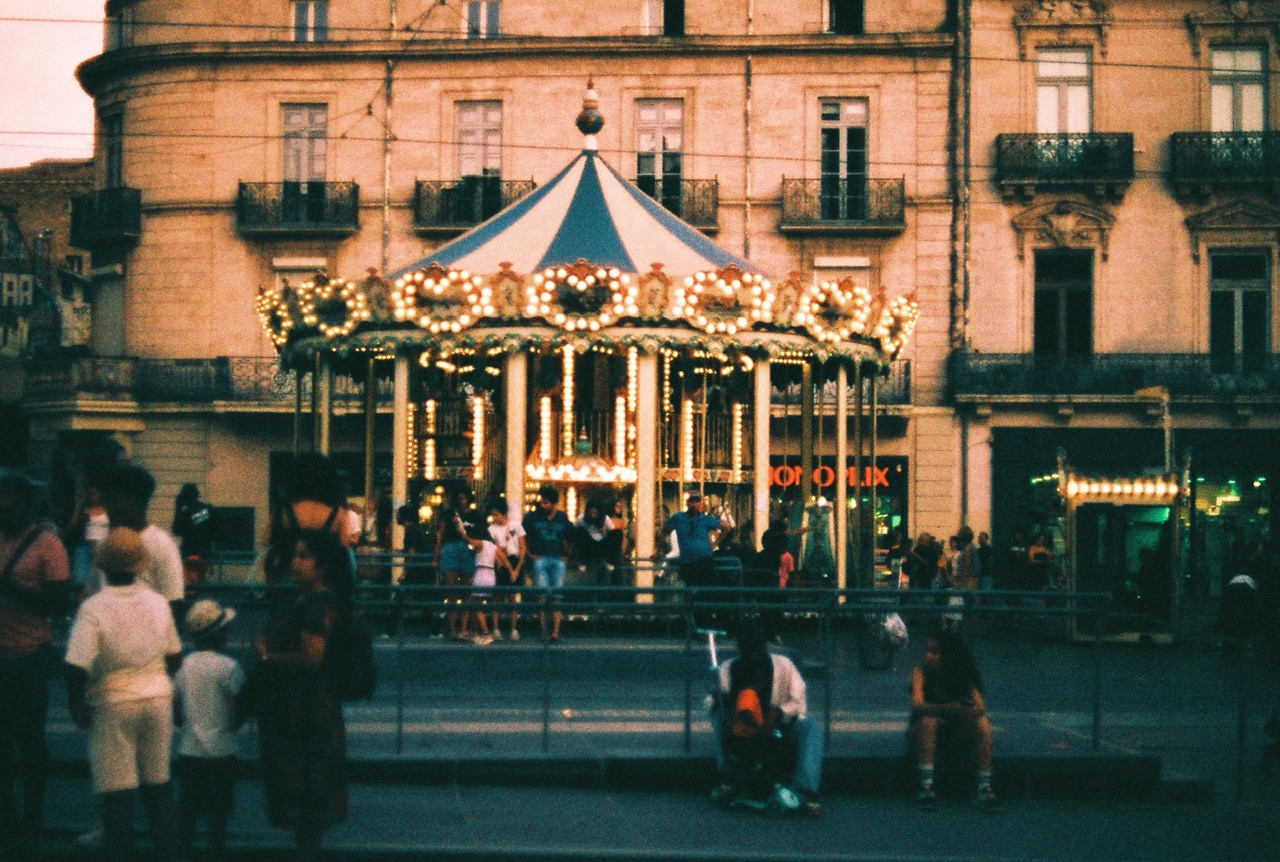
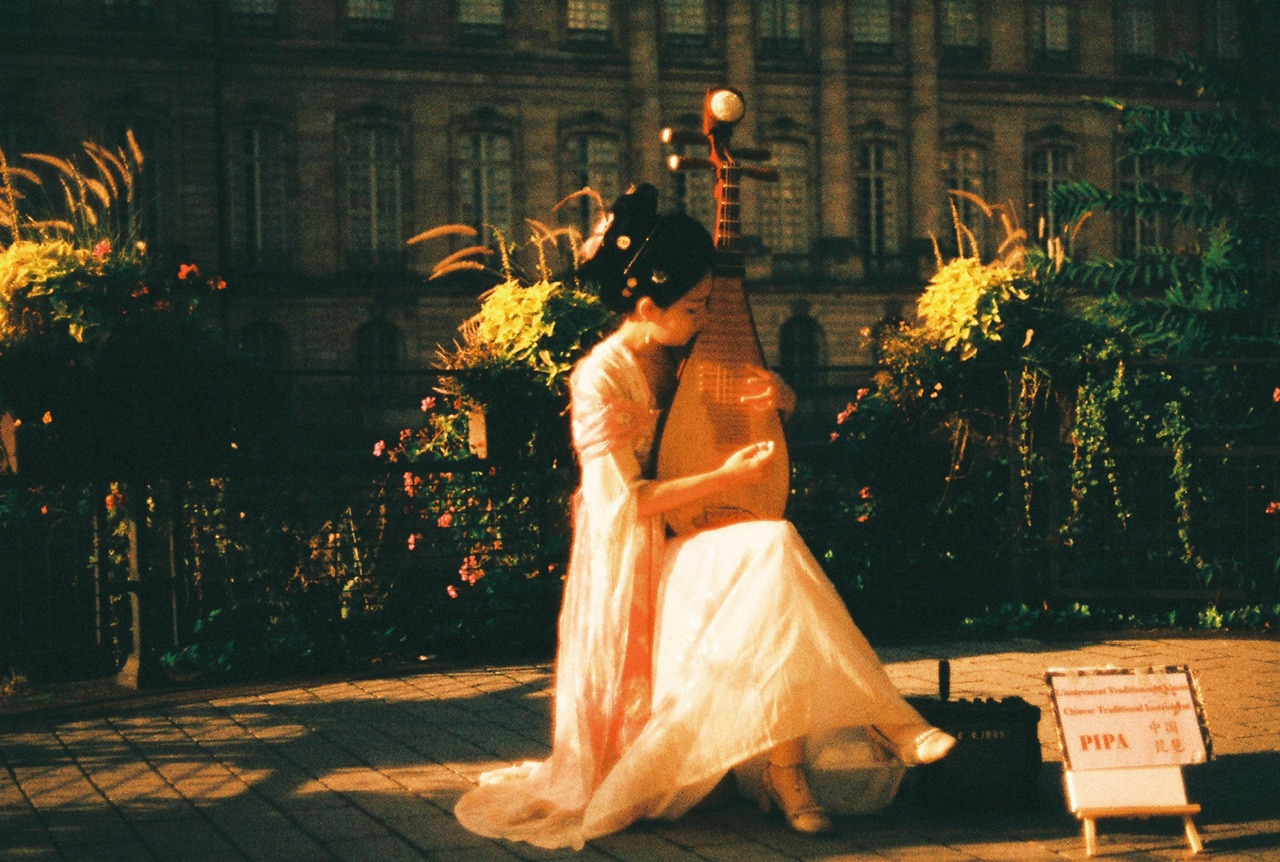
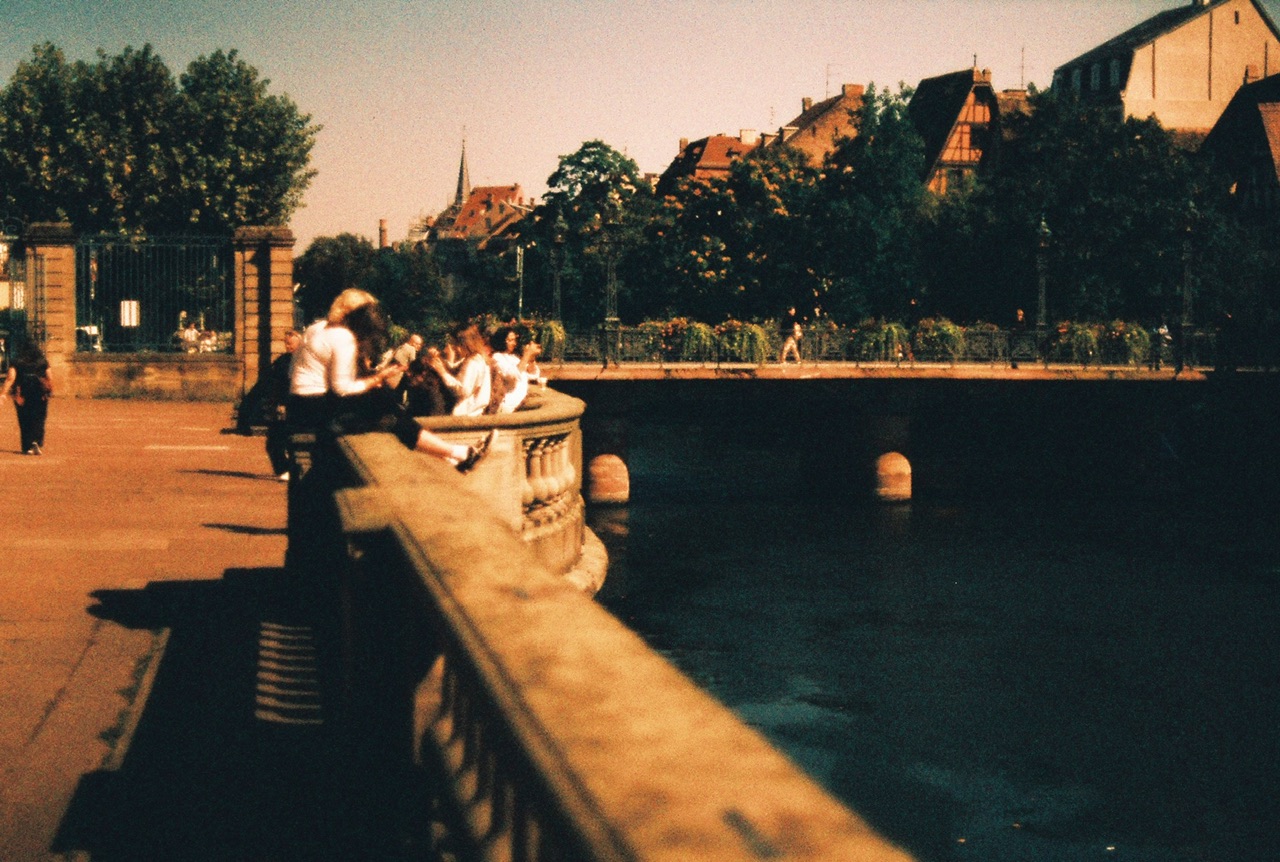
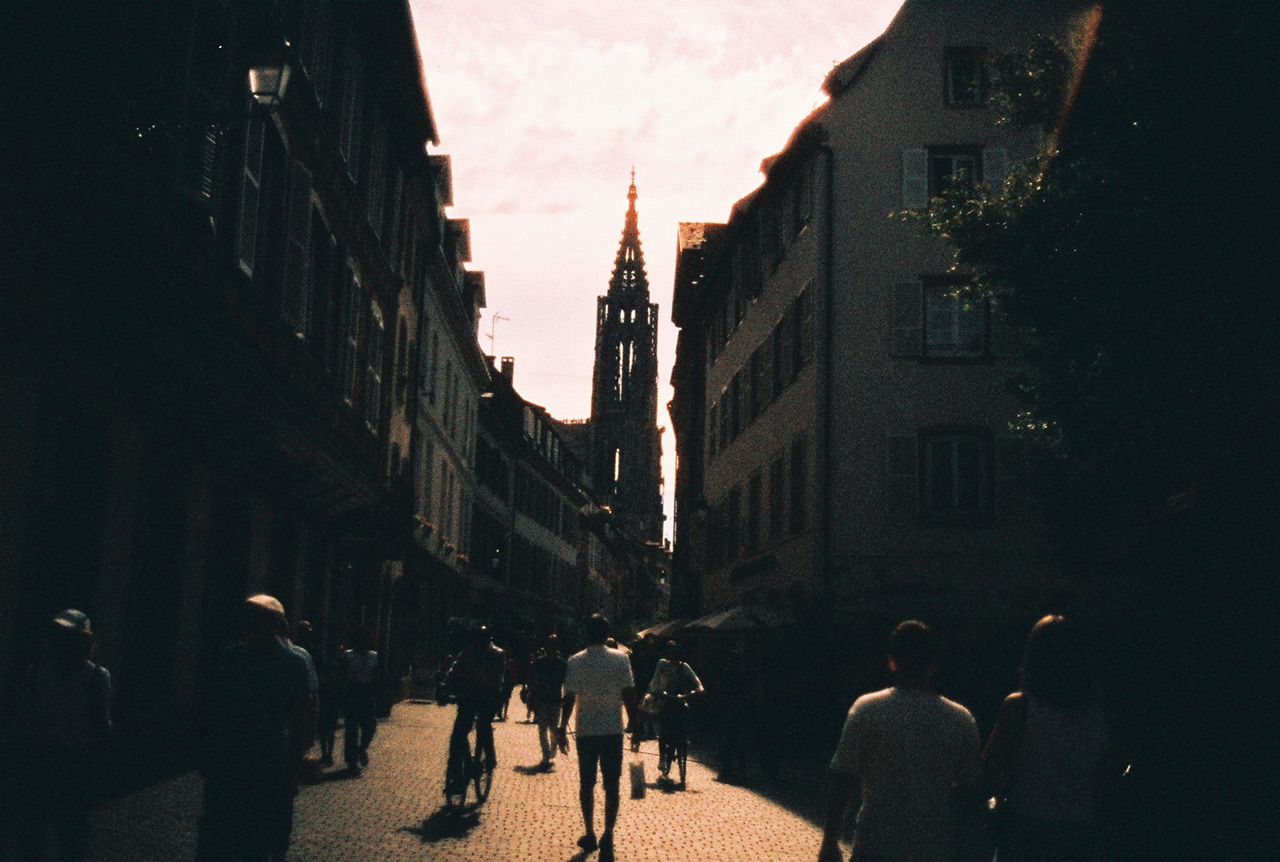
Fun with Flic Film! Lab processed, converted with NLP, Noritsu profile. There are only a few that had some adjustment for brightness.
M4-2, Zeiss 28 2.8 Biogon, ND-2 filter, Aurora 800 @ ISO 400
First, a disclaimer, the last time I used a P&S camera was either 2015 or 2016 and it was an Olympus Stylus Zoom that was five dollars at Goodwill. Last week, I bought a Pentax Espio 628 from a Japanese seller. The camera cost $22.95 plus thirty five dollars for shipping. It arrived in four days, so well worth the price for shipping. There is very little information about this camera and most of the manuals for either the IQ Zoom or the Espio are for later versions so there is still a learning curve. The little flash has more pop than I expected and it tends to over expose a bit. A couple of the following had some correction for brightness but I decided to leave most of them alone. The film is Fujicolor 200, lab processed and converted with NLP Noritsu Profile:
Troll Path, Nordic Nortwest Center, Metzger, Oregon
Olle Bolle's Hus, with some adjustment for brightness
Olle Bolle
From Outside
Zomm at 28mm, I was about thirty feet away and the flash lit the back wall of the hut
madNbad wrote:
First, a disclaimer, the last time I used a P&S camera was either 2015 or 2016 and it was an Olympus Stylus Zoom that was five dollars at Goodwill. Last week, I bought a Pentax Espio 628 from a Japanese seller. The camera cost $22.95 plus thirty five dollars for shipping. It arrived in four days, so well worth the price for shipping. There is very little information about this camera and most of the manuals for either the IQ Zoom or the Espio are for later versions so there is still a learning curve. The little flash has more pop than I expected and it tends to over expose a bit. A couple of the following had some correction for brightness but I decided to leave most of them alone. The film is Fujicolor 200, lab processed and converted with NLP Noritsu Profile:
Troll Path, Nordic Nortwest Center, Metzger, Oregon
Desmolicious wrote:
Super! The difference is so obvious once you step up to 120.
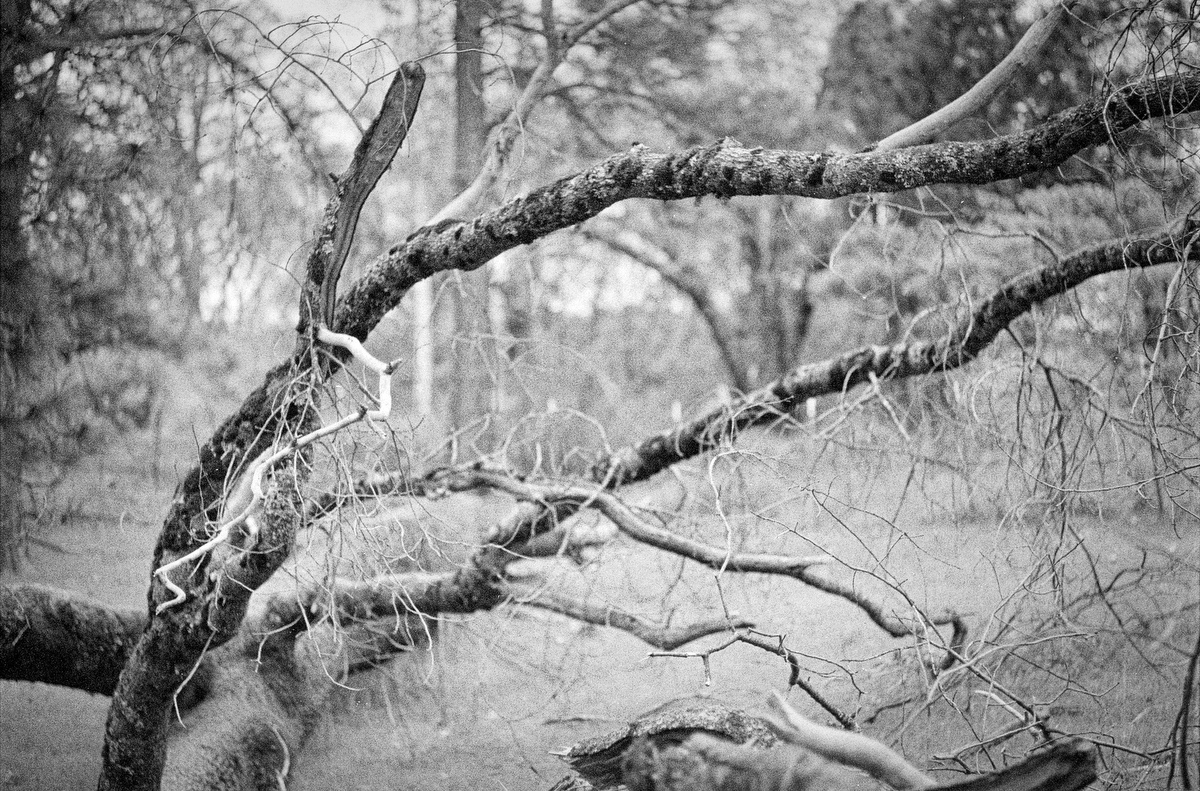
True, although the Fuji Work Record really impressed me in most cases. For example, I never thought I could get a shot like this with a point-and-shoot camera:
The three lessons I drew from this experience were:
1. In general I like Kodak Gold better than Ultramax. The Ultramax blew out on a lot of the shots taken in brighter conditions, although it was lovely in the shade or overcast days.
2. The Fuji has a "landscape" mode to force it to focus on infinity and I need to remember to use that when shooting landscapes. Some of my landscape shots were not quite in focus, surprisingly, even though I focused on a distant point.
3. The ability to just compose and shoot without having to manually adjust exposure and focus was just what I needed during a family vacation. I didn't want people to get impatient, standing around waiting for me to take a picture. But it also led me to be more creative and take photos I might have been too lazy to try with any of my manual cameras.
The big lesson I drew from using the Mamiya is that I need to get a focusing screen with gridlines. A lot of my photos had skewed horizons despite me spending a lot of time eyeballing it and making adjustments. With medium format it's easy enough to adjust and crop while still retaining good resolution, but I'd rather get it right in-camera.
bjhurley wrote:
True, although the Fuji Work Record really impressed me in most cases. For example, I never thought I could get a shot like this with a point-and-shoot camera:
The three lessons I drew from this experience were:
1. In general I like Kodak Gold better than Ultramax. The Ultramax blew out on a lot of the shots taken in brighter conditions, although it was lovely in the shade or overcast days.
2. The Fuji has a "landscape" mode to force it to focus on infinity and I need to remember to use that when shooting landscapes. Some of my landscape shots were not quite in focus, surprisingly, even though I focused on a distant point.
3. The ability to just compose and shoot without having to manually adjust exposure and focus was just what I needed during a family vacation. I didn't want people to get impatient, standing around waiting for me to take a picture. But it also led me to be more creative and take photos I might have been too lazy to try with any of my manual cameras.
The big lesson I drew from using the Mamiya is that I need to get a focusing screen with gridlines. A lot of my photos had skewed horizons despite me spending a lot of time eyeballing it and making adjustments. With medium format it's easy enough to adjust and crop while still retaining good resolution, but I'd rather get it right in-camera....Show more →
Also when you have a p&s with you, you can just hand it to a friend or family member w/o having to go into a detailed explanation on what to do.
geekcop wrote:
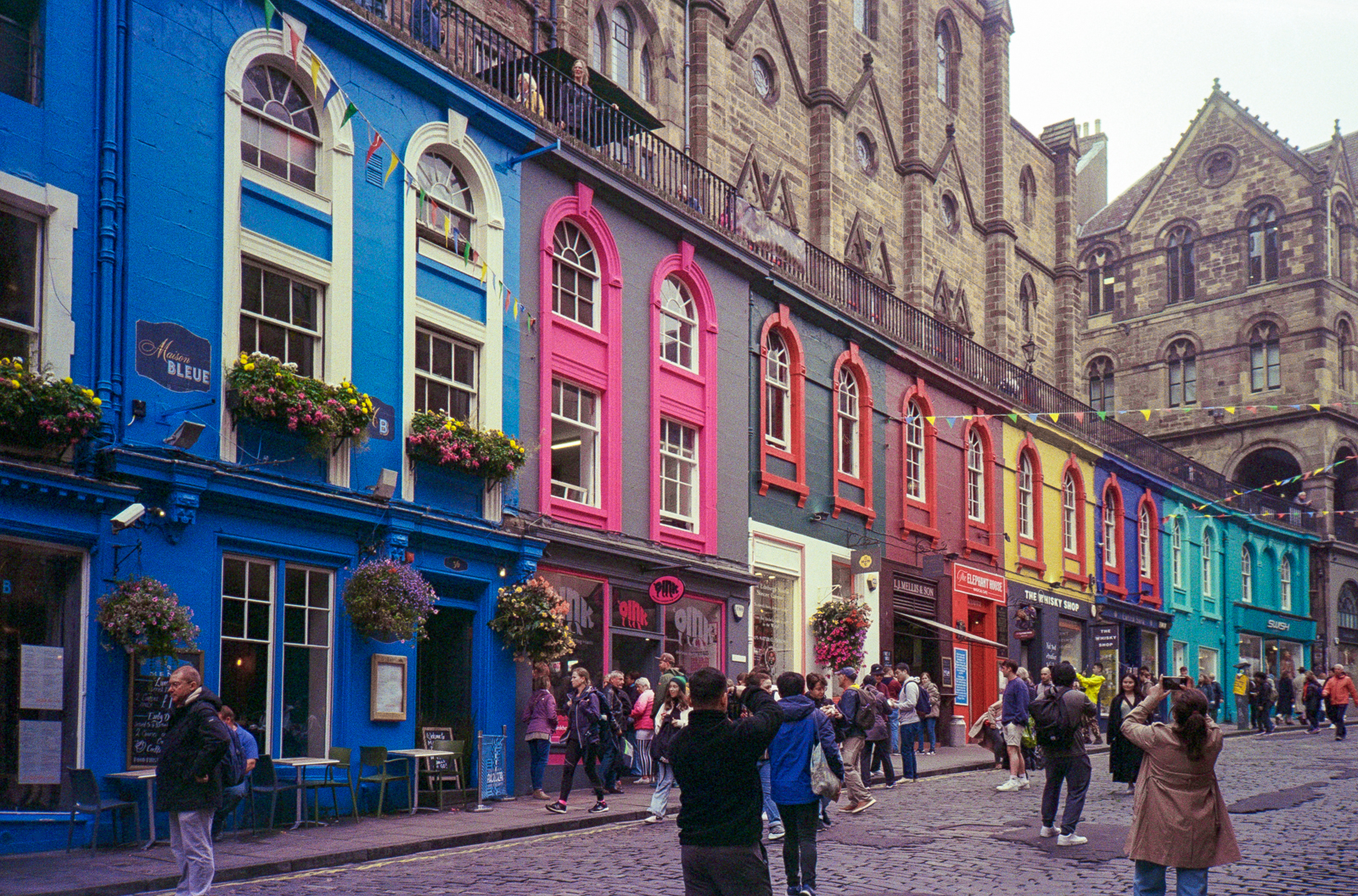
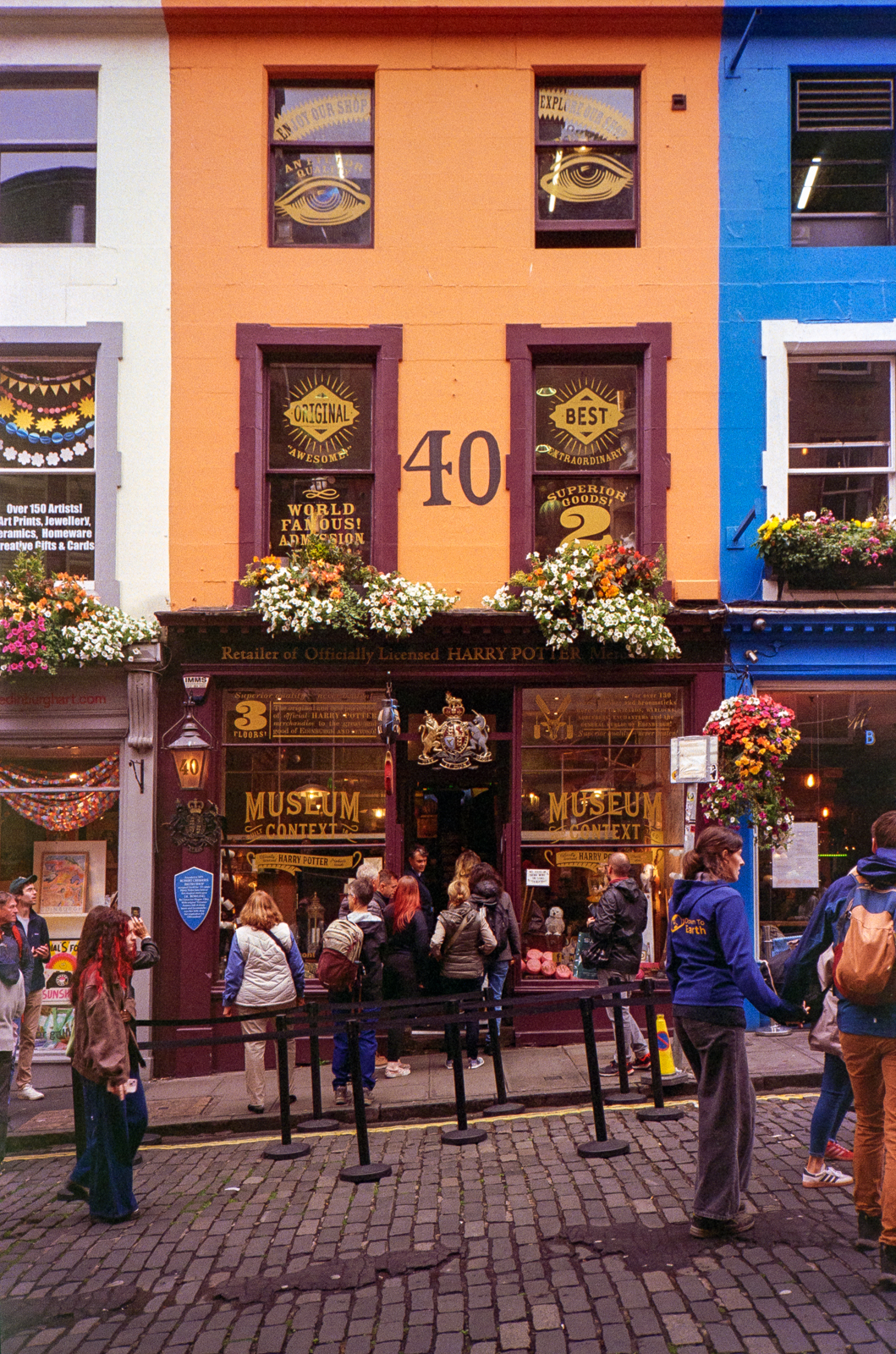
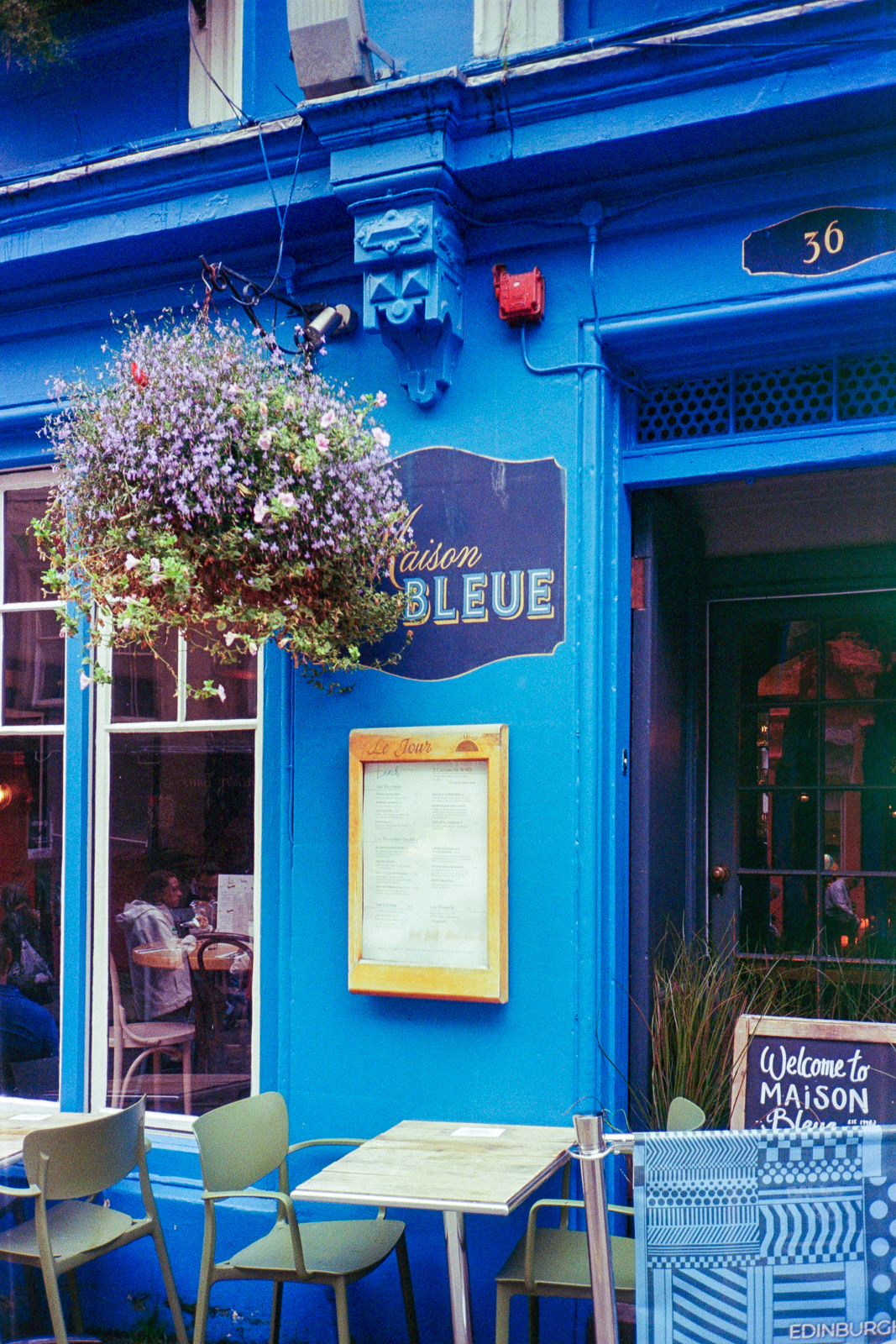
Victoria Street, Edinburgh Scotland
N80, 50mm 1.4 G, Ultramax 400, Developed in Bellini C-41 kit, V800 scans.
Nice! I have the 50 1.8G, and the 50 1.4D (as well as the behemoth Art 50) and so have not added/used the 50 1.4G.
How do you like the 1.4G on film/the N80?
Desmolicious wrote:
Nice! I have the 50 1.8G, and the 50 1.4D (as well as the behemoth Art 50) and so have not added/used the 50 1.4G.
How do you like the 1.4G on film/the N80?
I like it. I had borrowed one along with an F6 before buying this one and got some very nice shots. It seems sharp enough. I like it best unsurprisingly at F/2.8 and above. I only have my N80 kit zoom and an AI 135mm to currently compare its sharpness to so my experience so far is limited. I prefer it to the zoom when I have to choose. I do believe the 50 1.4G I borrowed was just a smidge sharper than the copy I bought, however. I only used F glass on my D series cameras recently so I am learning what I can reasonably get from my N80 and hopefully I'll learn more when I get another F6 when I can find a US model again. You didn't ask but I'll add this anyways, I prefer the meter in the F6 and the data imprinting between frames. The imprinting helps me learn which is what I need most right now.