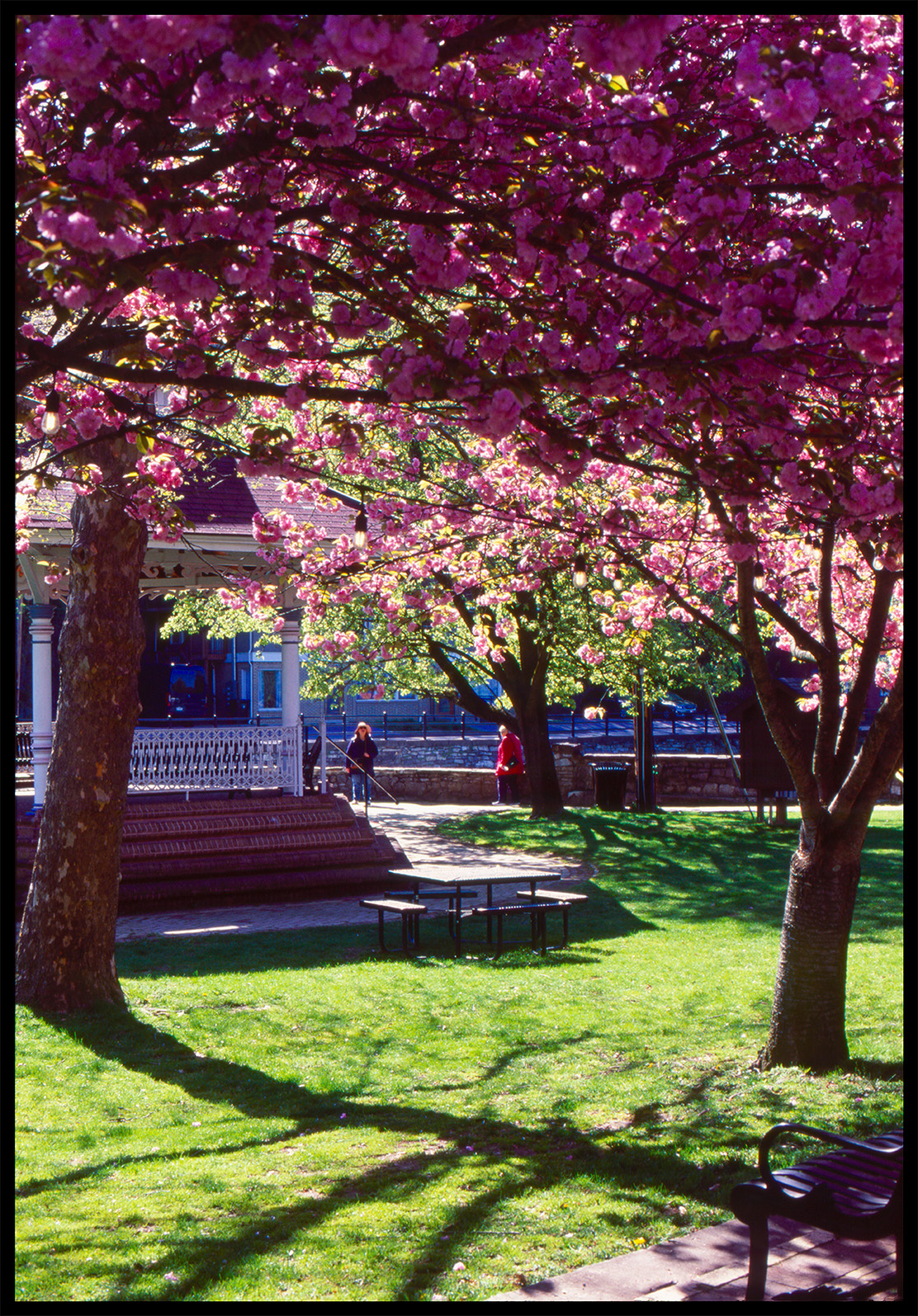
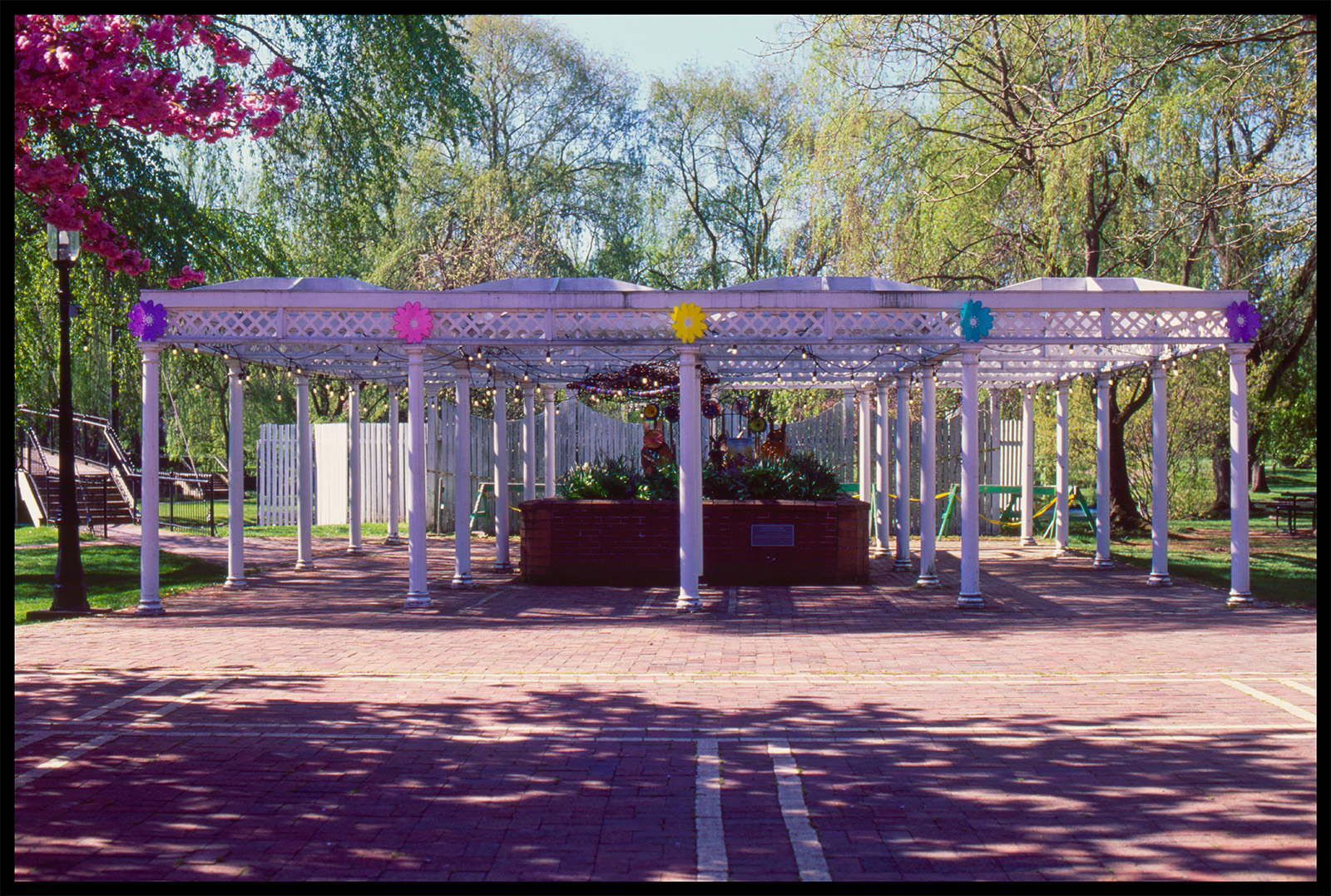
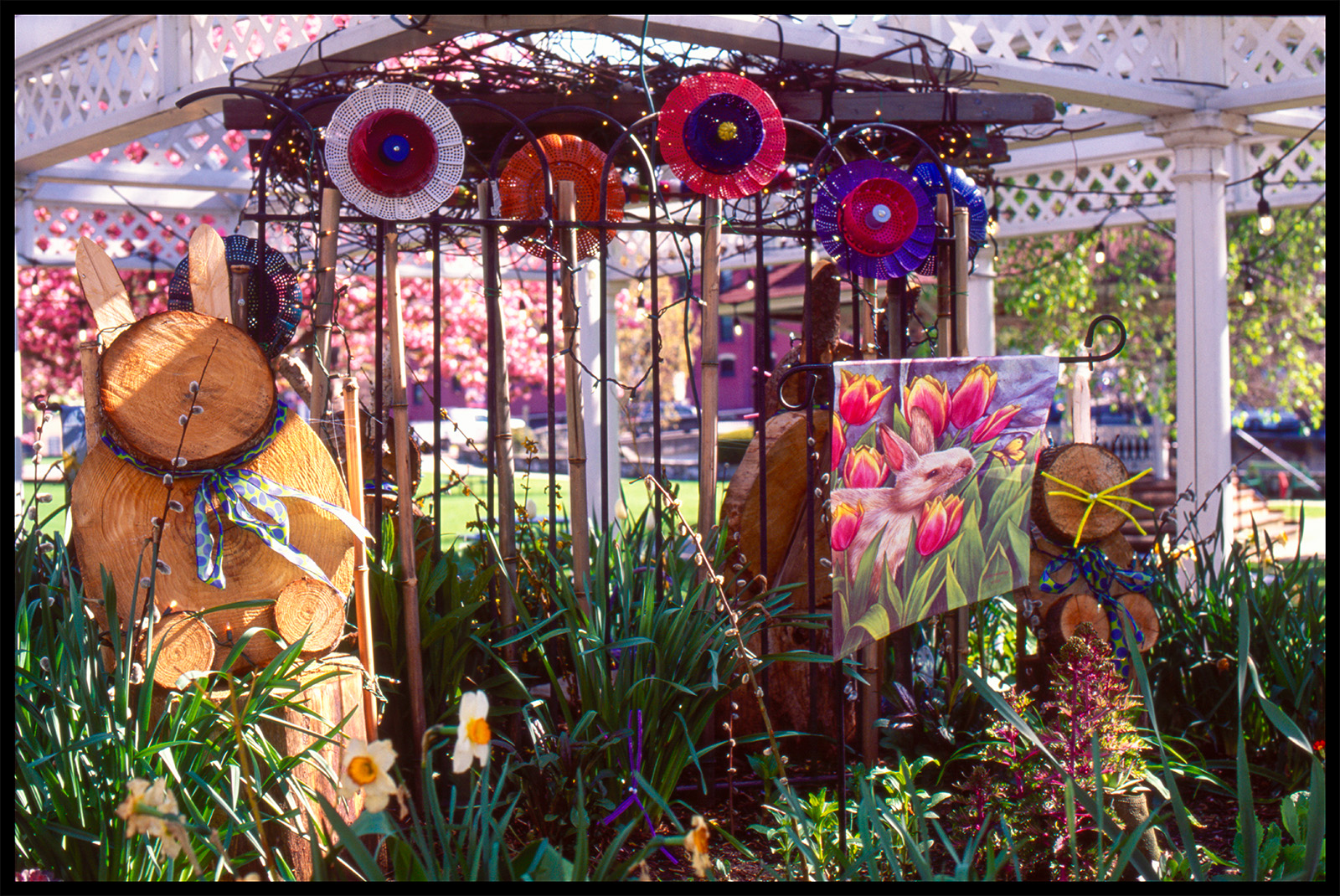
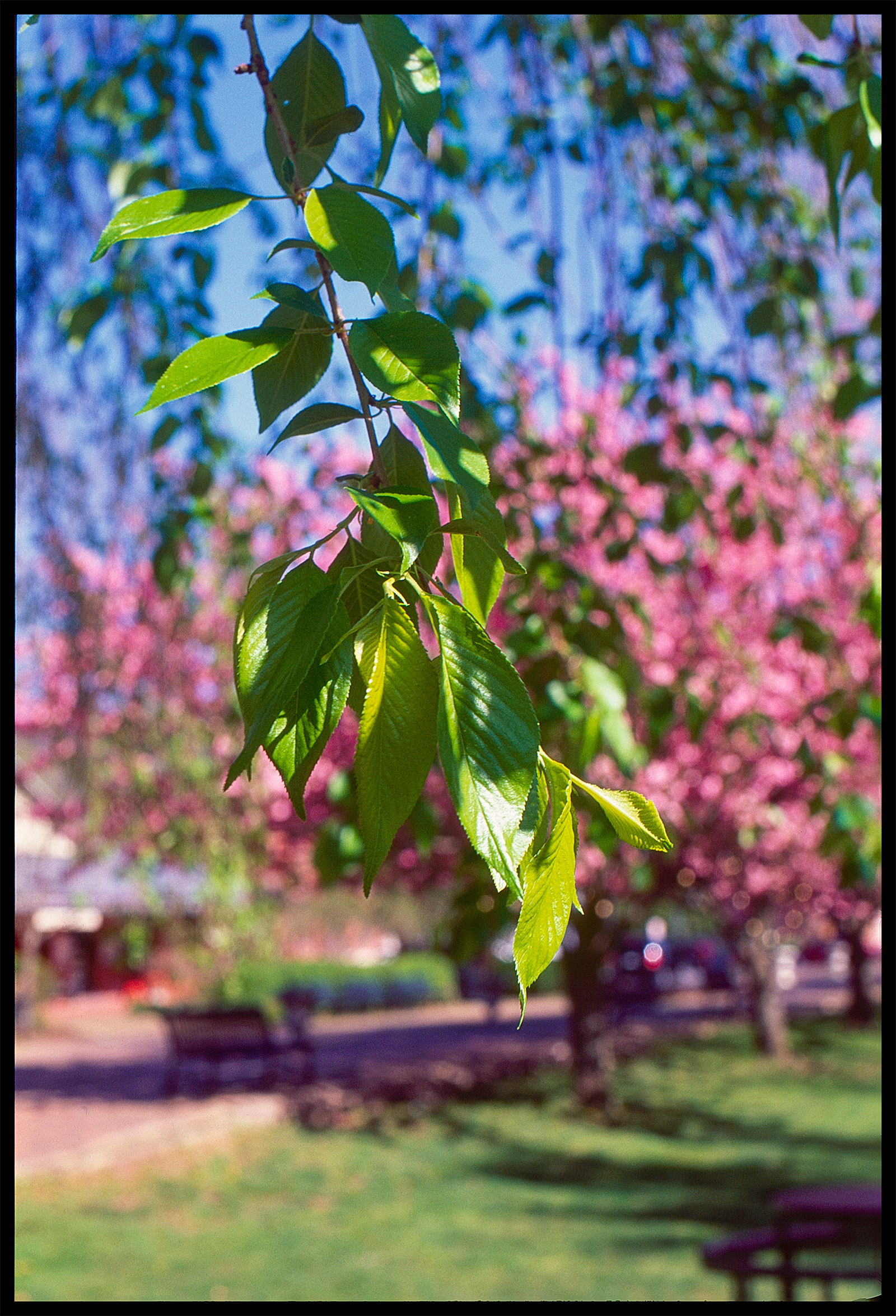
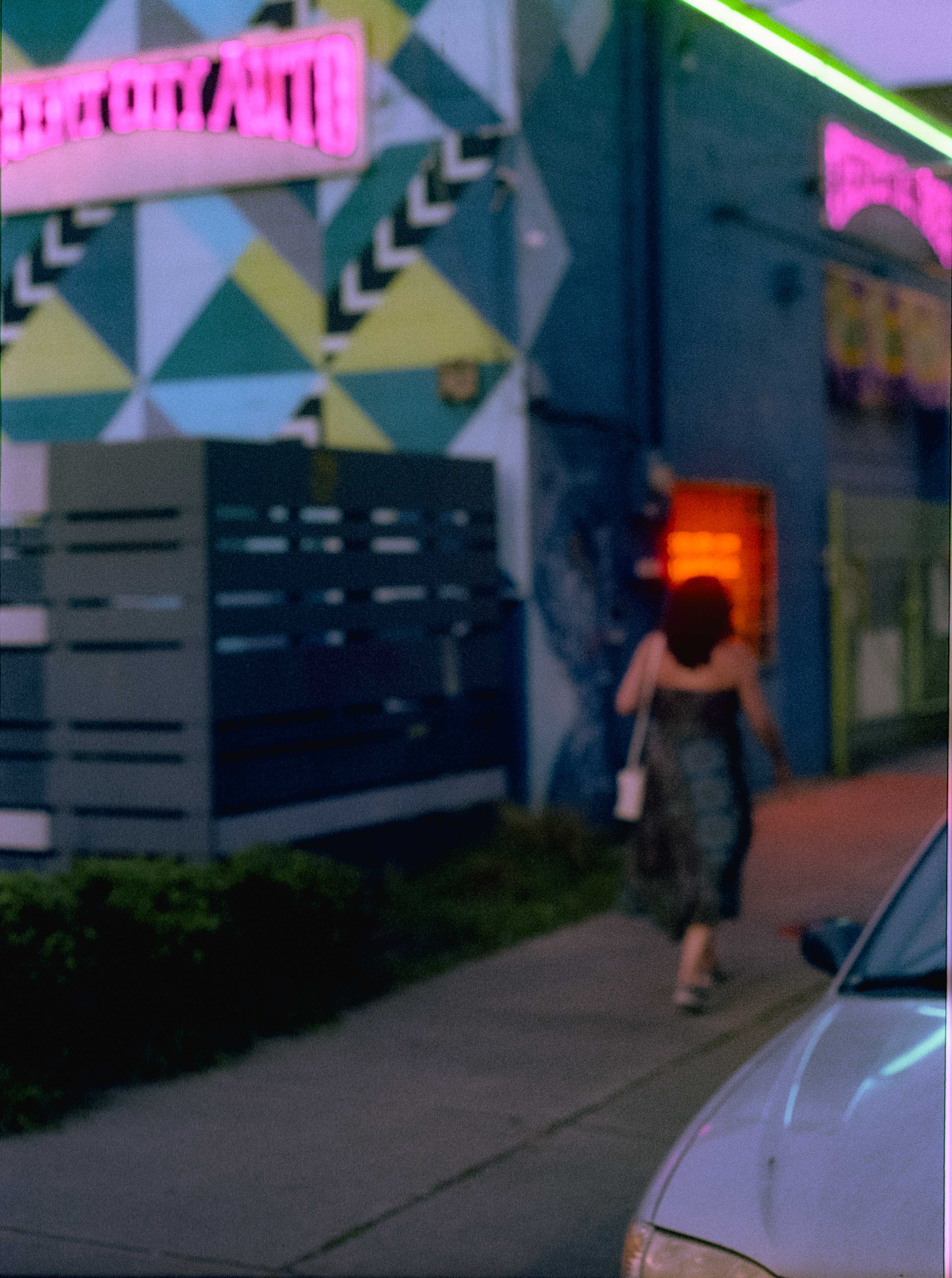
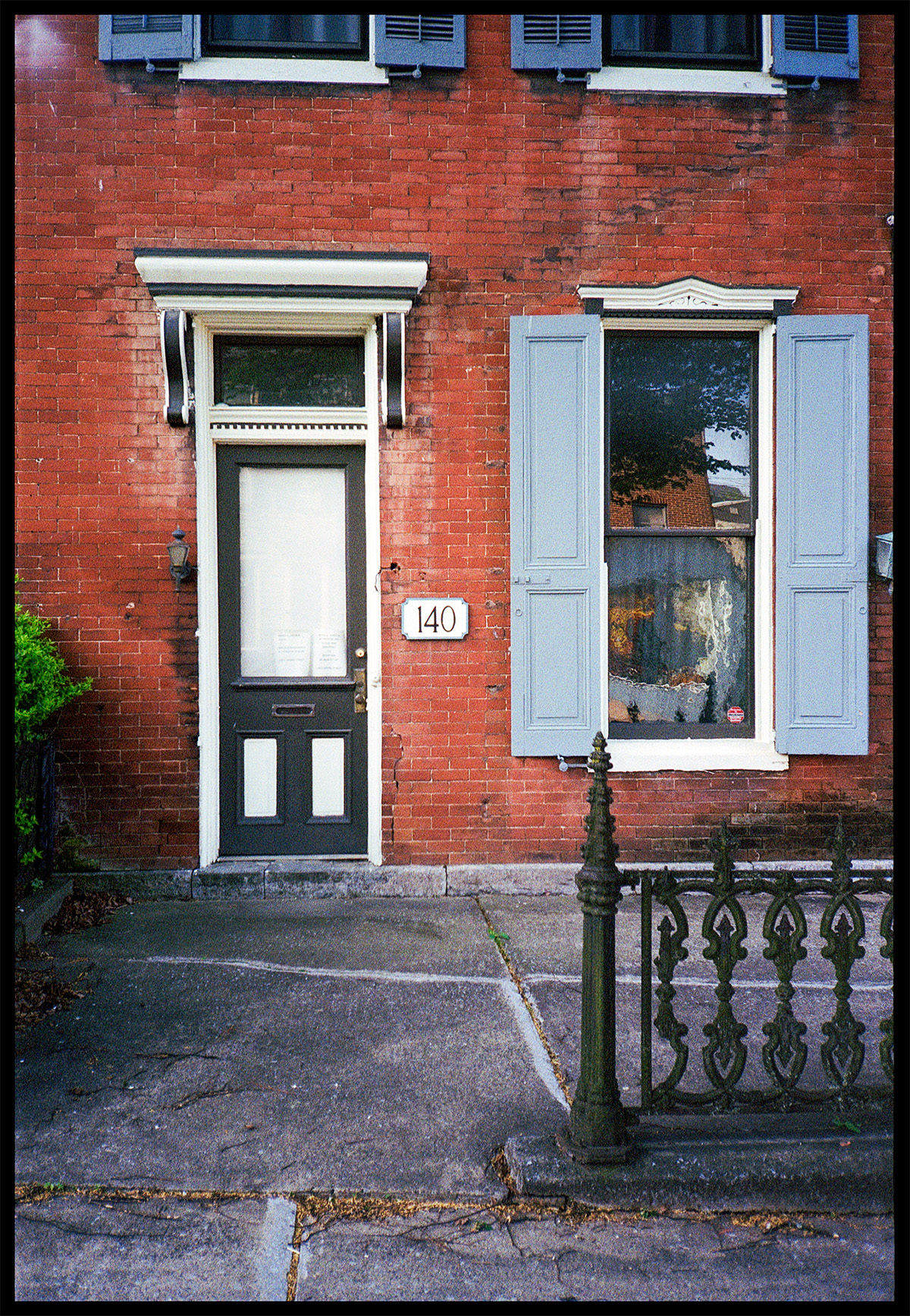
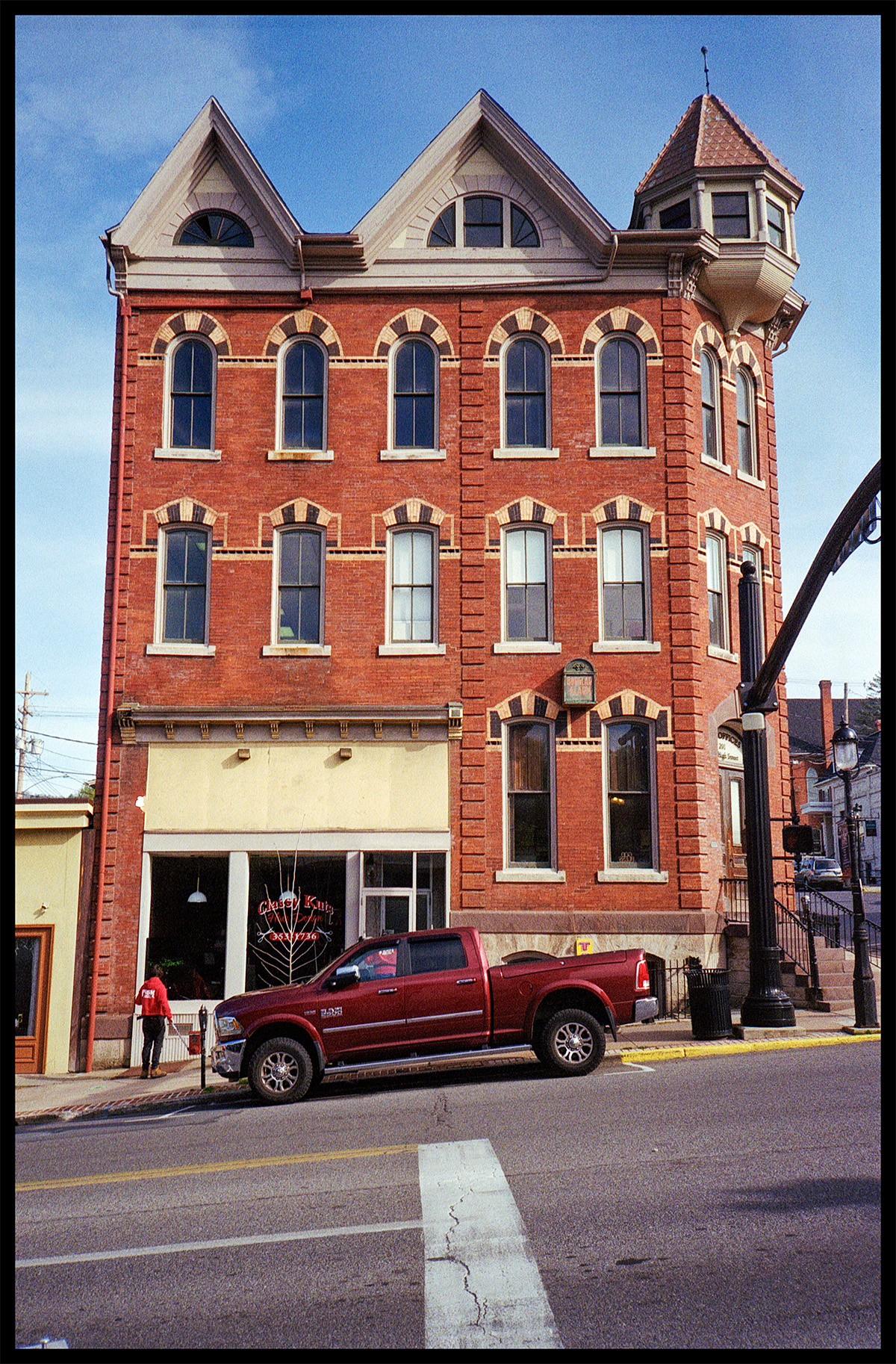
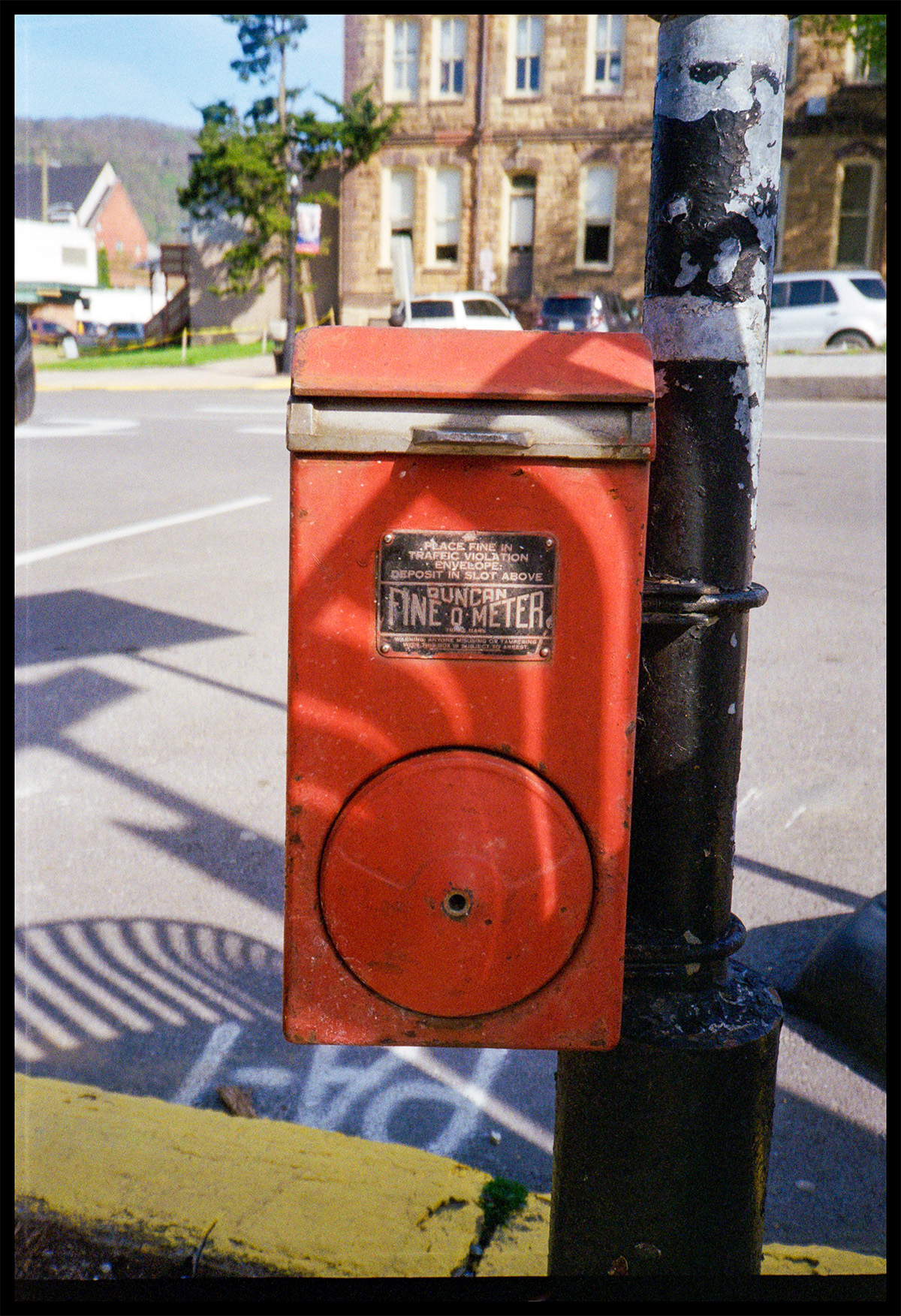
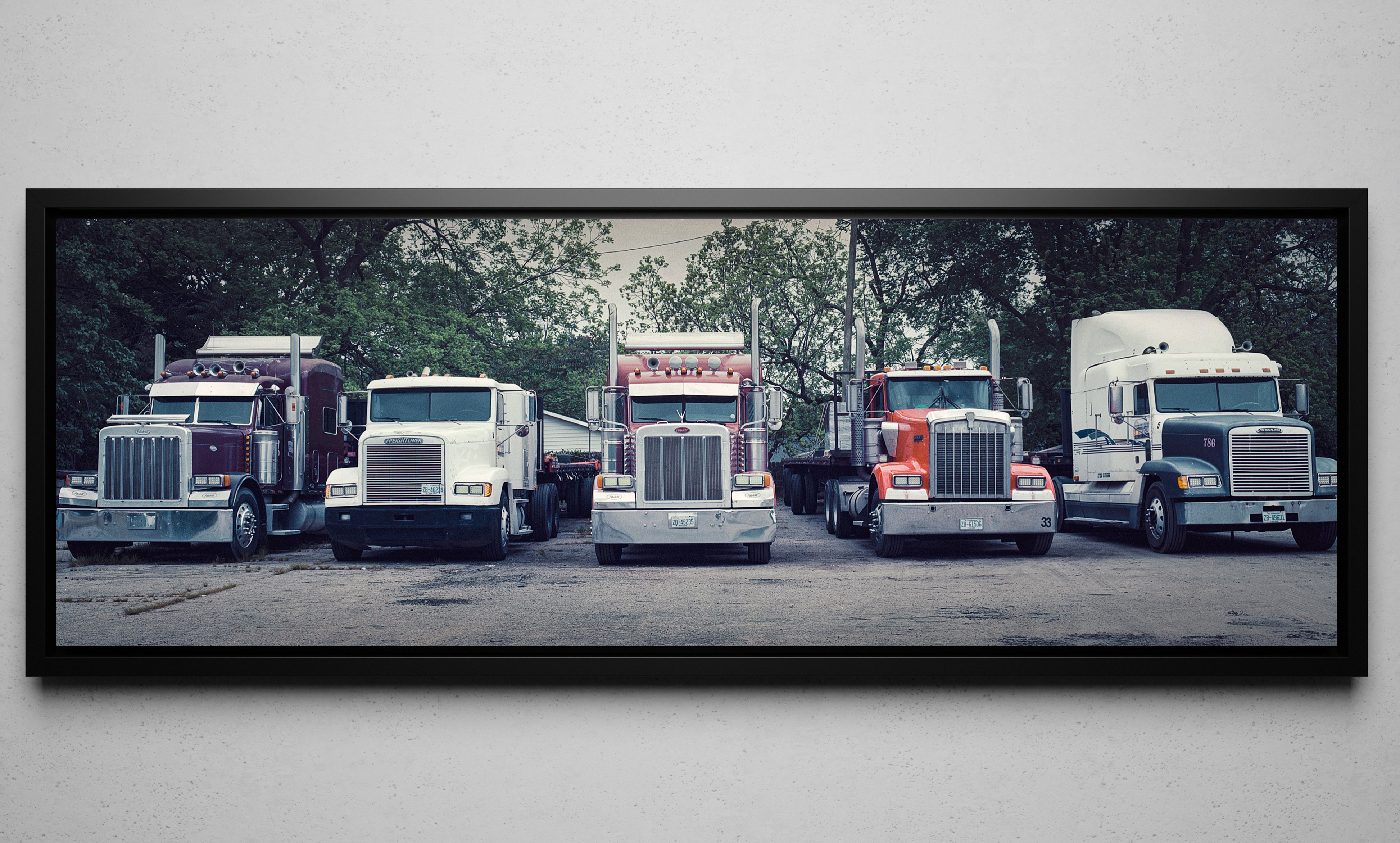
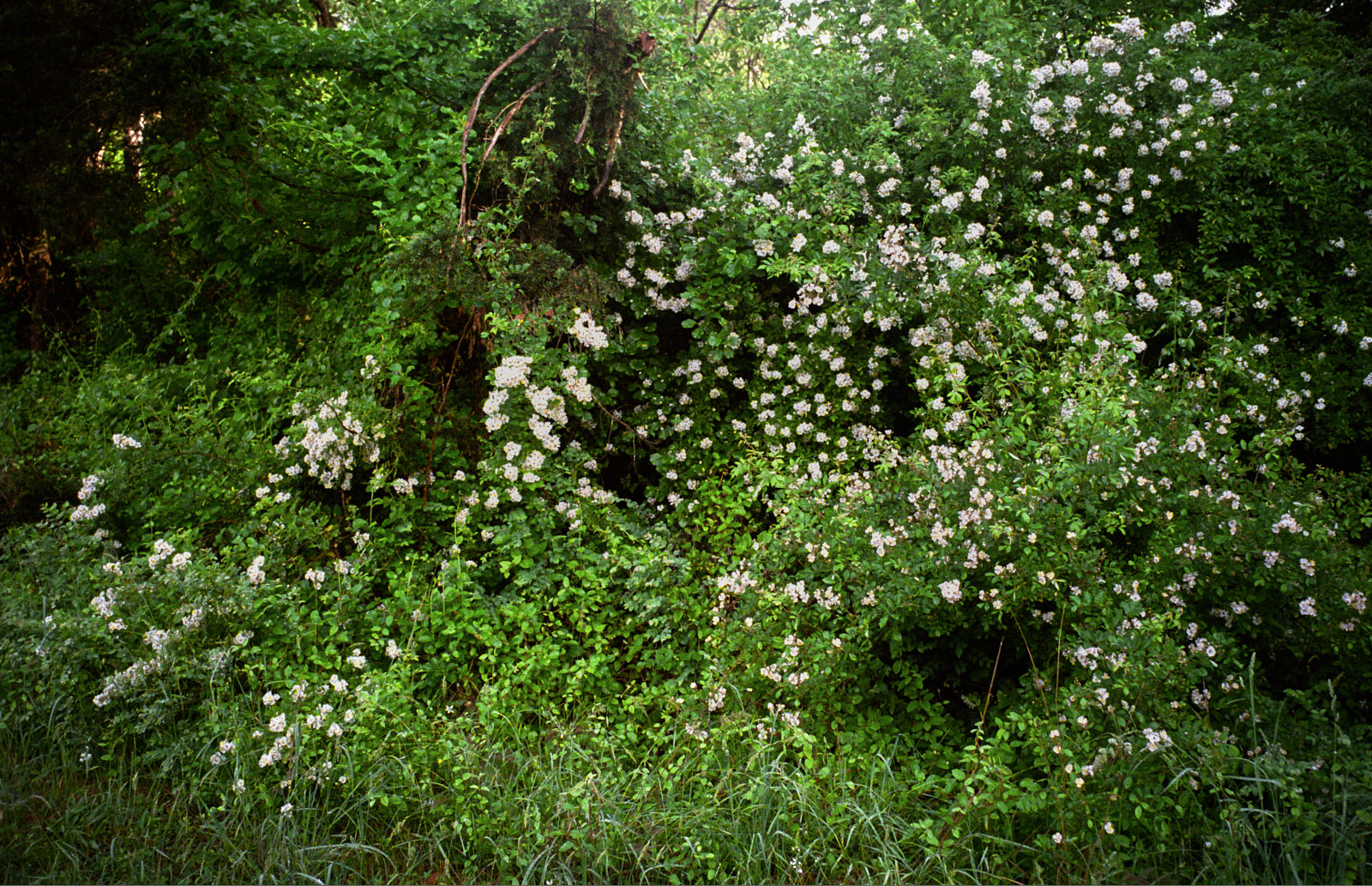
Samsung AF Slim, 35mm f3.5 lens, Kodak Gold. These were from the first roll thru the fixed lens AF Slim.
These were over sharpened in the scan unfortunately. I'm re-scanning this roll as I post this. I still have a lot to learn about scanning with Silverfast.
These look really nice on the XP2 and the Isolette. ;-) How'd you rate the film? Was it processed normally, or pushed/pulled? I like the C-41 films but have only shot XP2 once, years ago so, my experience with this film is minimal to say the least.
geekcop wrote:
These look really nice on the XP2 and the Isolette. ;-) How'd you rate the film? Was it processed normally, or pushed/pulled? I like the C-41 films but have only shot XP2 once, years ago so, my experience with this film is minimal to say the least.
Thanks!
XP2 has extremely wide exposure latitude. Ilford recommends from one stop under exposed to 3 stops over with standard C-41 processing, but I've had usable results from 2 under to 4 over. It doesn't need push processing. Grain is reduced with over exposure. Since it's C-41, it works with Digital ICE.
I shoot it at box speed using an incident meter. When in doubt, I err on the side of overexposure.
It's pretty much the only film I use for 400 ISO b&w. I like it because
It's sharper than traditional b&w, with finer grain
It has better exposure latitude than traditional b&w
C-41 means developing is cheap and available
Because of how chromogenic film works, the whites are the areas with the least grain, a look I prefer
XP2 has extremely wide exposure latitude. Ilford recommends from one stop under exposed to 3 stops over with standard C-41 processing, but I've had usable results from 2 under to 4 over. It doesn't need push processing. Grain is reduced with over exposure. Since it's C-41, it works with Digital ICE.
I shoot it at box speed using an incident meter. When in doubt, I err on the side of overexposure.
It's pretty much the only film I use for 400 ISO b&w. I like it because
It's sharper than traditional b&w, with finer grain
It has better exposure latitude than traditional b&w
C-41 means developing is cheap and available
Because of how chromogenic film works, the whites are the areas with the least grain, a look I prefer
XP2 has extremely wide exposure latitude. Ilford recommends from one stop under exposed to 3 stops over with standard C-41 processing, but I've had usable results from 2 under to 4 over. It doesn't need push processing. Grain is reduced with over exposure. Since it's C-41, it works with Digital ICE.
I shoot it at box speed using an incident meter. When in doubt, I err on the side of overexposure.
It's pretty much the only film I use for 400 ISO b&w. I like it because
It's sharper than traditional b&w, with finer grain
It has better exposure latitude than traditional b&w
C-41 means developing is cheap and available
Because of how chromogenic film works, the whites are the areas with the least grain, a look I prefer
Thanks for all the info. I've only ever shot one roll of this film and it was a while ago so my experience is very limited. I'll buy a roll or two and shoot with it.
geekcop wrote:
Is this a photo of an actual print of the negative or is it a mockup? Looks great just curious.
Thanks, it's a scan on an Epson v850 dropped into a digital frame for internet posting, the frame gives the image needed height when posting, especially on things like Instagram.