Post your recent film shots!
p.1062 #1Post your recent film shots!
madNbad wrote:
Lincoln City, Oregon
M4-2, Voigtlander 35 1.4 Nokton Classic SC V2, ND4 filter, Tri-X @ ISO 200, FPP-76 1+3;Initially I just scanned through the images, but having gone back and read the text I only now realize that this was a development trial. Looks really good! Love the contrast. I really need to experiment more with developing my own B&W.I posted the same photos on Photrio and one of the moderators pointed out the 1+3 dilution of D76 was under Kodaks recommended strength for the amount of developer for each roll. Looking at the negatives, the edge markings are a bit faint. Reading through the D76 data sheet, two rolls of 135-36 can be developed in a single tank using a 1+1 dilution and adding ten percent to the developing time. I should have a few rolls ready for development soon and I'll try that method.
When I used d76 back in the day at my school’s darkroom, we diluted D76 1:1. It was great with TriX, HP5, PlusX etc.
helimat wrote
madNbad wrote
When I returned to developing B&W at home, I used HC-110.Got great results with HC-110 and TMax but wanted to try something different when it was gone. For the last year it's been Tri-X in Rodinal. A love/hate relationship but I certainly learned a lot. Had a short experiment with Ilfotec HC. Tried it, just didn't like it. I"ve been wanting to try Xtol but not five liters of it. Adox has their version, XT-3, in one liter packages. None of the U.S. distributors has any in stock. I stumbled across a D76 clone made by The Film Photography Project. I hadn't used D76 since the Ford administration and it was available in one liter packages. Just to really test things, I did a 1+3 dilution for twenty minutes. The negatives are great! Easy to scan, so here are a few:Lincoln City, Oregon
M4-2, Voigtlander 35 1.4 Nokton Classic SC V2, ND4 filter, Tri-X @ ISO 200, FPP-76 1+3;
When I used d76 back in the day at my school’s darkroom, we diluted D76 1:1. It was great with TriX, HP5, PlusX etc.
Sep 20, 2023 at 09:23 PM
p.1062 #2Post your recent film shots!
I've just switched back to D76 1:1 having used XTOL for a long time and I'm liking it.
Edited on Sep 20, 2023 at 11:56 PM · View previous versions
Edited on Sep 20, 2023 at 11:56 PM · View previous versions
Sep 20, 2023 at 10:03 PM
p.1062 #3Post your recent film shots!
Desmolicious wrote:
madNbad wrote
Desmolicious wrote
N80, 50 1.8G, Acros IDaisy looking regal.
https://live.staticflickr.com/65535/53202620113_e927f41f14_o.jpg
So while this roll was great, I have seen in the past the next one could be a dud. Of course you can use a test strip to see if the dev is still good, but that IMO has shown that it may still be ‘ok’. Not good!
Anyway, I...Show more →

Thanks! Acros is fine grain to start with but the sharpness is impressive. She certainly does look regal. I liked the sharpness Rodinal brought to the negative but not the loosing a full stop. Along with switching over to D76, I went back to using a light yellow filter, mostly to see if it adds anything. I have about half a roll left over from the beach trip so I’ll wander around the neighborhood tomorrow and just develop the one roll. We just had one of the Thomas Dambo trolls made from recycled materials installed about a mile from our house. That should be good for a couple of rolls.
Sep 20, 2023 at 11:03 PM


p.1062 #7Post your recent film shots!
helimat wrote:
madNbad wrote
helimat wrote
madNbad wrote
When I returned to developing B&W at home, I used HC-110.Got great results with HC-110 and TMax but wanted to try something different when it was gone. For the last year it's been Tri-X in Rodinal. A love/hate relationship but I certainly learned a lot. Had a short experiment with Ilfotec HC. Tried it, just didn't like it. I"ve been wanting to try Xtol but not five liters of it. Adox has their version, XT-3, in one liter packages. None of the U.S. distributors has any in stock. I stumbled across a D76 clone made by The Film Photography Project. I hadn't used D76 since the Ford administration and it was available in one liter packages. Just to really test things, I did a 1+3 dilution for twenty minutes. The negatives are great! Easy to scan, so here are a few:Lincoln City, Oregon
M4-2, Voigtlander 35 1.4 Nokton Classic SC V2, ND4 filter, Tri-X @ ISO 200, FPP-76 1+3;
Getting towards the end of the trip, here the deck crew ready an Arctic Buoy for positioning in the Simpson Strait, and ashore on King William Island for some nav aid maintenance. Both locations are noted for being where the Franklin Expedition abandoned the HMS Erebus and Terror in 1848, after being trapped in ice for nearly two years. This year the only ice we saw was in our beverages! The Northwest Passage was not navigated in full until 1906.
Thank you for posting and giving us a look of what it’s like to work and live in the waters of the far north. Occasionally, we’ll take a drive to the mouth of the Columbia River where it meets the Pacific. The U.S. Coast Guard has a training base nearby because it’s guaranteed to be some of the roughest, most turbulent conditions to train new recruits.
Sep 21, 2023 at 12:29 AM
p.1062 #8Post your recent film shots!
madNbad wrote:
Lincoln City, Oregon
M4-2, Voigtlander 35 1.4 Nokton Classic SC V2, ND4 filter, Tri-X @ ISO 200, FPP-76 1+3;Initially I just scanned through the images, but having gone back and read the text I only now realize that this was a development trial. Looks really good! Love the contrast. I really need to experiment more with developing my own B&W.I posted the same photos on Photrio and one of the moderators pointed out the 1+3 dilution of D76 was under Kodaks recommended strength for the amount of developer for each roll. Looking at the negatives, the edge markings are a bit faint. Reading through the D76 data sheet, two rolls of 135-36 can be developed in a single tank using a 1+1 dilution and adding ten percent to the developing time. I should have a few rolls ready for development soon and I'll try that method.Looking forward to seeing it!
Getting towards the end of the trip, here the deck crew ready an Arctic Buoy for positioning in the Simpson Strait, and ashore on King William Island for some nav aid maintenance. Both locations are noted for being where the Franklin Expedition abandoned the HMS Erebus and Terror in 1848, after being trapped in ice for nearly two years. This year the only ice we saw was in our beverages! The Northwest Passage was not navigated in full until 1906.Thank you for posting and giving us a look of what it’s like to work and live in the waters of the far north. Occasionally, we’ll take a drive to the mouth of the Columbia River where it meets the Pacific. The U.S. Coast Guard has a training base nearby because it’s guaranteed to be some of the roughest, most turbulent conditions to train new recruits.
In Astoria right? Some of our crew have gone down there for a training exchange program. The Oregon Coast is one of my favourite places on Earth, Florence/Heceta Beach is a spot that we particularly love.
You're certainly welcome though! For what it's worth, I don't actually live up here, I'm actually from not too far up the coast from Oregon in Victoria, BC. Each summer we join an icebreaker for an Arctic Patrol with one of our helicopters... We take turns manning the aircraft for about 4 weeks each. We also do exercises with the USCG almost every year as we transit through Alaskan waters.
Here's a few more randos from the trip;
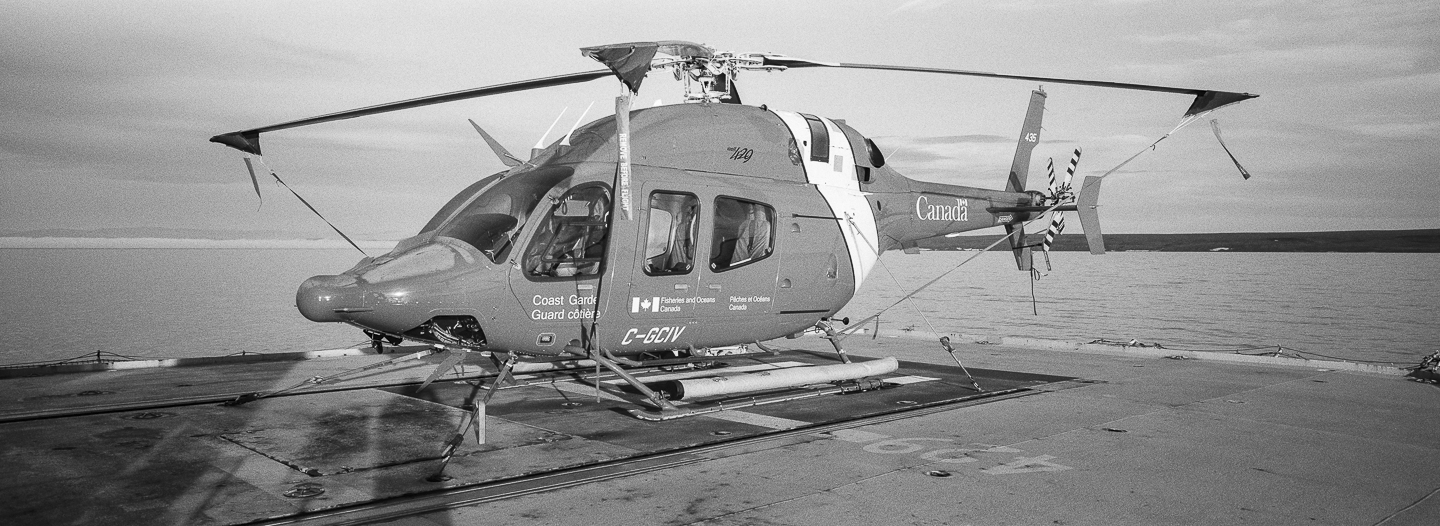
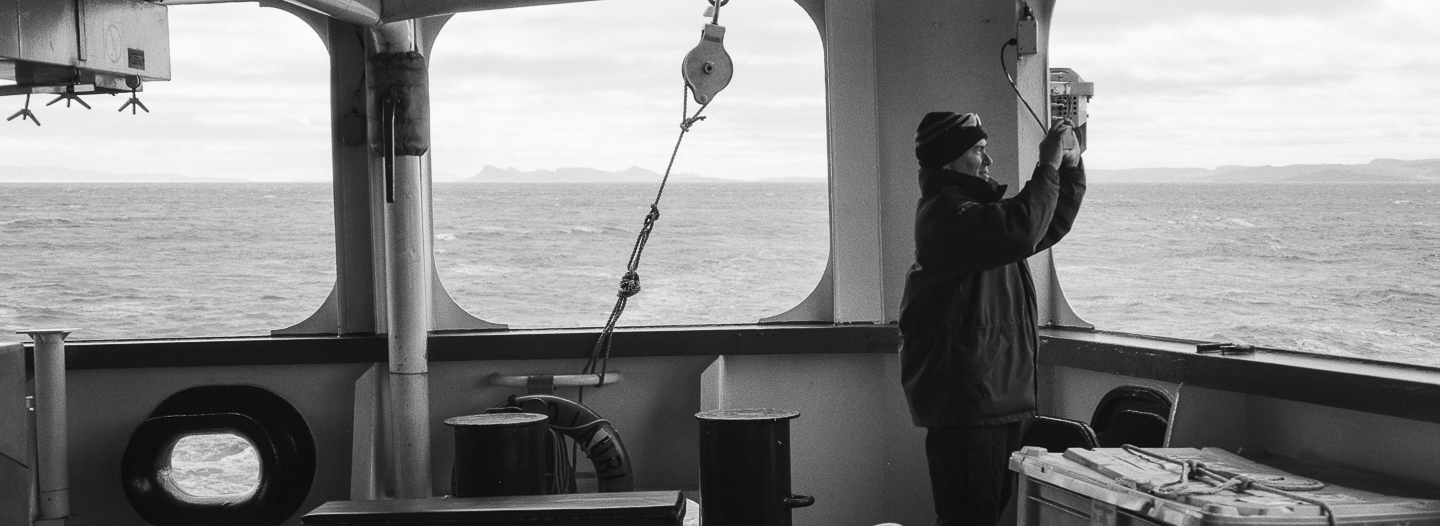
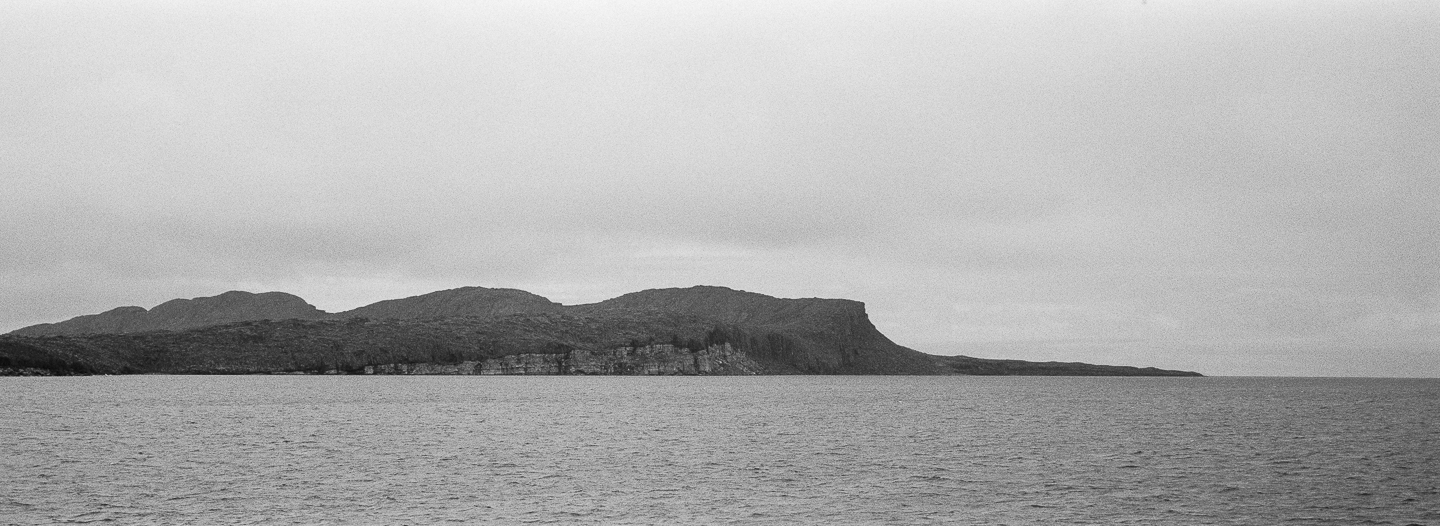
helimat wrote
madNbad wrote
helimat wrote
madNbad wrote
When I returned to developing B&W at home, I used HC-110.Got great results with HC-110 and TMax but wanted to try something different when it was gone. For the last year it's been Tri-X in Rodinal. A love/hate relationship but I certainly learned a lot. Had a short experiment with Ilfotec HC. Tried it, just didn't like it. I"ve been wanting to try Xtol but not five liters of it. Adox has their version, XT-3, in one liter packages. None of the U.S. distributors has any in stock. I stumbled across a D76 clone made by The Film Photography Project. I hadn't used D76 since the Ford administration and it was available in one liter packages. Just to really test things, I did a 1+3 dilution for twenty minutes. The negatives are great! Easy to scan, so here are a few:Lincoln City, Oregon
M4-2, Voigtlander 35 1.4 Nokton Classic SC V2, ND4 filter, Tri-X @ ISO 200, FPP-76 1+3;
Getting towards the end of the trip, here the deck crew ready an Arctic Buoy for positioning in the Simpson Strait, and ashore on King William Island for some nav aid maintenance. Both locations are noted for being where the Franklin Expedition abandoned the HMS Erebus and Terror in 1848, after being trapped in ice for nearly two years. This year the only ice we saw was in our beverages! The Northwest Passage was not navigated in full until 1906.
In Astoria right? Some of our crew have gone down there for a training exchange program. The Oregon Coast is one of my favourite places on Earth, Florence/Heceta Beach is a spot that we particularly love.
You're certainly welcome though! For what it's worth, I don't actually live up here, I'm actually from not too far up the coast from Oregon in Victoria, BC. Each summer we join an icebreaker for an Arctic Patrol with one of our helicopters... We take turns manning the aircraft for about 4 weeks each. We also do exercises with the USCG almost every year as we transit through Alaskan waters.
Here's a few more randos from the trip;
Sep 21, 2023 at 08:29 AM
p.1062 #9Post your recent film shots!
RETO Ultra Wide & Slim, Kentmere Pan 400, developed in LegacyPro L110 at 1:31 for 5.5 minutes.

2023.04.10 Roll #328-07939-positive.jpg by dourbalistar, on Flickr
2023.04.10 Roll #328-07939-positive.jpg by dourbalistar, on Flickr
Sep 21, 2023 at 11:00 PM
p.1062 #10Post your recent film shots!
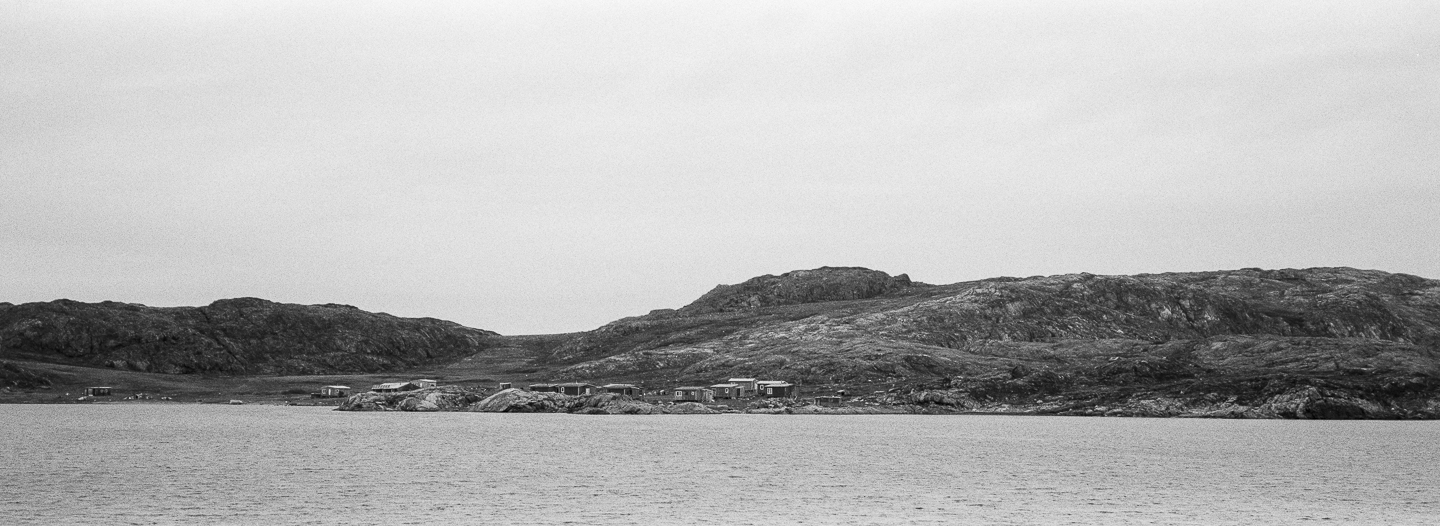
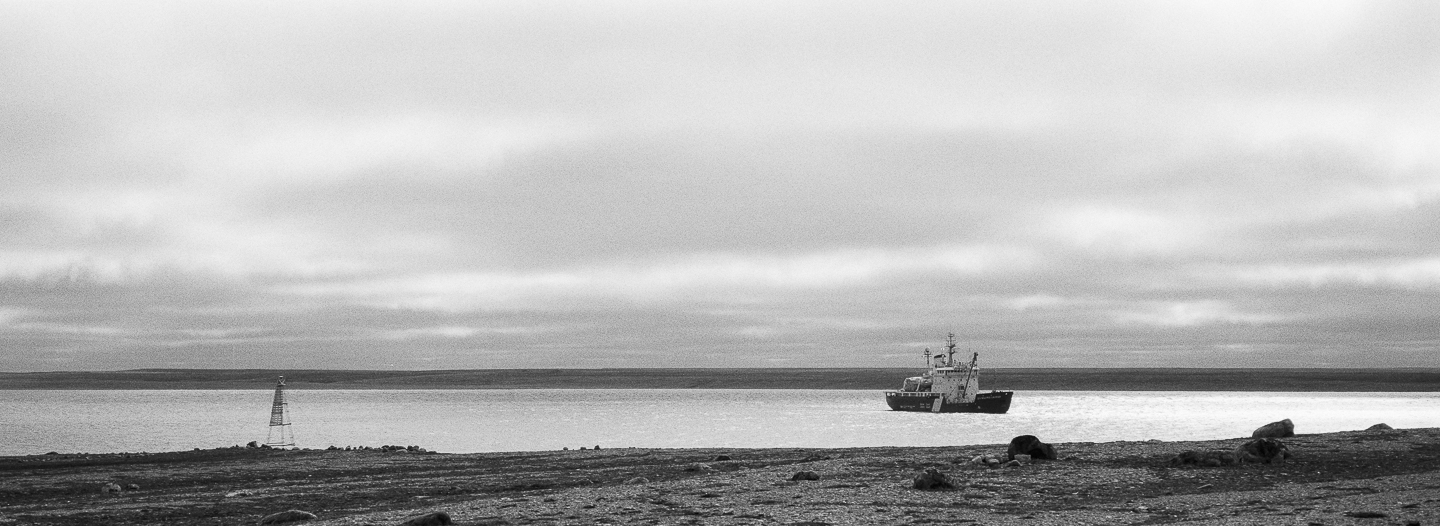
And a few more randos from throughout the trip.
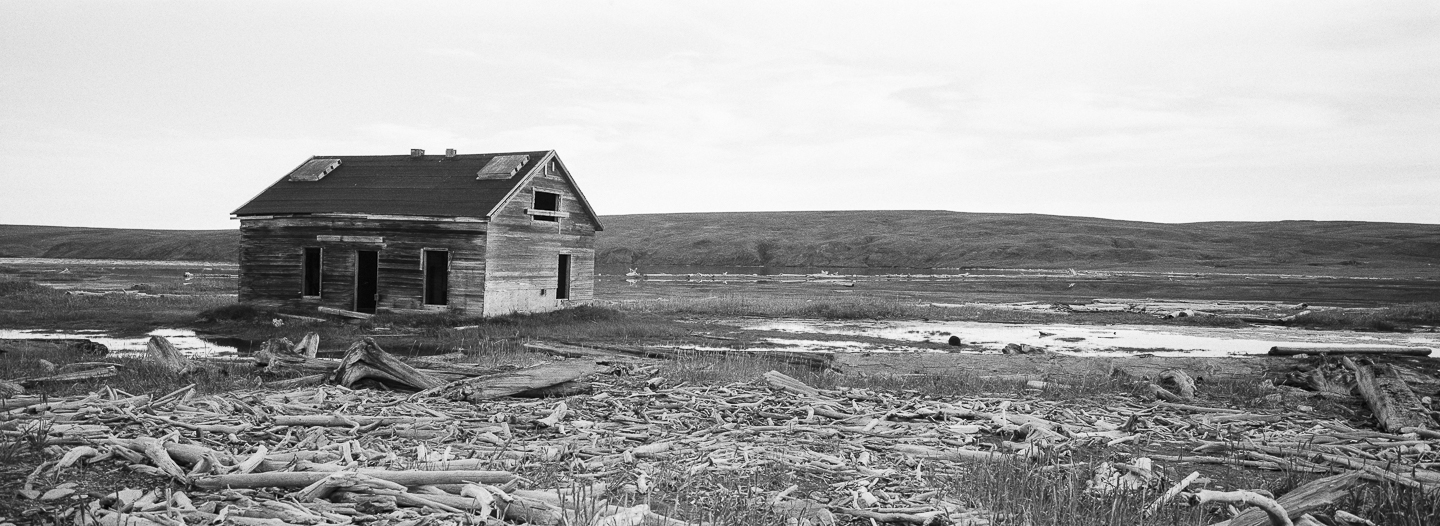
Sep 22, 2023 at 08:52 AM
|
p.1062 #11Post your recent film shots!
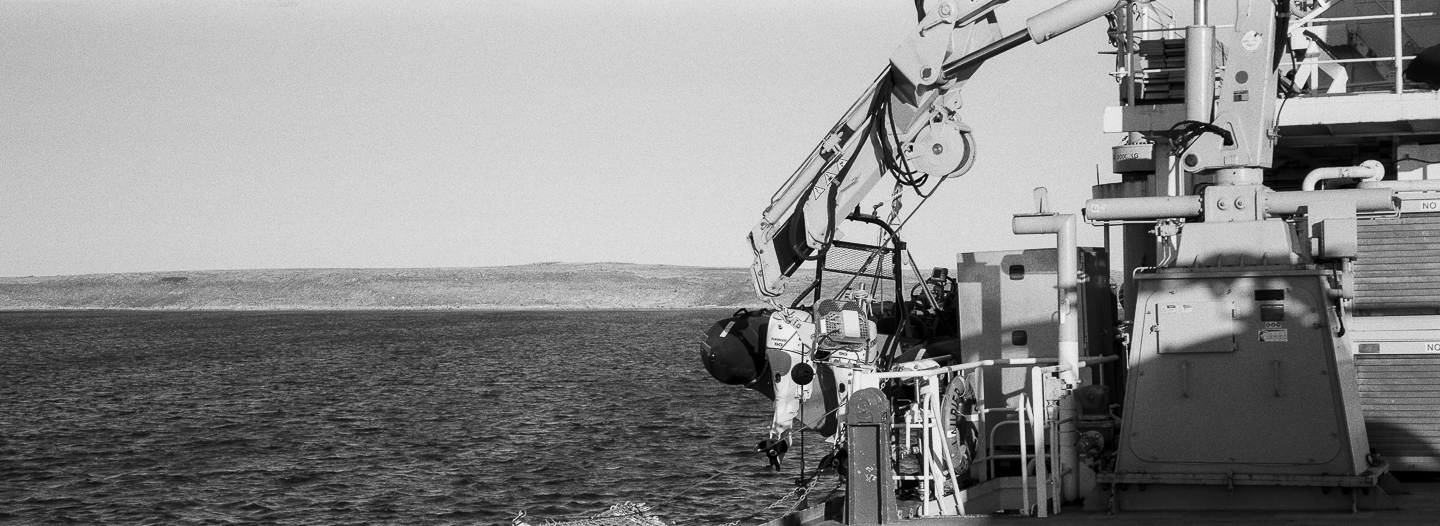
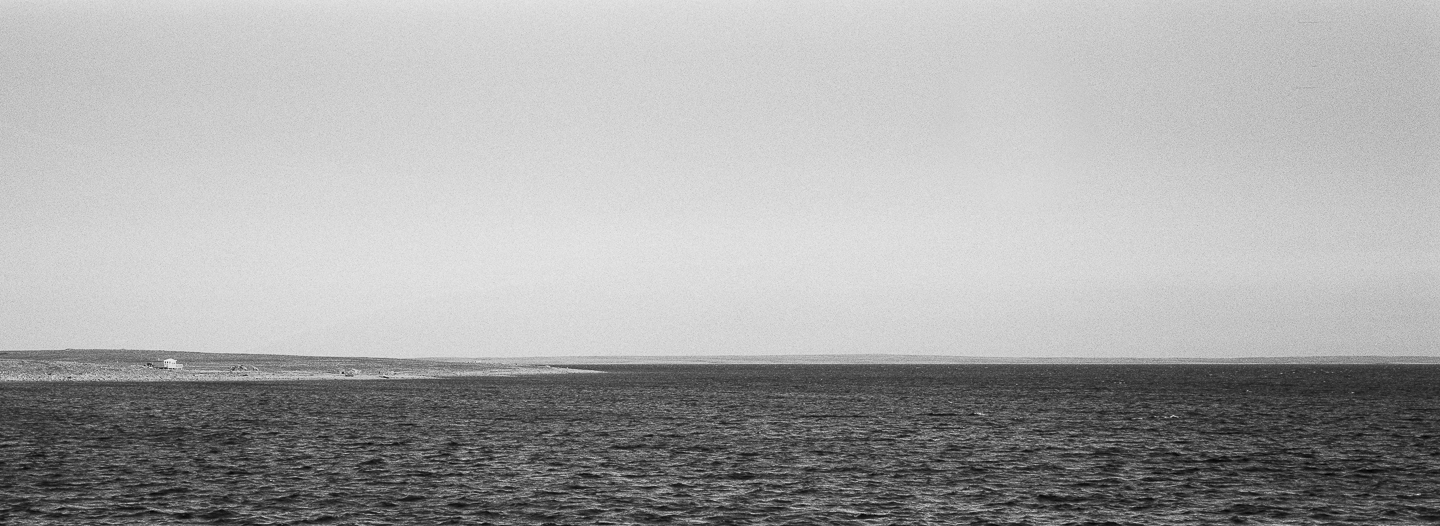
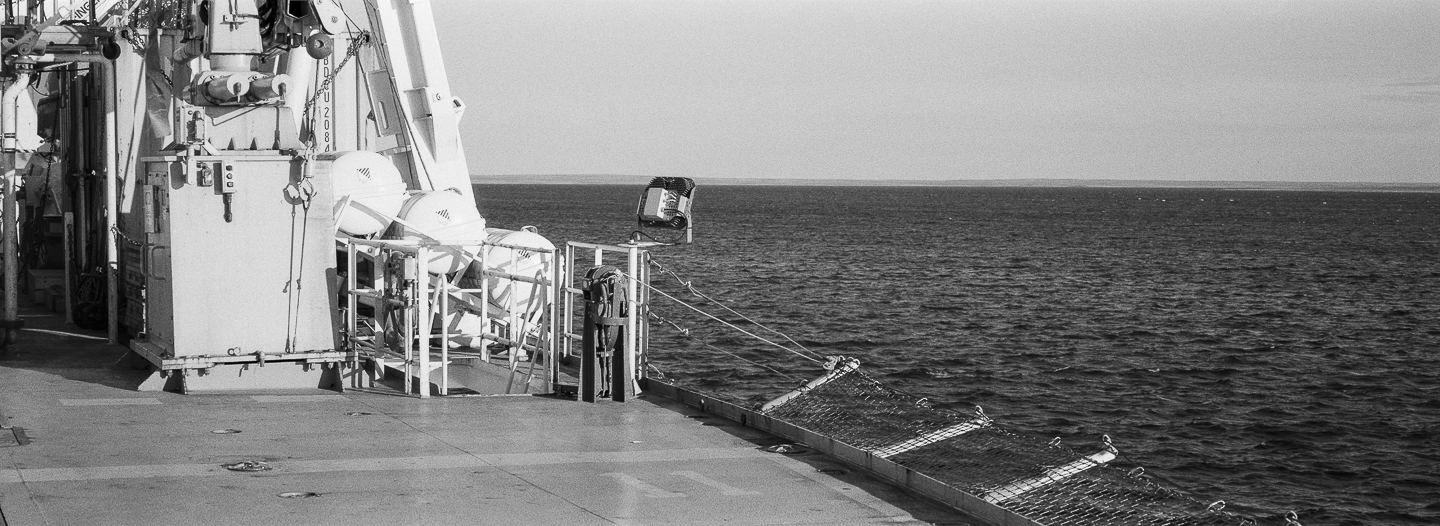
As the current trip I am on winds down with crew change in a few days, it is fitting that I am nearing the end of the photos from last year. Here we are steaming into Cambridge Bay, Nunavut to carry out an Environmental Response exercise and prep for crew change.
Sep 22, 2023 at 08:53 AM


p.1062 #15Post your recent film shots!
Red Canyon, Dixie National Forest, Utah.
Nikon FM2n, AI Nikkor 50mm f/1.8S, Kentmere Pan 400, developed in LegacyPro L110 at 1:31 for 5.5 minutes.

2023.04.13 Roll #330-08058-positive.jpg by dourbalistar, on Flickr
Nikon FM2n, AI Nikkor 50mm f/1.8S, Kentmere Pan 400, developed in LegacyPro L110 at 1:31 for 5.5 minutes.
2023.04.13 Roll #330-08058-positive.jpg by dourbalistar, on Flickr
Sep 23, 2023 at 10:00 PM


p.1062 #17Post your recent film shots!
A couple of Aerocolor IV photos (Flick Film Electra 100) on Leica M2R:
 Porch flowers by Brad Hurley, on Flickr
 Window cactus by Brad Hurley, on Flickr
And three photos with Minolta XD, various Rokkor lenses, Ilford XP2 400:
 Light on the trail by Brad Hurley, on Flickr
 Potted heads by Brad Hurley, on Flickr
 Garden statue by Brad Hurley, on Flickr
Porch flowers by Brad Hurley, on FlickrWindow cactus by Brad Hurley, on FlickrAnd three photos with Minolta XD, various Rokkor lenses, Ilford XP2 400:
Light on the trail by Brad Hurley, on FlickrPotted heads by Brad Hurley, on FlickrGarden statue by Brad Hurley, on FlickrSep 24, 2023 at 06:15 AM
p.1062 #18Post your recent film shots!
bjhurley wrote:
And three photos with Minolta XD, various Rokkor lenses, Ilford XP2 400:
https://live.staticflickr.com/65535/53208161693_074b656687_c.jpgLight on the trail by Brad Hurley, on Flickr
https://live.staticflickr.com/65535/53207644760_6dca720c86_c.jpgPotted heads by Brad Hurley, on Flickr
https://live.staticflickr.com/65535/53207520284_30d304c39e_c.jpgGarden statue by Brad Hurley, on Flickr
Nice as always Brad. How are you liking the XD? I recently picked one up to 'fit' in between my Canon EF and Leica M kits, and am really enjoying it. Been a longtime fan of Minolta glass as well of course!
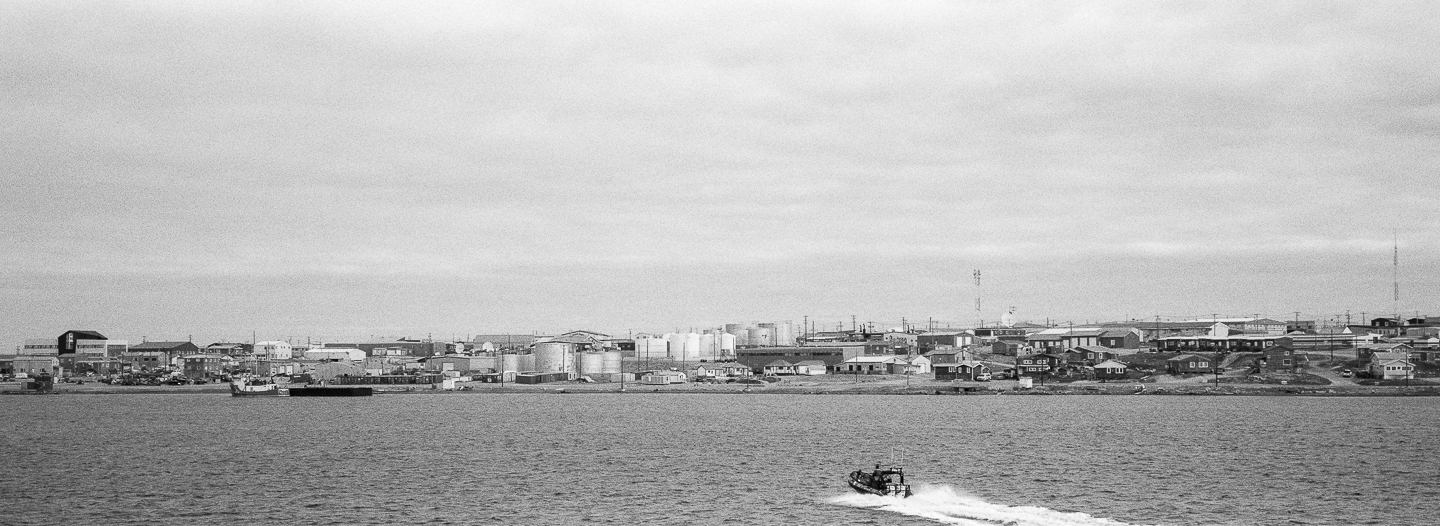
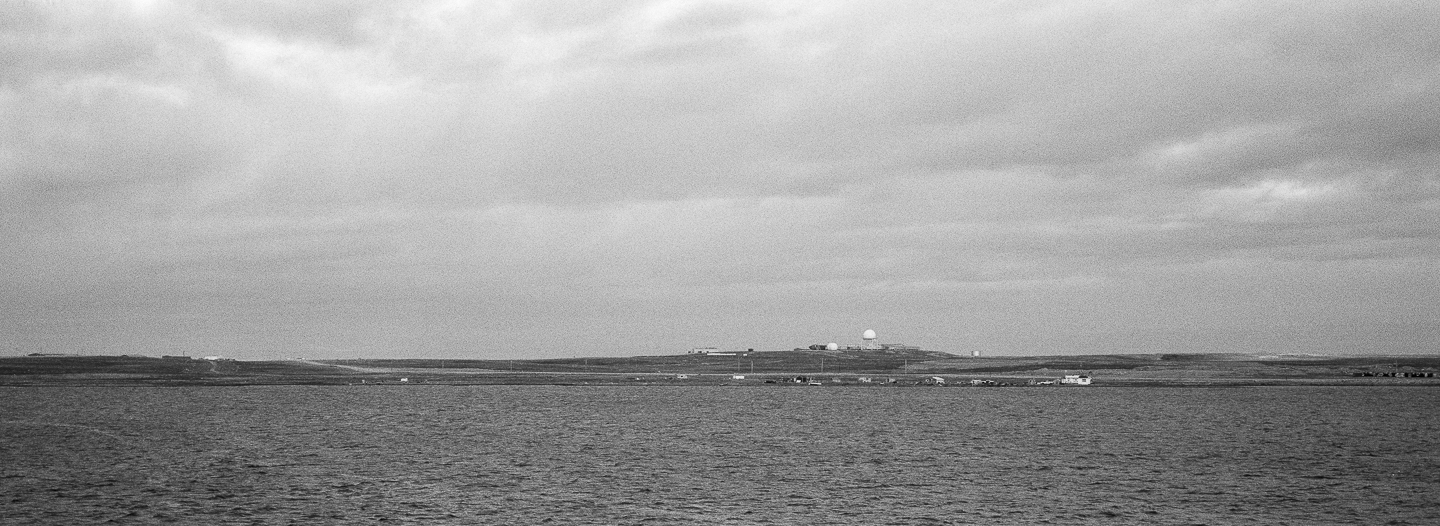
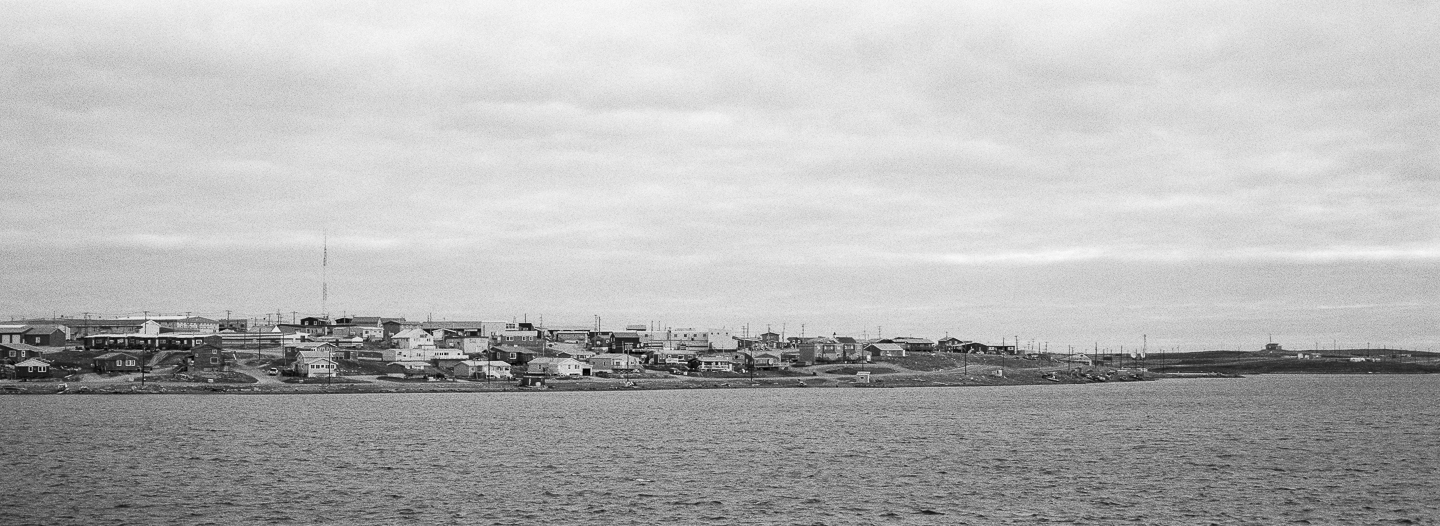
Down to the last couple of posts of my Arctic trip (I promise) with the Xpan & Kentmere film. Here's the hamlet of Cambridge Bay, which is probably what most would consider the primary center of the Western Canadian Arctic. (Population: ~1800) It is also home to one of the only North Warning System (Formally DEW Line) Stations that is still manned and not automated.
The bleakness of the landscape cannot be overstated.
And three photos with Minolta XD, various Rokkor lenses, Ilford XP2 400:
https://live.staticflickr.com/65535/53208161693_074b656687_c.jpgLight on the trail by Brad Hurley, on Flickr
https://live.staticflickr.com/65535/53207644760_6dca720c86_c.jpgPotted heads by Brad Hurley, on Flickr
https://live.staticflickr.com/65535/53207520284_30d304c39e_c.jpgGarden statue by Brad Hurley, on Flickr
Nice as always Brad. How are you liking the XD? I recently picked one up to 'fit' in between my Canon EF and Leica M kits, and am really enjoying it. Been a longtime fan of Minolta glass as well of course!
Down to the last couple of posts of my Arctic trip (I promise) with the Xpan & Kentmere film. Here's the hamlet of Cambridge Bay, which is probably what most would consider the primary center of the Western Canadian Arctic. (Population: ~1800) It is also home to one of the only North Warning System (Formally DEW Line) Stations that is still manned and not automated.
The bleakness of the landscape cannot be overstated.
Sep 24, 2023 at 07:25 AM
p.1062 #19Post your recent film shots!
helimat wrote:
How are you liking the XD? I recently picked one up to 'fit' in between my Canon EF and Leica M kits, and am really enjoying it. Been a longtime fan of Minolta glass as well of course!
I love it! I've only had it a few weeks and so far I'm thrilled: every shot on my first roll was perfectly exposed (I used aperture priority) and it's perfect for times when I'm out taking photos with a companion who doesn't have a lot of patience for me taking a light meter reading and adjusting shutter speed, etc. I also have the SRT 303b since it's totally mechanical, but it's bigger, heavier, and much louder than the XD. I'll use the SRT as a backup but I'm enjoying the experience of the XD much more.
We're on vacation right now in a scenic area and I'm using it extensively; can't wait to see how those photos turn out. I'm shooting color film with it on this trip, and using my Leica M2R for B&W.
Sep 24, 2023 at 07:33 AM
p.1062 #20Post your recent film shots!
bjhurley wrote:
I love it! I've only had it a few weeks and so far I'm thrilled: every shot on my first roll was perfectly exposed (I used aperture priority) and it's perfect for times when I'm out taking photos with a companion who doesn't have a lot of patience for me taking a light meter reading and adjusting shutter speed, etc. I also have the SRT 303b since it's totally mechanical, but it's bigger, heavier, and much louder than the XD. I'll use the SRT as a backup but I'm enjoying the experience of the XD much more.
We're on vacation right...Show more →
Looking forward to seeing the images! I almost took the XD on my current Arctic trip, but the flexibility of running both film and digital M won out in the end... Maybe next year. It's definitely going to get some use this winter, I have a large stash of B&W allocated for it.
Edit: I should say that in the short time I've had it (About 5-6 weeks before I left for the Arctic) I already have put 8 rolls through it.
helimat wrote
How are you liking the XD? I recently picked one up to 'fit' in between my Canon EF and Leica M kits, and am really enjoying it. Been a longtime fan of Minolta glass as well of course!We're on vacation right...Show more →
Looking forward to seeing the images! I almost took the XD on my current Arctic trip, but the flexibility of running both film and digital M won out in the end... Maybe next year. It's definitely going to get some use this winter, I have a large stash of B&W allocated for it.
Edit: I should say that in the short time I've had it (About 5-6 weeks before I left for the Arctic) I already have put 8 rolls through it.
Sep 24, 2023 at 07:53 AM