madNbad wrote:
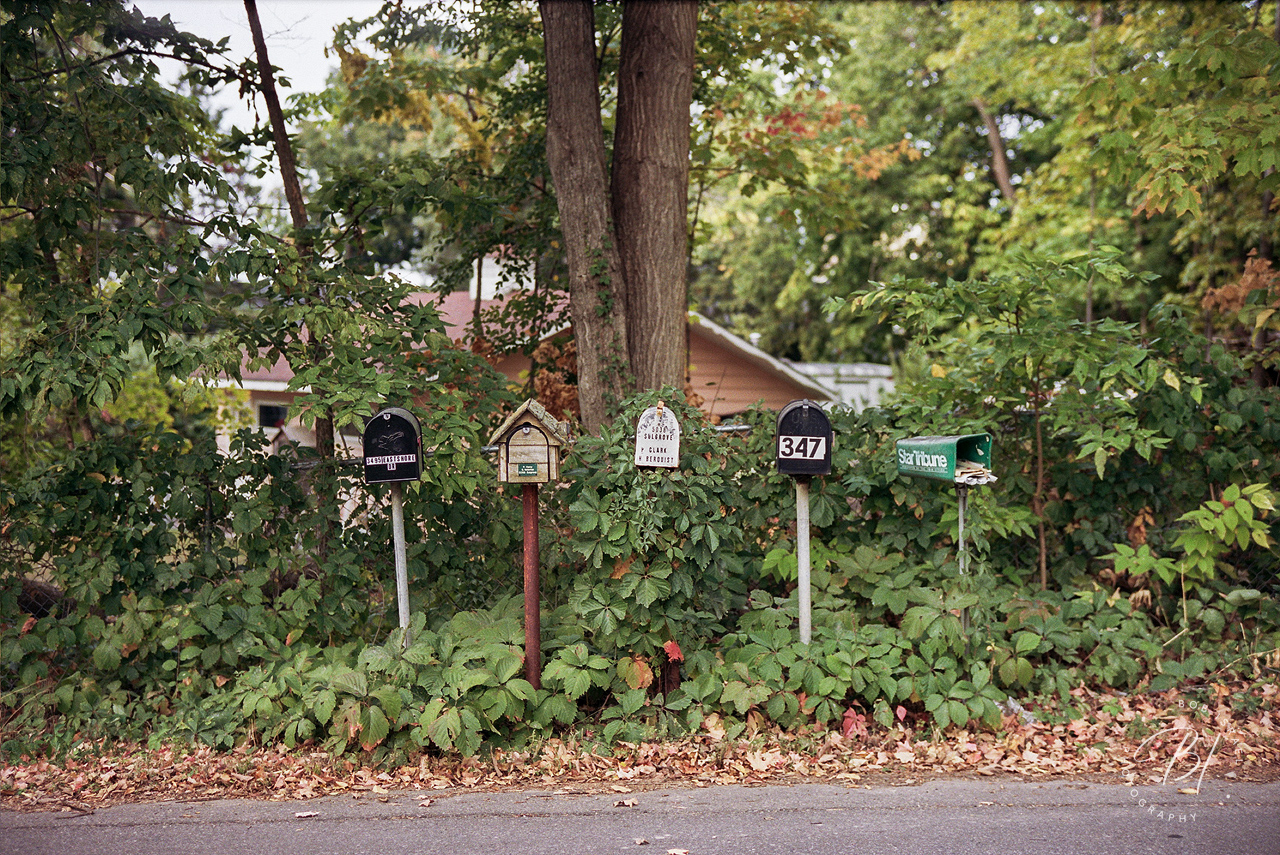
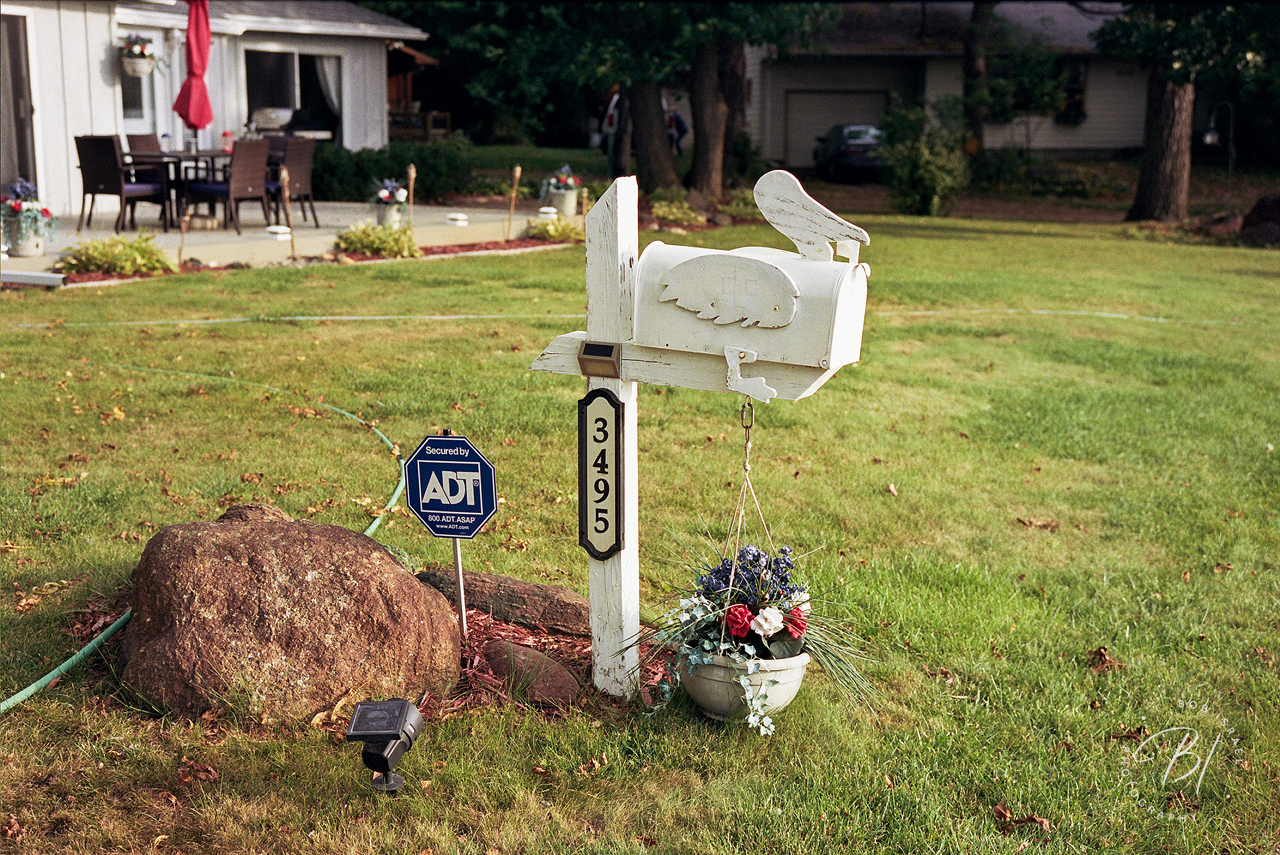
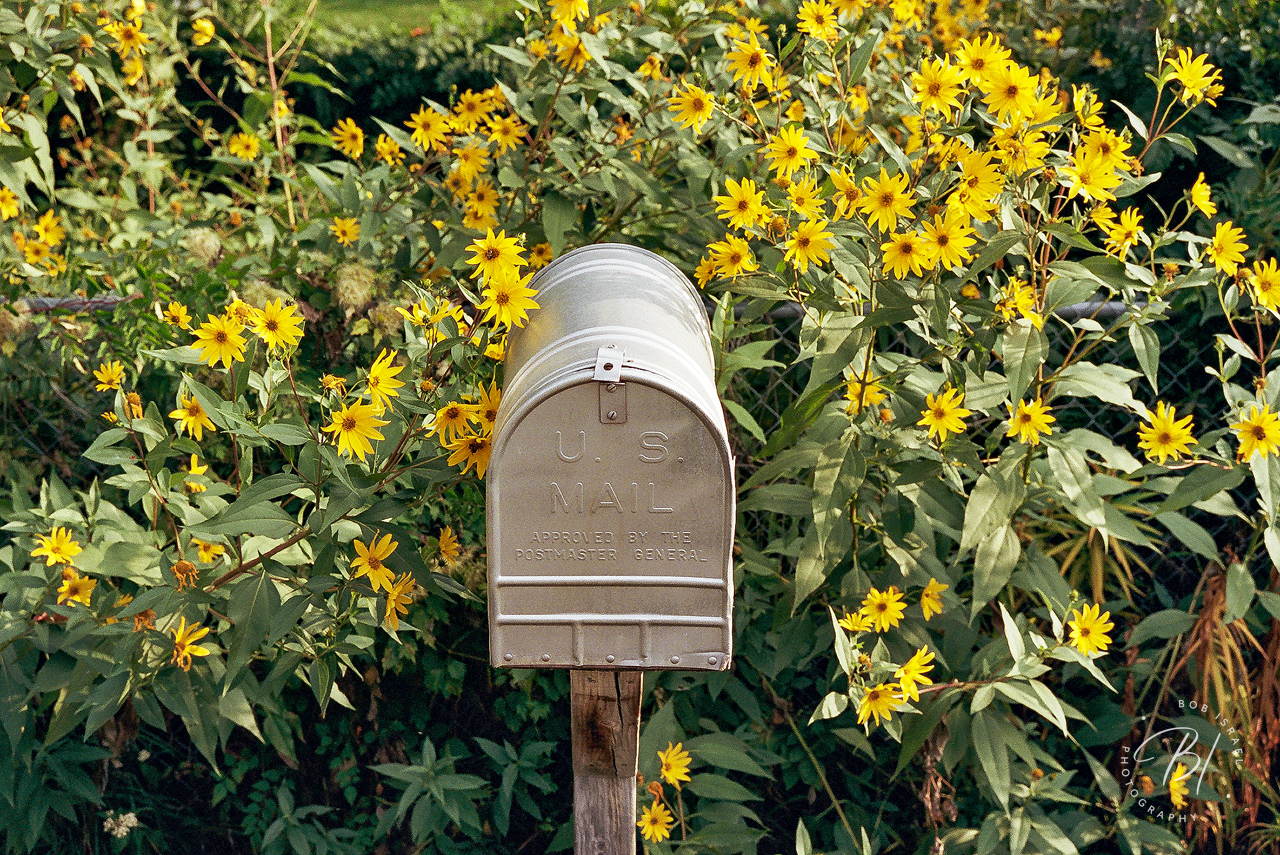
When I returned to developing B&W at home, I used HC-110.Got great results with HC-110 and TMax but wanted to try something different when it was gone. For the last year it's been Tri-X in Rodinal. A love/hate relationship but I certainly learned a lot. Had a short experiment with Ilfotec HC. Tried it, just didn't like it. I"ve been wanting to try Xtol but not five liters of it. Adox has their version, XT-3, in one liter packages. None of the U.S. distributors has any in stock. I stumbled across a D76 clone made by The Film Photography Project. I hadn't used D76 since the Ford administration and it was available in one liter packages. Just to really test things, I did a 1+3 dilution for twenty minutes. The negatives are great! Easy to scan, so here are a few:
Lincoln City, Oregon
M4-2, Voigtlander 35 1.4 Nokton Classic SC V2, ND4 filter, Tri-X @ ISO 200, FPP-76 1+3;
These look great, nice and punchy! If you want to keep experimenting, I'm using LegacyPro L110 with good results. It's a HC-110 clone, and I use the same 1:31 "Dilution B".
Lower Inspiration Point, Bryce Canyon National Park.
Three consecutive 35mm frames taken handheld, arranged as a panoramic triptych. Nikon FM2n, AI Nikkor 50mm f/1.8S, Kentmere Pan 400, developed in LegacyPro L110 at 1:31 for 5.5 minutes.
madNbad wrote:
When I returned to developing B&W at home, I used HC-110.Got great results with HC-110 and TMax but wanted to try something different when it was gone. For the last year it's been Tri-X in Rodinal. A love/hate relationship but I certainly learned a lot. Had a short experiment with Ilfotec HC. Tried it, just didn't like it. I"ve been wanting to try Xtol but not five liters of it. Adox has their version, XT-3, in one liter packages. None of the U.S. distributors has any in stock. I stumbled across a D76 clone made by The Film Photography Project. I hadn't used D76 since the Ford administration and it was available in one liter packages. Just to really test things, I did a 1+3 dilution for twenty minutes. The negatives are great! Easy to scan, so here are a few:
Lincoln City, Oregon
M4-2, Voigtlander 35 1.4 Nokton Classic SC V2, ND4 filter, Tri-X @ ISO 200, FPP-76 1+3;...Show more →
Initially I just scanned through the images, but having gone back and read the text I only now realize that this was a development trial. Looks really good! Love the contrast. I really need to experiment more with developing my own B&W.
helimat wrote:
Initially I just scanned through the images, but having gone back and read the text I only now realize that this was a development trial. Looks really good! Love the contrast. I really need to experiment more with developing my own B&W.
I posted the same photos on Photrio and one of the moderators pointed out the 1+3 dilution of D76 was under Kodaks recommended strength for the amount of developer for each roll. Looking at the negatives, the edge markings are a bit faint. Reading through the D76 data sheet, two rolls of 135-36 can be developed in a single tank using a 1+1 dilution and adding ten percent to the developing time. I should have a few rolls ready for development soon and I'll try that method.
madNbad wrote:
I posted the same photos on Photrio and one of the moderators pointed out the 1+3 dilution of D76 was under Kodaks recommended strength for the amount of developer for each roll. Looking at the negatives, the edge markings are a bit faint. Reading through the D76 data sheet, two rolls of 135-36 can be developed in a single tank using a 1+1 dilution and adding ten percent to the developing time. I should have a few rolls ready for development soon and I'll try that method.
Looking forward to seeing it!
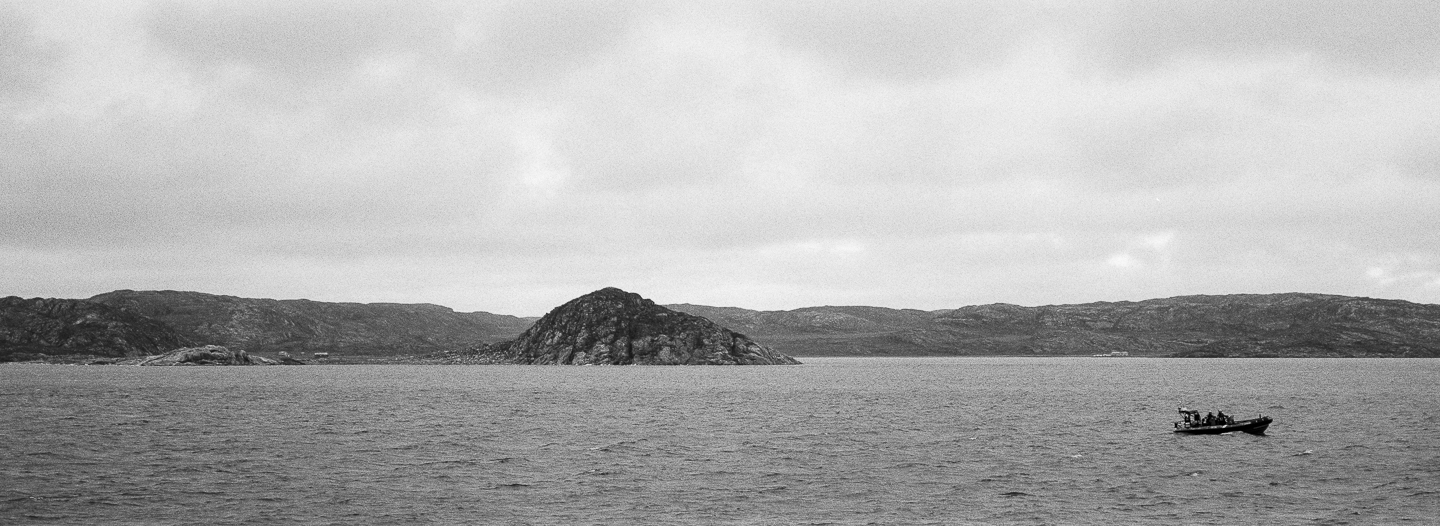
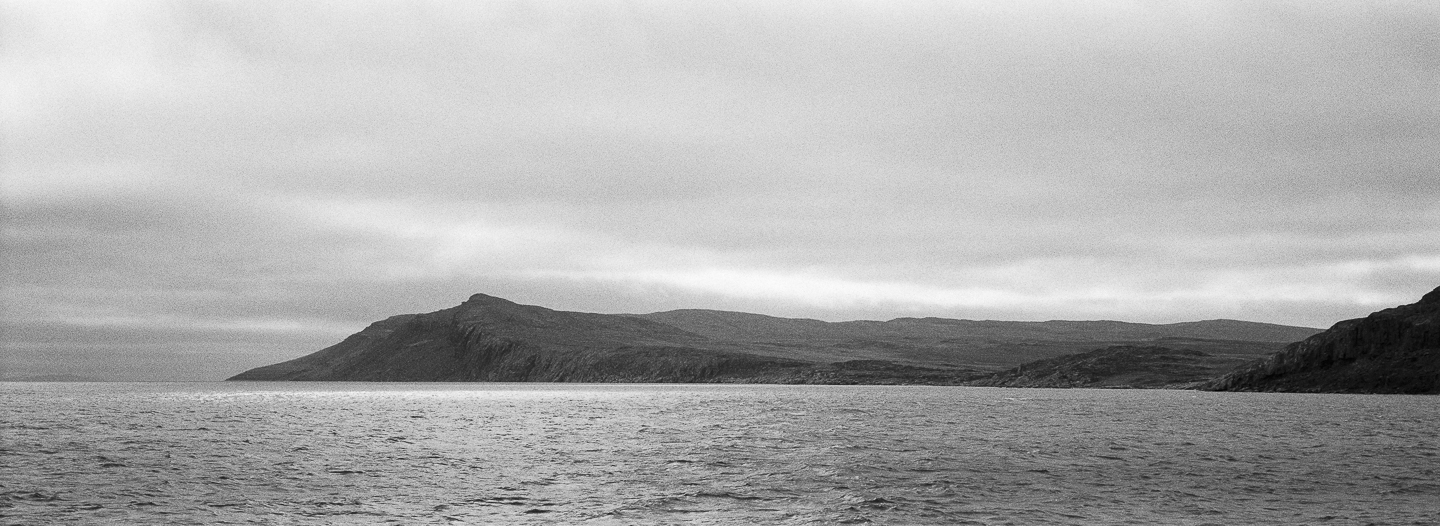
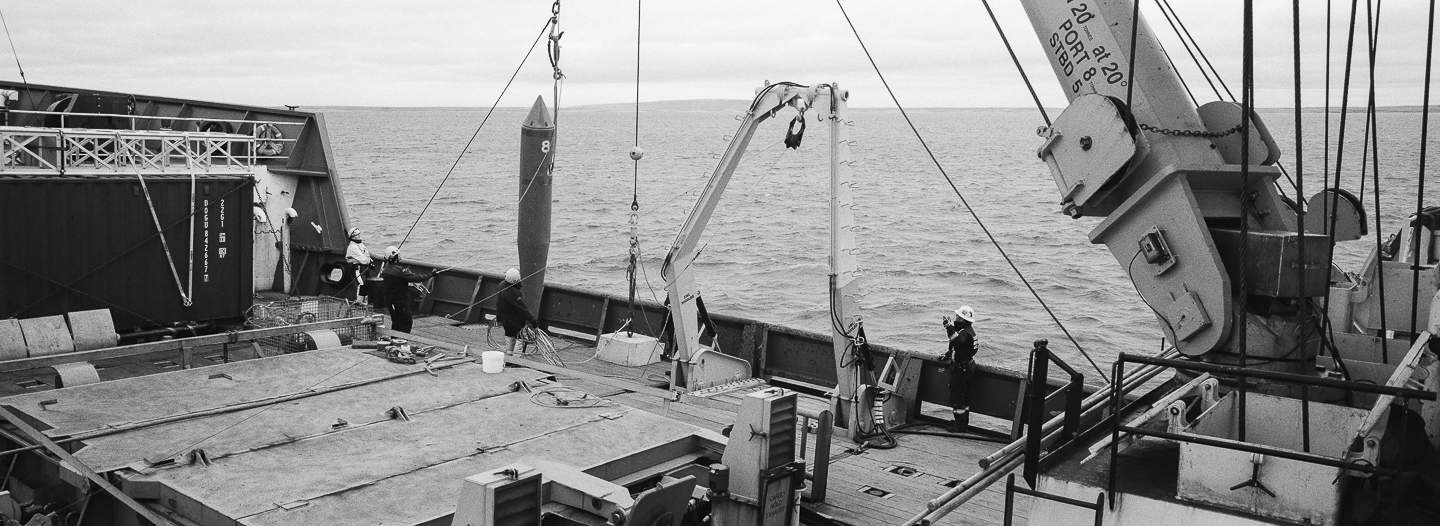
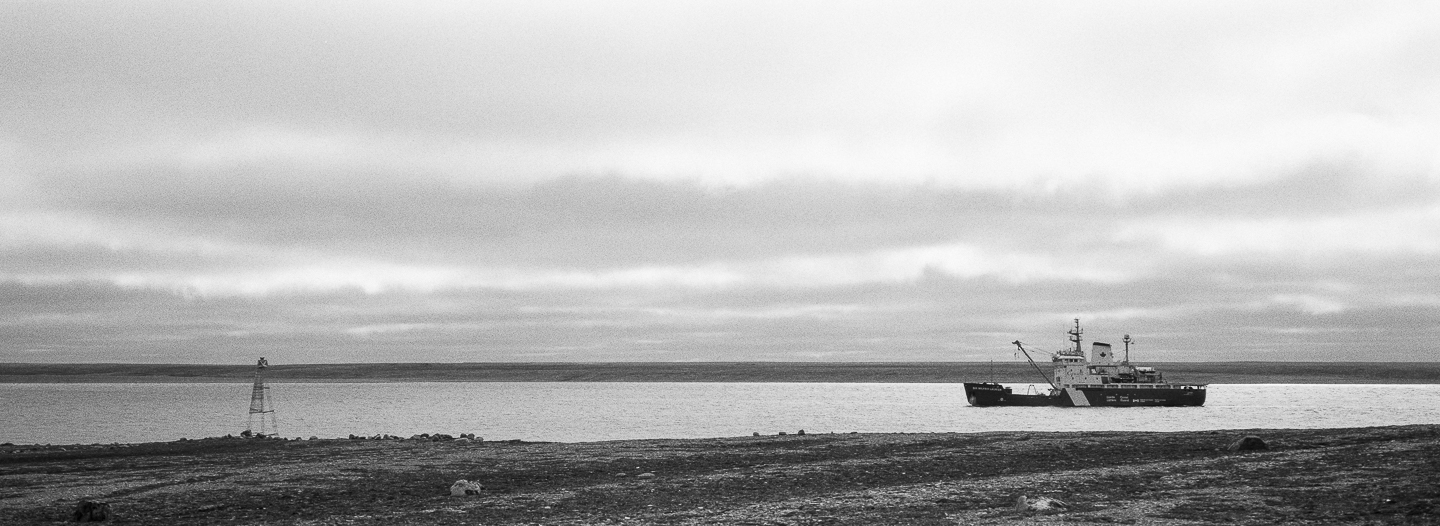
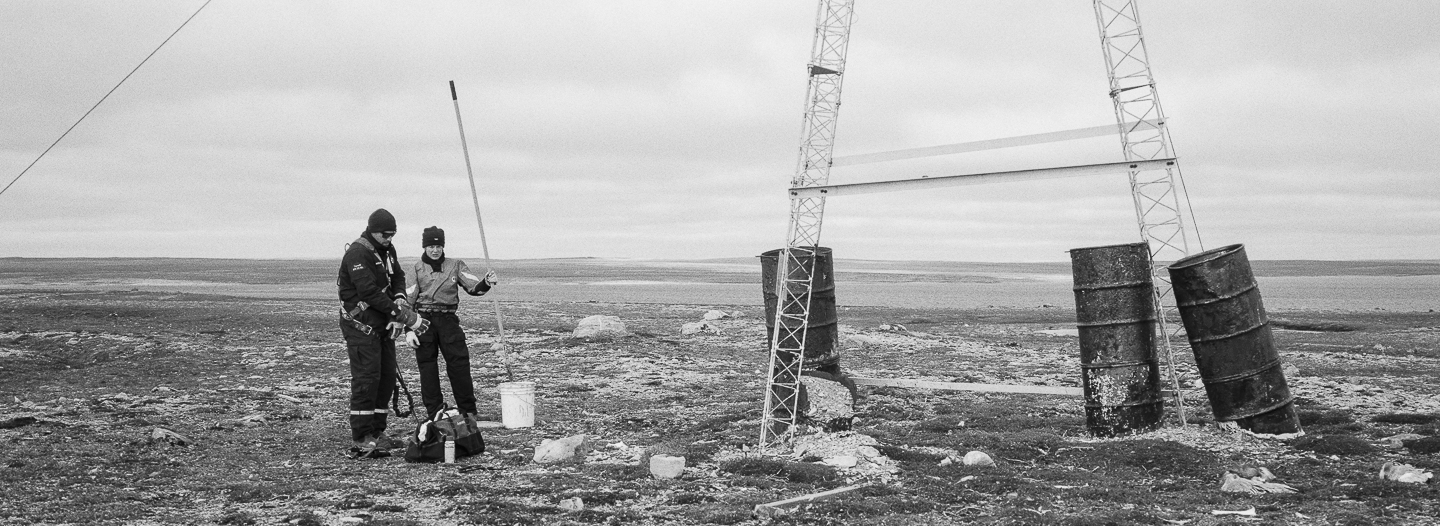
Getting towards the end of the trip, here the deck crew ready an Arctic Buoy for positioning in the Simpson Strait, and ashore on King William Island for some nav aid maintenance. Both locations are noted for being where the Franklin Expedition abandoned the HMS Erebus and Terror in 1848, after being trapped in ice for nearly two years. This year the only ice we saw was in our beverages! The Northwest Passage was not navigated in full until 1906.
Thanks and I love being here! I love the simplicity of film. Although, I keep making mistakes along the way like:
- Setting my exposure with the light meter but forgetting to change the aperture and/or shutter speed on the camera to match.
- I actually took four images today with the lens cap on the lens.
- Forgetting to match the ISO of my light meter to the ISO of the film I'm shooting.
- Oh, and after taking a shot with my M11 I tried to wind the film . . .
madNbad wrote:
How many rolls are you getting from the Cinestill?
This was roll 16 and I feel the last from the bottle as I opened it on 5/12, and once open it is meant to have.a 3 month life expectancy. Tabular films like Acros require twice the dev time to remove the base haze. That also has to effect the DF96’s lifespan.
So while this roll was great, I have seen in the past the next one could be a dud. Of course you can use a test strip to see if the dev is still good, but that IMO has shown that it may still be ‘ok’. Not good!
Anyway, I am very happy with 16 rolls for $20. The one thing I do differently from Cinestill’s instructions is how I agitate.DF96 is susceptible to bromide drag. The way I avoid it is if I am using 75mas the temp (which is normal for this monobath), agitation is 10 secs every minute. I split that to 5 secs every 30 seconds and that works better. No more drag.
FYI at 75 the initial agitation is 30 seconds.