Mustang Air to Air: The Sequel
p.1154 #1Mustang Air to Air: The Sequel
Kevin, in your "spare time" just keep mesmerizing us with the imagery that you already have in the can. We don't want to lose track of you again.
Jun 17, 2025 at 01:50 PM
p.1154 #2Mustang Air to Air: The Sequel
Absolutely Jim! I am waiting for him to post some of his TxANG 147th Ace In the Hole fighter shots!
Jun 17, 2025 at 01:52 PM
p.1154 #3Mustang Air to Air: The Sequel
I stopped by Competitive this morning and Eugene had a long talk about esoteric things like, do I need a Hasselblad and why I should add an RF400/2.8 to my case. Crack dealers have nothing on Eugene.................... I did get out of there with a new ThinkTank Airport Roller V3.0......
Jun 17, 2025 at 01:52 PM
p.1154 #4Mustang Air to Air: The Sequel
TT bags were a big weakness for me, I had way too many trying to find the *perfect* bag, which of course doesn't exist! I guess it's the equivalent of women and handbags, which to me never made sense!!!
Hey Ray, my Intel guy friend at the 147th retired after his last few years with the MQ-9s, at least he still had real jets there with the OK ANG sitting Alert. He still lives in Pearland. Would love to visit again one day.
 F-16C-84-1393-147FW-90th-KJackson by Kevin Jackson, on Flickr
Hey Ray, my Intel guy friend at the 147th retired after his last few years with the MQ-9s, at least he still had real jets there with the OK ANG sitting Alert. He still lives in Pearland. Would love to visit again one day.
F-16C-84-1393-147FW-90th-KJackson by Kevin Jackson, on FlickrJun 17, 2025 at 03:45 PM
p.1154 #5Mustang Air to Air: The Sequel
Thank you for the quick response Kevin.
I retired in1994 with USAF and TxANG years, but I kept up with them from a friend, David Salva. We would meet up for lunch on Wednesdays at Mr. Gatti's Pizza. I visited the field shortly after they painted the 75th anniversary livery. If I am not mistaken my stories, (and at nearly 3/4 of a century in age I could be), the 147th loaned that aircraft, #393 to Boeing so they could use it to prepare their bid for the QF-16 target drone program. Upon return, the aircraft was going to be retired and Boeing agreed to paint #393 in standard TxANG livery. #393 is now on a pedestal at Camp Mabry in Austin, Texas NG/ANG HQs.
Can you tell me who your intell guy was? Just wondering if I knew him.
Jun 17, 2025 at 06:36 PM
p.1154 #6Mustang Air to Air: The Sequel
Great info on 393 Ray, never knew that! My buddy is Roland Dansereau, we met at the B-2 statc at the Nellis 50th anniversary show in 1997, back then he was at Moody on AD, he moved over to Ellington in the mid 2000s I think. Great guy, massive aviation enthusiast and he got me my first tanker ride which started my aviation journalism sideline going in earnest, so I owe him big time, Coincidently the same B-2 we met by at Nellis was the receiver for that first 135 flight 3 years later!
 ipad-portfolio-kevinjackson-103 by Kevin Jackson, on Flickr
Jun 18, 2025 at 04:37 AM
p.1154 #7Mustang Air to Air: The Sequel
Funny the things that spark our careers. If you never pick up a camera again (which would be a real shame), you did good Kevin.
Jun 18, 2025 at 01:30 PM
p.1154 #8Mustang Air to Air: The Sequel
Just had a business lunch with a couple of young guys who have a very successful outdoor living design/build company. Boggles my mind, but they have not been able to find a photographer who captures their beautiful work the way they had hoped ........we fixed that at lunch. The first four projects just landed on my desktop. I love photographing, but meeting like today's really bouy my spirits.
Edited on Jun 18, 2025 at 03:54 PM · View previous versions
Edited on Jun 18, 2025 at 03:54 PM · View previous versions
Jun 18, 2025 at 01:34 PM
p.1154 #9Mustang Air to Air: The Sequel
Thanks Jim, I've been very fortunate over the years and I fully intend to get back into it with new Canon kit when circumstances allow. Until then I have good memories and can enjoy the talented folks on this page!
 F-22A-94FS-RF07-2 by Kevin Jackson, on Flickr
Jun 18, 2025 at 03:46 PM
|
p.1154 #11Mustang Air to Air: The Sequel
Pixs from last night...Good ole fire season in effect-
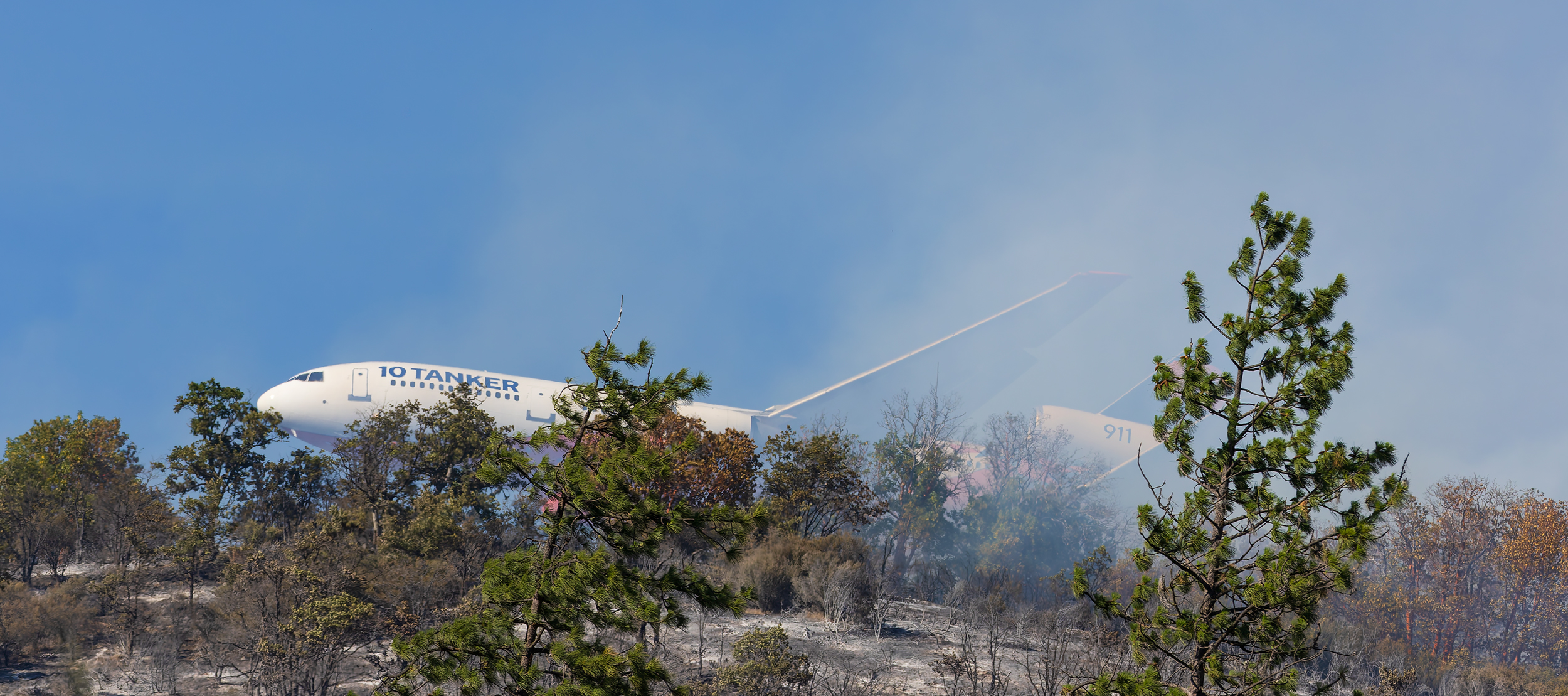
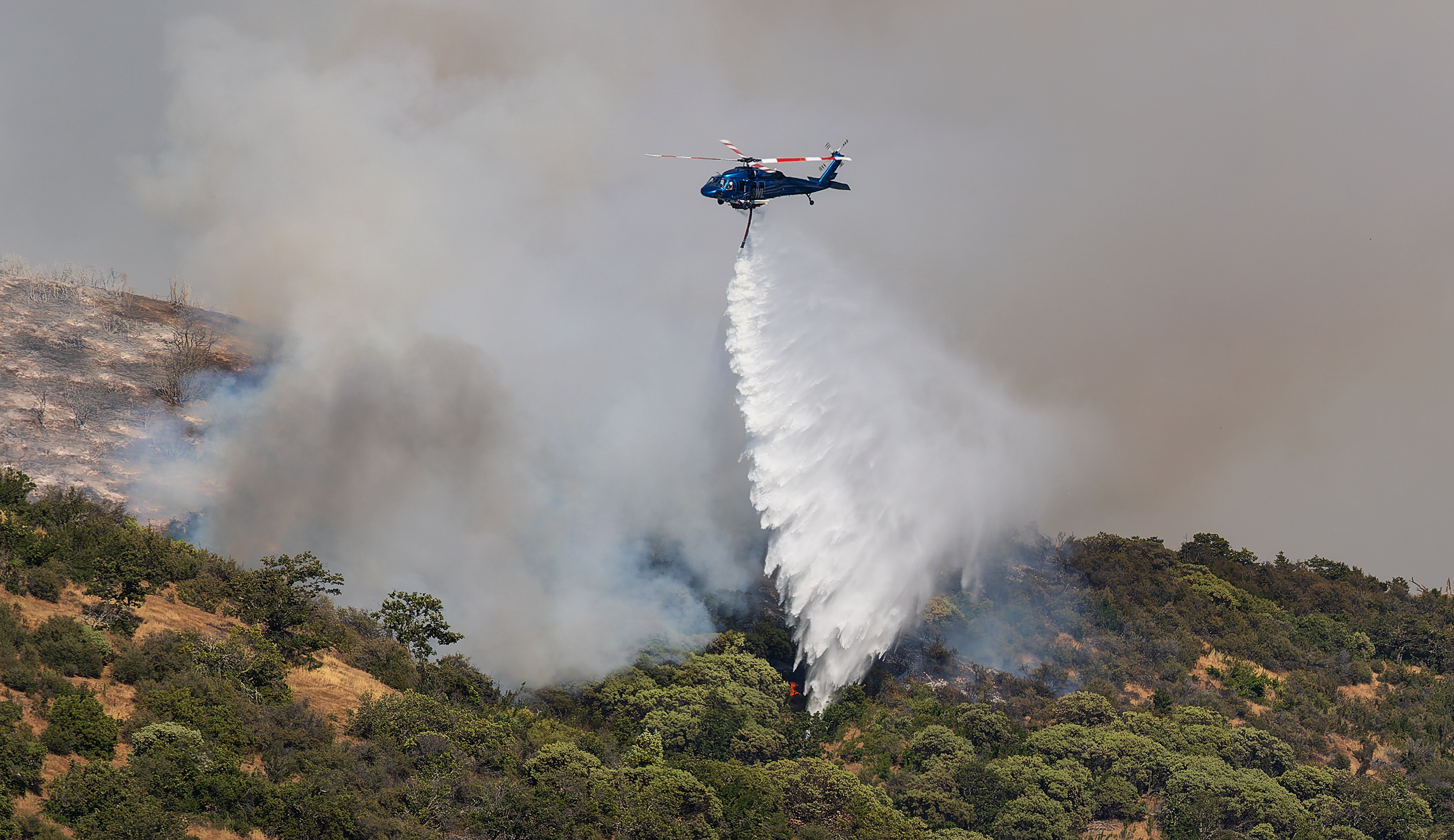
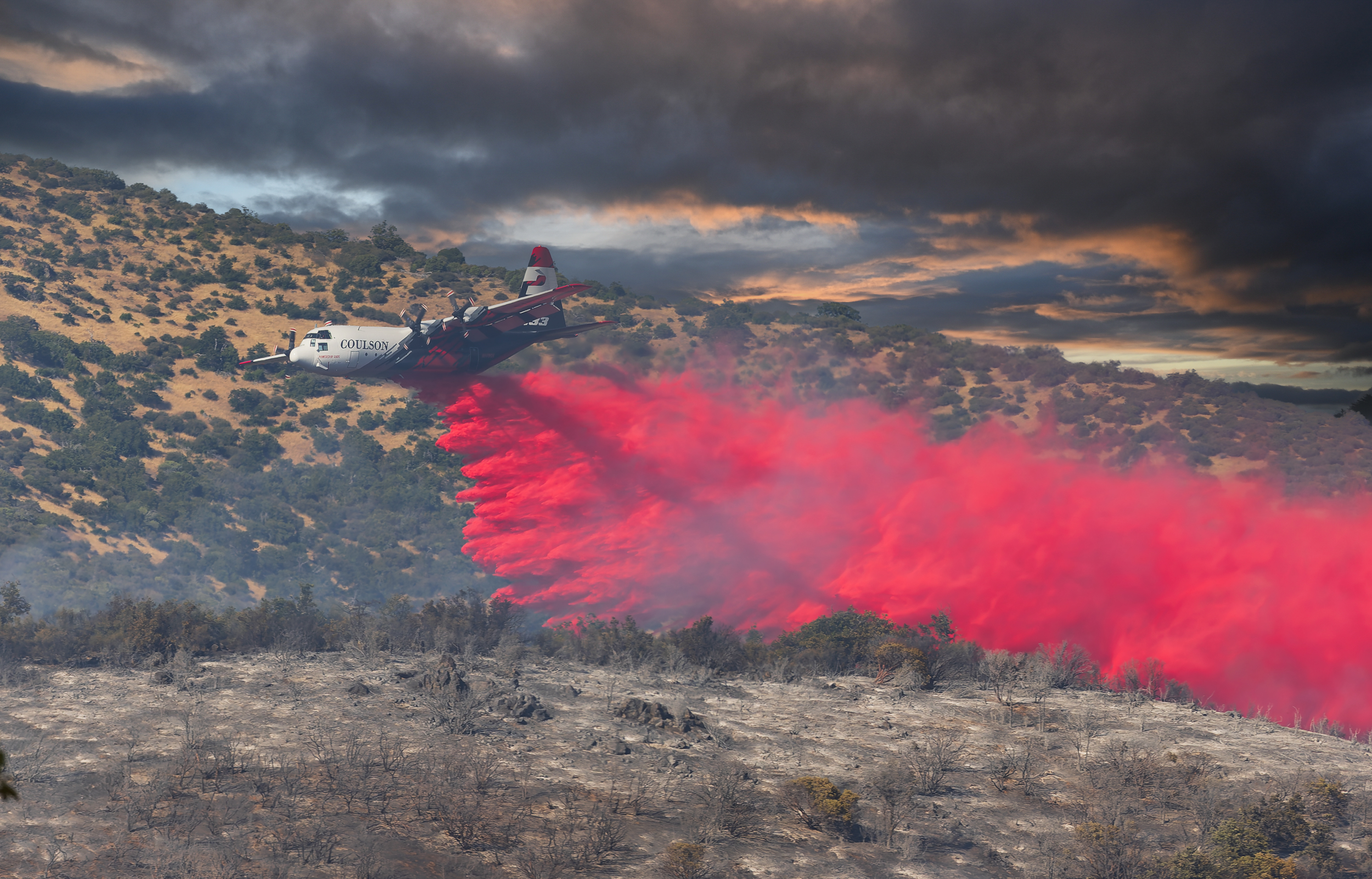
Jun 19, 2025 at 06:41 AM
p.1154 #12Mustang Air to Air: The Sequel
Yes... more, please, Kevin. That last F-22 is simply breathtaking, like so many of your images.
Jun 19, 2025 at 11:31 AM
p.1154 #13Mustang Air to Air: The Sequel
My "Gear Acquisition Syndrome" often causes a little delay in getting up to speed on various aspects of actually putting equipment to work Yesterday, after a very productive lunch meeting, I found myself a stone's throw from DFW so I took the opportunity to play with some video techniques. The R5 MKII can shoot 4K at up to 120fps and I have not played with those settings, so I did. The day was a long way from optimal. 95 degrees, winds 15-25 with higher gusts and mixed lighting, but I was there and had a little time so what the heck. Having captured a little video with the RF200-800, I was curious about pushing its limits, and mine so I mounted it up. The hour of experimenting gave me a real good idea of what could be captured in ideal conditions. Here's a series of clips from yesterday:
Jun 19, 2025 at 01:43 PM
p.1154 #14Mustang Air to Air: The Sequel
Funny, and I discovered this a while back, the shimmering atmosphere that completely destroys still images actually enhances video imagery in many circumstances. This was all shot in C-Log3 and then tweaked in post. The RF200-800 does a very good job and I can only imagine what a "Cooke" or a "Zeiss" optic of similar focal length would sell for. I'm sure they would bump a hundred K easily.
So, an hour well spent, I'll be revisiting this experiment in some beautiful sunrise/sunset light in the near future.
So, an hour well spent, I'll be revisiting this experiment in some beautiful sunrise/sunset light in the near future.
Jun 19, 2025 at 01:50 PM
p.1154 #15Mustang Air to Air: The Sequel
Nice work, Jim. I like the slo-mo, and especially that session of the regional jet landing with the larger one taking off.
Jun 19, 2025 at 03:12 PM
p.1154 #16Mustang Air to Air: The Sequel
gerov wrote:
Nice work, Jim. I like the slo-mo, and especially that session of the regional jet landing with the larger one taking off.
Same here, I like the slow-mo take off and land.
I started using my R5 for video after bombing out on some video cameras and was rather impressed with the R5 so going to try it some more.
Jun 19, 2025 at 03:38 PM
p.1154 #17Mustang Air to Air: The Sequel
Very cool video, the heathaze does add to the video. One thing I noticed was on the 787 taking off you can't see the flaps extended because of the blended wing, much like the tragic Air India video where many people, me included, jumped to the conclusion the flaps were up on take off.
 166977-NE100-FA-18F-VFA-2-JUL2014 by Kevin Jackson, on Flickr
Jun 19, 2025 at 03:44 PM
p.1154 #18Mustang Air to Air: The Sequel
I noticed that too Kevin. I was wondering why I didn't see the usual trailing edge flap deflection. Apparently, the 787 has an advanced flap system. I read they can take off with 0 or as little as 5,10, or 15° trailing edge flaps depending on runway length and configuration.
From Grok:
Variable Flap Settings: The 787 uses different flap settings for takeoff and landing, tailored to performance needs. For takeoff, pilots typically select a partial flap setting (e.g., Flaps 5, 10, or 15 on the 787, depending on runway length, aircraft weight, and environmental factors). These settings provide extra lift but minimize drag to allow efficient acceleration and climb. Full flap extension (e.g., Flaps 25 or 30) is reserved for landing, where maximum lift and drag are needed at very low speeds.
Optimized Takeoff Performance: On longer runways or with lighter loads, the 787 may use minimal flap settings or even a “flaps-up” takeoff (rare but possible) to reduce drag and fuel burn during climb. This makes the flaps appear less extended or not deployed at all to a casual observer.
Perspective and Timing: From the ground, partially extended flaps during takeoff might not look as dramatic as fully extended flaps during landing. Also, flaps are retracted shortly after takeoff as the aircraft accelerates and transitions to a clean configuration, so you might miss seeing them if you’re watching later in the climb.
Runway and Conditions: If you’re observing takeoffs at airports with long runways or favorable conditions (e.g., sea level, cool weather), the 787 may require less flap extension for takeoff, as it can achieve the necessary lift with higher speeds or less wing augmentation.
Jun 19, 2025 at 06:42 PM
p.1154 #19Mustang Air to Air: The Sequel
Yesterday one of our farming neighbors came to visit Susan and told me they used a drone to spray their cotton. Holly cow, the future is here! I believe she said they cost about $50k. Wish I could have seen it. Looks like it holds about 12 gallons of liquid and sprays about 40 acres/hour. Not sure how much our high winds will affect the specs.
https://ag.dji.com/t50?site=ag&from=nav
https://ag.dji.com/t50?site=ag&from=nav
Jun 20, 2025 at 08:42 AM
p.1154 #20Mustang Air to Air: The Sequel
Good Morning Ray,
It would be interesting to discuss that operation with them to see how the numbers work. The drone must have multiple batteries to provide longer flight times. High winds really affect battery life aside from the chemical drift. Would that application normally be done with a tractor spray rig, or an aerial applicator?
It would be interesting to discuss that operation with them to see how the numbers work. The drone must have multiple batteries to provide longer flight times. High winds really affect battery life aside from the chemical drift. Would that application normally be done with a tractor spray rig, or an aerial applicator?
Jun 20, 2025 at 09:30 AM