Help with Photo Restoration of Ancestor
p.1 #1Help with Photo Restoration of Ancestor
This is a photo of my wife's great-grandfather, who came to America from Norway in 1900 by himself at the age of 17.
There are two versions, one more "enhanced" than the other. I am trying to restore the photo, but my post-processing skills are quite limited. Also, I am working from a low-resolution thumbnail from Ancestors.com. So, this is as far as I have gotten.
Can anyone suggest what to do to improve the photo further? I have DXO, Lightroom Classic, and Photoshop.
If anyone wants to take on the post-processing themselves, feel free to do that--it would certainly be appreciated.
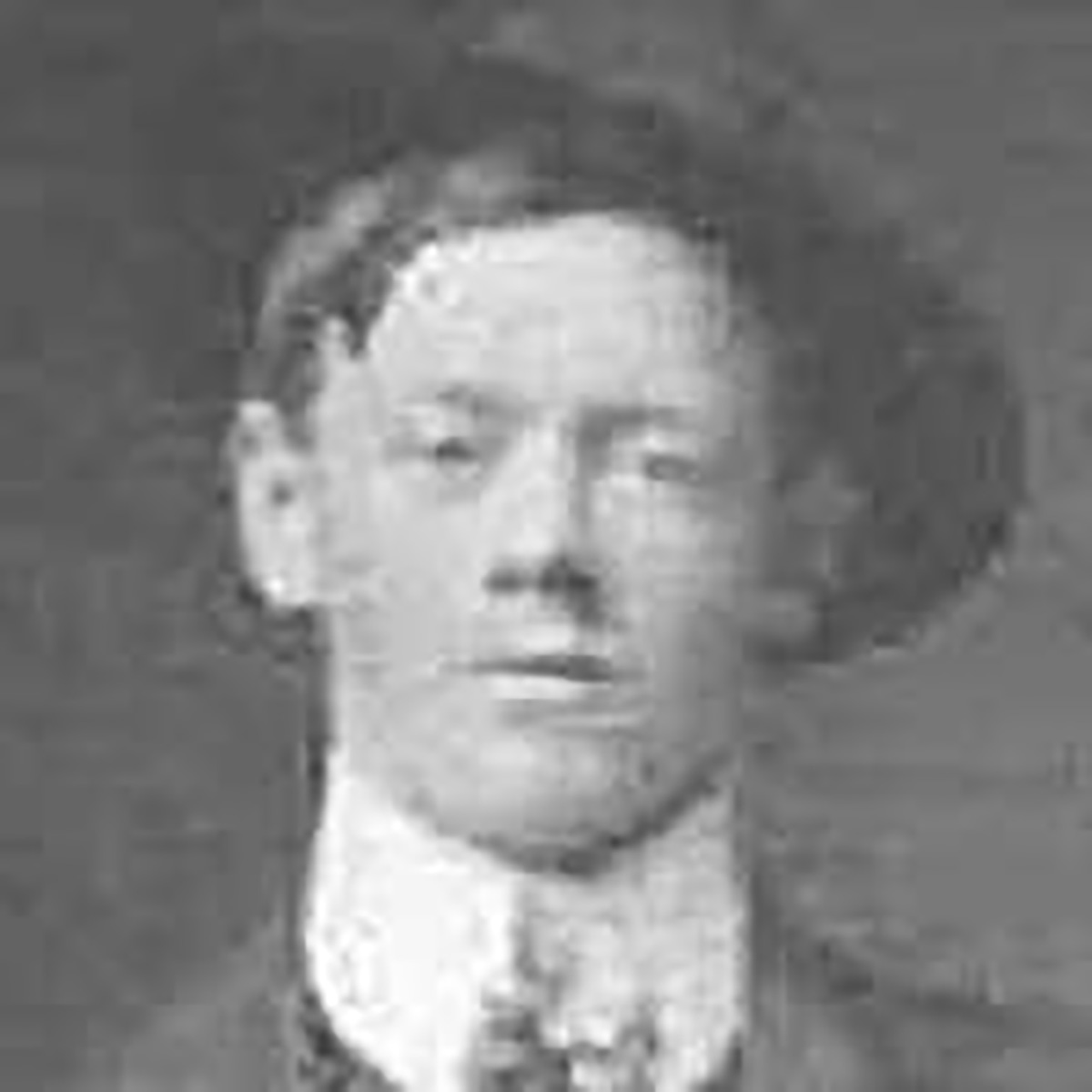
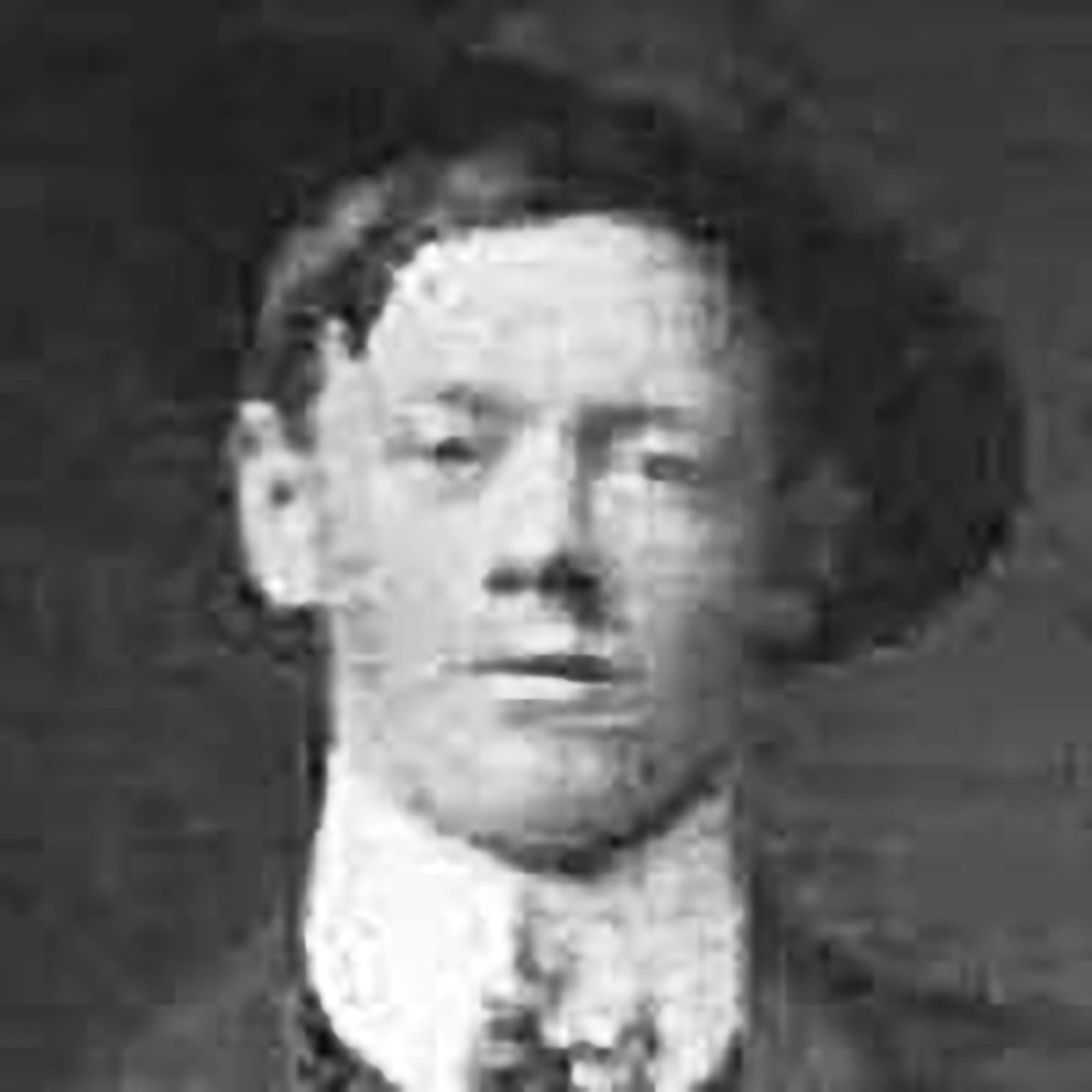
There are two versions, one more "enhanced" than the other. I am trying to restore the photo, but my post-processing skills are quite limited. Also, I am working from a low-resolution thumbnail from Ancestors.com. So, this is as far as I have gotten.
Can anyone suggest what to do to improve the photo further? I have DXO, Lightroom Classic, and Photoshop.
If anyone wants to take on the post-processing themselves, feel free to do that--it would certainly be appreciated.
Nov 14, 2026 at 11:16 AM
p.1 #2Help with Photo Restoration of Ancestor
I put the thumbnail into ChatGPT and asked it to restore/enhance it.
Hmmm...not bad.
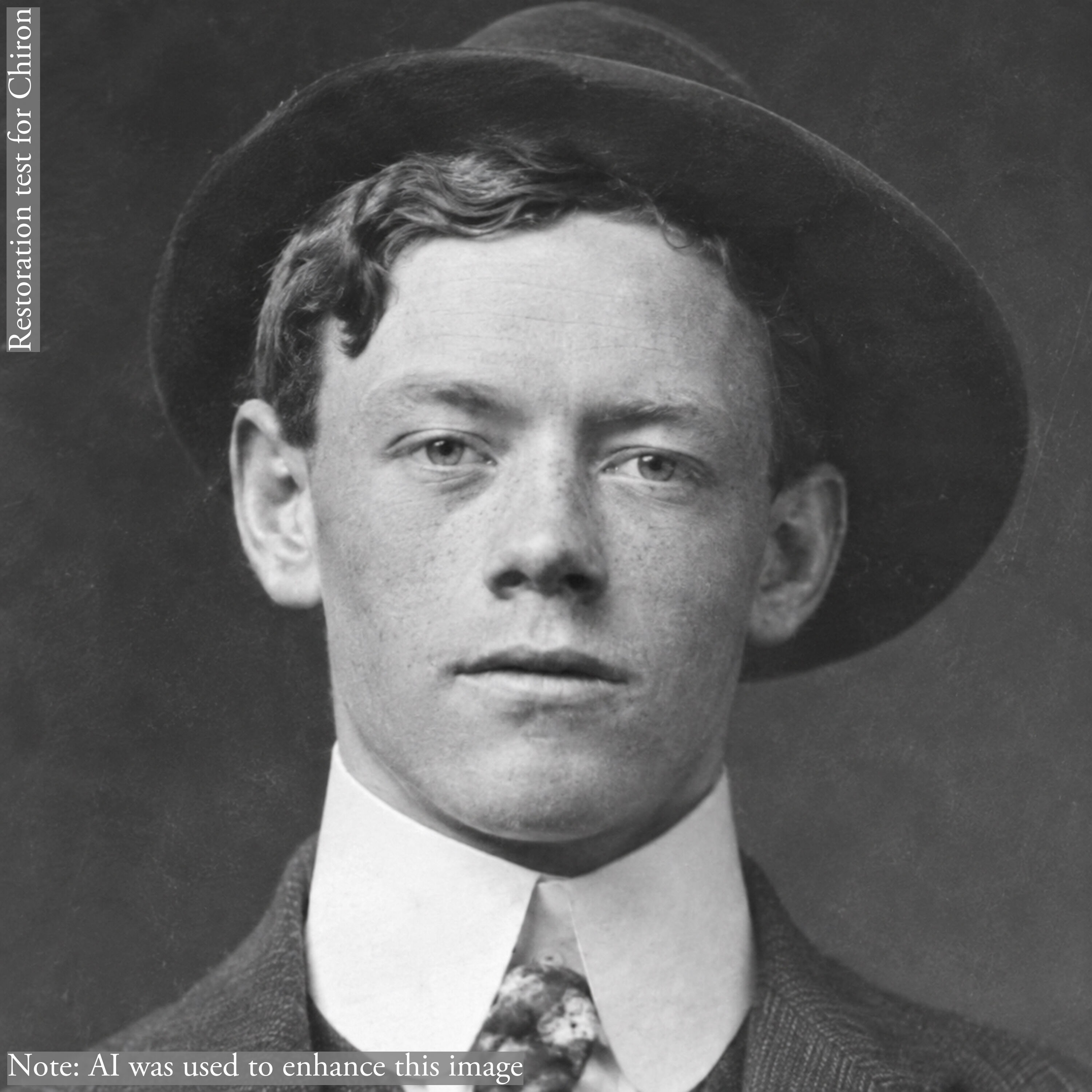
Hmmm...not bad.
Nov 14, 2026 at 11:34 AM
p.1 #3Help with Photo Restoration of Ancestor
That's fabulous, Mike. Thank you!
It is a new world. Imagine when this becomes available as an optional "save as" within the functioning of the future A7CRV!
Did you load the flatter or the more contrasty version into ChatGPT?
It is a new world. Imagine when this becomes available as an optional "save as" within the functioning of the future A7CRV!
Did you load the flatter or the more contrasty version into ChatGPT?
Nov 14, 2026 at 12:28 PM
p.1 #4Help with Photo Restoration of Ancestor
chiron wrote:
It is a new world. Imagine when this becomes available as an optional "save as" within the functioning of the future A7CRV!
Did you load the flatter or the more contrasty version into ChatGPT?
I used the first one (flatter).
It is indeed a whole new world. I feel myself being left behind, as we speak.
Nov 14, 2026 at 12:33 PM
p.1 #5Help with Photo Restoration of Ancestor
Mike, is it possible to post a version without the text blocks?
BTW, I tried the same request with Claude Fable 5.2, which worked hard and stayed within strict limits of what was available in the original image, but came up with something much less satisfying overall.
The image ChatGPT created bears a very strong family resemblance to his descendants. The image could pass for a photo of my brother-in-law when he was younger.
Nov 14, 2026 at 12:44 PM
p.1 #6Help with Photo Restoration of Ancestor
MikeEvangelist wrote:
Did you load the flatter or the more contrasty version into ChatGPT?I used the first one (flatter).
It is indeed a whole new world. I feel myself being left behind, as we speak.
But you weren't left behind--you used it!
Were you using a paid version of Chat? Which model?
chiron wrote
It is a new world. Imagine when this becomes available as an optional "save as" within the functioning of the future A7CRV!Did you load the flatter or the more contrasty version into ChatGPT?
It is indeed a whole new world. I feel myself being left behind, as we speak.
But you weren't left behind--you used it!
Were you using a paid version of Chat? Which model?
Nov 14, 2026 at 12:45 PM
p.1 #7Help with Photo Restoration of Ancestor
chiron wrote:
But you weren't left behind--you used it!
Were you using a paid version of Chat? Which model?
I'm on the $20 a month plan. I'm new to it, so just use whatever the defaults are in the desktop app on Mac.
Literally just drag the image into the window and tell it: "restore this image"
Took 30 seconds.
But you weren't left behind--you used it!
Were you using a paid version of Chat? Which model?
I'm on the $20 a month plan. I'm new to it, so just use whatever the defaults are in the desktop app on Mac.
Literally just drag the image into the window and tell it: "restore this image"
Took 30 seconds.
Nov 14, 2026 at 12:52 PM
p.1 #8Help with Photo Restoration of Ancestor
chiron wrote:
Mike, is it possible to post a version without the text blocks?
Here you go...
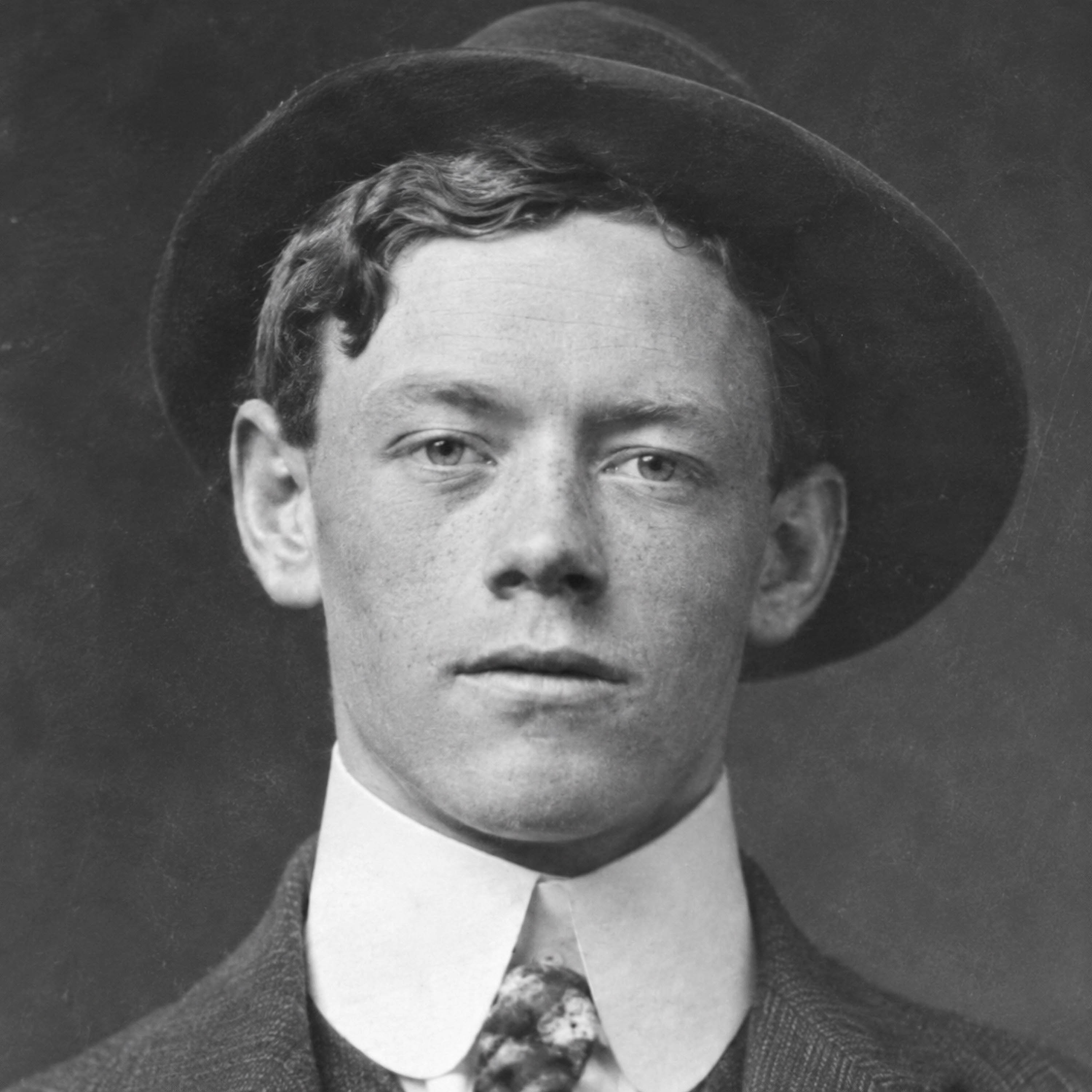
Mike, is it possible to post a version without the text blocks?
Here you go...
Nov 14, 2026 at 12:55 PM
p.1 #10Help with Photo Restoration of Ancestor
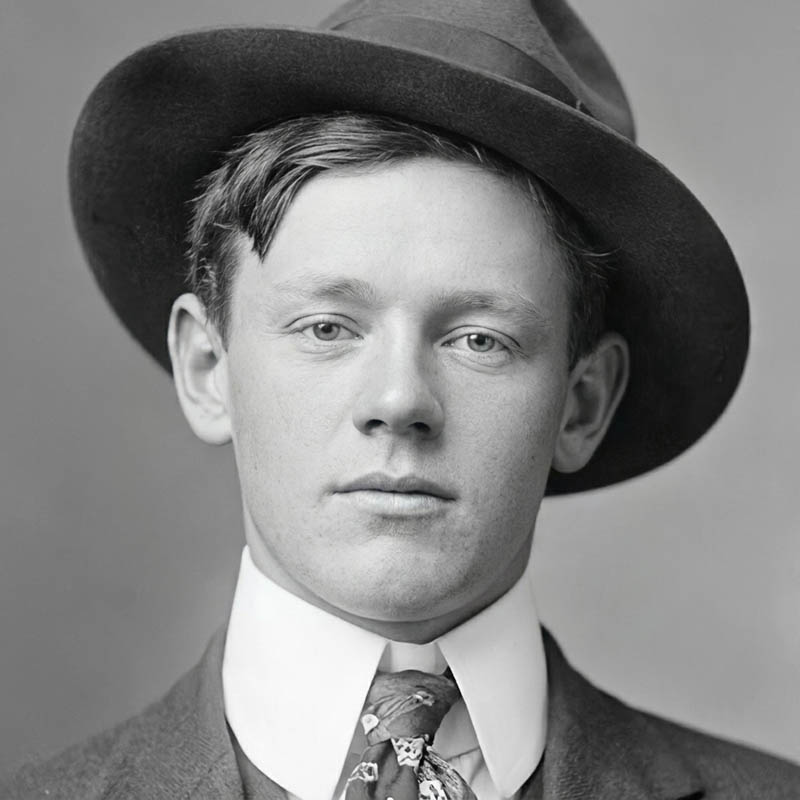
Here's one that I just ran through Photoshop (Gemini)
Nov 14, 2026 at 06:29 PM
|
p.1 #11Help with Photo Restoration of Ancestor
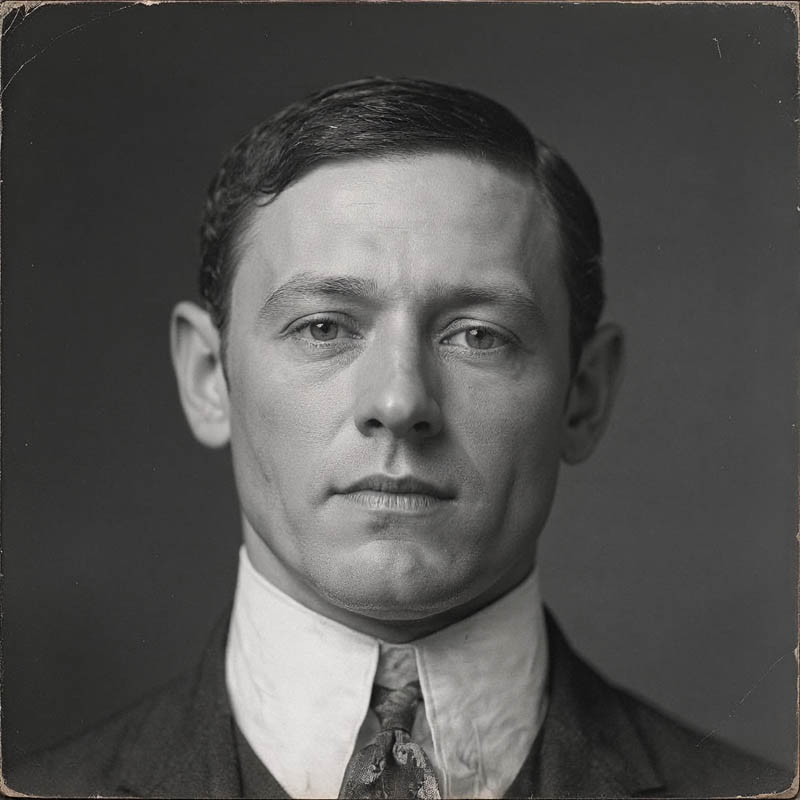
And one through PS using Firefly . ..
Nov 14, 2026 at 06:56 PM
p.1 #12Help with Photo Restoration of Ancestor
pjheller wrote:
Here's one that I just ran through Photoshop (Gemini)
---------------------------------------------
pjheller wrote:
And one through PS using Firefly . ..
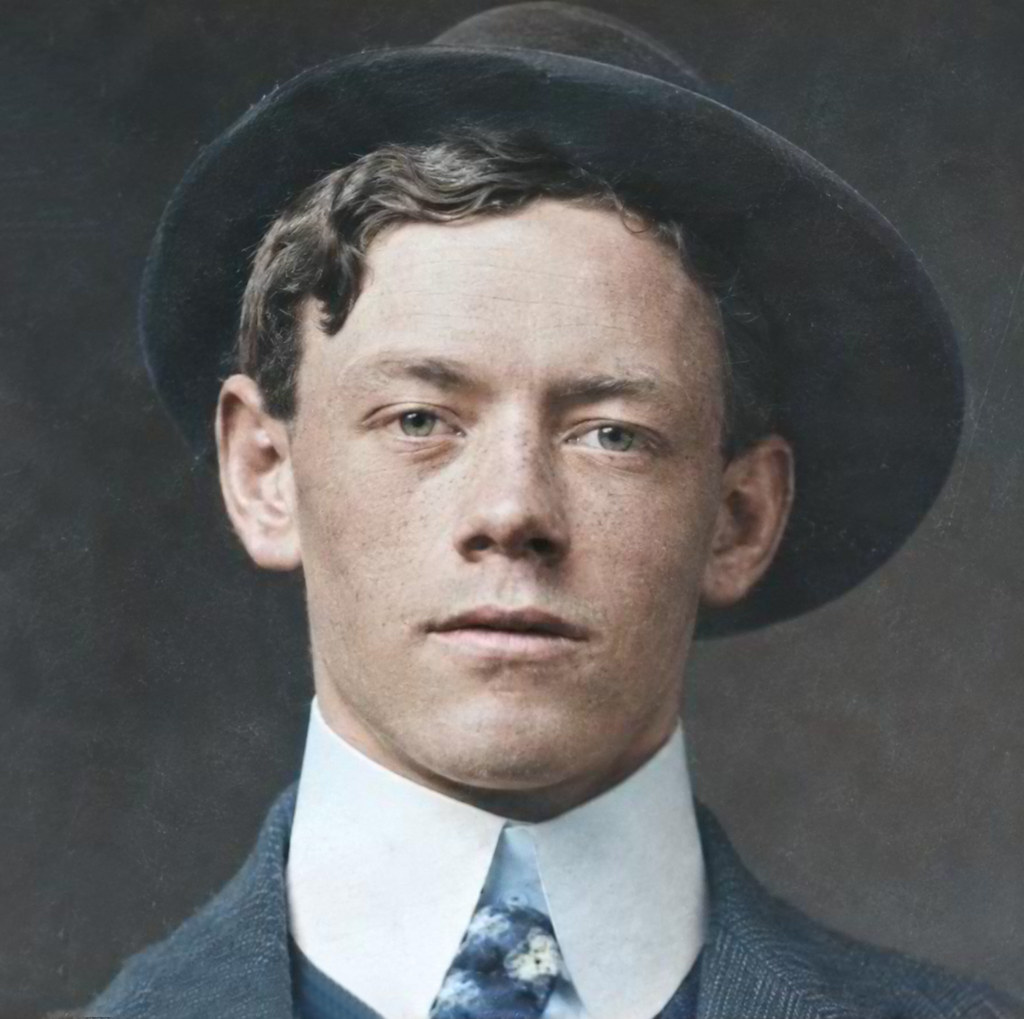
Thank you! It is very interesting to see these. They are quite different from the ChatGPT version. The Chat version preserves the family resemblance very effectively--it very much looks like my wife's family. The Gemini version is very cleaned up and nice, but it looks a bit too generic and smoothed over in a neutralizing way. The Firely version is much less generic, but it no longer looks like the person in the original image.
Nov 14, 2026 at 07:18 PM
p.1 #14Help with Photo Restoration of Ancestor
This is cool stuff and nice examples what can be done with new AI technology. But if you want to be a bit ahead of the game and not just at the current wave of whatever people are doing you need to think a little about the fundamentals. For example, this is a good little read about the subject: https://petapixel.com/2026/03/28/restoring-old-photos-with-ai-is-a-fundamentally-broken-concept/
You can feel the ancestor/family similarities with the results, but then again, people have all sorts of feelings when using the shiny new AI-tech (its designed for engagement). I would take a hard look at the original example, seems like it's not very good starting point to begin with, and I would think hard what you want to preserve and you want to enhance using technology - especially when it is about family ancestor and family heritage. What would national archives and such do with the material like this, would they try to preserve something or just feed it to the AI? .. Just saying ...
You can feel the ancestor/family similarities with the results, but then again, people have all sorts of feelings when using the shiny new AI-tech (its designed for engagement). I would take a hard look at the original example, seems like it's not very good starting point to begin with, and I would think hard what you want to preserve and you want to enhance using technology - especially when it is about family ancestor and family heritage. What would national archives and such do with the material like this, would they try to preserve something or just feed it to the AI? .. Just saying ...
Nov 15, 2026 at 04:39 AM
p.1 #15Help with Photo Restoration of Ancestor
Kalainen wrote:
This is cool stuff and nice examples what can be done with new AI technology. But if you want to be a bit ahead of the game and not just at the current wave of whatever people are doing you need to think a little about the fundamentals. For example, this is a good little read about the subject: https://petapixel.com/2026/03/28/restoring-old-photos-with-ai-is-a-fundamentally-broken-concept/
You can feel the ancestor/family similarities with the results, but then again, people have all sorts of feelings when using the shiny new AI-tech (its designed for engagement). I would take a hard look at the original example, seems like it's...Show more →
You make good points. Claude Fable 5.2 stayed very much within the boundaries of what could be recovered. The result was not satisfying as an image, but it was the strongest version for documentary accuracy. The Chat version is consistent with the Claude accurate version and really could pass as a photo of my brother-in-law. The resemblance is very strong, and the other images don't have that. To forum members viewing the choices without knowing the family, the images may look more alike than they seem when you do know the family.
The Chat version is a satisying combination of what is there in the original photo and what can be interpolated from what is known about how faces work, how eyes usually match, etc. Physical anthropologists have often done well in reconstructing facial appearances by applying anthropometric knowledge.
And many modern portraitists, wedding photographers, and public relations photographers also "enhance" the images of their subjects in a way that subtly changes the face and body depicted. Painters, of course, have also done this for centuries. Even the proper lighting of a portrait and the choice of lens can change how a face appears, sometime in dramatic ways. Have you ever known a fashion model in real life and seen how different their appearance is from their work photos? So, the concept of "accuracy" in portraiture is itself inherently ambiguous. Depicting the soul or spirit of a person, as HCB did so well, is another matter.
The historical version is also preserved, of course. I think that for family viewing purposes, it is good to have both images--the blurry original and a skillfully assembled restoration--even if the restoration remains in some variable degree hypothetical.
Nov 15, 2026 at 10:12 AM
p.1 #16Help with Photo Restoration of Ancestor
Weird how AI decided he has freckles…
Nov 15, 2026 at 10:38 AM
p.1 #17Help with Photo Restoration of Ancestor
chiron wrote:
You can feel the ancestor/family similarities with the results, but then again, people have all sorts of feelings when using the shiny new AI-tech (its designed for engagement). I would take a hard look at the original example, seems like it's not very good starting point to begin with, and I would think hard what you want to preserve and you want to enhance using technology - especially when it is about family ancestor and family heritage. What would national archives and such do with the material like this, would they try to preserve something or just feed it to the AI? .. Just saying ...You make good points. Claude Fable 5.2 stayed very much within the boundaries of what could be recovered. The result was not satisfying as an image, but it was the strongest version for documentary accuracy. The Chat version is consistent with the Claude accurate version and really could pass as a photo of my brother-in-law. The resemblance is very strong, and the other images don't have that. To forum members viewing the choices without knowing the family, the images may look more alike than they seem when you do know the family.
The Chat version is a satisying combination of what...Show more →
Presumably, the AI should evolve to become technically more capable in the coming years.
Will you be replacing the "restored" photos of your ancestors every year, by "better" ones?
You know - it is quite possible that in 12 months Chat GPT would be able to do a better job on the original photo.
Kalainen wrote
This is cool stuff and nice examples what can be done with new AI technology. But if you want to be a bit ahead of the game and not just at the current wave of whatever people are doing you need to think a little about the fundamentals. For example, this is a good little read about the subject: https://petapixel.com/2026/03/28/restoring-old-photos-with-ai-is-a-fundamentally-broken-concept/You can feel the ancestor/family similarities with the results, but then again, people have all sorts of feelings when using the shiny new AI-tech (its designed for engagement). I would take a hard look at the original example, seems like it's not very good starting point to begin with, and I would think hard what you want to preserve and you want to enhance using technology - especially when it is about family ancestor and family heritage. What would national archives and such do with the material like this, would they try to preserve something or just feed it to the AI? .. Just saying ...
The Chat version is a satisying combination of what...Show more →
Presumably, the AI should evolve to become technically more capable in the coming years.
Will you be replacing the "restored" photos of your ancestors every year, by "better" ones?
You know - it is quite possible that in 12 months Chat GPT would be able to do a better job on the original photo.
Nov 15, 2026 at 11:40 AM
p.1 #18Help with Photo Restoration of Ancestor
Unless one is comparing the living person side-by-side with the AI image, I would think one could not really say how accurate the AI version is. As for AI correctly applying the identical colors of the reality from a B&W image, I would say that was guesswork by AI.
Nov 15, 2026 at 11:56 AM
p.1 #19Help with Photo Restoration of Ancestor
chiron wrote:
You can feel the ancestor/family similarities with the results, but then again, people have all sorts of feelings when using the shiny new AI-tech (its designed for engagement). I would take a hard look at the original example, seems like it's not very good starting point to begin with, and I would think hard what you want to preserve and you want to enhance using technology - especially when it is about family ancestor and family heritage. What would national archives and such do with the material like this, would they try to preserve something or just feed it to the AI? .. Just saying ...You make good points. Claude Fable 5.2 stayed very much within the boundaries of what could be recovered. The result was not satisfying as an image, but it was the strongest version for documentary accuracy. The Chat version is consistent with the Claude accurate version and really could pass as a photo of my brother-in-law. The resemblance is very strong, and the other images don't have that. To forum members viewing the choices without knowing the family, the images may look more alike than they seem when you do know the family.
The Chat version is a satisying combination of what...Show more →
These are all good points, and I can't really comment much on the resemblance itself, since I haven't seen the original or your family members. My original point, however, was perhaps that digital restoration, in a sense, "destroys" the authentic elements of the original photograph – even if the person in the photograph is largely unrecognizable in terms of detail. I think that the very fact that we cannot make out all the details – that we don't know exactly what he looked like in this photograph – is, in itself, a more interesting starting point than creating an AI version in which those details are invented.
I overlaid the original photograph and the version Mike created with ChatGPT in Photoshop and switched back and forth between them. Looking at them this way, I think ChatGPT introduces quite a lot of modern beauty standards that simply aren't present in the original. The ChatGPT version is handsome, almost like a male fashion model, and includes details such as freckles (as mentioned). The person in the original, with all due respect to him, looks much more like an ordinary young lad, and his facial proportions aren't quite so perfect – which is only natural, since we're looking at a real human being. In short, I find ChatGPT's version rather flattering, translating the person's facial features from the standards of his own time into the beauty ideals of ours.
Bringing deceased relatives back to life through AI technology opens up a kind of Pandora's box, in my view: authenticity and reality become negotiable in ways that I find unsettling. We can already see this in this thread, where there are several versions of your relative, along with discussions about how to interpret the differences between them. I don't know what this does to the way people remember others. Images, once seen, are difficult to forget, and memories have a tendency to blend together. In this way, different versions of reality may gradually begin to blur what we consider normal acts of remembering.
I'm not suggesting that you're committing some kind of sacrilege or sin – I'm sure you know where to draw your own boundaries. I'm more interested in commenting on the broader issue, unfortunately through the example of you and your relative, because I feel that people haven't yet thought very carefully about these questions. I can easily imagine that as this kind of "restoration" becomes more widespread, there will eventually be a fairly strong backlash, once the wider public begins to recognize how practices like these – even something as seemingly simple as colorizing old photographs – may ultimately do more to distort the original source material and the memories associated with it than to clarify or preserve them.
Kalainen wrote
This is cool stuff and nice examples what can be done with new AI technology. But if you want to be a bit ahead of the game and not just at the current wave of whatever people are doing you need to think a little about the fundamentals. For example, this is a good little read about the subject: https://petapixel.com/2026/03/28/restoring-old-photos-with-ai-is-a-fundamentally-broken-concept/You can feel the ancestor/family similarities with the results, but then again, people have all sorts of feelings when using the shiny new AI-tech (its designed for engagement). I would take a hard look at the original example, seems like it's not very good starting point to begin with, and I would think hard what you want to preserve and you want to enhance using technology - especially when it is about family ancestor and family heritage. What would national archives and such do with the material like this, would they try to preserve something or just feed it to the AI? .. Just saying ...
The Chat version is a satisying combination of what...Show more →
These are all good points, and I can't really comment much on the resemblance itself, since I haven't seen the original or your family members. My original point, however, was perhaps that digital restoration, in a sense, "destroys" the authentic elements of the original photograph – even if the person in the photograph is largely unrecognizable in terms of detail. I think that the very fact that we cannot make out all the details – that we don't know exactly what he looked like in this photograph – is, in itself, a more interesting starting point than creating an AI version in which those details are invented.
I overlaid the original photograph and the version Mike created with ChatGPT in Photoshop and switched back and forth between them. Looking at them this way, I think ChatGPT introduces quite a lot of modern beauty standards that simply aren't present in the original. The ChatGPT version is handsome, almost like a male fashion model, and includes details such as freckles (as mentioned). The person in the original, with all due respect to him, looks much more like an ordinary young lad, and his facial proportions aren't quite so perfect – which is only natural, since we're looking at a real human being. In short, I find ChatGPT's version rather flattering, translating the person's facial features from the standards of his own time into the beauty ideals of ours.
Bringing deceased relatives back to life through AI technology opens up a kind of Pandora's box, in my view: authenticity and reality become negotiable in ways that I find unsettling. We can already see this in this thread, where there are several versions of your relative, along with discussions about how to interpret the differences between them. I don't know what this does to the way people remember others. Images, once seen, are difficult to forget, and memories have a tendency to blend together. In this way, different versions of reality may gradually begin to blur what we consider normal acts of remembering.
I'm not suggesting that you're committing some kind of sacrilege or sin – I'm sure you know where to draw your own boundaries. I'm more interested in commenting on the broader issue, unfortunately through the example of you and your relative, because I feel that people haven't yet thought very carefully about these questions. I can easily imagine that as this kind of "restoration" becomes more widespread, there will eventually be a fairly strong backlash, once the wider public begins to recognize how practices like these – even something as seemingly simple as colorizing old photographs – may ultimately do more to distort the original source material and the memories associated with it than to clarify or preserve them.
Nov 15, 2026 at 05:08 PM
p.1 #20Help with Photo Restoration of Ancestor
Kalainen wrote:
You can feel the ancestor/family similarities with the results, but then again, people have all sorts of feelings when using the shiny new AI-tech (its designed for engagement). I would take a hard look at the original example, seems like it's not very good starting point to begin with, and I would think hard what you want to preserve and you want to enhance using technology - especially when it is about family ancestor and family heritage. What would national archives and such do with the material like this, would they try to preserve something or just feed it to the AI? .. Just saying ...You make good points. Claude Fable 5.2 stayed very much within the boundaries of what could be recovered. The result was not satisfying as an image, but it was the strongest version for documentary accuracy. The Chat version is consistent with the Claude accurate version and really could pass as a photo of my brother-in-law. The resemblance is very strong, and the other images don't have that. To forum members viewing the choices without knowing the family, the images may look more alike than they seem when you do know the family.
The Chat version is a satisying combination of what is there in the original photo and what can be interpolated from what is known about how faces work, how eyes usually match, etc. Physical anthropologists have often done well in reconstructing facial appearances by applying anthropometric knowledge.
And many modern portraitists, wedding photographers, and public relations photographers also "enhance" the images of their subjects in a way that subtly changes the face and body depicted. Painters, of course, have also done this for centuries. Even the proper lighting of a portrait and the choice of lens can change how a face appears, sometime in dramatic ways. Have you ever known a fashion model in real life and seen how different their appearance is from their work photos? So, the concept of "accuracy" in portraiture is itself inherently ambiguous. Depicting the soul or spirit of a person, as HCB did so well, is another matter.
The historical version is also preserved, of course. I think that for family viewing purposes, it is good to have both images--the blurry original and a skillfully assembled restoration--even if the restoration remains in some variable degree hypothetical.These are all good points, and I can't really comment much on the resemblance itself, since I haven't seen the original or your family members. My original point, however, was perhaps that digital restoration, in a sense, "destroys" the authentic elements of the original photograph – even if the person in the photograph is largely unrecognizable in terms of detail. I think that the very fact that we cannot make out all the details – that we don't know exactly what he looked like in this photograph – is, in itself, a more interesting starting point than creating an AI...Show more →
Very intersting post. But we always know things through a glass darkly and with distortions from the present.
We are off here into the realms of epistemology--how we know what we know, or more precisely, how we think we know what we think we know. This is the problem with all historical reconstruction, the problems that historiography and competing histories often try to address. We never know the past with great accuracy and without distortions from the present and even present events are usually indecipherable in any final and convincing form. Just consider any day's news. Present day images are often massaged and misleading and the same person usually looks quite different in photographs taken only moments apart, but each is valuable as a piece of further understanding.
Also, I do wonder at the accuracy or inaccuracy of the mental process by which your mind constructed an ordinary-looking young man from the very blurred and distorted image, which distortions could only deform him. I don't think you could really know what he looked either. But I also agree that Chat introduced common standards of good appearance and duded him up in its reconstruction. As we often do when we select a favorite photograph of ourselves. I do know that I look much better in some photos than in others.
Perfect knowledge and accuracy can't be the goal. Sometimes a kind of narrative truth, as in good fiction, is all you can have instead of historical truth, as in good nonfiction. Given all this uncertainly and irresolution, the Pragmatist conception of truth is whether something works. While one must accept that we will never really know what he looked like, the Chat image works for its intended purpose in a way that the others don't--it looks and feels like an image of that branch of the family, perhaps a bit handsomed-up as in a portrait by Bachrach's studio, shot as they were with a telephoto lens and a haze of soft light.
But any of my relatives on that side would immediately recognize the image as kin, not merely a resemblance, but as a real genetic ancestor. I also suspect, without being able to be sure, that the Chat photo would work as a passport photo of the individual (minus the hat of course) and would get him across the border, while the original photo would stop his trip cold. And in that sense, given all the uncertainty, the image works for its purpose, and better than the others posted in the thread, which in itself says something.
My own preference for family purposes, would be to have both images to look at, which we have, as well as the faces of living relatives, who are the interested parties. Triangulate--two photos and a set of descendants to compare.
Just as a note, some of the features in the Chat reconstruction that seem very accurate in terms of family members' facial characteristics are these:
--the shape and size of the eyes
--the size and shape of the mouth
--the strength and form of the chin
--the overall shape and height of the face and head (which is quite inaccurate in several of the other reconstructions)
--the height, size, and shape (its squareness) of the forehead
--the height and shape of the cheekbones and the form of the area under the eyes
--the size and shape of the ears
--the distance between the nose and the mouth
--the forms in the region between the nose and mouth --the philtrum
--the size and straightness of the nose and the tip of the nose and the flare of the nostrils
--the texture and waviness of the hair
--the facial expression in repose--a certain confidence and forthrightness, not at all a resting bitch face, more a resting sure face
chiron wrote
Kalainen wrote
This is cool stuff and nice examples what can be done with new AI technology. But if you want to be a bit ahead of the game and not just at the current wave of whatever people are doing you need to think a little about the fundamentals. For example, this is a good little read about the subject: https://petapixel.com/2026/03/28/restoring-old-photos-with-ai-is-a-fundamentally-broken-concept/You can feel the ancestor/family similarities with the results, but then again, people have all sorts of feelings when using the shiny new AI-tech (its designed for engagement). I would take a hard look at the original example, seems like it's not very good starting point to begin with, and I would think hard what you want to preserve and you want to enhance using technology - especially when it is about family ancestor and family heritage. What would national archives and such do with the material like this, would they try to preserve something or just feed it to the AI? .. Just saying ...
The Chat version is a satisying combination of what is there in the original photo and what can be interpolated from what is known about how faces work, how eyes usually match, etc. Physical anthropologists have often done well in reconstructing facial appearances by applying anthropometric knowledge.
And many modern portraitists, wedding photographers, and public relations photographers also "enhance" the images of their subjects in a way that subtly changes the face and body depicted. Painters, of course, have also done this for centuries. Even the proper lighting of a portrait and the choice of lens can change how a face appears, sometime in dramatic ways. Have you ever known a fashion model in real life and seen how different their appearance is from their work photos? So, the concept of "accuracy" in portraiture is itself inherently ambiguous. Depicting the soul or spirit of a person, as HCB did so well, is another matter.
The historical version is also preserved, of course. I think that for family viewing purposes, it is good to have both images--the blurry original and a skillfully assembled restoration--even if the restoration remains in some variable degree hypothetical.
Very intersting post. But we always know things through a glass darkly and with distortions from the present.
We are off here into the realms of epistemology--how we know what we know, or more precisely, how we think we know what we think we know. This is the problem with all historical reconstruction, the problems that historiography and competing histories often try to address. We never know the past with great accuracy and without distortions from the present and even present events are usually indecipherable in any final and convincing form. Just consider any day's news. Present day images are often massaged and misleading and the same person usually looks quite different in photographs taken only moments apart, but each is valuable as a piece of further understanding.
Also, I do wonder at the accuracy or inaccuracy of the mental process by which your mind constructed an ordinary-looking young man from the very blurred and distorted image, which distortions could only deform him. I don't think you could really know what he looked either. But I also agree that Chat introduced common standards of good appearance and duded him up in its reconstruction. As we often do when we select a favorite photograph of ourselves. I do know that I look much better in some photos than in others.
Perfect knowledge and accuracy can't be the goal. Sometimes a kind of narrative truth, as in good fiction, is all you can have instead of historical truth, as in good nonfiction. Given all this uncertainly and irresolution, the Pragmatist conception of truth is whether something works. While one must accept that we will never really know what he looked like, the Chat image works for its intended purpose in a way that the others don't--it looks and feels like an image of that branch of the family, perhaps a bit handsomed-up as in a portrait by Bachrach's studio, shot as they were with a telephoto lens and a haze of soft light.
But any of my relatives on that side would immediately recognize the image as kin, not merely a resemblance, but as a real genetic ancestor. I also suspect, without being able to be sure, that the Chat photo would work as a passport photo of the individual (minus the hat of course) and would get him across the border, while the original photo would stop his trip cold. And in that sense, given all the uncertainty, the image works for its purpose, and better than the others posted in the thread, which in itself says something.
My own preference for family purposes, would be to have both images to look at, which we have, as well as the faces of living relatives, who are the interested parties. Triangulate--two photos and a set of descendants to compare.
Just as a note, some of the features in the Chat reconstruction that seem very accurate in terms of family members' facial characteristics are these:
--the shape and size of the eyes
--the size and shape of the mouth
--the strength and form of the chin
--the overall shape and height of the face and head (which is quite inaccurate in several of the other reconstructions)
--the height, size, and shape (its squareness) of the forehead
--the height and shape of the cheekbones and the form of the area under the eyes
--the size and shape of the ears
--the distance between the nose and the mouth
--the forms in the region between the nose and mouth --the philtrum
--the size and straightness of the nose and the tip of the nose and the flare of the nostrils
--the texture and waviness of the hair
--the facial expression in repose--a certain confidence and forthrightness, not at all a resting bitch face, more a resting sure face
Nov 15, 2026 at 07:21 PM