Rediscovering the Sigma Merrill: Foveon rendering in a modern Lightroom ...
p.1 #1Rediscovering the Sigma Merrill: Foveon rendering in a modern Lightroom workflow
For years, my work at Cobalt Image has given me the opportunity to use some of the best equipment in photography. Even before that, working as a photographer meant spending plenty of time with whatever the market had to offer.
Yet something clicked the first time I used a Merrill, and that feeling has never really gone away.
I’ve bought the DP1 and DP2 Merrill three times, and sold them twice. They have always been cameras I wanted to make work for me, but the raw processing kept getting in the way.
First there was Sigma Photo Pro, with a workflow and processing controls far removed from what we now take for granted. Then came alternative converters such as Kalpanika, and more recently Foveonic and others. These have brought welcome improvements and simplifications, but in my testing, they still haven’t delivered the colour-managed workflow I was looking for.
I kept running into issues such as green or purple highlights, doubled edges, or sharpening that felt better suited to Bayer files and took away some of the very qualities that drew me to the Merrill images.
Eventually, I decided to build what I had been missing.
At Cobalt, we are now approaching the end of an intensive development effort driven by that longstanding obsession: a standalone converter that takes X3F files and produces DNGs, with detail processing and noise reduction inspired by Sigma Photo Pro, but with a more modern approach.
The aim is to bring those DNGs into Adobe’s colour pipeline with our Spectre profiles, while preserving the Merrill rendering that made the whole effort worthwhile.
In the files tested so far, that means no rainbow edges or green highlights, including at ISO 100, where those highlight issues have been particularly troublesome in my experience.
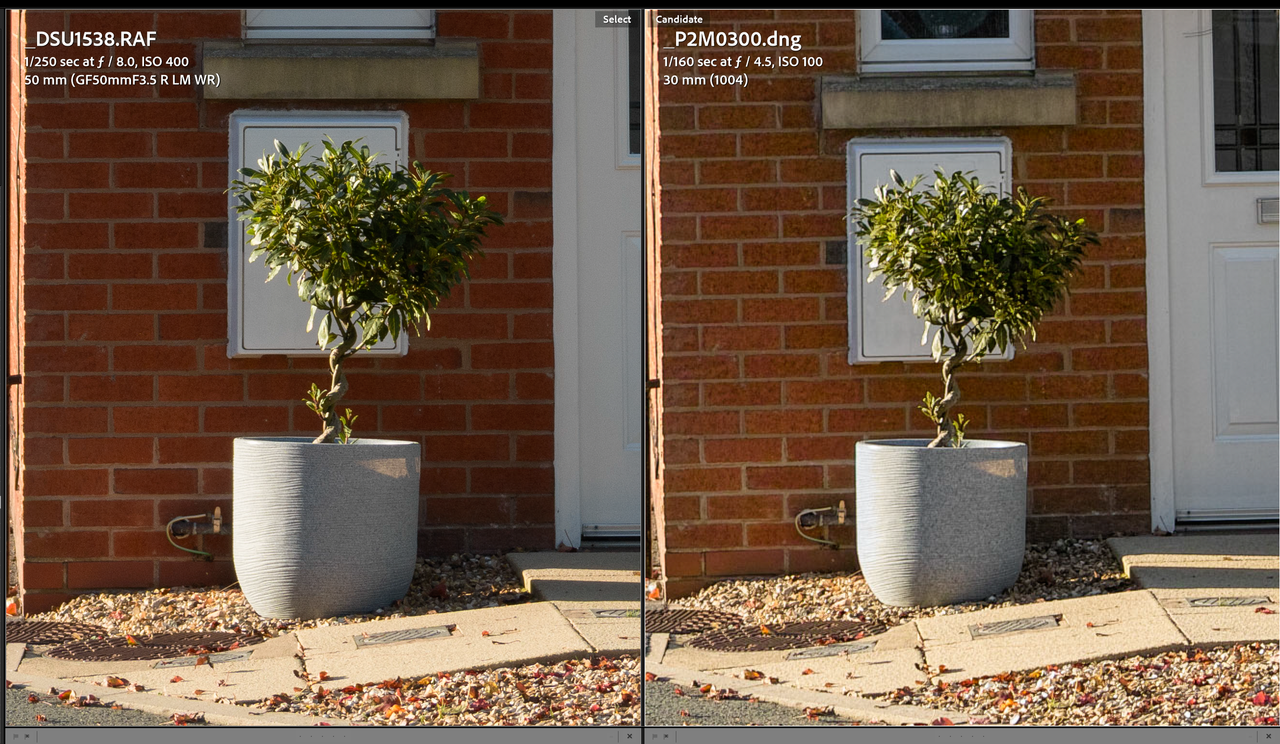
Below are some comparisons with the GFX 100S and GF 50mm, alongside examples from other cameras in a much higher equipment class.
Keep in mind that the Merrill images come from small APS-C Foveon cameras released in 2012.
All Merrill images shown here have zero additional sharpening or noise reduction applied after conversion. The converter’s own detail processing and noise reduction are part of the pipeline described above.
Look closely at the textures, the surfaces, and the way fine detail is rendered. That is what has kept bringing me back to these cameras—and what made me want to see this project through.
to check the full size of the pictures, please right click and open on a new tab.
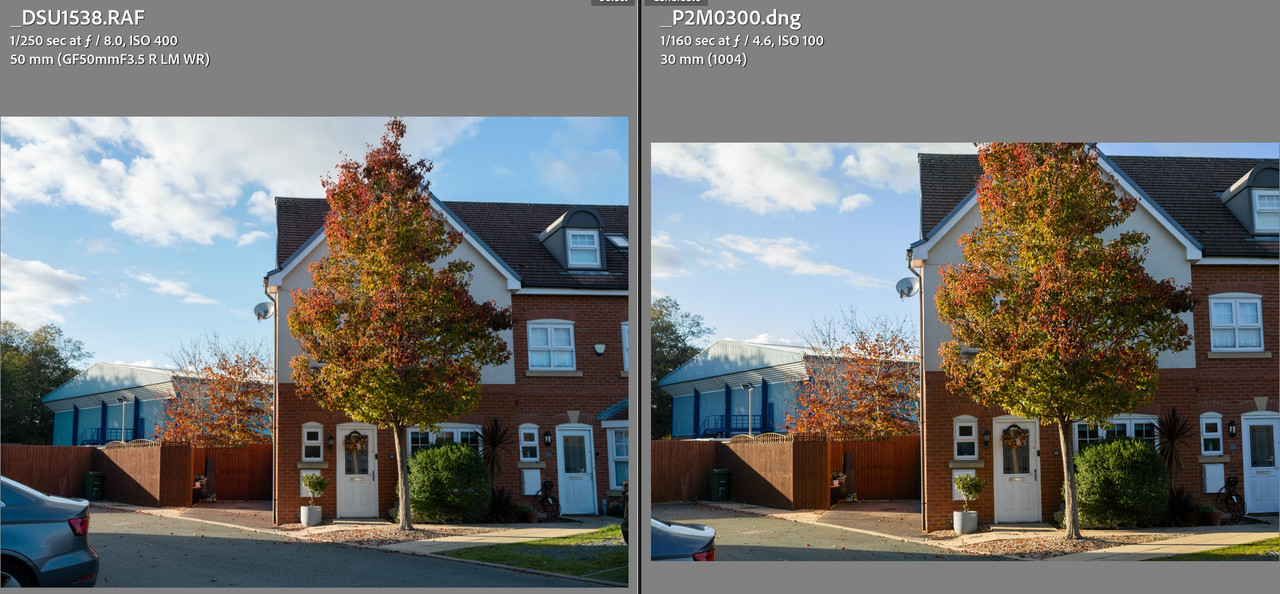
the crop is 100% on GFX vs 200% on the right Merrill
below the correction of the "rainbow borders" in the corners because the three layers minimal distance, corrected on the right
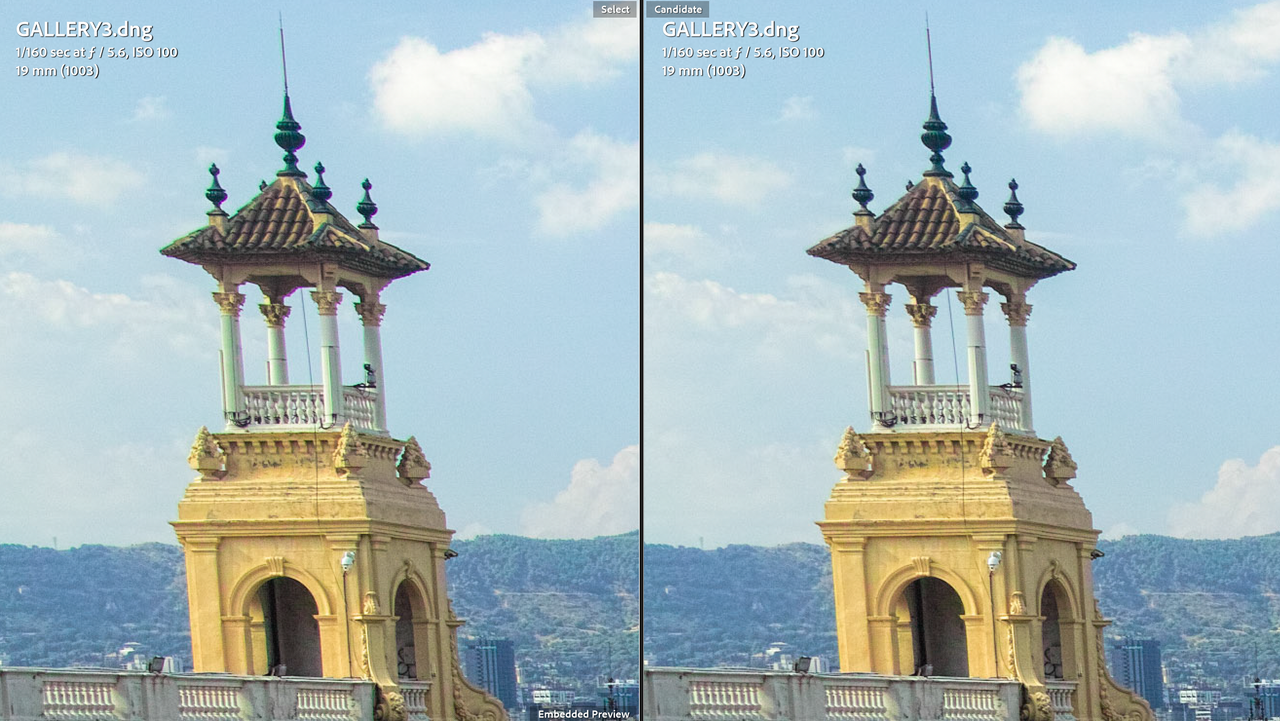
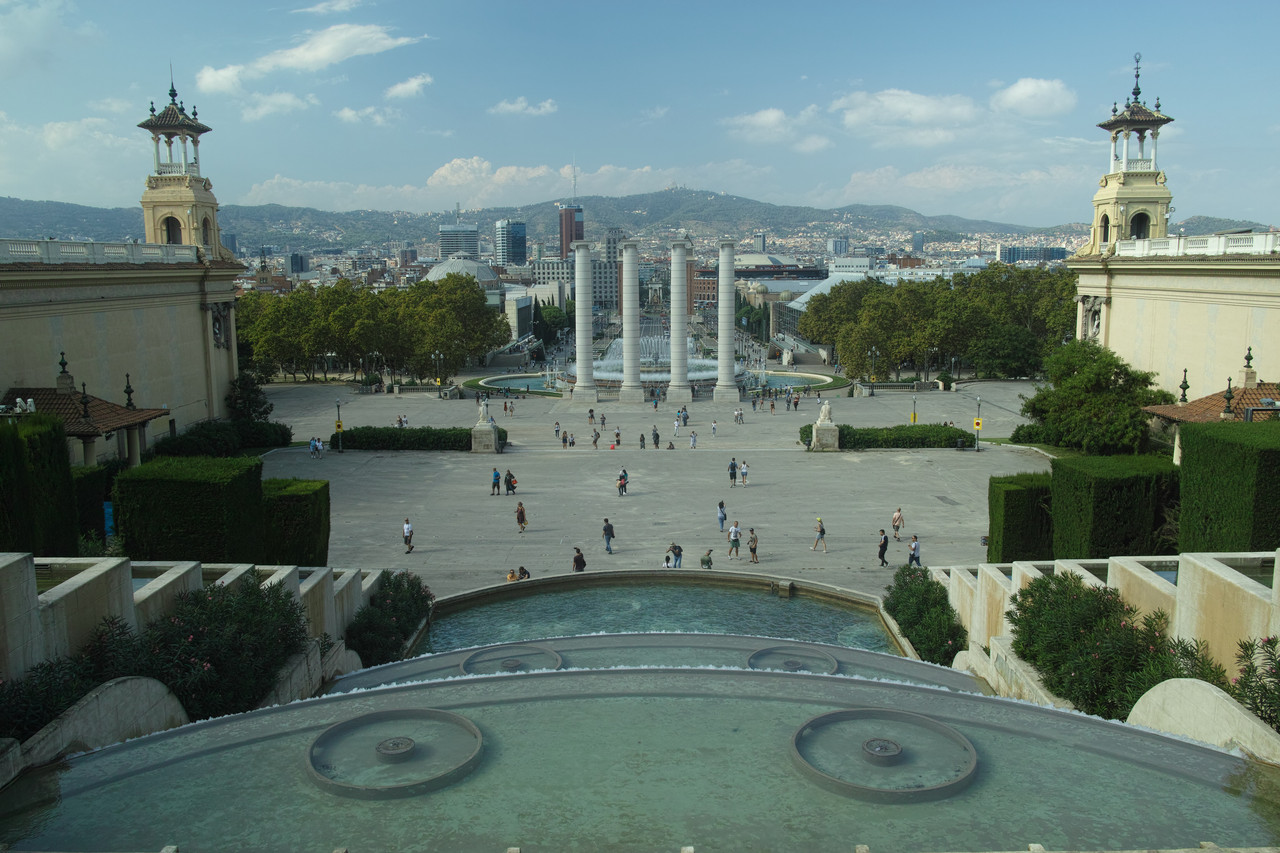
a shot taken in Venice some years ago using my 5ds and the 24 70 2.8ii (6000 long side and normal sharpening)
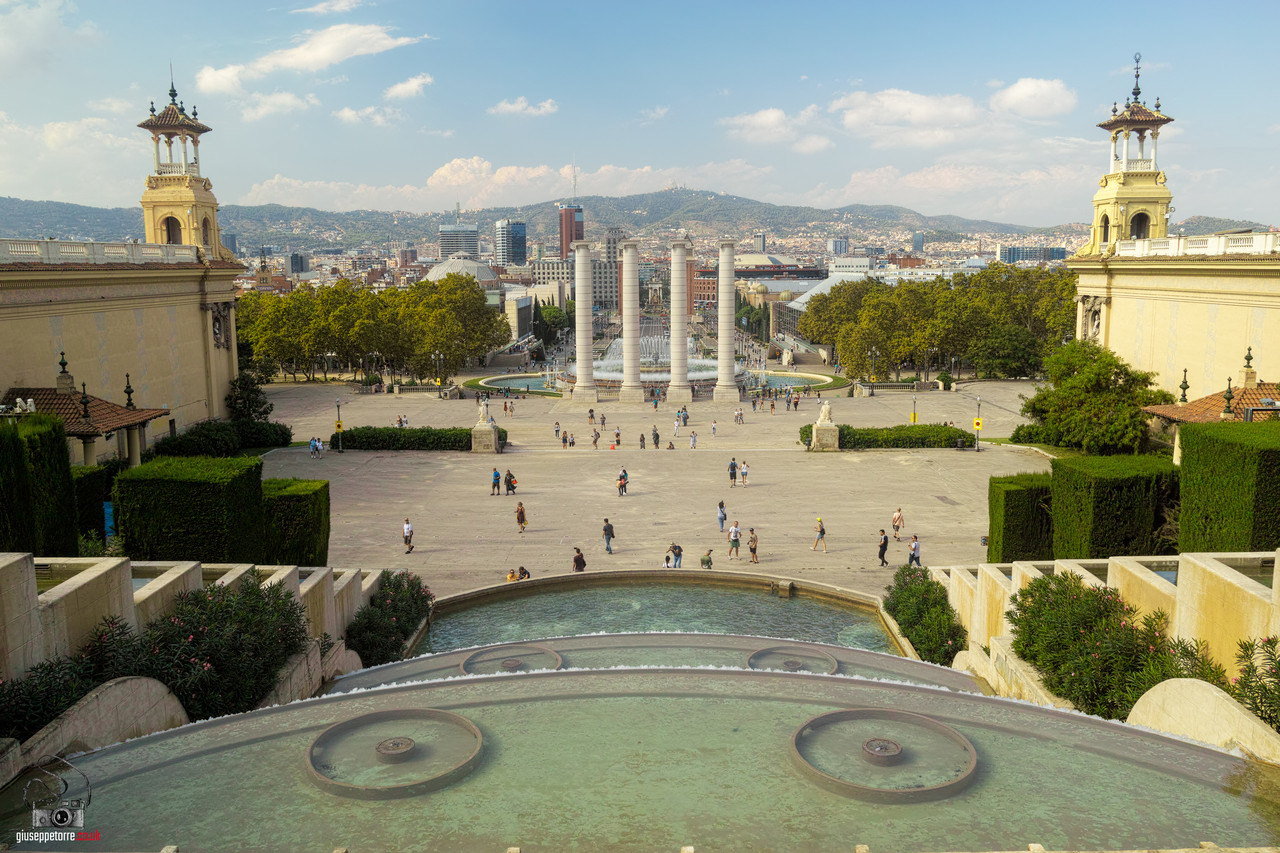
the same subject with Merrill dp2 without any sharpening applied after the conversion (full size 4700 long size)
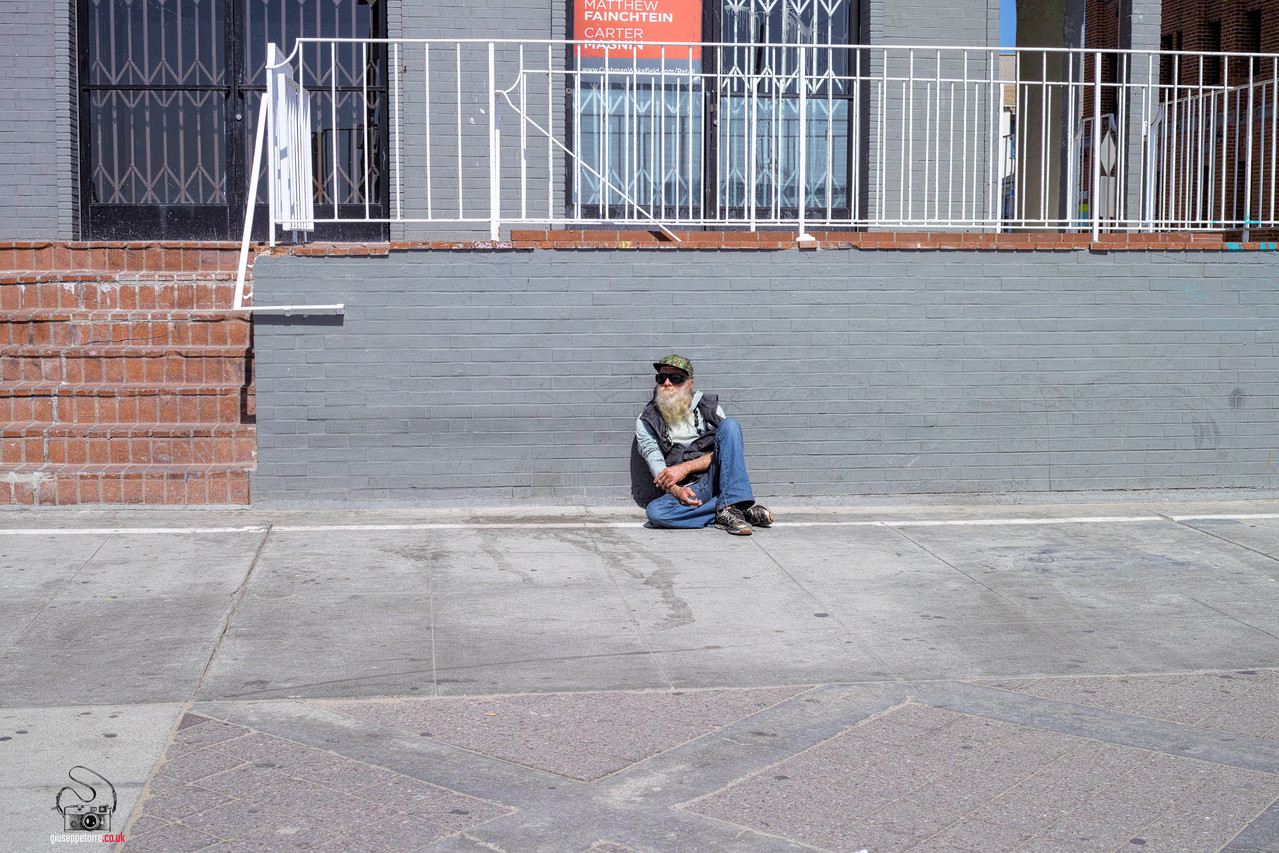
output from Sigma photo pro of a shot of the Dp1M
the same converted and with the Spectre profile
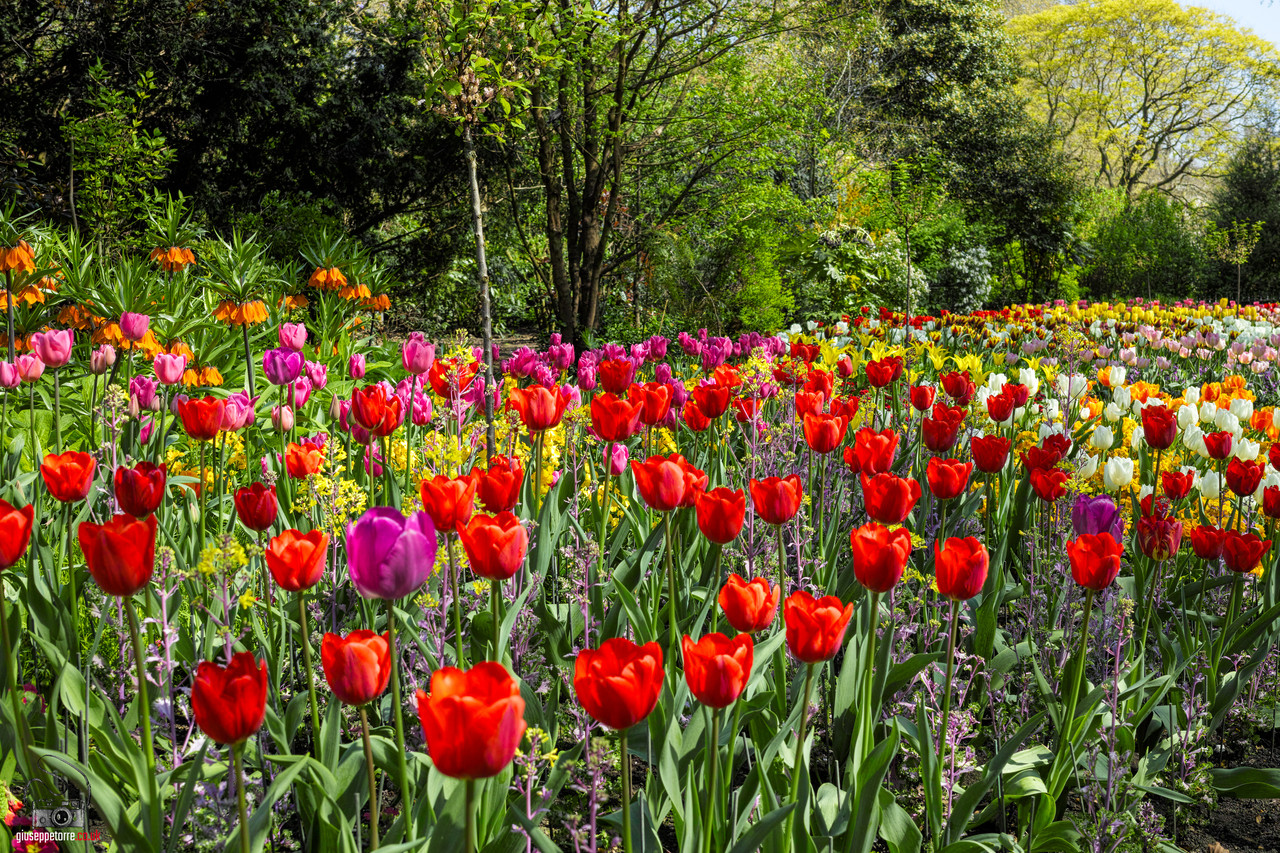
other samples
I’d love to hear what you think, especially about the texture and fine-detail rendering. And if you still have a Merrill sitting in a drawer, would a workflow like this make you want to take it out again?
Yet something clicked the first time I used a Merrill, and that feeling has never really gone away.
I’ve bought the DP1 and DP2 Merrill three times, and sold them twice. They have always been cameras I wanted to make work for me, but the raw processing kept getting in the way.
First there was Sigma Photo Pro, with a workflow and processing controls far removed from what we now take for granted. Then came alternative converters such as Kalpanika, and more recently Foveonic and others. These have brought welcome improvements and simplifications, but in my testing, they still haven’t delivered the colour-managed workflow I was looking for.
I kept running into issues such as green or purple highlights, doubled edges, or sharpening that felt better suited to Bayer files and took away some of the very qualities that drew me to the Merrill images.
Eventually, I decided to build what I had been missing.
At Cobalt, we are now approaching the end of an intensive development effort driven by that longstanding obsession: a standalone converter that takes X3F files and produces DNGs, with detail processing and noise reduction inspired by Sigma Photo Pro, but with a more modern approach.
The aim is to bring those DNGs into Adobe’s colour pipeline with our Spectre profiles, while preserving the Merrill rendering that made the whole effort worthwhile.
In the files tested so far, that means no rainbow edges or green highlights, including at ISO 100, where those highlight issues have been particularly troublesome in my experience.
Below are some comparisons with the GFX 100S and GF 50mm, alongside examples from other cameras in a much higher equipment class.
Keep in mind that the Merrill images come from small APS-C Foveon cameras released in 2012.
All Merrill images shown here have zero additional sharpening or noise reduction applied after conversion. The converter’s own detail processing and noise reduction are part of the pipeline described above.
Look closely at the textures, the surfaces, and the way fine detail is rendered. That is what has kept bringing me back to these cameras—and what made me want to see this project through.
to check the full size of the pictures, please right click and open on a new tab.
the crop is 100% on GFX vs 200% on the right Merrill
below the correction of the "rainbow borders" in the corners because the three layers minimal distance, corrected on the right
a shot taken in Venice some years ago using my 5ds and the 24 70 2.8ii (6000 long side and normal sharpening)
the same subject with Merrill dp2 without any sharpening applied after the conversion (full size 4700 long size)
output from Sigma photo pro of a shot of the Dp1M
the same converted and with the Spectre profile
other samples
I’d love to hear what you think, especially about the texture and fine-detail rendering. And if you still have a Merrill sitting in a drawer, would a workflow like this make you want to take it out again?
Nov 06, 2026 at 04:49 AM
p.1 #2Rediscovering the Sigma Merrill: Foveon rendering in a modern Lightroom workflow
Haven't pulled my DP2 out of the drawer in several years. But you now have my attention.
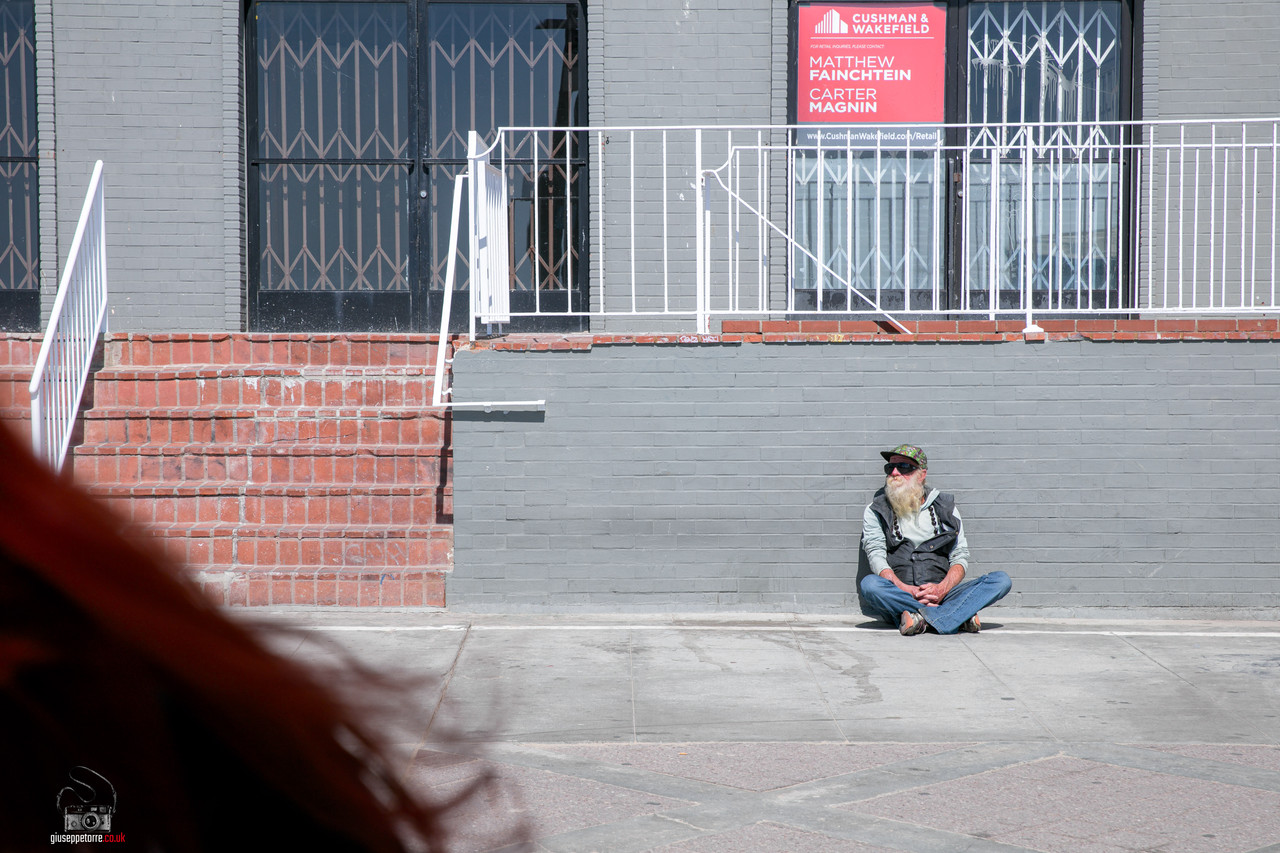
As most know, it is a slow, fiddly camera, with abysmal battery life. Lack of a proper viewfinder is also a personal pet peeve. And forget about low light performance, the Foveon sensor can handle all the photons you can feed it. On the other hand, the 30/2.8 lens punches well above its weight, and its color response can knock your socks off. Your sample images of the gentleman leaning against the grey painted brick wall and the view from the steps of the Museu National d’Arte de Catalunya hint at that color response.
I am also hardly alone in finding the post-capture workflow to be unpleasant, at best. Adobe completely snubbed the Foveon sensor. Back when I was playing with it, extreme patience was required for working with Sigma’s software. Just haven’t had much time or inclination to see if the situation has improved.
Over the past couple of years, I have been on a kick of shooting panoramas, primarily handheld, with the camera in portrait orientation, and fitted with a wide-normal lens. The DP2 might be an interesting choice for this exercise.
Nov 06, 2026 at 07:53 AM