What do you use your ALT lenses for?
p.1 #1What do you use your ALT lenses for?
I sold my Leica M11. I now have a Fuji GFX100s, Canon R8 & R5 and various MFT cameras (I have more, including a Fuji X-E5, but those are slated to be sold as well).
I'm looking into which of my M-mount lenses I want to keep and which ones I want to sell or just replace with versions that perform better on the Canon RF mount than the ones I currently have. To date, I'm mostly looking at how to use those M lenses with the R8, because the whole point is that the overall package is small.
I run into two questions thinking about this:
- if I want a small package and I focus on using the R8, why use ALT lenses at all, since I can choose from a wide range of MFT lenses I own, including some that combine MF and a DoF scale with AF as well (only issue is there's no real 21mm equivalent or decent 28mm equivalent choice, both focal lengths I like);
- if instead of looking at what matches the R8 best, should I also consider that those M lenses are still small and sometimes really special compared to Canon or Fuji alternatives; should I keep 'largish' lenses like the Zeiss 35mm f/1.4 and the 50mm Sonnar to use with the R5 and maybe even the Fuji because they render so nicely.
The second question is basically the result of my realizing that I can use those M lenses for more than the street stuff I usually use them for.
Beyond the M lenses, I have some other ALT lenses, like the Contax G 21, 28 and 90, the Zeiss ZF 21mm and 135mm f/2 and a bunch of old Olympus OM Zuiko lenses from the film era. I shoot the GFX almost exclusively in panorama or 1x1, so the crop factor is generally not an issue.
So, to broaden my horizons on using ALT lenses, how do you use yours and in which combinations of lenses and bodies?
Sep 21, 2026 at 06:19 AM
p.1 #2What do you use your ALT lenses for?
I would never go back to a system which requires using adapters for LTM or M lenses. Been there, done this - before I even had a Leica M camera, I used M lenses for years adapted to my Sony E-mount camera. FL > 35 mm worked totally fine, but wider lenses had to be significantly corrected due to corner purple fringing. I became tired of running these kind corrections which made me fully to switch to digital Leica M. Since then I have no longer used M lenses adapted to my Sony A7R. I am sure newer sensors have become thinner in its sensor array and thickness which improves adaptation of rangefinder lenses as we see it in latest models i. e. the Nikon Zf. Not sure about Canon - I am no longer following this brand after switching to Sony MLC in 2014. I still have my old Canon EF lens and camera gear but never upgraded or intend to go with Canon MLC at this point.
Not intending to go the digital medium-format route either. To me the benefit of the bit larger than FF sensor is not a benefit for my needs in photography. On the other hand, I still wish Fuji did not make the decision only to make APS-C and medium format sensors and omit the FF sector. It is the main reason why I never looked into Fuji cameras to purchase since I continue using the FF format.
Not intending to go the digital medium-format route either. To me the benefit of the bit larger than FF sensor is not a benefit for my needs in photography. On the other hand, I still wish Fuji did not make the decision only to make APS-C and medium format sensors and omit the FF sector. It is the main reason why I never looked into Fuji cameras to purchase since I continue using the FF format.
Sep 21, 2026 at 07:48 AM
p.1 #3What do you use your ALT lenses for?
Interesting question.
My camera is a Canon EOS R5. I use adapted/old lenses exclusively and haven't used any native mount lens or AF lens in general in years. That being said, photography is 100% a hobby for me, which made that decision easier.
I adapt all of lenses (ranging from 100+ years old brass lenses to projection, industrial and enlarging lenses) onto my tilt/shift bellows system. So pretty much anything with enough FFD can be used with (limited) movements.
I'd love to have the freedom of a real large-format camera in terms of movements, but have to restrict these, because I still want to be able to handhold my setup. Apart from macro I barely ever use a tripod.
The adaption to my bellows can be cumbersome (and is often improvised) but I feel like it's worth it because I can a.) use any lens without limitation in terms of MFD (for true macro), b.) I have some movements available, c.) I can use lenses reversed inside of my bellows, if they're not too big and d.) I can rotate lenses any way I want (which is great for experimenting with highlights caused by unusual aperture shapes)
 Don't worry, it's easy to use manual lenses! by simple.joy, on Flickr
It's not a setup I would recommend to anyone else. But I absolutely love it!
My camera is a Canon EOS R5. I use adapted/old lenses exclusively and haven't used any native mount lens or AF lens in general in years. That being said, photography is 100% a hobby for me, which made that decision easier.
I adapt all of lenses (ranging from 100+ years old brass lenses to projection, industrial and enlarging lenses) onto my tilt/shift bellows system. So pretty much anything with enough FFD can be used with (limited) movements.
I'd love to have the freedom of a real large-format camera in terms of movements, but have to restrict these, because I still want to be able to handhold my setup. Apart from macro I barely ever use a tripod.
The adaption to my bellows can be cumbersome (and is often improvised) but I feel like it's worth it because I can a.) use any lens without limitation in terms of MFD (for true macro), b.) I have some movements available, c.) I can use lenses reversed inside of my bellows, if they're not too big and d.) I can rotate lenses any way I want (which is great for experimenting with highlights caused by unusual aperture shapes)
Don't worry, it's easy to use manual lenses! by simple.joy, on FlickrIt's not a setup I would recommend to anyone else. But I absolutely love it!
Sep 21, 2026 at 08:46 AM
p.1 #4What do you use your ALT lenses for?
simplejoy wrote:
Interesting question.
My camera is a Canon EOS R5. I use adapted/old lenses exclusively and haven't used any native mount lens or AF lens in general in years. That being said, photography is 100% a hobby for me, which made that decision easier.
I adapt all of lenses (ranging from 100+ years old brass lenses to projection, industrial and enlarging lenses) onto my tilt/shift bellows system. So pretty much anything with enough FFD can be used with (limited) movements.
I'd love to have the freedom of a real large-format camera in terms of movements, but have to restrict these, because I still...Show more →
Wow!
Pretty amazing, but I don’t think I’ll go that far…
Sep 21, 2026 at 09:14 AM
p.1 #5What do you use your ALT lenses for?
johnvanr wrote:
- if I want a small package and I focus on using the R8, why use ALT lenses at all, since I can choose from a wide range of MFT lenses I own, including some that combine MF and a DoF scale with AF as well (only issue is there's no real 21mm equivalent or decent 28mm equivalent choice, both focal lengths I like);
The fact that there is only one 28mm equivalent lens for MFT is shocking considering how many lenses there are in general. I guess most folks who like 28mm probably settle for the 15mm which I hear is amazing.
Voigtlander does have a 21mm equivalent, though. 20/21mm is definitely another gap otherwise.
Sep 21, 2026 at 09:35 AM
p.1 #6What do you use your ALT lenses for?
mivadep wrote:
The fact that there is only one 28mm equivalent lens for MFT is shocking considering how many lenses there are in general. I guess most folks who like 28mm probably settle for the 15mm which I hear is amazing.
Voigtlander does have a 21mm equivalent, though. 20/21mm is definitely another gap otherwise.
Yes, it’s really weird about 28mm. I generally use the Olympus 12mm, which has the DoF scale, but that 15mm is very good as well. The 14mm is ancient by now.
The Voigtlander is a 0.95 or so and crazy heavy and large. There’s really nothing that gives you 21mm equivalent, unless you use a zoom.
johnvanr wrote
- if I want a small package and I focus on using the R8, why use ALT lenses at all, since I can choose from a wide range of MFT lenses I own, including some that combine MF and a DoF scale with AF as well (only issue is there's no real 21mm equivalent or decent 28mm equivalent choice, both focal lengths I like);Voigtlander does have a 21mm equivalent, though. 20/21mm is definitely another gap otherwise.
Yes, it’s really weird about 28mm. I generally use the Olympus 12mm, which has the DoF scale, but that 15mm is very good as well. The 14mm is ancient by now.
The Voigtlander is a 0.95 or so and crazy heavy and large. There’s really nothing that gives you 21mm equivalent, unless you use a zoom.
Sep 21, 2026 at 09:43 AM
p.1 #7What do you use your ALT lenses for?
I use Alt lenses for fun, for my own amusement, for creative effect and to see what I get on the day (which can be nothing at all). I don't care much if I return with nothing, I don't shoot professionally.
When I do care about what I'm shooting, and want results, I'll use native lenses, fast primes and zooms (Sony lenses and bodies).
Occasionally alt lenses (I'm generally speaking of vintage lenses, maybe pre-2000) have a real and practical advantage over modern native lenses, but rarely. Some are lighter/smaller (even with the adapter) than their native counterparts. Often 'small' alt lenses become large once you factor in the adapter. I like the Olympus Zuiko 100/2.8 for is image quality but mainly for its minute size and weight (less than 370grams with adapter). The Olympus OM line was inspired by the Leica M lenses so it's no wonder the OM lenses are all tiny, but optically excellent imho. In the end however, an iphone is still lighter and optically excellent too.
The Canon 17tse is one 'alt' lens I'd cull from the herd as actually being useful. I like it for architecture, although to be fair you can almost do the same with a wide zoom and post processing. But I like the Canon (on Sony with the Sigma MC11 adapter).
Vintage macro lenses are still excellent. Has anyone ever made a bad macro? The Konica Hexanon 55/3.5 gets a fair bit of use, and even the Micro NIkkor 55/2.8 despite focusing in the wrong direction (which doesn't matter with stationary subjects).
Sep 21, 2026 at 04:52 PM
p.1 #8What do you use your ALT lenses for?
'What do you use your ALT lenses for?'
Everything - as a harsh light mountain travel photographer I want the best image quality I can get, lenses with what I call 'cut through'. Own-brand lenses are primarily (a few exceptions) commercial lenses so they render in a commercially acceptable modality. M adapters are under 30 grams, (D)SLR adapters are 100g and provide a hand hold.
I've used Sony since 2008 and apart from the fine (but quickly deprecated) FE55, it's now all Zeiss CY (six of) and Thypoch (all five Simeras), a couple Leicas too. I just bought an Elmar-M 135/4 in great shape, it's from 1960, just four stand alone elements so no achromat cement to degrade.
Why all this is so: My German lenses (like JohnJ's R80) are from the lead oxide era, and I suspect Thypoch uses it also, in their high refractive index (flint) elements - they have the hallmarks of superb color tonal gradation, high refraction, warmth and 'presence', gentle fall-off, skin friendliness, all with very low ED usage. Lead is an estimated 25-50% of my Zeiss lenses' glass. I used CV for a few years, but - something was always missing, and I found it.
Lead has been used in glass since 1400 BC, long before the EU decided beauty was not important. Not many people know that the EU has exemptions for this indispensable material, and that they do not test lenses for it, rather they rely on a system of manufacturer self-certification. And:
'In China (and globally), there is no specific government institution or official testing body dedicated to certifying that photographic lenses are completely free of lead oxide. Third-party testing firms are accredited by the China National Accreditation Service. These bodies test for a wide array of heavy metals, but *they do not reject lenses for containing lead oxide in the glass elements*.'
Sep 21, 2026 at 06:03 PM
p.1 #9What do you use your ALT lenses for?
johnvanr wrote:
So, to broaden my horizons on using ALT lenses, how do you use yours and in which combinations of lenses and bodies?
I use alt lenses every which way, and across every mount in my arsenal. Some are hi-tech (TS-E 135L, Sony 100 STF, CZ Aposonnar 200), some are character (Telyt 280/4.8, Elmar 50/3.5), and some have agreeable rendition (Summaron 35, CZ Sonnar 100/3.5). I've been adapting on digital for two decades:

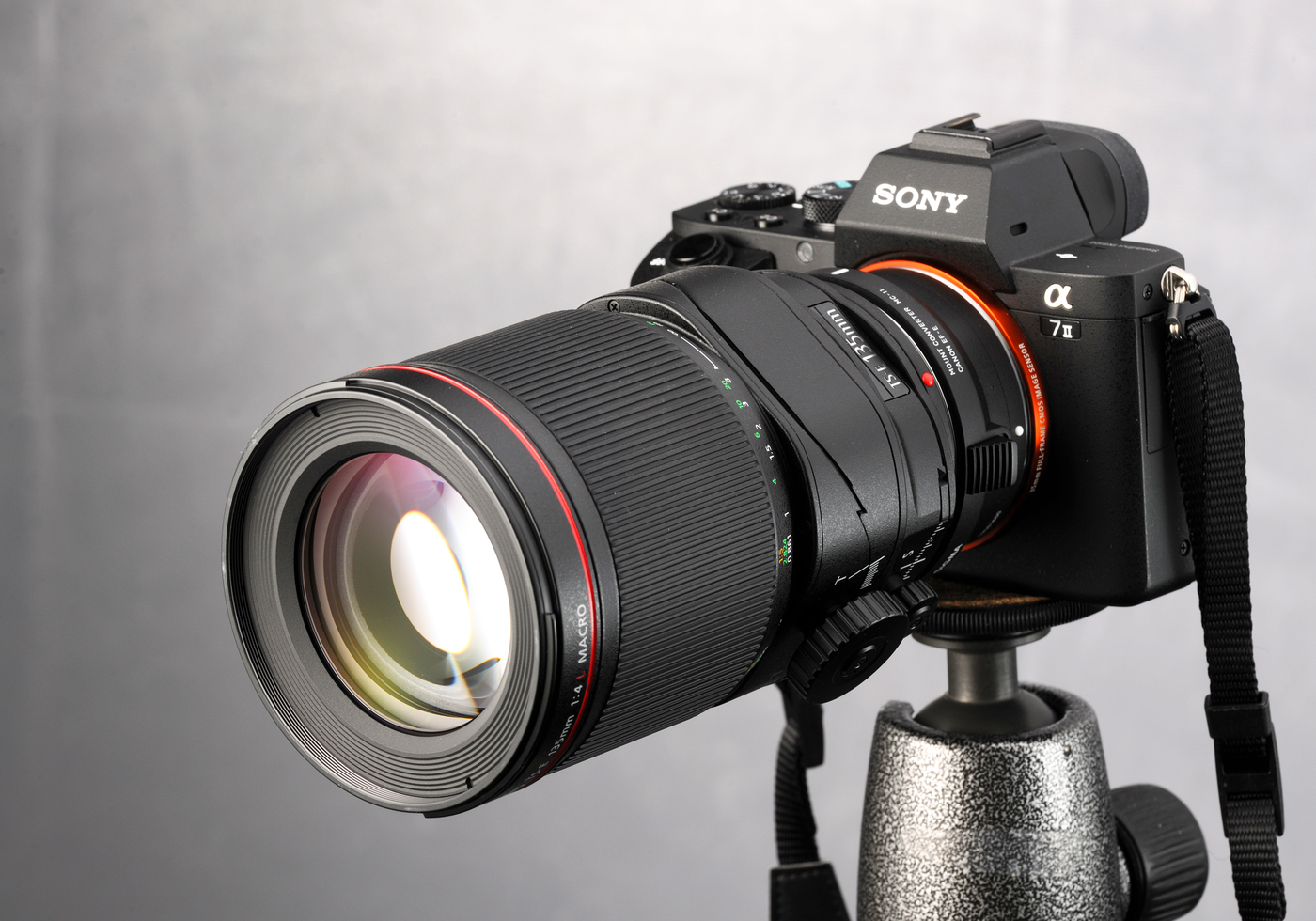

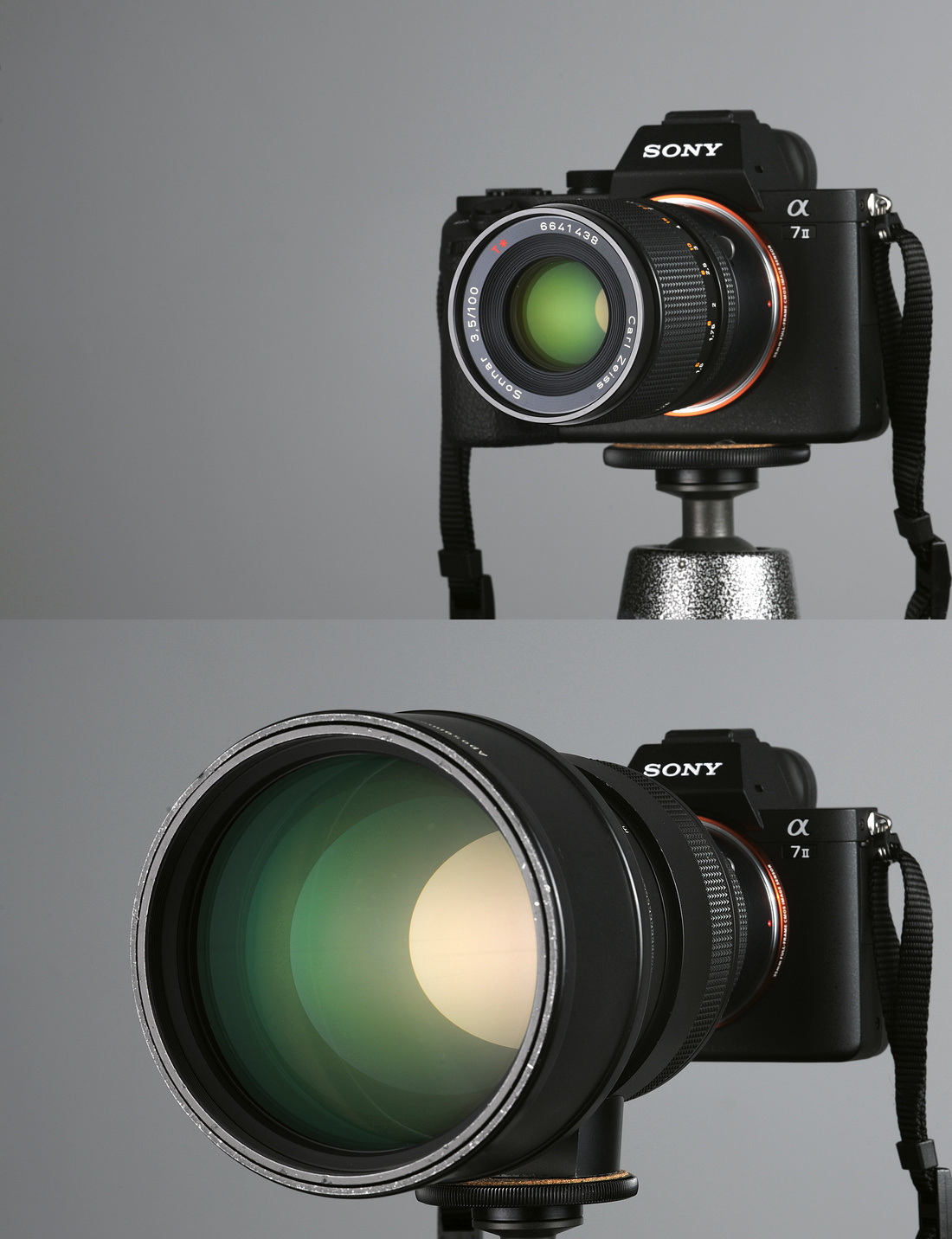
Sony 7ii, CZ S-Planar 60 C/Y:

Sony 7ii, CZ Aposonnar:
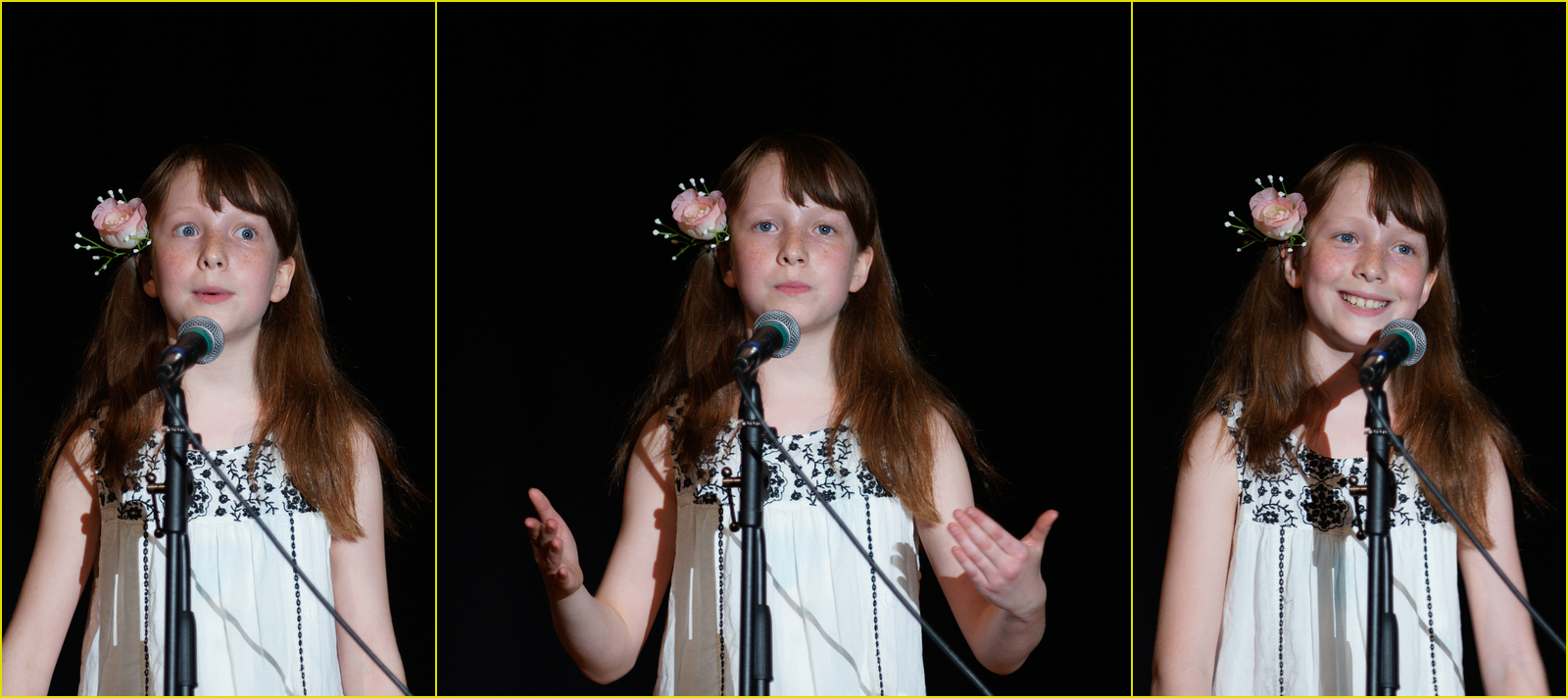
Nikon Z6, Sony 100 STF:

So, to broaden my horizons on using ALT lenses, how do you use yours and in which combinations of lenses and bodies?
I use alt lenses every which way, and across every mount in my arsenal. Some are hi-tech (TS-E 135L, Sony 100 STF, CZ Aposonnar 200), some are character (Telyt 280/4.8, Elmar 50/3.5), and some have agreeable rendition (Summaron 35, CZ Sonnar 100/3.5). I've been adapting on digital for two decades:
Sony 7ii, CZ S-Planar 60 C/Y:
Sony 7ii, CZ Aposonnar:
Nikon Z6, Sony 100 STF:
Sep 21, 2026 at 07:47 PM
p.1 #10What do you use your ALT lenses for?
JohnJ wrote:
I use Alt lenses for fun, for my own amusement, for creative effect and to see what I get on the day (which can be nothing at all). I don't care much if I return with nothing, I don't shoot professionally.
When I do care about what I'm shooting, and want results, I'll use native lenses, fast primes and zooms (Sony lenses and bodies).
Occasionally alt lenses (I'm generally speaking of vintage lenses, maybe pre-2000) have a real and practical advantage over modern native lenses, but rarely. Some are lighter/smaller (even with the adapter) than their native counterparts. Often 'small' alt lenses...Show more →
I think one thing I do wrong is trying to think of alt lenses as lenses that can be used as default lenses. This weekend, for example, I went out with a few alt lenses on my R8, but then ended up shooting a demonstration in town. Later, I was frustrated with some of the images. If I had known there was a demonstration, I would have brought my usual event kit.
And for travel, trying to minimize my gear, the alt stuff generally stays home.
Sep 22, 2026 at 01:12 AM
|
p.1 #11What do you use your ALT lenses for?
I’m gearing up to go and do some cross country running photography with a manual focus TTArtisans 75 1.5 Bioter copy because right now my alternative is the Nikkor 40/2 or the Fuji XT3 and 56/1.2. Or I suppose I could get a Canon R100 and telephoto lens out of the work cupboard but where’s the fun in that?
I’m going to be doing some epic bursts and relying on my new friend, Lightroom’s automatic culling, to find the best shots afterwards.
I’m going to be doing some epic bursts and relying on my new friend, Lightroom’s automatic culling, to find the best shots afterwards.
Sep 22, 2026 at 01:40 AM

p.1 #12What do you use your ALT lenses for?
johnvanr wrote:
I sold my Leica M11. I now have a Fuji GFX100s, Canon R8 & R5 and various MFT cameras (I have more, including a Fuji X-E5, but those are slated to be sold as well).
I'm looking into which of my M-mount lenses I want to keep and which ones I want to sell or just replace with versions that perform better on the Canon RF mount than the ones I currently have. To date, I'm mostly looking at how to use those M lenses with the R8, because the whole point is that the overall package is small.
I run into...Show more →
Why use ALT lenses at all? The answer for me as a Canon shooter is that I like using manual focus for a lot of the types of shooting that I do. Using Canon I can also easily adapt Zeiss ZE lenses with great focus aid, auto aperture, great performance and an inexpensive price. I can add to these smaller lenses for travel. It isn't all I shoot but it is among my favorite ways to shoot and I prefer shooting this way for a lot of things.
What combinations of bodies and lenses do I use? I just have one body: the Canon R5 II, which as you know works well with alt lenses. The Alt lenses I have are in two kits a ZE kit which right now is the 35 f/2, 50 f/2 Macro, and the Milvus 85 f/1.4. I might add to this kit the 28 f/2 and the 135 f/2 APO. I also have a kit of smaller Voigtlander lenses. For that I have a M mount 21 f/3.5 and 75 f/1.5 and an RF mount 40 f/1.2. I will probably replace the 75 f/1.5 with a 75 f/2.8 APO and I will very likely add the 90 f/4 APO macro at some point as well. I have also considered and might get at least one of the new Zeiss Otus MF lenses but that won't be for awhile as I expect their prices to drop quite a bit over time and right now they are very expensive.
Sep 22, 2026 at 06:03 AM
p.1 #13What do you use your ALT lenses for?
Steve Spencer wrote:
I'm looking into which of my M-mount lenses I want to keep and which ones I want to sell or just replace with versions that perform better on the Canon RF mount than the ones I currently have. To date, I'm mostly looking at how to use those M lenses with the R8, because the whole point is that the overall package is small.
I run into two questions thinking about this:
- if I want a small package and I focus on using the R8, why use ALT lenses at all, since I can choose from a wide range of MFT lenses I own, including some that combine MF and a DoF scale with AF as well (only issue is there's no real 21mm equivalent or decent 28mm equivalent choice, both focal lengths I like);
- if instead of looking at what matches the R8 best, should I also consider that those M lenses are still small and sometimes really special compared to Canon or Fuji alternatives; should I keep 'largish' lenses like the Zeiss 35mm f/1.4 and the 50mm Sonnar to use with the R5 and maybe even the Fuji because they render so nicely.
The second question is basically the result of my realizing that I can use those M lenses for more than the street stuff I usually use them for.
Beyond the M lenses, I have some other ALT lenses, like the Contax G 21, 28 and 90, the Zeiss ZF 21mm and 135mm f/2 and a bunch of old Olympus OM Zuiko lenses from the film era. I shoot the GFX almost exclusively in panorama or 1x1, so the crop factor is generally not an issue.
So, to broaden my horizons on using ALT lenses, how do you use yours and in which combinations of lenses and bodies?Why use ALT lenses at all? The answer for me as a Canon shooter is that I like using manual focus for a lot of the types of shooting that I do. Using Canon I can also easily adapt Zeiss ZE lenses with great focus aid, auto aperture, great performance and an inexpensive price. I can add to these smaller lenses for travel. It isn't all I shoot but it is among my favorite ways to shoot and I prefer shooting this way for a lot of things.
What combinations of bodies and lenses do I use? I just have...Show more →
Interesting. I have mostly looked at my alt lenses as street photography lenses, but the few times I have used my better M lenses on my R5, the rendering was just gorgeous without the weight penalty of larger RF glass. I have actually sold my RF 135mm f/1.8 because I can do well with my old EF 135/2 for portraits and my much cheaper Zeiss 135/2 for slow work.
Looking at many of my images taken with alt lenses, I also find that the bulk of them were not serious attempts to get a great image, but more just testing the rendering of the lenses. With my dedicated lenses, I generally bought them for a specific role and don't feel I have to test them, so I just use them to shoot instead of constantly wondering how they're going to render (and if they suck, they're sold, because there's no 'aura' attached to them).
johnvanr wrote
I sold my Leica M11. I now have a Fuji GFX100s, Canon R8 & R5 and various MFT cameras (I have more, including a Fuji X-E5, but those are slated to be sold as well).I'm looking into which of my M-mount lenses I want to keep and which ones I want to sell or just replace with versions that perform better on the Canon RF mount than the ones I currently have. To date, I'm mostly looking at how to use those M lenses with the R8, because the whole point is that the overall package is small.
I run into two questions thinking about this:
- if I want a small package and I focus on using the R8, why use ALT lenses at all, since I can choose from a wide range of MFT lenses I own, including some that combine MF and a DoF scale with AF as well (only issue is there's no real 21mm equivalent or decent 28mm equivalent choice, both focal lengths I like);
- if instead of looking at what matches the R8 best, should I also consider that those M lenses are still small and sometimes really special compared to Canon or Fuji alternatives; should I keep 'largish' lenses like the Zeiss 35mm f/1.4 and the 50mm Sonnar to use with the R5 and maybe even the Fuji because they render so nicely.
The second question is basically the result of my realizing that I can use those M lenses for more than the street stuff I usually use them for.
Beyond the M lenses, I have some other ALT lenses, like the Contax G 21, 28 and 90, the Zeiss ZF 21mm and 135mm f/2 and a bunch of old Olympus OM Zuiko lenses from the film era. I shoot the GFX almost exclusively in panorama or 1x1, so the crop factor is generally not an issue.
So, to broaden my horizons on using ALT lenses, how do you use yours and in which combinations of lenses and bodies?
What combinations of bodies and lenses do I use? I just have...Show more →
Interesting. I have mostly looked at my alt lenses as street photography lenses, but the few times I have used my better M lenses on my R5, the rendering was just gorgeous without the weight penalty of larger RF glass. I have actually sold my RF 135mm f/1.8 because I can do well with my old EF 135/2 for portraits and my much cheaper Zeiss 135/2 for slow work.
Looking at many of my images taken with alt lenses, I also find that the bulk of them were not serious attempts to get a great image, but more just testing the rendering of the lenses. With my dedicated lenses, I generally bought them for a specific role and don't feel I have to test them, so I just use them to shoot instead of constantly wondering how they're going to render (and if they suck, they're sold, because there's no 'aura' attached to them).
Sep 22, 2026 at 06:16 AM
p.1 #14What do you use your ALT lenses for?
The large majority of my lenses would be considered ALT since with a few exceptions they are single focal length and manual focus. That said, my lens collection is divided into two camps, high resolution/low distortion for architectural/landscape photography and character lenses which I like to call goofing around (character) lenses. As you can imagine, when I load up with architectural lenses I have a pretty clear intent about what I'm shooting and how to go about composing images. The goofing around lenses come with much less burden about composing and I find it helps loosen me up and see things I would otherwise overlook. Another way to say it would be the architectural lenses come with a set of expectations about what a successful image is and you work towards that goal, while on the hand hand the character lenses have no expectation of the final image and its an exploration to see something worth capturing.
Sep 22, 2026 at 08:43 AM
p.1 #15What do you use your ALT lenses for?
I only use alt lenses because they are small and manual focus. For example, the Mamiya 150/3.5 is more than a stop faster than the Fuji GF 100-200, a lot smaller and lighter. And focus ends up where I want to, not on the background.  Of course it's not nearly as "good", but it's often good enough and it actually gives much nicer bokeh than the GF zoom.
Edit: In fact, I would prefer if all my lenses where manual focus. I just enjoy that much more than AF.
Of course it's not nearly as "good", but it's often good enough and it actually gives much nicer bokeh than the GF zoom. Edit: In fact, I would prefer if all my lenses where manual focus. I just enjoy that much more than AF.
Sep 24, 2026 at 04:10 AM
p.1 #16What do you use your ALT lenses for?
johnvanr wrote:
So, to broaden my horizons on using ALT lenses, how do you use yours and in which combinations of lenses and bodies?
FWIW - I don't use adapted lenses on my M10-R.
My 50S2 has been subjected to many adapted experiments though. Most of them failed - I did not like my venture out in the world of Hasselblad - for example the 180mm CFI did not render as nice as my Nikon 180mm 2.8 AF-D on the 50S2. The Pentacon 180mm was too difficult to deal with flare-wise.
Same for Mamiya 645 lenses - the 45mm had 'character', but not as much as I liked.
On the positive side, the Pentax 645 120mm Macro is brilliant. My 85mm Helios 40-2 is a favorite. The Rokinon 135mm 2.0 is shockingly sharp wide-open, but the focal plane wide-open at MFD is razor thin. Nikon lenses work OK on the 50S2 - think of the 20mm/4 and the 105/2.8.
I do agree that for critical work nothing beats modern, more sterile lenses. The Fuji GFX line of lenses is generally unbeatable, as are the Zeiss / Voigt / Leicas for the M10-R. I too have my share of mistakes bringing an adapted lens to an event that required a more modern approach. However, the modern image editors are increasingly good at re-creating a vintage effect on modern-lens raw files.
Rokinon 135mm 2.0 on 50S2 wide-open
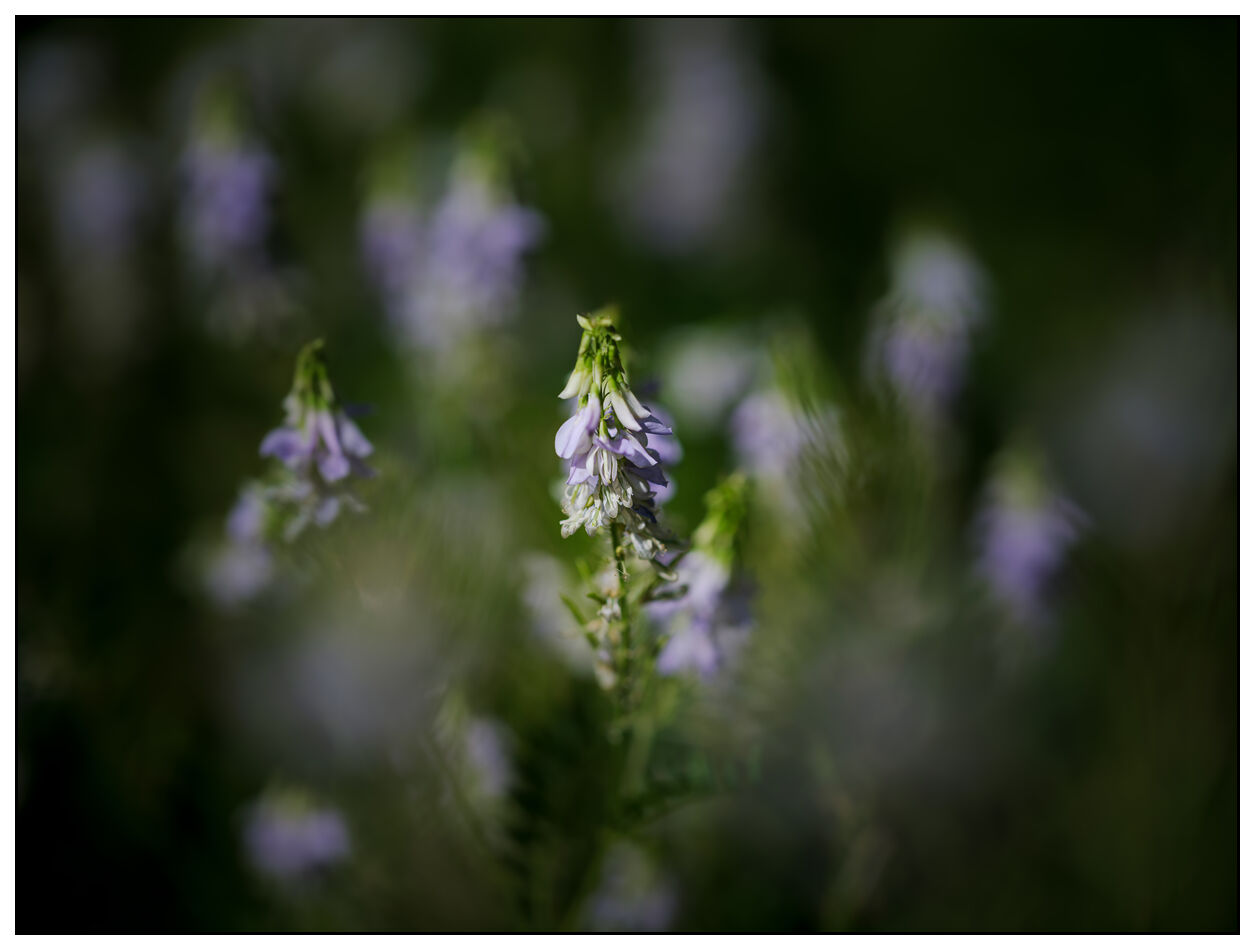
85mm Helios 40-2 on Nikon Z7 wide-open
So, to broaden my horizons on using ALT lenses, how do you use yours and in which combinations of lenses and bodies?
FWIW - I don't use adapted lenses on my M10-R.
My 50S2 has been subjected to many adapted experiments though. Most of them failed - I did not like my venture out in the world of Hasselblad - for example the 180mm CFI did not render as nice as my Nikon 180mm 2.8 AF-D on the 50S2. The Pentacon 180mm was too difficult to deal with flare-wise.
Same for Mamiya 645 lenses - the 45mm had 'character', but not as much as I liked.
On the positive side, the Pentax 645 120mm Macro is brilliant. My 85mm Helios 40-2 is a favorite. The Rokinon 135mm 2.0 is shockingly sharp wide-open, but the focal plane wide-open at MFD is razor thin. Nikon lenses work OK on the 50S2 - think of the 20mm/4 and the 105/2.8.
I do agree that for critical work nothing beats modern, more sterile lenses. The Fuji GFX line of lenses is generally unbeatable, as are the Zeiss / Voigt / Leicas for the M10-R. I too have my share of mistakes bringing an adapted lens to an event that required a more modern approach. However, the modern image editors are increasingly good at re-creating a vintage effect on modern-lens raw files.
Rokinon 135mm 2.0 on 50S2 wide-open
85mm Helios 40-2 on Nikon Z7 wide-open
Sep 24, 2026 at 05:46 AM
p.1 #17What do you use your ALT lenses for?
Everything I can. I have a wildlife kit specific to those trips that's entirely OEM lenses, a small, APSC based kit for business travel and chasing around kids at theme parks and the like (trying out the a7cII for the same purpose, but I'm not seeing the need to change yet) that's both OEM and third party E-mount, and the 907x and its OEM lenses that are my BFD landscape kit. Those three kits represent my largest cash investment in this hobby while also seeing the least use, but I do appreciate them in their limited capacities.
My daily kit is made up of Minolta SR lenses, or AF lenses if I'm specifically going out for IR, or little Zeiss ZM lenses that see more play on the UT-modded Sony for color, or my little weirdos of varying brands that I can mix together for average daily happiness or tailor for a specific trip. There are some special lenses in the kit, but, for the most part, they're picked because they are plain but strong performers that don't do anything to annoy me. I love those lenses so much, I had two cameras modded to play well with them.
I relish the variety of the kit, and that's where cost comes into play. In that kit, it's easy to justify having multiples of different focal lengths for different looks and purposes when I'm not paying OEM prices. Even including the pricey "specials" (ZM Distagon 35/1.4, Otus 55/1.4, Sonnar 135/2, and APO-Elmarit-R 180/2.8) the kit covers 18 to 510 for about two grand less than I paid for the 300GM. And I'm not saying the 300GM is overpriced, but, with the rest of the AF lenses I own, it gets harder to justify their value versus their price. That's a problem I never have with the alt kit. And I don't put a ton of thought into what gets packed because I know those lenses well enough to be able to work how to get the shot I want with what I've got.
The truth is, the AF kit could go away, and I'm not sure how much it would hurt. There's a strong argument to be made that I'm trying too hard to make my weekend hikes into wildlife trips that, aside from bug hunting, often result in landscape hikes. I don't dedicate the time to it I used to and I refuse to spend any time sitting in a blind. The APSC kit is just me being a lazy photographer. I can pack a satisfyingly small kit and chase kids around (they don't move as fast or erratically as squirrels, anyway, and I keep up with them manually) with the alts. Losing the 907x would be harder, but it is such a luxury item, I could certainly live without it. The alt kit remains necessary in ways the AF kit never will.
You may disagree, but here's a squirrel who shares my opinion, shot with the MD 70-210/4 on the FS converted rII.
 MyHikeCompanion by Bradley Clemens, on Flickr
My daily kit is made up of Minolta SR lenses, or AF lenses if I'm specifically going out for IR, or little Zeiss ZM lenses that see more play on the UT-modded Sony for color, or my little weirdos of varying brands that I can mix together for average daily happiness or tailor for a specific trip. There are some special lenses in the kit, but, for the most part, they're picked because they are plain but strong performers that don't do anything to annoy me. I love those lenses so much, I had two cameras modded to play well with them.
I relish the variety of the kit, and that's where cost comes into play. In that kit, it's easy to justify having multiples of different focal lengths for different looks and purposes when I'm not paying OEM prices. Even including the pricey "specials" (ZM Distagon 35/1.4, Otus 55/1.4, Sonnar 135/2, and APO-Elmarit-R 180/2.8) the kit covers 18 to 510 for about two grand less than I paid for the 300GM. And I'm not saying the 300GM is overpriced, but, with the rest of the AF lenses I own, it gets harder to justify their value versus their price. That's a problem I never have with the alt kit. And I don't put a ton of thought into what gets packed because I know those lenses well enough to be able to work how to get the shot I want with what I've got.
The truth is, the AF kit could go away, and I'm not sure how much it would hurt. There's a strong argument to be made that I'm trying too hard to make my weekend hikes into wildlife trips that, aside from bug hunting, often result in landscape hikes. I don't dedicate the time to it I used to and I refuse to spend any time sitting in a blind. The APSC kit is just me being a lazy photographer. I can pack a satisfyingly small kit and chase kids around (they don't move as fast or erratically as squirrels, anyway, and I keep up with them manually) with the alts. Losing the 907x would be harder, but it is such a luxury item, I could certainly live without it. The alt kit remains necessary in ways the AF kit never will.
You may disagree, but here's a squirrel who shares my opinion, shot with the MD 70-210/4 on the FS converted rII.
MyHikeCompanion by Bradley Clemens, on FlickrSep 25, 2026 at 01:48 AM
p.1 #18What do you use your ALT lenses for?
freaklikeme wrote:
You may disagree, but here's a squirrel who shares my opinion, shot with the MD 70-210/4 on the FS converted rII.
Heh, there's something perverse about that combo. My flavor is the A1 plus nFD 80-200/4L, even though I could be shooting the Z6 with 70-200/2.8E FL. Old manual-focus zooms hit different.
Sep 25, 2026 at 02:38 AM
p.1 #19What do you use your ALT lenses for?
rico wrote:
Heh, there's something perverse about that combo. My flavor is the A1 plus nFD 80-200/4L, even though I could be shooting the Z6 with 70-200/2.8E FL. Old manual-focus zooms hit different.
Hmm, yeah, the 80-200/4L. The mini-magic drainpipe. Loved that lens...
 NoCal_a7_FD80_200L_BG2 by Bradley Clemens, on Flickr
But, like every other Canon FD zoom I've owned, so difficult to work on. One wrong move and there are little metal balls everywhere.
My favorite, though, is the Nikon AF 80-200/2.8D, which is my bag of portrait teles in one lens. So sweet with people.
freaklikeme wrote
You may disagree, but here's a squirrel who shares my opinion, shot with the MD 70-210/4 on the FS converted rII.Hmm, yeah, the 80-200/4L. The mini-magic drainpipe. Loved that lens...
NoCal_a7_FD80_200L_BG2 by Bradley Clemens, on FlickrBut, like every other Canon FD zoom I've owned, so difficult to work on. One wrong move and there are little metal balls everywhere.
My favorite, though, is the Nikon AF 80-200/2.8D, which is my bag of portrait teles in one lens. So sweet with people.
Sep 25, 2026 at 03:18 AM
p.1 #20What do you use your ALT lenses for?
freaklikeme wrote:
Hmm, yeah, the 80-200/4L. The mini-magic drainpipe. Loved that lens...
Nice pic. This zoom has a fluorite element which helps color saturation I think. My one complaint is the one-touch design.
Hmm, yeah, the 80-200/4L. The mini-magic drainpipe. Loved that lens...
Nice pic. This zoom has a fluorite element which helps color saturation I think. My one complaint is the one-touch design.
Sep 25, 2026 at 03:38 AM