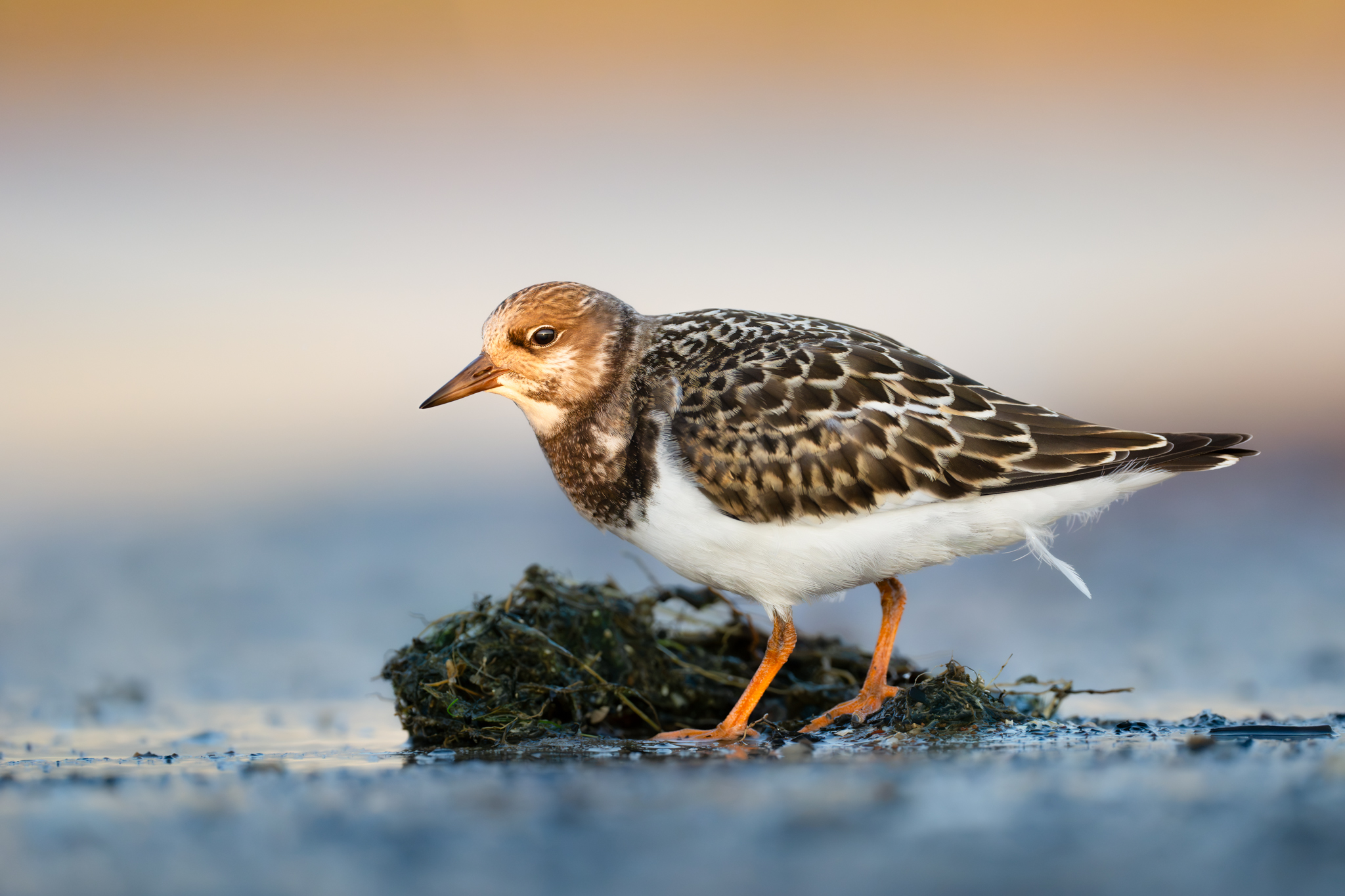
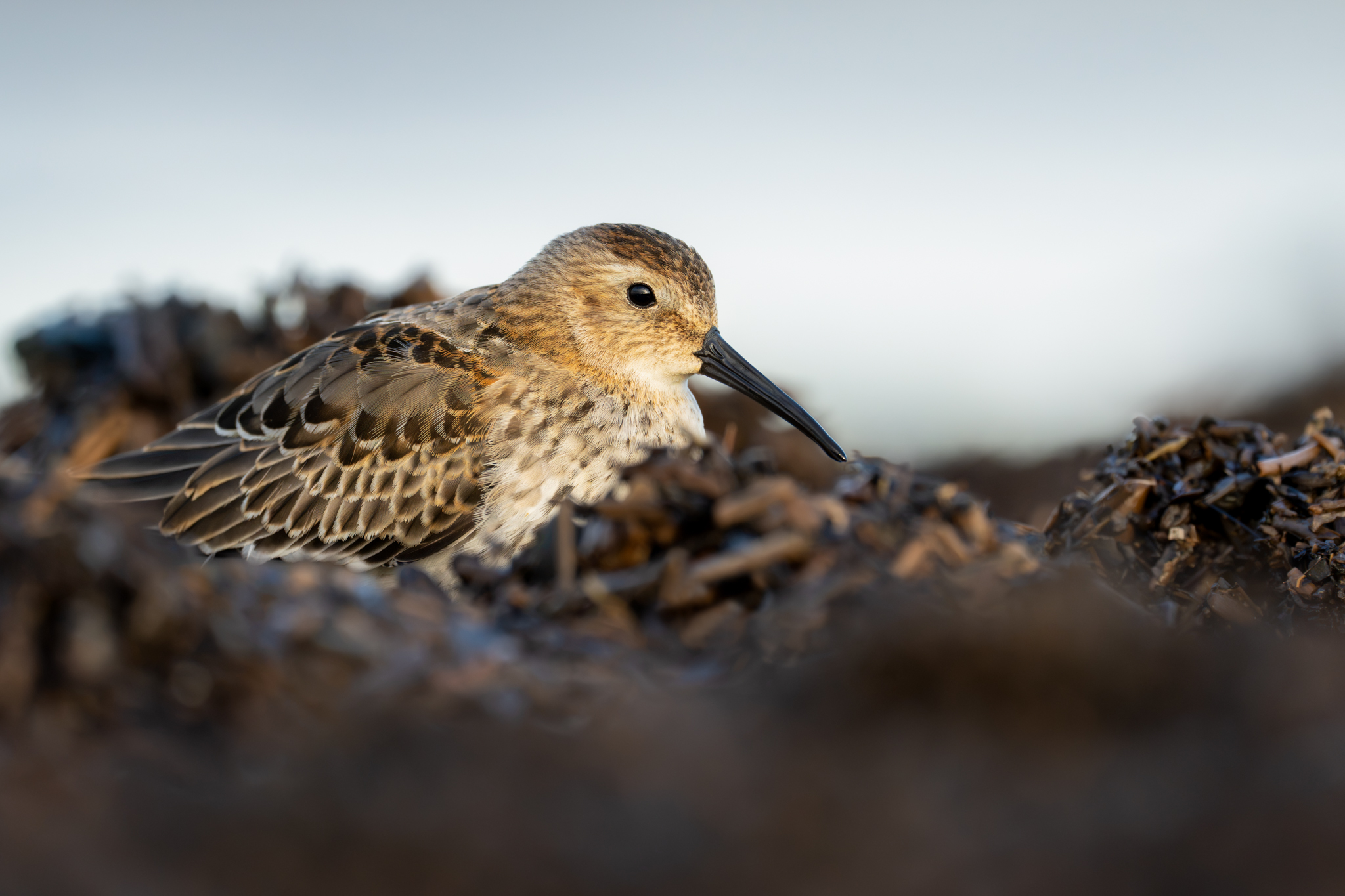
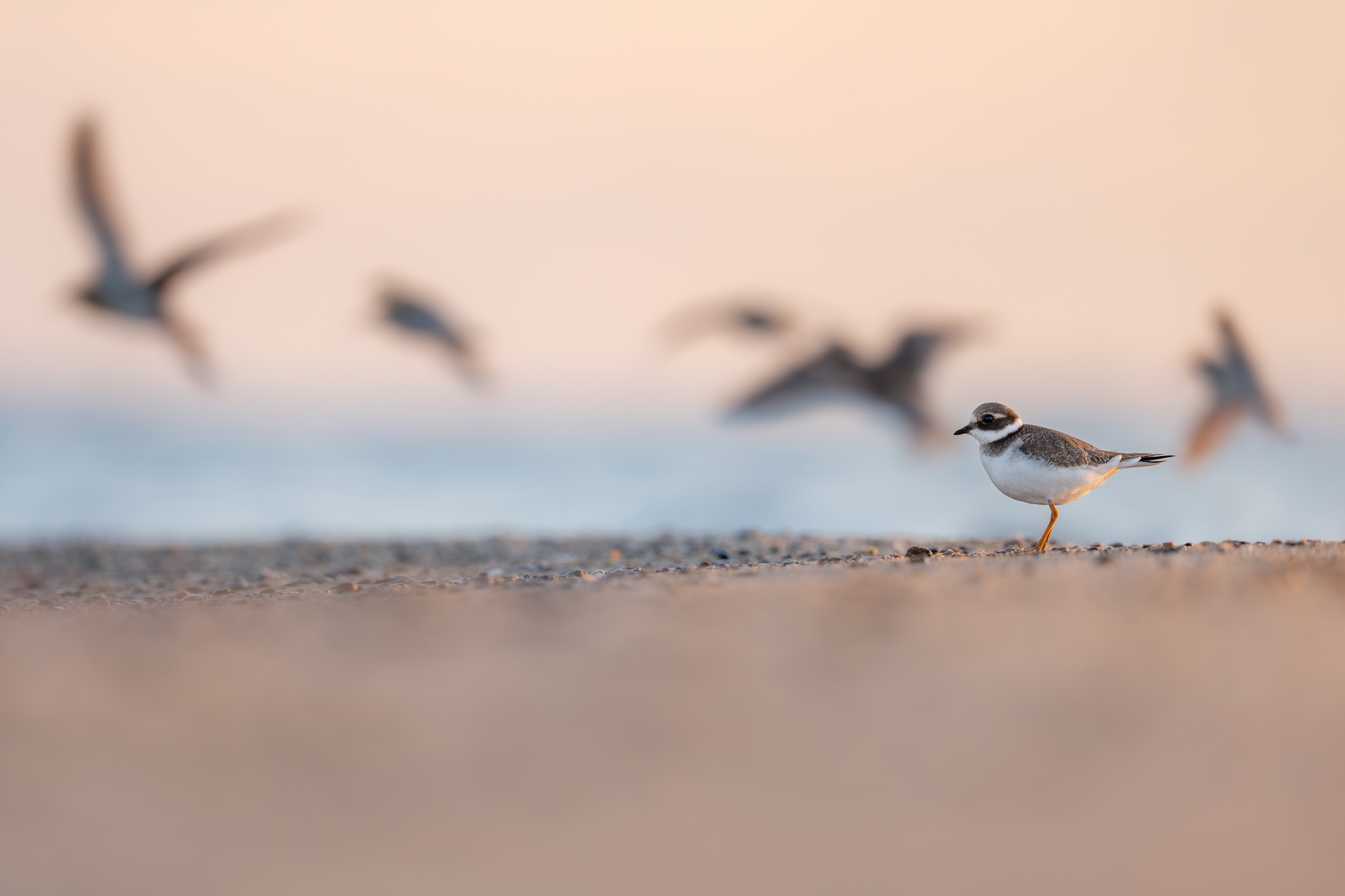
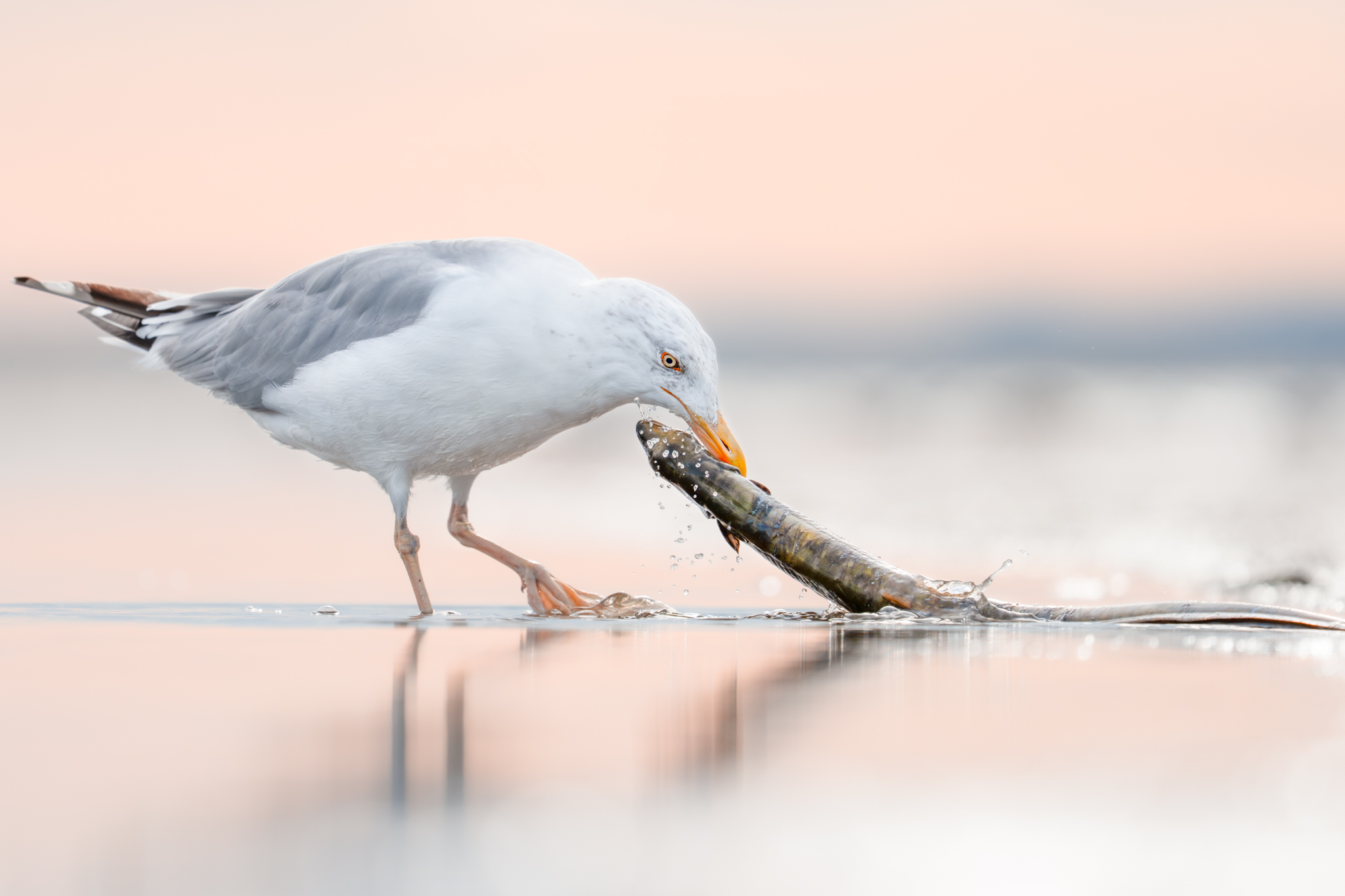
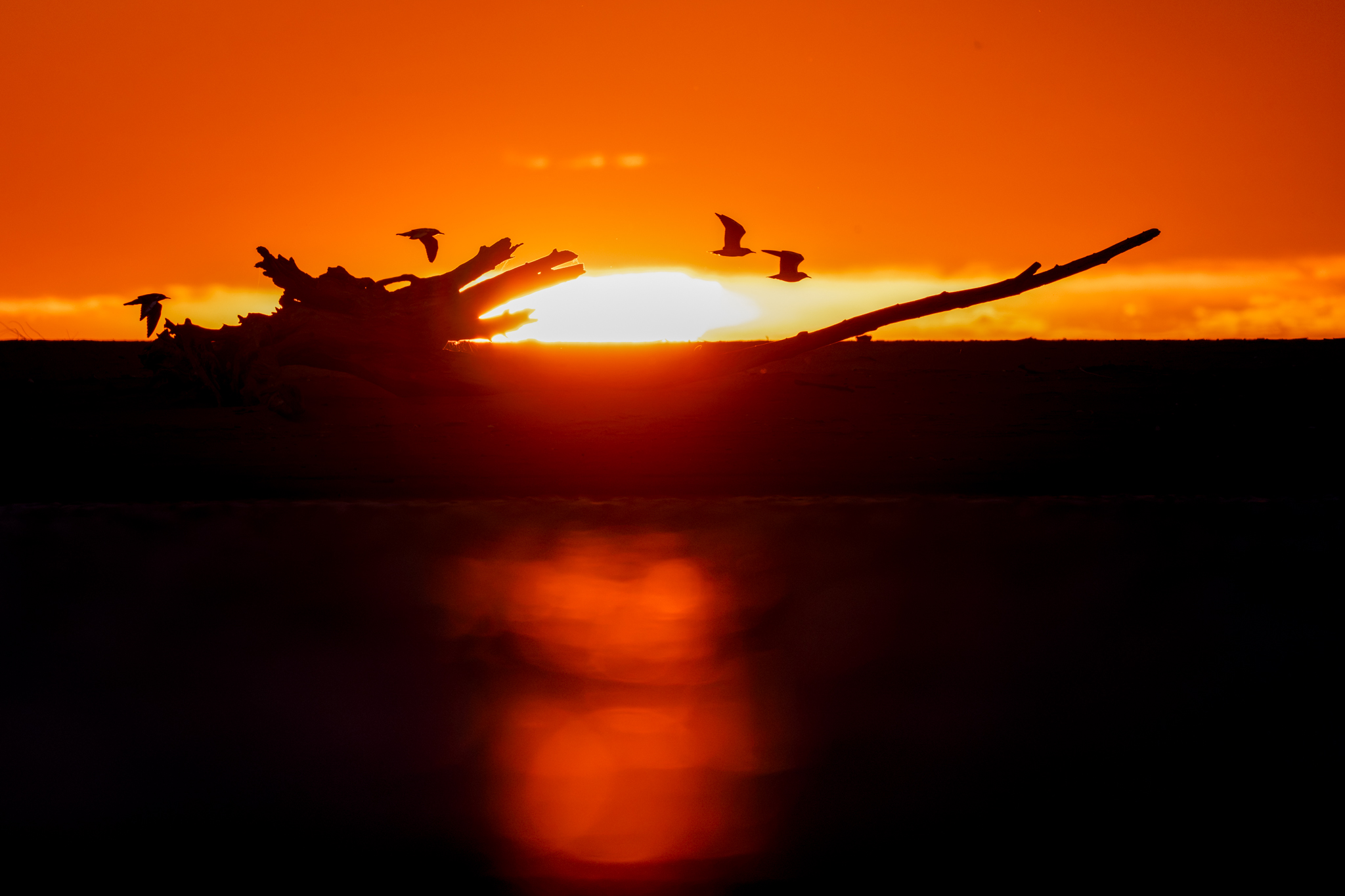
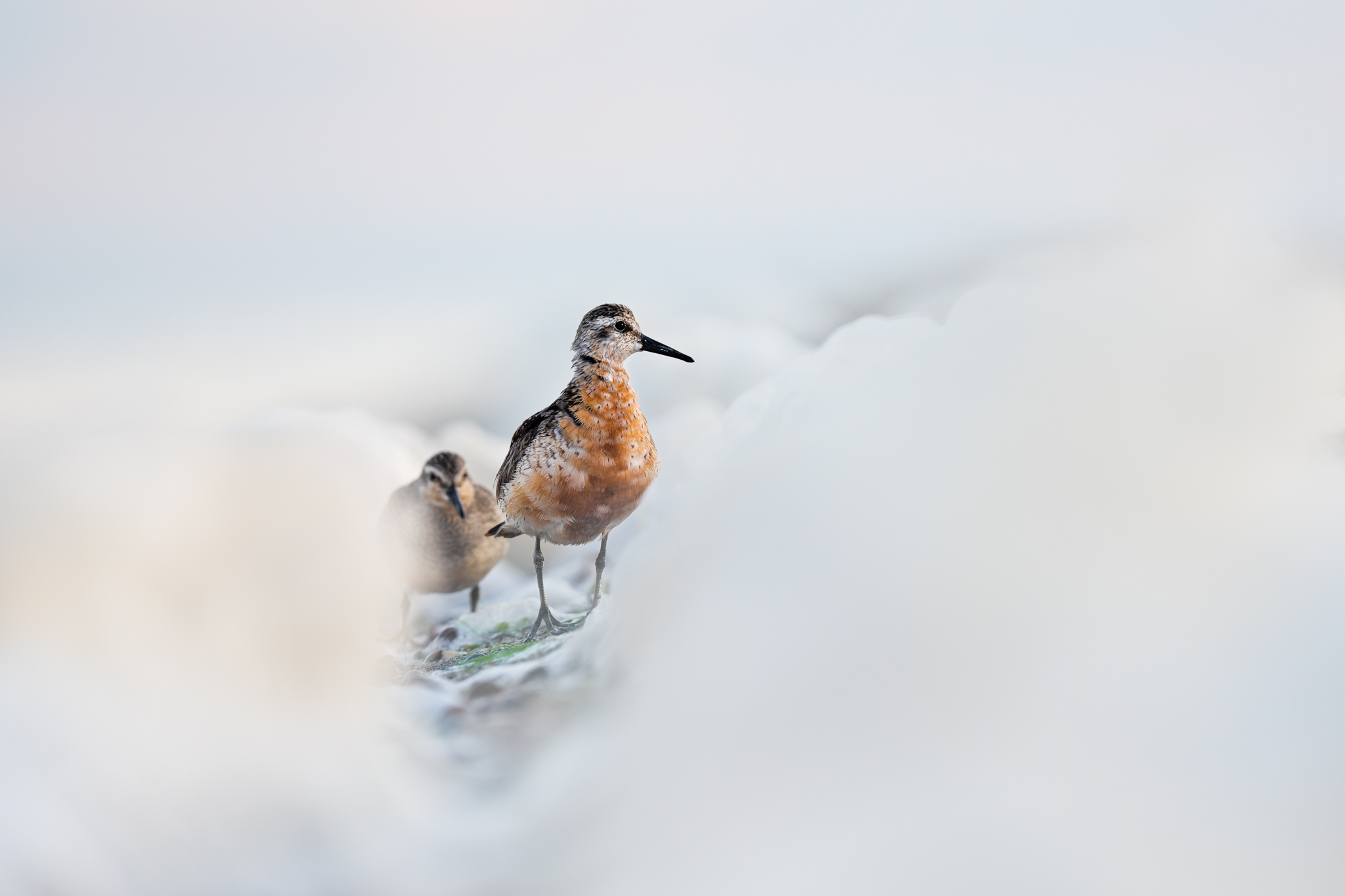
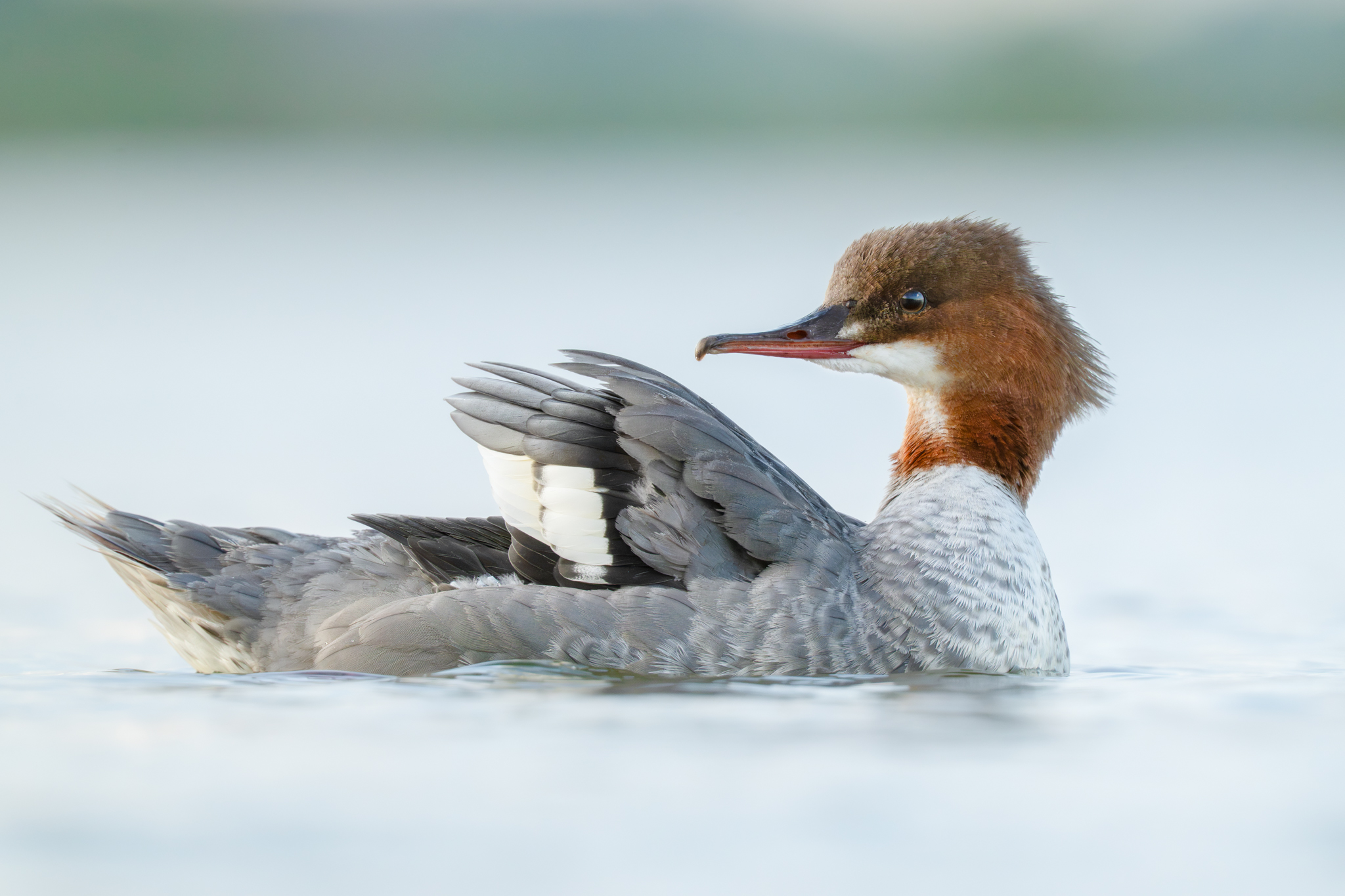
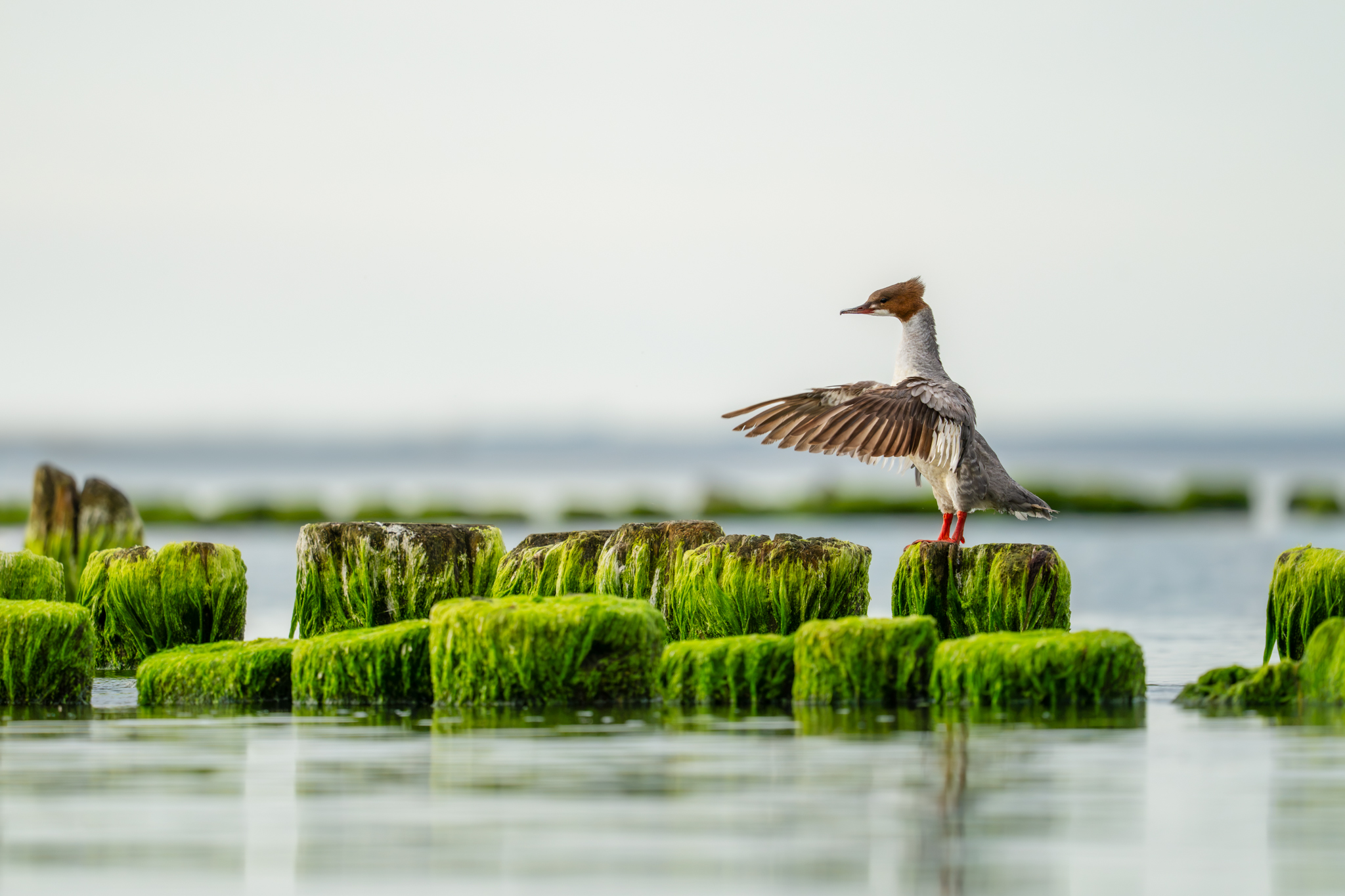
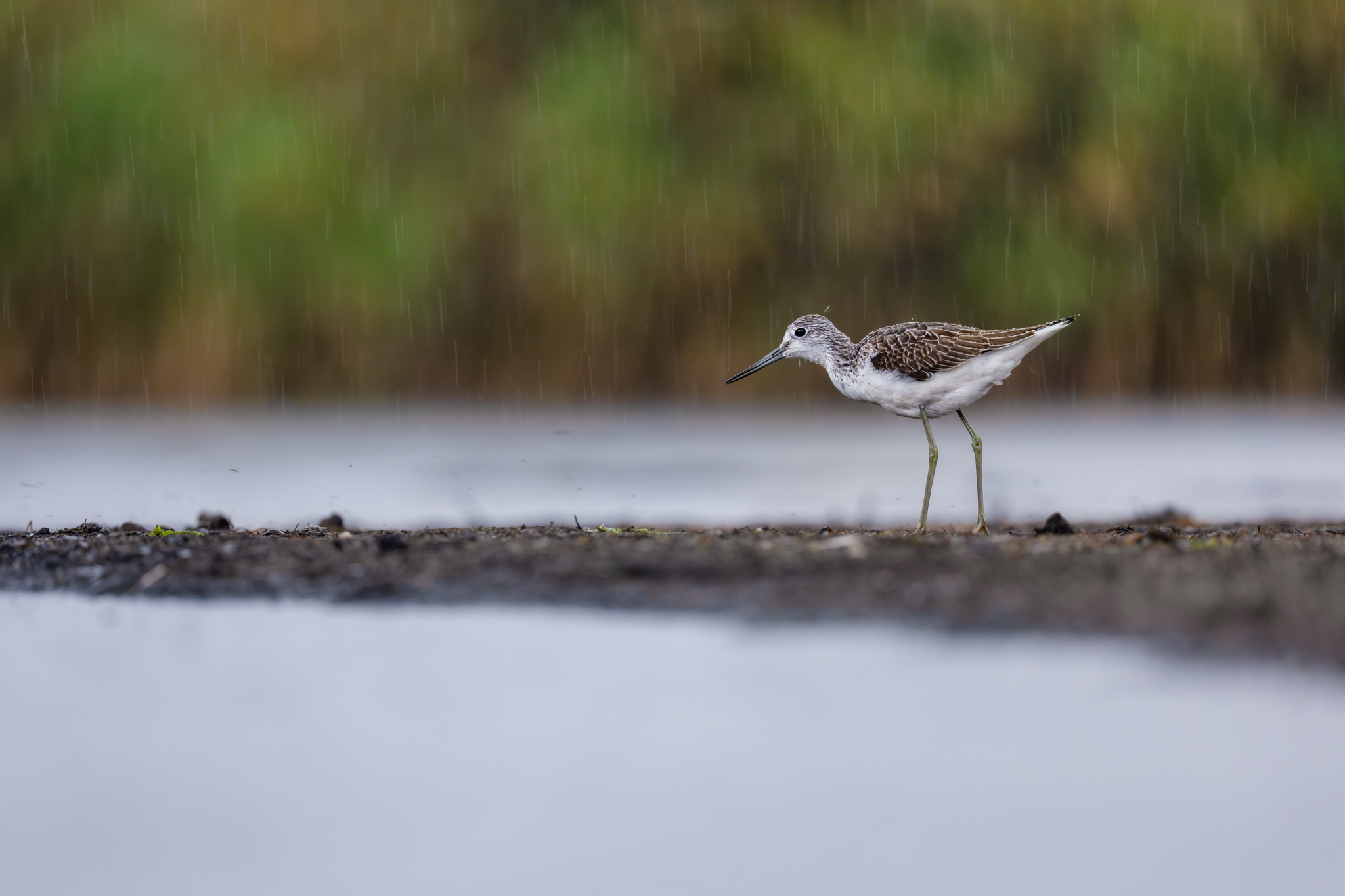
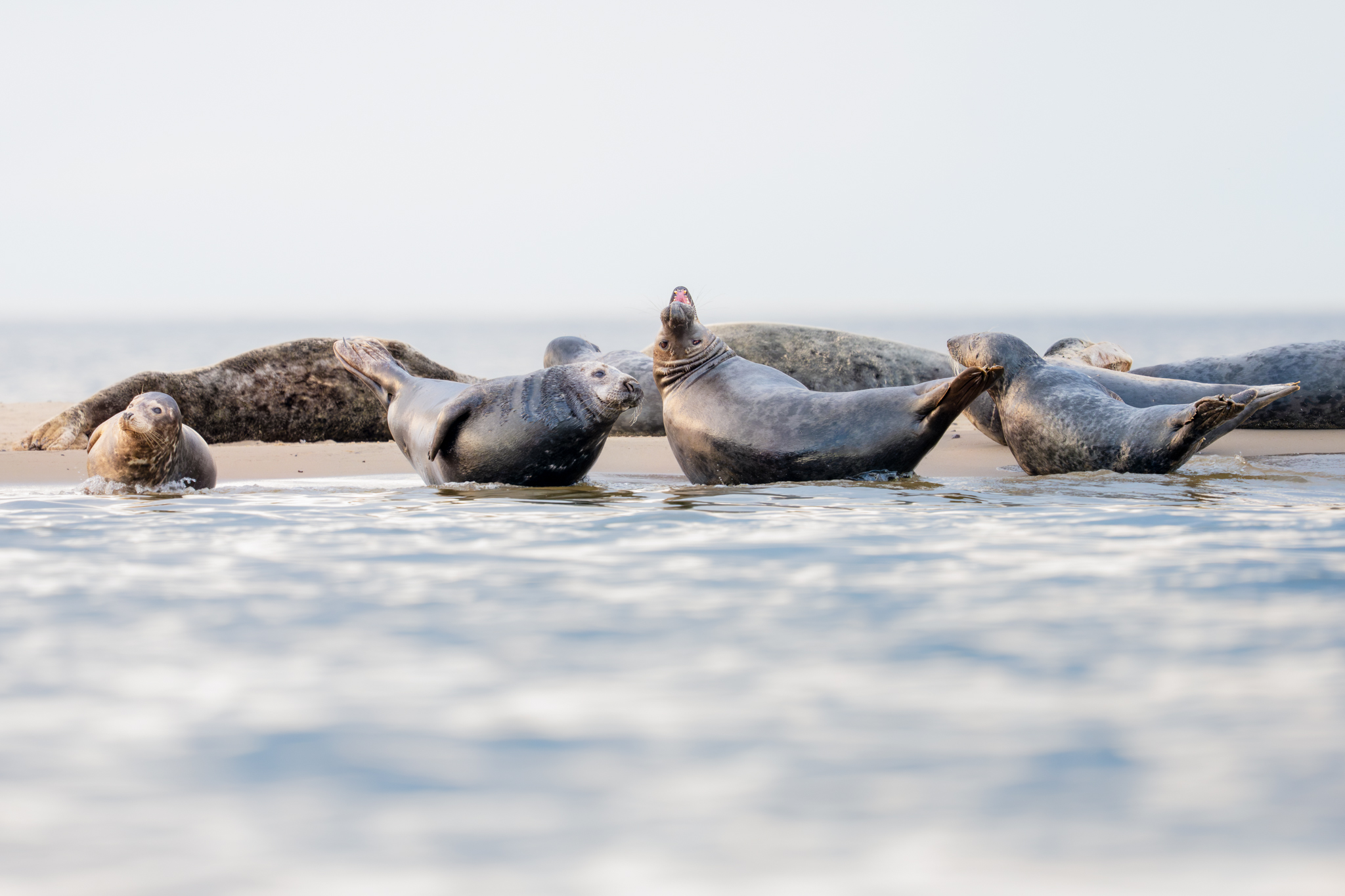
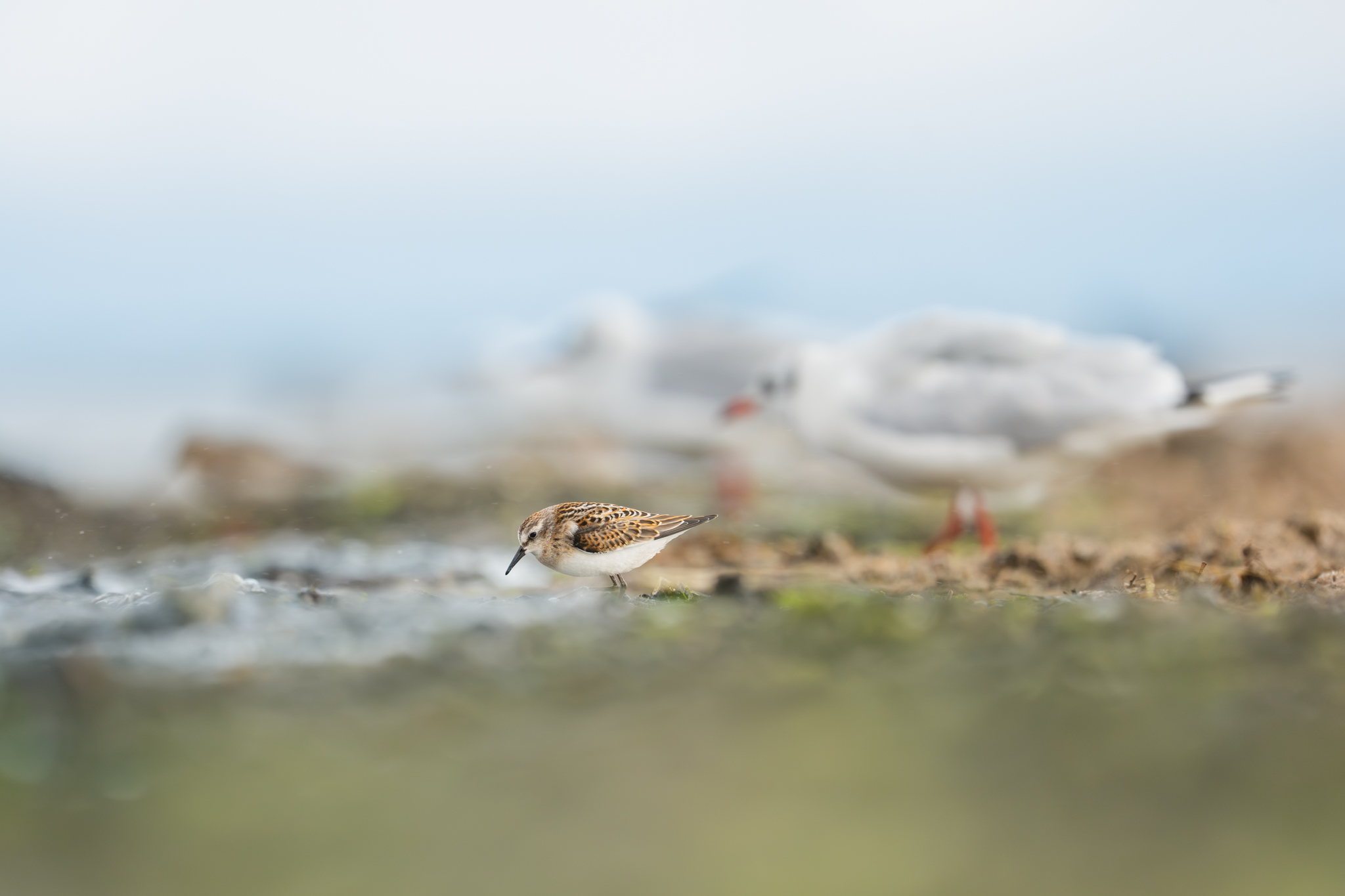
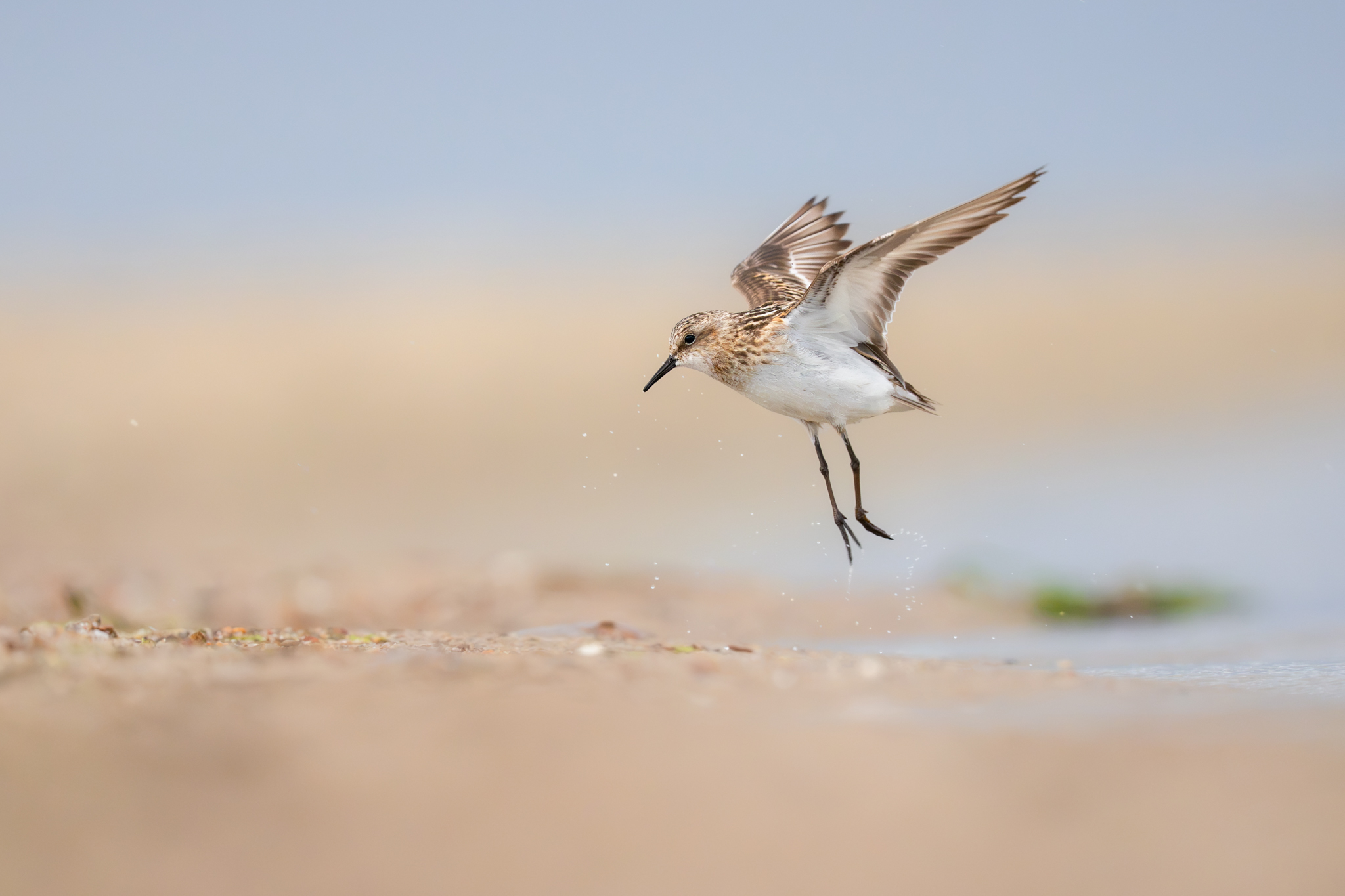
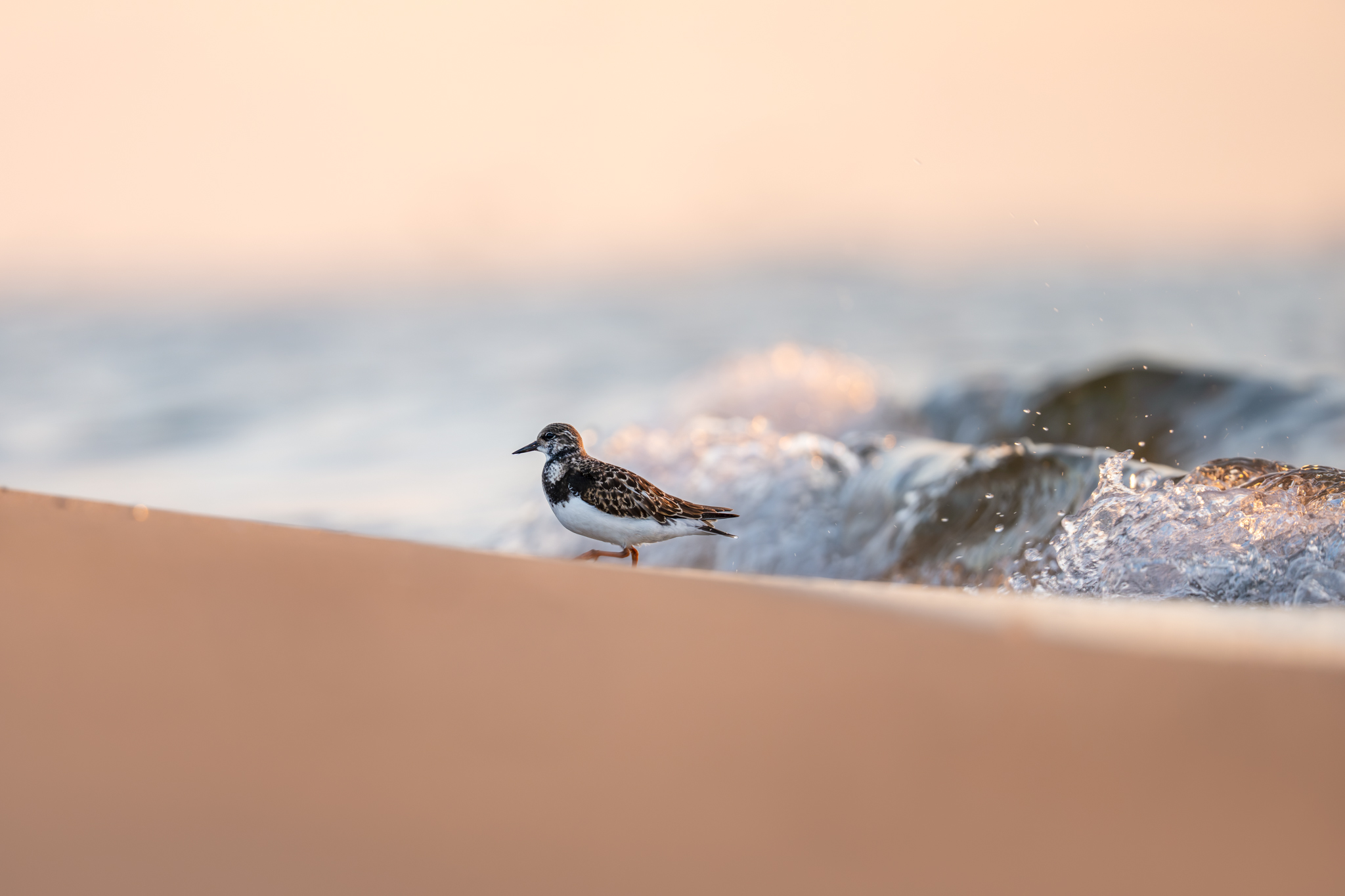
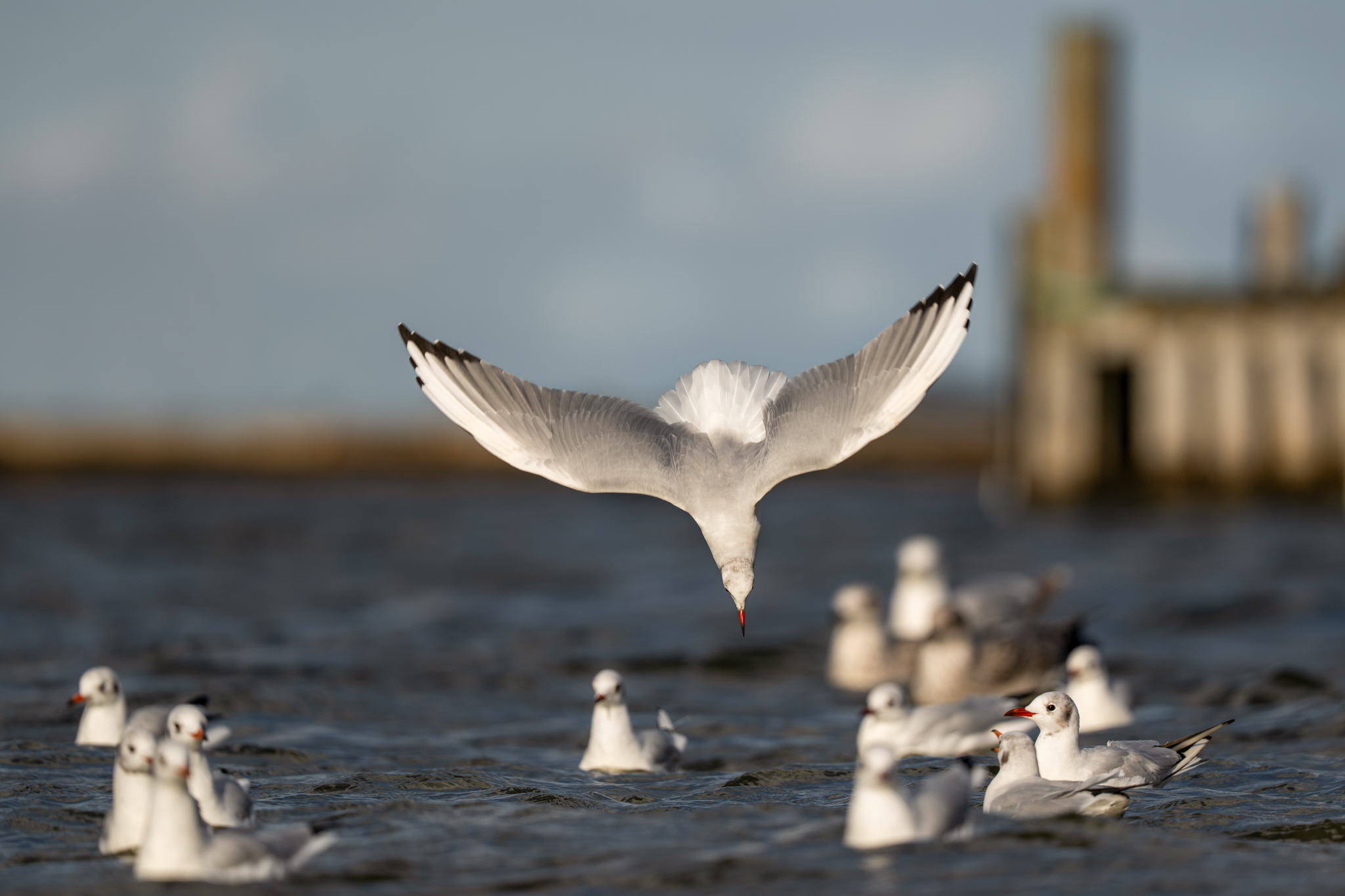
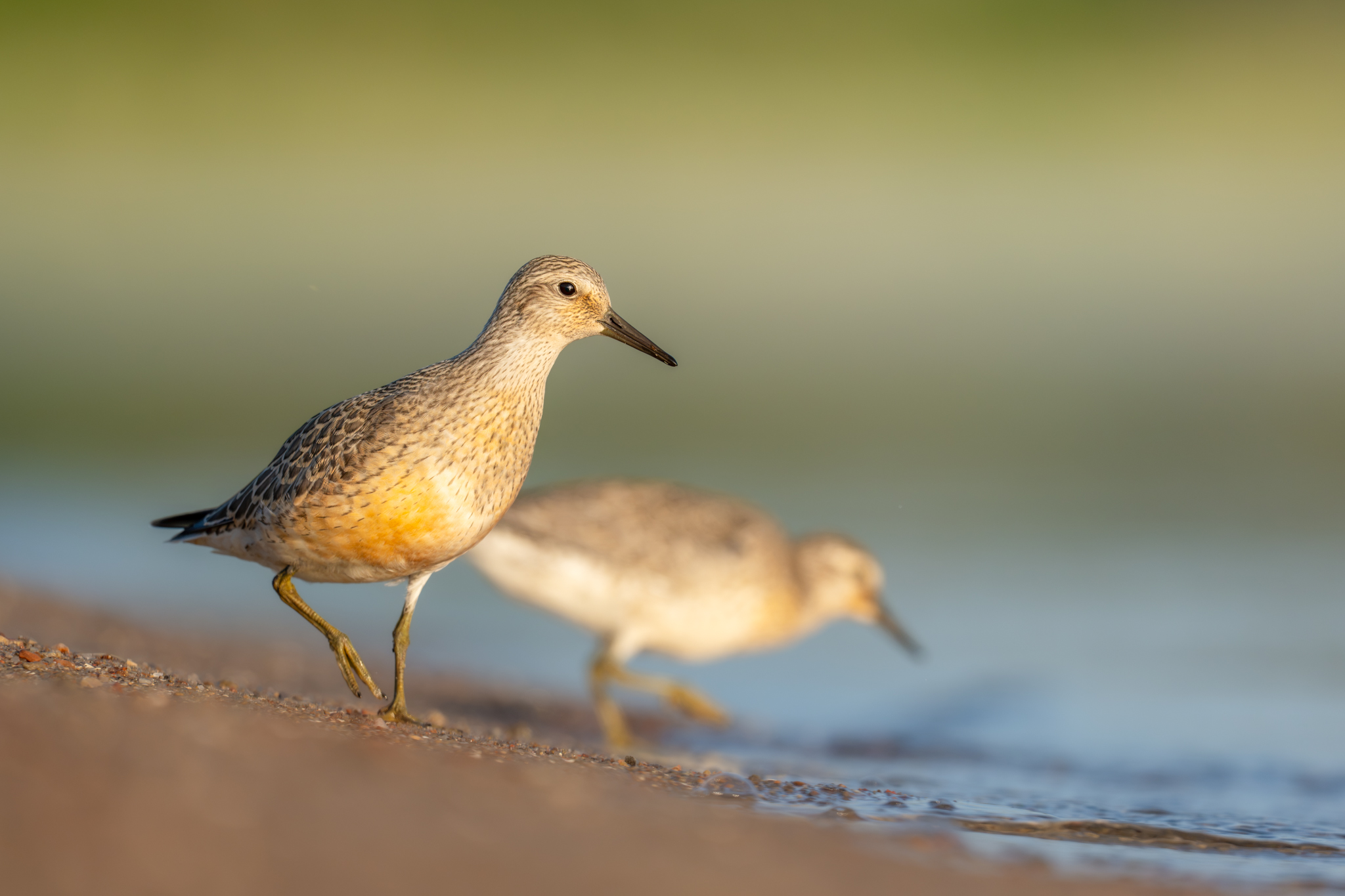
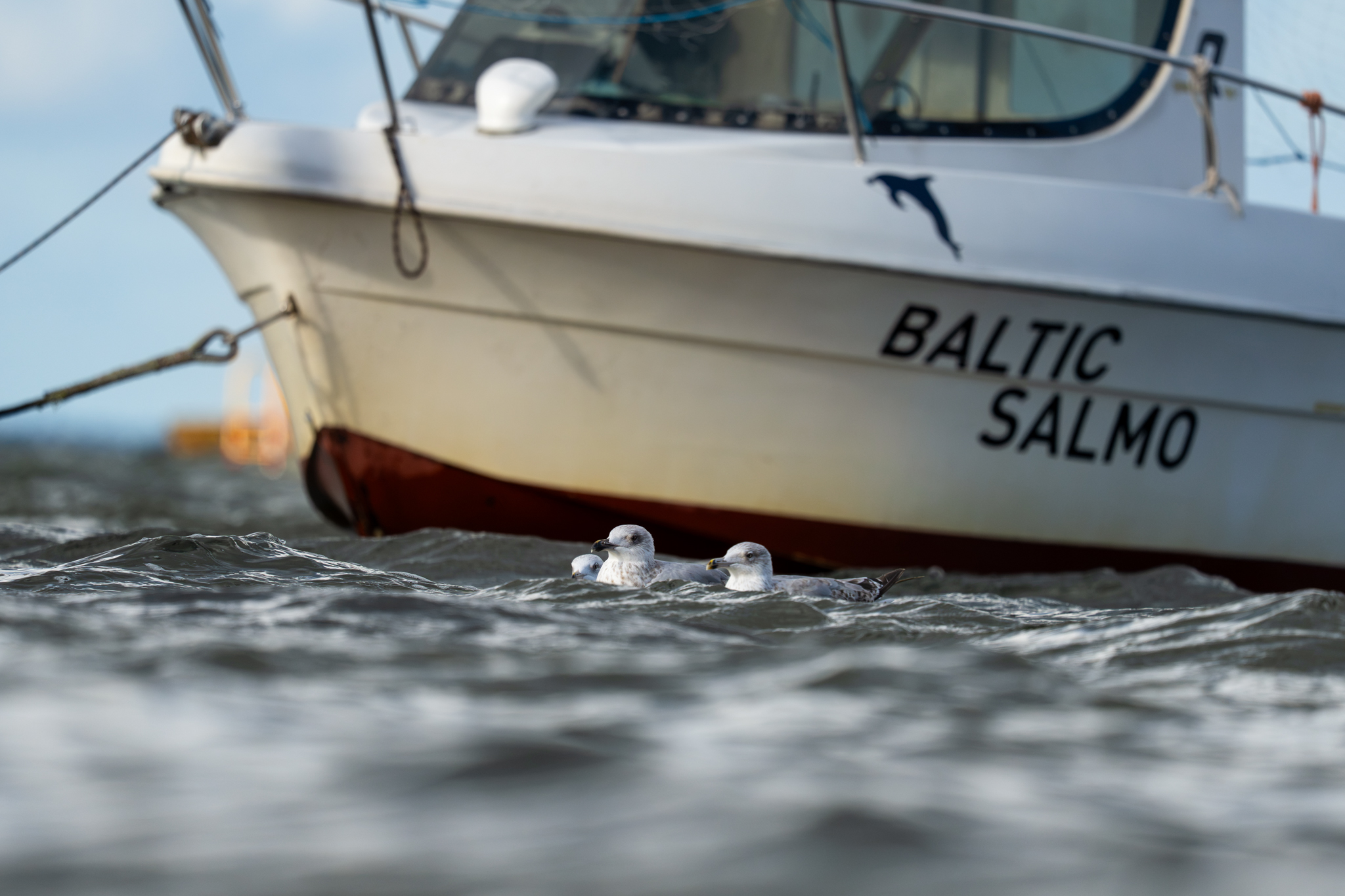
Please take a moment to look at the photos my wife and I took during this autumn’s bird migration along the Polish coast. It was a relaxing time in nature, but we had a specific goal: to test out some new Sony lenses. It was a real pleasure and honor to be selected among fellow photographers to try out this new optics! We hope you enjoy the pictures!
From our instagram feed:
For the past two to three weeks, we've (me and my wife) had the opportunity to test new Sony lenses: a 400 mm f/4.5 and a 600 mm f/6.3. If you ask whether we had fun shooting with them, our answer is a resounding yes! How to describe them in one sentence? They are small, lightweight, and sharp. Every single feature of theirs is top-tier, exactly as the red and silver „GM” symbol on their body suggests. They focus quickly, and the stabilization works brilliantly. They are sealed and solidly built. We tested them intensively during the migration period, right at its very beginning, under variable weather conditions ranging from sun to rain and driving wind. Day to day, we shoot with significantly heavier lenses. These might look like little toys, but they are definitely not—they are fully professional photographic gear. For us, it was a breath of fresh air, showing just how light and enjoyable wildlife photography can be. It's hard to believe that such lightweight telephotos can be engineered without any functional or optical compromises. If you use zoom lenses, you're going to want these. If you already have fast prime lenses, well, you're going to want them too....Show more →
Thank you very much
---------------------------------------------
Justin Stone wrote:
Gorgeous. I asked in the "Lenses" topic, and I'll ask here too. If you only could own one, which and why?
Thank you. The answer in this topic is the same, haha
It is hard to tell. Depends on the subjects you shoot most often and lesnes you already have.
For the place where I live - the 400/f4.5. As I take pictures of both mammals and birds this is a more all rounded lens. Assuming that would be the only lens I own.
For instance 600 will be a great addition for anyone who owns a shorter lens - for instance 100-400 or a 300.
Thanks! I had hoped you would contextualize your reply some so thank you for that. I shoot a 100-400 4.5-5.6 and have for years. I often use it with a 1.4 for weight and pack savings over my 200-600. Having the new 600 in my mind would get that focal length back into my bag for certain applications.
Another question: I notice many of your shots employ a ground level technique, which of course is good technique for compressing backgrounds. Did you notice any backgrounds in shots taken at different angles that you were less impressed by?
michal.narozny wrote:
Thank you very much
---------------------------------------------
Thank you. The answer in this topic is the same, haha
It is hard to tell. Depends on the subjects you shoot most often and lesnes you already have.
For the place where I live - the 400/f4.5. As I take pictures of both mammals and birds this is a more all rounded lens. Assuming that would be the only lens I own.
For instance 600 will be a great addition for anyone who owns a shorter lens - for instance 100-400 or a 300.
Erictator wrote:
Very nice, and thanks for sharing along with your experience.
Eric
Thansk ! A bit longer sotry is shared at sony.co.uk site. It was really a lot of fun shooting with those lesnes.
---------------------------------------------
Justin Stone wrote:
Thanks! I had hoped you would contextualize your reply some so thank you for that. I shoot a 100-400 4.5-5.6 and have for years. I often use it with a 1.4 for weight and pack savings over my 200-600. Having the new 600 in my mind would get that focal length back into my bag for certain applications.
Another question: I notice many of your shots employ a ground level technique, which of course is good technique for compressing backgrounds. Did you notice any backgrounds in shots taken at different angles that you were less impressed by?
To be honest, we usually shoot migrating birds at ground level or close to it. Some of the gulls were shot kneeling. But by habbit now, we always get to the eye level or so. No matter the lens. Our first wildlife lens ever was 200-600. So we are used to that 600/6.3 aperture quite well. Such a lens of course requires better background control and you have to be aware of the angles and backgrounds. And of course these new lenses will never blur them like 400/2.8 or 600/4.0 does. But for sure it is doable to get nicely blurred backgrounds. The biggest advantages of these lenses are for sure weight (hello captain obvious! ) and superb optical performance. You get a full prime experience.
We have not done any comaprisons side by side with 200-600 but I was never fully happy even with 1.4x on a9mkI. I am guilty of pixel peeping. But these new lesnes worked really well with TCs.
Or how to say it the other way round - if you point 600/4 down you will get a background you will not be impressed by.
However, with these lenses it was way easier to get down to these low angles, stay there, hold the lense in a stable position.