Jack Flesher wrote:
Hahaha, good one! But for thread posterity, uh no, I never have.
Related. This is why it is brighter in Alaska than in Vermont, too. Lot’s more photons. Heck, it is almost eternal twilight in Rhode Island. The citizens of Lichtenstein cannot even go outside without flashlights.
gdanmitchell wrote:
Related. This is why it is brighter in Alaska than in Vermont, too. Lot’s more photons. Heck, it is almost eternal twilight in Rhode Island. The citizens of Lichtenstein cannot even go outside without flashlights.
j4nu wrote:
Did you guys notice by any chance than when you crop the noise becomes more visible?
It becomes larger as a percentage of frame width due to the lower number of pixels... if you make a large print from it. (It is the digital equivalent of having larger grain on film.) But the range of luminosity variation in the pixels does not increase — each pixel has the same luminosity value that it had before cropping.
gdanmitchell wrote:
It becomes larger as a percentage of frame width due to the lower number of pixels... if you make a large print from it. (It is the digital equivalent of having larger grain on film.) But the range of luminosity variation in the pixels does not increase — each pixel has the same luminosity value that it had before cropping.
Yes, the luminosity of each pixel does not change, but now fewer pixels contribute to the whole frame. That's where the less light / fewer photons argument comes from...
If you have:
* FE400/4,5 or FE600/6.3
* 1.4xTC
* 2.0XTC
with FE 400 You have access to
* 400mm @ f/4,5
* 560mm @ f/6.3
* 800mm @ f/9
with FE 600 You have access to
* 600mm @ f/6.3
* 840mm @ f/9
* 1200mm @ f/13
The versatility of these combinations is a matter of personal preference and what other lenses you own.
As someone who owns the FE 400–800mm f/6.3–8 and an A7R6, I prefer the FE 400mm f/4.5.
My reason is that it’s a faster lens than what I currently have; it’s lighter and better suited for travel and long walks, as well as situations where 400mm is sufficient.
If you use a 1.4x TC, it’s essentially the same as a 600mm f/6.3.
If I only have the 600mm (with a 1.4x TC), I never have the option of shooting at f/4.5.
Limiting myself to just 600mm and 840mm can sometimes be a struggle when trying to locate birds in the viewfinder. With my 400–800mm, I often use 400mm to find the subject and then zoom in to 800mm—or whatever focal length suits the moment.
The way I see it, there is no right or wrong—choose what suits you.
Jan Wegener's review will be coming by weekend or next week - he says in his latest video. Will get raw files to play with. He'll compare with Nikon versions as well
michal.narozny wrote:
Tha's why in corrosion sicence we use current density instead of current. Makes life a lot easier
Exactly right.
In the case of the camera, the intensity of the light at each photo site of a given size is the same, whether you look at 1 photo site or 66 million of them.
That’s also why the exposure doesn’t change when you alter the sensor size or the number of pixels.
The “more light” argument is one of those familiar types where a bit of underlying truth gets taken and twisted into all kinds of misleading stuff. (A little like the whole “equivalency” business regarding aperture.)
You know what I've never seen? A crop from a well-exposed original image that needed an exposure boost per the offered theory. So I decided to test said theory with a real life example...
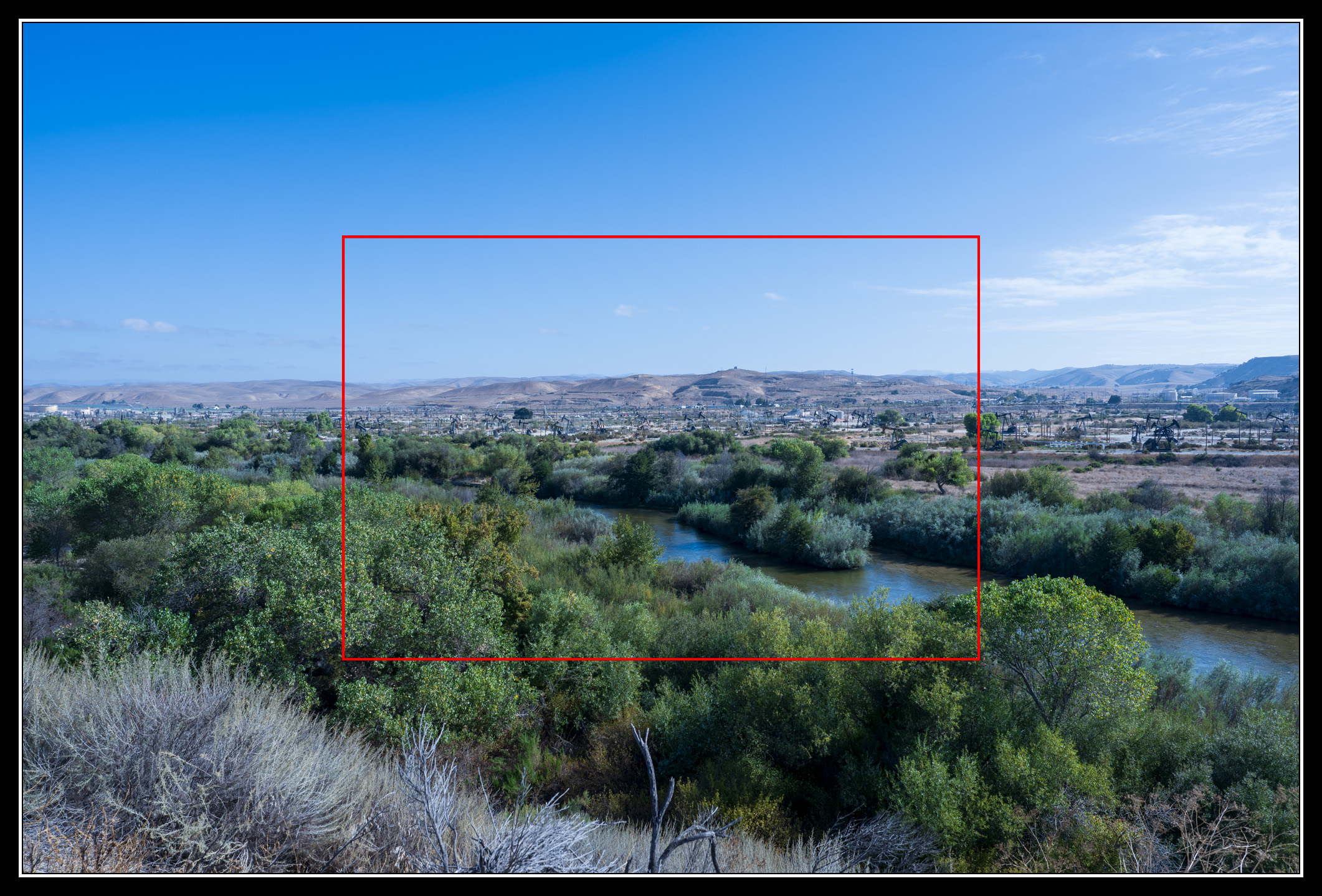
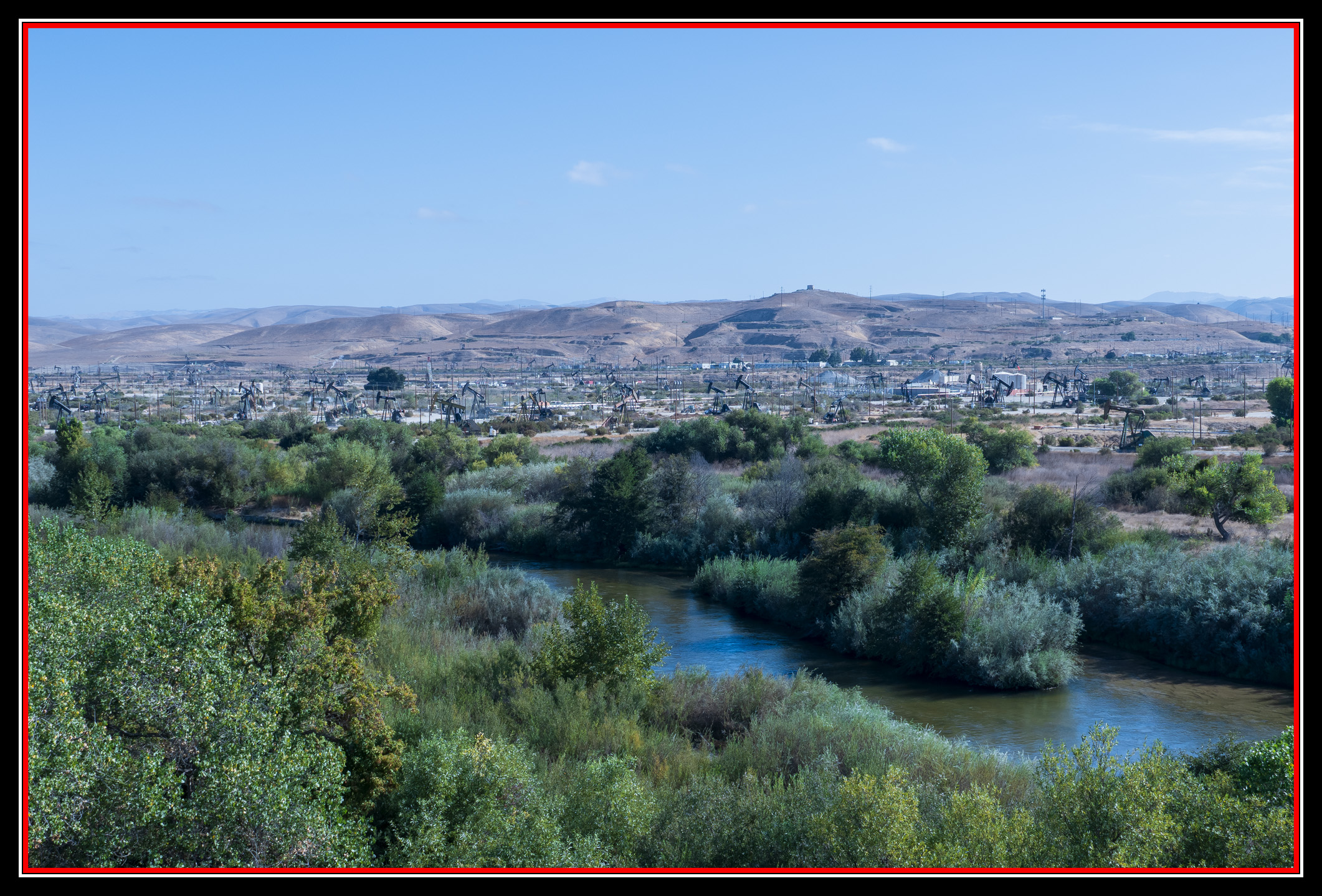
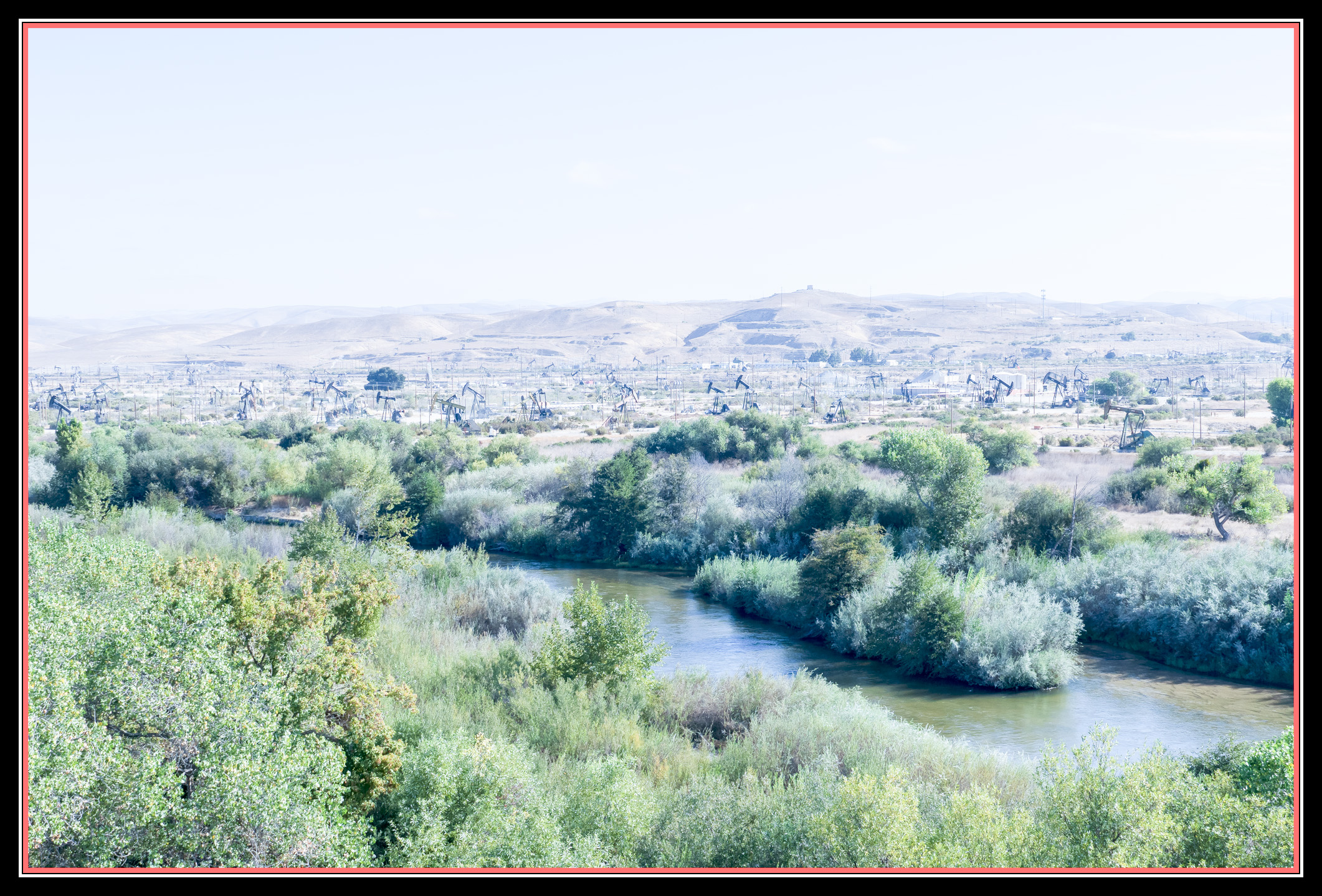
Primary image is a FF generic image taken with the A7R6 and 24-70 GMii lens, processed basically as-shot SOOC. Showing full frame, then a crop to 25% of the image area from the center; and finally that same crop with the suggested 2-stop exposure increase to make the FF and 2x crop exposures "equivalent" per the stated physics...
Notes: In the full image the darkest pixel I could took the R channel down to 0 with readable values on the G and B; in the brightest white area, the hottest pixel I could find was B at 252 with G and B something less. In the zero change crop, the dark pixel still measured the same, but the hottest pixel got cropped out and now the hottest pixel was B at 247. This all before conversion to sRGB for this web view. After the 2-stop exposure boost, the R pixel stayed 0, but the G and B increased notably, and of course there became a whole lot of pixels, basically the entire sky with B fully blown at 255.
PS: And FWIW I could not detect a single iota of increased noise in any shadow region after the crop. I am not claiming it wasn't there, in fact I am certain it would be if I had a scientific way to measure it. I'm just claiming I could not visibly detect even a hint of noise anywhere even at 400% magnification as a practical point.
Now it's my turn to run for cover!
basic SOOC full frame
ILCE-7RM6FE 24-70mm F2.8 GM II lens24mmf/8.01/200s100 ISO0.0 EV
gdanmitchell wrote:
The “more light” argument is one of those familiar types where a bit of underlying truth gets taken and twisted into all kinds of misleading stuff. (A little like the whole “equivalency” business regarding aperture.)
More light means more photons. Something readily measured by cameras, you know?
I think the point is, the amount of light that got captured initially on any given single pixel doesn't change when you change the viewing size of said pixel...
Jack Flesher wrote:
And FWIW I could not detect a single iota of increased noise in any shadow region after the crop. I am not claiming it wasn't there, in fact I am certain it would be if I had a scientific way to measure it. I'm just claiming I could not visibly detect even a hint of noise anywhere even at 400% magnification as a practical point.
You are completely missing the point. There is a nice writeup with example images about how this works over at dpreview: https://www.dpreview.com/articles/2666934640/what-is-equivalence-and-why-should-i-care/
No. We're correcting the impression generated because somebody decided it became necessary to use the technical definition of "exposure" which is different than it's been used by photographers for the past hundred years; amount of light captured on a given unit area vs amount of light falling on the actual subject... It’s real life application of a given aperture used in a given exposure not changing because we cropped. We understand the theory, we don’t agree with how some people try to equate that theory to a zero net difference between f4.5 in a 400mm lens if we crop to a 560mm equivalent FoV, and f6.3 on a 560mm lens. The reality is the f4.5 lens “required camera exposure” remains 1 full stop faster than what is required from an f6.3 lens of any focal length. And that's physics too
Jack Flesher wrote:
No. It’s real life application of a given aperture used in a given exposure not changing because we cropped. We understand the theory, we don’t agree with how some people try to equate that theory to a zero net difference between f4.5 in a 400mm lens if we crop to a 560mm equivalent FoV, and f6.3 on a 560mm lens. The reality is the f4.5 lens “required camera exposure” remains 1 full stop faster than what is required from an f6.3 lens of any focal length!
You apparently don't understand what people are telling you. Repeating your arguments will not help you to understand. Reading the article would.
I don't know this thread is detailed into the drivel about "equivalence". But since we are here --
"Equivalence" is one of those pseudo-concepts that do more harm than good. Note that I say "pseudo-" and not call it completely bogus, as I understand the underlying theory, and I grant that in some cases, such as when you are single-mindedly focused on recreating the same picture (same perspective, same DoF, same noise characteristics, etc.) in FF and APS-C (or any cropped format). But in real life, one is not always obsessed with re-creating the same image. Other photographic considerations may come into play and render "Equivalence" irrelevant.
I can go on, but the thread is derailed enough. Treating "Equivalence" as the holy grail is being pedantic and ignoring the practicality of photography.
Daran wrote:
You apparently don't understand what people are telling you. Repeating your arguments will not help you to understand. Reading the article would.
Sigh. I really do understand. And I think this argument is 100% relevant to DoF and noise. I just don't accept the way it's being implied applied to making an exposure; the argument that somehow cropping after making said exposure somehow now requires letting more light in for the image if we plan to crop later when in fact it does not. Does cropping after the fact change DoF? Yes. Does cropping after the fact potentially increase noise? Yes. Does cropping after the fact mean less total photons fell on the smaller image area? Yes. Does cropping after the fact require adding exposure to the cropped section of the frame for equivalent "exposure?" And here's the rub: it absolutely depends on what one means by "exposure."
In the traditional sense when photographers used hand-held meters, they measured light falling on or reflecting off of the scene depending on how they measured. From this they generated a required "exposure value." And here's where the disconnect lies: that exposure value was the same whether they were shooting a given scene using 8mm movie film or 8x10 large format film, or anything in between.
Looks like the 400 has the edge over the 100-400 but not by much and i like the flexibility of the zoom and I think id rather have a better result at 840mm with the 600 + 1.4 than a better result at 600mm with the 400 + 1.4 than the bare 600