MAubrey wrote:
Thanks so much for this review, Fred! Looks like a really superb lens.
A 90mm f/4 this compact sort of takes me way back to my μ43 days with the Olympus 45mm f/1.8!
Yes, I'm really happy with the CV 90/2 APO-Ultron. The smaller size and lighter weight, plus how close it can focus, make it pretty addictive to shoot with. That said, at f/4 and normal shooting distances, there's still noticeable blur with a tele lens.
zugzwang2 wrote:
I'd be interested in learning how this new Voigtlander 90 compares to the Zeiss 85/4 Tele-Tessar. It seems that it might be more generally useful--although I enjoy the Zeiss lens closed down a bit for landscapes.
It has been a very long time since I used the ZM. I suspect the VM 90/4 APO will outperform it in many ways, though differences, if any, will likely be minor the more both are stopped down.
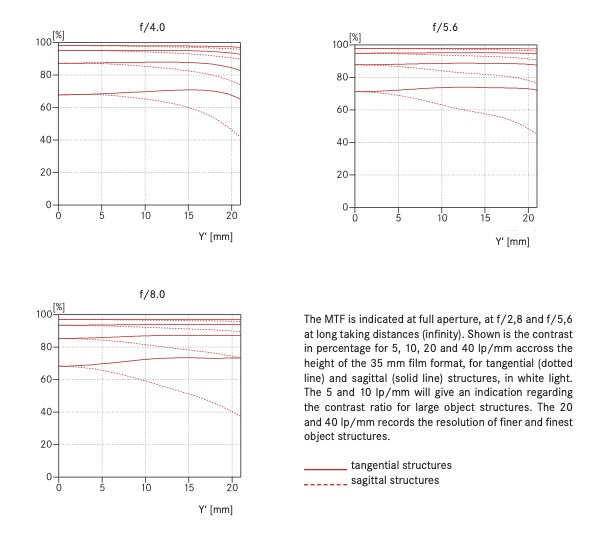
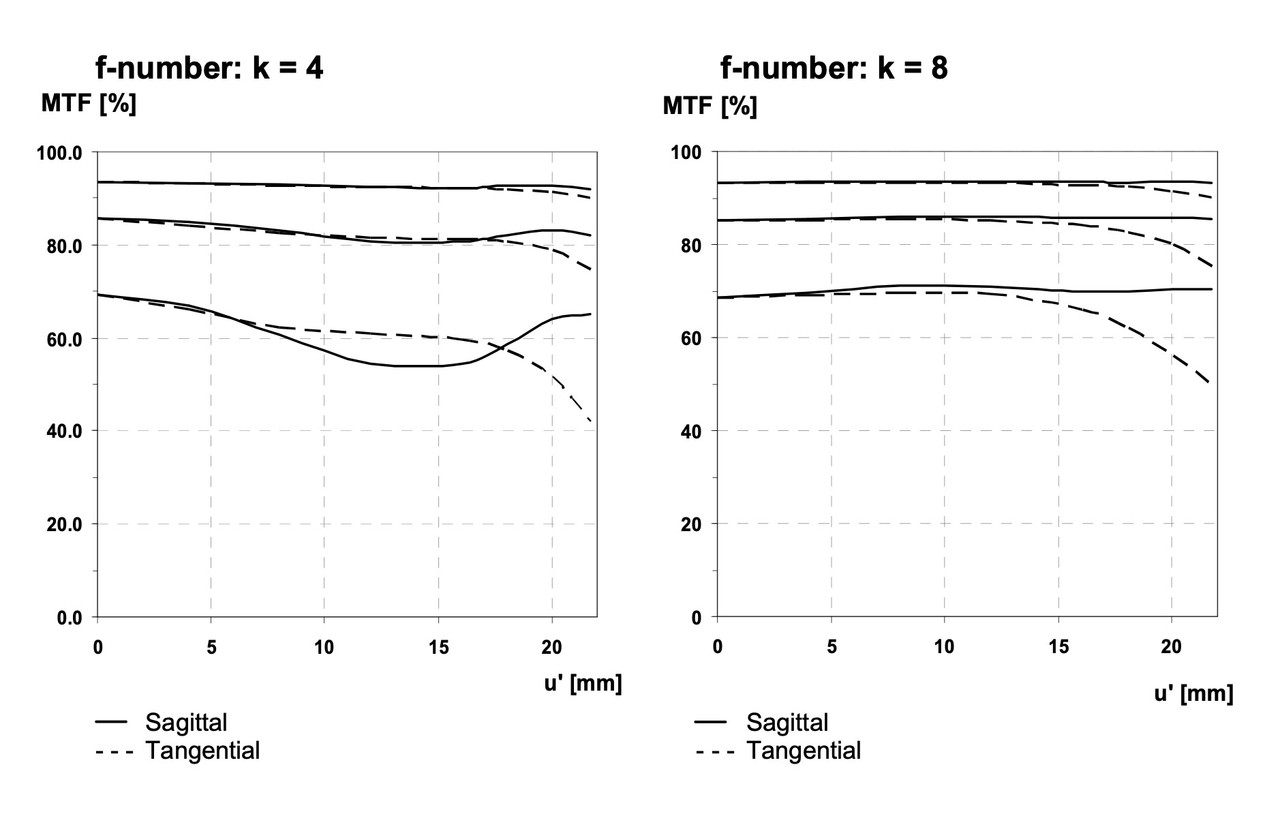
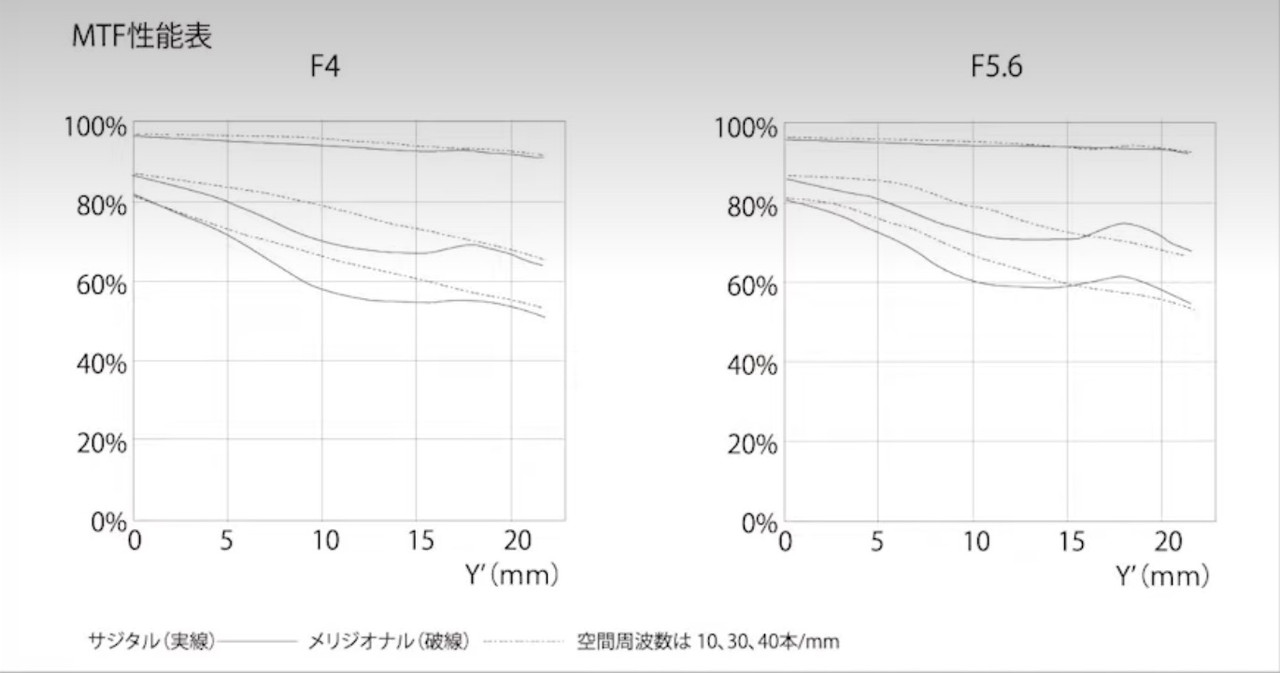
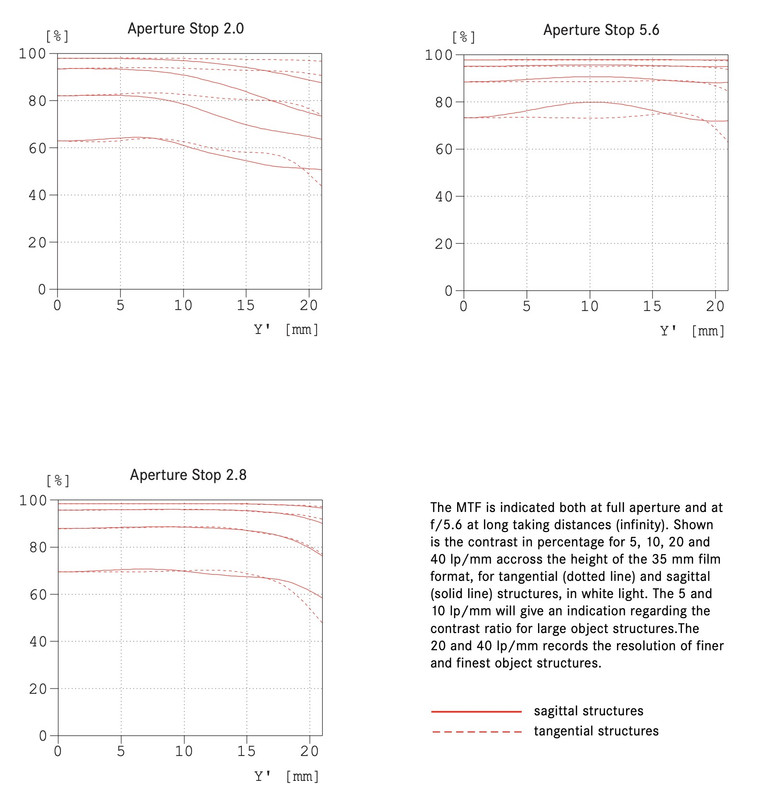
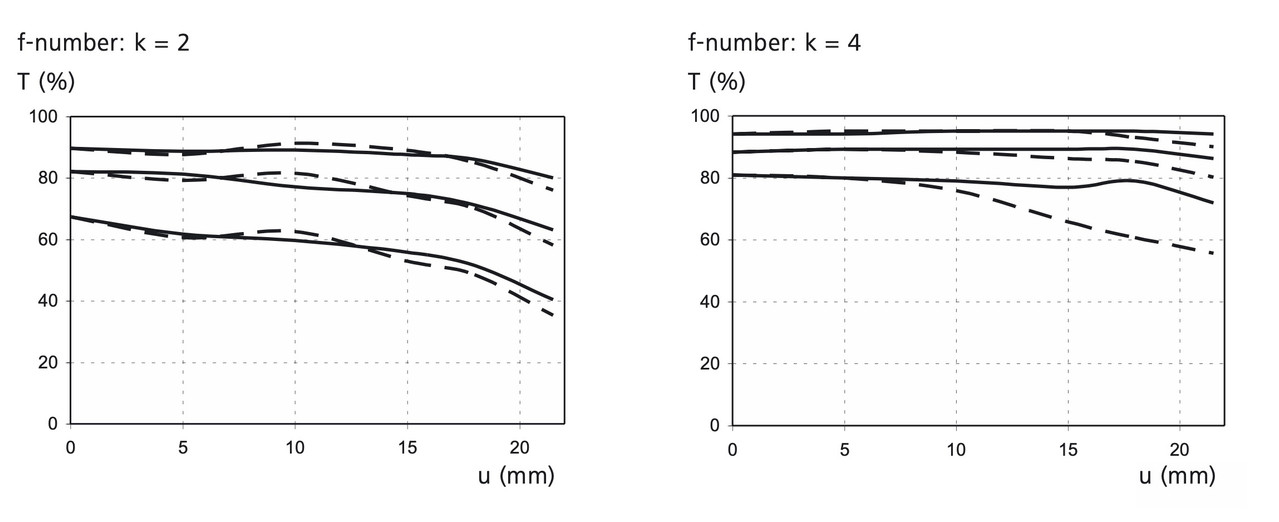
In the 90/4 announcement thread I posted published MTFs of a bunch of of 85 and 90mm lenses and am pasting them below for your convenience.
Two Leica M lenses - 90/4 and 90/2 APO ASPH, Zeiss ZM 85/2 and 85/4 and the new VM. Indeed, the VM centrally outperforms the other f/4 lenses. The Zeiss MTFs are 10, 20 and 40 lp/mm. Cosina only publishes MTFs for their APO-Lanthar lens series, therefore MTF isn't available for the 90/2 but based on Fred's tests, is probably very close to the Leica 90/2 APO's performance.
Leica 90/4, ZM 85/4, VM 90/4 APO:
Leica 90/2 AA, ZM 85/2
As a Canon fanboy, here are a couple Canon MTFs. 90/2.8L TS-E and RF 85/1.4L (Canon's version of the Leica APO-Cron-SL series, though likely with more modest optical performance). Canon publishes 10 and 30 lp/mm.
I'm sure Nikon, Sony, Sigma, etc. all also have 85/90mm lenses with great MTF performance.
Not many lenses reach an on-axis measure of 80% of contrast transfer at the standard high spatial frequency of 40 lpmm. Lens makers have been able to do it for quite some time, as we see in the early century ZM above, something that is repeated in the (2016) Loxia 85mm, Leica SL APOs at 75mm and 90mm, Otus 100/1.4.
All are ~500 grams or (often much) more, by coincidence. I can't find an aperture or resolution series for the 85/1.4L VCM, so as to check on the work of the science fiction writers club at Canon.
PS: AI informs about the ill-fated ZM 85/2: 'Users and repair technicians noted that the complex internal mechanics were prone to developing mechanical play or wear in the focusing helicoid over time—a known issue often discussed among rangefinder owners.'
LoCA at f1.4 Canon 85/1.4L VCM (it's kind of gone by f4)
zugzwang2 wrote:
I'd be interested in learning how this new Voigtlander 90 compares to the Zeiss 85/4 Tele-Tessar. It seems that it might be more generally useful--although I enjoy the Zeiss lens closed down a bit for landscapes.
For many years, the Zeiss 85mm f/4 was my go-to landscape lens, primarily because of its compact size and stellar performance when stopped down. While it did well wide open, it really needed f/6.7 or smaller for the mid-field to match the high-frequency detail of larger lenses.
So yes, stopped down it's still a great option for landscapes, though I could still spot some lateral CA closed down, alongside axial CA when shooting wide open.
In contrast, the new Voigtländer 90mm f/4 APO outperforms it across every single metric. It's actually smaller (especially when both have hoods attached) and noticeably lighter (by 80 grams), too. It is dramatically better at wide apertures and handles color fringing exceptionally well. Plus, it offers quasi-macro capabilities that the Tessar never attempted.
philip_pj wrote:
Not many lenses reach an on-axis measure of 80% of contrast transfer at the standard high spatial frequency of 40 lpmm. Lens makers have been able to do it for quite some time, as we see in the early century ZM above, something that is repeated in the (2016) Loxia 85mm, Leica SL APOs at 75mm and 90mm, Otus 100/1.4.
All are ~500 grams or (often much) more, by coincidence. I can't find an aperture or resolution series for the 85/1.4L VCM, so as to check on the work of the science fiction writers club at Canon.
PS: AI informs about the ill-fated ZM 85/2: 'Users and repair technicians noted that the complex internal mechanics were prone to developing mechanical play or wear in the focusing helicoid over time—a known issue often discussed among rangefinder owners.' ...Show more →
As bad as that Canon LoCA might seem, the much loved Sony 85/1.4 v1 and v2 aren't better and in fact the v1 is a lot worse, according to TDP. In real world use it wouldn't appear much of the time, based on my experience with the EF 85/1.4L IS, which is worse than the RF, but itself was a significant LoCA improvement over the EF 85/1.2L. The RF 85/1.4 is also a lens I would buy (it's on my wishlist if Canon does not release a fast 100mm VCM) for various reasons beyond pure image quality, such as size, weight, AF performance, etc. But it really depends. I'm also a science fiction fan.
I'm not sure if you've used the ZM 85/2 before. It's a lens I passed on a chance of buying about 15 years ago and now regret somewhat, as I'm a Sonnar fan. But I was able to shoot with one some time later and it exhibited MASSIVE purple fringing/blooming wide open in high contrast transitions that TBH, shocked me. The 90AA controls this much more effectively even if it's not as 'pure' an APO as some more recent lenses. The ZM 85/2 however was a lens I found very easy to focus via rangefinder, perhaps precisely due to the complex non-linear rangefinder coupling.
Aug 27, 2026 at 09:46 PM
Steve Spencer Offline • • • • • • • Upload & Sell: On
philip_pj wrote:
Not many lenses reach an on-axis measure of 80% of contrast transfer at the standard high spatial frequency of 40 lpmm. Lens makers have been able to do it for quite some time, as we see in the early century ZM above, something that is repeated in the (2016) Loxia 85mm, Leica SL APOs at 75mm and 90mm, Otus 100/1.4.
All are ~500 grams or (often much) more, by coincidence. I can't find an aperture or resolution series for the 85/1.4L VCM, so as to check on the work of the science fiction writers club at Canon.
PS: AI informs about the ill-fated ZM 85/2: 'Users and repair technicians noted that the complex internal mechanics were prone to developing mechanical play or wear in the focusing helicoid over time—a known issue often discussed among rangefinder owners.' ...Show more →
Phillip you lose all credibility citing AI as if it is authoritative. AI does tell you things and sometimes it informs and sometimes it hallucinates and the problem is you can't know which it is doing without further evidence. So citing it as authoritative when you don't know whether it is hallucinating in not a sound argument.
Yes ZM lenses have been known to develop a wobble but is that worse in the 85 f/2 ZM? It is really hard to tell as it is a really rare lens and I for one won't trust that when you asked AI that it knows any more about it than you or I do.
Oh, and if you look at that axial CA/spherochromatism test at TDP across a number of lenses, you will realize it is a real torture test and those results you posted while demonstrating that the lens can show axial CA is a result that is a bit better than average. It is not an indication of poor performance especially at f/1.4.
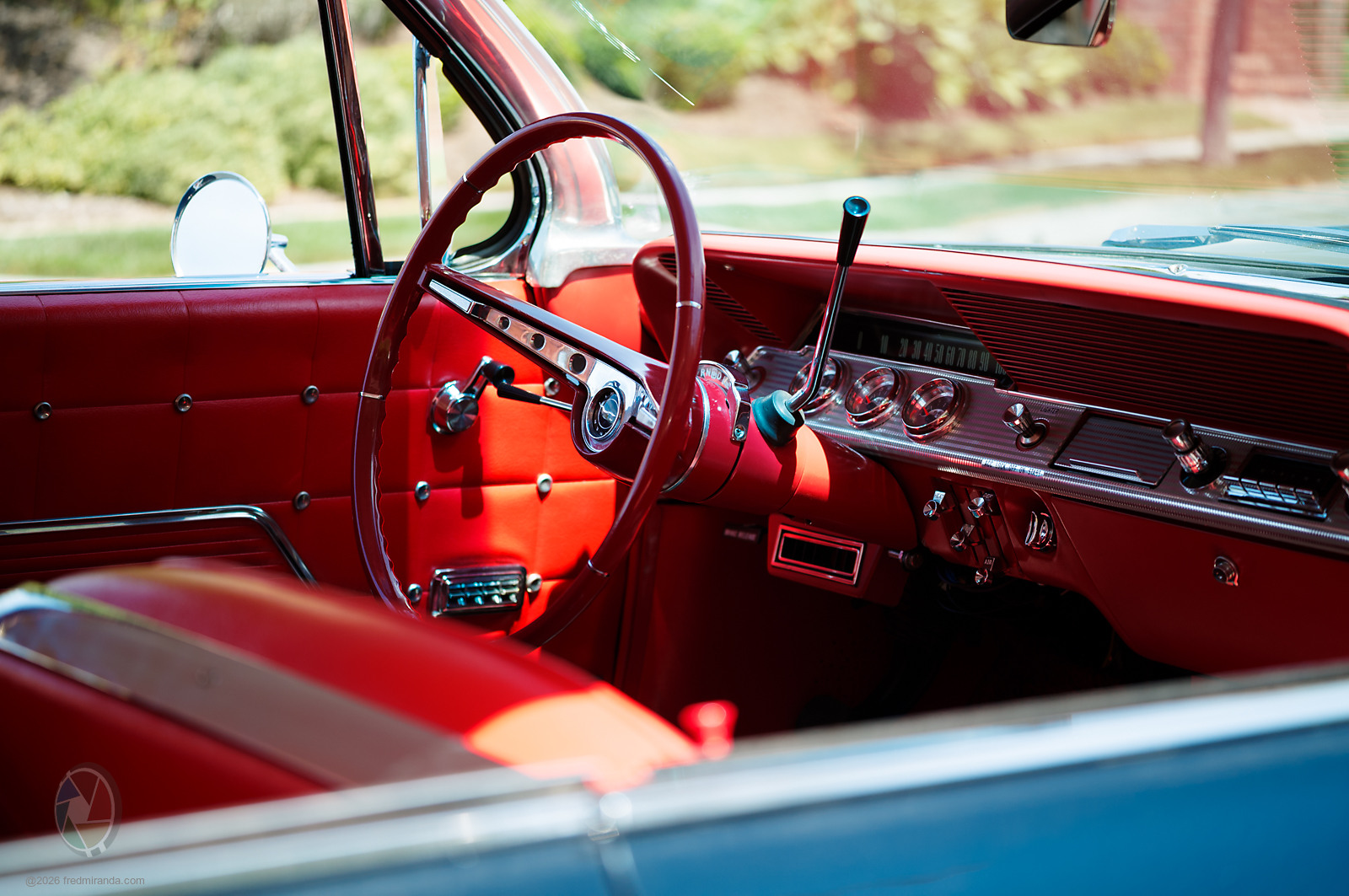
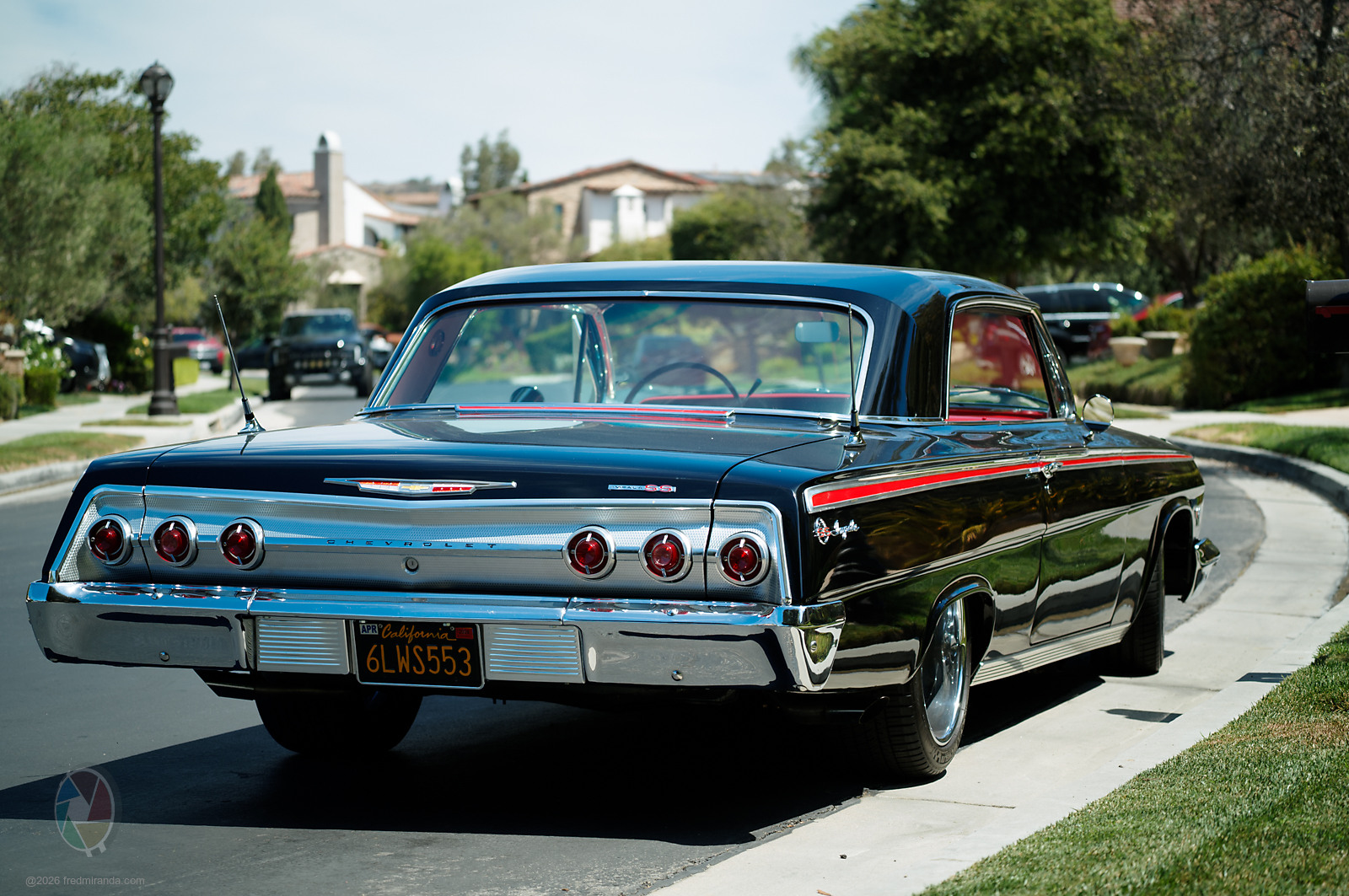
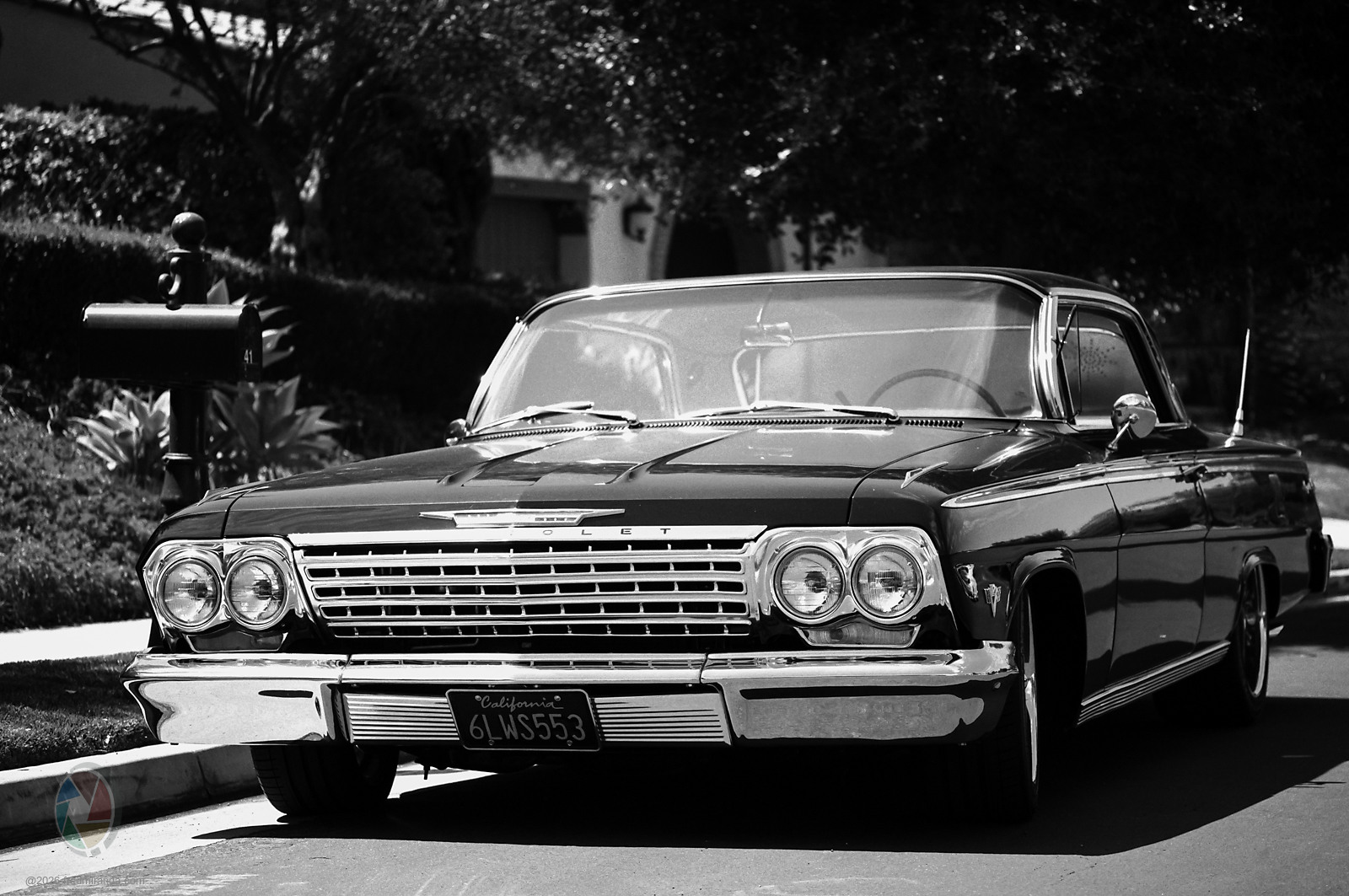
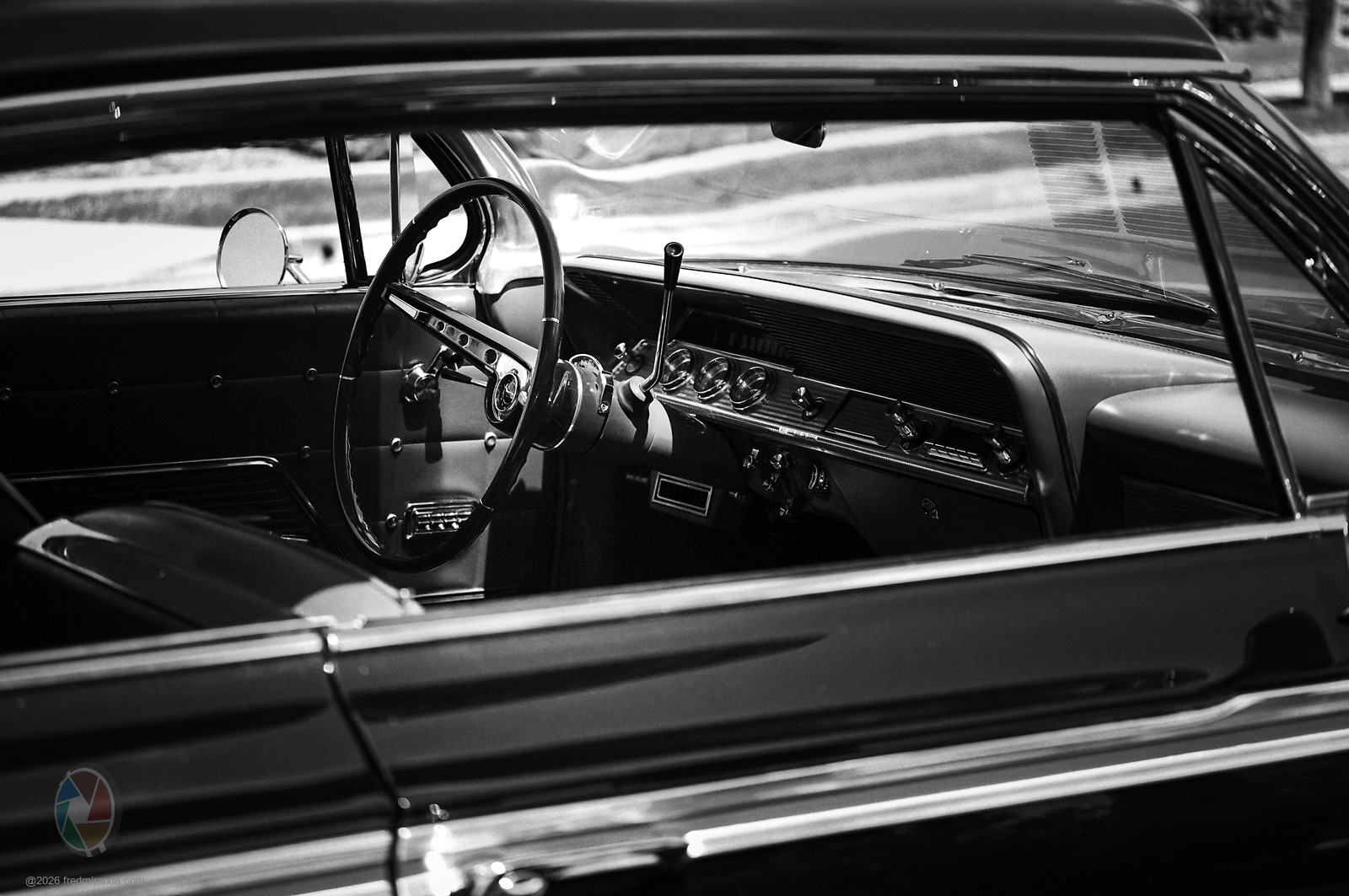
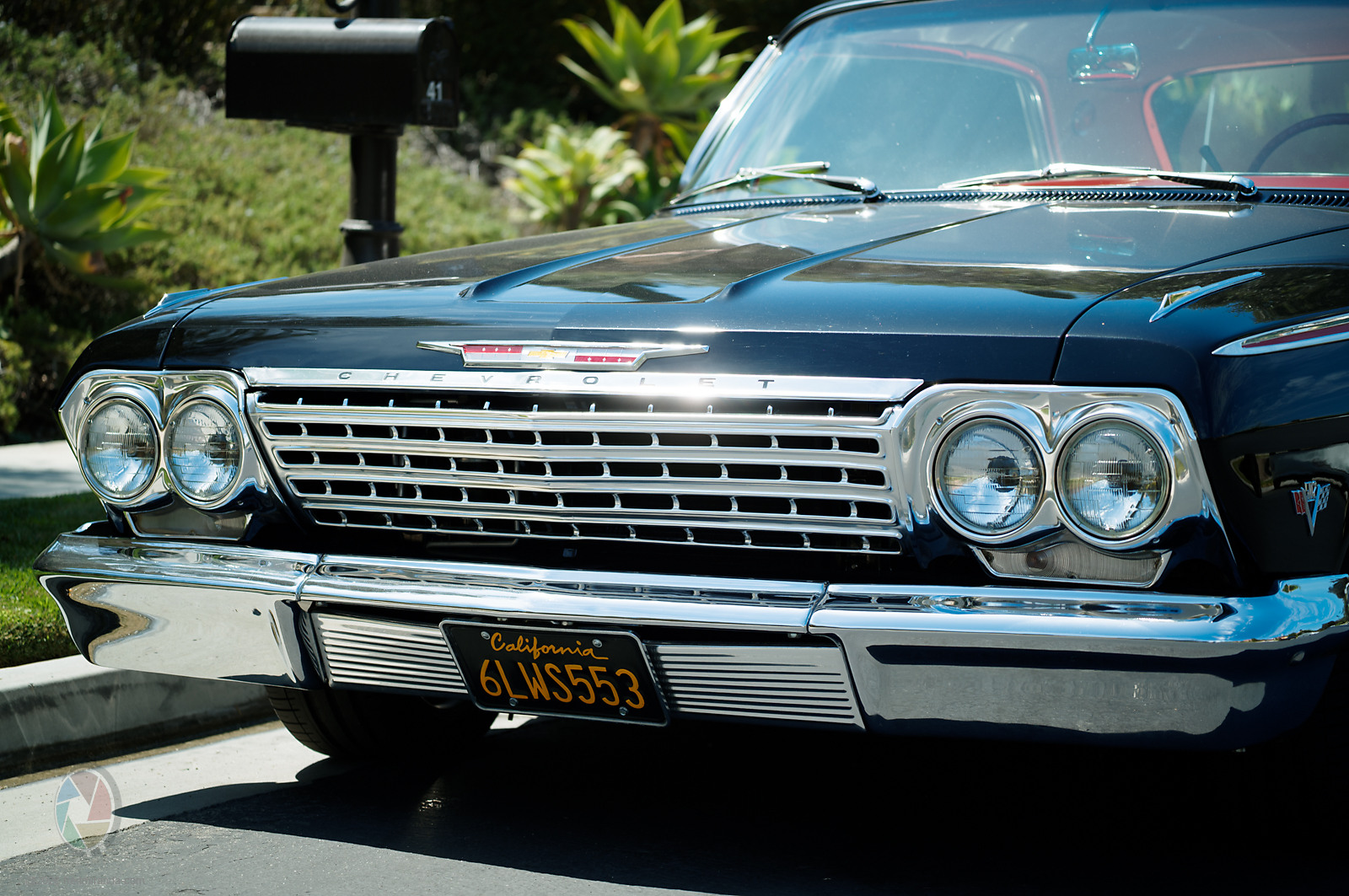
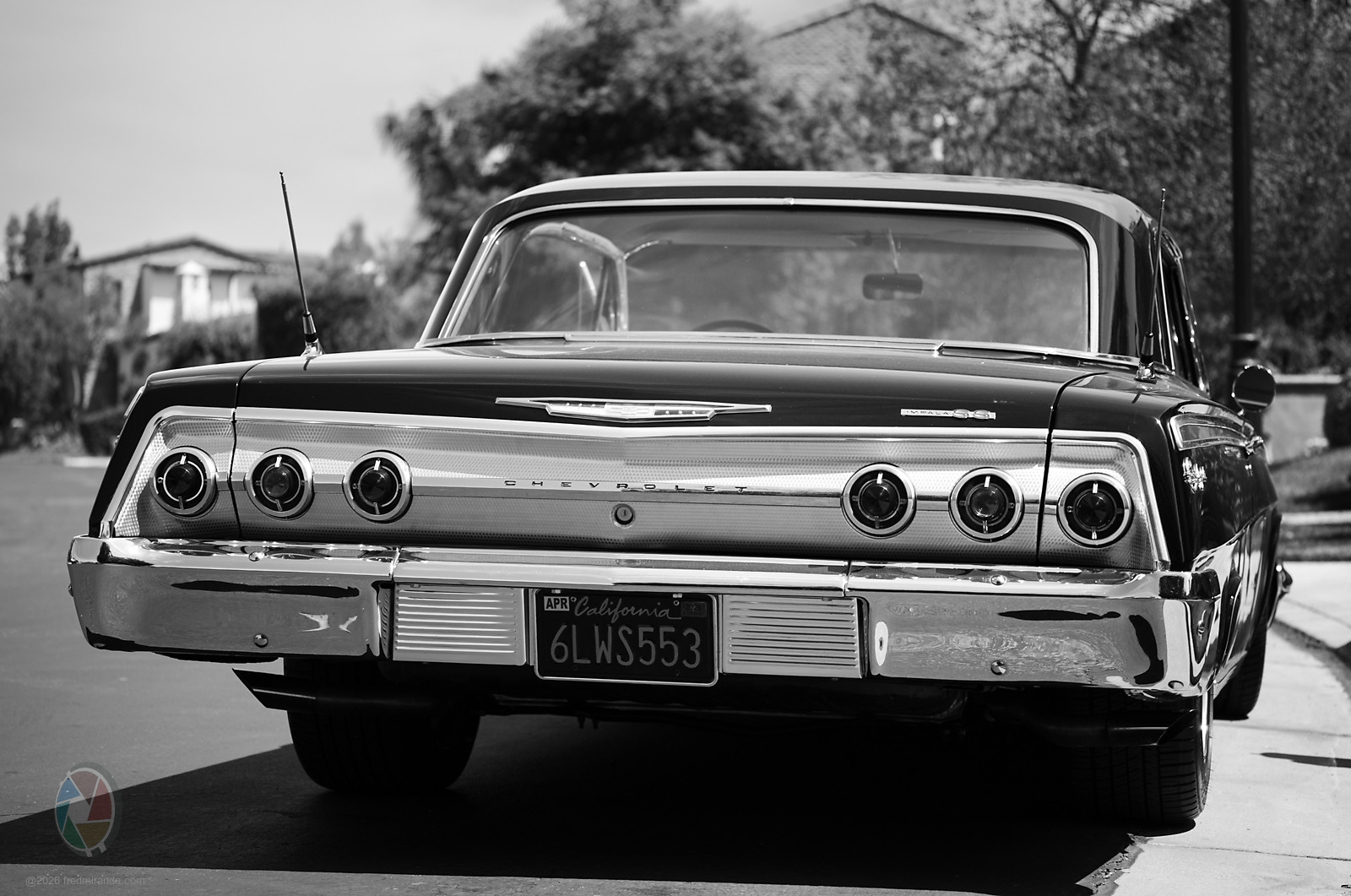
A few images shot in harsh lighting around noon, all focused with the rangefinder, which is much easier on a 90/4 than a 90/2. I got very accurate framing and focusing results.
A couple of shots were taken at ISO 50,000 by mistake (see EXIF), since I hadn't changed the settings from the night before. They were pretty much completely washed out, but 'miraculously' I was still able to recover them in post and convert them to black and white (no noise reduction applied). You can't do that with a monochrome sensor.
All images wide open at f/4 (disregard what the exif says about aperture)
LEICA M11-DVoigtlander 90mm f/4 APO-Lanthar lens90mmf/11.01/250s160 ISO0.0 EV
LEICA M11-DVoigtlander 90mm f/4 APO-Lanthar lens90mmf/4.01/500s64 ISO0.0 EV
LEICA M11-DVoigtlander 90mm f/4 APO-Lanthar lens90mmf/4.01/16000s50000 ISO0.0 EV
LEICA M11-DVoigtlander 90mm f/4 APO-Lanthar lens90mmf/16.01/16000s50000 ISO0.0 EV
LEICA M11-DVoigtlander 90mm f/4 APO-Lanthar lens90mmf/9.51/350s64 ISO0.0 EV
LEICA M11-DVoigtlander 90mm f/4 APO-Lanthar lens90mmf/4.01/320s80 ISO0.0 EV
I need to seriously consider this to complete my travel kit of the CV18/2.8 Skopar, CV27/2 Ultron and the 90/4 Lanthar. All small, common filter size and good IQ. I shoot on my Fuji XT5.
+1 on potentially adding this to the 27mm f/2 on Fuji. I can't decide if it's this or the 75mm f/2.8, but whichever of them matches the 27's rendering closest will end up in my travel bag. People rarely seem to comment on tele lenses adapted to Fuji, but I'm assuming there aren't any particular issues, unlike wides.
Sep 14, 2026 at 09:50 AM
Steve Spencer Offline • • • • • • • Upload & Sell: On
pressedbunny wrote:
+1 on potentially adding this to the 27mm f/2 on Fuji. I can't decide if it's this or the 75mm f/2.8, but whichever of them matches the 27's rendering closest will end up in my travel bag. People rarely seem to comment on tele lenses adapted to Fuji, but I'm assuming there aren't any particular issues, unlike wides.
When I shot Fuji, I adapted the Voigtlander 75 f/1.5 which works very well. I appreciated the wider aperture. I also had the 23 f/1.2. 27 f/2, 35 f/2 APO Macro and 50 f/1.2 for X mount. I would think that the new 75 f/2.8 APO and 90 f/4 APO would be really nice on Fuji if you can live with the slower aperture.
Yeah, for me 'travel' means 'the absolute smallest and lightest', and I typically shoot at f/4-8 equivalent, so these f/2.8 and f/4 lenses are (potentially) perfect. One of my favourite lenses for film is a Canon FL 135mm at f/8, so I hope the final verdict on this 90mm f/4 solidifies it as the one to get.
In a way it's a shame Voigtlander keep putting out hit after hit because it makes choosing and actually making a purchase take too long!
Here in the Czech Republic, the lens is still not available. I originally wanted it, but I’m getting good results with the APO-Skopar 90mm f/2.8, so I’m not sure whether the difference is worth it.
Tokyo weather has been really bad for the last month+ except on a couple or working days so I haven't had any good opportunities to shoot more with my lens since I received it...