A1 II AF settings for BIF
p.4 #1A1 II AF settings for BIF
BillinTexas wrote:
When I bought my A1, I watched Mike Smith's video on settings and used many of them, though not all. I have also seen Geoff post some of his back a while ago, and he was helpful regarding those settings.
My AF-On is spot focus, and I use the release (Geoff) for BIF, but with Zone focus instead of Wide. Zone was recommended by Kenny Lin. I get many more hits using Z over W. I have never explored the different focusing, as I haven't felt the need to.
I can tell Pre-capture will be a game changer.
"I can tell Pre-capture will be a game changer"
This is the main reason I got A1II
Jul 21, 2026 at 02:58 PM
p.4 #2A1 II AF settings for BIF
Daran wrote:
Whether you shoot in APS-C or do the same crop in post does not affect the image at all. The optical characteristics are the same either way. But because you are enlarging the image (when presenting less pixels in the overall same view), you are enlarging any unsharp areas so that they now look less sharp. Hence parts of the image that were just sharp enough to be rated sharp are now looking soft.
I'm a bit baffled why this seems hard to understand. But maybe I spent too much time with digital images.
It's not but your post seemed to be suggesting that 'cropping' or not cropping would somehow change the DOF on the captured image and fix the fact that in the captured image the birds head is oof because the camera focussed on the wing tips.
If not that then, in the context of the OPs problem, what was the point of your post ?
Jemini wrote
Absolutely. The only time the DOF change when you use an 'equivalent' lens. 300mm used on APS-C body has an equivalent FL of 450 on FF. The depth of field won't be equal to 450/2.8 instead 450/4.5 (1.3 stops less). Once a picture shot, optical characteristics doesn't change. At least my understanding..I'm a bit baffled why this seems hard to understand. But maybe I spent too much time with digital images.
It's not but your post seemed to be suggesting that 'cropping' or not cropping would somehow change the DOF on the captured image and fix the fact that in the captured image the birds head is oof because the camera focussed on the wing tips.
If not that then, in the context of the OPs problem, what was the point of your post ?
Jul 21, 2026 at 03:38 PM
p.4 #3A1 II AF settings for BIF
duncangr wrote:
It's not but your post seemed to be suggesting that 'cropping' or not cropping would somehow change the DOF on the captured image
It does. At least if you accept the meaning of the word as it is commonly understood: the depth of the area perceived as sharp when an image is viewed in its entirety.
and fix the fact that in the captured image the birds head is oof because the camera focussed on the wing tips.
If not that then, in the context of the OPs problem, what was the point of your post ?
You said in the post I quoted:
Stop down a bit perhaps - small bird at a distance (big crop you said) should mostly be in focus ?
And my point was that shooting a bird smaller, only to then crop back to a better composition will not retain the DOF that the wider shot had.
Jul 21, 2026 at 05:02 PM
|
p.4 #4A1 II AF settings for BIF
Daran wrote:
It does. At least if you accept the meaning of the word as it is commonly understood: the depth of the area perceived as sharp when an image is viewed in its entirety.
If not that then, in the context of the OPs problem, what was the point of your post ?You said in the post I quoted:
And my point was that shooting a bird smaller, only to then crop back to a better composition will not retain the DOF that the wider shot had.
Perhaps I wasn't clear - stop down the existing lens
or use the native 300 f/2.8 for more light, sharper image, perhaps better camera subject detection and autofocus performance, less susceptible to lens motion blur, an increase in DOF and have to crop a bit more.
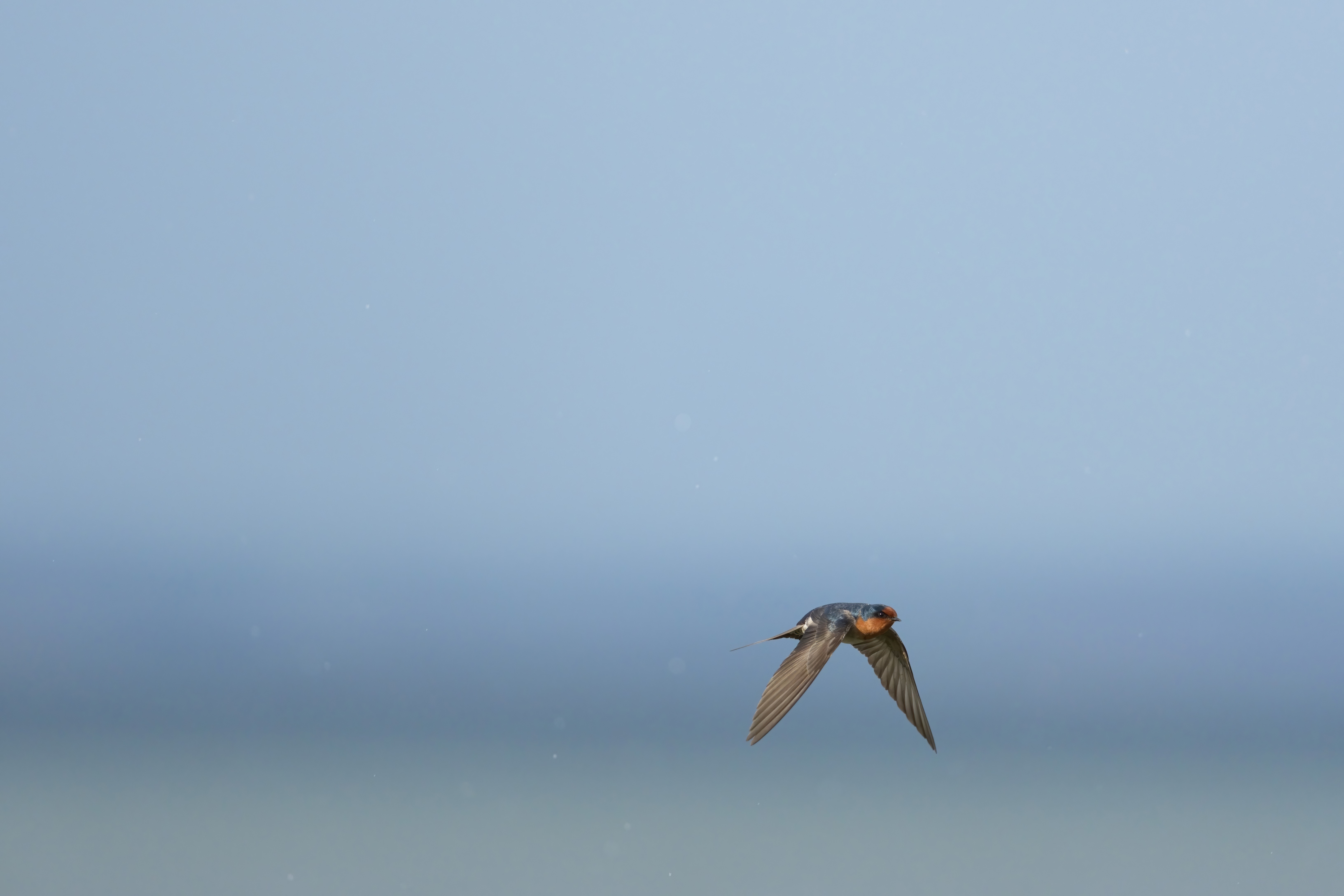
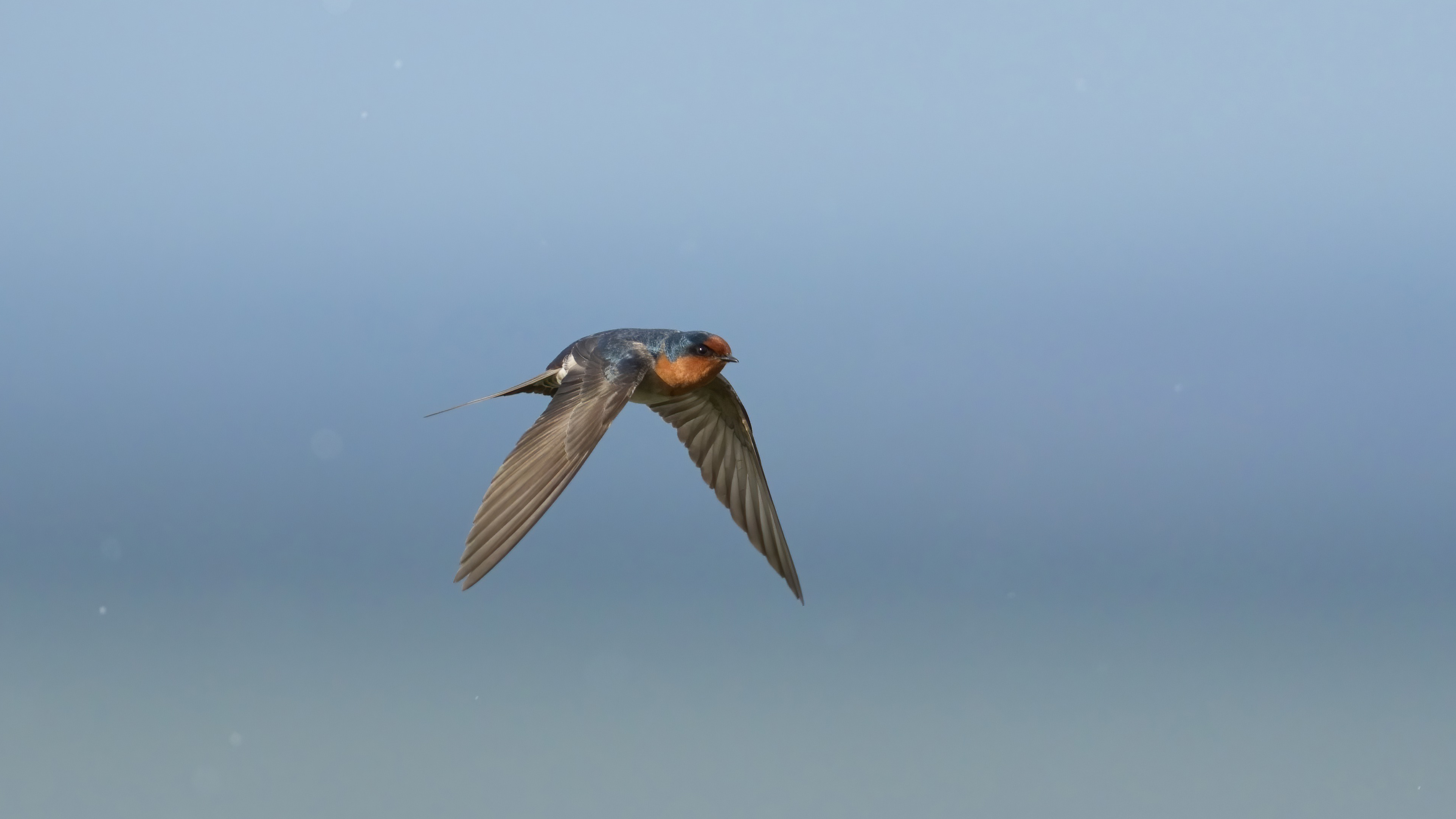
duncangr wrote
It's not but your post seemed to be suggesting that 'cropping' or not cropping would somehow change the DOF on the captured imageEarlier quote
and fix the fact that in the captured image the birds head is oof because the camera focussed on the wing tips.If not that then, in the context of the OPs problem, what was the point of your post ?
Earlier quote
Stop down a bit perhaps - small bird at a distance (big crop you said) should mostly be in focus ?Perhaps I wasn't clear - stop down the existing lens
or use the native 300 f/2.8 for more light, sharper image, perhaps better camera subject detection and autofocus performance, less susceptible to lens motion blur, an increase in DOF and have to crop a bit more.
Jul 22, 2026 at 06:04 AM
p.4 #5A1 II AF settings for BIF
Jemini wrote:
Below first 3 images are continuous shots from a sequence. Many of them were tack sharp and all of a sudden some shots started getting OOF. After some missed shots eye got sharp again, but not for all of them. The last picture was towards end of the burst where it got the eye even towards edge of the frame.
It might be my impression but with a9mk1 I guess I had more hit rate. However there was no eye tracking so I had to put small spot af on bird eye and keep it on the eye while it moved towards me. It was doable but required a lot of focus and concentration on my side. Eye af allows to think more of composition less of focusing.I found that lens seems to do that with the A1ii and A9iii particularly when the subject gets close so I prefer to use the old 100-400 which seems to be much more consistent at close range.
I turn off Body detect on the A9iii to try and force the focus to always be on the eye/head and to avoid wing top focus. In your one image it seems focus has jumped to the rear wing tip though so I doubt that would help.
Try the following settings:
AF Lvl for Crossing: 1(Locked On)
Af Try for Spd Chng: Responsive (for birds suddenly jumping towards you) and Stable (for birds in flight to avoid focus jumping to wing tips)
On the Bird Detect option set the following:
Tracking shift range to 1 (narrow),
Tracking persistent level to 5(locked on)
Recognition sensitivity to 1(low) on the Bird setting.
Turn off Body Detect to try and keep focus on head/eye and not wing tips.I think these settings gave me maximum success. Below image is from a sequence of 68 images. I had SS 1/1000 on shutter button. Then moved to back button where I had 1/4000 seconds.
First image was OOF (Camera was still finding subject). Then towards end of the sequence camera focused on the fish, not in birds eye. But rest are all sharp and focused on bird's/eye head. I can say at least 64 images were sharp.
One processed image and remaining two to show the frame of first and last image. Using 300+1.4 tc wide open
Wings clipped on some...Show more →
I think the more you use the A1II on different subjects in different light you will find times where it is invincible and other times like your previous shorebird sequence where it lets you down.
I don't find the subject detect/ eyeAF to be of much use for BIF. Especially small BIF. You have to be very good at keeping the bird centred and stable in the VF to get eye-AF to activate. It can be more useful for a large bird like eagle or GBH and then it can find the eye and avoid the near wing.
When I shoot swallows that come at me very close I turn off OSS and turn off subject detect. I just shoot Wide non-tracking with another button for Zone to help me acquire some of the time.
But for 90% of my shooting I just leave OSS on 1 and don't even think about it.
duncangr wrote
Jemini wrote
May be my expectation is too high. Not sure. I just want to make sure it's not the settings that messes up.Below first 3 images are continuous shots from a sequence. Many of them were tack sharp and all of a sudden some shots started getting OOF. After some missed shots eye got sharp again, but not for all of them. The last picture was towards end of the burst where it got the eye even towards edge of the frame.
michal.narozny wrote
I am afraid that for a small subject moving quickly towrd camera 120 calculations per second plus eye indentification might be a bit too much for any AF system.It might be my impression but with a9mk1 I guess I had more hit rate. However there was no eye tracking so I had to put small spot af on bird eye and keep it on the eye while it moved towards me. It was doable but required a lot of focus and concentration on my side. Eye af allows to think more of composition less of focusing.
I turn off Body detect on the A9iii to try and force the focus to always be on the eye/head and to avoid wing top focus. In your one image it seems focus has jumped to the rear wing tip though so I doubt that would help.
Try the following settings:
AF Lvl for Crossing: 1(Locked On)
Af Try for Spd Chng: Responsive (for birds suddenly jumping towards you) and Stable (for birds in flight to avoid focus jumping to wing tips)
On the Bird Detect option set the following:
Tracking shift range to 1 (narrow),
Tracking persistent level to 5(locked on)
Recognition sensitivity to 1(low) on the Bird setting.
Turn off Body Detect to try and keep focus on head/eye and not wing tips.
First image was OOF (Camera was still finding subject). Then towards end of the sequence camera focused on the fish, not in birds eye. But rest are all sharp and focused on bird's/eye head. I can say at least 64 images were sharp.
One processed image and remaining two to show the frame of first and last image. Using 300+1.4 tc wide open
Wings clipped on some...Show more →
I think the more you use the A1II on different subjects in different light you will find times where it is invincible and other times like your previous shorebird sequence where it lets you down.
I don't find the subject detect/ eyeAF to be of much use for BIF. Especially small BIF. You have to be very good at keeping the bird centred and stable in the VF to get eye-AF to activate. It can be more useful for a large bird like eagle or GBH and then it can find the eye and avoid the near wing.
When I shoot swallows that come at me very close I turn off OSS and turn off subject detect. I just shoot Wide non-tracking with another button for Zone to help me acquire some of the time.
But for 90% of my shooting I just leave OSS on 1 and don't even think about it.
Jul 22, 2026 at 06:22 AM
p.4 #6A1 II AF settings for BIF
arbitrage wrote:
Below first 3 images are continuous shots from a sequence. Many of them were tack sharp and all of a sudden some shots started getting OOF. After some missed shots eye got sharp again, but not for all of them. The last picture was towards end of the burst where it got the eye even towards edge of the frame.
It might be my impression but with a9mk1 I guess I had more hit rate. However there was no eye tracking so I had to put small spot af on bird eye and keep it on the eye while it moved towards me. It was doable but required a lot of focus and concentration on my side. Eye af allows to think more of composition less of focusing.I found that lens seems to do that with the A1ii and A9iii particularly when the subject gets close so I prefer to use the old 100-400 which seems to be much more consistent at close range.
I turn off Body detect on the A9iii to try and force the focus to always be on the eye/head and to avoid wing top focus. In your one image it seems focus has jumped to the rear wing tip though so I doubt that would help.
Try the following settings:
AF Lvl for Crossing: 1(Locked On)
Af Try for Spd Chng: Responsive (for birds suddenly jumping towards you) and Stable (for birds in flight to avoid focus jumping to wing tips)
On the Bird Detect option set the following:
Tracking shift range to 1 (narrow),
Tracking persistent level to 5(locked on)
Recognition sensitivity to 1(low) on the Bird setting.
Turn off Body Detect to try and keep focus on head/eye and not wing tips.I think these settings gave me maximum success. Below image is from a sequence of 68 images. I had SS 1/1000 on shutter button. Then moved to back button where I had 1/4000 seconds.
First image was OOF (Camera was still finding subject). Then towards end of the sequence camera focused on the fish, not in birds eye. But rest are all sharp and focused on bird's/eye head. I can say at least 64 images were sharp.
One processed image and remaining two to show the frame of first and last image. Using 300+1.4 tc wide open
Wings clipped on some images. I'm not sure when will I learn to hold the lens steady to get all the images at the center of the frame
I think I had OSS mode 2 for these images. I have to verify that.
Thank you DuncanI think the more you use the A1II on different subjects in different light you will find times where it is invincible and other times like your previous shorebird sequence where it lets you down.
I don't find the subject detect/ eyeAF to be of much use for BIF. Especially small BIF. You have to be very good at keeping the bird centred and stable in the VF to get eye-AF to activate. It can be more useful for a large bird like eagle or GBH and then it can find the eye and avoid the near wing.
When I shoot swallows...Show more →
Well said. The success sequences I had was flying directly at me then it's easier to keep the bird in the center. Above example is a tiny bird and I was suprised how well camera followed it. Yesterday I tried more BIF and overall I'm happy. I will try with subject detection off. Also need to try with smaller area (zone) instead of wide.
Need to play with OSS little bit more. We don't when and where bird appear. So it's hard to change it for the occasion. If the mode 1 works most of the stuff that'd be great.
Overall I 'feel' much better with A1 II with 300+Tc than Z8+400/4.5. Z8 also gave me lots of BIFs. The VF is little sluggish after trying A1 II. I might keep 400/4.5 until next gen Nikon come out which can be soon. That's a sweet lens for BIF
Jemini wrote
duncangr wrote
Jemini wrote
May be my expectation is too high. Not sure. I just want to make sure it's not the settings that messes up.Below first 3 images are continuous shots from a sequence. Many of them were tack sharp and all of a sudden some shots started getting OOF. After some missed shots eye got sharp again, but not for all of them. The last picture was towards end of the burst where it got the eye even towards edge of the frame.
michal.narozny wrote
I am afraid that for a small subject moving quickly towrd camera 120 calculations per second plus eye indentification might be a bit too much for any AF system.It might be my impression but with a9mk1 I guess I had more hit rate. However there was no eye tracking so I had to put small spot af on bird eye and keep it on the eye while it moved towards me. It was doable but required a lot of focus and concentration on my side. Eye af allows to think more of composition less of focusing.
I turn off Body detect on the A9iii to try and force the focus to always be on the eye/head and to avoid wing top focus. In your one image it seems focus has jumped to the rear wing tip though so I doubt that would help.
Try the following settings:
AF Lvl for Crossing: 1(Locked On)
Af Try for Spd Chng: Responsive (for birds suddenly jumping towards you) and Stable (for birds in flight to avoid focus jumping to wing tips)
On the Bird Detect option set the following:
Tracking shift range to 1 (narrow),
Tracking persistent level to 5(locked on)
Recognition sensitivity to 1(low) on the Bird setting.
Turn off Body Detect to try and keep focus on head/eye and not wing tips.
First image was OOF (Camera was still finding subject). Then towards end of the sequence camera focused on the fish, not in birds eye. But rest are all sharp and focused on bird's/eye head. I can say at least 64 images were sharp.
One processed image and remaining two to show the frame of first and last image. Using 300+1.4 tc wide open
Wings clipped on some images. I'm not sure when will I learn to hold the lens steady to get all the images at the center of the frame
I think I had OSS mode 2 for these images. I have to verify that.
Thank you Duncan
I don't find the subject detect/ eyeAF to be of much use for BIF. Especially small BIF. You have to be very good at keeping the bird centred and stable in the VF to get eye-AF to activate. It can be more useful for a large bird like eagle or GBH and then it can find the eye and avoid the near wing.
When I shoot swallows...Show more →
Well said. The success sequences I had was flying directly at me then it's easier to keep the bird in the center. Above example is a tiny bird and I was suprised how well camera followed it. Yesterday I tried more BIF and overall I'm happy. I will try with subject detection off. Also need to try with smaller area (zone) instead of wide.
Need to play with OSS little bit more. We don't when and where bird appear. So it's hard to change it for the occasion. If the mode 1 works most of the stuff that'd be great.
Overall I 'feel' much better with A1 II with 300+Tc than Z8+400/4.5. Z8 also gave me lots of BIFs. The VF is little sluggish after trying A1 II. I might keep 400/4.5 until next gen Nikon come out which can be soon. That's a sweet lens for BIF
Jul 23, 2026 at 09:21 AM