p.2 #1 · Learning the Leica M6,Leica IIIf and shooting film
theHUN wrote:
On the one hand, yeah, on the other hand, YOLO.
Within reason, I see no harm in trying out legit cool cameras/lenses/film if the cost of ownership is equal to the cost of shipping (resale price = purchase price). This is how I found out that the Q2M is a keeper.
p.2 #2 · Learning the Leica M6,Leica IIIf and shooting film
theHUN wrote:
On the one hand, yeah, on the other hand, YOLO.
Within reason, I see no harm in trying out legit cool cameras/lenses/film if the cost of ownership is equal to the cost of shipping (resale price = purchase price). This is how I found out that the Q2M is a keeper.
Oh well, US is the land where people love to use acronyms for all kind of things (saying this after living for more than 20 years in the US, but this one is still mind-blowing to me!)....I had to google what YOLO means, never seen this one before.
p.2 #3 · Learning the Leica M6,Leica IIIf and shooting film
I just finished processing my first 36 frame roll of HP5+ 400. I used the Lab-Box and Mono-Bath both from ARS-Amago. It took about 25 minutes in total. I had memorized a workflow based on the manufacturers recommendations and watching numerous YouTube videos. Everything went easily and smoothly per plan. No difficulty at all. The negatives look great gust holding them up to the light. They are now hanging in the guest shower to dry. How long should I wait for them to dry?
Next up, scanning and editing. I will post a few samples later this evening.
I have two more exposed rolls waiting to be processed if these look good.
p.2 #4 · Learning the Leica M6,Leica IIIf and shooting film
1bwana1 wrote:
How long should I wait for them to dry?
Congrats! My rule of thumb for hanging to dry is 4 hours, but it depends on your climate and the humidity in the hanging environment. Some people develop film in the evening and let it dry overnight. Some use drying cabinets. I find that my negatives are reliably dry after 4 hours hanging in the shower but are often dry enough to scan within 3 hours and sometimes less in winter when it's really dry in my house. I wouldn't go by feel alone, a film might feel dry to the touch but may still have some residual moisture (if you touch, touch the bottom of the film near the weighted clip, since moisture will be highest there). You can scan if they're not 100% dry but it's best to wait until they're thoroughly dry before putting them in sleeves, at least based on the research I did when I was first starting out.
p.2 #5 · Learning the Leica M6,Leica IIIf and shooting film
retrofocus wrote:
Oh well, US is the land where people love to use acronyms for all kind of things (saying this after living for more than 20 years in the US, but this one is still mind-blowing to me!)....I had to google what YOLO means, never seen this one before.
p.2 #6 · Learning the Leica M6,Leica IIIf and shooting film
Film is best dried in a film cabinet of some sort. You might think your bathroom is clean but wet film is like a magnet for dust. An easy solution is a garment bag made out of plastic that can be easily stored when not in use. Some of these bags come with interior rods that make good places to hang your film from. You can easily find on Amazon one that is not to large but long enough for a 36 exposure roll of film. If you want to speed up the drying time you can put a “damp chaser rod” in the bottom.
p.2 #7 · Learning the Leica M6,Leica IIIf and shooting film
Norm Shapiro wrote:
Film is best dried in a film cabinet of some sort. You might think your bathroom is clean but wet film is like a magnet for dust. An easy solution is a garment bag made out of plastic that can be easily stored when not in use. Some of these bags come with interior rods that make good places to hang your film from. You can easily find on Amazon one that is not to large but long enough for a 36 exposure roll of film. If you want to speed up the drying time you can put a “damp chaser rod” in the bottom....Show more →
Thanks for the advise Norm. If I encounter dust issues I will certainly give that a try.
I am currently drying inside the sealed (for steam) glass shower enclosure which is probably about as dust free as a place can be in a home. I used one of those laundry hanging strings to use as a the cord to hang the clamps from. When not in use the cord just rewinds into a small shell stuck to the wall. Fast and easy to deploy and nearly invisible when not in use. The Wife doesn't even know it is there.
p.2 #8 · Learning the Leica M6,Leica IIIf and shooting film
Ok, I have now processed all three of my exposed HP5+ 400 film rolls. Everything seems to have gone perfectly so far. The Lab-Box and MonoBath combination makes this easy, fast, simple, compact to store and work with, and mess free. All the negatives look to have great density and much better than the negatives I got back from a local lab here. Cost reasonable at about $11 for the film, about $1.25 for development and scanning consumables so $12.25 per roll. I anticipate that I will remain a primarily digital photographer and will shoot bout 2 rolls a Month so only about $300/year to enjoy a film component to my photography hobby. If you have any sort of interest or curiosity about whether you would enjoy film, I say don't be intimidated by either cost or complexity. In today's world the tools exist to easily mitigate those concerns.
I will try to scan and load all three rolls into LR later today.
p.2 #9 · Learning the Leica M6,Leica IIIf and shooting film
The scanning went well. The Valoi Easy35 made it fool proof and fast. I got 111 images out of the 3 rolls of film which works out to 37 frames average. 1 Extra per roll!
The whole scanning process took 51 minutes, about 27 seconds per scan. This included cutting and putting the negative in plastic sheets for archiving. It will be faster as I get better I am sure.
The SL3 50mm APO-SL lens worked out ok. But even with the extension tubes I am not able to get 1:1 full 60mpx resolution. I am only getting about 30mpx because of the need to crop. The mpx is not my objection to this. But cropping in increases grain and noise, Decreasing this to optimize IQ was one of the primary reasons for wanting to develop and scan my own film. So, it looks like a macro lens is in my future. Darn, I was hoping to avoid that.
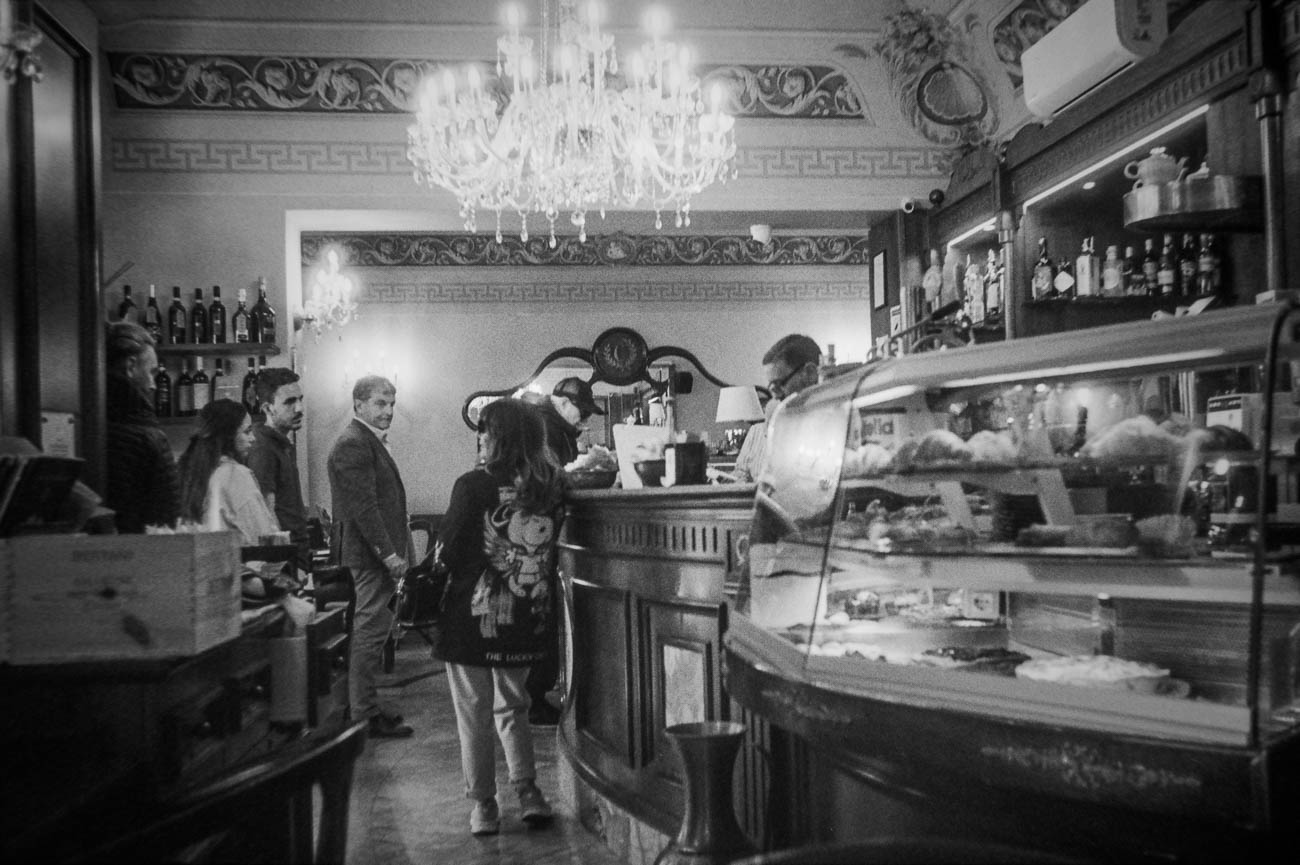
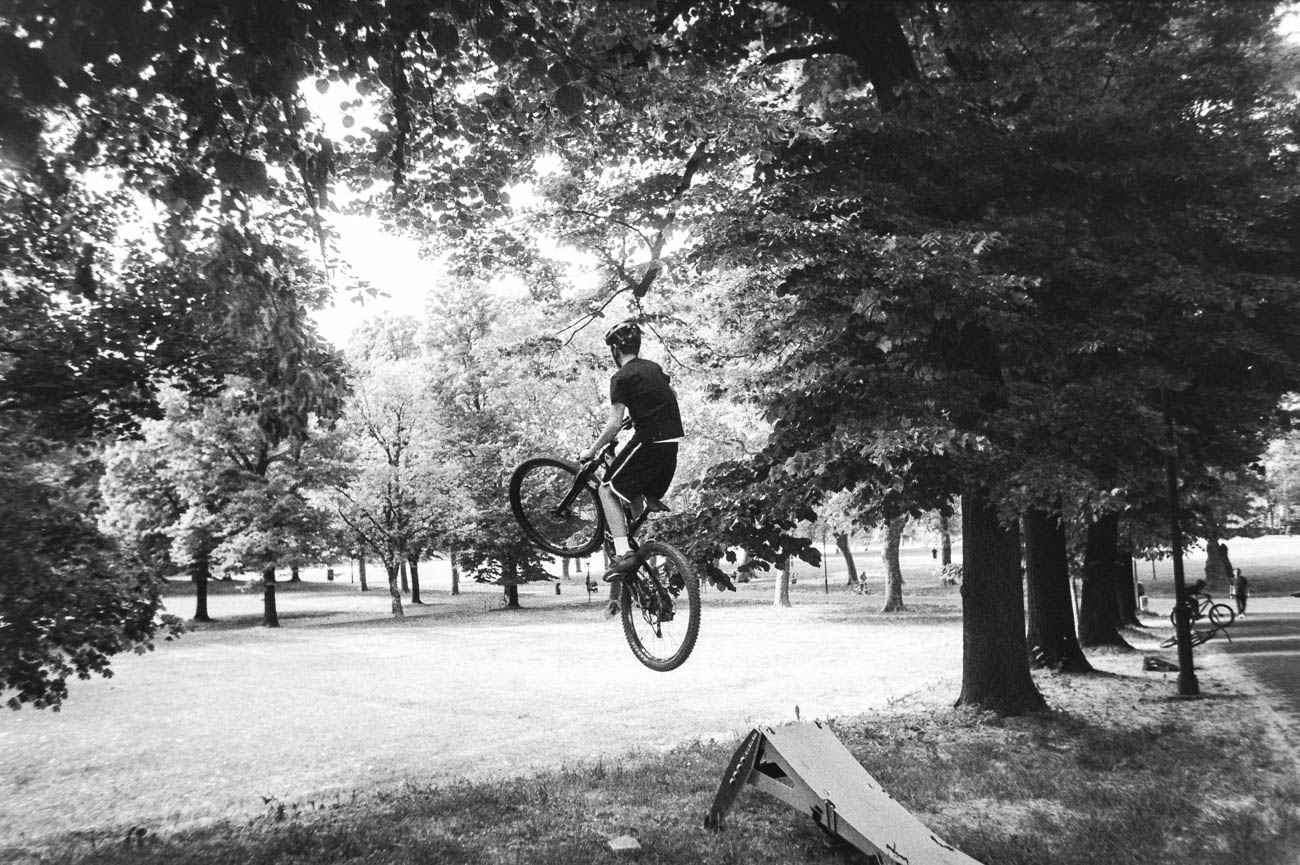
Below are three images from this first batch. I just included one from each roll. These were all shot on my M6 body, but using vintage screw mount lenses because this is the look I am after with film. This was a interesting and worthwhile exercise so far and I am enjoying it.
Starting with film, vintage glass, M film body, adapting lenses, Developing, and Scanning, is a lot to bite off in one go. There is a lot to learn. Much of it for me is both unexpected and subtle, but having profound effects on the outcome I am getting. So much to learn. I will post about these items in a post in the next day or two as I am sure there are those here who can contribute to my understanding, and others that might benefit from this exercise.
In any case, here are the first three images that I shot, developed, and scanned myself. Enjoy...
p.2 #11 · Learning the Leica M6,Leica IIIf and shooting film
bjhurley wrote:
Those look great!
Thanks for the encouraging comments. I am loving the vintage glass, and the glow some of them produce (cafe scene), but need to learn to embrace the film grain.
p.2 #12 · Learning the Leica M6,Leica IIIf and shooting film
1bwana1 wrote:
Thanks for the encouraging comments. I am loving the vintage glass, and the glow some of them produce (cafe scene), but need to learn to embrace the film grain.
Monobath tends to accentuate grain, so if you eventually try other developers with the same film you might end up with less. HP5 can be pretty grainy but much depends on the exposure and the developer.
But in my view, anyway, black and white photos are a fantasyland to begin with: only people who are completely colourblind see the world this way so I never feel the need for realism. For me, grain is part of the surreality of B&W film and in most cases I like to see it. I do shoot some fine-grain B&W films and like that look as well (I have a roll of RPX 25 in one of my cameras right now), but mostly I like to see grain. It's very much a personal preference. I hate seeing grain in colour film and shot ISO 64 and 100 slide film exclusively for 30 years because of that. But B&W is different for me.
p.2 #13 · Learning the Leica M6,Leica IIIf and shooting film
Here's an example of HP-5 developed in Adox Syrup 110 with minimal agitation.
M4-2, Voigtlander 35 1.4 Nokton Classic SC V2, #15 Yellow filter
Sony A7CII, FE90 2.8 Macro, Negative Supply Pro Carrier 135, Negative Lab Pro Linear Gamma Profile, no other adjustments
p.2 #14 · Learning the Leica M6,Leica IIIf and shooting film
madNbad wrote:
Here's an example of HP-5 developed in Adox Syrup 110 with minimal agitation.
M4-2, Voigtlander 35 1.4 Nokton Classic SC V2, #15 Yellow filter
Sony A7CII, FE90 2.8 Macro, Negative Supply Pro Carrier 135, Negative Lab Pro Linear Gamma Profile, no other adjustments
p.2 #15 · Learning the Leica M6,Leica IIIf and shooting film
bjhurley wrote:
Monobath tends to accentuate grain, so if you eventually try other developers with the same film you might end up with less. HP5 can be pretty grainy but much depends on the exposure and the developer.
But in my view, anyway, black and white photos are a fantasyland to begin with: only people who are completely colourblind see the world this way so I never feel the need for realism. For me, grain is part of the surreality of B&W film and in most cases I like to see it. I do shoot some fine-grain B&W films and like that look as well (I have a roll of RPX 25 in one of my cameras right now), but mostly I like to see grain. It's very much a personal preference. I hate seeing grain in colour film and shot ISO 64 and 100 slide film exclusively for 30 years because of that. But B&W is different for me....Show more →
I have had some very fine grain results using Cinestll DF 96 Monobath - it really depends on the film used. Some work better than others with the 'one stop shop' process.
But I agree - grain in B&W film is a part of the charm. Mainly because you are seeing actual grain. Colour film uses a dye process so the grain you see when enlarged looses fidelity as you start to see the colours separate.
@1bwana1 - Steve if this is how your beginning stuff looks, cannot wait until you get into the groove!
p.2 #16 · Learning the Leica M6,Leica IIIf and shooting film
1bwana1 wrote:
Looks nice. I will have to give alternative chemistry a try.
Stay with the monobath. You already have cameras that will deliver excellent, grain free images. The grain adds to the image and gives it a sense of timeliness.
p.2 #17 · Learning the Leica M6,Leica IIIf and shooting film
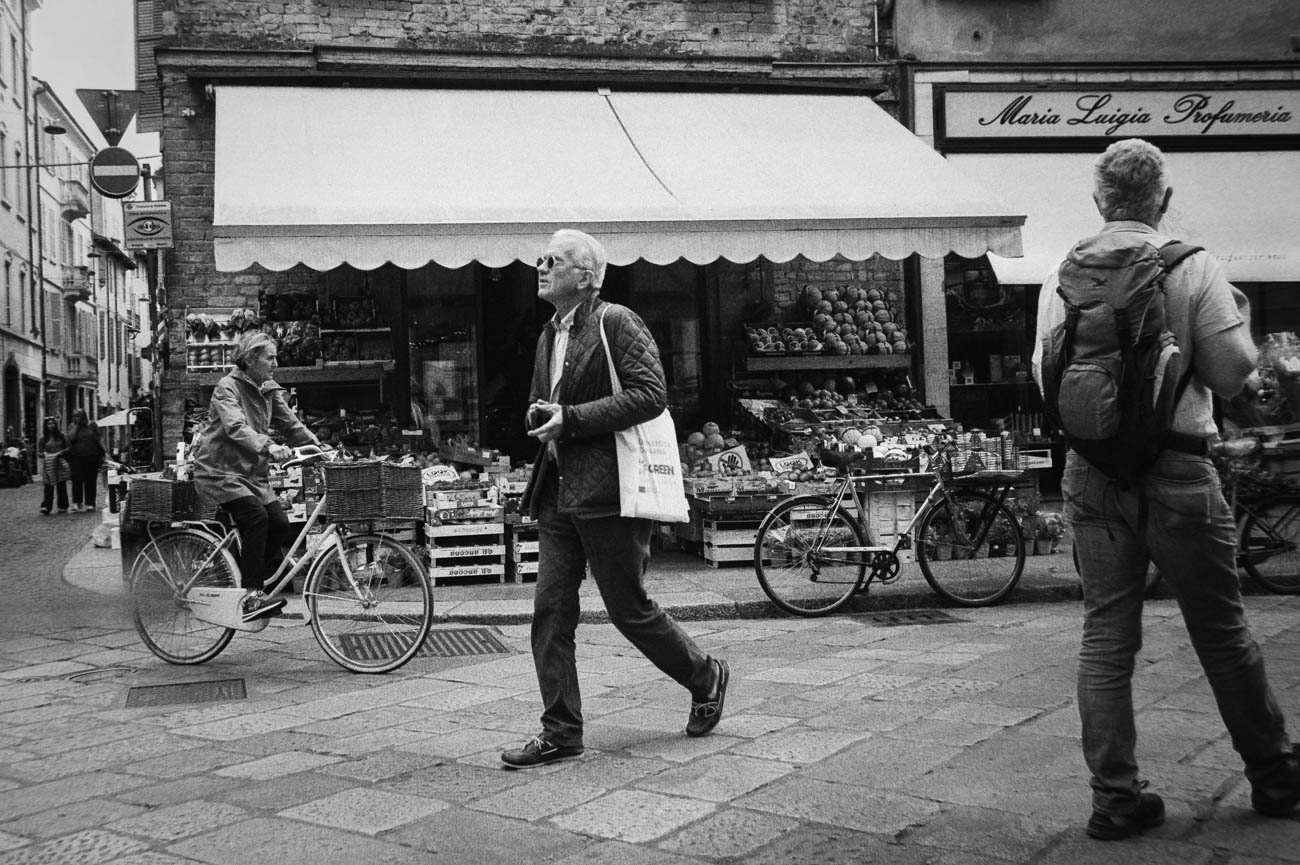
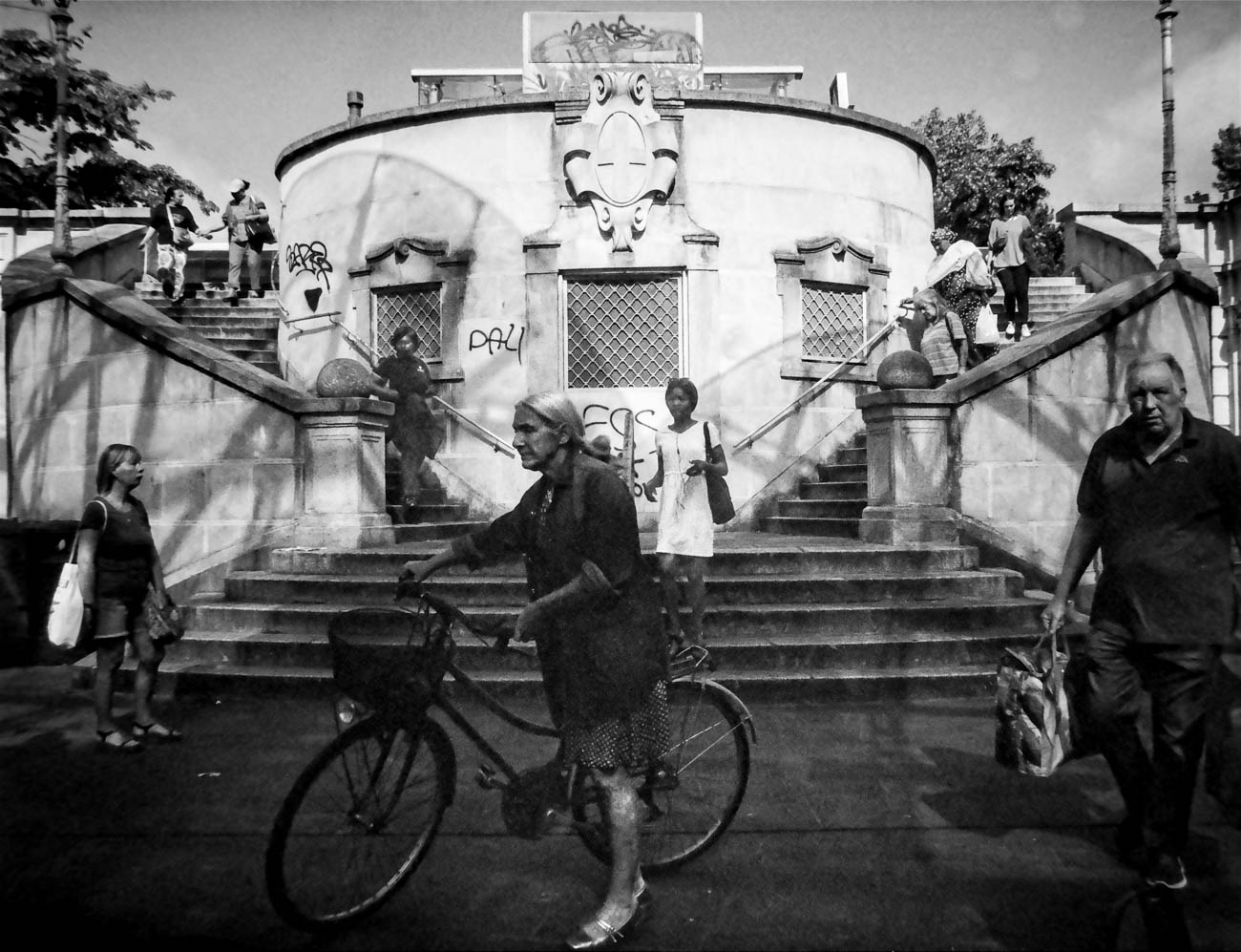
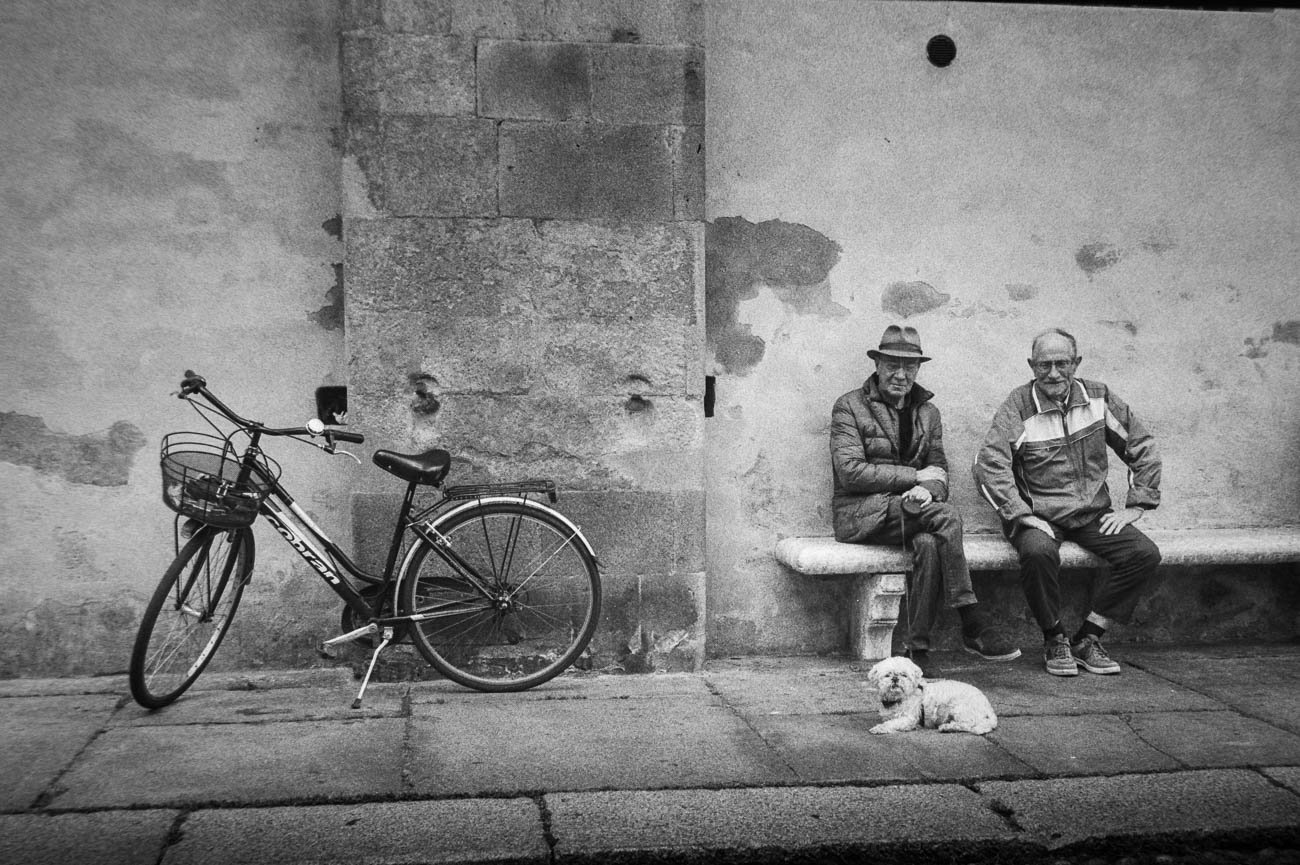
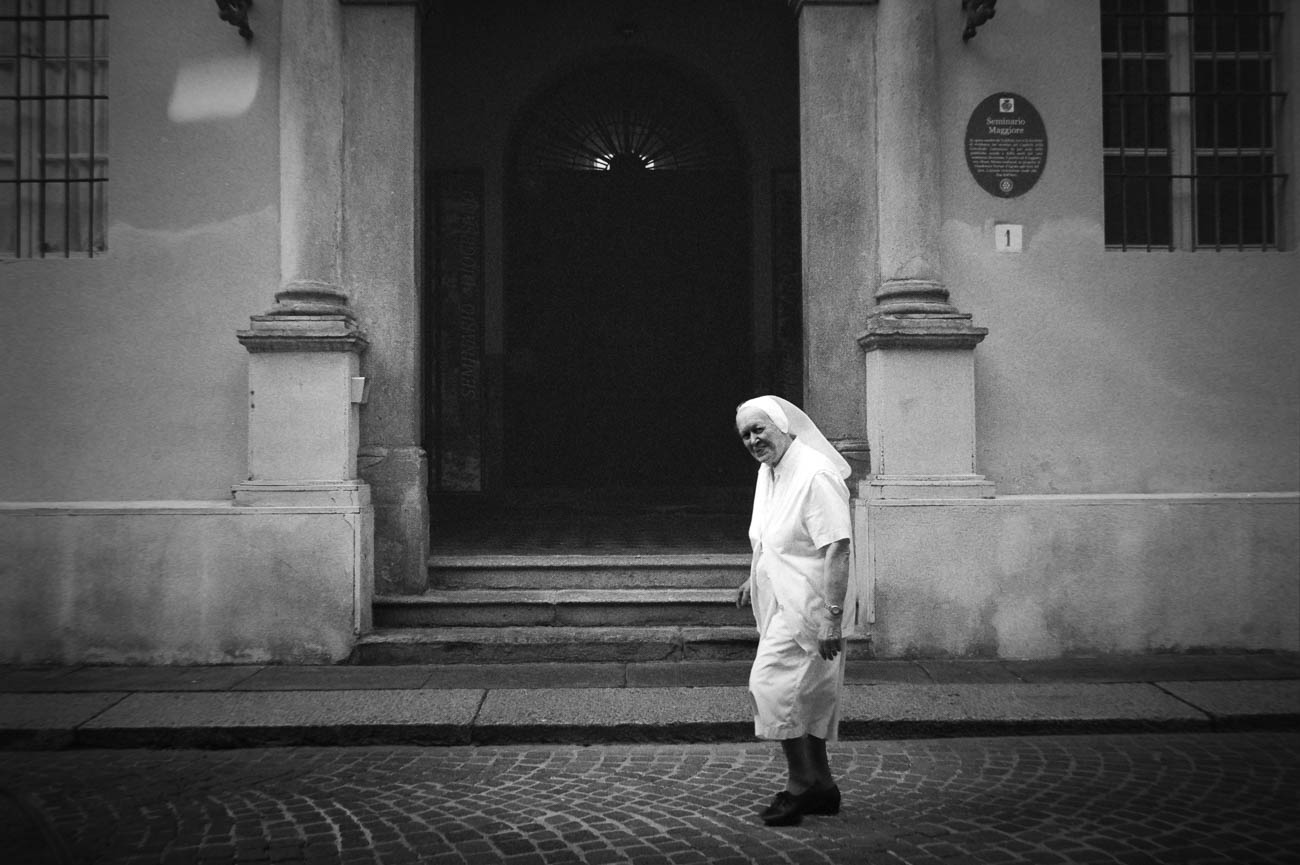
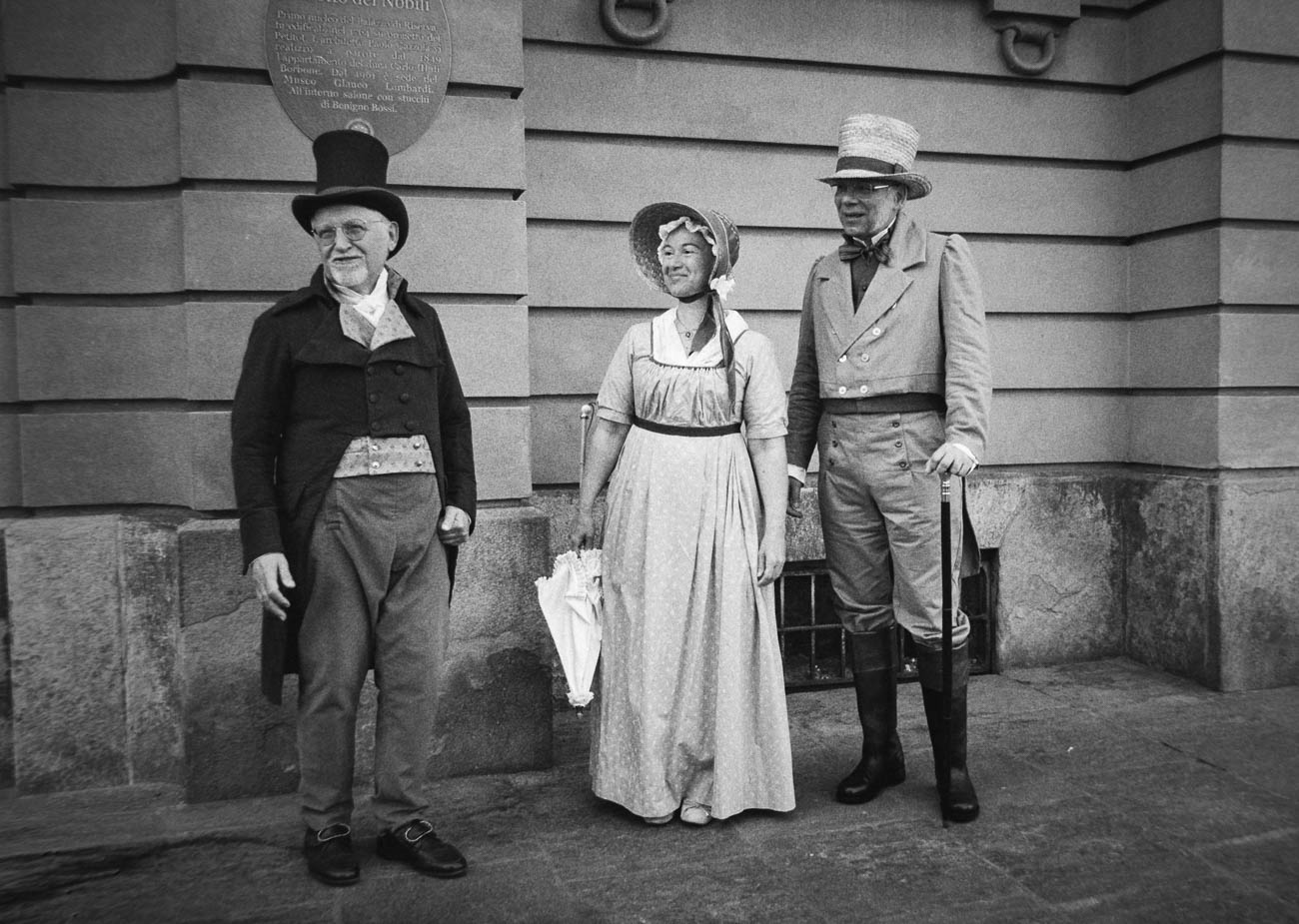
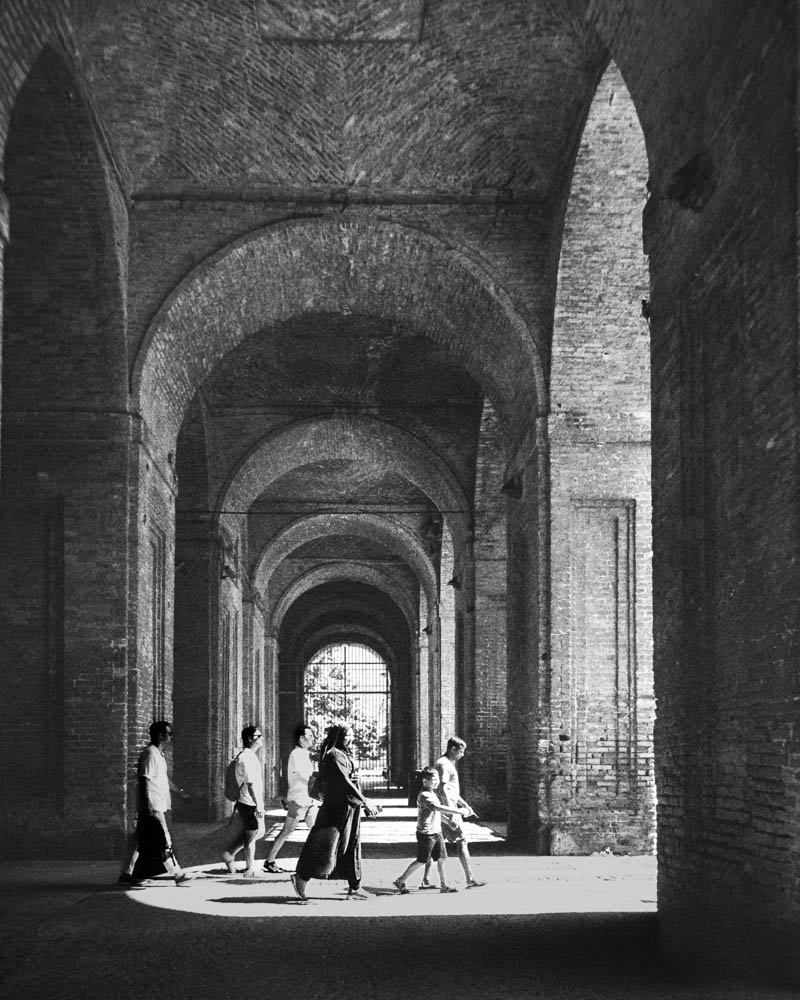
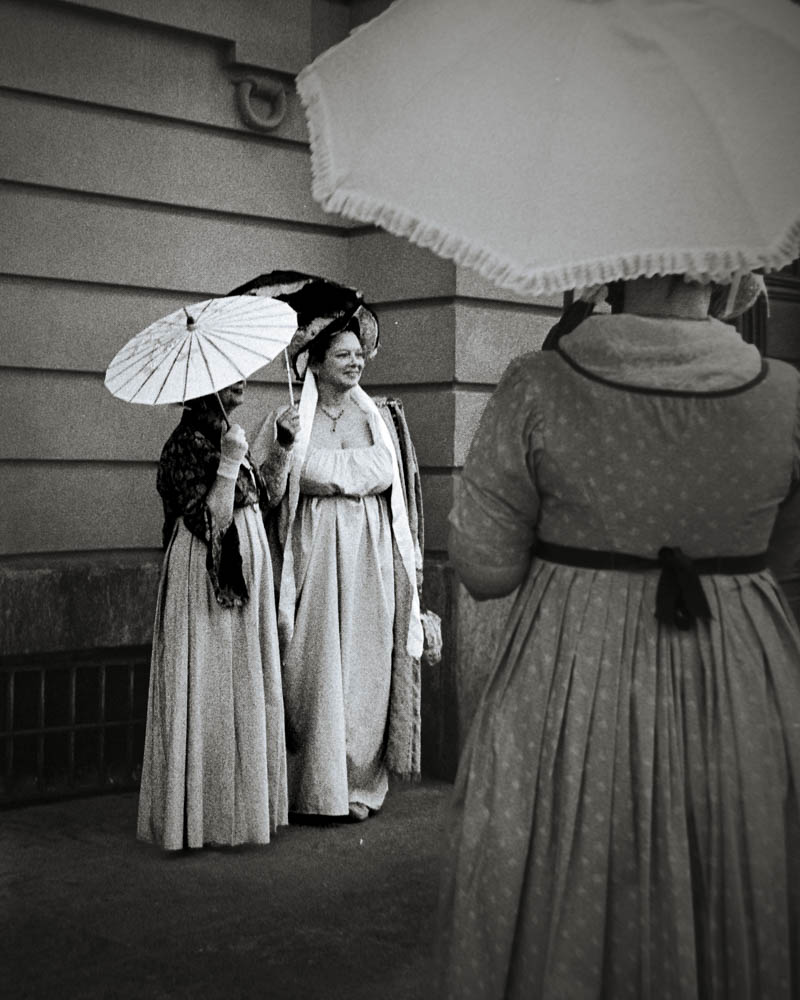
Some more from the first batch of film. Capturing the street life in Parma in an authentic style that matches the esthetics of our city was the primary driver of my experiments with film. I just can't get this out of digital.
p.2 #18 · Learning the Leica M6,Leica IIIf and shooting film
Impressive .. and more so with the story told throughout this thread. You seem to have captured a spirit..and environment and the people…thanks for sharing.
p.2 #20 · Learning the Leica M6,Leica IIIf and shooting film
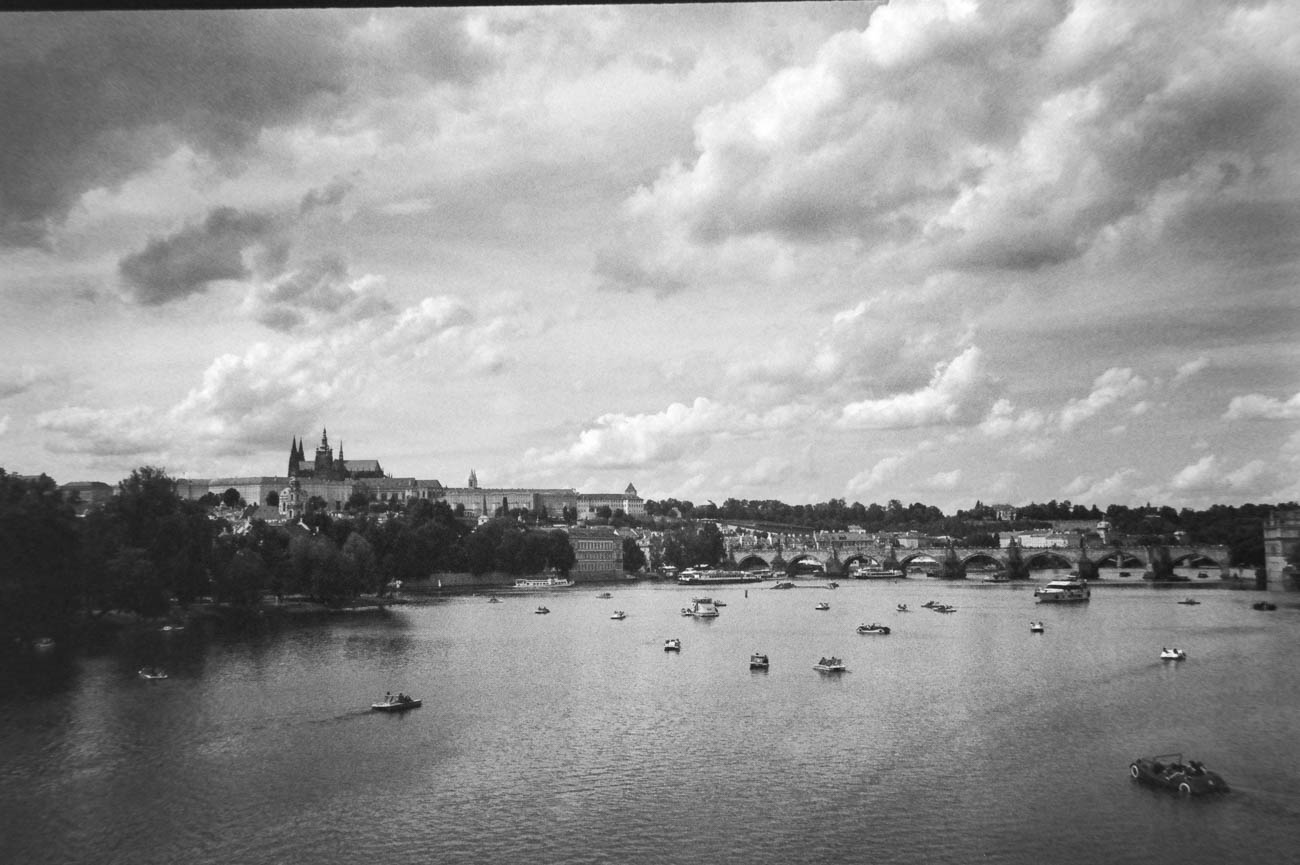
This image was scanned using my 28mm APO-SL and extension tube. The Valoi will not let me get close enough to focus when using enough extension tubes for a full 1:1 60mpx resolution. I end up with about 20% more resolution the with the 50mm but still not enough. It looks like a full 1:1 macro lens for L mount is definitely in my future .
I have to go to Milan tomorrow anyways so I will test some while I am there.