fredmiranda.com
Login

Moderated by: Fred Miranda
  New fredmiranda.com Mobile Site
  New Feature: SMS Notification alert
  New Feature: Buy & Sell Watchlist
  

FM Forums | Leica & Alternative Gear | Join Upload & Sell
1       2       3              end
  

Light Lens Lab 50mm f/1.9 "Rigid-ZS6" Review


tommmi
Offline
• •
Upload & Sell: Off
p.4 #1 · Light Lens Lab 50mm f/1.9 "Rigid-ZS6" Review


Fred Miranda wrote:
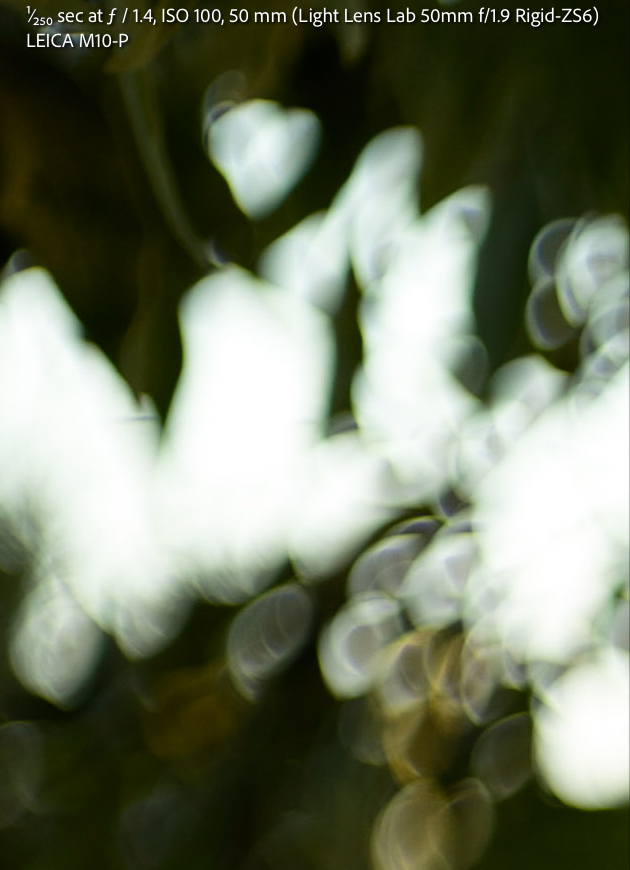
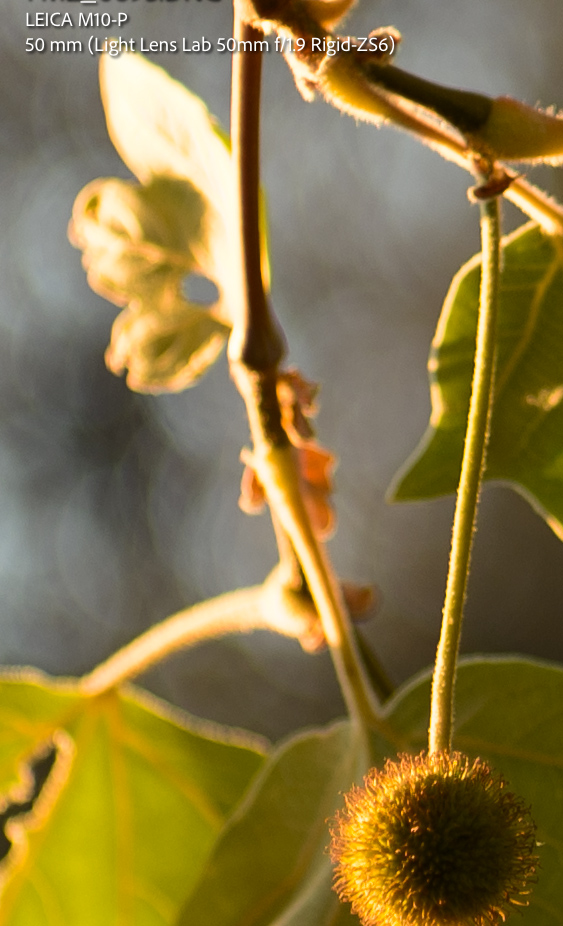
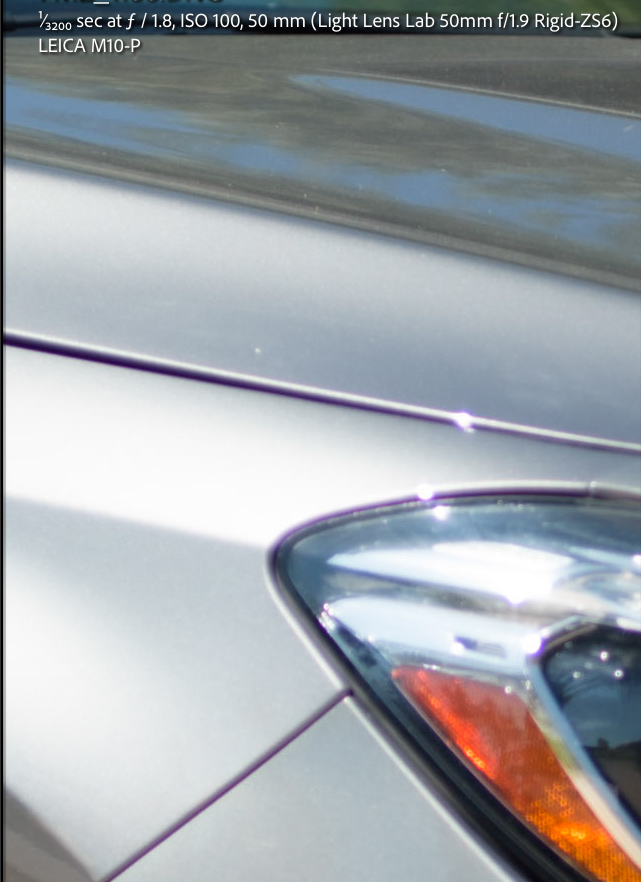
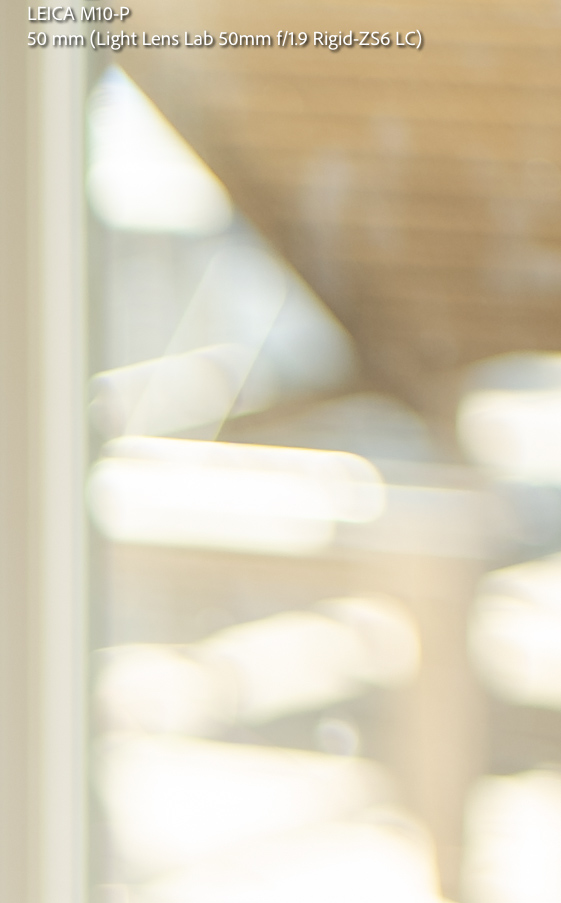
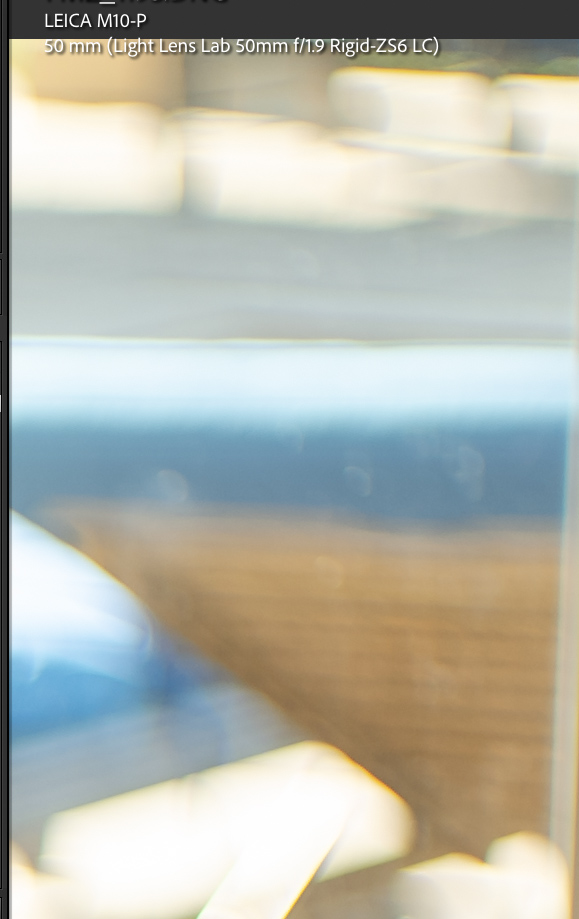
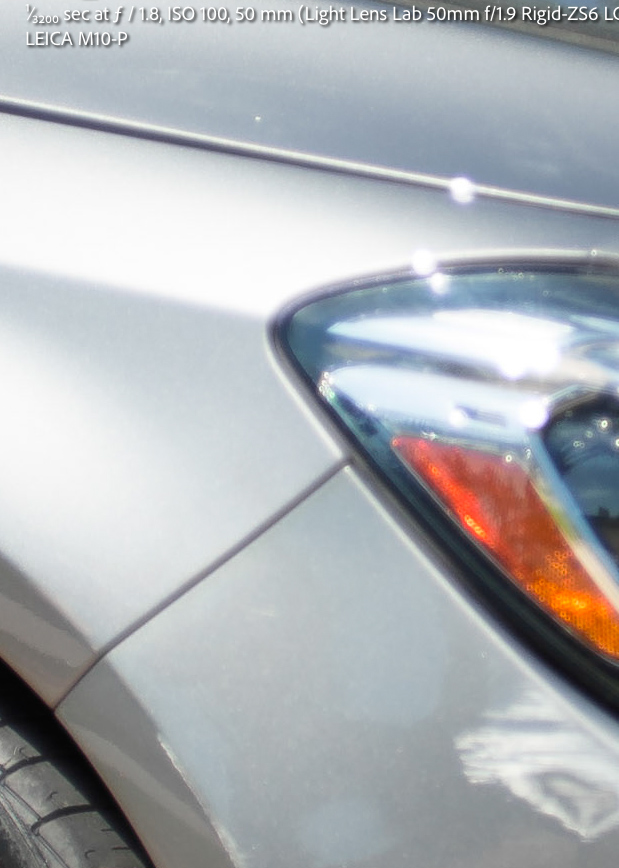
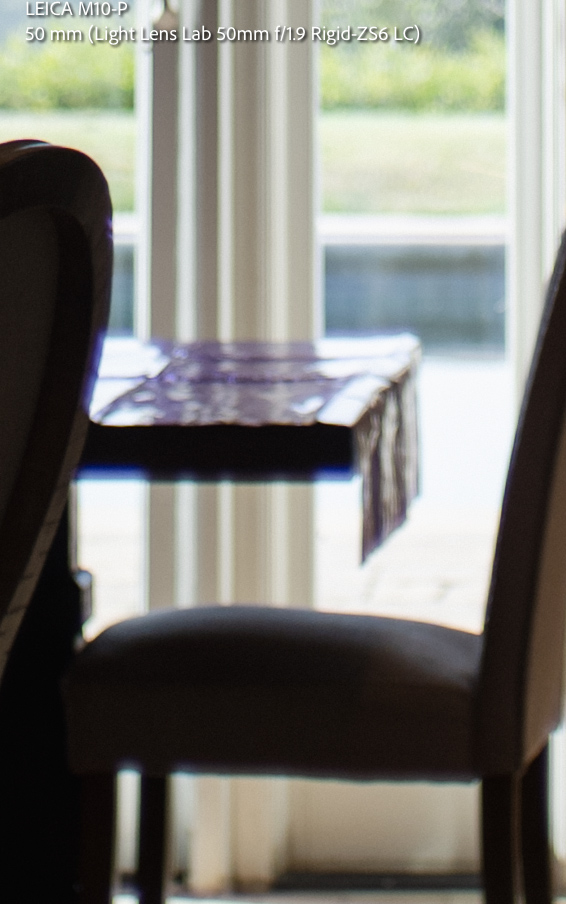
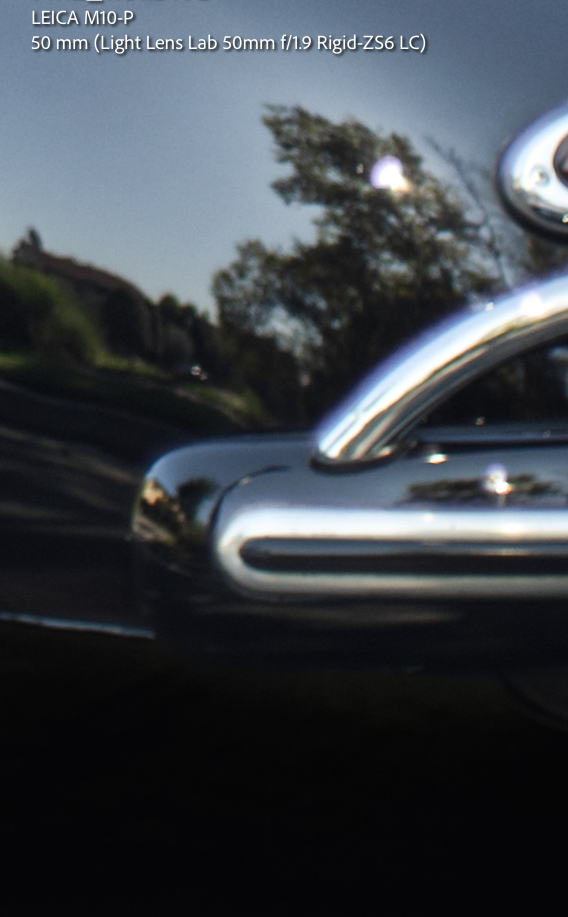
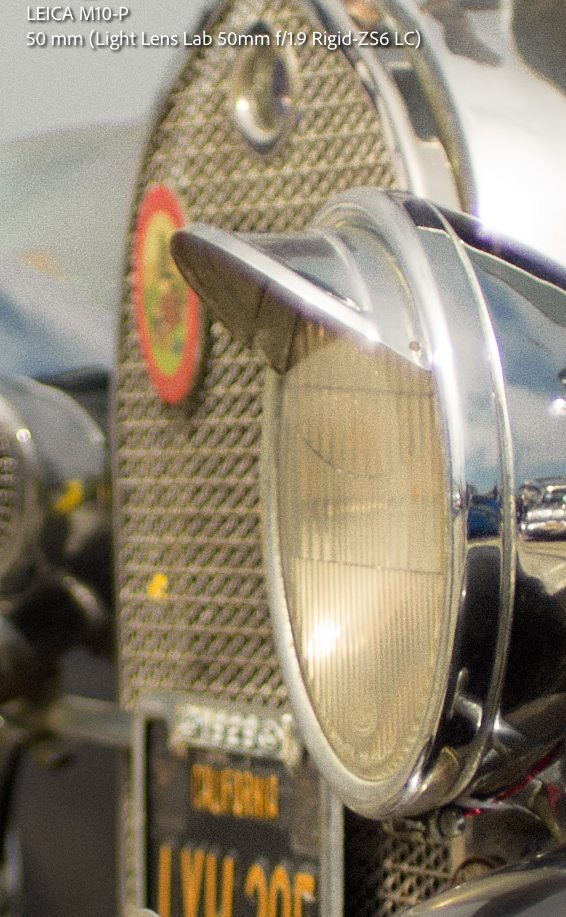
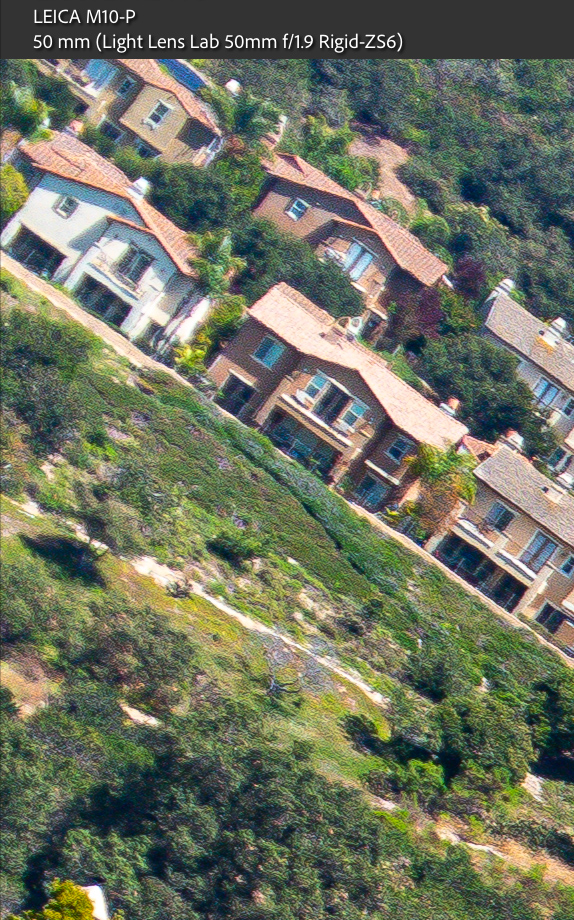
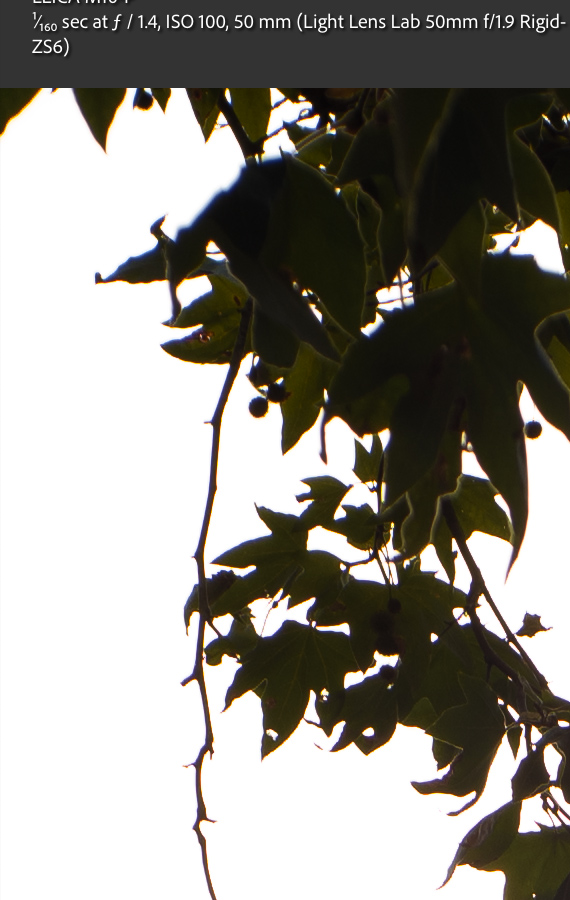
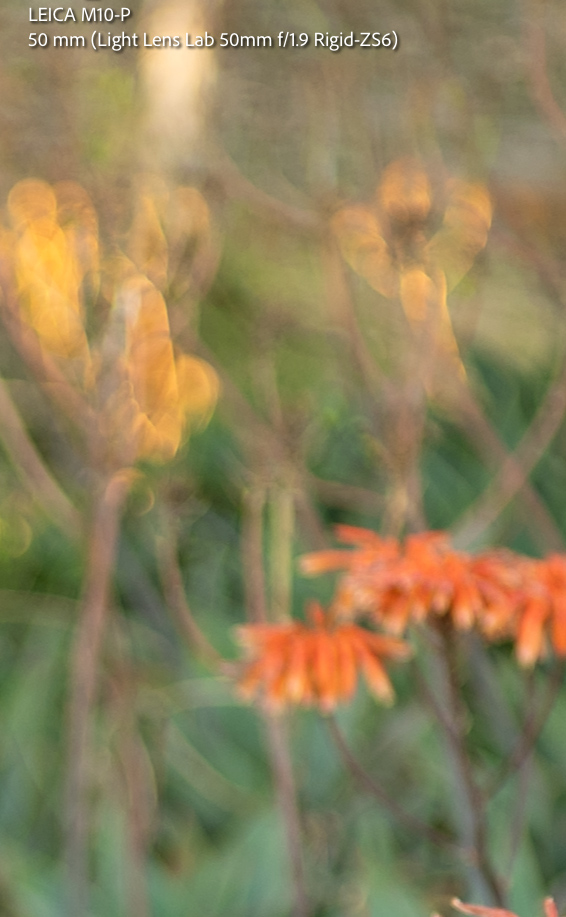
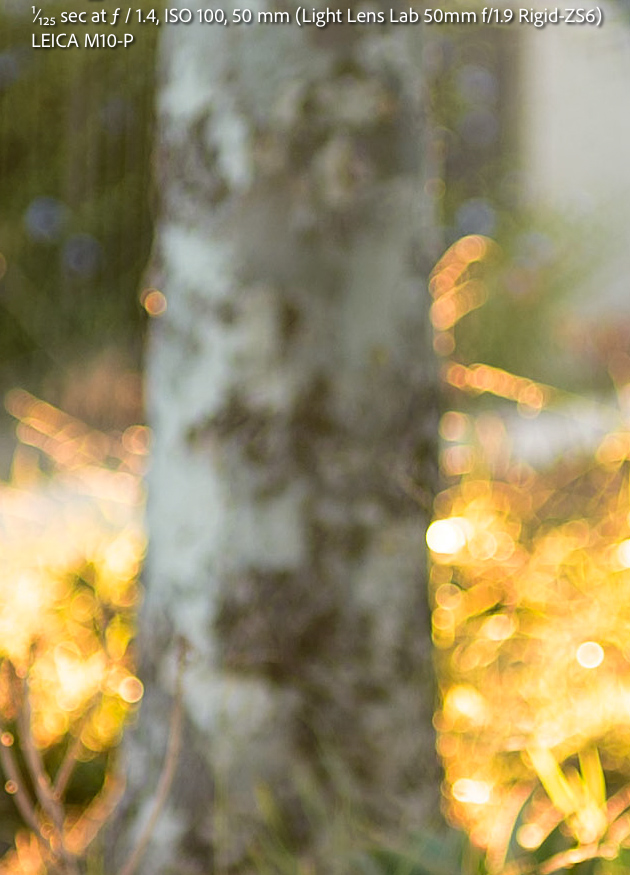
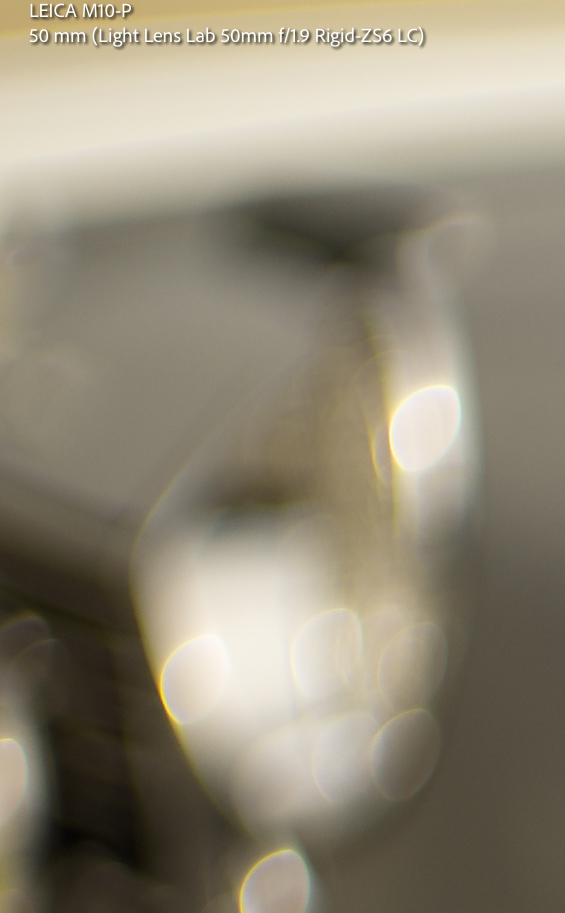
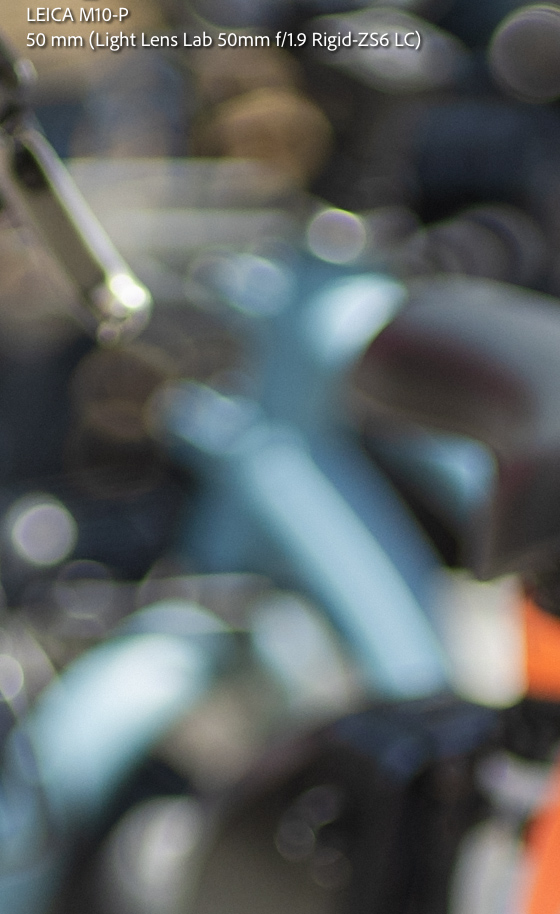
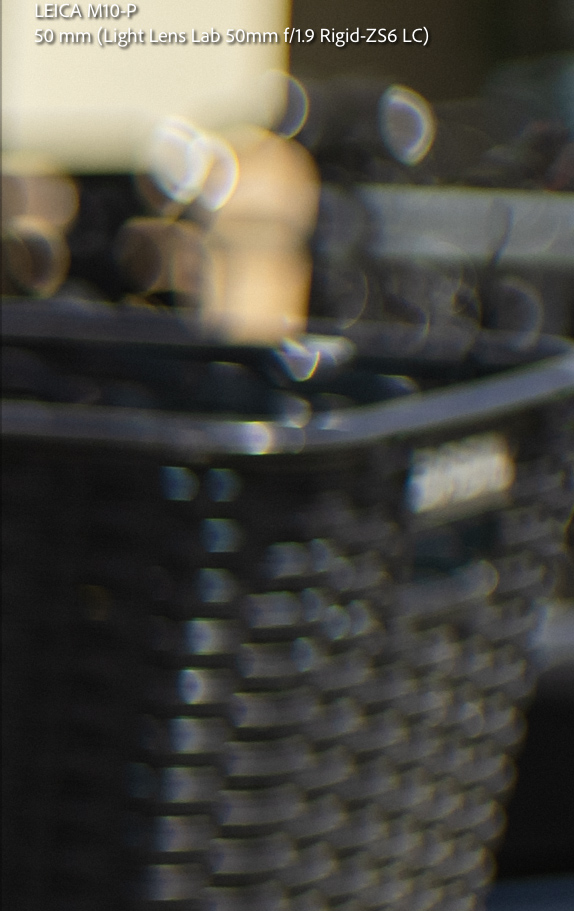
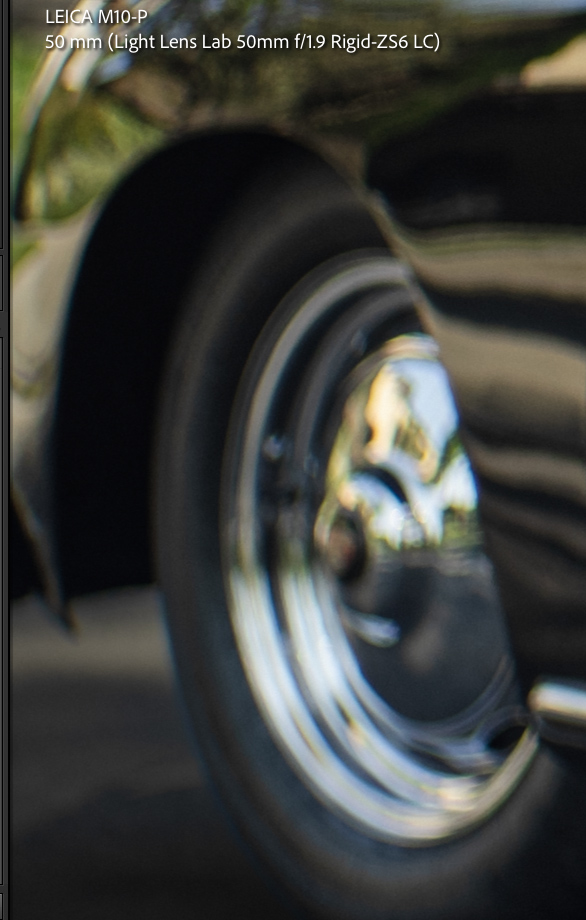
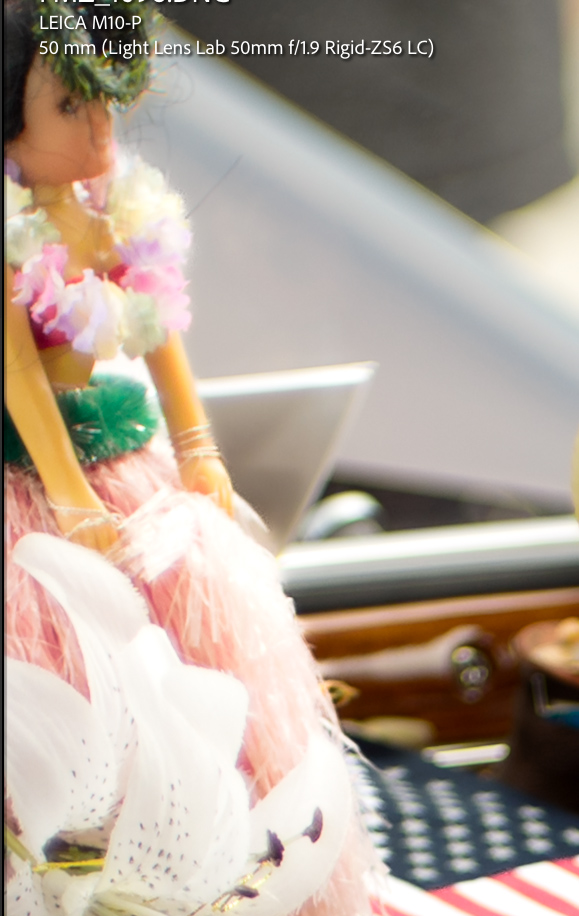
Here are some 100% pixel-level crops illustrating the differences described above. The Low Contrast version (marked "LC") shows increased spherical aberration and stronger coma, while also exhibiting slightly reduced purple fringing around the plane of focus.

Exposure is identical between the two versions. Repeated tests under stable mid-day lighting consistently show no exposure difference.


Damn, especially the last picture of this set shows the trade-off between annoying level of purple fringing on standard version and the lower resolving power of LC version.

I just personally can't stand purple fringing. I've had too many lenses producing magenta ghosting and the time and effort dealing with it isn't my cup of tea. Some say it is easy to fix in post but what if it always isn't or if I don't want to post-process half of my photos just for that? Enough ranting..

For all these tests and sample images, I somehow like the standard version more but purple fringing is a deal breaker for me. Might pull the trigger for LC version at some point, but I'm currently pretty pleased with Z21 and SPII, so I can't justify ZS6 at this time (not to mention my other gear acquisitions lately..)

But I will keep an eye on this.


Jun 15, 2026 at 12:22 AM
Fred Miranda
Offline
Admin
Upload & Sell: On
p.4 #2 · Light Lens Lab 50mm f/1.9 "Rigid-ZS6" Review


damonnomonon wrote:
Thanks for the samples and review. I was considering getting this but there is just something about the bokeh that is not to my taste and I find hurts my brain. It's like a doubling effect. I rarely shoot wide open in daylight though because I only shoot film so probably wouldn't be an issue. I think my LLL 50mm f2 "rigid" is probably enough.


I'm planning to post a rendering comparison against the Leica 50mm f/2 Summicron-Rigid -- the OG.

From what I've seen so far, the overall rendering is actually more similar than different. The biggest distinction isn't the character of the blur or the transition zones, but rather the color temperature from the different coatings. One lens leans noticeably cooler, while the other produces a much warmer rendering. Once white balance is normalized, the gap narrows considerably.

It should make for an interesting comparison, especially since the Summicron-Rigid has long been regarded as one of Leica's classic reference lenses. It's one of my favorite Leica lenses, but I have to admit the ZS6's draw is growing on me. The more I use it, the more I appreciate its balance between sharpness and character. While the two lenses share more similarities than differences, the ZS6 manages to offer its own personality, which I can detect right away now.


Jun 15, 2026 at 11:06 AM
Fred Miranda
Offline
Admin
Upload & Sell: On
p.4 #3 · Light Lens Lab 50mm f/1.9 "Rigid-ZS6" Review


Back to Quick Links


Rendering Comparison: Light Lens Lab Rigid-ZS6 vs Leica 50mm f/2 Rigid vs LLL 50mm f/2 SP II


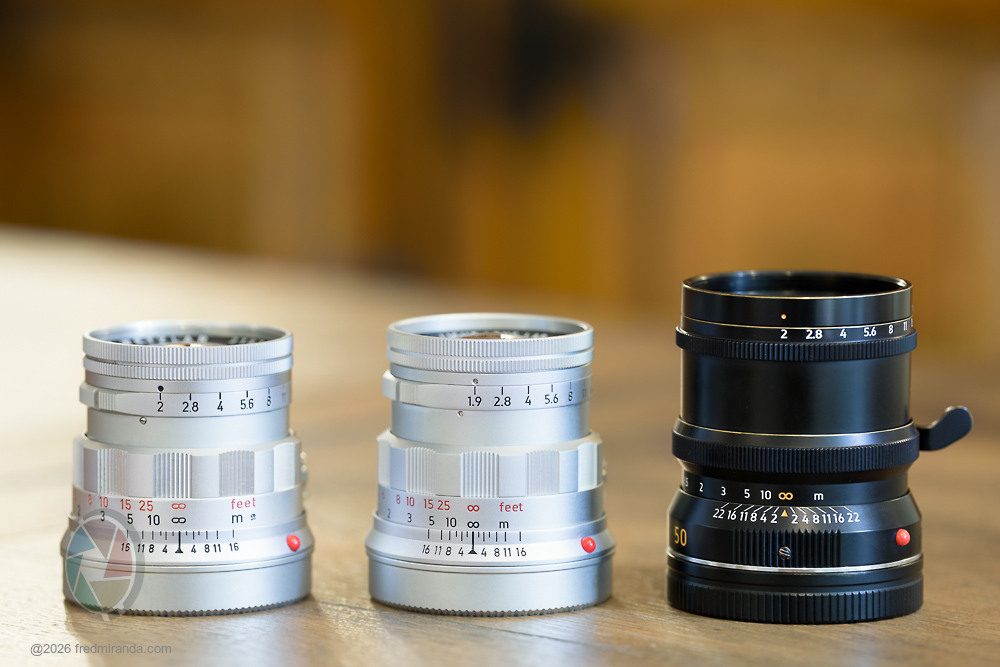
Leica 50mm f/2 Summicron-Rigid, Light Lens Lab 50/1.9 ZS6 and Light Lens Lab 50mm f/2 SP II


The Light Lens Lab 50mm f/1.9 Rigid ZS6 Low Contrast behaves essentially the same as the Standard version, with only a slight reduction in contrast due to slightly less correction of spherical aberration and coma. In real world use the difference is subtle and often comes down to personal preference. Compared to the Leica 50mm f/2 Summicron Rigid the rendering appears warmer, likely due to coating differences which Light Lens Lab notes are inspired by the original Dallmeyer Super Six 2 inch f/1.9. The ZS6 also has a slightly wider angle of view than the Leica.

The Light Lens Lab 50mm f/2 SP II also leans toward a warmer rendering in a similar way to the ZS6. It produces the most defined bokeh of the group with more outlined highlights that remain fairly round even toward the edges thanks to relatively low optical vignetting, which is part of its character. Detail rendering is strong both in the center and off axis but like the other lenses at f/2 it maintains a gentler contrast that keeps the overall look smooth while still retaining good resolution.

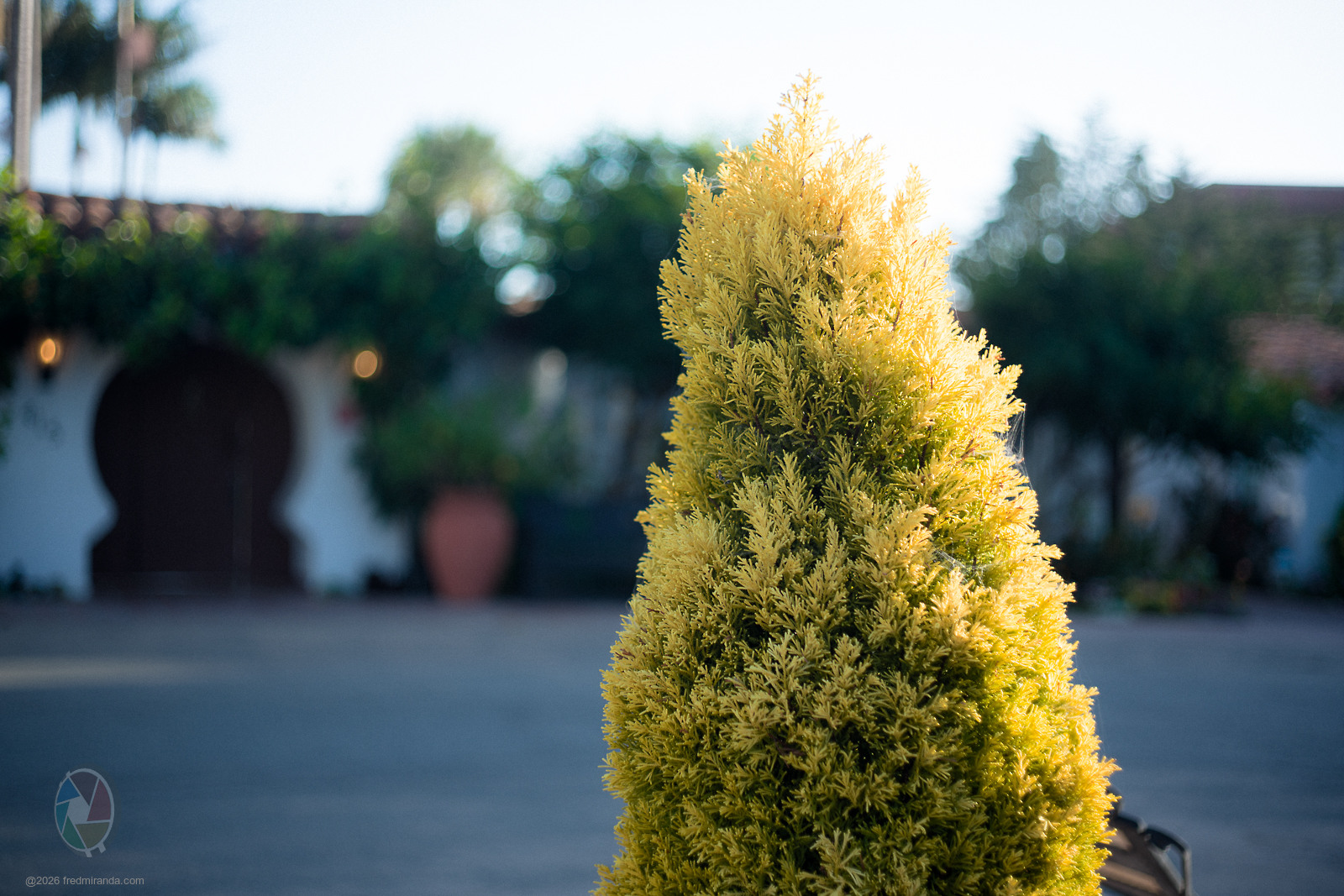
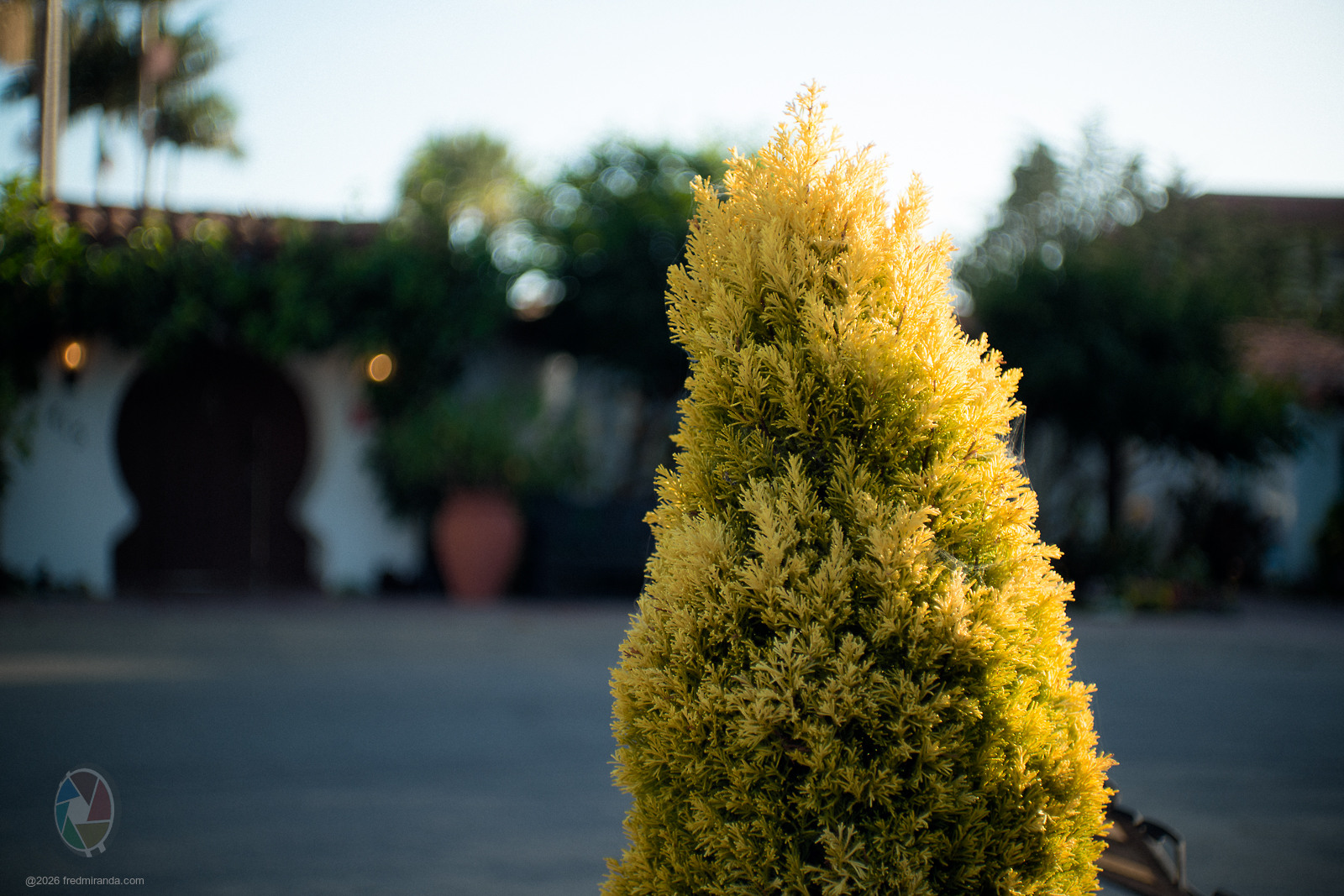
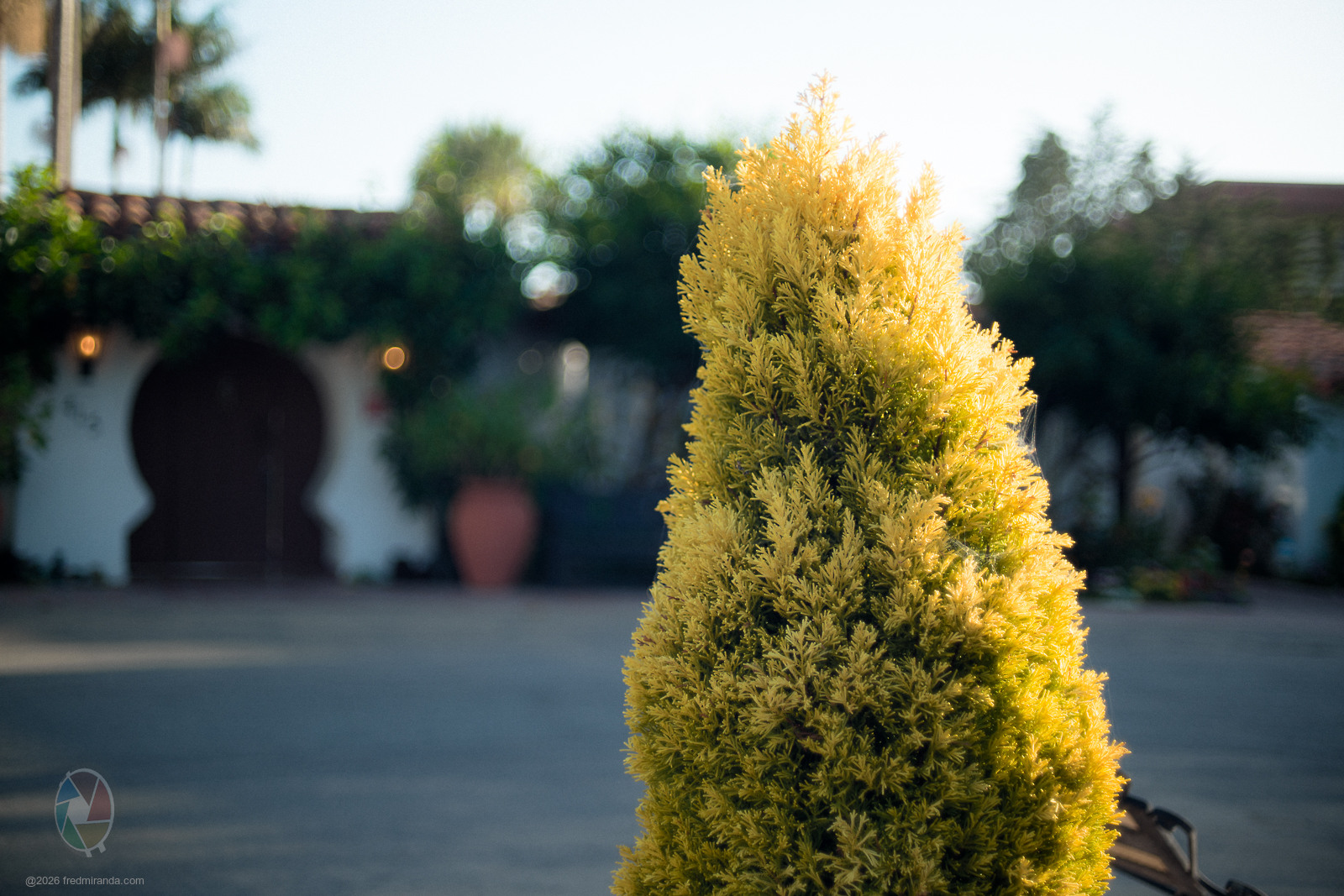
I will present resized images for each scene shot in 9am lighting in the following order with each scene showing four lenses for direct comparison.

⦿ Leica 50mm f/2 Summicron-Rigid at f/2
⦿ Light Lens Lab 50mm f/1.9 Rigid-ZS6 at f/1.9
⦿ Light Lens Lab 50mm f/2 SP II at f/2

Each scene will follow the same sequence so rendering differences can be compared consistently under identical lighting and framing. All images were shot on a tripod, allowing for reliable comparison of field of view and uncorrected vignetting. The same sharpening settings (40, 0.7, 20, 50) were applied across all frames, and the Adobe Color profile was used for every image to keep processing consistent.

Important point: white balance is identical across all images, set to Daylight. No post adjustments were applied, so any differences in color temperature are coming directly from the lenses themselves, not from processing or correction.


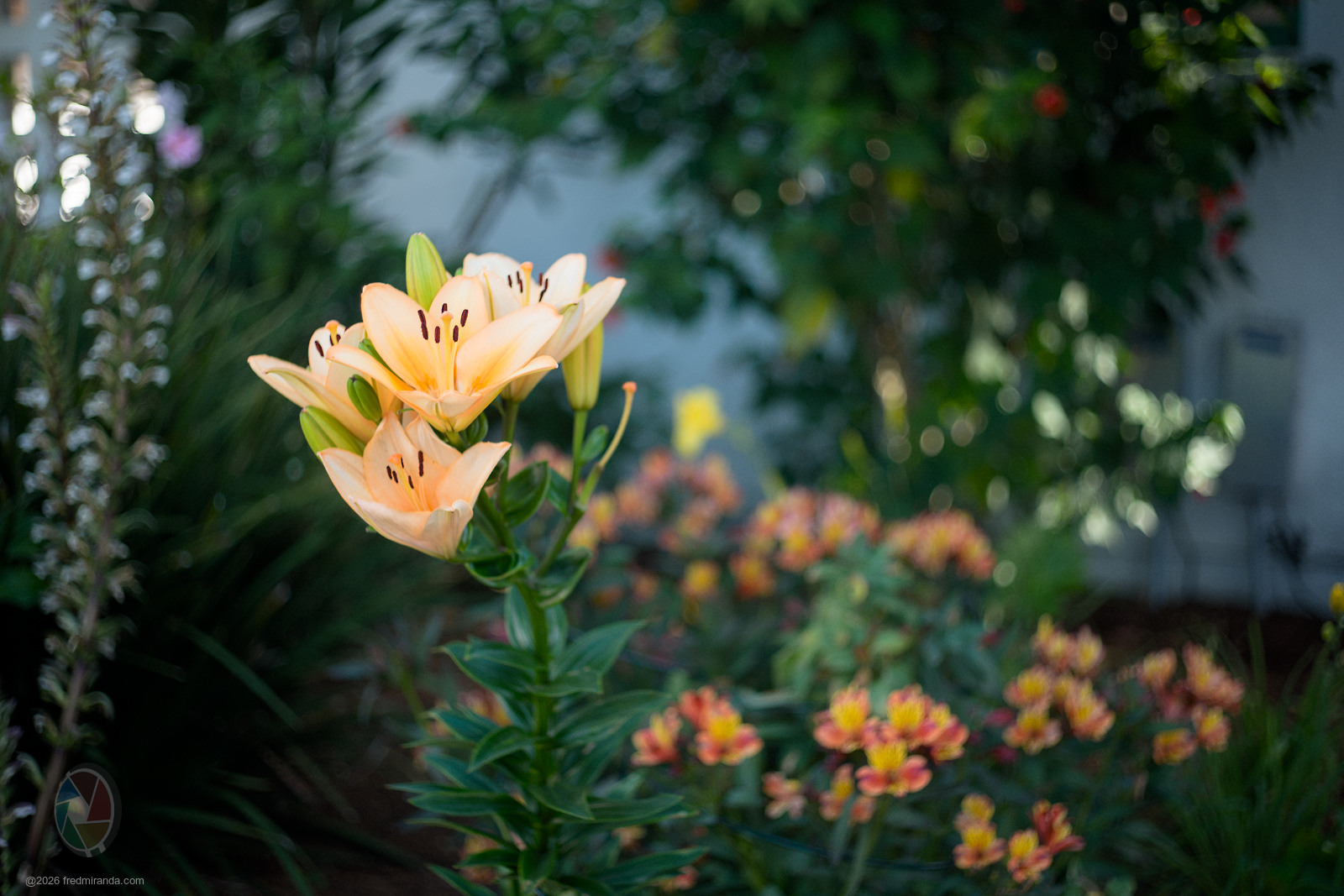
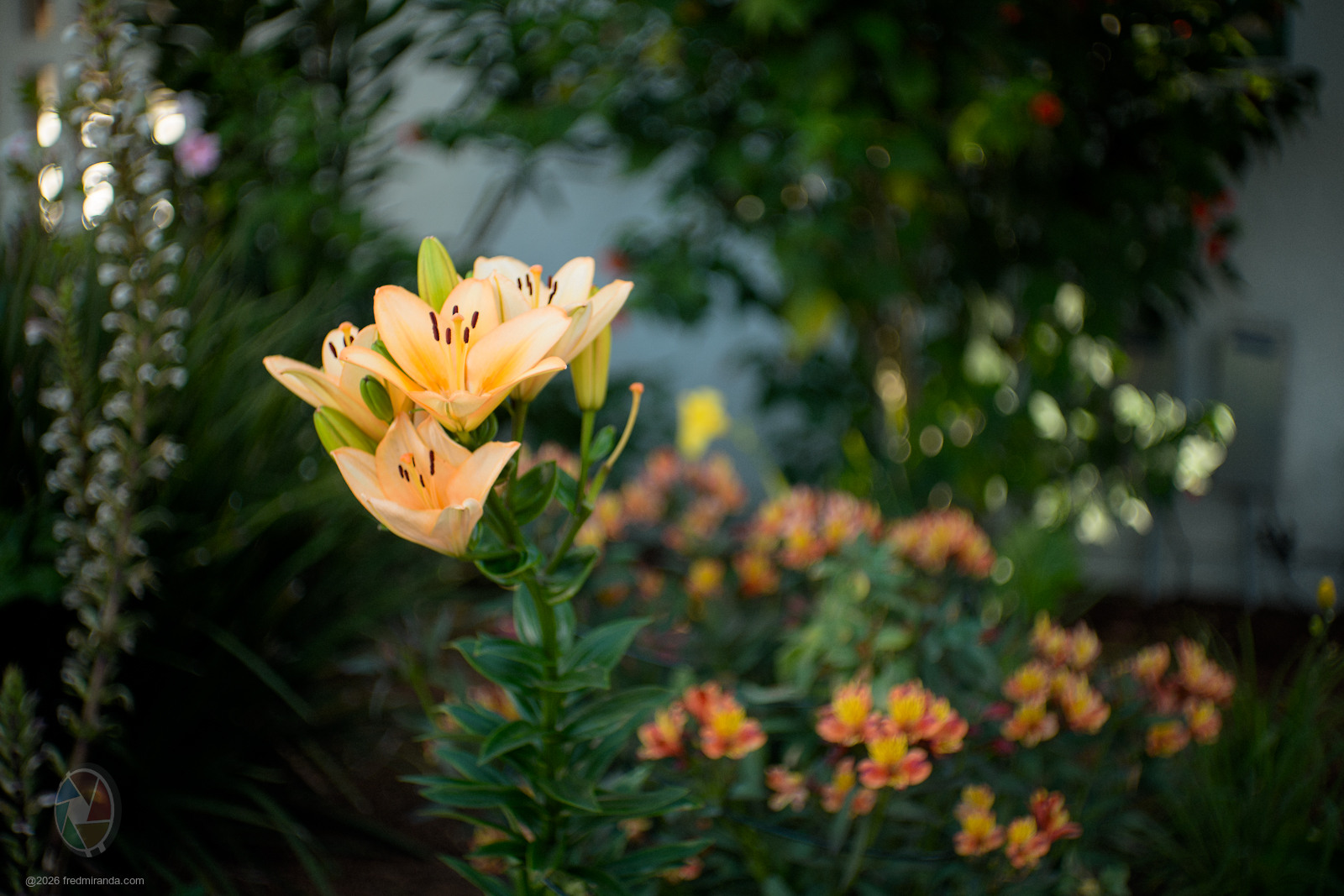
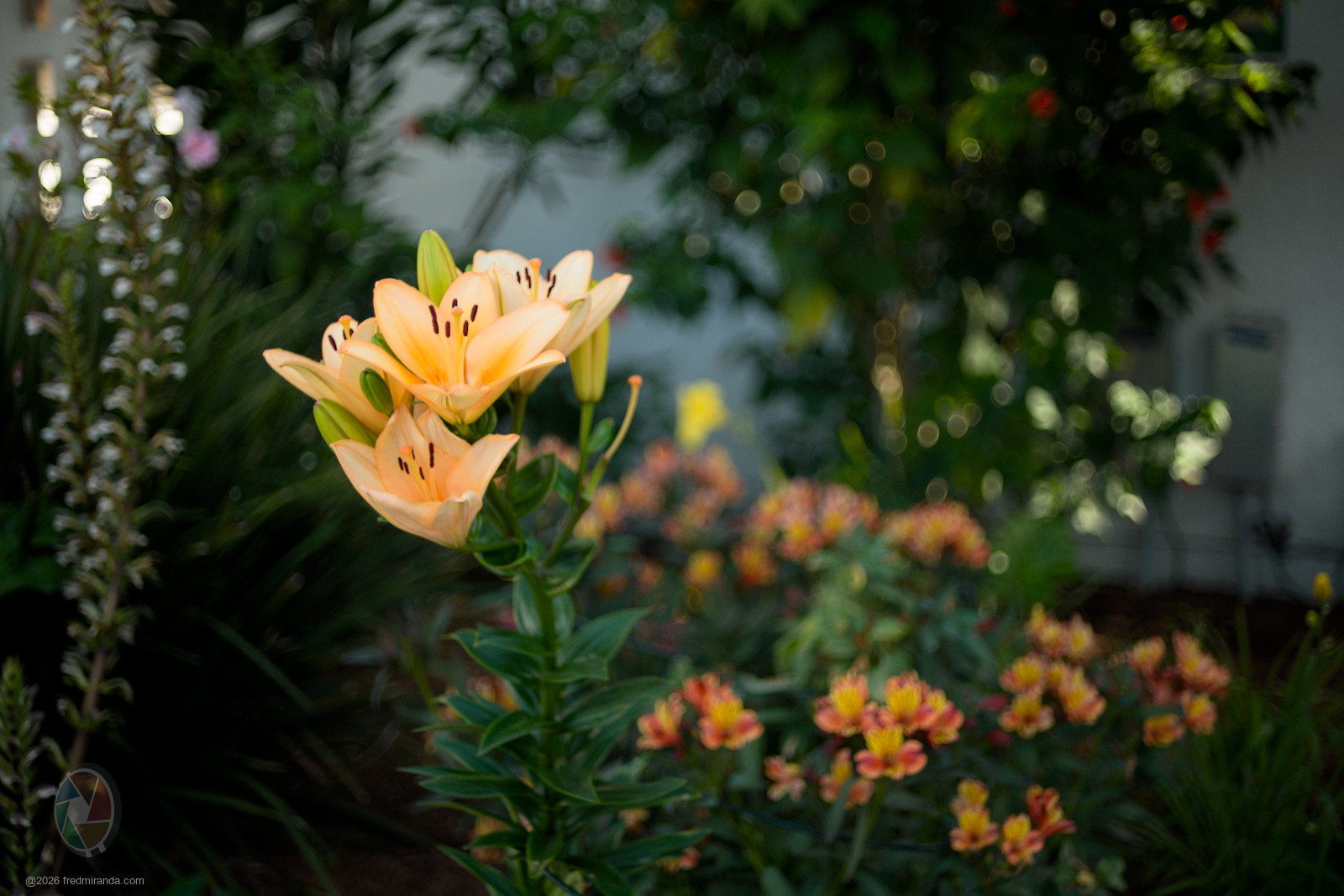
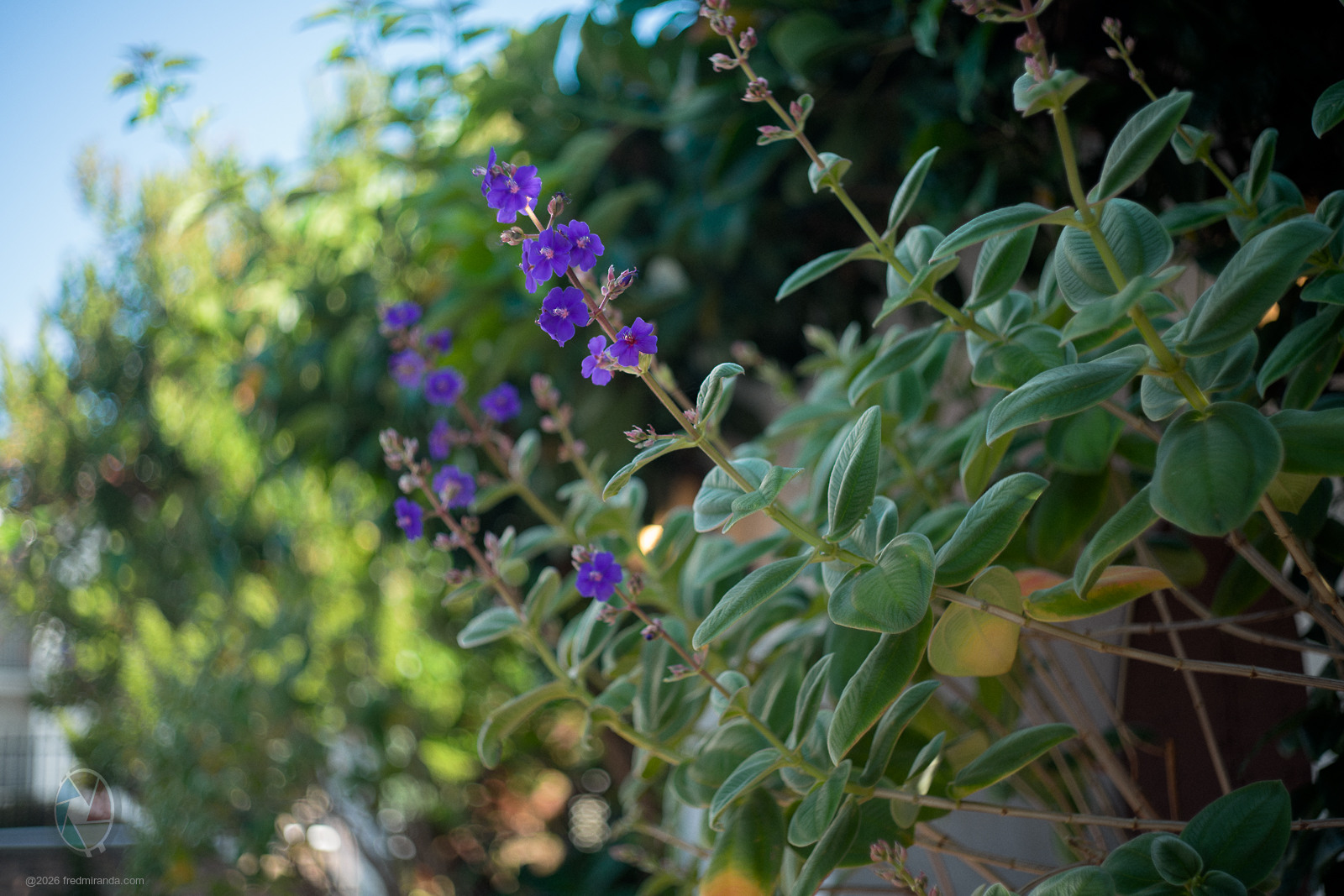
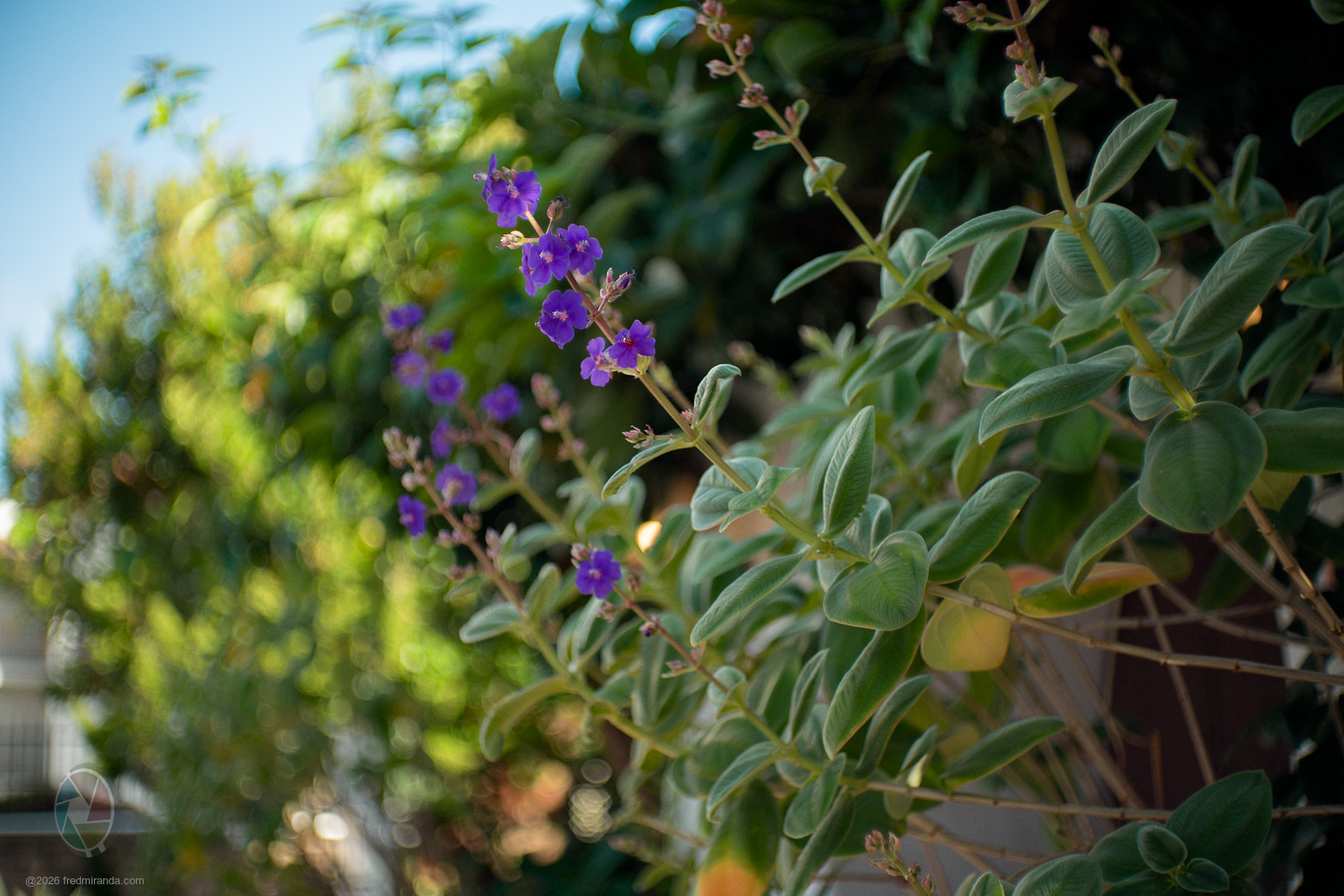
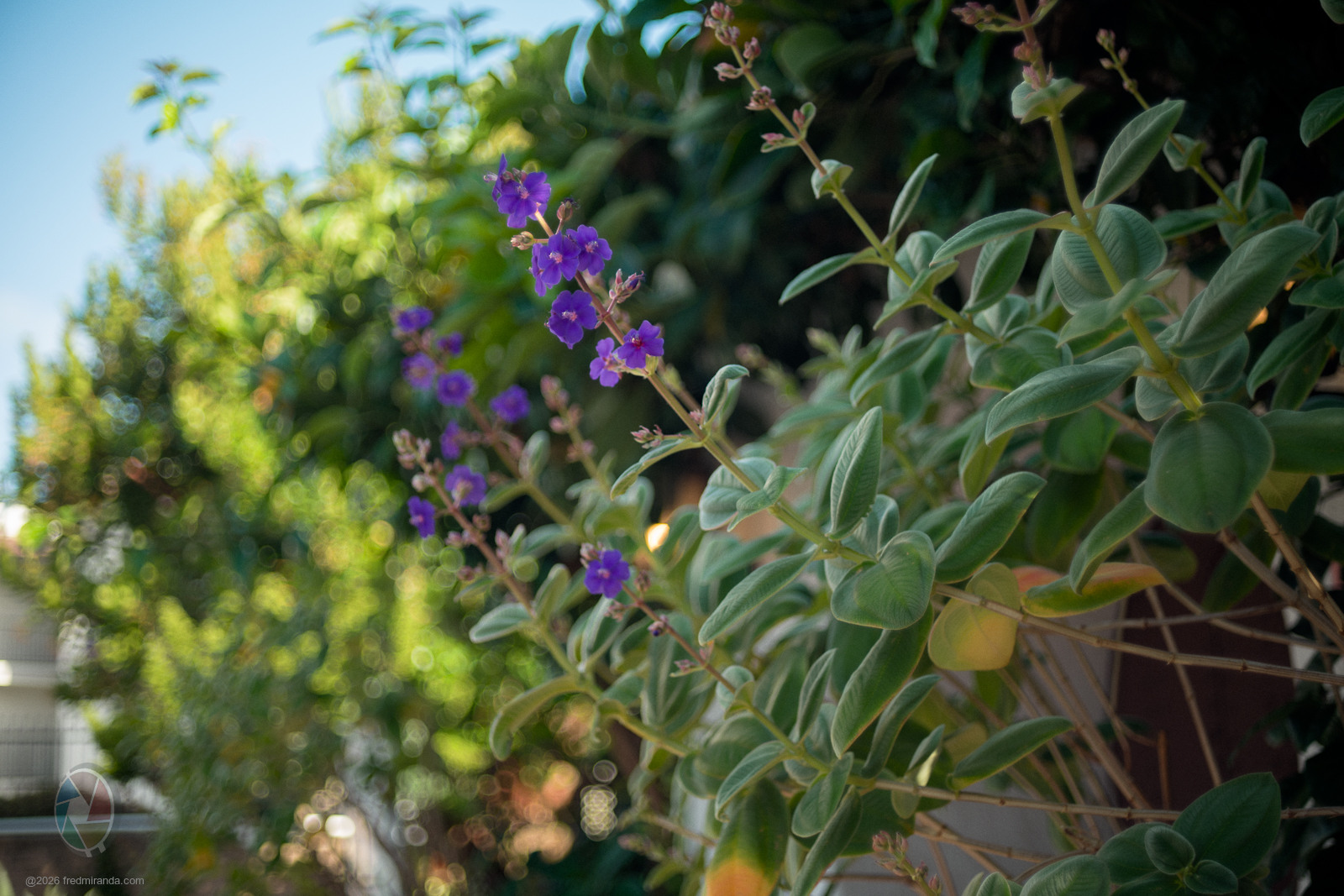
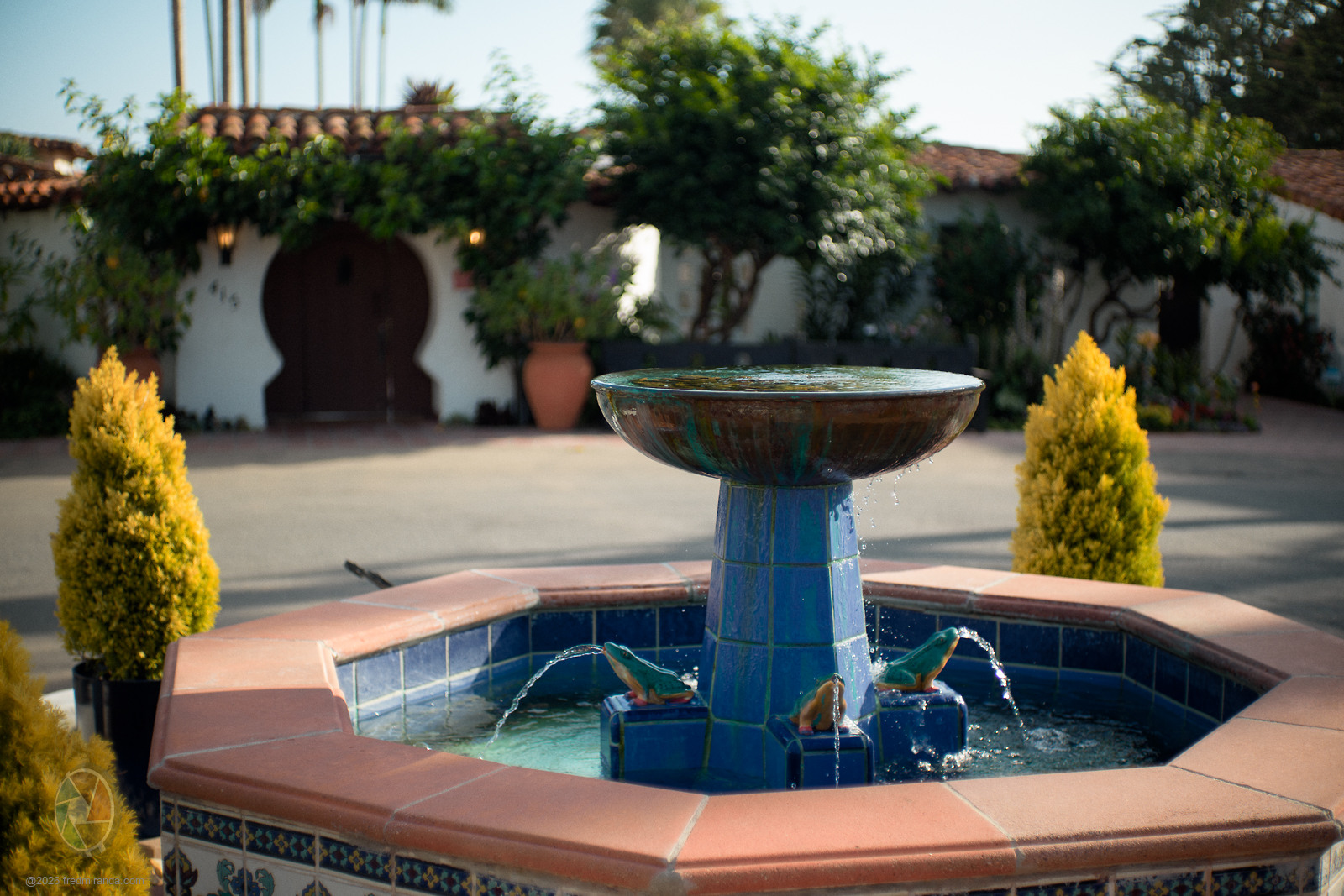
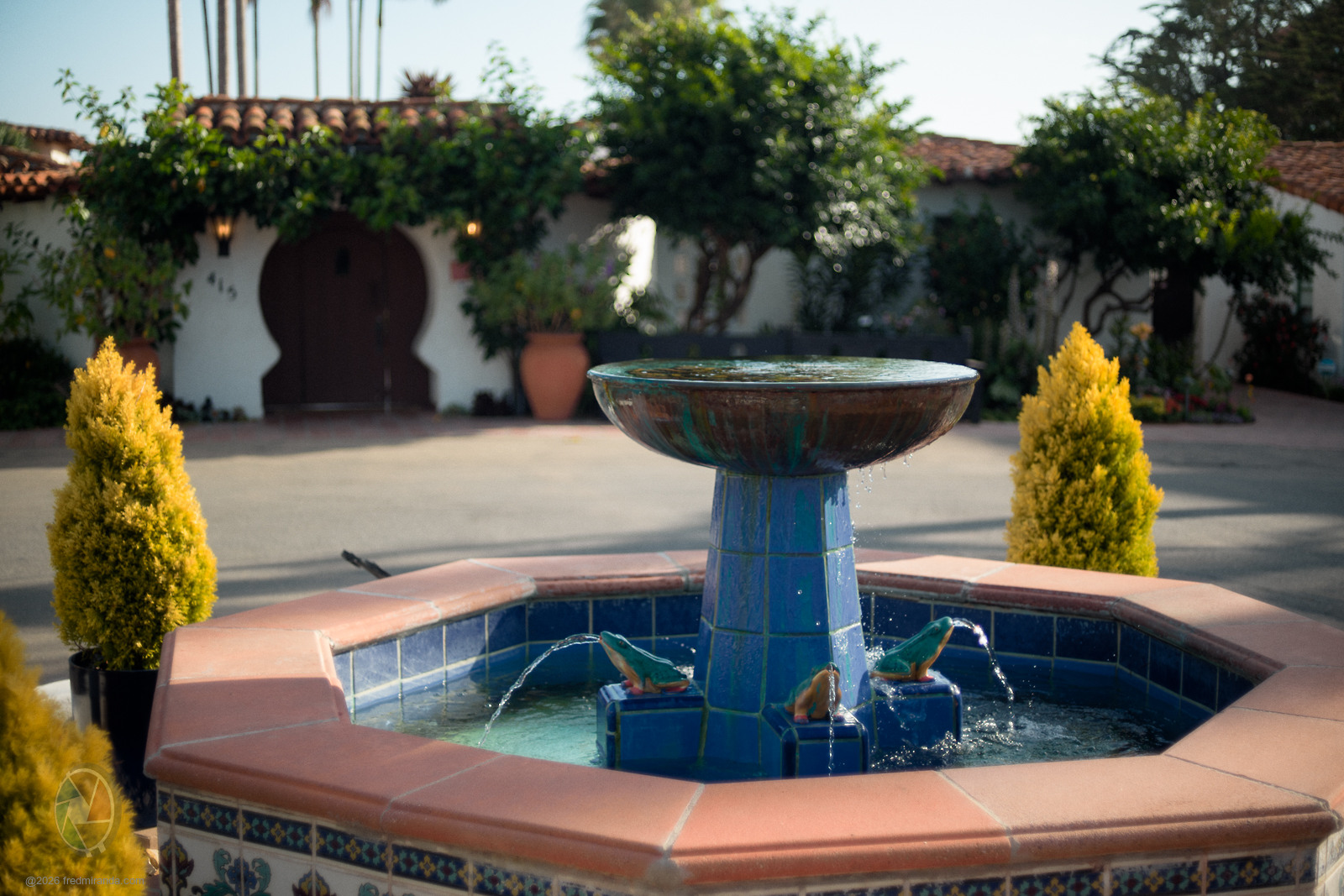
Scene 1 at 1.3 meters:


  LEICA M10-P    Leica 50mm f/2 Summicron Rigid lens    50mm    f/2.0    1/320s    100 ISO    0.0 EV  


  LEICA M10-P    Light Lens Lab 50mm f/2 Rigid-ZS6 Low Contrast lens    50mm    f/2.0    1/400s    100 ISO    0.0 EV  


  LEICA M10-P    Light Lens Lab 50mm f/2 Cooke SP II lens    50mm    f/2.0    1/500s    100 ISO    0.0 EV  


Jun 15, 2026 at 02:19 PM
Fred Miranda
Offline
Admin
Upload & Sell: On
p.4 #4 · Light Lens Lab 50mm f/1.9 "Rigid-ZS6" Review


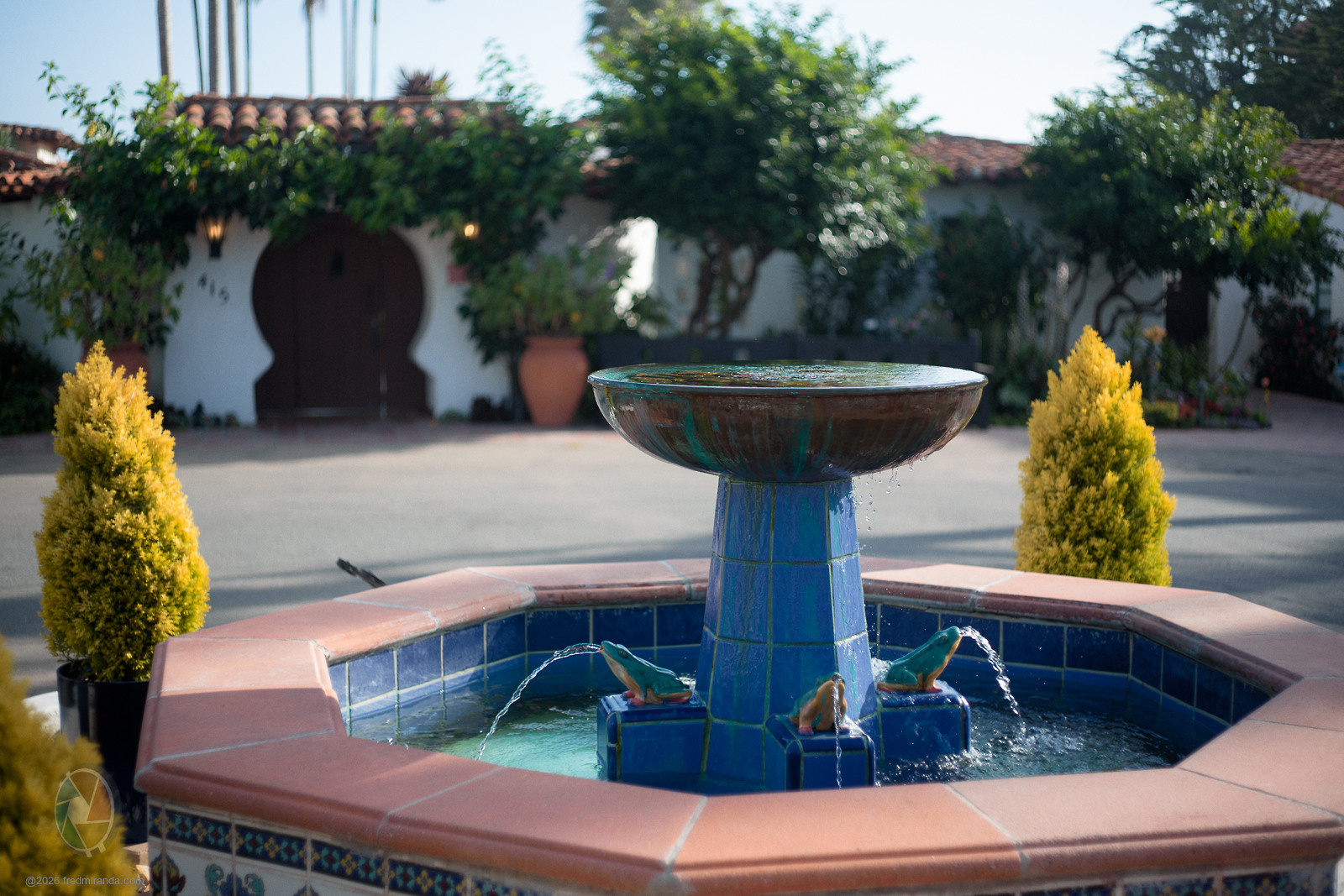
Scene 2 at 1.5 meters:


  LEICA M10-P    Leica 50mm f/2 Summicron Rigid lens    50mm    f/2.0    1/500s    100 ISO    0.0 EV  


  LEICA M10-P    Light Lens Lab 50mm f/2 Rigid-ZS6 Low Contrast lens    50mm    f/2.0    1/500s    100 ISO    0.0 EV  


  LEICA M10-P    Light Lens Lab 50mm f/2 Cooke SP II lens    50mm    f/2.0    1/500s    100 ISO    0.0 EV  


Jun 15, 2026 at 02:20 PM
Fred Miranda
Offline
Admin
Upload & Sell: On
p.4 #5 · Light Lens Lab 50mm f/1.9 "Rigid-ZS6" Review


Scene 3 at 3 meters:


  LEICA M10-P    Leica 50mm f/2 Summicron Rigid lens    50mm    f/2.0    1/1250s    100 ISO    0.0 EV  


  LEICA M10-P    Light Lens Lab 50mm f/2 Rigid-ZS6 Low Contrast lens    50mm    f/2.0    1/1600s    100 ISO    0.0 EV  


  LEICA M10-P    Light Lens Lab 50mm f/2 Cooke SP II lens    50mm    f/2.0    1/1250s    100 ISO    0.0 EV  


Jun 15, 2026 at 02:21 PM
Fred Miranda
Offline
Admin
Upload & Sell: On
p.4 #6 · Light Lens Lab 50mm f/1.9 "Rigid-ZS6" Review


Scene 4 at 2.5 meters:


  LEICA M10-P    Leica 50mm f/2 Summicron Rigid lens    50mm    f/2.0    1/2500s    100 ISO    -0.7 EV  


  LEICA M10-P    Light Lens Lab 50mm f/2 Rigid-ZS6 Low Contrast lens    50mm    f/2.0    1/2500s    100 ISO    -0.7 EV  


  LEICA M10-P    Light Lens Lab 50mm f/2 Cooke SP II lens    50mm    f/2.0    1/2500s    100 ISO    -0.7 EV  


Jun 15, 2026 at 02:24 PM
Fred Miranda
Offline
Admin
Upload & Sell: On
p.4 #7 · Light Lens Lab 50mm f/1.9 "Rigid-ZS6" Review


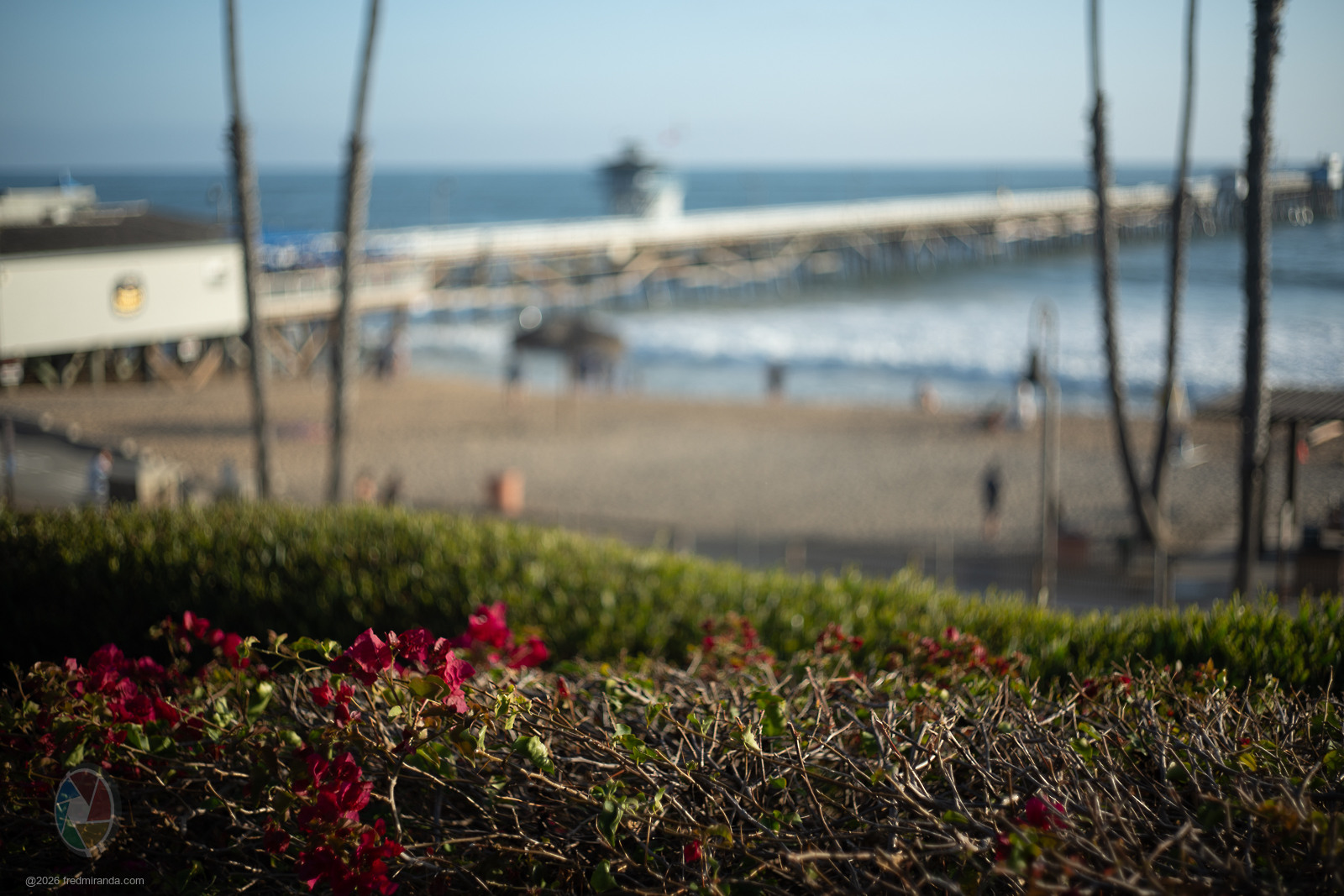
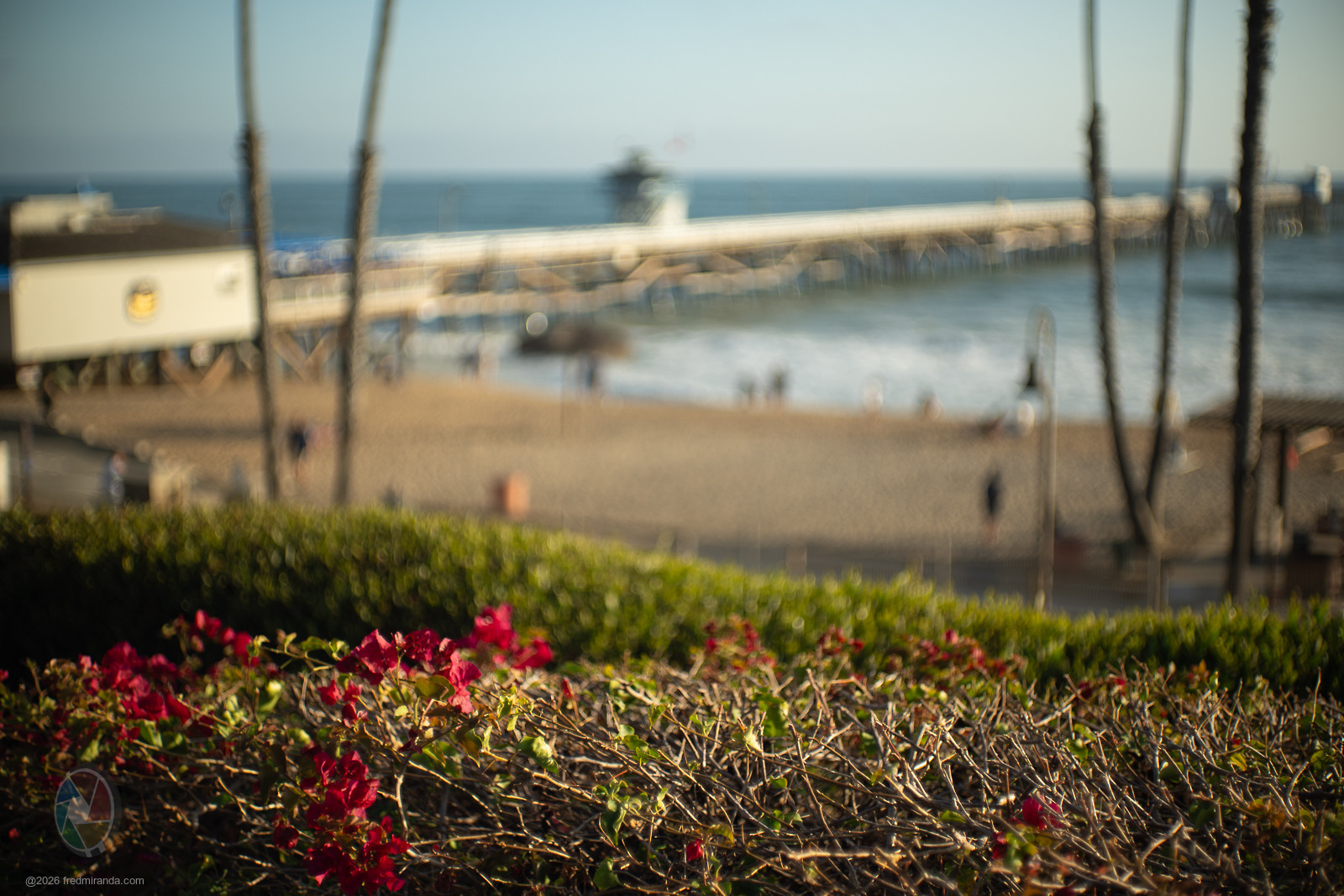
Scene 5 at 1.2 meters:


  LEICA M10-P    Leica 50mm f/2 Summicron Rigid lens    50mm    f/2.0    1/1000s    100 ISO    0.0 EV  


  LEICA M10-P    Light Lens Lab 50mm f/2 Rigid-ZS6 Low Contrast lens    50mm    f/2.0    1/1250s    100 ISO    0.0 EV  


  LEICA M10-P    Light Lens Lab 50mm f/2 Cooke SP II lens    50mm    f/2.0    1/1250s    100 ISO    0.0 EV  


Jun 15, 2026 at 02:25 PM
jigesh
Offline
• • •
Upload & Sell: On
p.4 #8 · Light Lens Lab 50mm f/1.9 "Rigid-ZS6" Review


More samples from the "low contrast" version: https://www.milanswolfs.com/blog/light-lens-lab-rigid-zs6-review-dallmeyer-super-six


Jun 16, 2026 at 07:21 AM


Search in Used Dept. 

Fred Miranda
Offline
Admin
Upload & Sell: On
p.4 #9 · Light Lens Lab 50mm f/1.9 "Rigid-ZS6" Review


Back to Quick Links

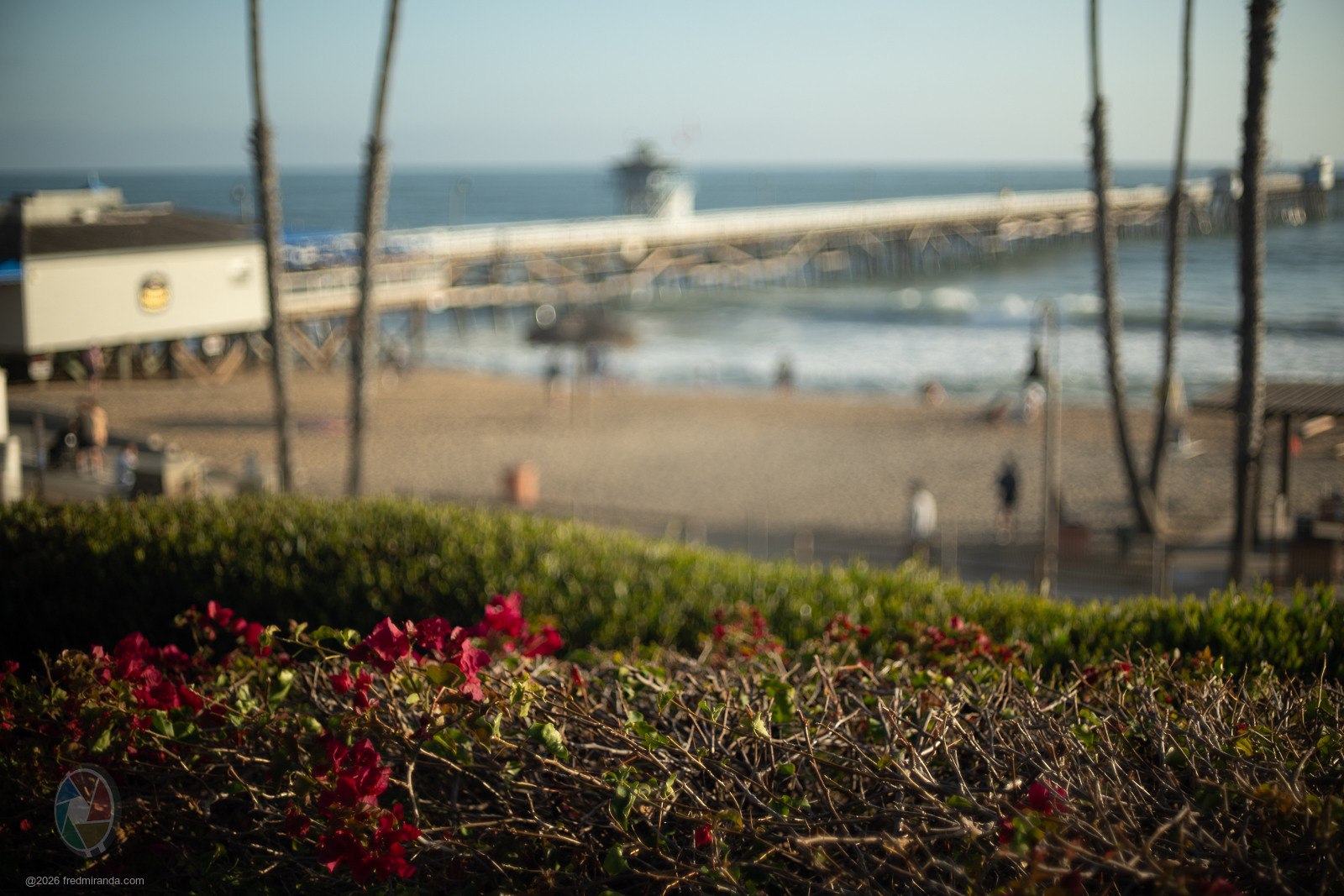
Rendering Comparison: Light Lens Lab 50mm f/1.9 ZS6 LC, 75mm f/1.5 Z21 and 75mm f/2 SP II

All wide open.

This is definitely not a scientific comparison. No tripod was used, although I tried to maintain roughly the same framing between shots. Just a fun side-by-side look at how these lenses render!

Also pay attention to the color temperature produced by each lens. The SP II clearly has the most neutral rendering, while the Z21 and Light Lens Lab 50mm f/1.9 Rigid-ZS6 LC both lean warmer, with a noticeable amber cast. White balance was set identically for all images, with no adjustments made in post.


  LEICA M10-P    Light Lens Lab 50mm f/1.9 Rigid-ZS6 LC lens    50mm    f/1.8    1/1000s    200 ISO    -0.3 EV  


  LEICA M10-P    Light Lens Lab 75mm f/1.5 Z21 lens    75mm    f/1.4    1/4000s    200 ISO    -1.3 EV  


  LEICA M10-P    Light Lens Lab 75mm f/2 SP II lens    75mm    f/1.4    1/1600s    200 ISO    -0.3 EV  


Jun 17, 2026 at 08:58 PM
Fred Miranda
Offline
Admin
Upload & Sell: On
p.4 #10 · Light Lens Lab 50mm f/1.9 "Rigid-ZS6" Review


Back to Quick Links

Chromatic aberration control: Axial CA and Purple Fringing

The Light Lens Lab 50mm f/1.9 Rigid-ZS6 may not be considered a particularly fast lens, but an f/1.9 aperture still requires good correction of chromatic aberrations (CA). I'm happy to report that this design is very well corrected for both lateral and axial CA.

The Low Contrast version is, in fact, the better corrected of the two for chromatic aberration. The tradeoff is that it is less corrected for spherical aberration (SA) and coma, resulting in lower contrast, more glow, and stronger coma wide open. This is precisely why Light Lens Lab offers two versions of the same lens, allowing photographers to choose which residual aberrations they prefer.

Many photographers are especially sensitive to axial CA because, unlike lateral CA, it can't be completely corrected in post-processing. While software can reduce the effect, the results are not as clean. Corrected areas often lose color saturation, and traces of the color error may still remain upon close inspection. The most effective solution is simply to stop the lens down slightly when shooting in high-contrast lighting. If minimizing axial CA is your priority, the Low Contrast version may actually be the better choice.

Overall, both the Standard and Low Contrast versions deliver excellent control of chromatic aberrations. The Standard version shows only minor traces of purple fringing and the typical green/magenta fringing in out-of-focus areas, and even then only under very high-contrast conditions. Purple fringing, part of axial CA, is common among fast lenses and appears around the plane of focus, especially on reflective metal surfaces and other subjects with extreme contrast. Even then, it is remarkably well controlled.

To evaluate this characteristic, I intentionally photographed the Low Contrast version in harsh, high-contrast lighting where axial CA is most likely to appear. As expected, it performed even better than the Standard version, showing virtually no noticeable purple fringing or other signs of axial chromatic aberration.

Below are 100% crops of both in-focus and out-of-focus high-contrast areas, allowing us to analyze purple fringing and other forms of axial CA. I have separated the Standard and Low Contrast samples so you can directly compare the behavior of each version.


Light Lens Lab 50mm f/1.9 Rigid-ZS6 "Standard" version

100% crops showing Axial CA


Traces of green fringing behind the plane of focus


Traces of green fringing behind the plane of focus


Extreme condition showing great CA correction


Purple fringing at plane of focus


Jun 18, 2026 at 11:40 AM
Fred Miranda
Offline
Admin
Upload & Sell: On
p.4 #11 · Light Lens Lab 50mm f/1.9 "Rigid-ZS6" Review


Light Lens Lab 50mm f/1.9 Rigid-ZS6 "Low Contrast" version

100% crops showing Axial CA


Very slight traces of green fringing (axial CA)


Very slight traces of green fringing (axial CA)


Lower purple fringing than the Standard version


Very slight traces of green fringing (axial CA)


Very slight traces of green fringing (axial CA). Also notice the slightly stronger glow and coma compared to the Standard version


Very slight traces of green fringing (axial CA)


Lower purple fringing than the Standard version


Lower purple fringing than the Standard version


Jun 18, 2026 at 11:51 AM
Fred Miranda
Offline
Admin
Upload & Sell: On
p.4 #12 · Light Lens Lab 50mm f/1.9 "Rigid-ZS6" Review


Light Lens Lab 50mm f/1.9 Rigid-ZS6 "Lateral CA" correction

100% crops showing LaCA (towards the corners of the frame)

Very low lateral CA for both version of this lens. No correction needed.


Low lateral CA in the in-focus corner area


Low lateral CA in the in-focus corner area


Jun 18, 2026 at 11:55 AM
Fred Miranda
Offline
Admin
Upload & Sell: On
p.4 #13 · Light Lens Lab 50mm f/1.9 "Rigid-ZS6" Review


Back to Quick Links

Optical Vignetting and Specular Highlights shape

One of the most distinctive rendering characteristics of the Light Lens Lab 50mm f/1.9 Rigid-ZS6 is its optical vignetting. This is separate from tonal vignetting, which is actually very well controlled despite the lens not having an oversized image circle extending into medium format (44×33mm GFX coverage).

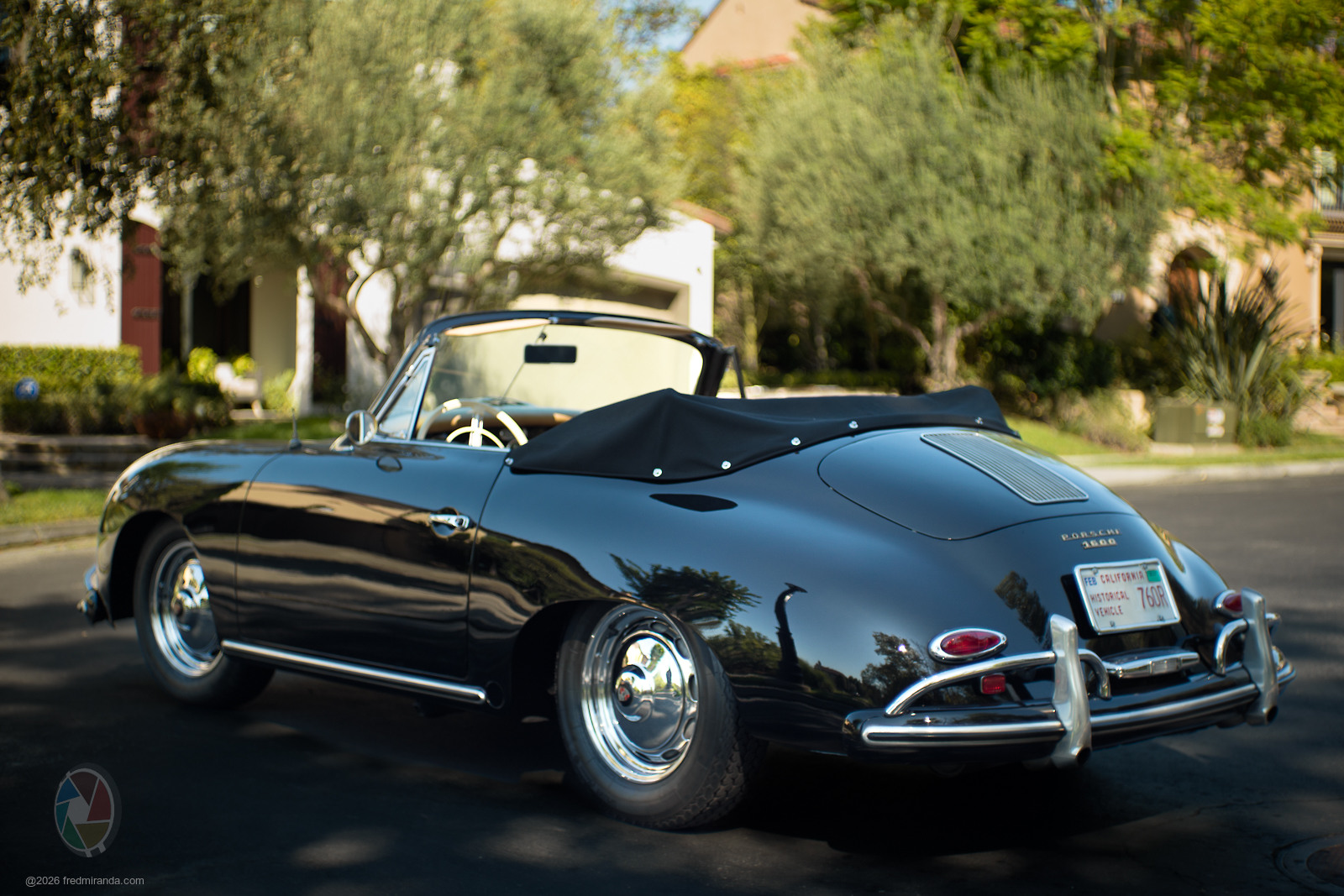
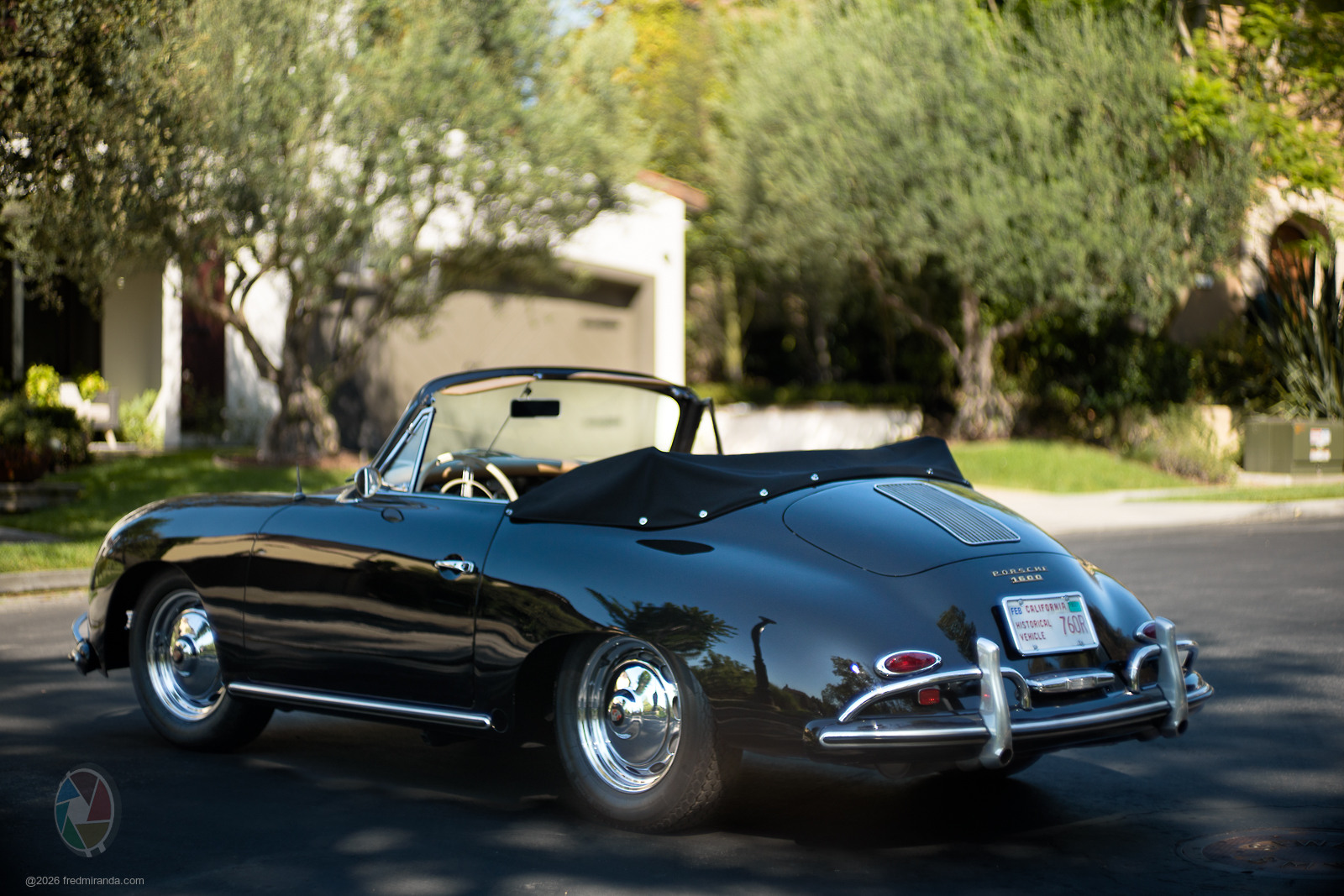
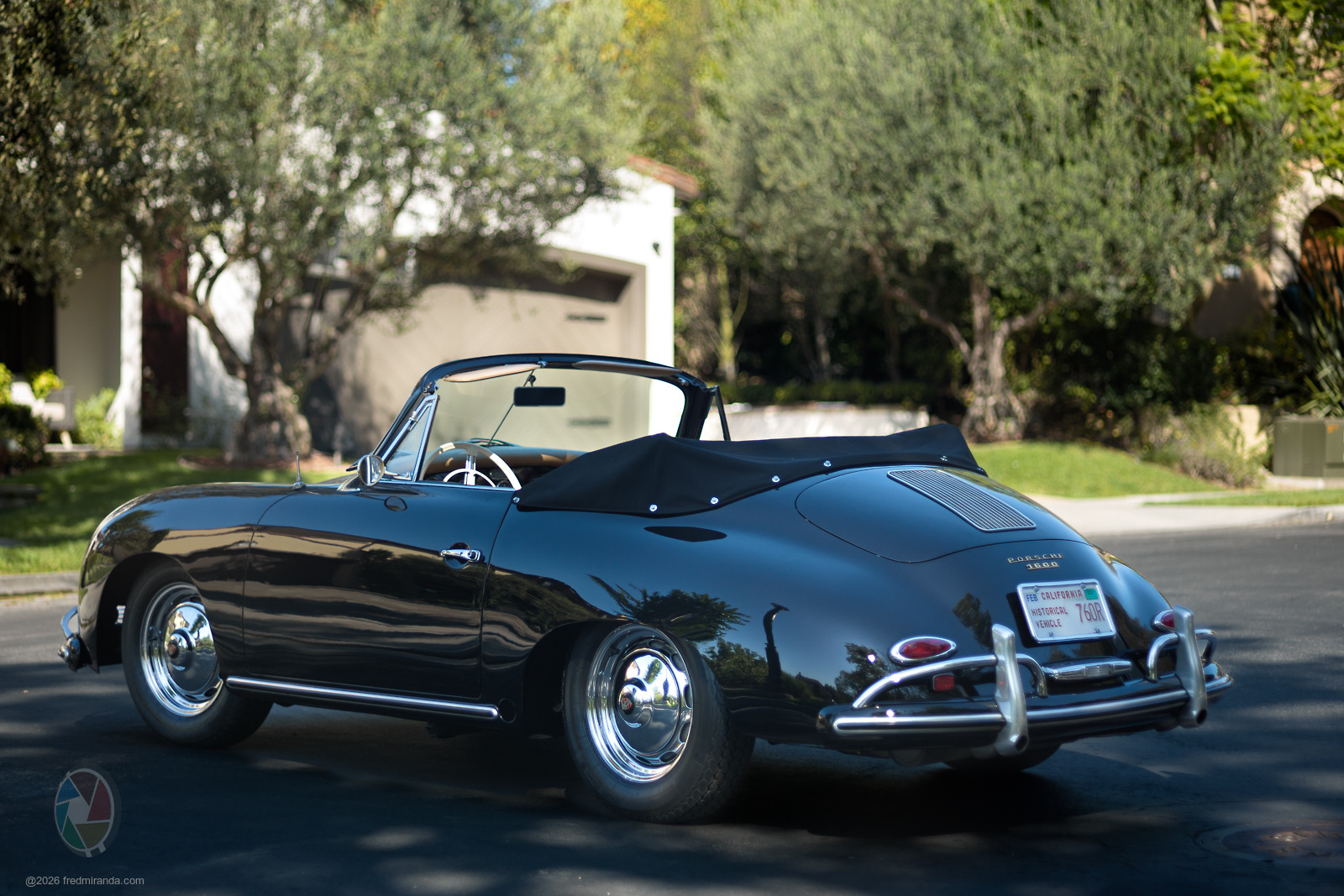
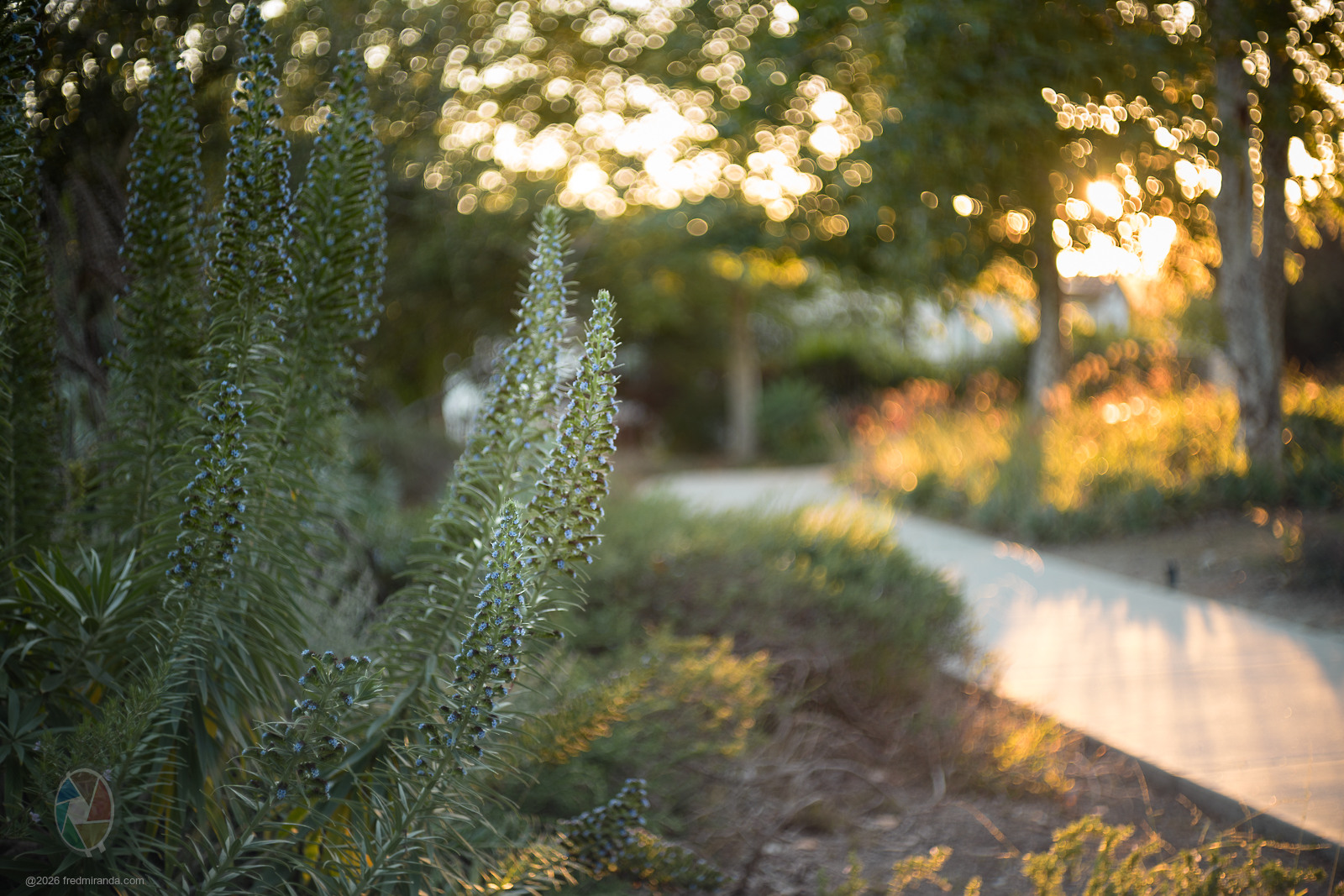
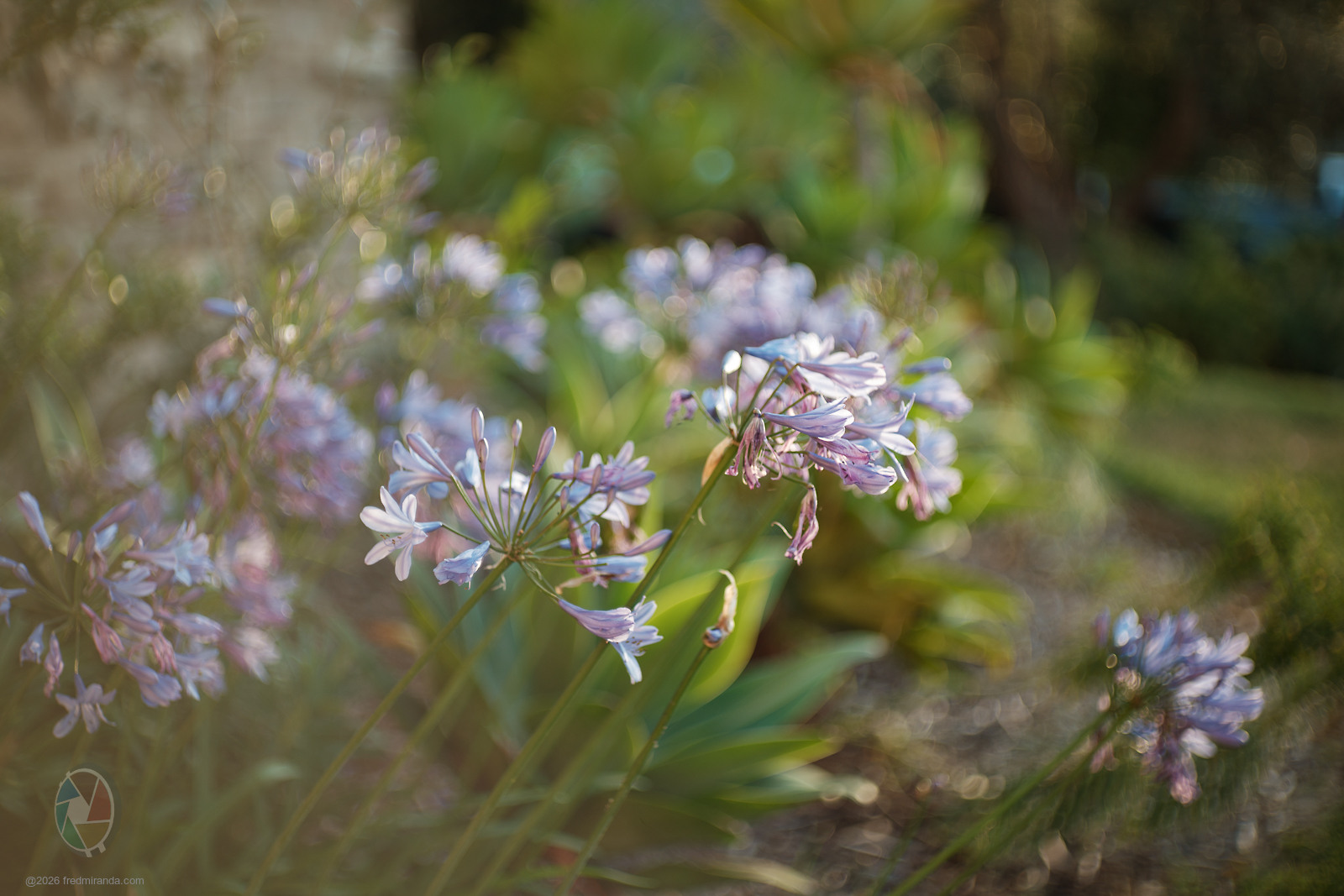
Optical vignetting affects the shape of out-of-focus highlights, particularly toward the edges and corners of the frame. On the ZS6, this produces moderate cat's-eye specular highlights that create a subtle swirling bokeh effect. Depending on the scene, this effect can extend well beyond the corners and reach toward the center of the frame, giving the lens a distinctive rendering signature. Depending on subject distance, the rendering can also take on a more painterly character, which is a very unique trait of this lens. The inner structure of the highlights remains very clean due to the non-use of aspherical elements, contributing to a more organic bokeh rendition.

Another interesting characteristic is the outlining of the specular highlights. Near the center of the frame, the outlining is relatively uniform around the entire highlight. As you move away from the center, however, the outlining gradually becomes stronger on one side of the outer edge. These characteristics are identical between the Standard and Low Contrast versions and closely resemble the behavior of the Leica 50mm f/2 Summicron-Rigid.

The combination of low tonal vignetting and pronounced optical vignetting is one of the traits that sets the ZS6 apart from many classic 50mm designs. For example, the Light Lens Lab 50mm f/2 Speed Panchro II shows considerably less optical vignetting and therefore lacks the same swirling cat's-eye bokeh. Some photographers will prefer the rounder highlight rendering of the Speed Panchro II, while others will appreciate the more distinctive swirling character of the ZS6.

Some of the samples have been magnified to better illustrate the position and shape of the specular highlights across the frame.

I will start by showing 3 resized image examples illustrating how the highlights render across the entire frame. This will be followed by 100% crops that reveal more detail in the optical vignetting from other images, as well as the shape and character of the highlights.


Jun 18, 2026 at 12:14 PM
Fred Miranda
Offline
Admin
Upload & Sell: On
p.4 #14 · Light Lens Lab 50mm f/1.9 "Rigid-ZS6" Review


100% crops that reveal more detail in the optical vignetting from other images.


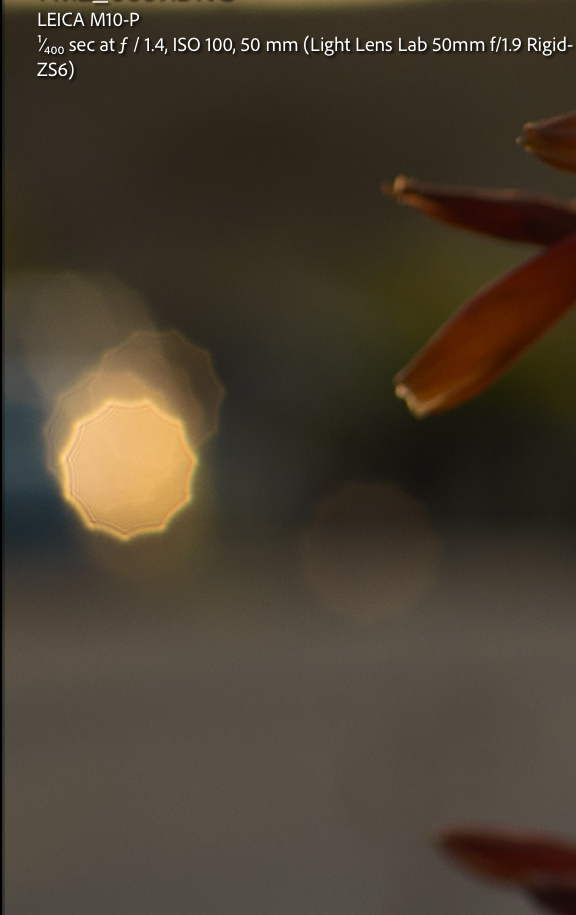
The 11 blade aperture mechanism uses concave, petal shaped blades, producing a circular but distinctly scalloped aperture shape when stopped down


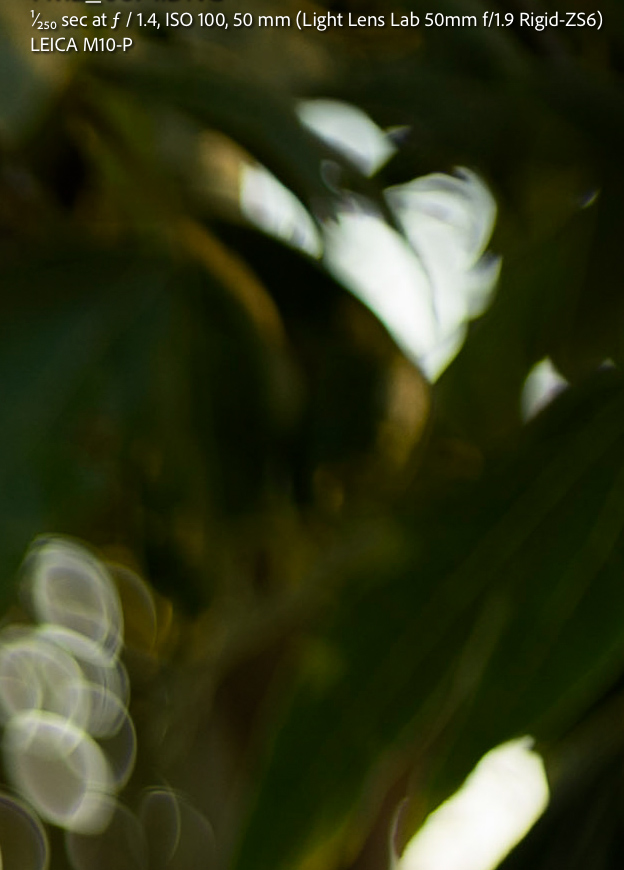
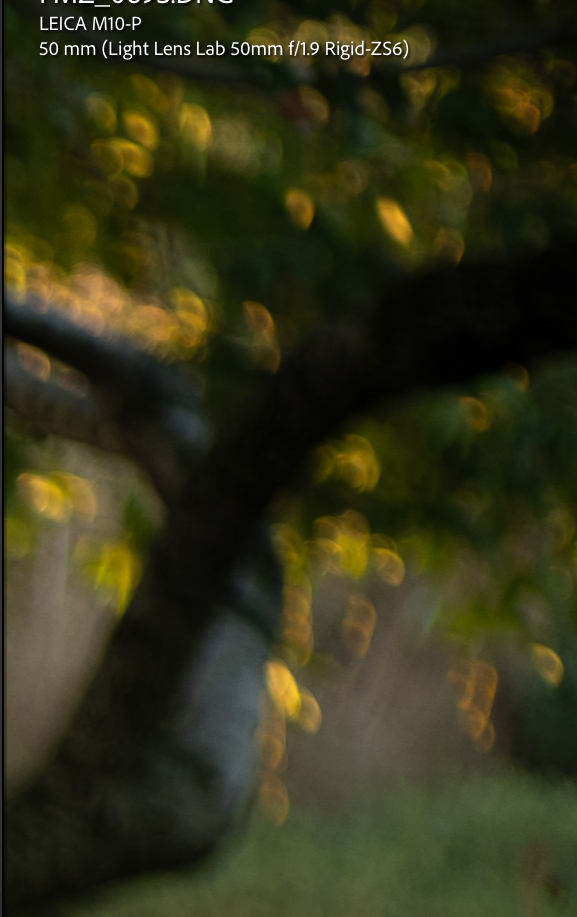
Cat's-eye highlights rendered toward the corners.


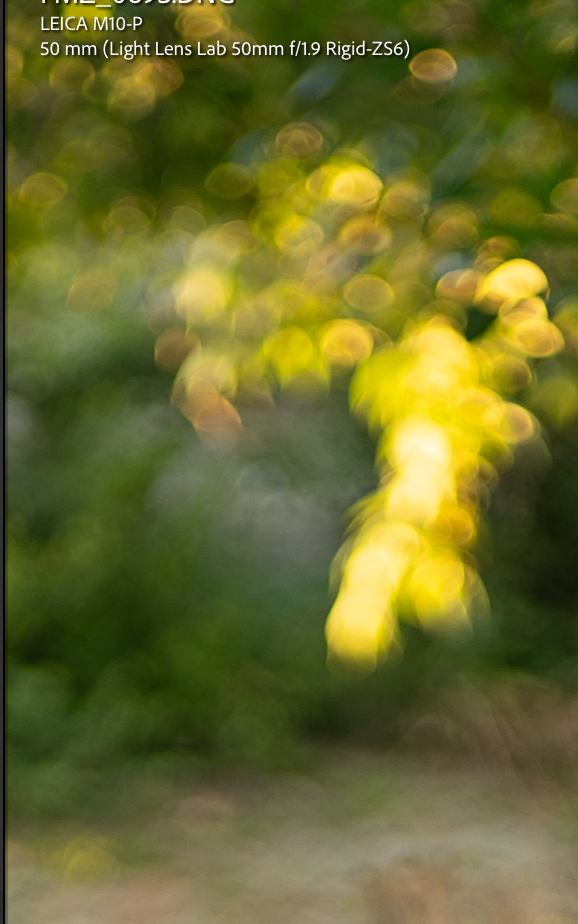
More suble cat's-eye highlights rendered toward the corners just outside the center area


Around the center, it has a painterly look that I truly enjoy


Center highlights appear more rounded and uniform in their outlining


Corner highlights appear more less rounded and not uniform in their outlining


Center highlights appear more rounded and uniform in their outlining


Corner highlights appear more less rounded and not uniform in their outlining


Jun 18, 2026 at 12:14 PM
Fred Miranda
Offline
Admin
Upload & Sell: On
p.4 #15 · Light Lens Lab 50mm f/1.9 "Rigid-ZS6" Review


Light Len Lab 50mm f/1.9 Rigid-ZS6 -- Read the Full Review


Final Thoughts

The Light Lens Lab 50mm f/1.9 Rigid-ZS6 is very clearly not trying to compete in the modern "maximum correction" race. This lens sits in a very intentional space: a recreation of a classic optical design inspired by the Dallmeyer Super Six 2-inch f/1.9, translated into a modern M-mount implementation that prioritizes rendering, mood, and character over strict high performance.


This is immediately obvious once you start using it. Wide open at f/1.9, the lens already delivers usable resolution with a distinct signature. It is not a soft lens in the traditional sense, but it carries controlled glow, lower contrast, and a very specific transition behavior between in-focus and out-of-focus regions that defines its look.

From a purely technical standpoint, the lens performs better than its vintage inspiration would suggest. Center resolution is very good even at f/1.9, and by f/2.8 it is already entering a very high-performance zone. Stopping down further to f/4 brings it close to peak optical performance, with improved micro-contrast and a more uniform resolution across the frame.

Field curvature is one of the more interesting technical characteristics. At close distances, the field bends outward. At mid distances it flattens and becomes more neutral. At longer distances it transitions into an inward curvature. This dynamic shift is not a flaw, but part of the rendering structure of the lens, and it likely contributes to how subject separation and edge behavior change depending on distance.

Distortion is essentially negligible in real-world use. It is one of the more corrected aspects of the design and does not require correction in post. Flare resistance is moderate: veiling flare is reasonably controlled, but ghosting is still present depending on angle and intensity. The color of ghosting shifts between purple-blue and warmer amber tones depending on conditions, adding another layer of variability to the rendering.

Chromatic aberration behavior is very well controlled for this type of optical design. Lateral CA is minimal and rarely a concern in practical use. Axial CA is present but restrained, especially given the f/1.9 maximum aperture.

The Standard version shows only minor purple fringing and occasional green/magenta fringing in very high-contrast out-of-focus transitions. The Low Contrast version reduces axial CA further, but in exchange introduces more spherical aberration and coma, resulting in increased glow and slightly lower contrast. Importantly, this is not just a coating difference -- there are real optical tuning differences between the two versions, with different levels of aberration correction.

Optical vignetting is a major part of the signature. Despite relatively well-controlled tonal vignetting, optical vignetting produces cat's-eye highlights toward the edges and corners. These transitions contribute directly to the subtle swirling bokeh effect that becomes one of the defining traits of the ZS6.

Near the center of the frame, highlight outlining is relatively uniform and evenly distributed. As you move outward, the outlining becomes increasingly directional, concentrating more strongly on one side of the highlight. This creates a subtle sense of motion and depth in out-of-focus areas that is very characteristic of the design.

Highlight structure remains clean internally due to the absence of aspherical elements. This contributes to smoother highlight transitions and avoids the busy "onion ring" look that many modern lenses produce. Instead, highlights feel more organic and visually pleasing.

Depending on subject distance, the rendering can shift significantly. At certain distances, especially with layered backgrounds and mid-distance separation, the lens takes on a painterly quality that is difficult to replicate with more corrected modern optics. This is one of its most distinctive traits.

The Low Contrast version exaggerates this behavior further, pushing it closer to a vintage-inspired rendering style, while the Standard version retains slightly more clarity and micro-contrast in the plane of focus.

The 11-blade aperture produces a 22-point sunstar structure when stopped down. Because of the slightly curved, scalloped blade design, the sunstars are not perfectly geometric or uniform. Instead, they take on a more organic and slightly irregular form. From f/1.9 through roughly f/8, sunstar behavior is minimal and restrained. From f/11 to f/16, they become more defined but remain complex due to the blade geometry. At f/22, the pattern becomes more chaotic and less controlled.

At the minimum focus distance of 0.7m, the lens performs surprisingly well. Even wide open, resolution and contrast remain strong, with only small gains when stopping down. Focus shift is present but very minor and not practically disruptive in real-world use. At f/2.8, the lens is already operating near peak performance at close range.

Compared directly to the Leica 50mm f/2 Summicron-Rigid, the ZS6 renders warmer overall, likely due to coating differences. The Leica retains slightly better extreme corner performance, while the ZS6 shows stronger center and mid-field performance, along with a more pronounced rendering signature due to its more defined outlining.

Against the Light Lens Lab 50mm f/2 Speed Panchro II, the differences are even more pronounced. The SP II shows less optical vignetting, more uniform and rounder off-axis highlights, and a more controlled rendering profile overall. The ZS6 introduces swirl, directional highlight shaping, and more spatial variation across the frame. The SP II is the more consistent and technically restrained lens, although it shows even stronger outlining in certain situations, while the ZS6 is the more expressive one.

Compared to the Light Lens Lab 50mm f/1.5 Z21, the ZS6 behaves like a more compact evolution of that rendering style at f/2. It shares similar traits in optical vignetting and subject separation, but with better off-axis performance, less extreme swirl, and a more even field curvature profile. Color temperature is slightly warmer, and rendering is more consistent across the frame. In one of the samples, I nicknamed it the "Mini-Z21" due to its similar rendering character in a more compact package.

The Standard vs Low Contrast decision is not simply about contrast. It is fundamentally about optical correction balance. The Standard version offers higher micro-contrast and higher resolution. The Low Contrast version shows more glow, introduces more coma (and therefore lower contrast), while slightly reducing axial CA.


Pros

⦿ Strong center resolution even at f/1.9, with excellent performance by f/2.8
⦿ Very good optical correction for a classic-inspired design
⦿ Minimal distortion in real-world use
⦿ Well-controlled lateral CA with only minor axial CA in extreme situations
⦿ Standard and Low Contrast versions offer meaningful rendering variation
⦿ Distinct optical vignetting producing strong cat's-eye, highlight behavior
⦿ Beautiful, organic swirling bokeh signature depending on distance and scene
⦿ Highlight structure remains clean due to absence of aspherical elements
⦿ Unique directional highlight outlining away from frame center
⦿ Pleasant painterly rendering at certain subject distances
⦿ Field curvature behavior adds to 3D rendering character rather than detracting
⦿ Very usable performance already at f/2.8, near peak at f/4
⦿ Excellent close focus performance with minimal focus shift
⦿ Interesting and characterful flare behavior with variable color shifts
⦿ Sunstar rendering has organic character with complex but pleasing structure
⦿ Strong "mini Z21" character with better off-axis performance


Cons

⦿ Not a clinically corrected or neutral rendering lens by design
⦿ Optical vignetting produces moderate corner cat's-eye effects that may not suit all subjects
⦿ Swirling bokeh can become pronounced in busy backgrounds
⦿ Low Contrast version amplifies glow, coma and reduced micro-contrast
⦿ Some axial CA still present in high contrast edge cases, especially with the Standard version
⦿ Flare/ghosting may appear with strong light; blue/violet flare hue may not suit all tastes
⦿ Field curvature may complicate edge consistency
⦿ Sunstar rendering becomes complex and less controlled at smaller apertures
⦿ 0.7m minimum focus distance limits close-up flexibility (Rangefinder limit)
⦿ Character-driven rendering will not appeal to those seeking modern smooth and abstract draw


In the end, the Light Lens Lab 50mm f/1.9 Rigid-ZS6 succeeds precisely because it does not try to behave like a modern lens. It embraces optical vignetting, field curvature behavior, and classic aberration structures as part of its identity rather than flaws to eliminate.

What you get is a lens that is technically capable enough to be used seriously, but intentionally imperfect enough to have a distinct visual signature. It renders with mood, depth, and a very artistic character that feels closer to classic optical systems than modern corrected designs.

In a market dominated by clinical perfection, the Rigid ZS6 stands out by doing the opposite --- and doing it with intent.

________

Order the Light Lens Lab 50mm f/1.9 "Rigid-ZS6" lens:

Lens Light Lab Store | Get a 5% discount when you use the FREDMIRANDA code at checkout.


Jun 18, 2026 at 01:34 PM
1       2       3              end


FM Forums | Leica & Alternative Gear | Join Upload & Sell

1       2       3              end


Welcome back
Log in to your account