Fred Miranda
Offline
Admin
Upload & Sell: On
|
 p.1 #1 · Light Lens Lab 50mm f/1.9 "Rigid-ZS6" Review p.1 #1 · Light Lens Lab 50mm f/1.9 "Rigid-ZS6" Review | |
Order the Light Lens Lab 50mm f/1.9 "Rigid-ZS6" lens:
Lens Light Lab Store | Get a 5% discount when you use the FREDMIRANDA code at checkout.
___
Review Quick Links:
- Initial Impressions
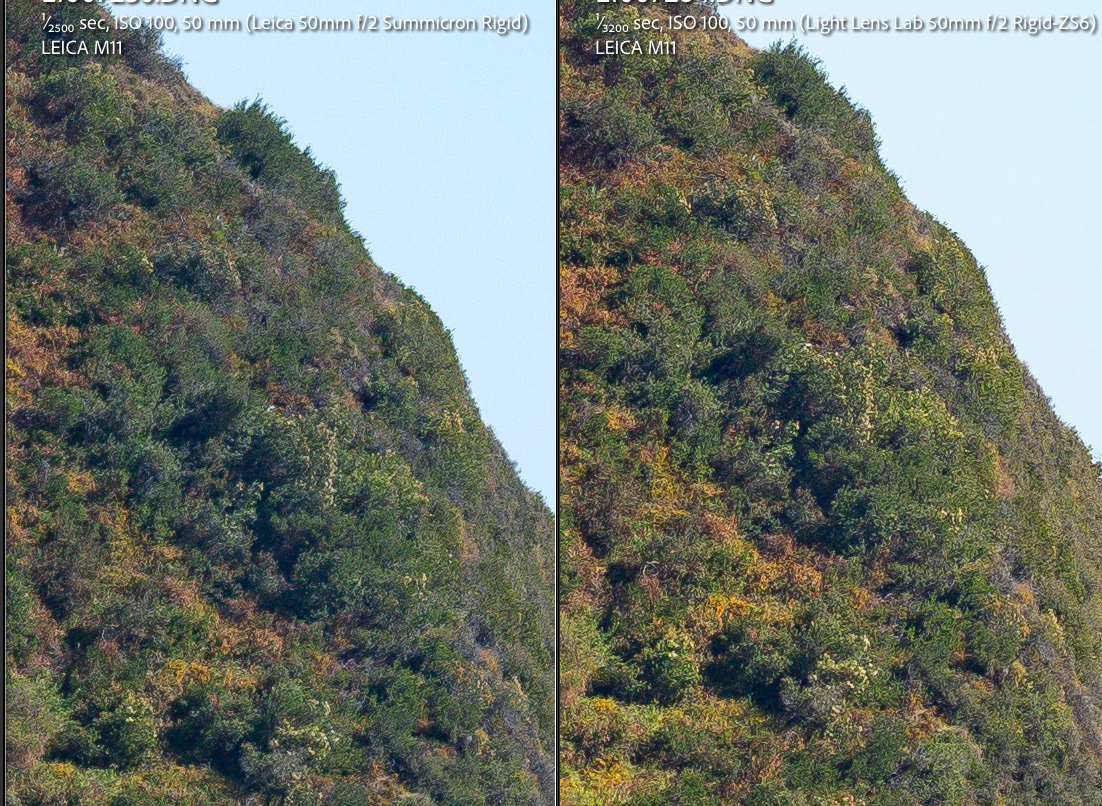
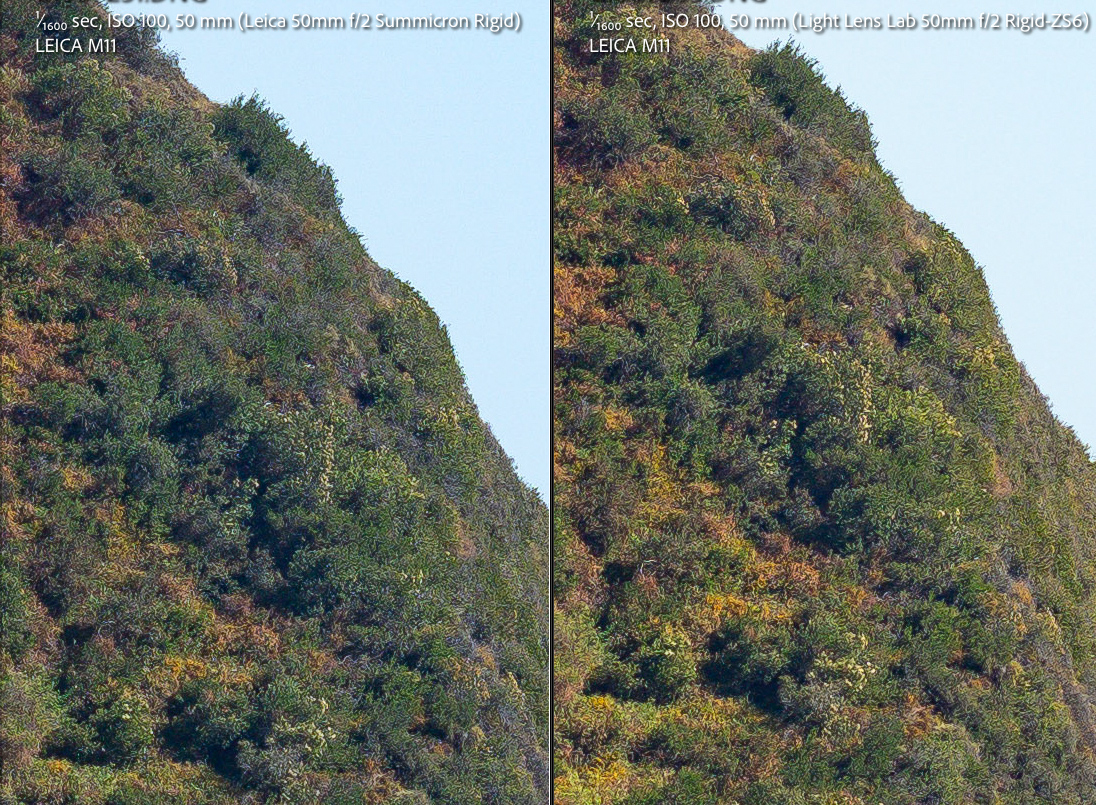
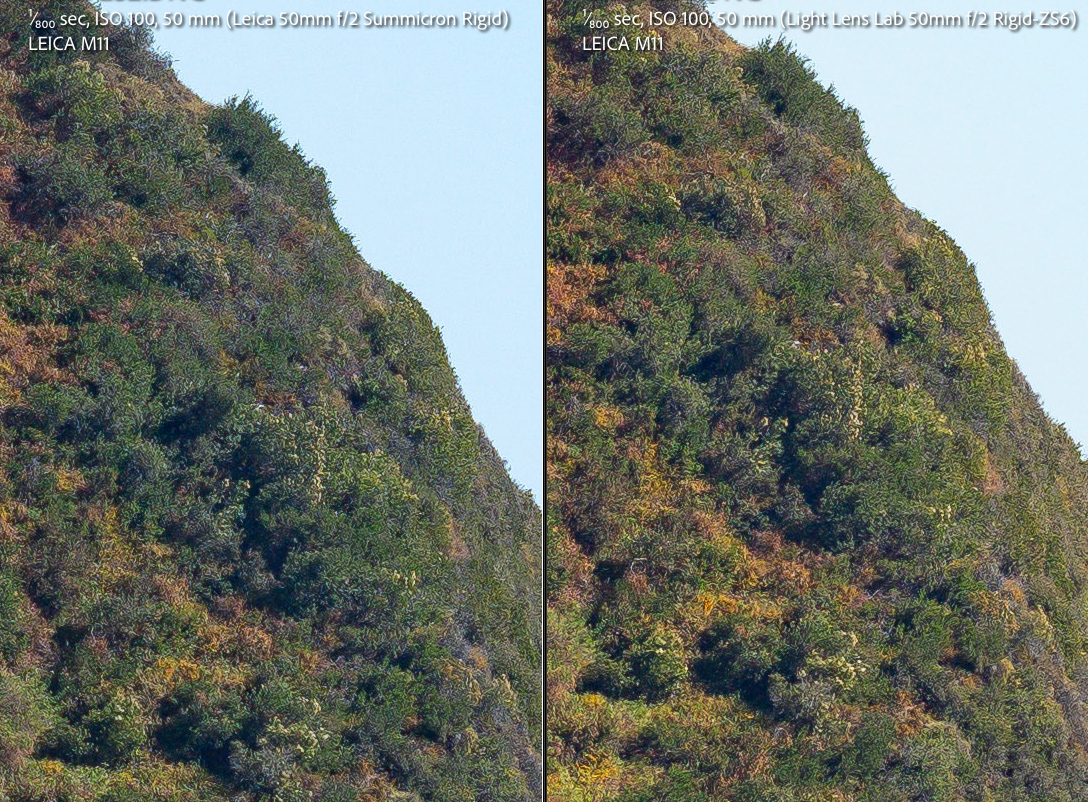
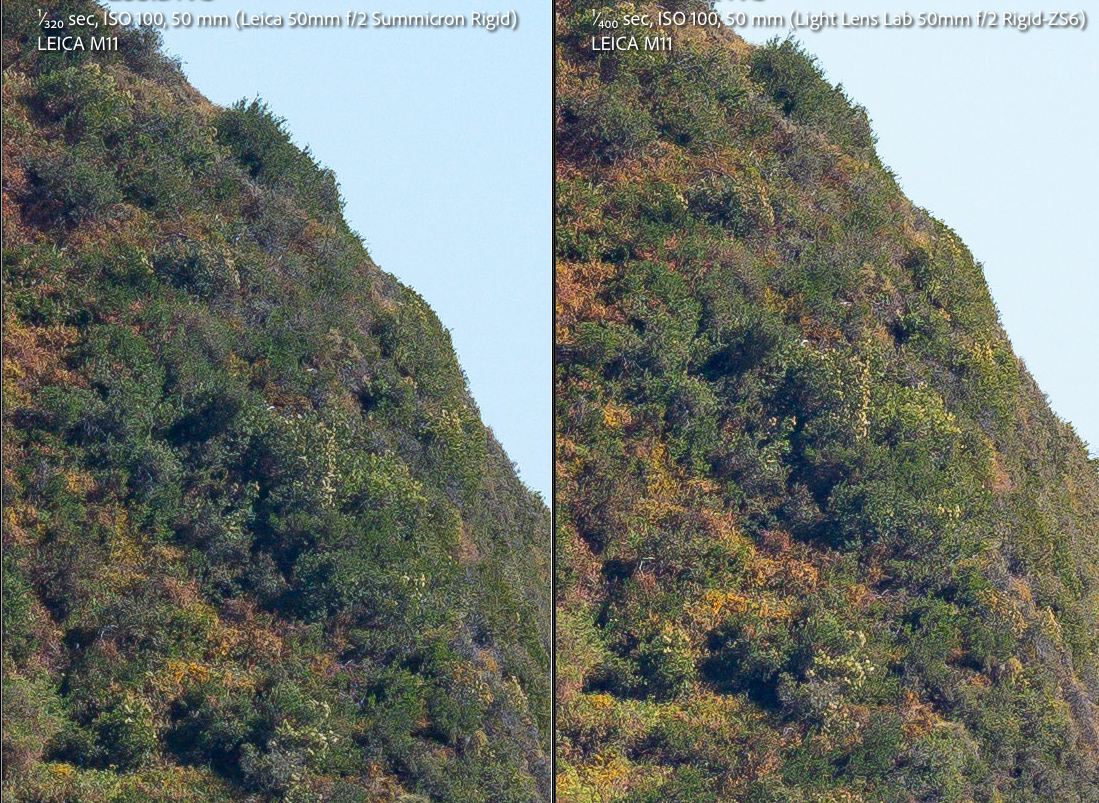
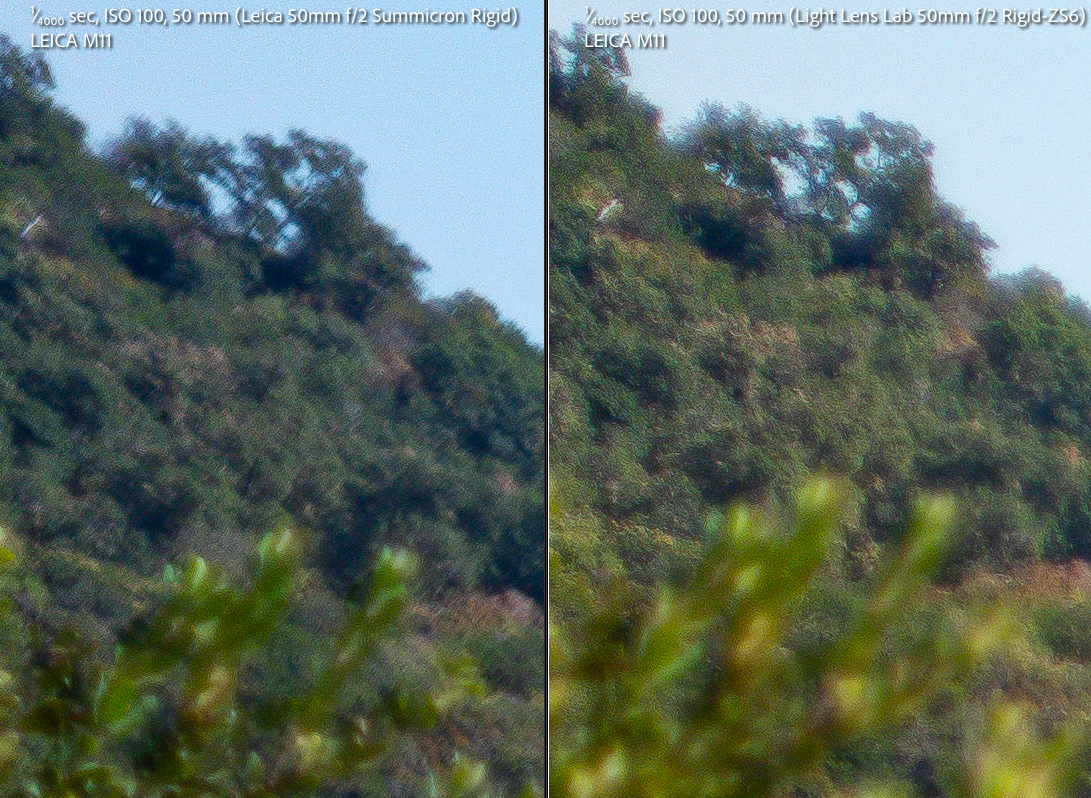
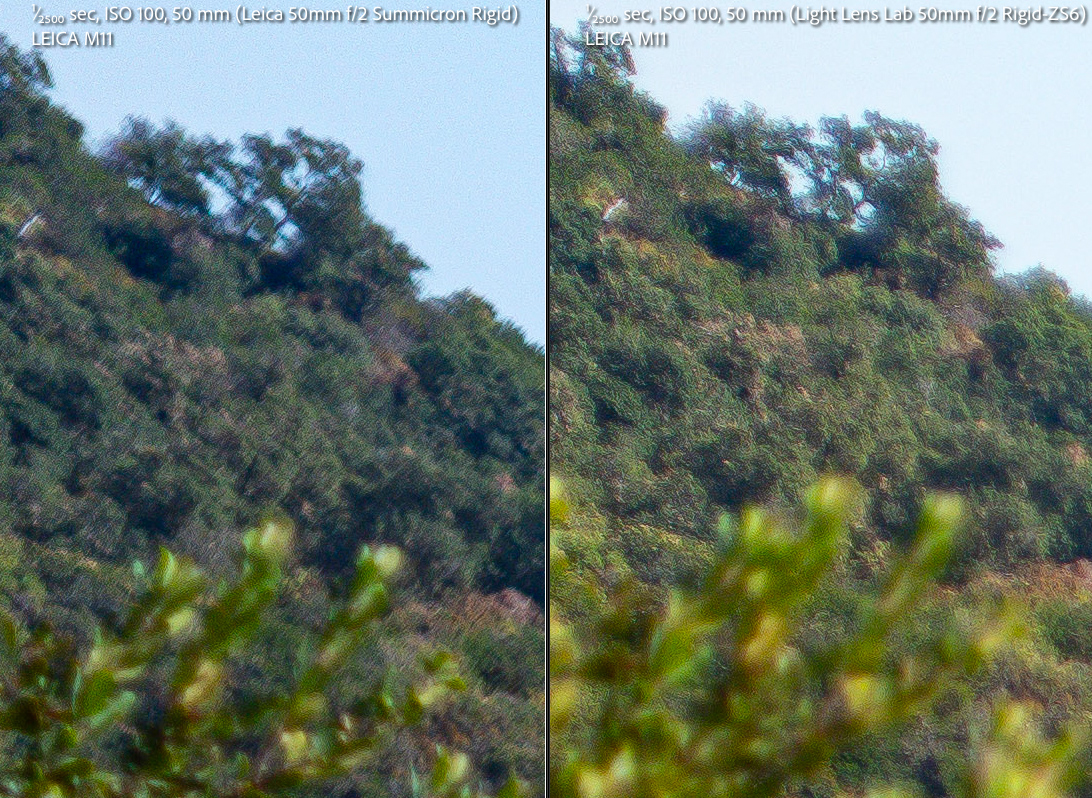
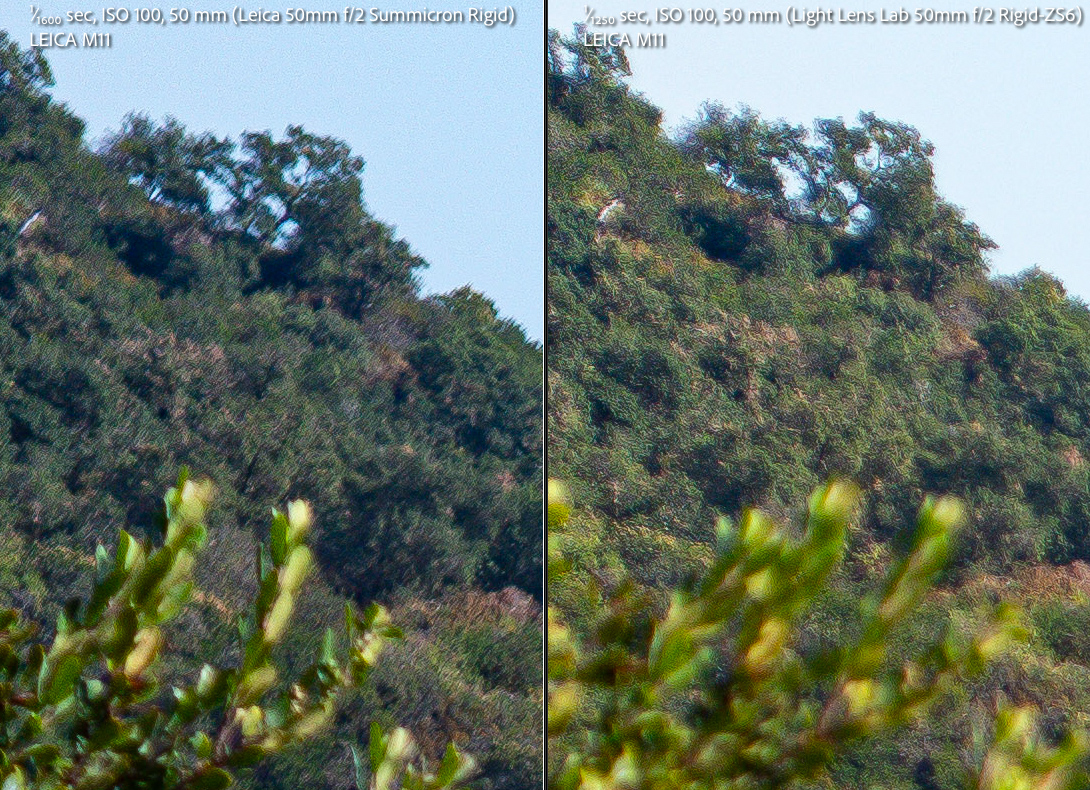
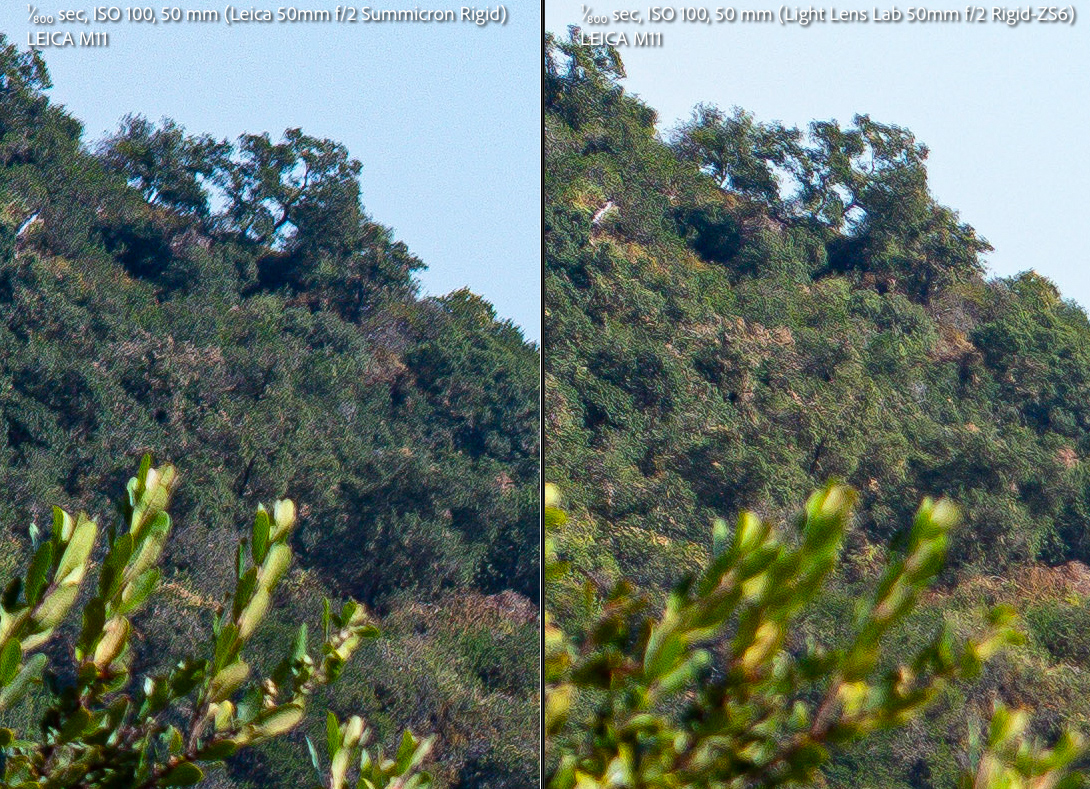
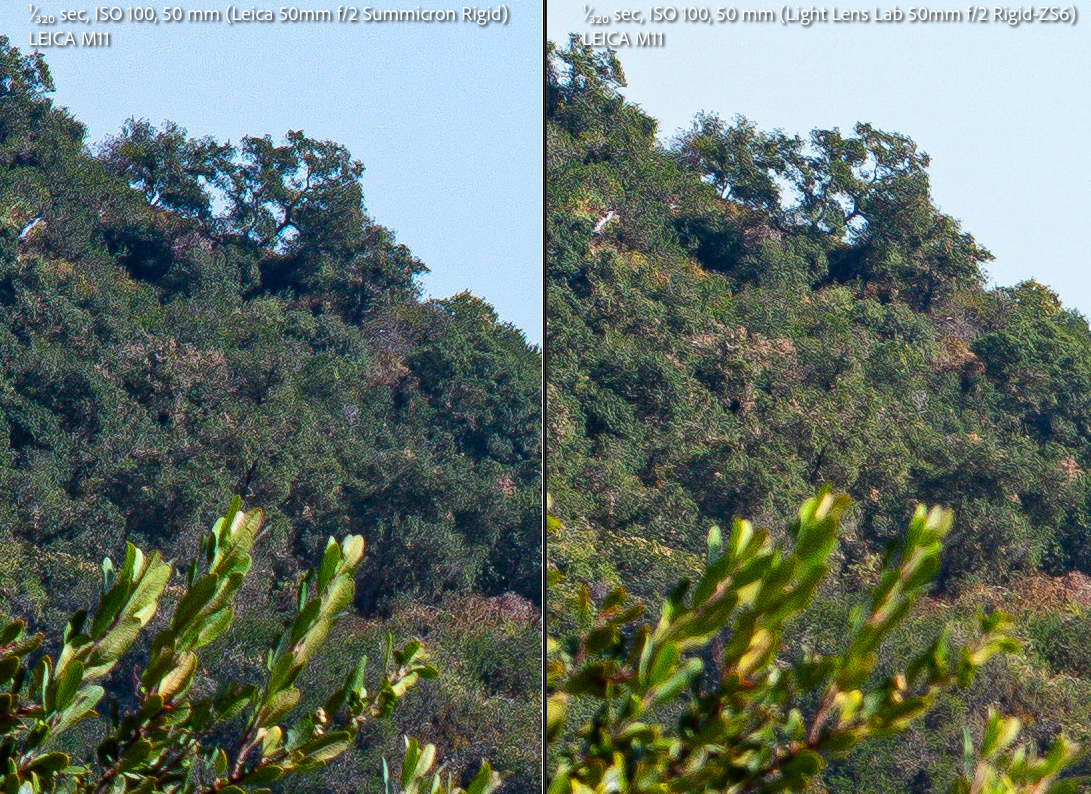
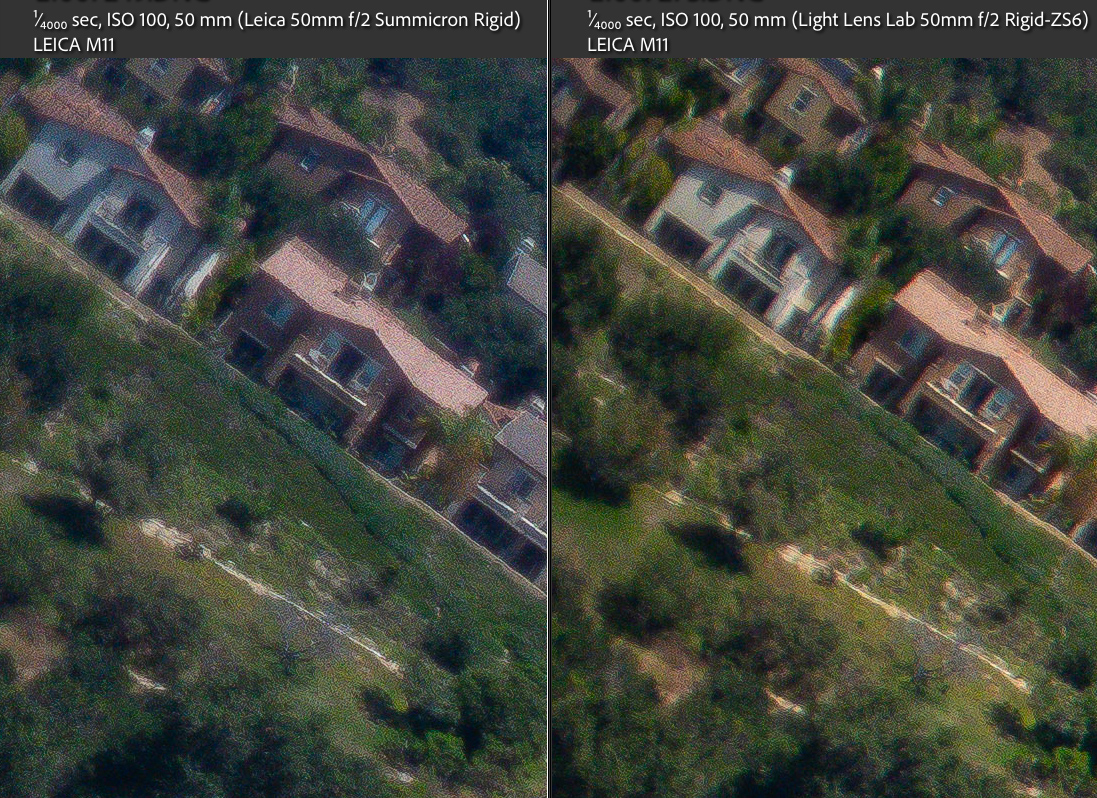
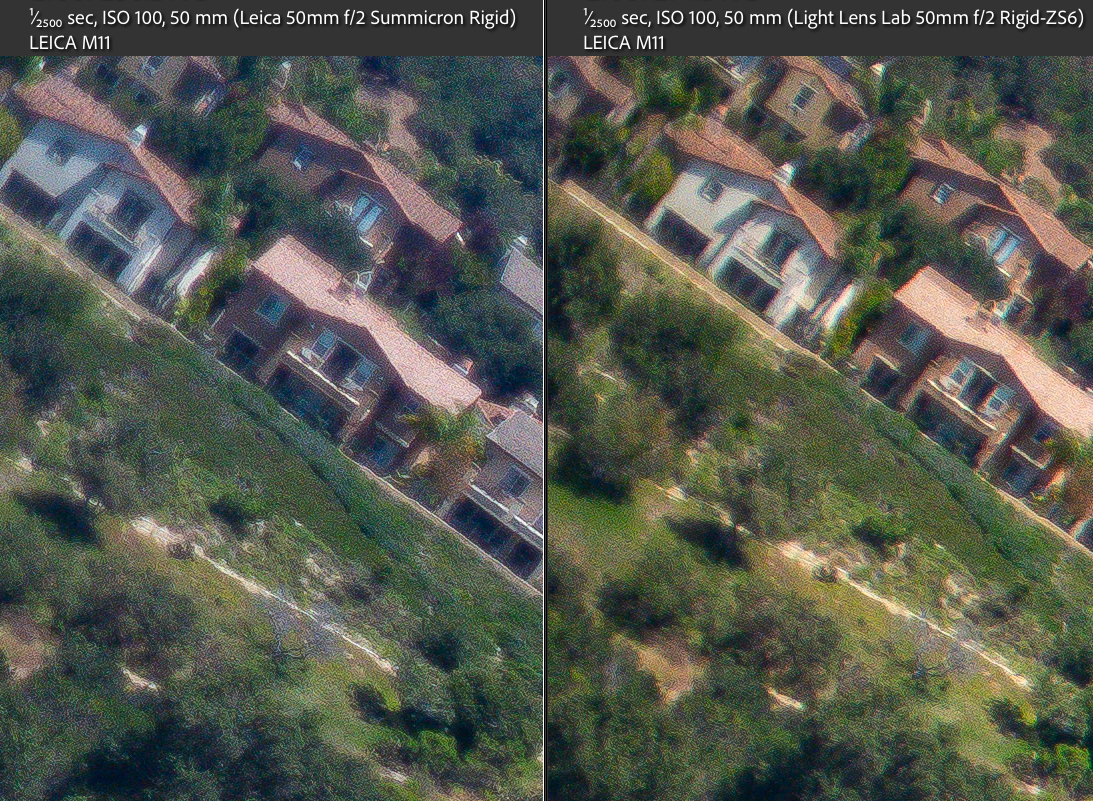
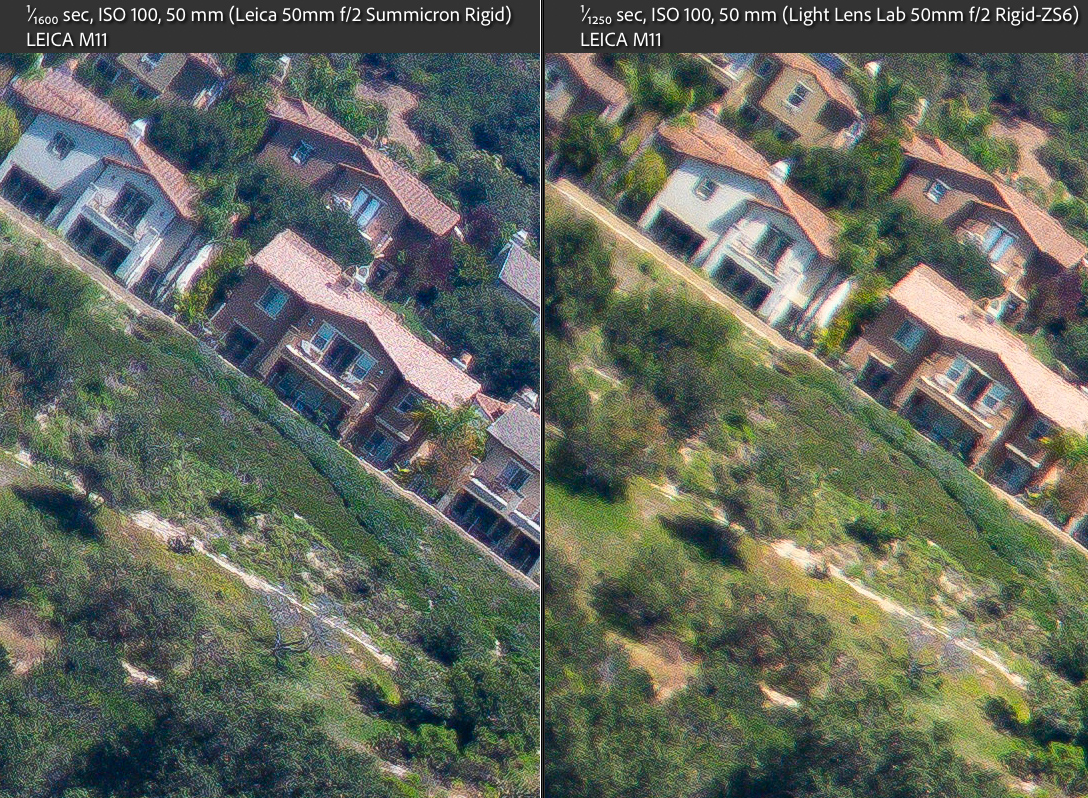
- Resolution and Contrast compared to Leica 50mm f/2 Summicron "Rigid" (M11)
- Resolution and Contrast compared to Light Lens Lab 50mm f/2 SP II (M11)
- Field Curvature
- Distortion
- Minimal Focus Distance performance and Focus Shift
- Sunstar Rendering
- Flare Resistance
- Rendering Comparison: ZS6 Standard vs Low Contrast, alongside 50mm f/1.5 Z21 and 50mm f/2 SP II
- Rendering Comparison: Light Lens Lab Rigid-ZS6 vs Leica 50mm f/2 Rigid vs LLL 50mm f/2 SP II
- Comparison: Light Lens Lab 50mm f/1.9 Ridid-ZS6 Standard vs Low Contrast
- Rendering Comparison: Light Lens Lab 50mm f/1.9 ZS6 LC, 75mm f/1.5 Z21 and 75mm f/2 SP II
- Chromatic aberration control: Axial CA, Lateral CA and Purple Fringing
- Optical Vignetting and Specular Highlights shape
- Final Thoughts
- Samples 1: Late afternoon, first time with the lens (Low Contrast version)
- Samples 2: Harsh Lighting, Low Contrast version
- Samples 3: A walk near the beach at Late Afternoon Light
- Samples 4: Cars and Coffee
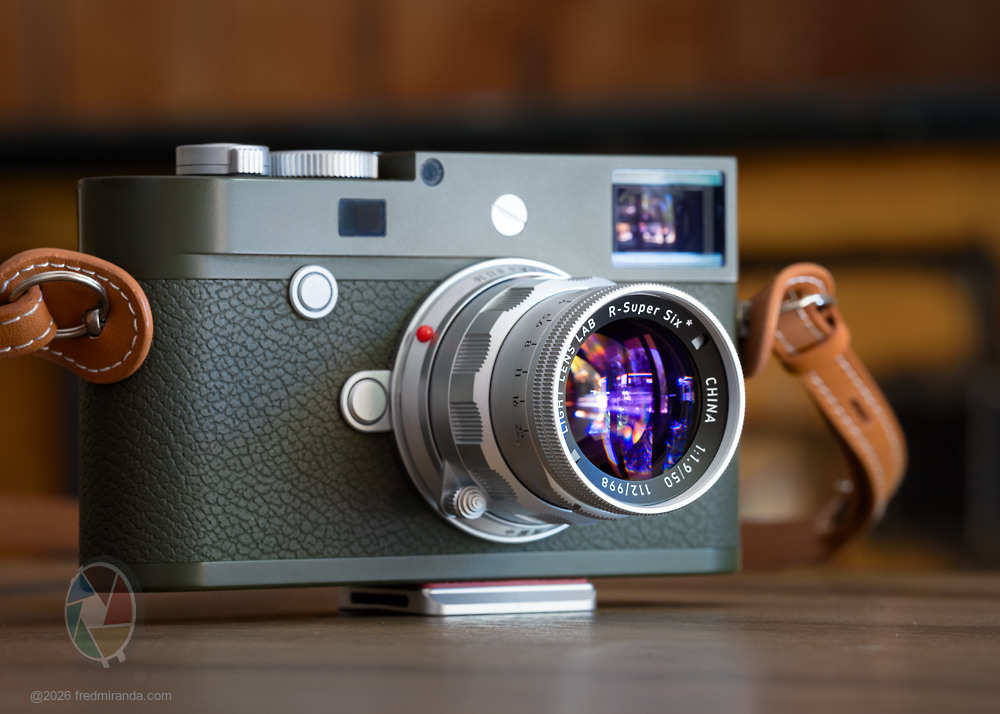
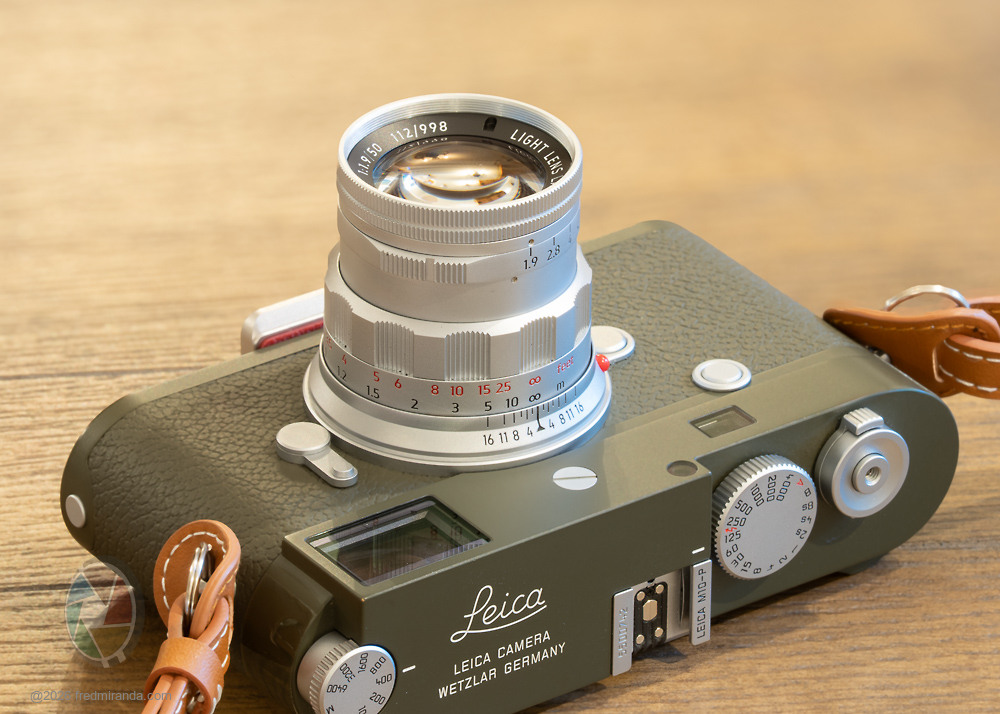
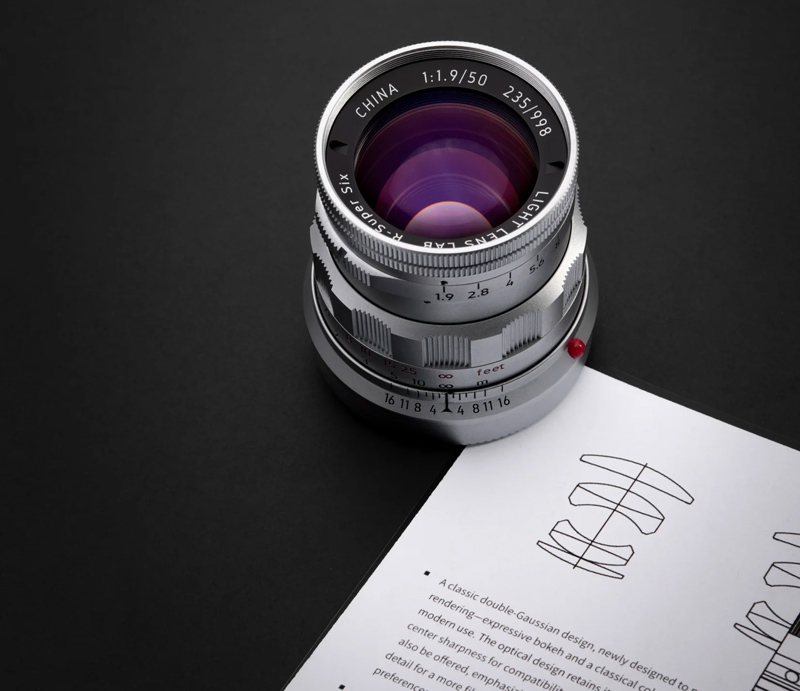
Leica M10-P Safari paired with the Light Lens Lab 50mm f/1.9 Rigid-ZS6 lens.
Back to Quick Links
Initial impressions of the Light Lens Lab 50mm f/1.9 Rigid-ZS6 lens:
The Light Lens Lab 50mm f/1.9 Rigid-ZS6 (Super Six) is another intriguing and somewhat unexpected lens from LLL, continuing their focus on recreating lenses with beloved vintage character instead of following the modern trend of highly corrected optics. This lens is clearly aimed at photographers who enjoy classic rendering and characterful images.
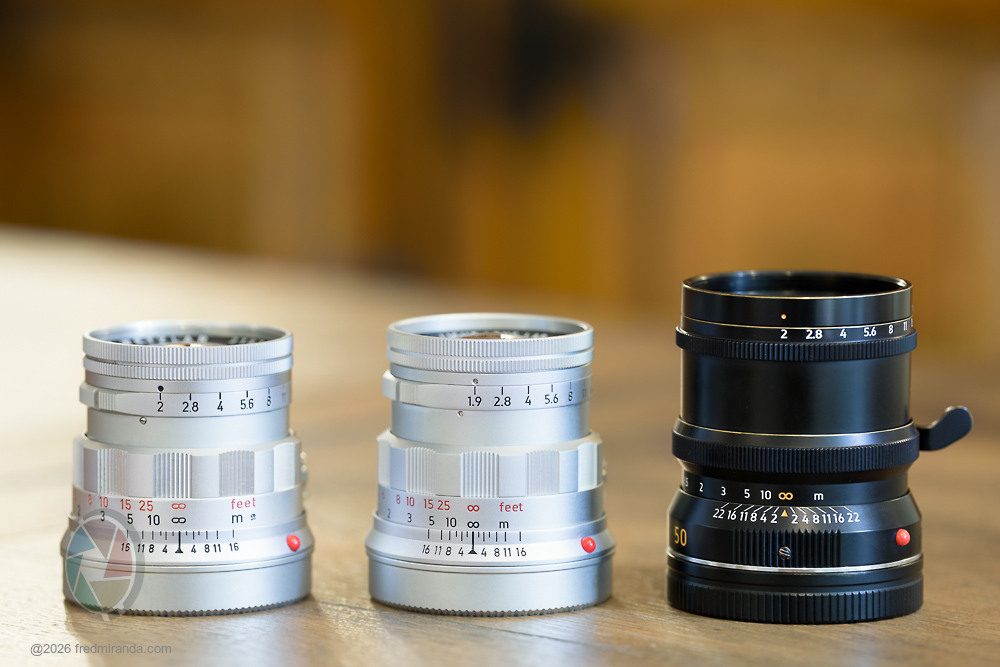
This particular design is inspired by the old Dallmeyer Super Six 2-inch f/1.9, a lens known for its softer rendering, slight glow wide open, and painterly look. Instead of recreating a barrel that resembles the original housing, Light Lens Lab decided to build it into their existing "Rigid" platform, inspired by the Leica 50mm f/2 Summicron Rigid, a barrel design loved by many for its classic aesthetics. It’s also a platform LLL has already used for several of their previous 50mm releases.
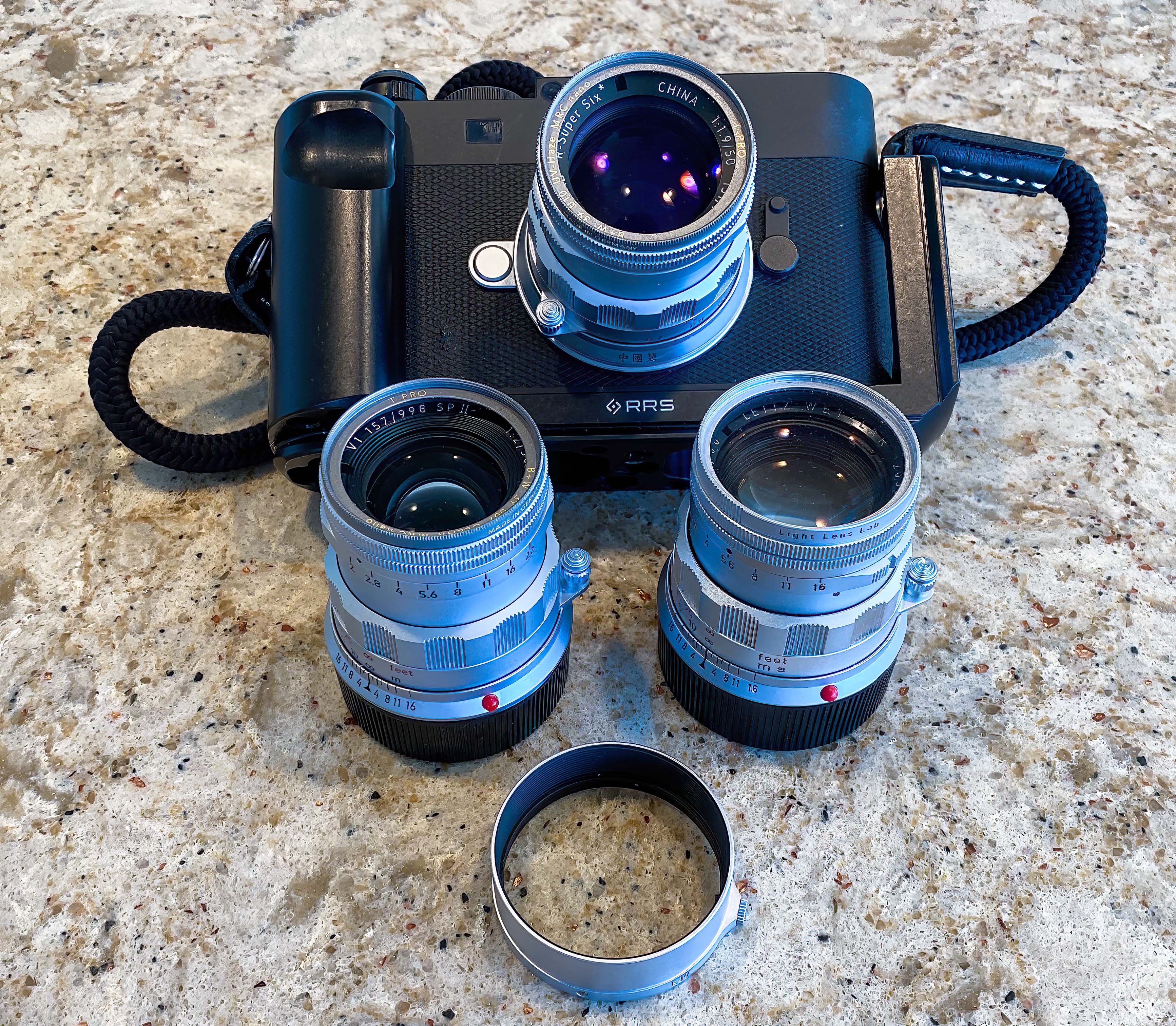
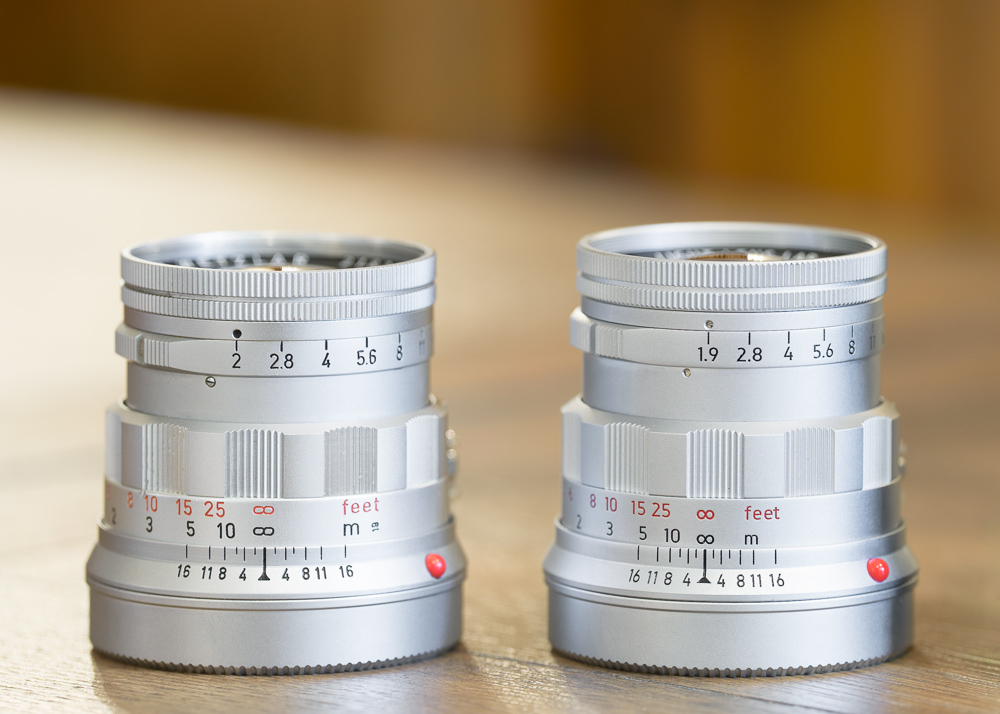
Light Lens Lab 50mm f/1.9 Rigid-ZS6 compared to Leica 50mm f/2 Summicron Rigid and Light Lens Lab 50mm f/2 SP II.
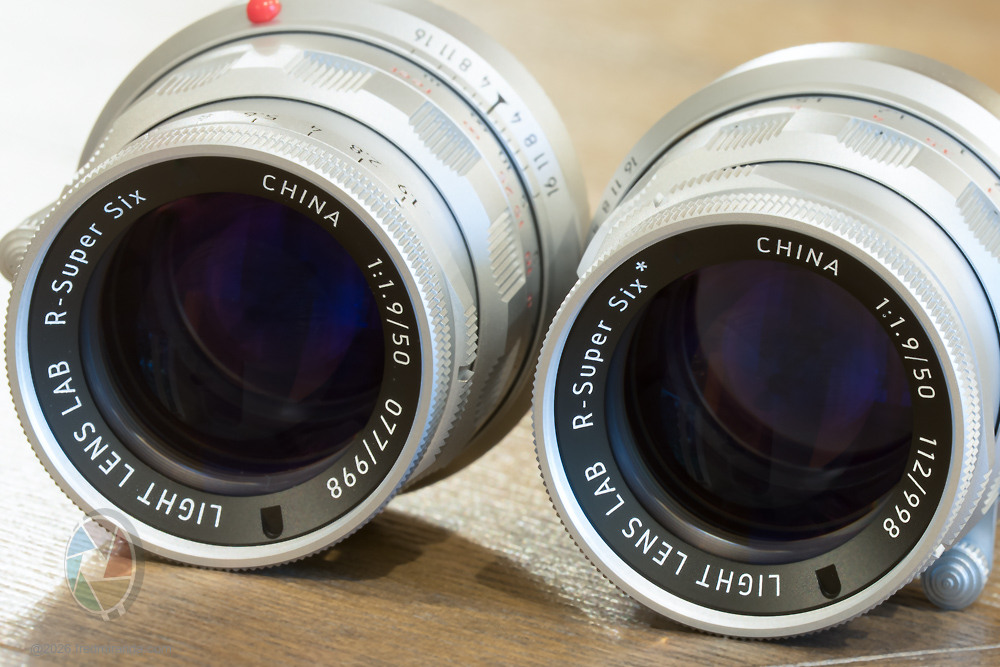
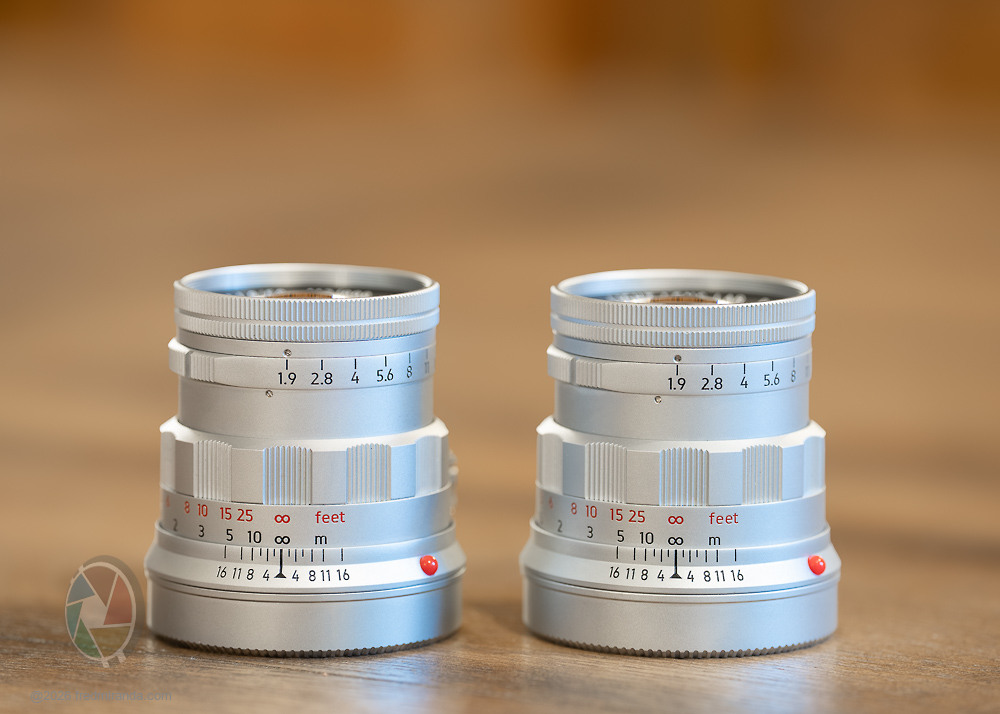
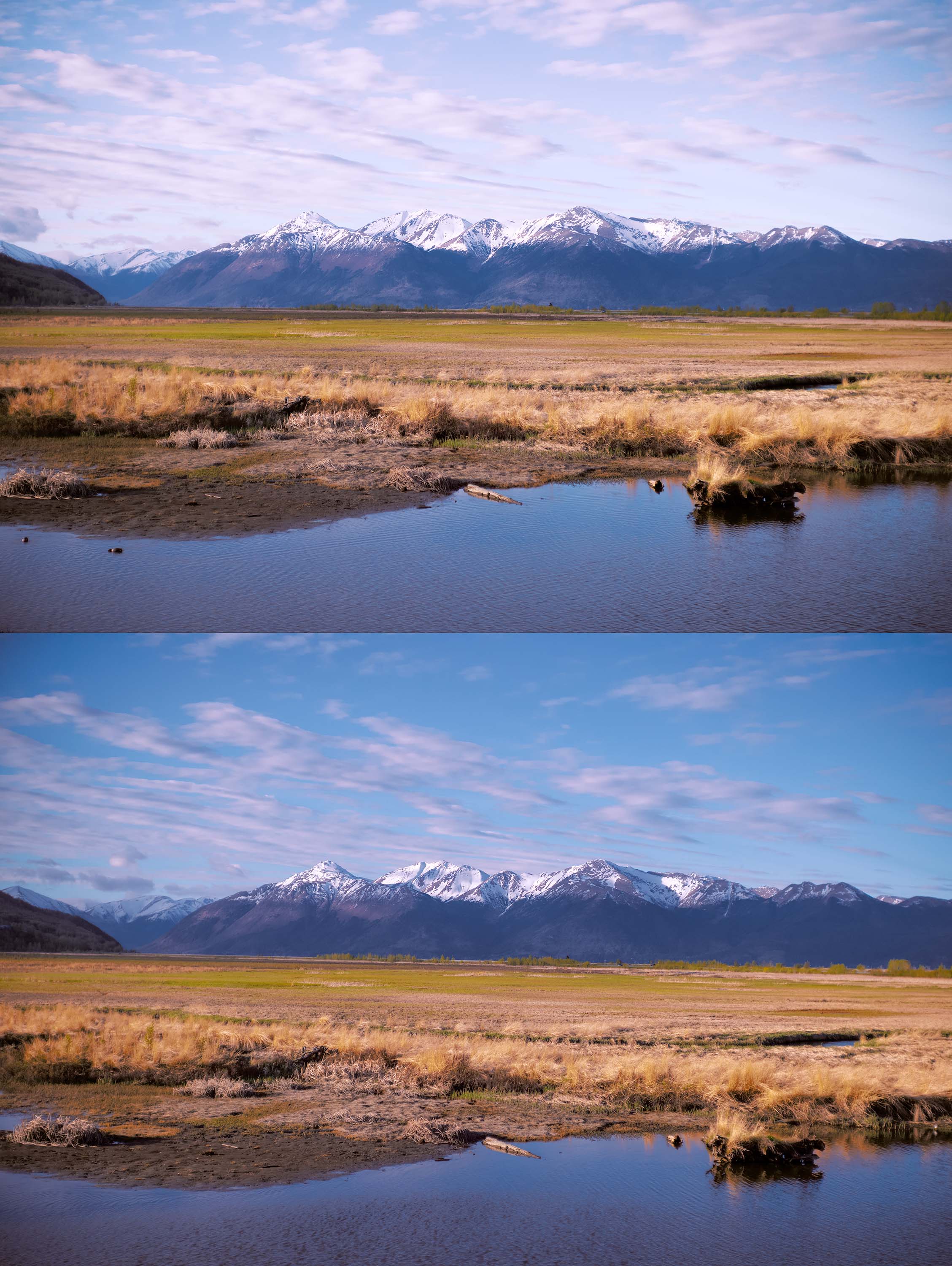
For this review, I will be testing both the Standard and Low Contrast versions side by side. The Low Contrast model is identified by a small asterisk on the front ring. Personally, I think offering different coatings for the same optical formula is a smart move because photographers interested in lenses like this are often looking for very different rendering styles. Some prefer a bit more punch and contrast while still keeping the unique character of the lens, while others want a softer, more vintage look with lower contrast rendering closer to old film era optics. The Low Contrast version should also more closely resemble the rendering style of the original 1930s lens.
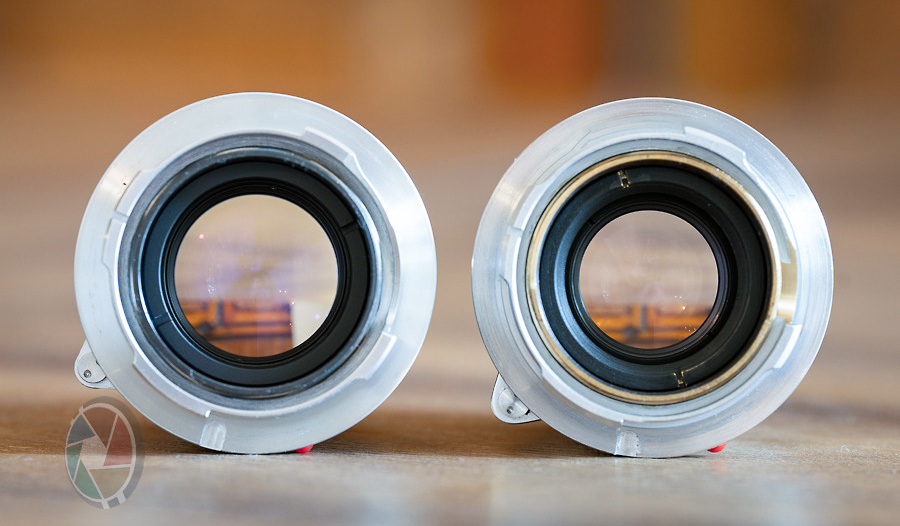
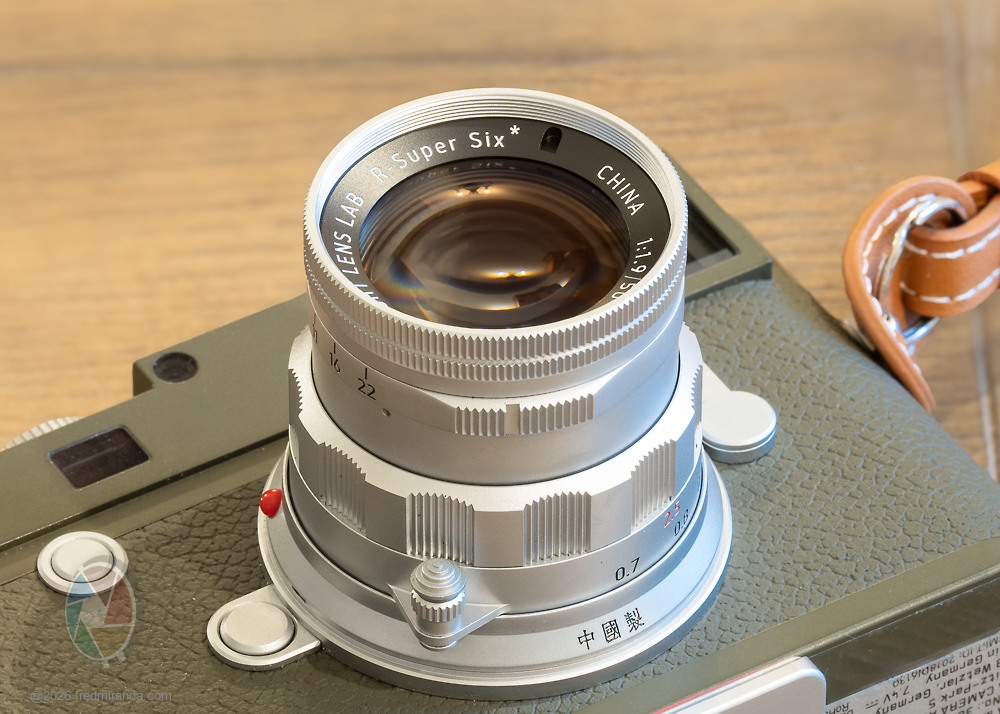
Light Lens Lab 50mm f/1.9 Rigid-ZS6 Standard vs Low Contrast (with asterisk)
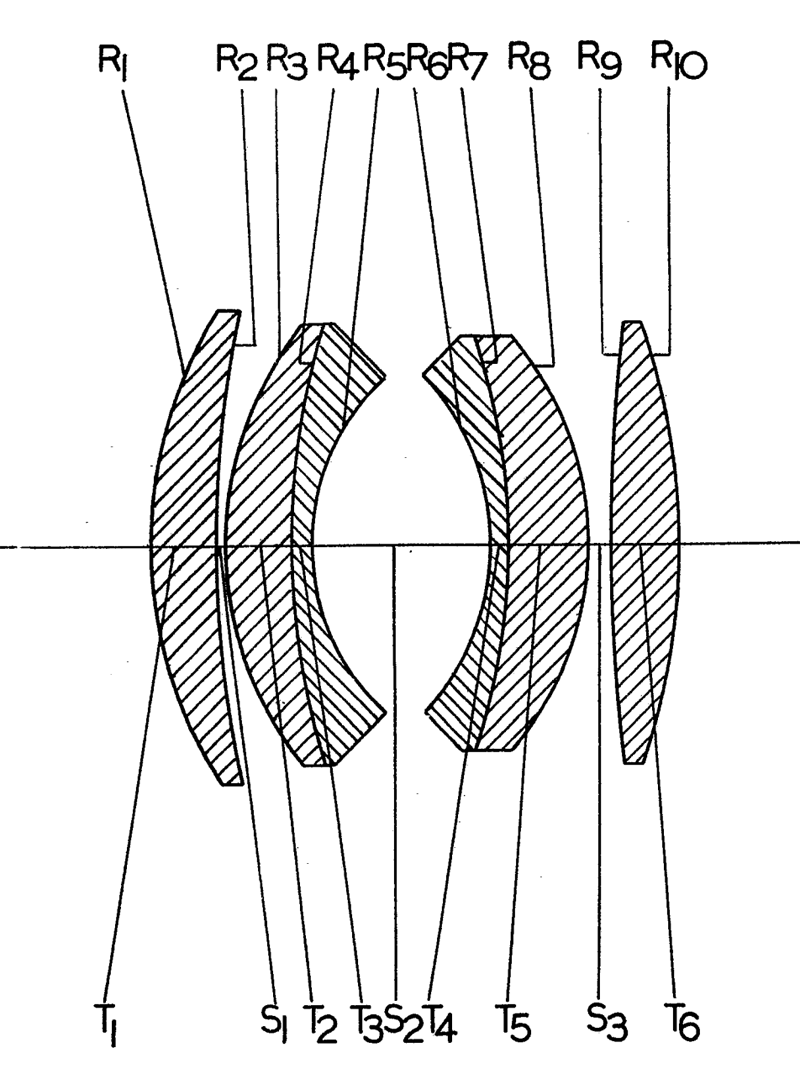
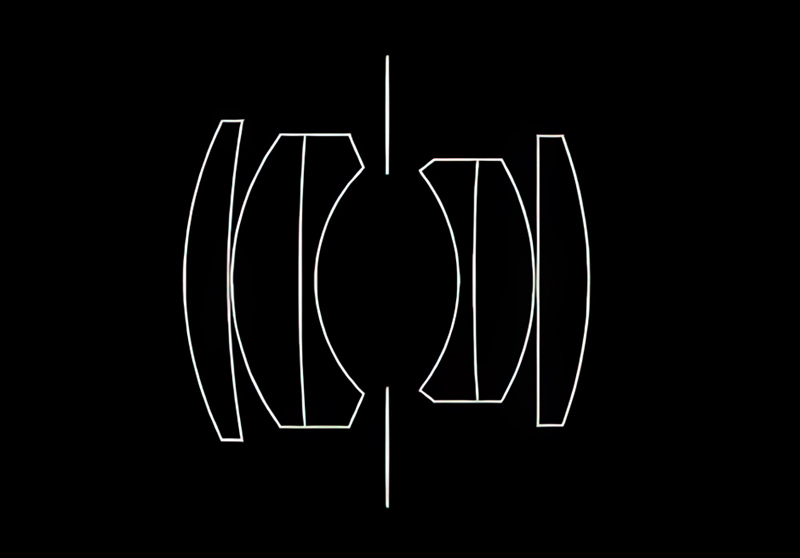
Technically, the lens uses a 6 element in 4 group optical design covering full frame format, with a focus range from 0.7m to infinity. The aperture range is f/1.9 to f/22, with 11 aperture blades that are slightly curved, and half stop increments. It uses an M-mount and an E39 filter thread, with an optional A42 clip on hood available separately. Although slightly longer than the original Leica Rigid barrel, it remains fairly compact at 45mm in length, 54mm in diameter, and weighs 264g. (measured).
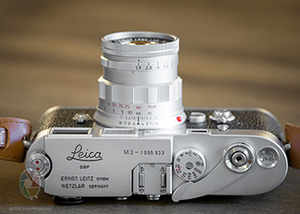
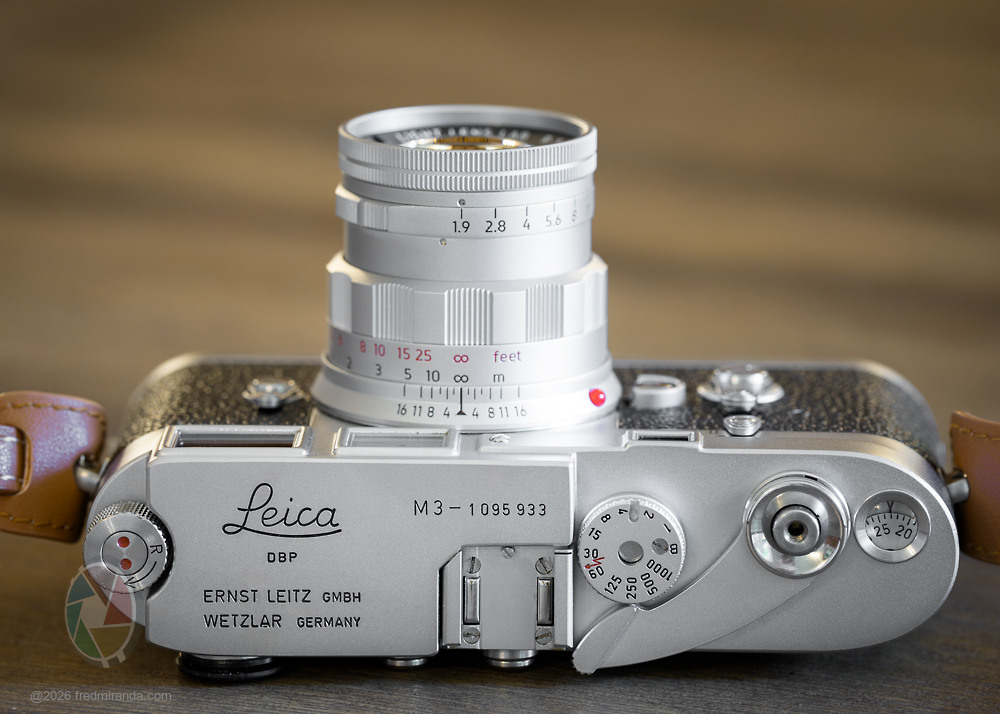
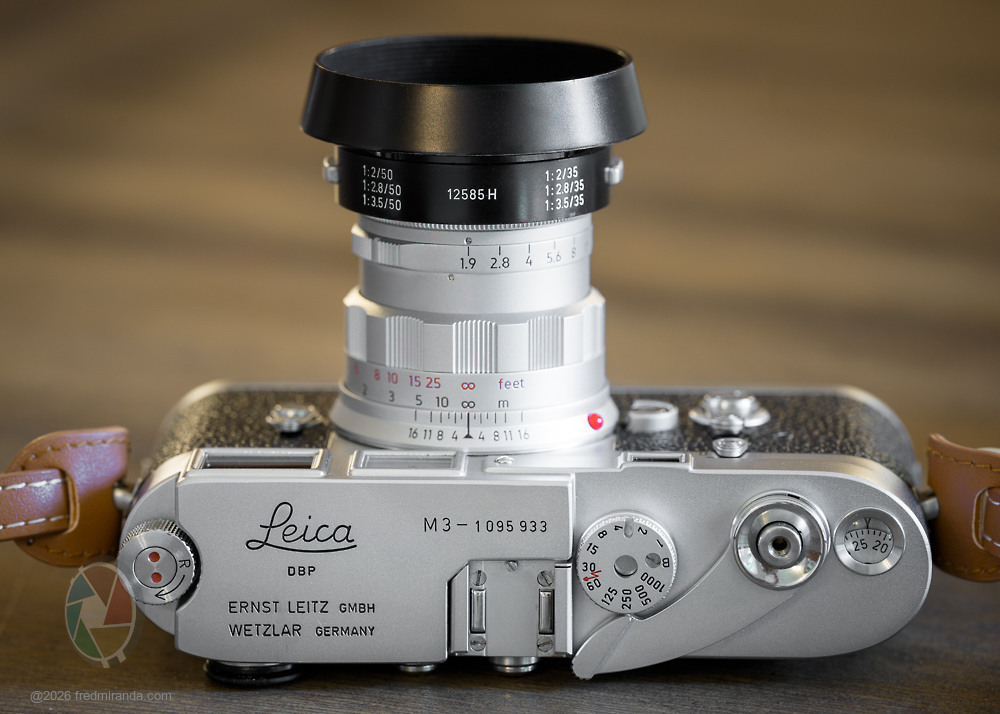
Leica M3 paired with the Light Lens Lab 50mm f/1.9 Rigid-ZS6.
The lens itself feels very solid and dense in hand, very much in line with the rest of the Light Lens Lab Rigid series. Fit and finish are excellent on my copy. The brass construction gives it a premium feel without becoming overly heavy. My review sample also has no play in the focusing ring and is properly aligned with the rangefinder.
Size wise, it balances nicely on Leica M bodies. It is compact enough to carry comfortably but still has enough weight to feel substantial. Mounted on cameras like the Leica M10, M3, or M-D, it feels very well balanced. One thing people will either love or hate is the infinity lock. Personally, I’m still not a huge fan of infinity locks in general because they slow me down a bit when shooting quickly, especially for street photography. Some photographers enjoy the mechanical feel, but for me it is something I could do without but I get it's part of the Rigid concept.
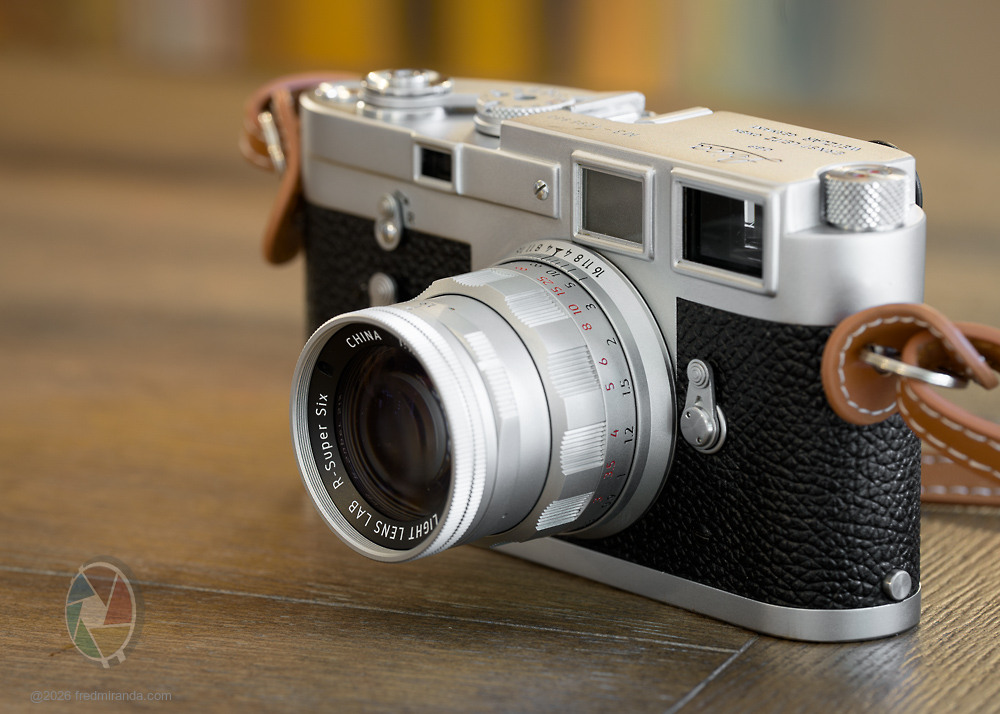
Leica M3 paired with the Light Lens Lab 50mm f/1.9 Rigid-ZS6.
The 165 degrees focus throw is smooth and nicely damped, and the aperture ring clicks firmly in half stop increments. Overall handling actually reminds me quite a bit of using a Leica lens, and I do see a noticeable improvement in manufacturing tolerances compared to some of the company's earlier releases from years ago.
Leica M10-P Safari paired with the Light Lens Lab 50mm f/1.9 Rigid-ZS6.
This lens is really all about producing images with emotion and atmosphere rather than technical excellence.
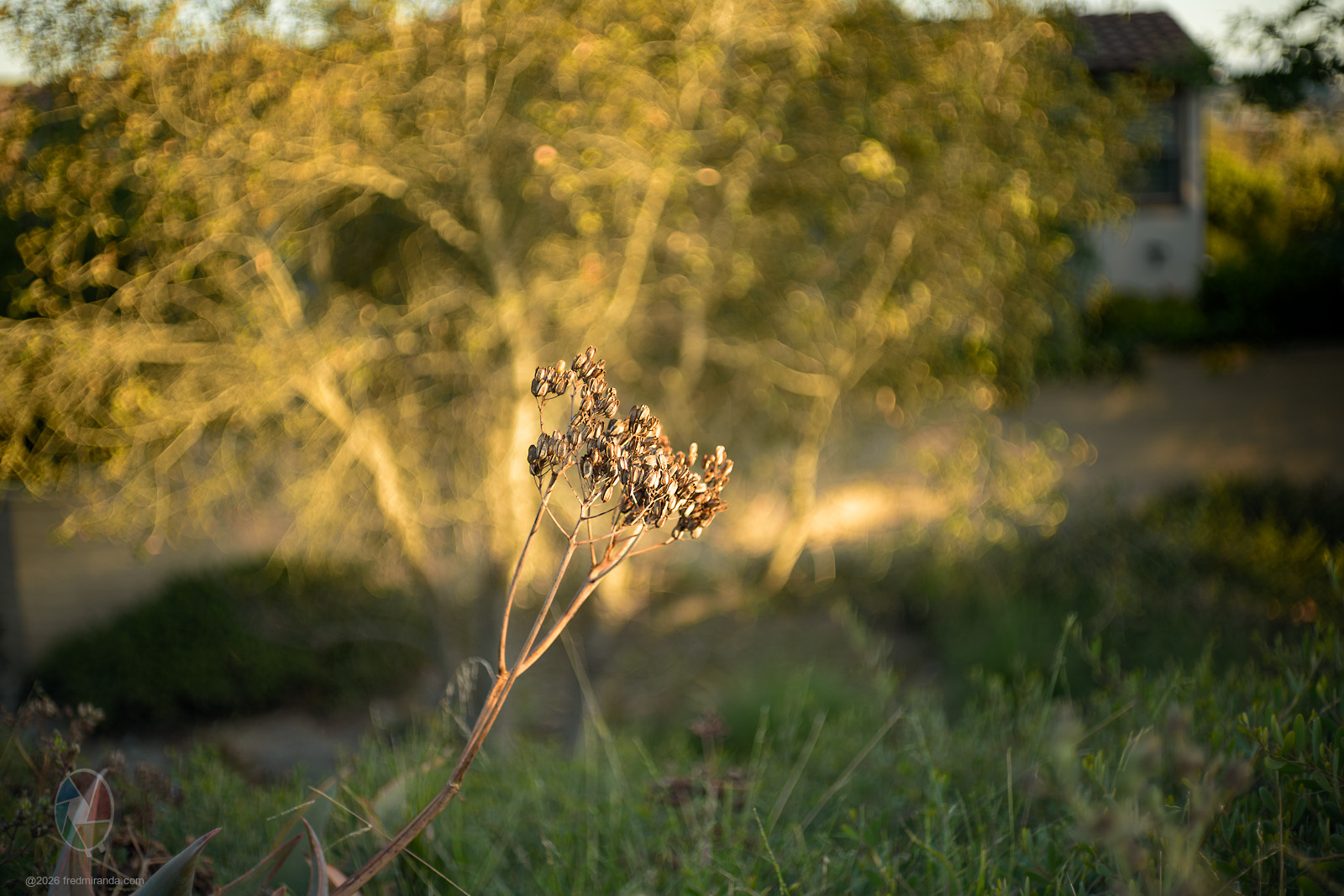
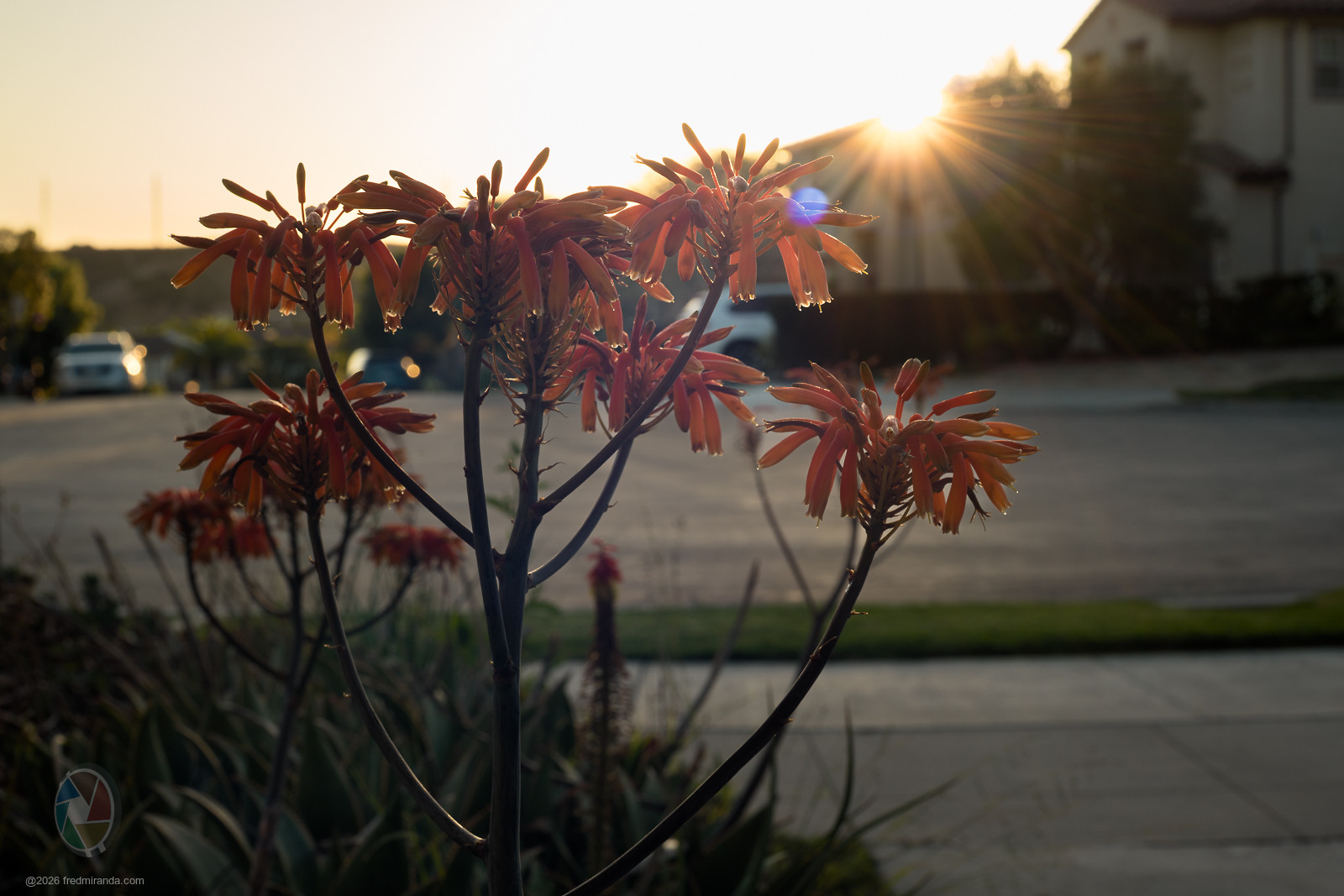
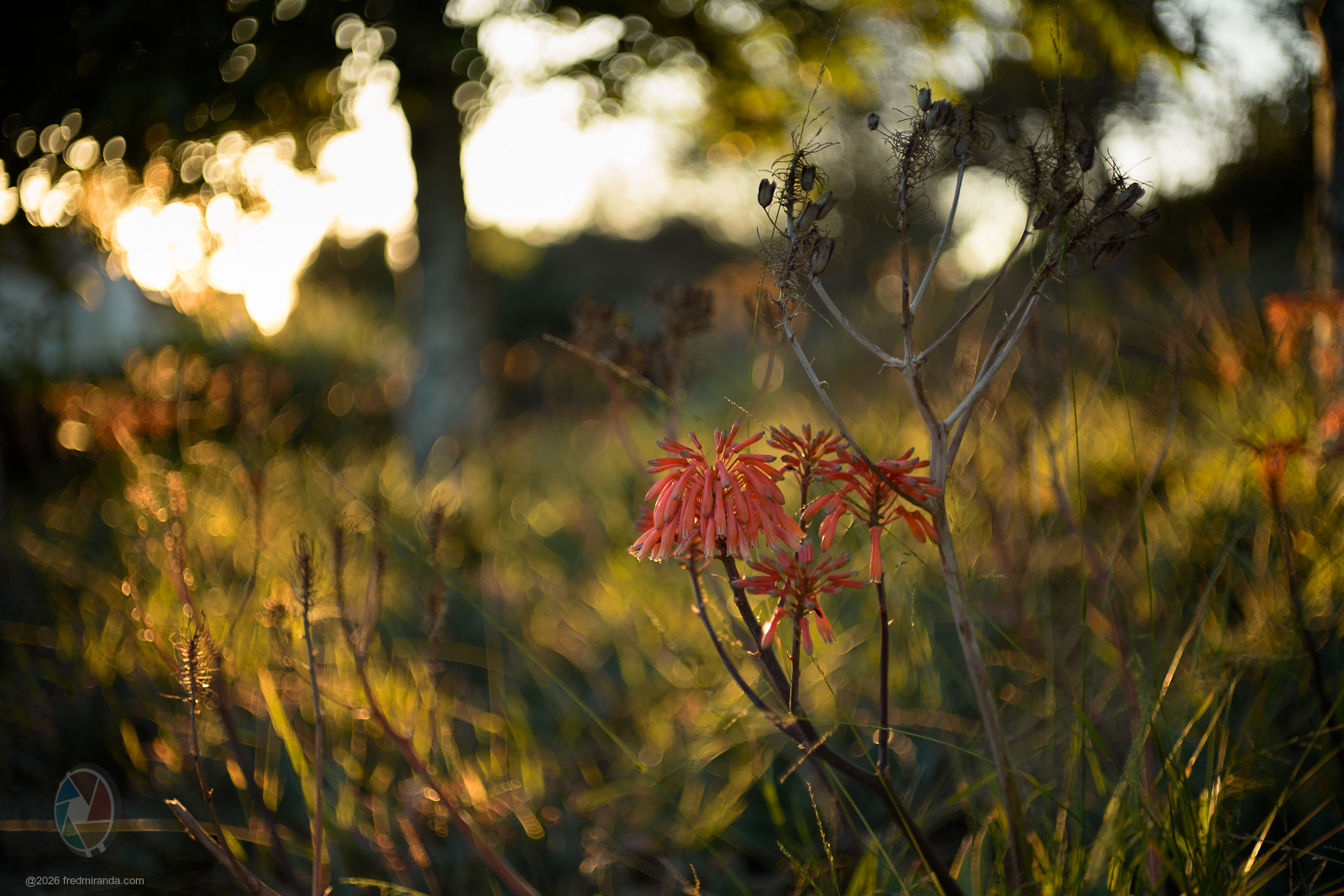
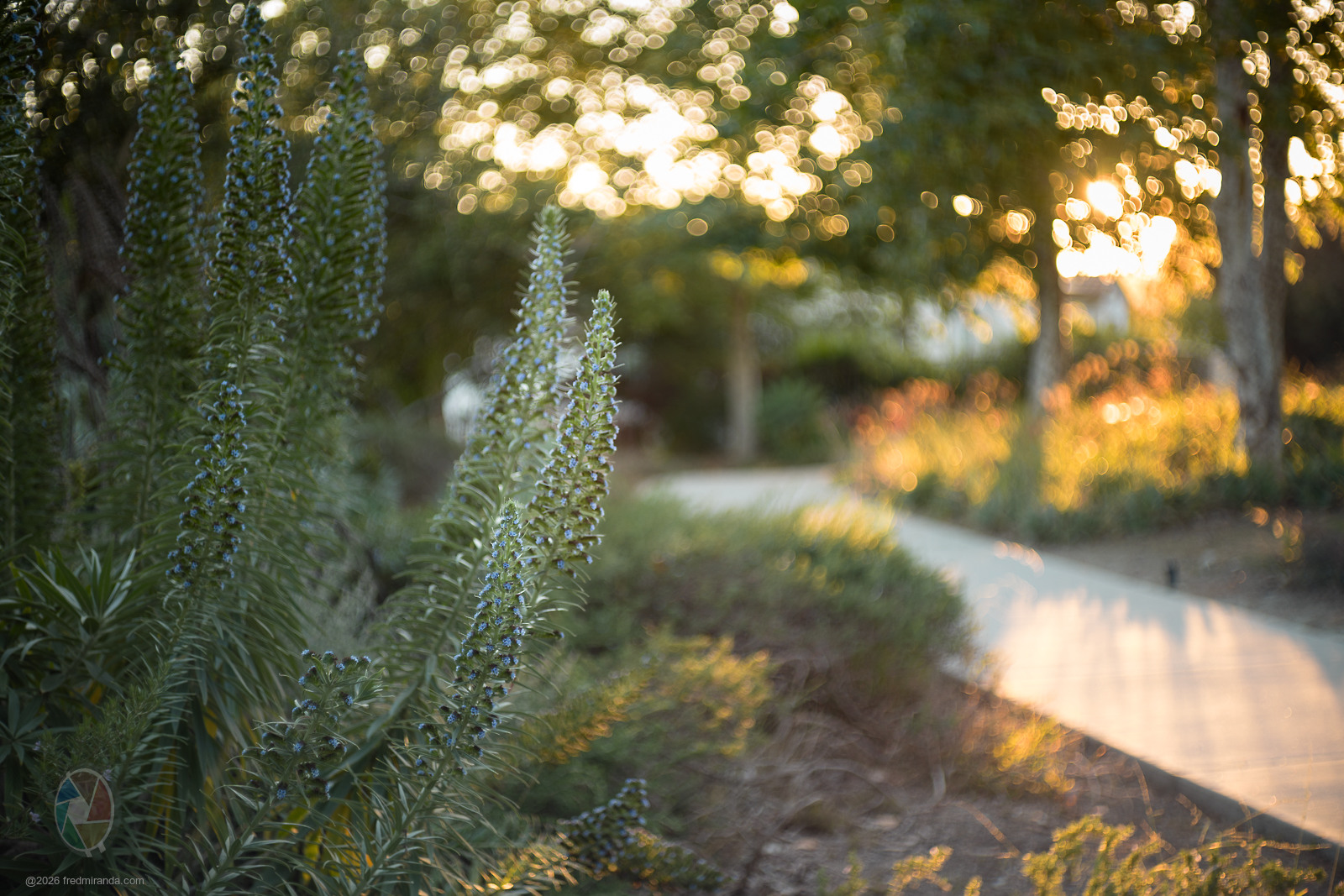
Wide open at f/1.9, you immediately see the Dallmeyer influence. There is slight glow, lower contrast, field curvature, and plenty of character. It flares fairly easily and chromatic aberration is definitely present in certain situations. If someone is expecting modern style correction, this is absolutely not the lens for that.
What makes this lens interesting is the way it draws images, almost like a small time machine translating modern scenes with the texture and feel of old paint strokes. The Low Contrast version especially has a gentler tonal response that can look beautiful in softer light. Highlights transition smoothly, shadows retain detail, and the files often feel less harsh and more organic compared to many high contrast digital lenses.
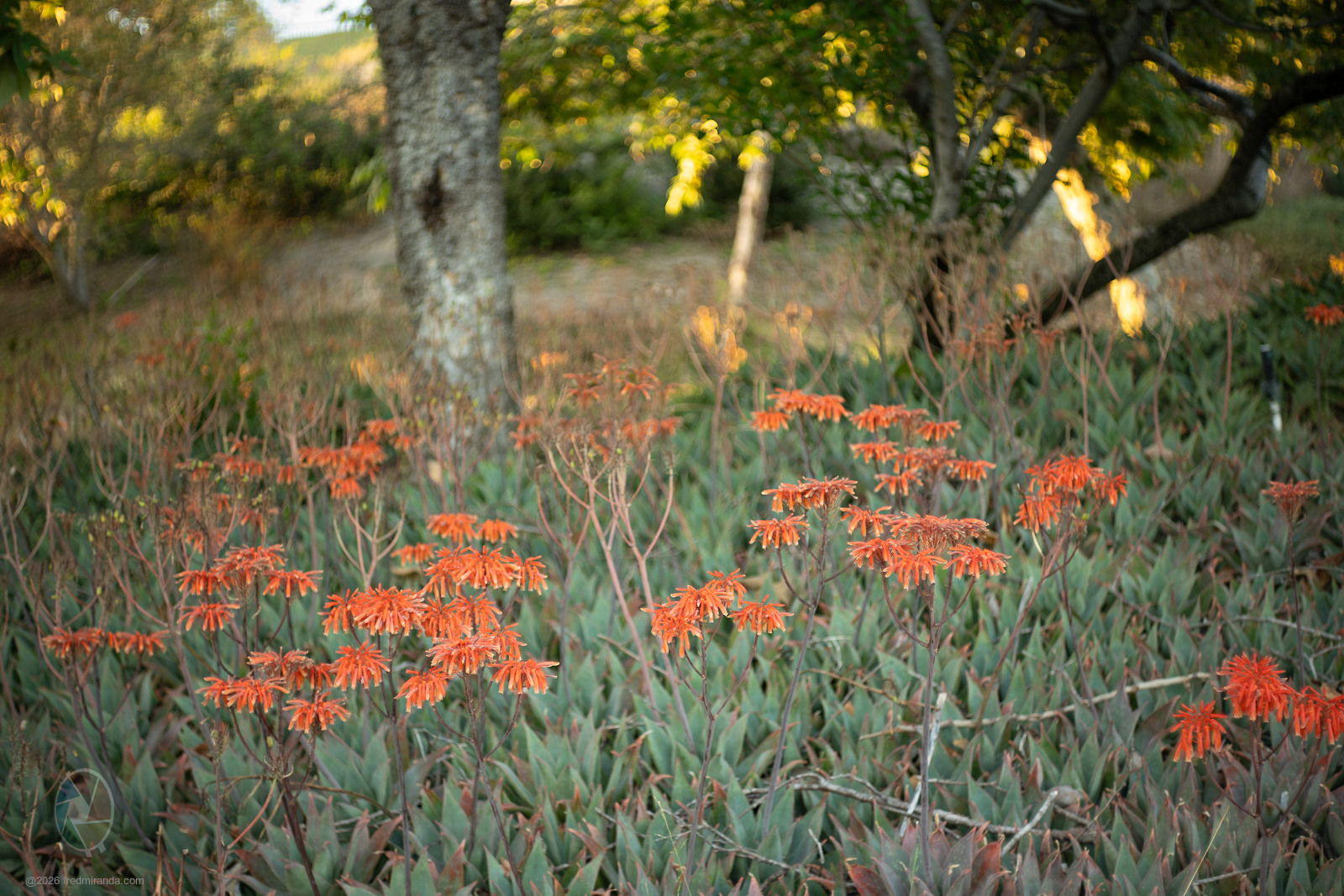
Leica M10-P Safari paired with the Light Lens Lab 50mm f/1.9 Rigid-ZS6 Low Contrast version.
Stopped down a bit, sharpness improves noticeably while still retaining much of the lens’s character. It never fully loses its signature look, but gradually becomes more controlled and modern with each stop down.
Personally, I think this type of lens works best for environmental portraits, street photography, travel, cafes, older architecture, and scenes where mood matters more than edge to edge resolution and contrast. It also pairs especially well with cameras like the Leica M-D because the sensor higher contrast output balances the rendering of the lens very nicely. I could also see this becoming a fantastic lens for black and white film shooters.
The biggest decision with this lens is really choosing between the Standard and Low Contrast versions. The Standard version will probably make more sense for most applications because it gives a little more bite straight out of camera while still retaining the classic rendering style.
The Low Contrast version is more specialized and will probably appeal more to photographers specifically chasing a softer film era look, which may honestly be the majority of photographers interested in this lens in the first place. It gives more room to shape tonality in post and can produce very beautiful black and white files as well. So far, the Low Contrast version is probably my personal favorite, but I still want to do more comparisons and shoot a lot more samples before fully making up my mind.
Light Lens Lab 50mm f/1.9 Rigid-ZS6 Standard vs Low Contrast version (Identical barrel, different coatings)
Features:
• Homage to the legendary Dallmeyer Super Six 2-inch f/1.9
• Format Coverage: 135 Full Frame (24mm × 36mm)
• Optical Construction: 6 elements in 4 groups
• Focus Range: 0.7m to infinity
• Aperture Range: f/1.9 to f/22
• Diaphragm Type: 11-blade preset aperture with half-stop increments
• Aperture Blade Design: Slightly curved blades
• Lens Mount: M-Mount quick-change bayonet
• Filter Size: E39
• Lens Hood: Not included in box, optional A42 clip-on hood available separately
• Length: 45mm
• Diameter: 54mm
• Weight: 265g (measured, without accessories)
• Variants: Standard Contrast / Low Contrast coating options
• Construction: Brass body (Rigid platform design)
Leica M3 paired with theLight Lens Lab 50mm f/1.9 Rigid-ZS6 lens with original Leica hood.
What I like most about this release is that Light Lens Lab didn’t try to “improve” the optical design, something I felt had happened to a small degree with some earlier releases. The lens still feels imperfect in all the right ways, which is exactly what draws people to it. I also think offering both Standard and Low Contrast versions was the right decision because it allows photographers to decide how far they want to lean into that softer rendering style.
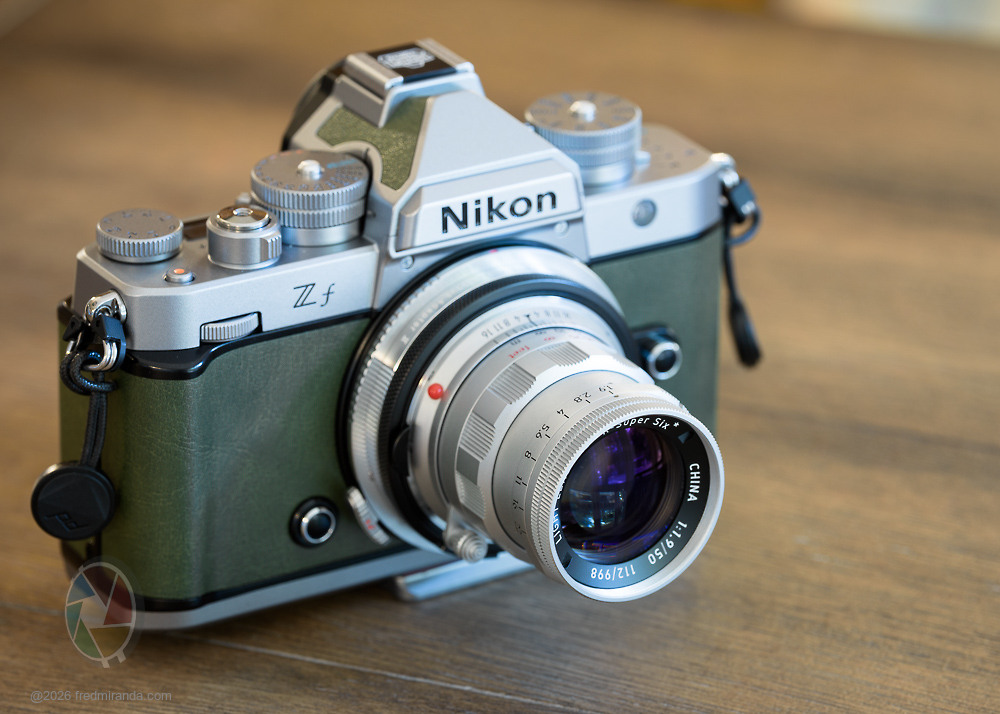
Light Lens Lab 50mm f/1.9 Rigid-ZS6 lens adapted to Nikon Zf.
This is definitely not a lens for everyone. Some photographers may not enjoy the lower contrast and more characterful rendering, especially if they prefer the current modern, more clinical look, although I still find it sharp enough even wide open. Others will be drawn to the atmosphere, flare, and personality it brings to images. In a market full of lenses chasing technically perfect, ultra smooth, and abstract rendering, it's refreshing to see lenses that still prioritize character and an emotional connection to the past.
|