fjablo wrote:
Is he manually focusing the AF-D 35mm f2 in that image? Nikon where is our FTZ adapter with built-in screwdrive motor?!!
Isn't that the most pitiable thing you ever saw? An honest-to-goodness astronaut, in a machine that cost billions, further from Earth than any human in history... stuck manually focusing his Z9 in space because Nikon won't do an AF adapter!
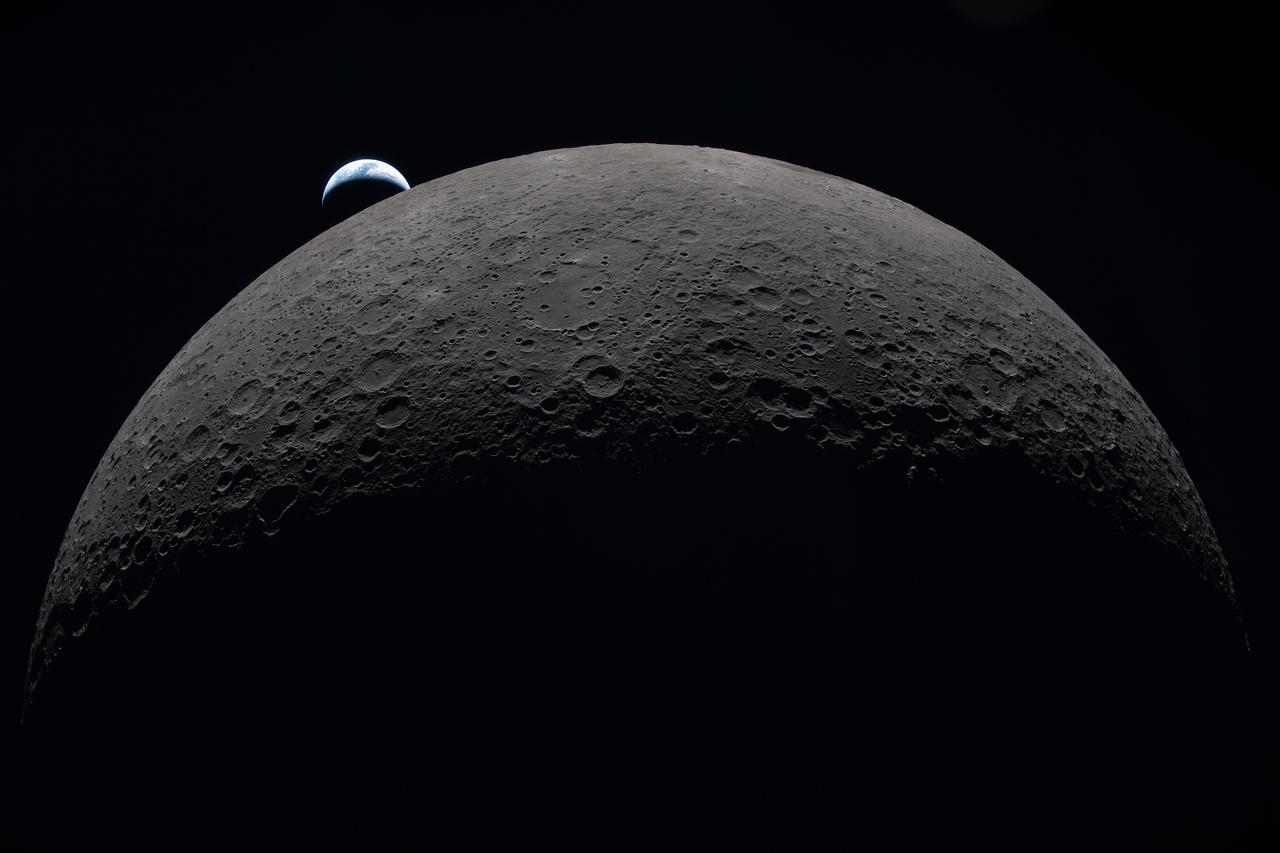
But really, these photos are awesome.
n8rv wrote:
Whew! This one might be my favorite so far
ilkka_nissila wrote:
Indeed the D5 high ISO image quality is better than Z9. The difference between D6 and D5 is small though, but as the D5 is a bit slower it is a tiny bit less noisy.
Most likely the main reason they are using the D5 is because it has been tested more in space. But of course it is a high ISO optimized camera and the Z9 is a versatile all-rounder.
I think it also has to do with being able to see the true color of celestial objects through the viewfinder.
Wezre wrote:
I think it also has to do with being able to see the true color of celestial objects through the viewfinder.
If that were true the Z9 wouldn't have been chosen as the HULC. It's simply time intensive and costly to certify a camera for use and the D5 is the current certified workhorse.
Weird that we posted almost the exact same thing at the same time (though you beat me to the submit button...I didn't realize until now because mine started a new page.
m.sommers00 wrote:
I have to wonder what the rationale was for this. Is the ISO performance of the D5 better than the Z9? Why D5 and not D6?!
The D5 does record more dynamic range compared to the D6. The Z9 has a larger amount up until about 1200 ISO then the D series gains the upper hand. It doesn't seem to be a massive difference either way. My guess is they chose the Nikon body with max dynamic range at settings the astronauts typically use in space.
RoamingScott wrote:
If that were true the Z9 wouldn't have been chosen as the HULC.
What’s interesting is that as far as I can tell it looks like one of the lenses for the HULC - and maybe *the* lens that will go to the surface of the moon and succeed the mighty Zeiss Distagon 60mm - is the humble Nikon 40mm f2
I really love the pragmatism that is apparent with these images. The gear is old, the lenses are not really the best, they stop down well into diffraction territory, some of the shots are a bit blurry.. yet none of it matters one bit.
Contrast that with some threads here where you’ll find the most boring ass pictures taken with vastly more capable gear. And people discussing lenses as if it were impossible to take images without buying the latest and greatest stuff. Just puts things in perspective imo
It’s really just the certification process. The D5 is fully certified and the Z9 is not. Other articles mentioned that Nikon was still working on radiation hardened circuits for the Artemis III Z9 cert package. They were able to sneak one on to play with but the trusted workhorses this time are the D5’s.
Vic Fontaine wrote:
The D5 does record more dynamic range compared to the D6. The Z9 has a larger amount up until about 1200 ISO then the D series gains the upper hand. It doesn't seem to be a massive difference either way. My guess is they chose the Nikon body with max dynamic range at settings the astronauts typically use in space.
jpelt78 wrote:
It’s really just the certification process. The D5 is fully certified and the Z9 is not. Other articles mentioned that Nikon was still working on radiation hardened circuits for the Artemis III Z9 cert package. They were able to sneak one on to play with but the trusted workhorses this time are the D5’s.
You know you’re right. If I spent as much time flying around distant celestial objects in my rocket ship as I do agonizing about gear on this forum I’d finally have a gallery worth a damn! :-)
fjablo wrote:
What’s interesting is that as far as I can tell it looks like one of the lenses for the HULC - and maybe *the* lens that will go to the surface of the moon and succeed the mighty Zeiss Distagon 60mm - is the humble Nikon 40mm f2
I really love the pragmatism that is apparent with these images. The gear is old, the lenses are not really the best, they stop down well into diffraction territory, some of the shots are a bit blurry.. yet none of it matters one bit.
Contrast that with some threads here where you’ll find the most boring ass pictures taken with vastly more capable gear. And people discussing lenses as if it were impossible to take images without buying the latest and greatest stuff. Just puts things in perspective imo ...Show more →
v5planet wrote:
You know you’re right. If I spent as much time flying around distant celestial objects in my rocket ship as I do agonizing about gear on this forum I’d finally have a gallery worth a damn! :-)
“If you want to be a better photographer, stand in front of more interesting stuff.” - Jim Richardson
(not sure if he really ever said it, as usual with these quotes..)
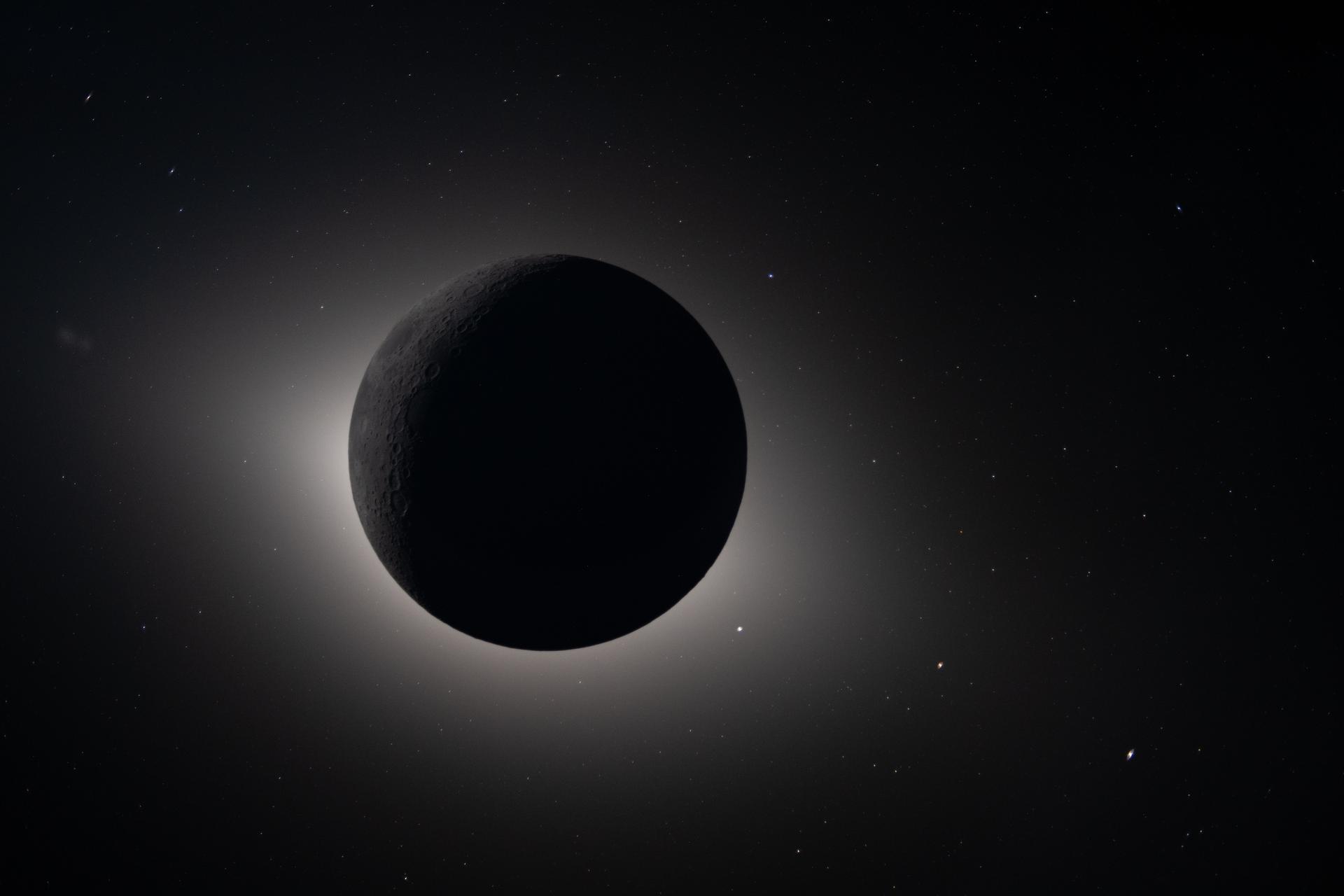
Stunning pics from Artemis II. Admittedly this reply is a bit off-topic but it relates to the subject in an oblique sort of way.
In that quote Mr. Richardson is saying that to lift a very heavy object you have to be really strong. Well, yeah. The problem for most of us is that we can't stand, figuratively or literally, on the far side of the moon. We are stuck in more down-to-earth locations, often in our home towns or neighborhoods or other places our spouses, finances, vehicles, and feet will let us visit. So we look around for sights we see but don't see. You don't have to go to Skellig Michael or even the moon to find interesting subjects. You do have to keep your eyes open.
Of course Mr. Richardson is on target about doing your homework. If you're going through all the trouble to visit Skellig Michael or the moon it would be stupid not to be as prepared mentally as you are with your equipment.
I'd love to get photographs like those! What's the earliest reservation I can get for a trip to the moon?
jimmuller wrote:
Admittedly this reply is a bit off-topic but it relates to the subject in an oblique sort of way.
This is a reply to the post immediately above:
fjablo wrote:
“If you want to be a better photographer, stand in front of more interesting stuff.” - Jim Richardson (not sure if he really ever said it, as usual with these quotes..)
I've been shooting Nikon exclusively since 1984 (that may change); back then, my final decision was based on the fact that it was the brand NASA used most in space.
Hasselblad was used too.
This from Ai: NASA left 12 Hasselblad camera bodies on the Moon's surface during the Apollo missions (11 through 17) to save weight for returning moon rock samples.
And astronaut Michael Collins lost a Hasselblad in space during the Gemini 10 mission in 1966 when it drifted away during a space walk.


 ).
).