Ripolini wrote:
This is a reply to the post immediately above:
Yes, I know. I wasn't reacting to your note except for the quote. I was thinking about and reacting to what Mr. Richardson had written.
Lately I have been reading blogs or interviews about how such-and-such a photographer studies a place or a subject or animal behavior in an exotic location. Then I examine my own "interesting stuff" to stand in front of. I can't get to those places. I certainly can't get to the moon. Can't even get to the Arctic or a jungle or a tropical island or a wolf habitat or a glacier. Thus much of what those bloggers and writers are telling us is inapplicable, all valid but useless. The "studying" I have to do is in places I see everyday or go to regularly. The trick isn't in the studying, it's in the seeing things I already know or at least think I know. I would imagine that applies to many of us. That's all I was trying to say.
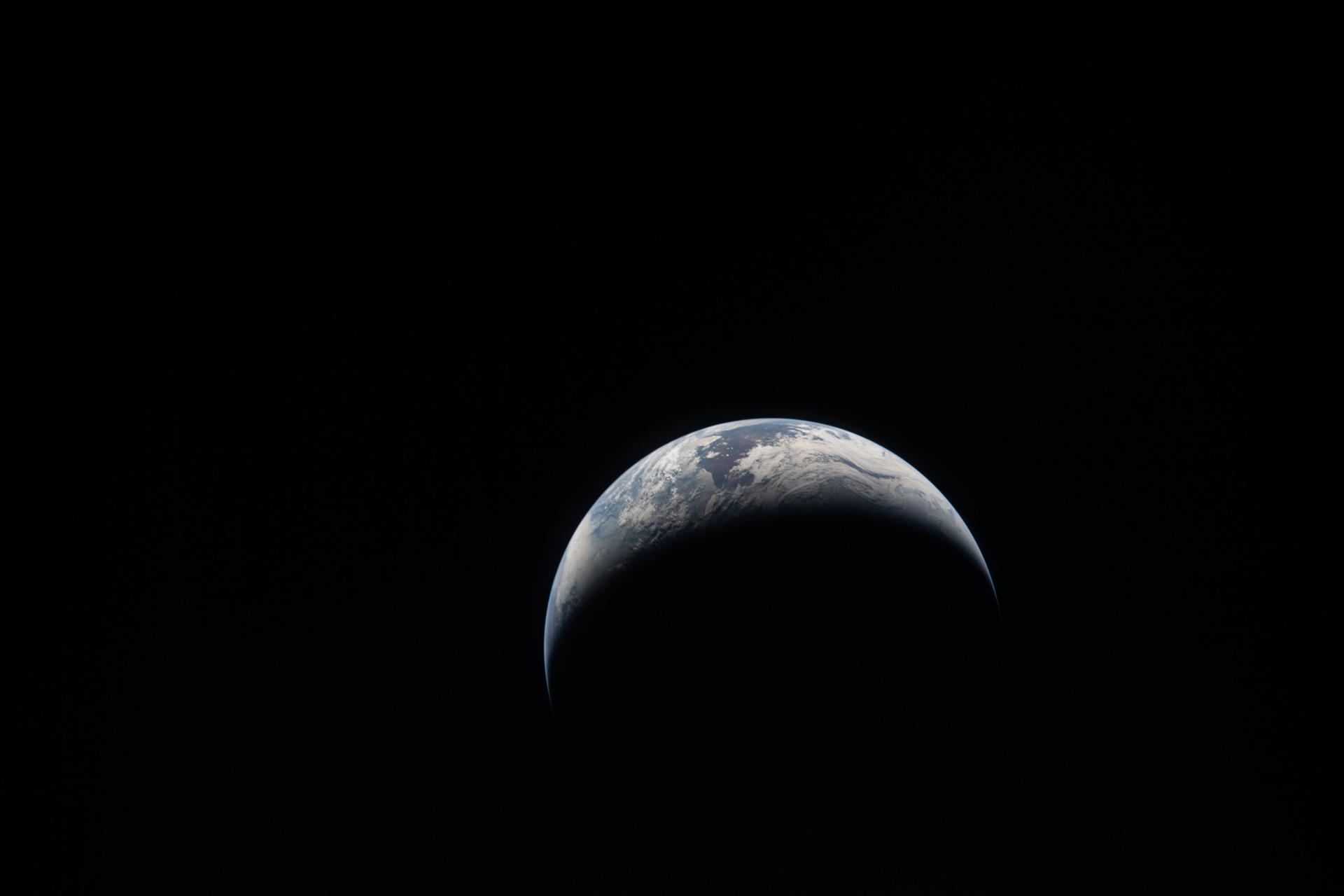
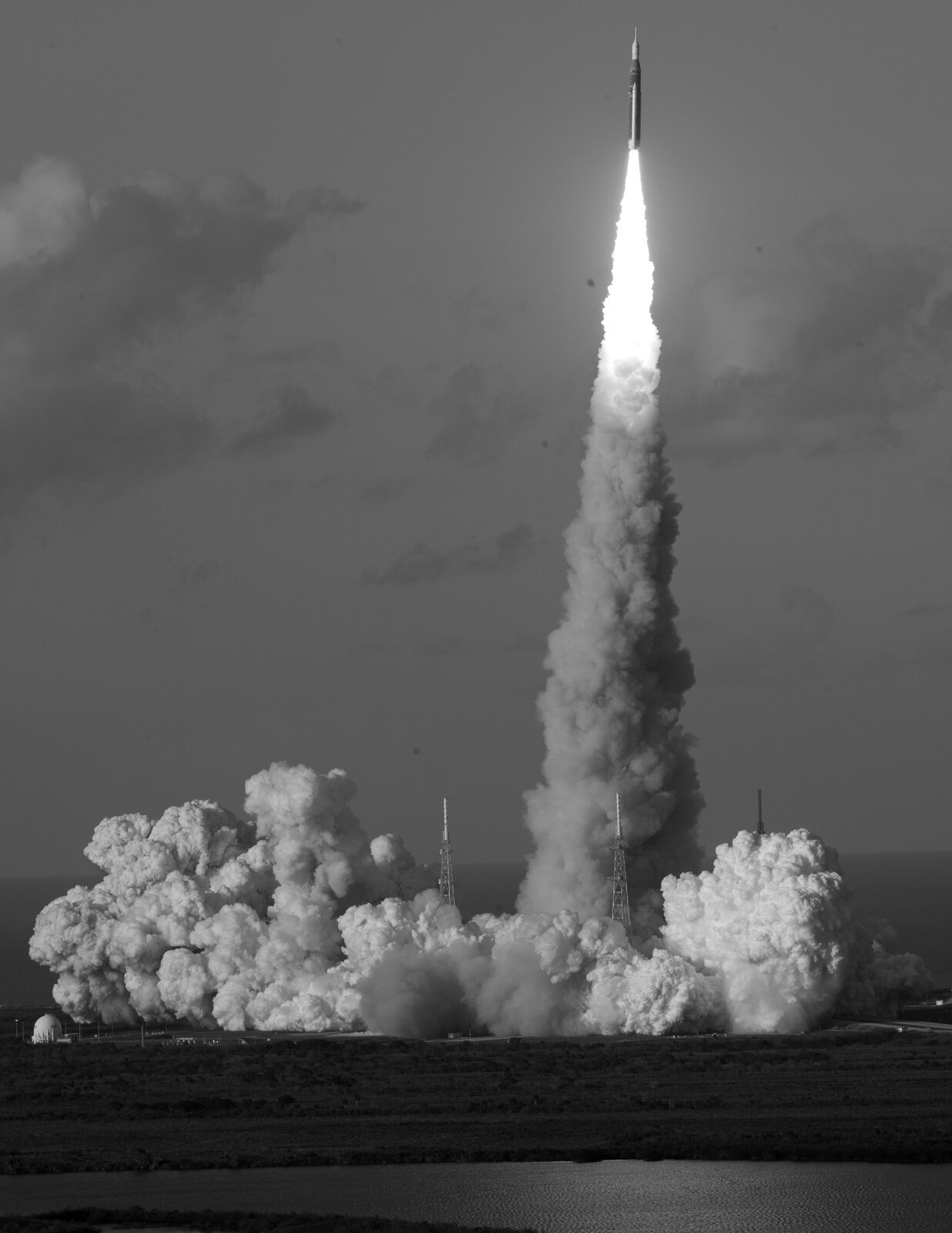
The hard studying for those great Artemis II pictures was in the preparation for getting there at all. It's really cool that the astronauts took them with Nikons not so different from what any of us could own, and did so after they got there and saw the subject.
Don't replace if it's not broken
Most likely at the time of the purchase was top of the line
Probably the certification comes into a play as well
End of the day it's a capable camera
OffTrail wrote:
Isn't that the most pitiable thing you ever saw? An honest-to-goodness astronaut, in a machine that cost billions, further from Earth than any human in history... stuck manually focusing his Z9 in space because Nikon won't do an AF adapter!
But really, these photos are awesome.
Too cool!
What's more pitiful is that Nikon didn't just give them a 35mm f1.4G or 35 f1.8G.
I’m assuming NASA has some pretty strict guidelines about editing photos of events of national record, I would not be surprised if they’re not allowed to clone out dust bunnies.