Jack Flesher wrote:
I’ve done enough birds that I know 800 is the answer for me, so I would go with the 400-800 plus 1.4x. I’m leaning toward the Tammy for the compact size and added versatility and it eliminating the needs for the 70-200/4 and 100-40/4.5. In turn that saves me around $4500 net which basically pays for another body 🤷🏼
My copy of the 50-400 is working well for me. Here is a 100% pixel crop on the A7R6 at 400mm wide open at f/6.3 (developed in LR as I always do), equivalent on my monitor to looking close up at a 38” print.
Two reviews I found accurate to what I’ve seen in the 1.5 years I’ve been shooting mine (as well as another copy on Nikon):
Ross Martin wrote:
My copy of the 50-400 is working well for me. Here is a 100% pixel crop on the A7R6 at 400mm wide open at f/6.3 (developed in LR as I always do), equivalent on my monitor to looking close up at a 38” print.
Two reviews I found accurate to what I’ve seen in the 1.5 years I’ve shot mine:
Jack Flesher wrote:
I hope the copy I just ordered is as good
I do too! I think many times lens opinions vary based on copy variation. My 50-400 was close enough to the sharpness of a really great copy of the Sony 100-400/4.5-5.6 (Fred Miranda’s former lens) that I sold the latter because I prefer the versatility of going down to 50mm. But that Sony lens took the 1.4x exceptionally well and I would have kept it if 560mm f/8 was more important to me.
You may know of the landscape photographer Mads Peter Iversen, the 50-400 has been his main tele zoom the last couple years.
Ross Martin wrote:
I do too! I think many times lens opinions vary based on copy variation. My 50-400 was close enough to the sharpness of a really great copy of the Sony 100-400/4.5-5.6 (Fred Miranda’s former lens) that I sold the latter because I prefer the versatility of going down to 50mm. But that Sony lens took the 1.4x exceptionally well and I would have kept it if 560mm f/8 was more important to me.
You may know of the landscape photographer Mads Peter Iversen, the 50-400 has been his main tele zoom the last couple years.
I 100% get that -- I actually considered the version 1 100-400 Sony lens for the reason of being smaller than the new one and taking the TC, but in the end I decided to at least try the Tammy for it's added versatility. If I don't like it, it will go back, but I'm hoping it becomes a regular in my bag.
gdanmitchell wrote:
I would normally avoid the gigantic f/2.8 versions, but here the smaller option could combine well with the other lenses… if the IQ is first-rate. Same for that 16-25, since I’ve long felt that there is an argument against the big overlap between 16-35mm and 24-70mm zooms. (Yes, there is a counter to that argument, too…)
Dan, the one thing I really like about the Sony 16-35 f/2.8 GM II is its versatility: It not only really great at landscape work but is also really nice for cities with narrow streets where 35mm f/2.8 is a great for capturing people on the streets.
You know all this, and it makes most sense to start with using your Canon lens adapted, just wanted to mention it. Weight is only 1.2 lb / 547 gram
I just received Smallrig L-Bracket. I think there is design flaw. When attached it to the camera, hex key won't come out with fingers. You need a tool.
On the A7Rvi ive read the various articles about what the different raw quality settings do to the af calcs, readout speed and bit depth
What I cant find is anything on the impact of shooting in the crop mode
Most articles seem to advocate shooting in compressed raw to maximise speed but further up the thread there were a few examples of people shooting in lossless compressed but in APSC mode
Just curious if there were any articles that explore the benefits of this
Stoffer wrote:
Dan, the one thing I really like about the Sony 16-35 f/2.8 GM II is its versatility: It not only really great at landscape work but is also really nice for cities with narrow streets where 35mm f/2.8 is a great for capturing people on the streets.
You know all this, and it makes most sense to start with using your Canon lens adapted, just wanted to mention it. Weight is only 1.2 lb / 547 gram
I can second this. I have really enjoyed working with the 16-35mm range. My Nikon 16-35mm f4 became one of my favorite DSLR lenses due to it's flexability. It might sound small, but in practice I found 35mm much more useful than 24mm on the long end. If I pick up a new Sony camera, the 16-35mm f2.8 GM II will probably end up following not far behind.
Ross Martin wrote:
My copy of the 50-400 is working well for me. Here is a 100% pixel crop on the A7R6 at 400mm wide open at f/6.3 (developed in LR as I always do), equivalent on my monitor to looking close up at a 38” print.
Two reviews I found accurate to what I’ve seen in the 1.5 years I’ve been shooting mine (as well as another copy on Nikon):
I don't want to veer this thread too off course, but wanted to thank Ross for his comments and examples on his Tamron 50-400 lens. My copy arrived today and my initial testing shows it is "better than expected" crisp-sharp edge to edge wide open throughout the entire zoom range. Contrast is excellent and color appears balanced and neutral as well. F8 seemed perhaps a touch more contrast, but the improvement is so subtle as to be almost irrelevant -- which I suspect indicates it's quite good overall. I haven't done bokeh testing yet, but that is a secondary concern for me with this particular lens. Its range solves for a whole bunch of my needs in a welcome compact form factor; all around this is an impressive value. Thank you Ross and others who reco'd this lens!
Jack Flesher wrote:
I don't want to veer this thread too off course, but wanted to thank Ross for his comments and examples on his Tamron 50-400 lens. My copy arrived today and my initial testing shows it is "better than expected" crisp-sharp edge to edge wide open throughout the entire zoom range. Contrast is excellent and color appears balanced and neutral as well. F8 seemed perhaps a touch more contrast, but the improvement is so subtle as to be almost irrelevant -- which I suspect indicates it's quite good overall. I haven't done bokeh testing yet, but that is a secondary concern for me with this particular lens. Its range solves for a whole bunch of my needs in a welcome compact form factor; all around this is an impressive value. Thank you Ross and others who reco'd this lens!...Show more →
Awesome, Jack, I love to hear this! It’s a great feeling to buy a lens that tests out well 😎
Andyuk109 wrote:
On the A7Rvi ive read the various articles about what the different raw quality settings do to the af calcs, readout speed and bit depth
What I cant find is anything on the impact of shooting in the crop mode
Most articles seem to advocate shooting in compressed raw to maximise speed but further up the thread there were a few examples of people shooting in lossless compressed but in APSC mode
Just curious if there were any articles that explore the benefits of this
TIA
I have been using lossless compressed RAW at 30fps to show swallows and can't fault the autofocus - it mostly is doing better than my A1ii so hard to know what is going on with the autofocus calcs per second. Do fill the buffer occasionally but it's not really been an issue. In APS-C mode the buffer is nearly limitless. No idea whether the bit depth changes - I can't process the lossy compressed RAW files in DxO Photolab to compare them and comparing with files out of Image Edge is difficult.
Once DxO support the lossy formats I will do more thorough testing to see if there is any performance improvement when shooting with the lossy format. It passes with flying colours right now so I am not expecting any big improvement as I have shot quite a bit with lossy and couldn't see any improvement - its hard to improve on such a high hit rate though.
Probably worth testing on portraits with a 1.2 or 1.4 lens to see how accurate it is with people eye af.
duncangr wrote:
I have been using lossless compressed RAW at 30fps to show swallows and can't fault the autofocus - it mostly is doing better than my A1ii so hard to know what is going on with the autofocus calcs per second. Do fill the buffer occasionally but it's not really been an issue. In APS-C mode the buffer is nearly limitless. No idea whether the bit depth changes - I can't process the lossy compressed RAW files in DxO Photolab to compare them and comparing with files out of Image Edge is difficult.
Once DxO support the lossy formats I will do more thorough testing to see if there is any performance improvement when shooting with the lossy format. It passes with flying colours right now so I am not expecting any big improvement as I have shot quite a bit with lossy and couldn't see any improvement - its hard to improve on such a high hit rate though.
Probably worth testing on portraits with a 1.2 or 1.4 lens to see how accurate it is with people eye af....Show more →
It was your post further up the thread that had me thinking about this and likewise, until DXO support improves can't really do much with a lot of the images I've taken so far
100% support your view on shooting in crop mode, had a play with this yesterday at a bird show for a little practice and does make a substantial difference
Previously would have just cropped in post and hadnt considered the buffer and potentially AF benefits of shooting this way
duncangr wrote:
I have been using lossless compressed RAW at 30fps to show swallows and can't fault the autofocus - it mostly is doing better than my A1ii so hard to know what is going on with the autofocus calcs per second. Do fill the buffer occasionally but it's not really been an issue. In APS-C mode the buffer is nearly limitless. No idea whether the bit depth changes - I can't process the lossy compressed RAW files in DxO Photolab to compare them and comparing with files out of Image Edge is difficult.
Once DxO support the lossy formats I will do more thorough testing to see if there is any performance improvement when shooting with the lossy format. It passes with flying colours right now so I am not expecting any big improvement as I have shot quite a bit with lossy and couldn't see any improvement - its hard to improve on such a high hit rate though.
Probably worth testing on portraits with a 1.2 or 1.4 lens to see how accurate it is with people eye af....Show more →
Regarding "No idea whether the bit depth changes" - Perhaps you can determine this with RawDigger 1.4.11 Beta that apparently supports both the lossless and lossy raw files from A7RVI. The difference in bit depth should be seen from the raw histograms in RawDigger.
ruthenium wrote:
Regarding "No idea whether the bit depth changes" - Perhaps you can determine this with RawDigger 1.4.11 Beta that apparently supports both the lossless and lossy raw files from A7RVI. The difference in bit depth should be seen from the raw histograms in RawDigger.
If someone else wants to know I am happy to check - personally I couldn't care.
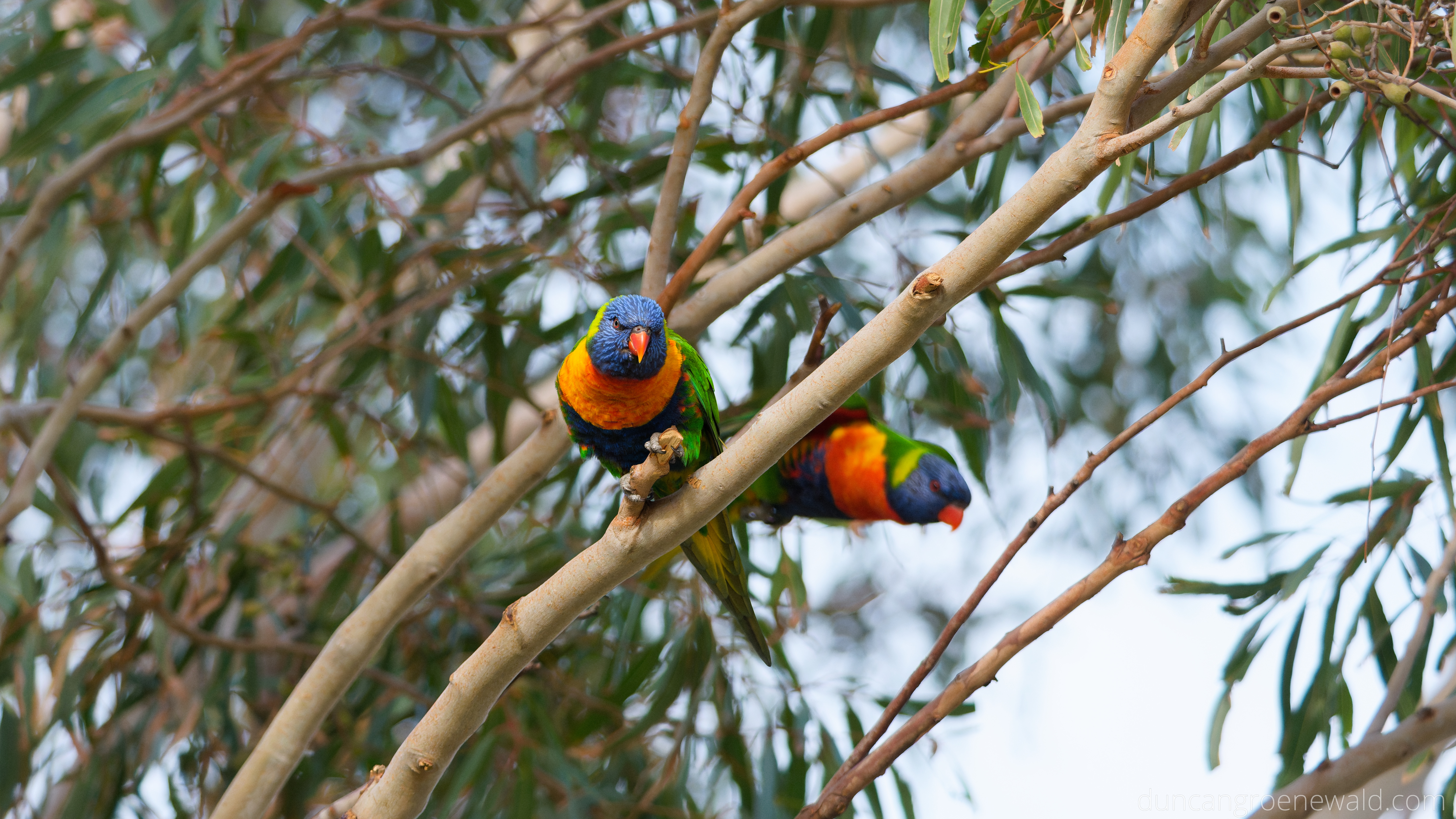
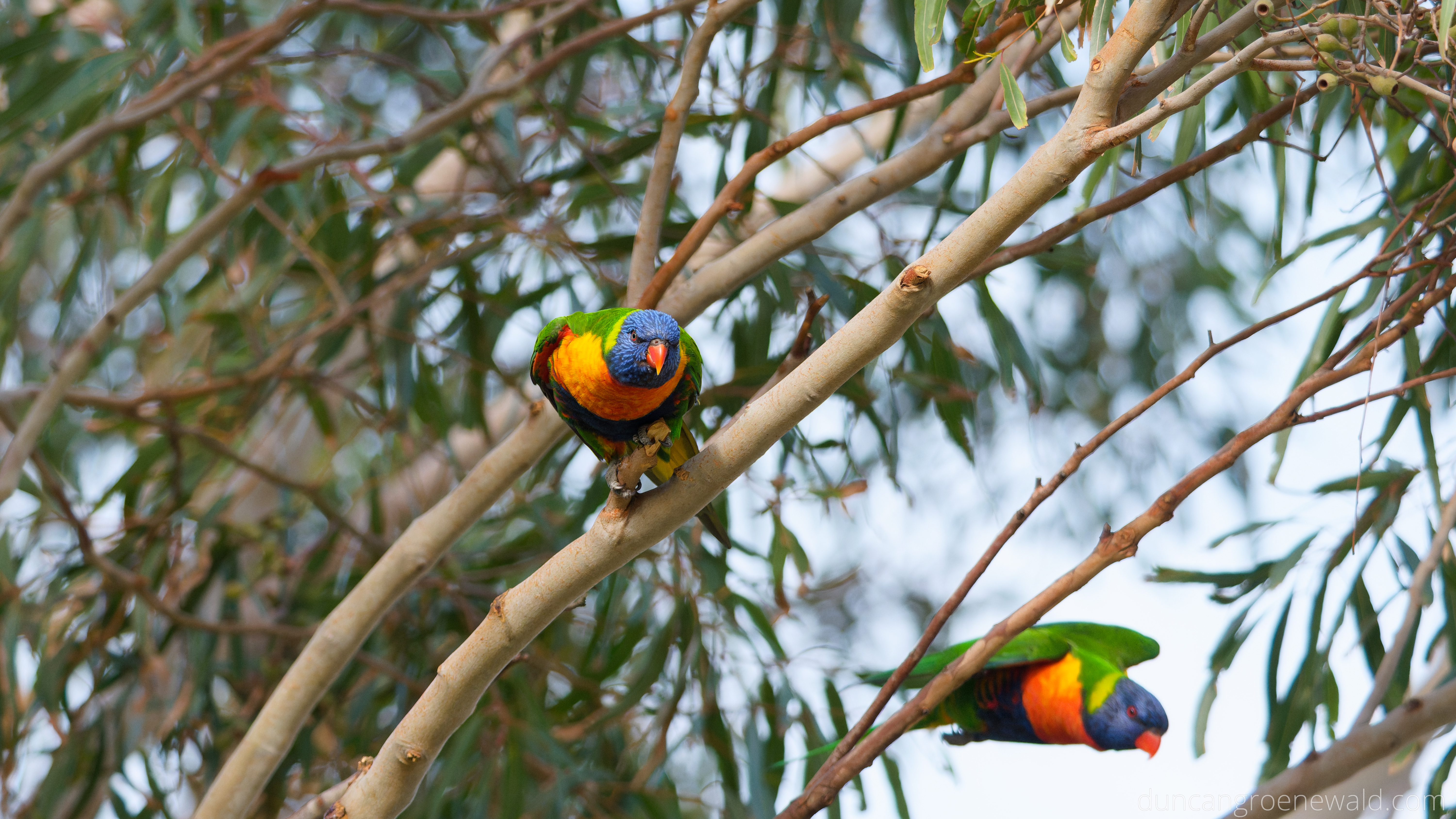
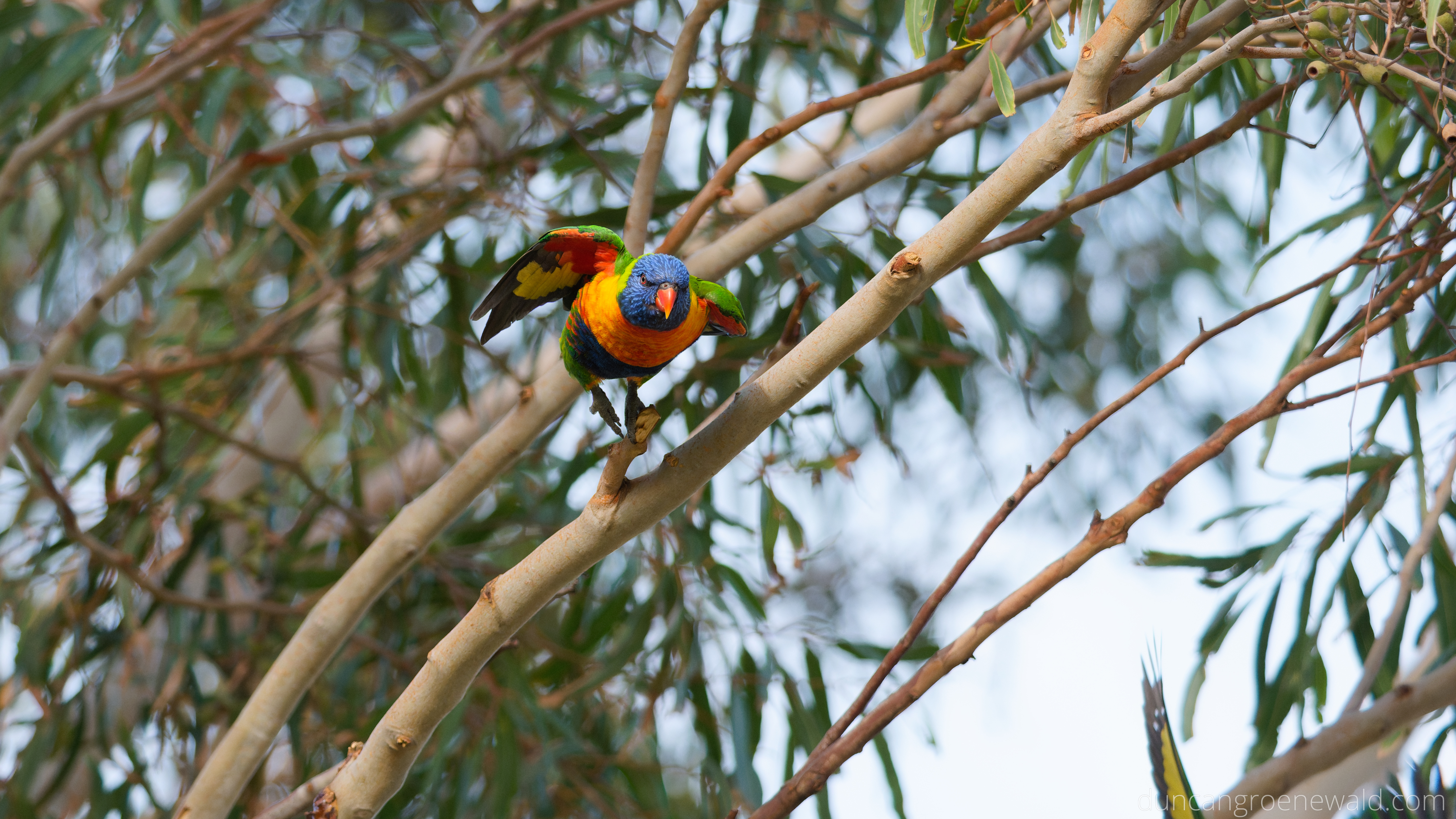
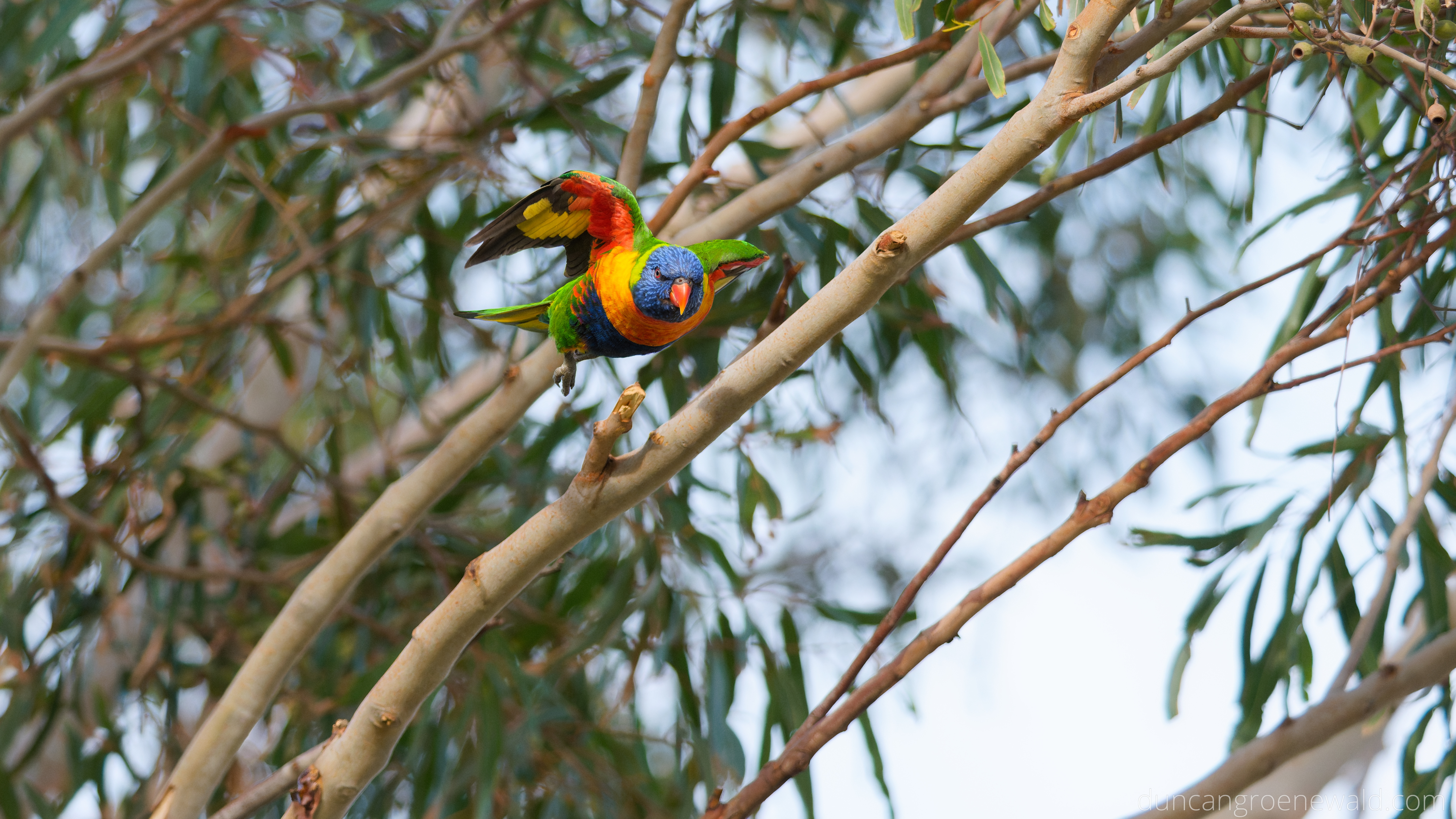
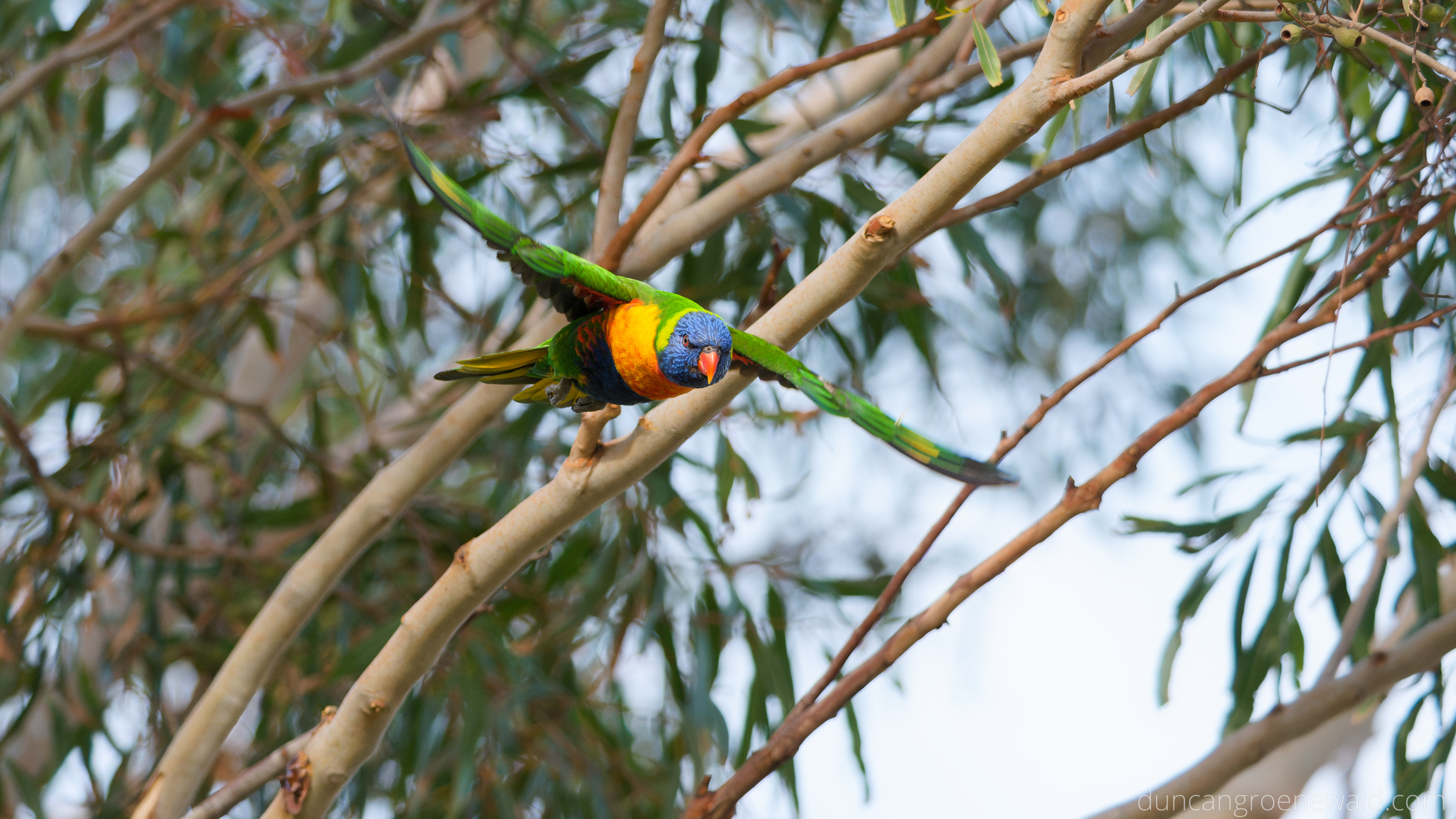
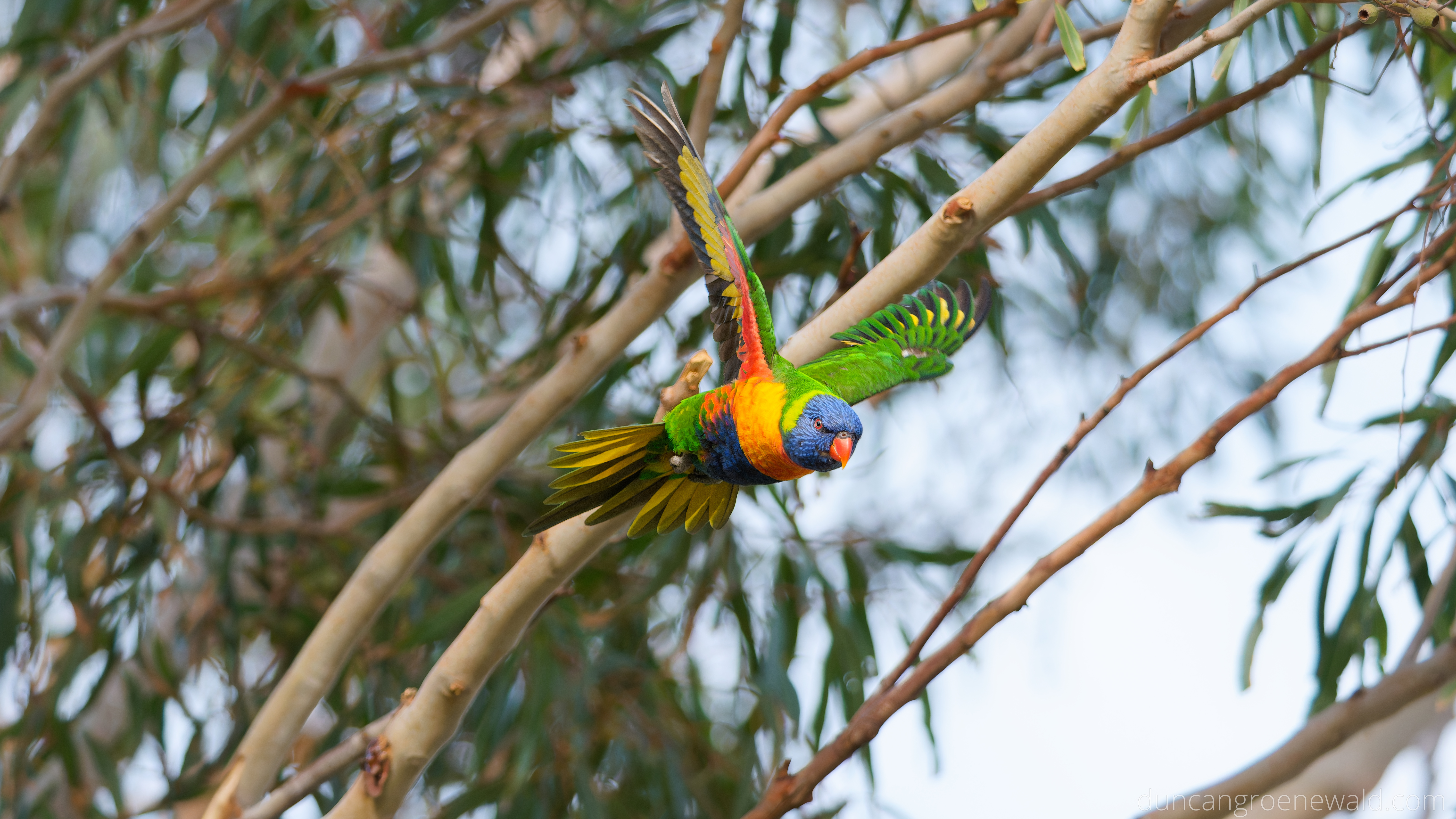
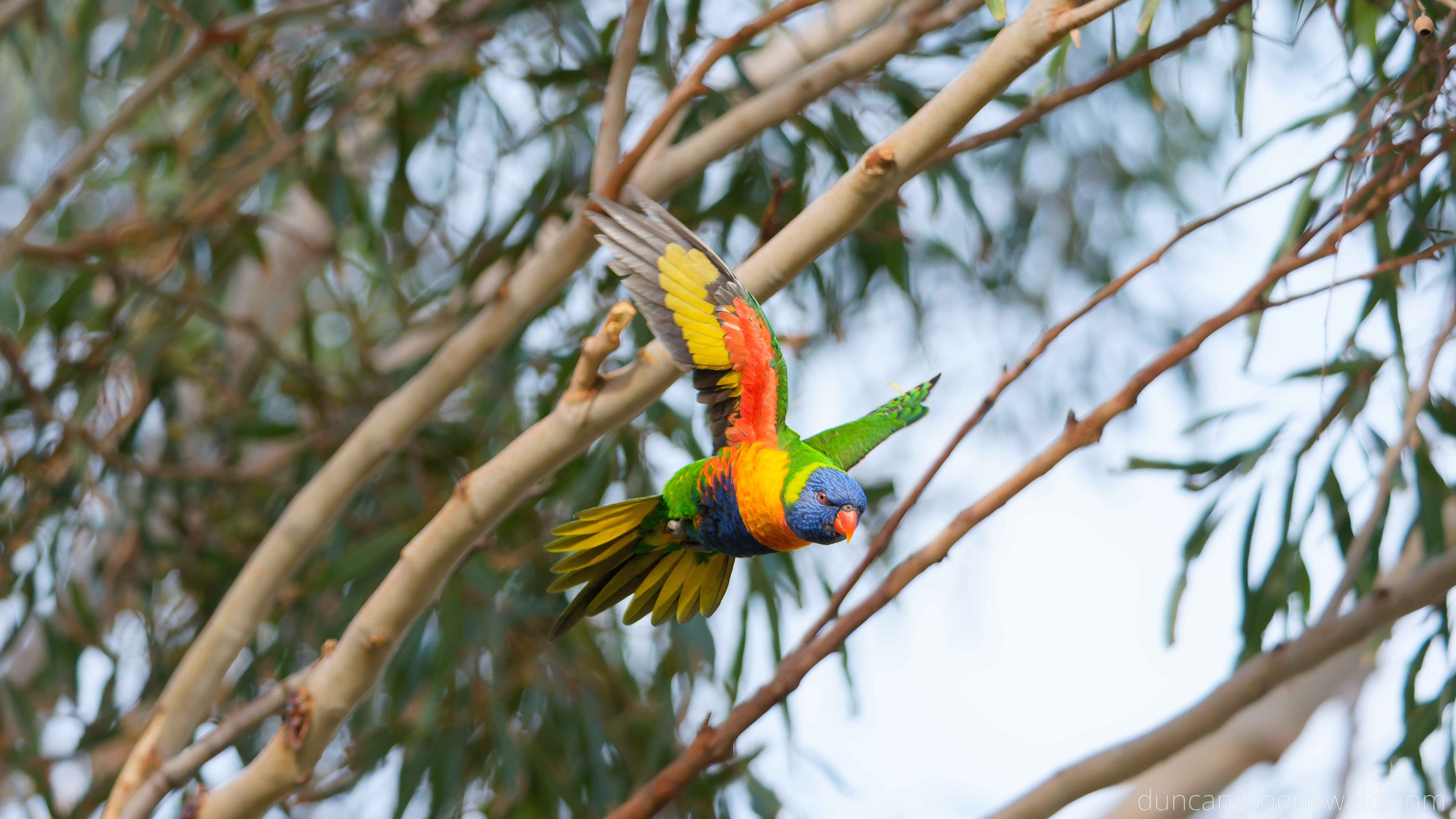
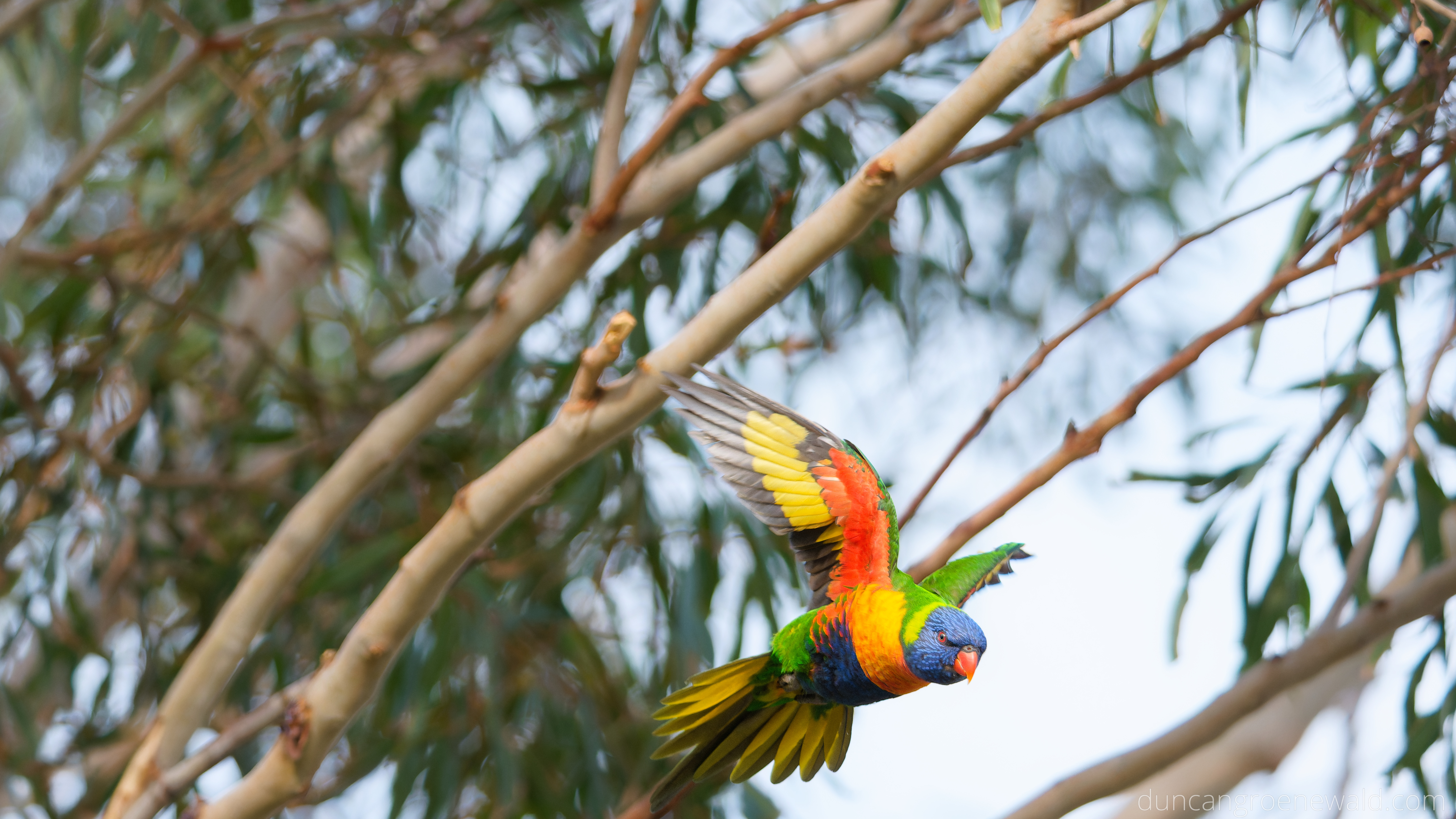
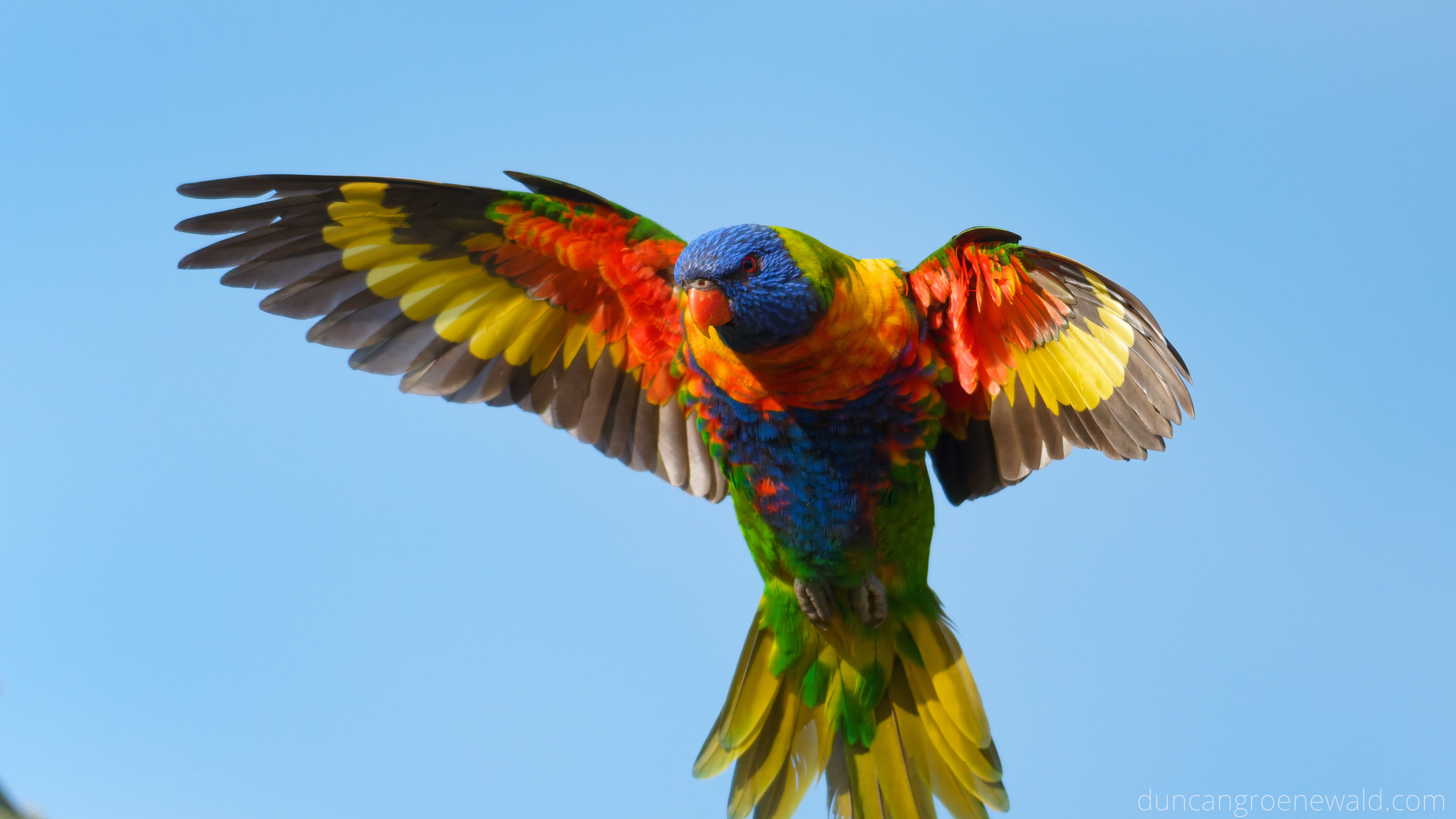
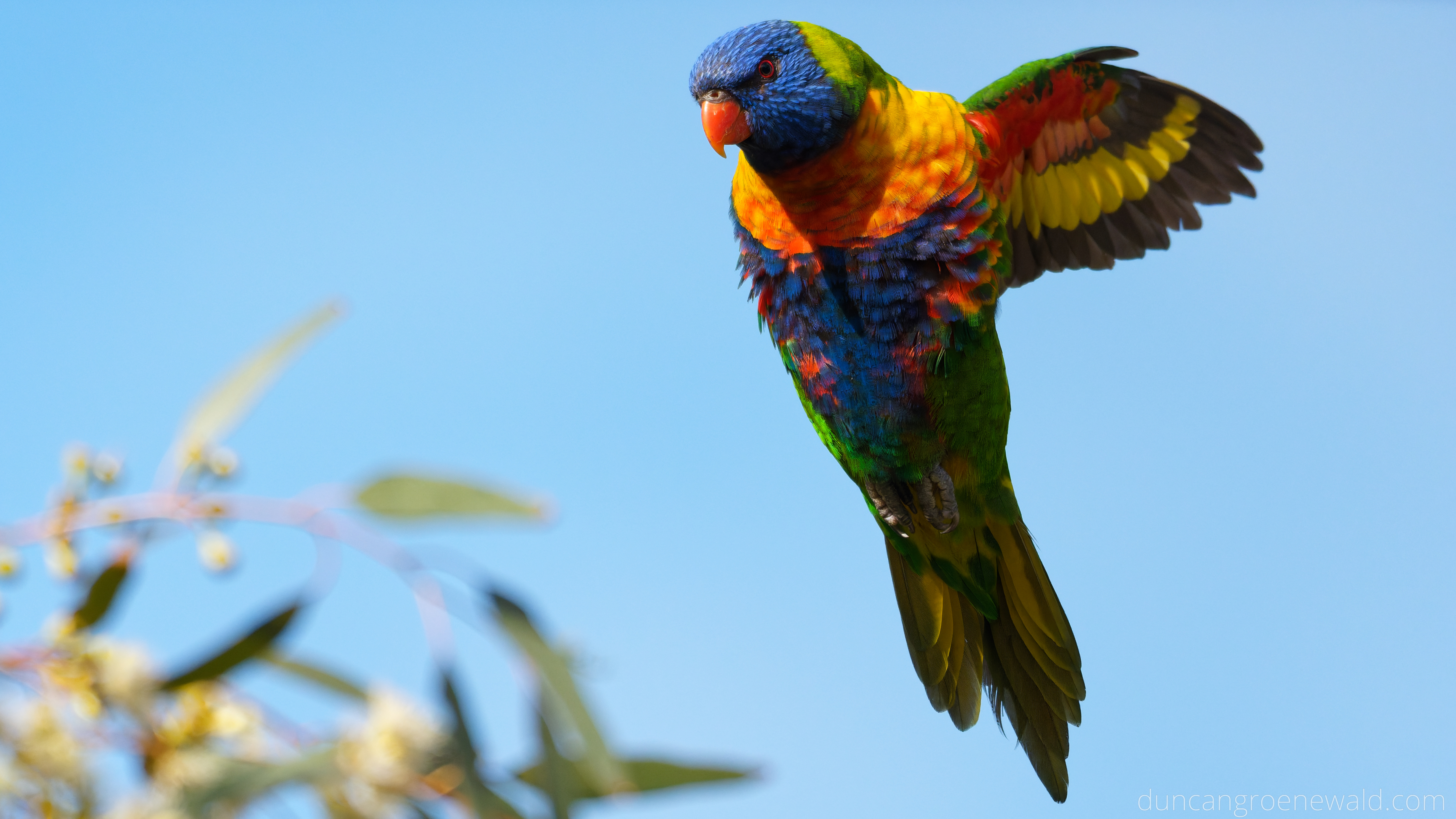
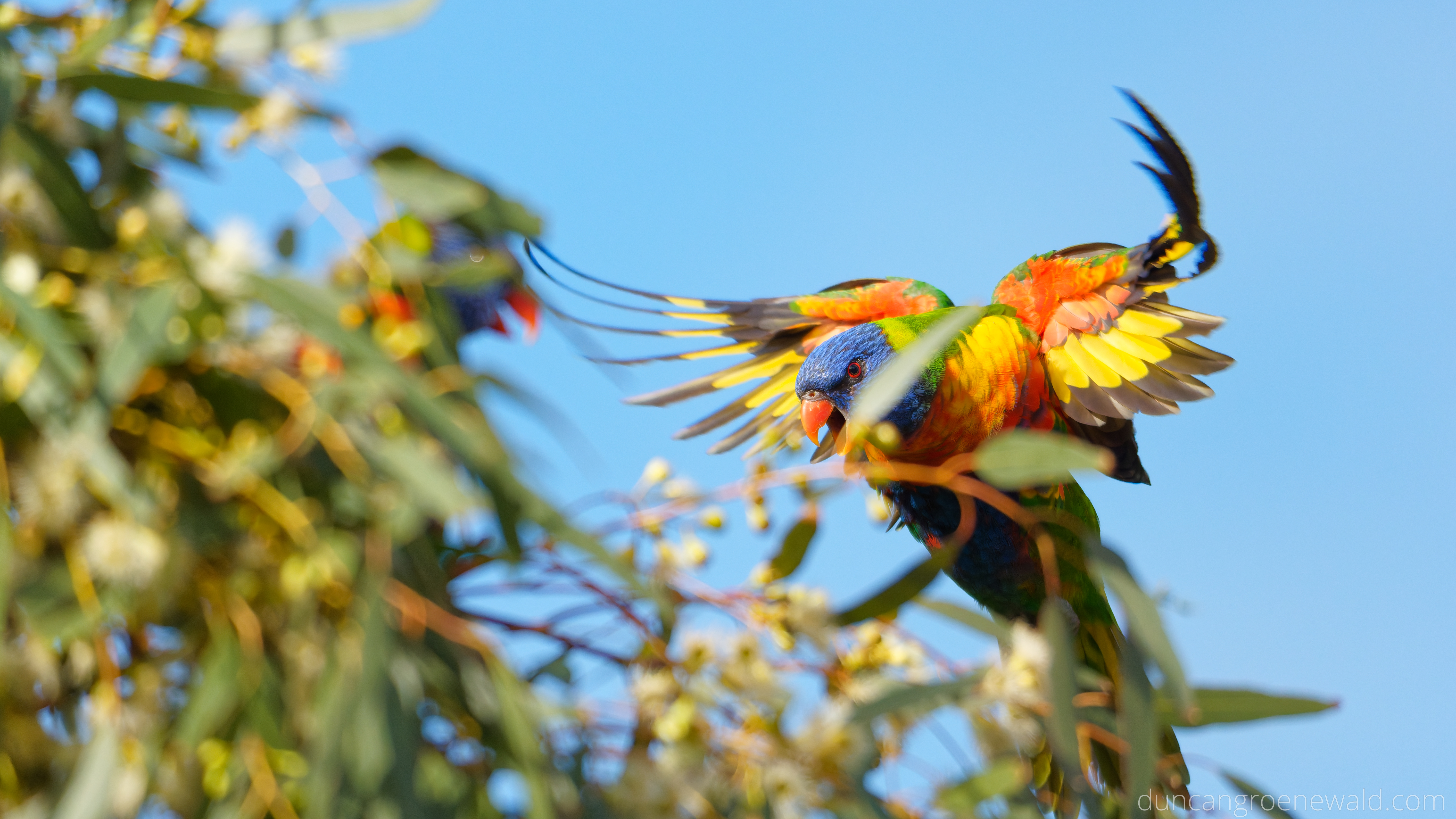
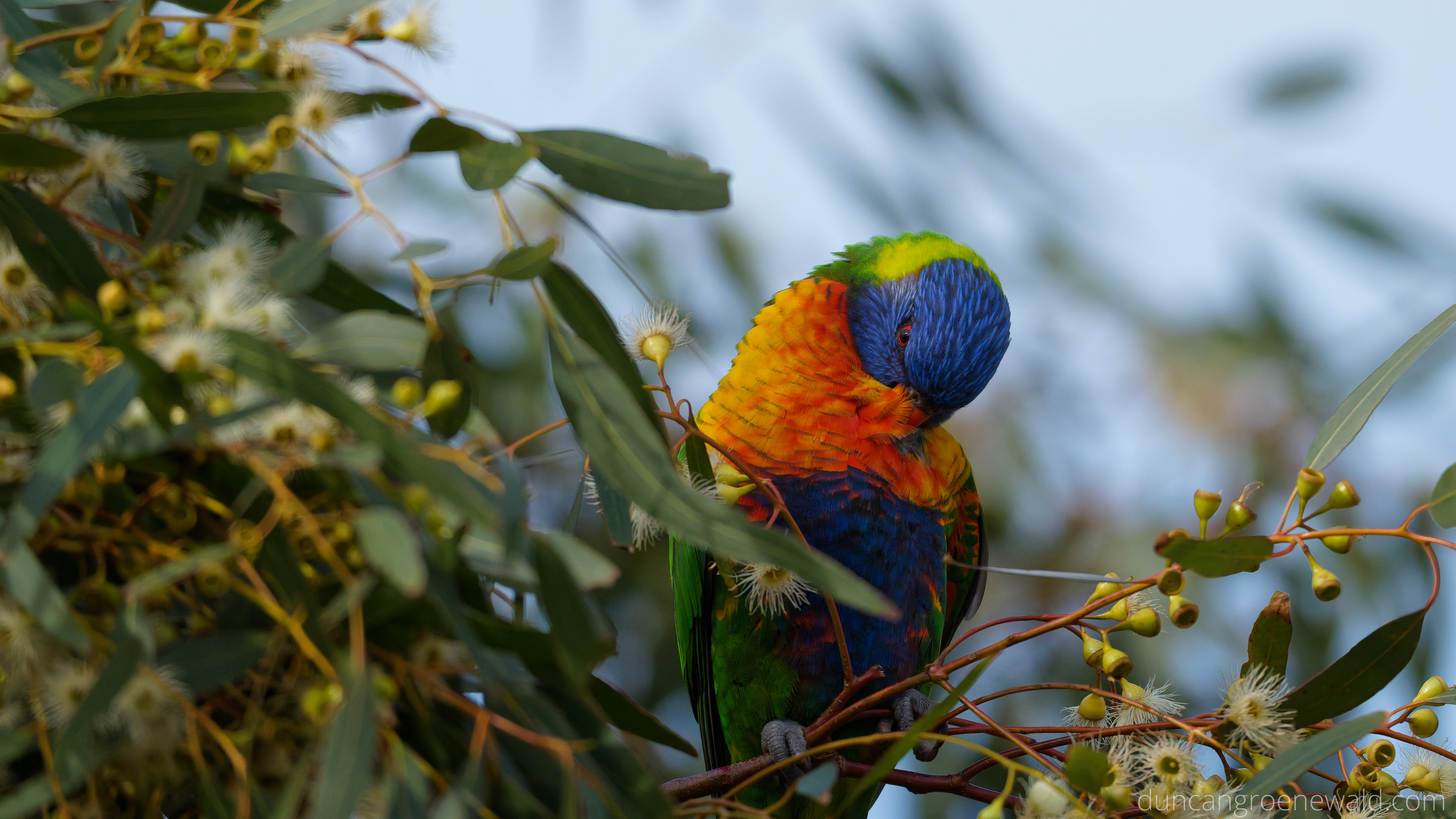
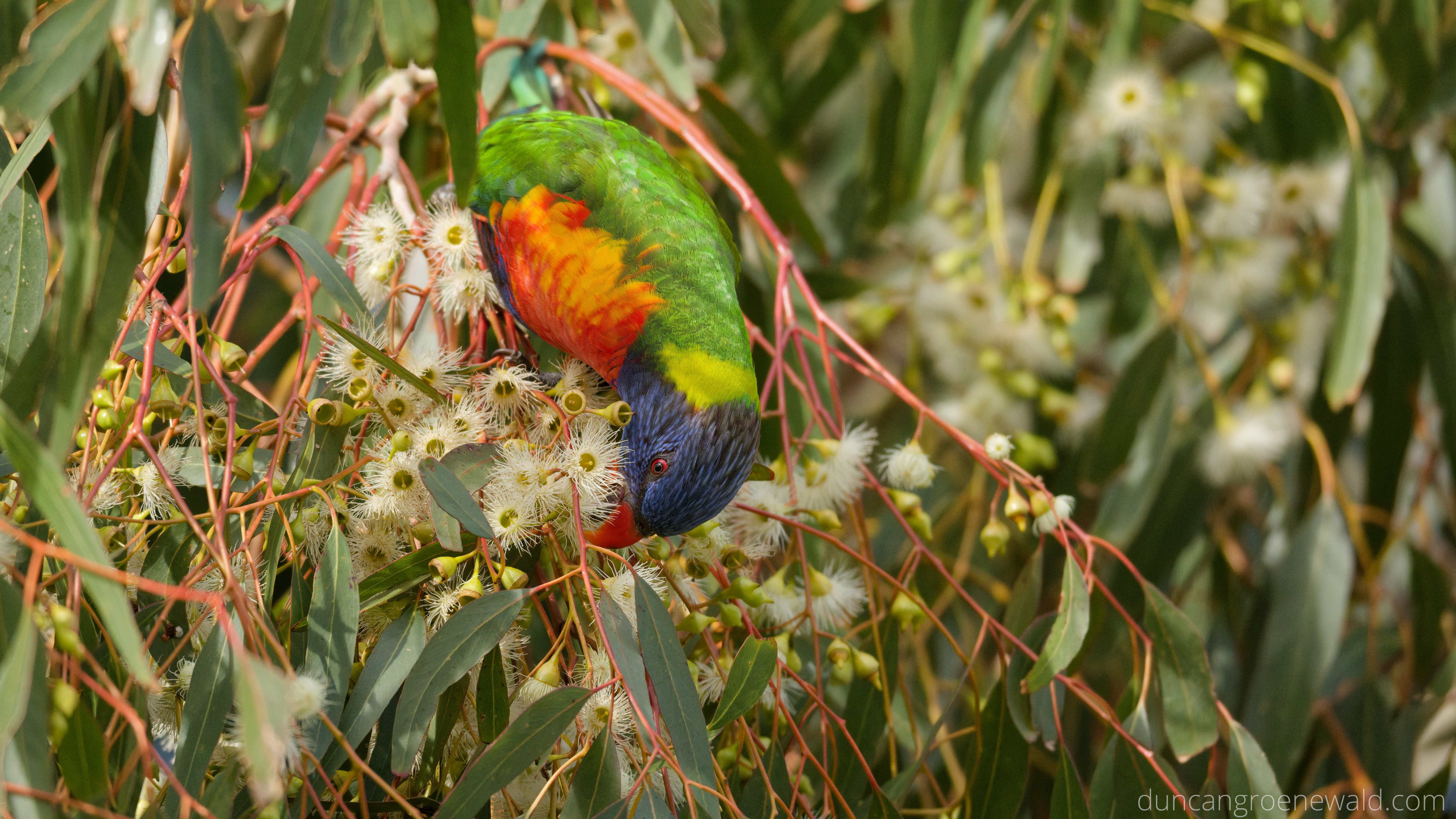
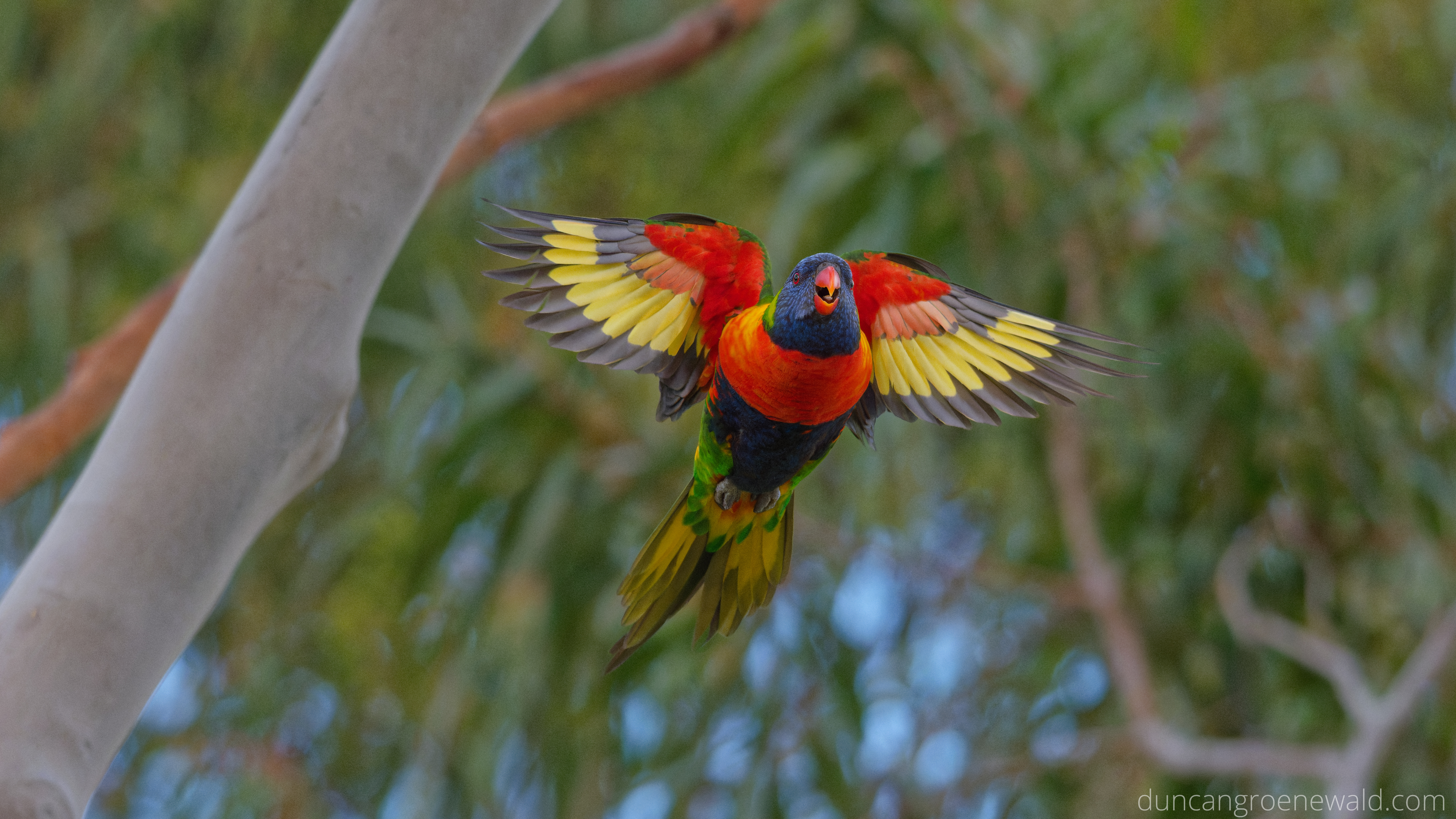
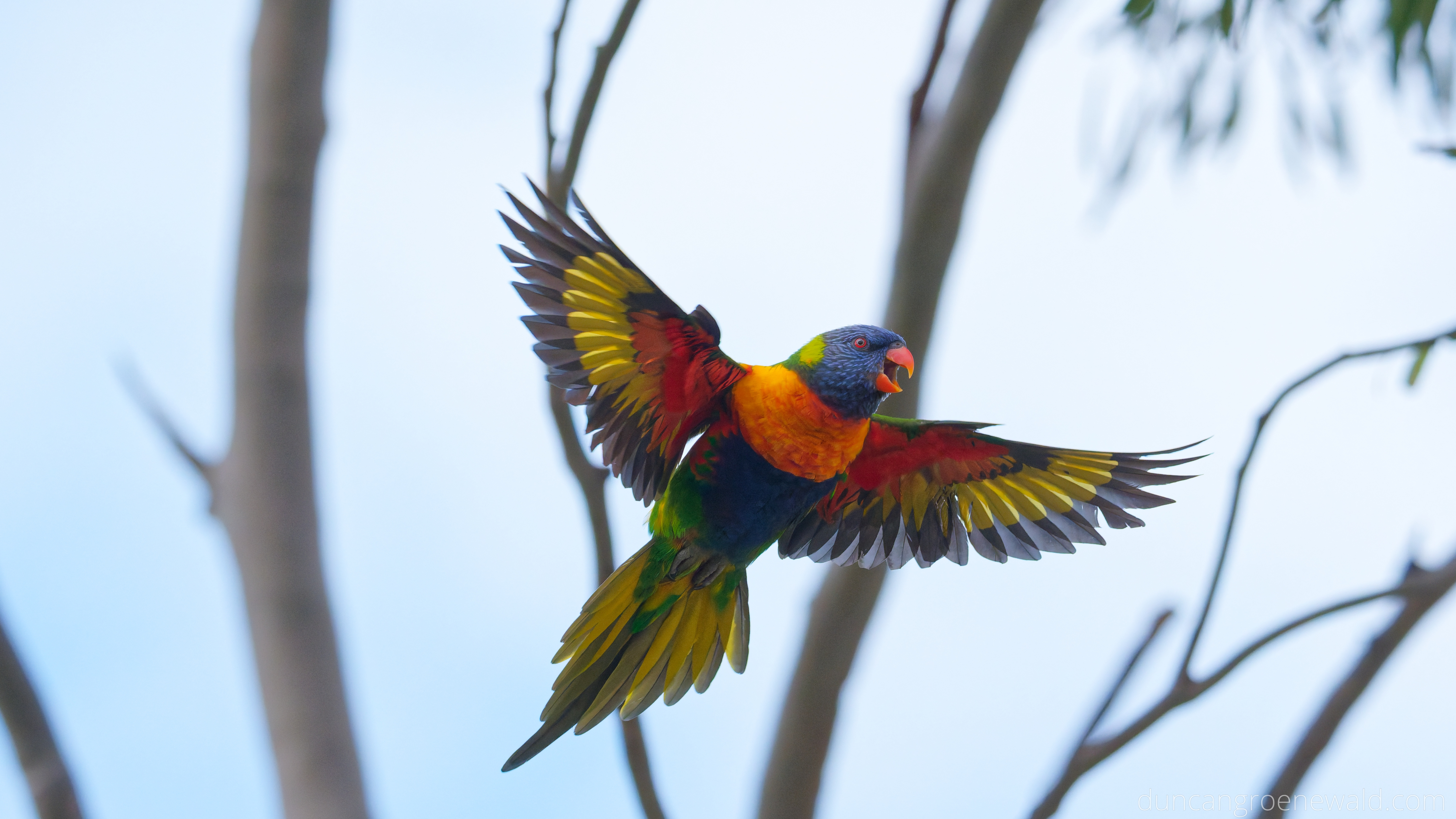
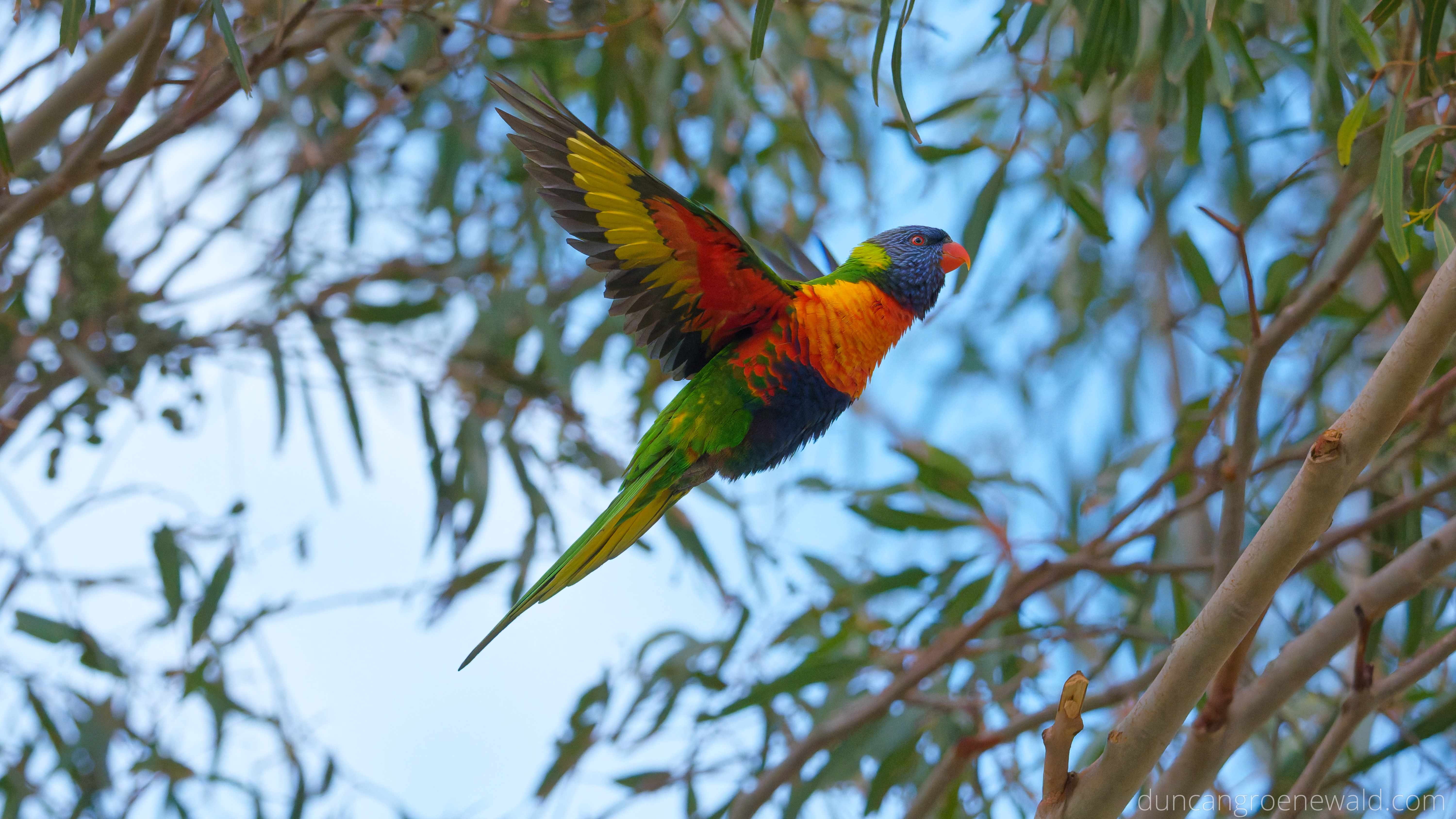
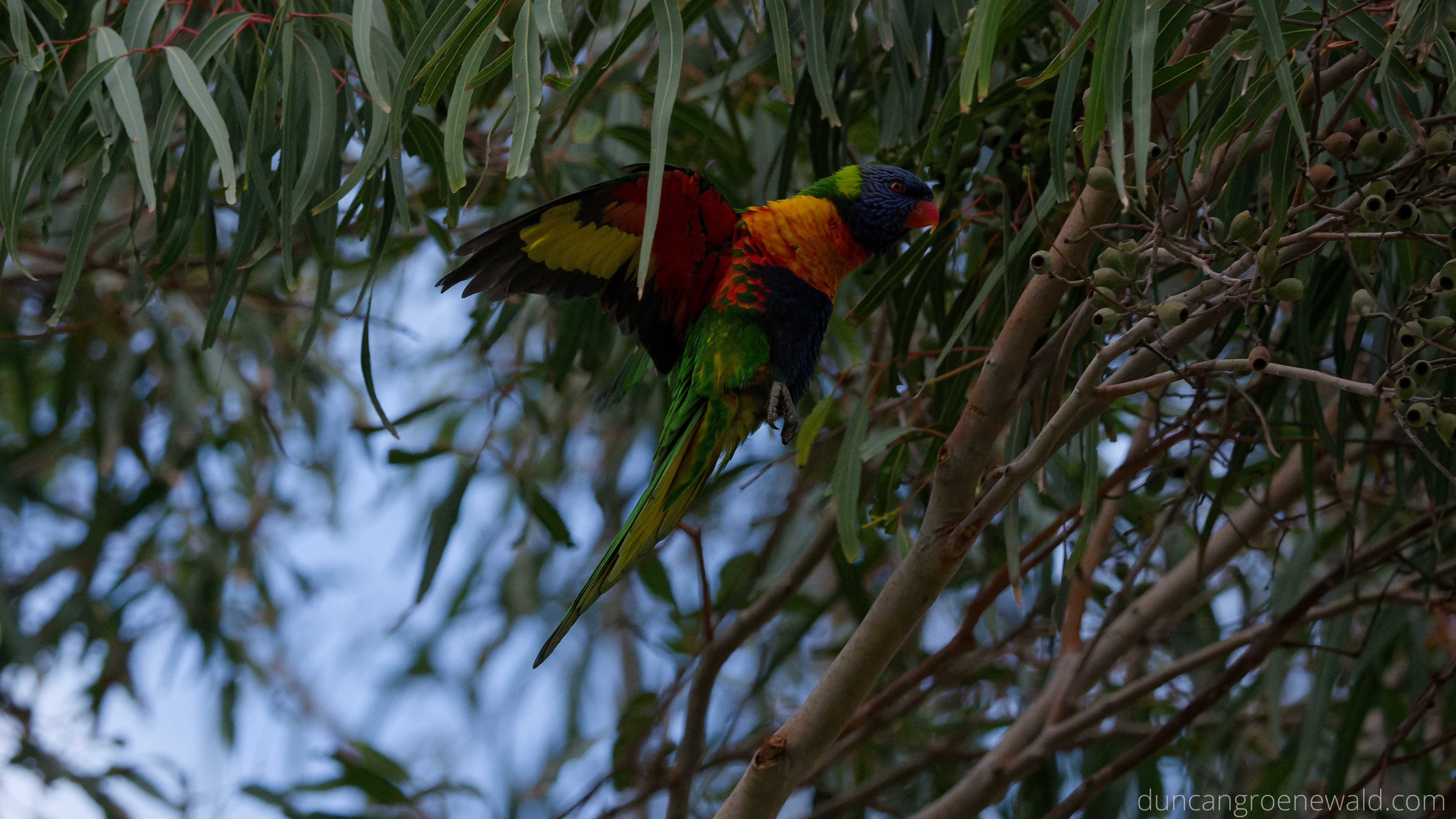
I am amazed at the autofocus - these birds are tough to get in the frame but when you do the A7R6 locks on unbelievably quickly. These is at 720mm at the top of a tree as it flew in to land.
ruthenium wrote:
Regarding "No idea whether the bit depth changes" - Perhaps you can determine this with RawDigger 1.4.11 Beta that apparently supports both the lossless and lossy raw files from A7RVI. The difference in bit depth should be seen from the raw histograms in RawDigger.
Thank you for that suggestion, I agree it probably doesnt make a difference but one of those things I'd rather know than not (even if it is of no practical value)
I'll have a look at that software and see what i can work out
duncangr wrote:
I have been using lossless compressed RAW at 30fps to show swallows and can't fault the autofocus - it mostly is doing better than my A1ii so hard to know what is going on with the autofocus calcs per second. Do fill the buffer occasionally but it's not really been an issue. In APS-C mode the buffer is nearly limitless. No idea whether the bit depth changes - I can't process the lossy compressed RAW files in DxO Photolab to compare them and comparing with files out of Image Edge is difficult.
Once DxO support the lossy formats I will do more thorough testing to see if there is any performance improvement when shooting with the lossy format. It passes with flying colours right now so I am not expecting any big improvement as I have shot quite a bit with lossy and couldn't see any improvement - its hard to improve on such a high hit rate though.
Probably worth testing on portraits with a 1.2 or 1.4 lens to see how accurate it is with people eye af....Show more →
You can run the Lossy formats through Adobe DNG converter and then process them in DXO