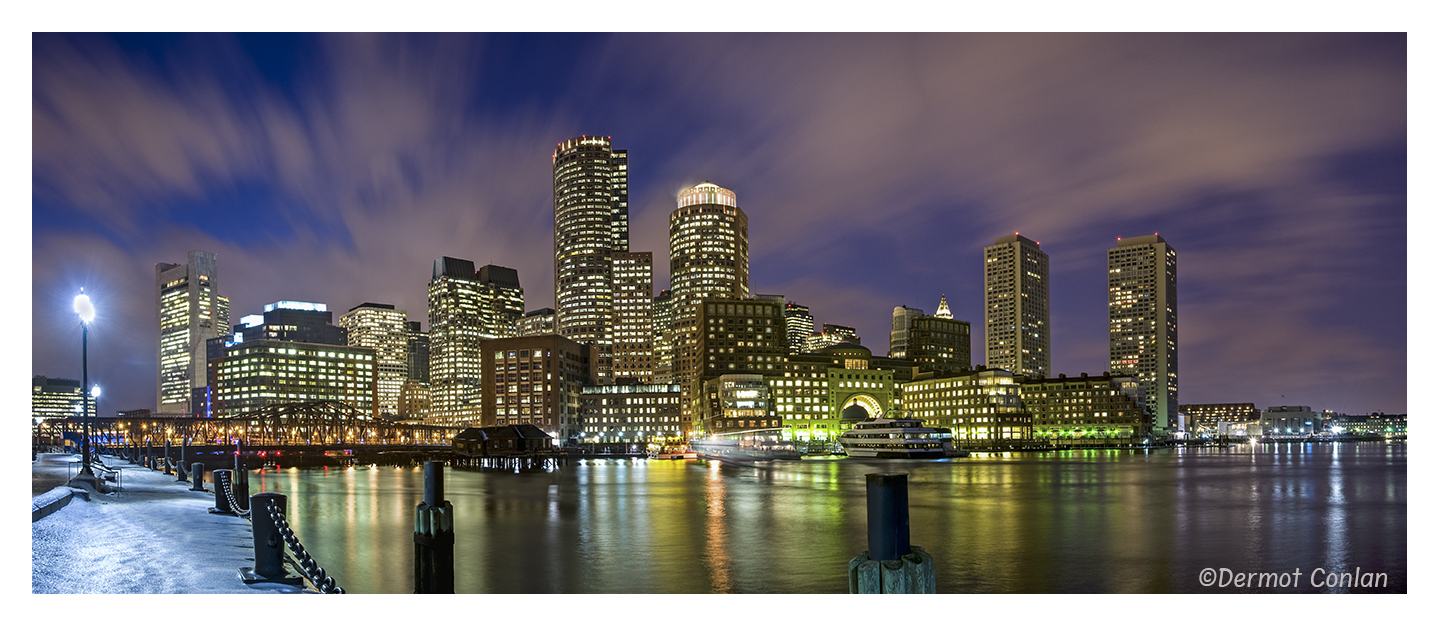
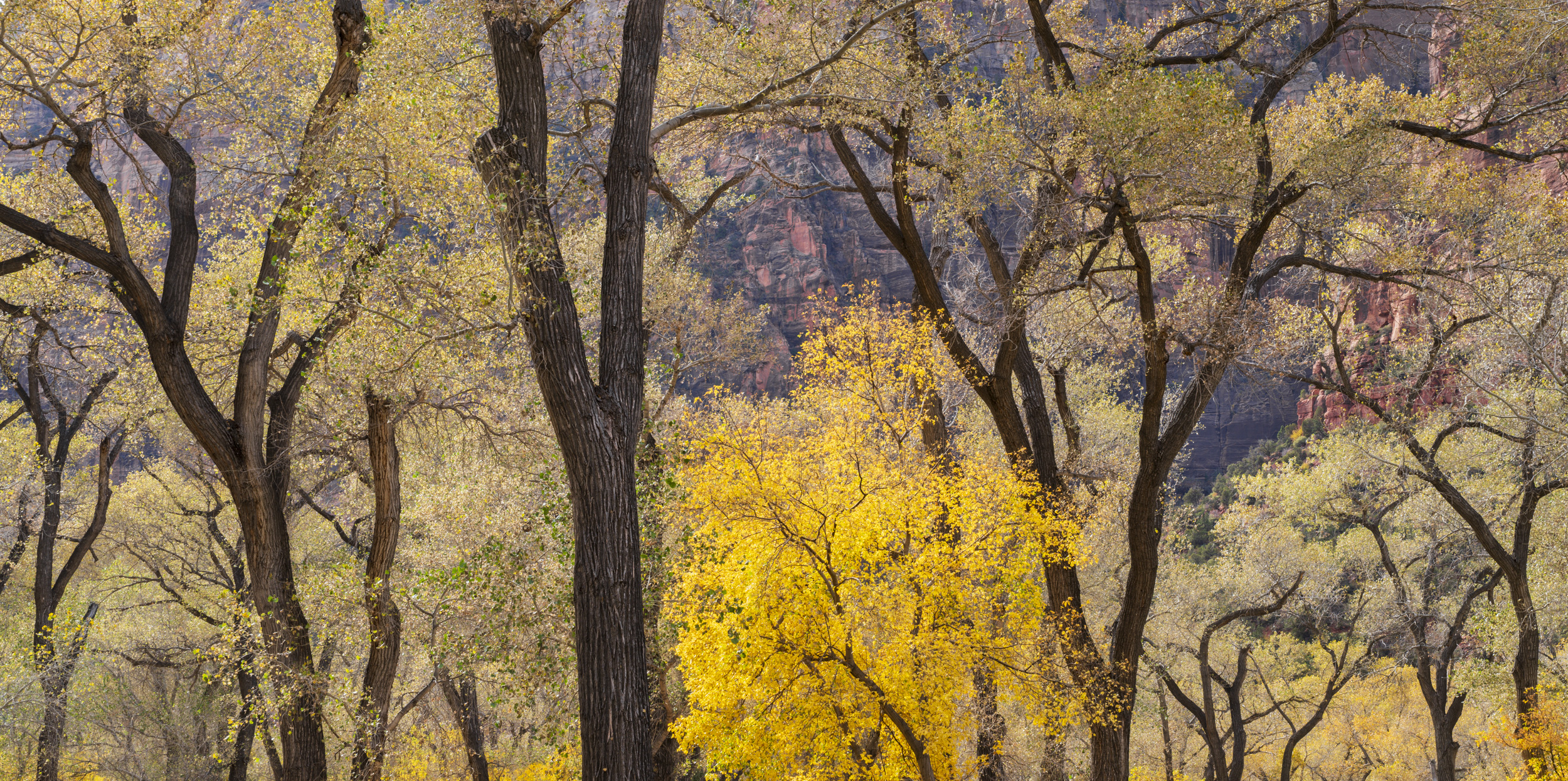
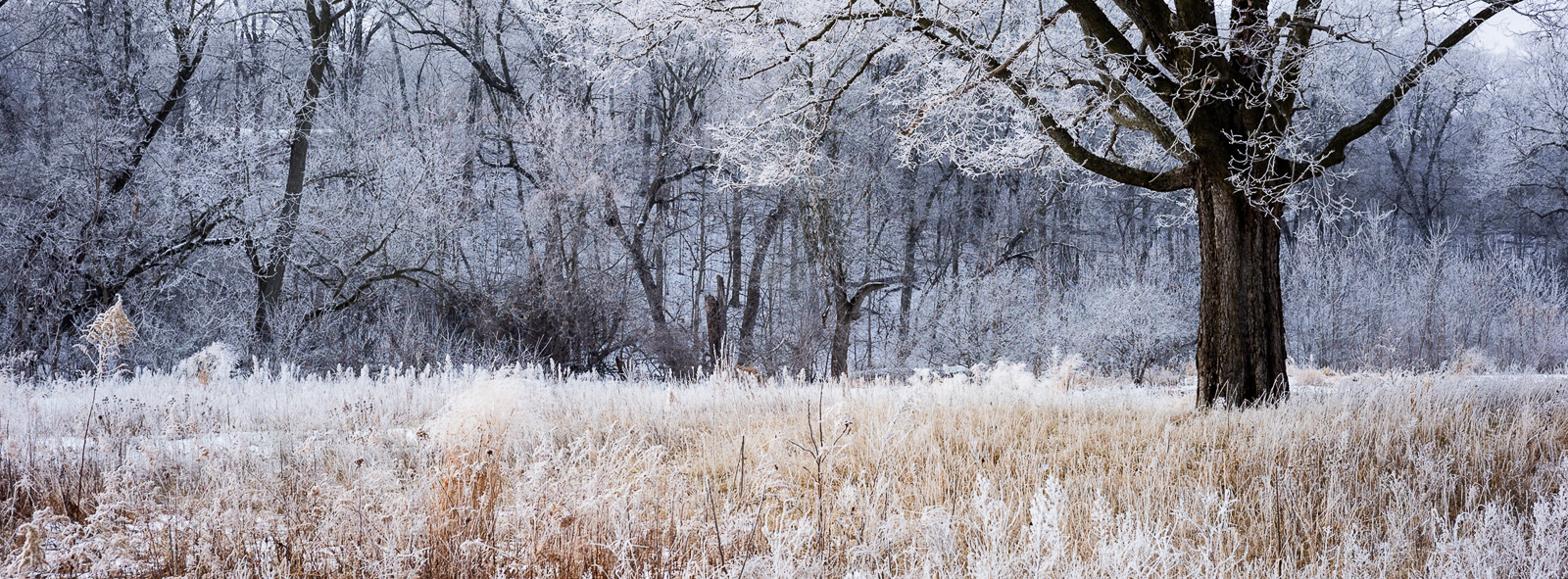
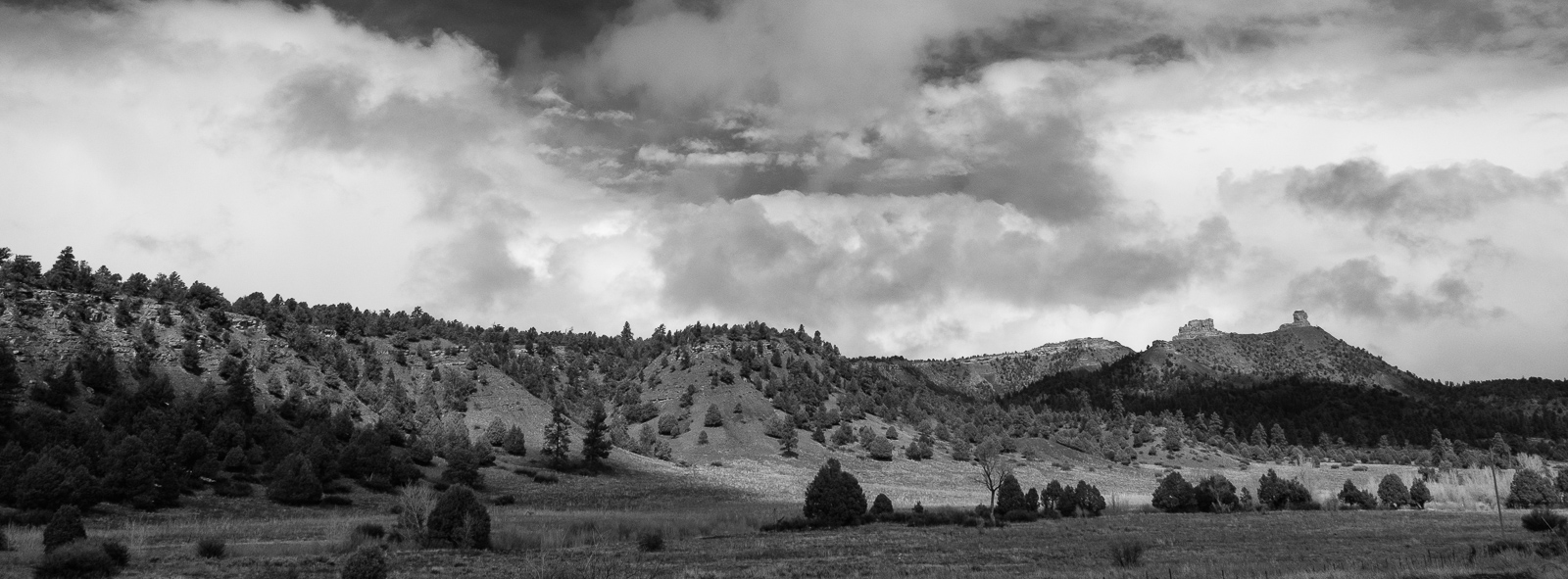
Yes, sometimes chance and, above all, good light help.
The plan was actually to get a few waterfowl in front of the camera, so I went with 560mm.
Not a single bird got in front of the lens that day, but at least this shot and another from the series, which also won "Explored" on Flickr.
In this case, the long focal length was perfect for the perspective.
Like most other tree avenues, perfect for compression with a tele solution.
The path/canal dam in the picture leads along an old canal that is no longer used by shipping and runs straight for kilometers.
Popular with dog owners and joggers.
I have no idea; it certainly wouldn't make a noticeable difference to the image.
I've never actually used my Z 24-120/4 S for panorama photography.
For that, I have my specialists: the 35mm f/2 Apo Lanthar Z and the Z 135/1.8 S Plena for bokeh panoramas.
For one thing, the lens was stopped down to f/8 regardless, and for another, a generous amount of overlap was used, so the noticeably better sharpness consistency of an Apo Lanthar shouldn't play a significant role here.
But for practical reasons alone, I would prefer a compact prime lens of the Apo Lanthar's caliber for panorama photography.
The lens is significantly lighter and more compact, much easier to handle in conjunction with a multi-row nodal adapter, and offers much more precise feedback when focusing manually, which is my preferred method for panorama photography.
The Apo Lanthar simply offers everything an excellent lens for panorama photography needs.
Optically almost perfectly corrected, so it doesn't really rely on a lens profile, it offers the highest sharpness consistency even wide open, masterful in capturing the finest details like foliage, no problems with color aberrations, and no problems with distortion.
I can stitch the files from Apo Lanthar without correction, whereas with the Z 24-120/4 S I absolutely have to apply a lens profile for each image beforehand.
Sure, you could also shoot it with a Z 24-120/4 S, but for pragmatic reasons alone, it wouldn't be my choice for panoramas.
Vento wrote:
I have no idea; it certainly wouldn't make a noticeable difference to the image.
I've never actually used my Z 24-120/4 S for panorama photography.
For that, I have my specialists: the 35mm f/2 Apo Lanthar Z and the Z 135/1.8 S Plena for bokeh panoramas.
For one thing, the lens was stopped down to f/8 regardless, and for another, a generous amount of overlap was used, so the noticeably better sharpness consistency of an Apo Lanthar shouldn't play a significant role here.
But for practical reasons alone, I would prefer a compact prime lens of the Apo Lanthar's caliber for panorama photography.
The lens is significantly lighter and more compact, much easier to handle in conjunction with a multi-row nodal adapter, and offers much more precise feedback when focusing manually, which is my preferred method for panorama photography.
The Apo Lanthar simply offers everything an excellent lens for panorama photography needs.
Optically almost perfectly corrected, so it doesn't really rely on a lens profile, it offers the highest sharpness consistency even wide open, masterful in capturing the finest details like foliage, no problems with color aberrations, and no problems with distortion.
I can stitch the files from Apo Lanthar without correction, whereas with the Z 24-120/4 S I absolutely have to apply a lens profile for each image beforehand.
Sure, you could also shoot it with a Z 24-120/4 S, but for pragmatic reasons alone, it wouldn't be my choice for panoramas....Show more →
Yet again you offer more than I could have asked! Thanks so much for the thoughtful response. I'm a bit new to serious hobby photography (have enjoyed it as a casual hobby off and on for years) and the learning curve is steep.
I think the lens is ultimately secondary; a Z 24-120/4 S is certainly also very well suited for panorama photography.
As you can clearly see in this thread, where all sorts of lenses, zooms, and formats are represented, and many fantastic panoramas can be seen, regardless of the equipment.
If you do a lot of panorama photography and enjoy it, then a more specialized lens can make sense.
Lenses like the 35mm or, perhaps even better in terms of focal length, the 50mm f/2 Voigtländer Apo Lanthar lens are great options.
As already described, these are lenses that already have very high sharpness consistency wide open, right to the edges, resolve very fine details exceptionally well, and are optically so well corrected that you can process the files directly in programs like PTGui without necessarily needing a lens profile.
35/50mm lenses are very well suited for panoramas where you want to avoid distortions effects as much as possible.
The only issue with the Apo Lanthar lenses that requires correction is vignetting, which depends on the aperture used.
However, this is generally not a problem in panorama photography, where less wide apertures are typically used.
Vento wrote:
I think the lens is ultimately secondary; a Z 24-120/4 S is certainly also very well suited for panorama photography.
As you can clearly see in this thread, where all sorts of lenses, zooms, and formats are represented, and many fantastic panoramas can be seen, regardless of the equipment.
If you do a lot of panorama photography and enjoy it, then a more specialized lens can make sense.
Lenses like the 35mm or, perhaps even better in terms of focal length, the 50mm f/2 Voigtländer Apo Lanthar lens are great options.
As already described, these are lenses that already have very high sharpness consistency wide open, right to the edges, resolve very fine details exceptionally well, and are optically so well corrected that you can process the files directly in programs like PTGui without necessarily needing a lens profile.
35/50mm lenses are very well suited for panoramas where you want to avoid distortions effects as much as possible.
The only issue with the Apo Lanthar lenses that requires correction is vignetting, which depends on the aperture used.
However, this is generally not a problem in panorama photography, where less wide apertures are typically used....Show more →
Are special tripod-heads still needed or just hand-held these days?
That depends heavily on the complexity of the panorama.
It's certainly not necessary for most single row panoramas, but it's definitely very advantageous if you want to shoot multi-row and include the near foreground.
As the name suggests, such an adapter allows you to properly set the nodal point and thus avoids parallax issues, which is needed for complex panoramas.
Working with a high-quality nodal adapter is also significantly more convenient and comfortable, especially when shooting vertically.
However, it's certainly not essential unless you plan on shooting multi-row or even elaborate bokeh panoramas/Brenizer method, where you can easily end up with 100 single images for one multi-row Bokeh panorama with lenses like a 135/1.8.
Simple single row panoramas with sufficient overlap can be taken quite well handheld.
I have some of those too, just a few handheld shots, with simple subjects and no close foreground.
But for larger panoramas, a high-quality nodal point adapter makes perfect sense.
I personally use the Novoflex VR System Slim.
It's a fully-fledged multi-row nodal adapter that's also very lightweight and compact for storage.
Here is a review of the VR System Slim