Stefan Official
Offline
• •
Upload & Sell: Off
|
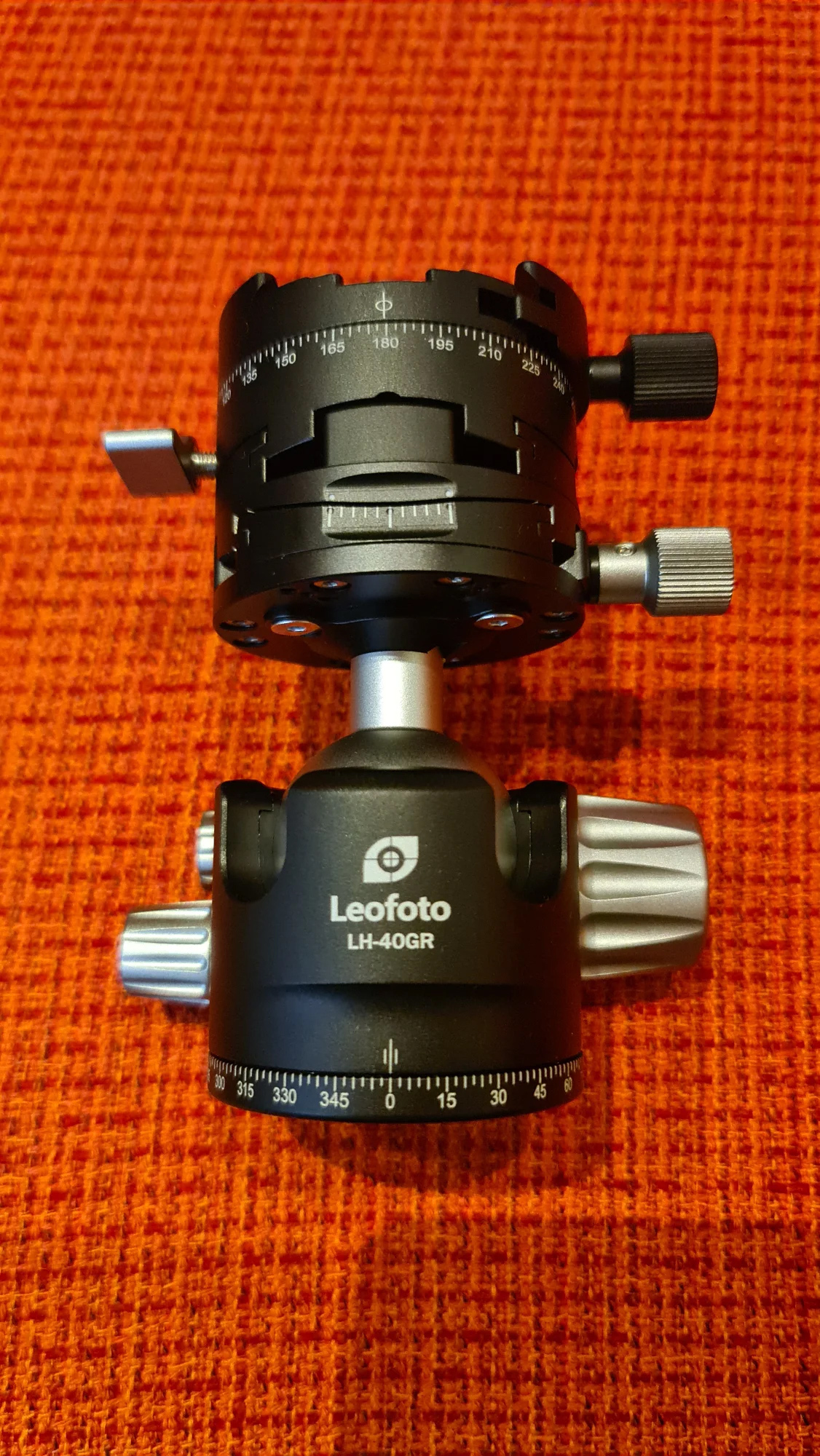
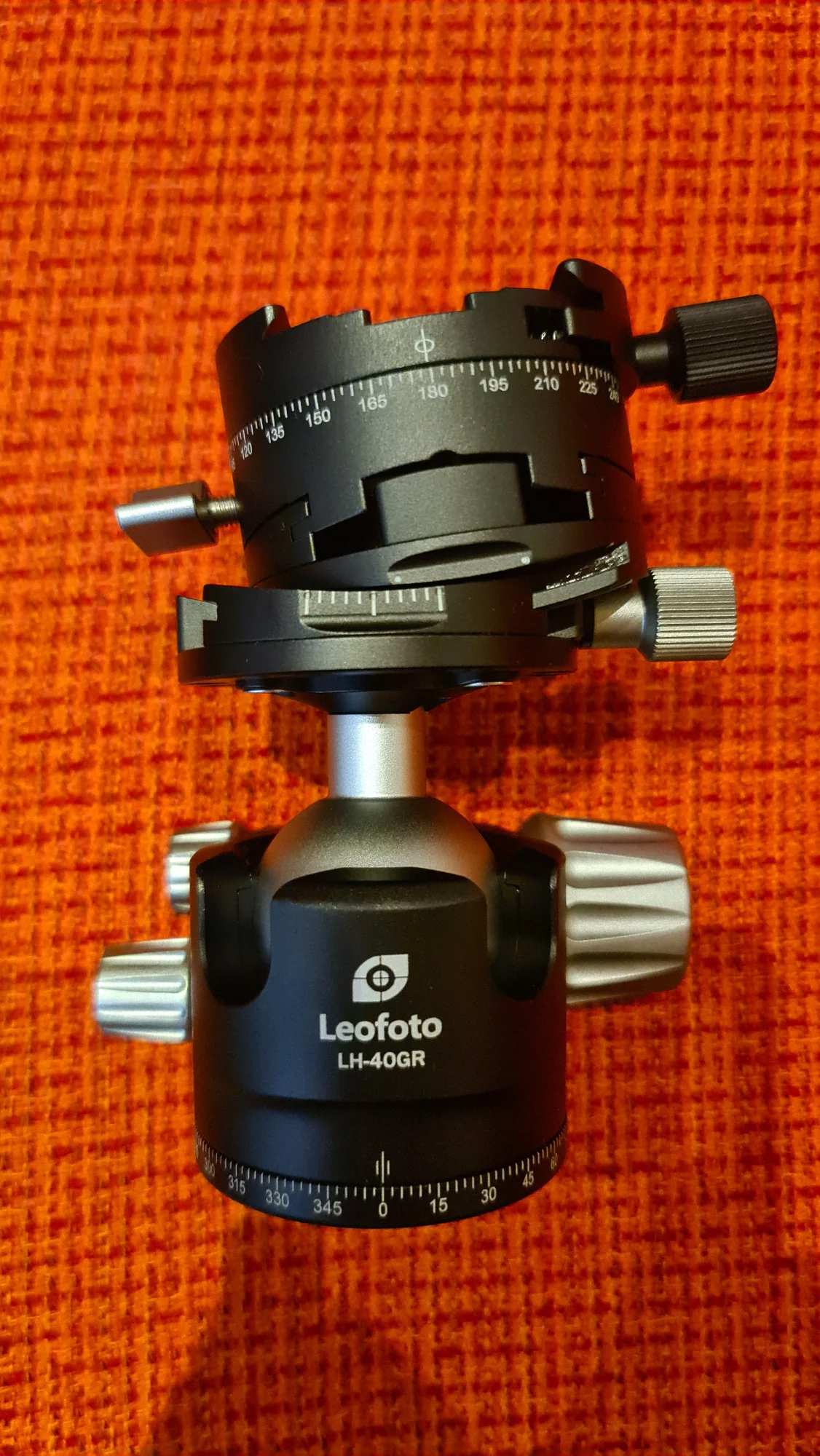
 p.1 #17 · Goodbye Fiddly Ball Heads – Why the Leofoto LH-40GR Rocks p.1 #17 · Goodbye Fiddly Ball Heads – Why the Leofoto LH-40GR Rocks | |
amv8 wrote:
I contacted Leofoto USA, and your hunch is correct. They can't market it in the USA due to a patent. I've been using an Acratech Pan-Tilt head with leveling base for everyday use. It's light, sturdy, and effective for doing landscape panoramas, etc.. That being said, there have been times where I want more precision control on the adjustments (I was in that situation last night). Stefan, since you've had a bit of experience with it over the last few days, what's your approach to leveling/aligning the head as there appears to be only one spirit level on the clamp (which would be occluded when the camera is mounted)?
On a side note, I've admired your work.
...Show more →
That’s really a shame. If someone is interested, I could almost offer to send one from Germany – (just friendly), but I suspect it probably wouldn’t get through US customs.
I actually never use these bubble levels on tripods or heads. I’m out shooting a lot at night, and it’s always annoying to have to check with a flashlight. Depending on the angle, the shadows can distort, and sometimes the tripod is positioned so awkwardly that I don’t get a good view at all. Also, many of these bubble levels are only accurate to about 1° – they often can’t do more. Just reading them already introduces inaccuracies depending on the angle of your eye. I think many people aren’t really aware of that.
I always use the built-in level in the Sony A7RV’s viewfinder. I’ve never measured it precisely, but the display seems to move in 0.5° steps. I often wish it could show 0.1°. You can also compensate manually: for example, turn once to +0.5° and then to -0.5°, stopping exactly when the indicator jumps. Mentally count the number of rotations on the geared head, set back half the rotations – that gets you very close to 0.0°. Usually that’s enough.
Through the viewfinder, I then check, for example in architectural shots, how the lines tilt on the left and right edges and whether it’s almost symmetrical. Depending on the subject, I use different approaches.
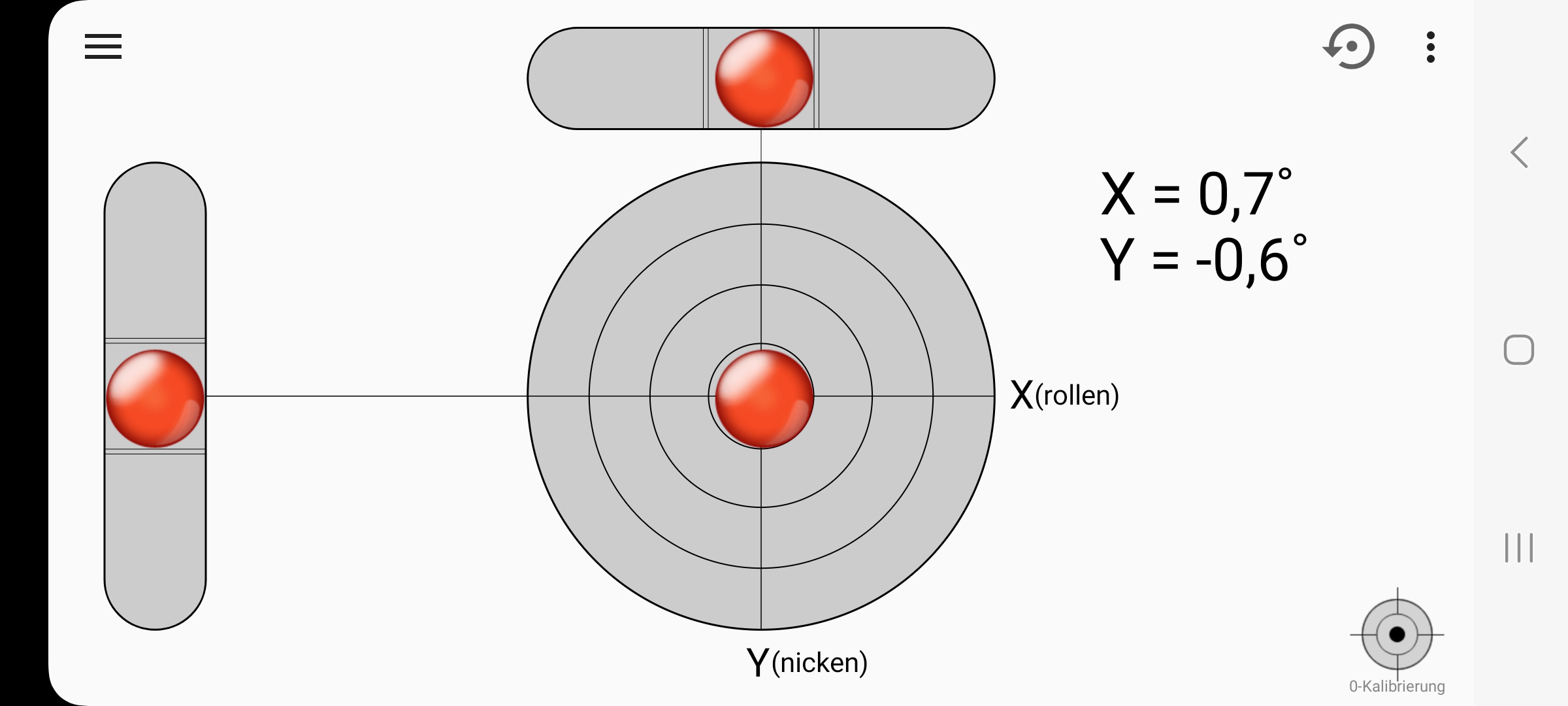
If extreme precision is needed, e.g., for astrophotography, that’s still not enough. Then I use my smartphone for alignment. It has 0.1° increments and, at least on my model, is perfectly calibrated. I can read the display easily at night without fiddling. Once it’s perfect, I carefully flip the camera onto the head.
Regardless of precision, I really like to frame my composition exactly according to my vision. It’s fun to fine-tune the final framing when the head allows that precision. Through the viewfinder, I can adjust the last degrees up, down, left, or right and consider how the mood of the image is affected. It’s important that the image doesn’t shake while adjusting, so you can track the whole scene clearly and live – otherwise, fine-tuning doesn’t make sense.
Some might say, “You can just crop later in Lightroom, after all, the A7RV has 61 MP.” But it’s also about slightly converging lines, which I often like to use in composition. I enjoy doing it this way because it looks more natural than just photographing perfectly straight ahead. Through the viewfinder, it’s easy to see and precisely adjust. I hope I’ve given you some insight into my approach. It’s important to me and part of my photography. If I only cropped later, I’d never pay attention to details like converging lines that can be accurately controlled with a geared head.
Soon I’ll be photographing the Northern Lights at the Arctic Circle. Here, I’ll mostly use a ball head and won’t worry as much about absolute precision. A day later, for example, during the day in a fishing village, it can be completely different: with ND filters, I want to align everything very precisely and have a very clear vision of framing and image impact. I really enjoy working this way.
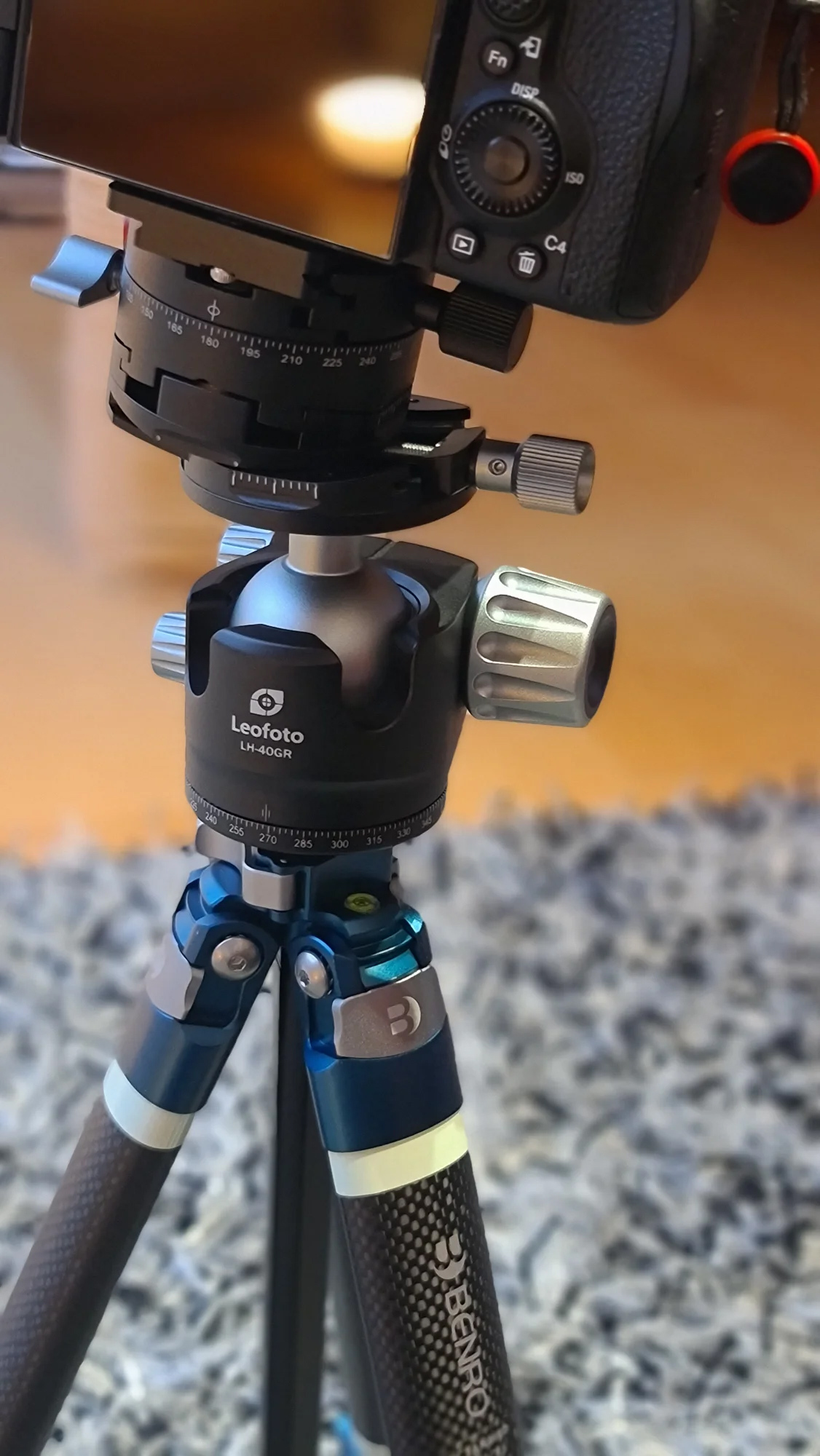
That’s why I wanted a head that covers everything: it can be quick when needed, but also super precise and light enough to use anywhere. That way, I always know I have the right head with me, even on long hikes, without worrying about weight. It works for all my photography topics. I like all-in-one solutions whenever possible, but finding the right one can take a long time.
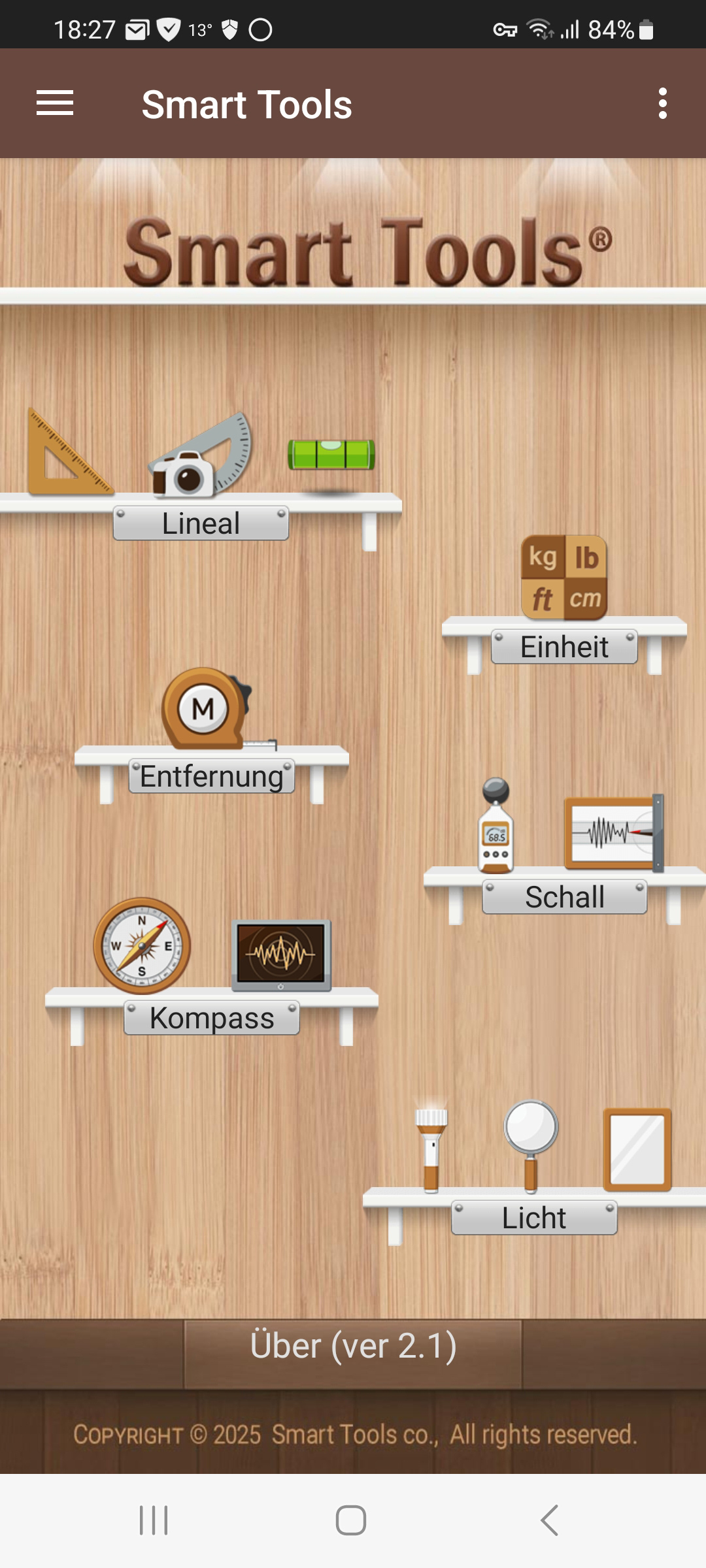
For a smartphone level app, I use this one – I’ve attached two screenshots. Hopefully, the explanation and my workflow help you understand my approach a bit better and get a clearer idea of how I work.
https://play.google.com/store/apps/details?id=kr.aboy.tools&pcampaignid=web_share
|




 .
.