The ZM has been a longtime favourite with M users. It's actually hard to think of a lens more at the opposite end of the spectrum to the smooth and warm creamy tones and human-friendly Simera 35/1.4. The ZM conforms well to the Zeiss 3D model of super focal plane content with rapid fade into blur fields.
But the real imagery differentiator - not seen (or commented on) by many YTers and reviewers - is the ultra high macro-contrast - the cheap pathway to high saturation. As you look through its images, prepare yourself for inky featureless blacks, blown skies and over-exposed white wedding dresses.
However, this look might suit your style, I took the liberty of seeing your recent upload page. You can hide a lot of skin imperfections with a little over-exposure, and that is what so many have done with the ZM 35/1.4.
It's likely a passing fashion at work here too, many photographers surely see the problems but they don't mention it at all! Many reviews are from last decade - photographic tastes are changing fast, as technology speeds ahead.
It's now 11 years old, only mentioned here because it helps us 'date' the look of lenses, and at times, even the glass formulas used. 'Sharp' is all that matters to many of us. More is always better, to the point where 'lesser' lenses are downgraded as an autonomic response.
So this comment suggests you are on the right path going back to the ZM: .'.of all time and super sharp'. Did you know that ARRI takes steps to soften their lenses (collaborative efforts with Zeiss) to help take the nasty edge off digital processing?
You'll also notice the lack of the close focus portraits in the assembled ZM 35/1.4 images we see online. The lens 'features' two asph elements and no less than three ED elements, and sadly it shows up in portrayals of human skin.
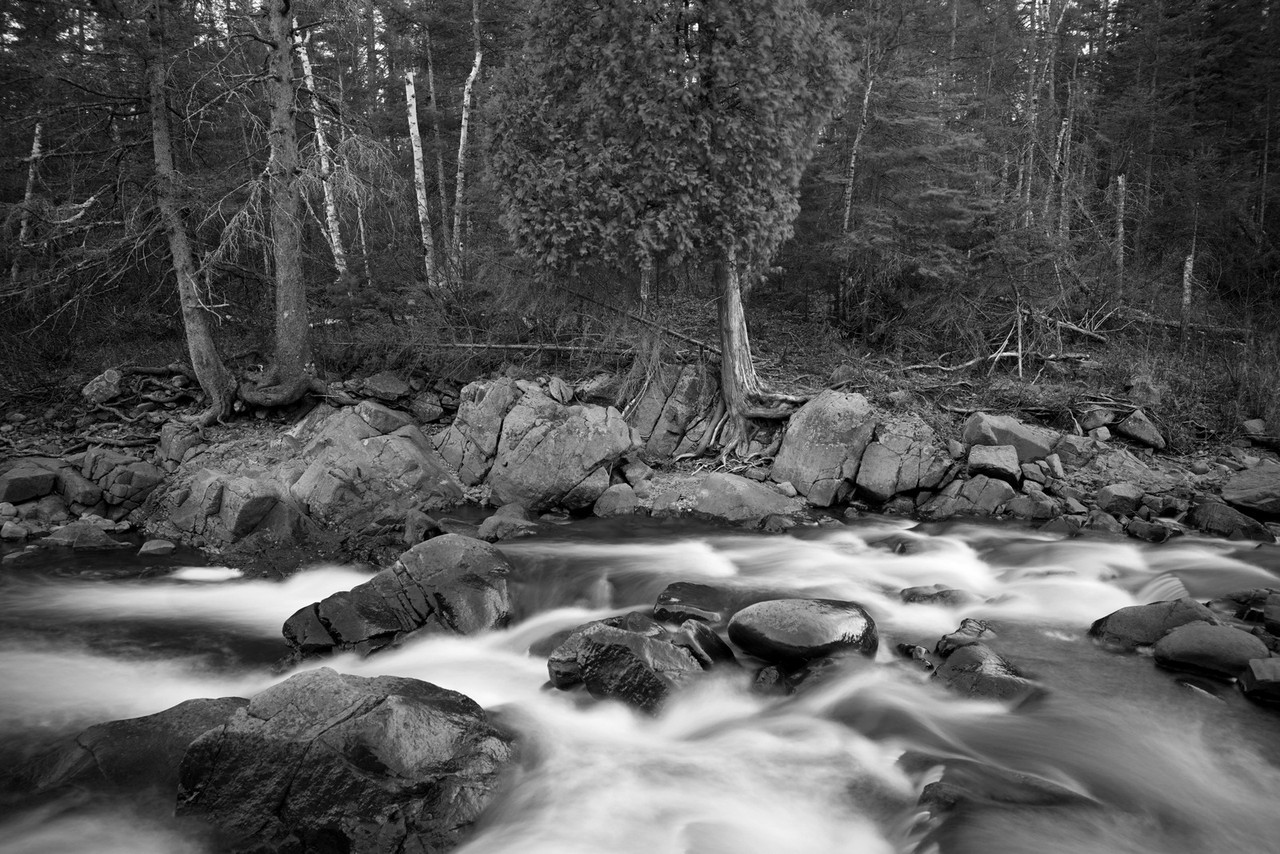
The ED glass destroys image depth when you see so much of it (3/10 elements), so we see this one used a lot for architecture, streets, parks or shorelines, most with leading lines to help inject some depth. The super contrast also strongly infiltrates bokeh, which in many minds is a no-no. People have to look at it, after all, it ought to be pleasurable to do so.
You see much more with the closer MFD (0.45m vs 0.7) of the Simera, which might paradoxically help the ZM lens - you can't get too close. This might be the first mention I've seen of less than 'great copies' of the Simeras; I'd be interested if you can post an image of what you saw.
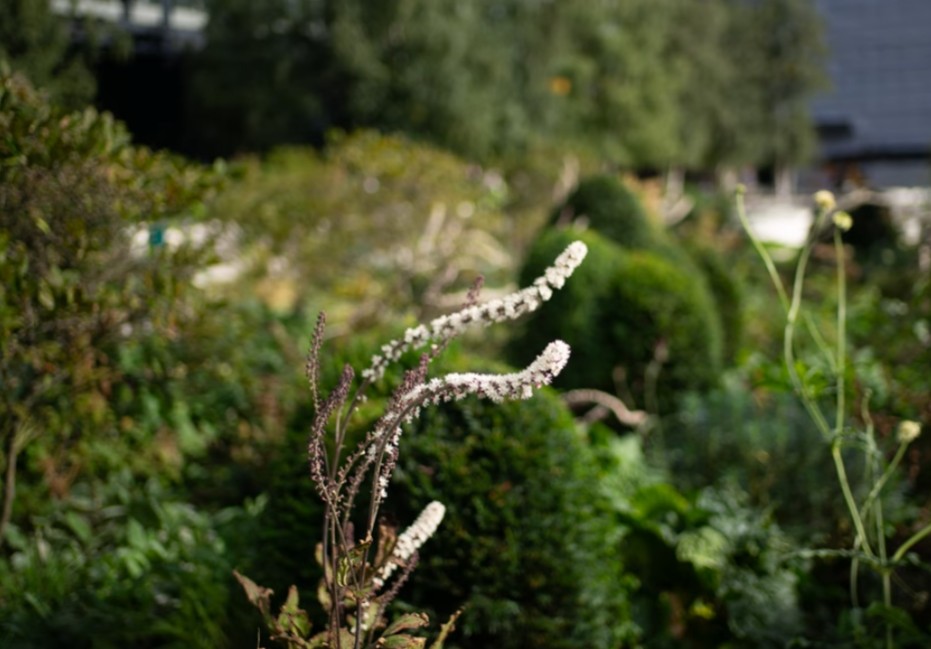
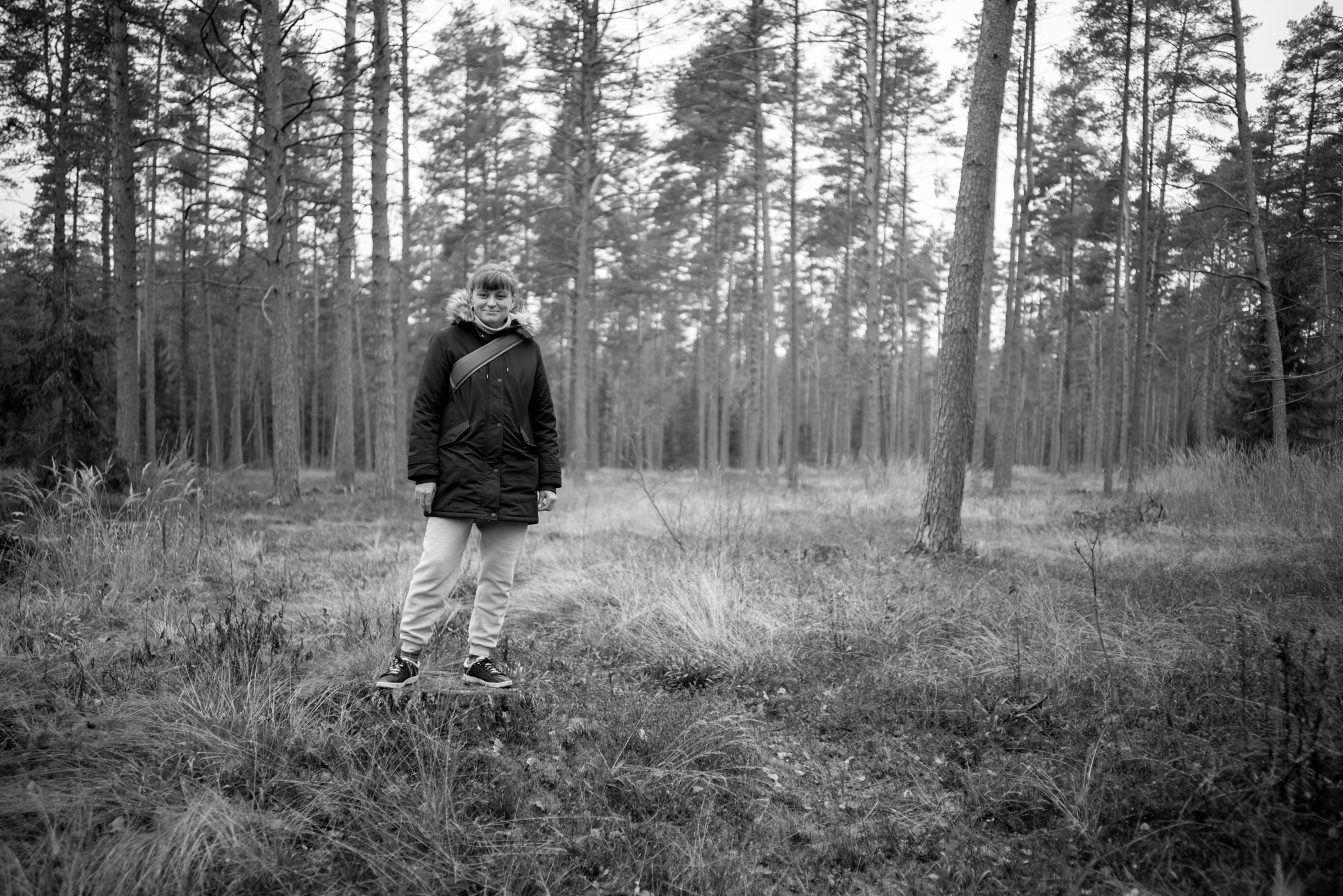
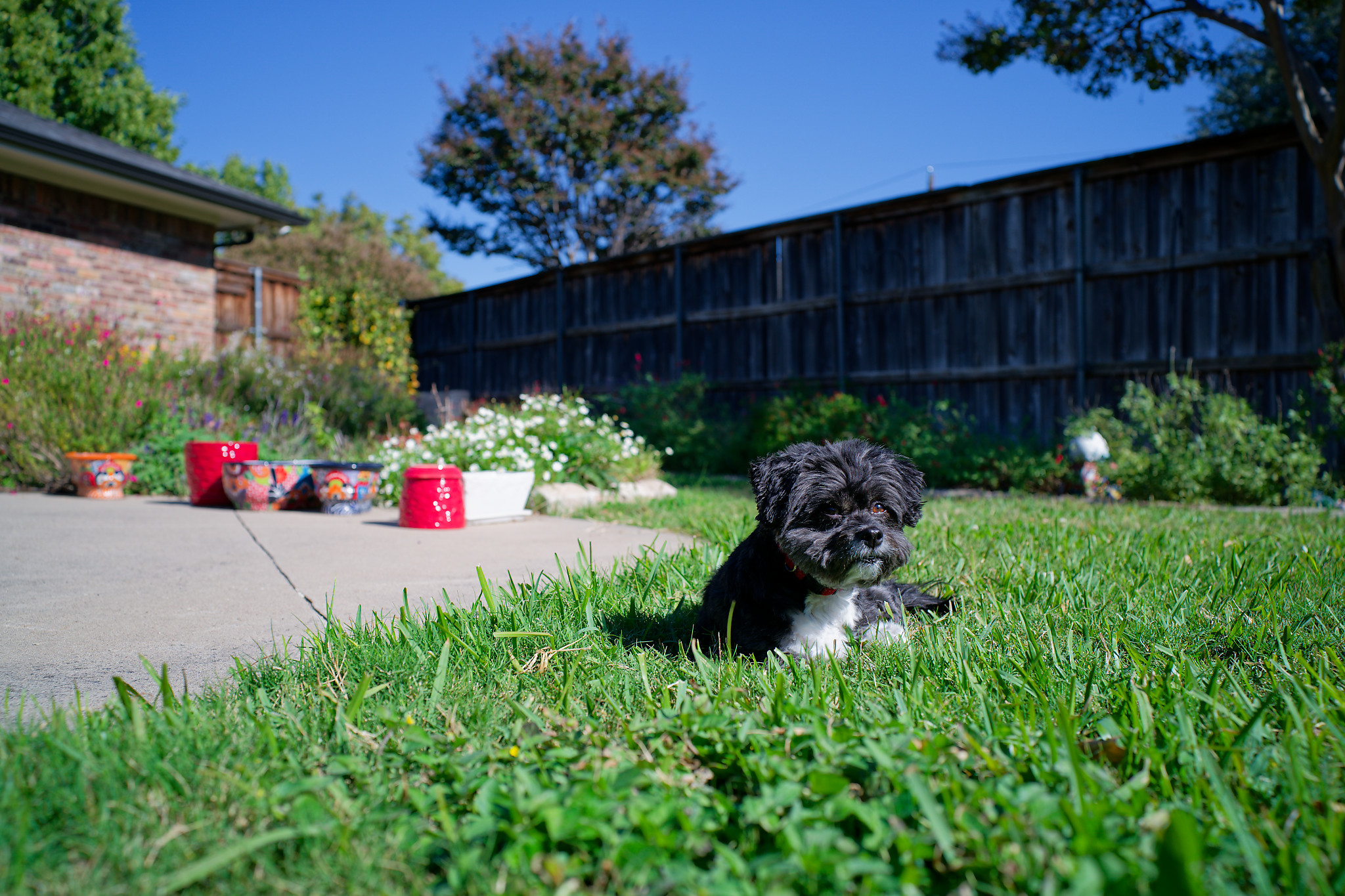
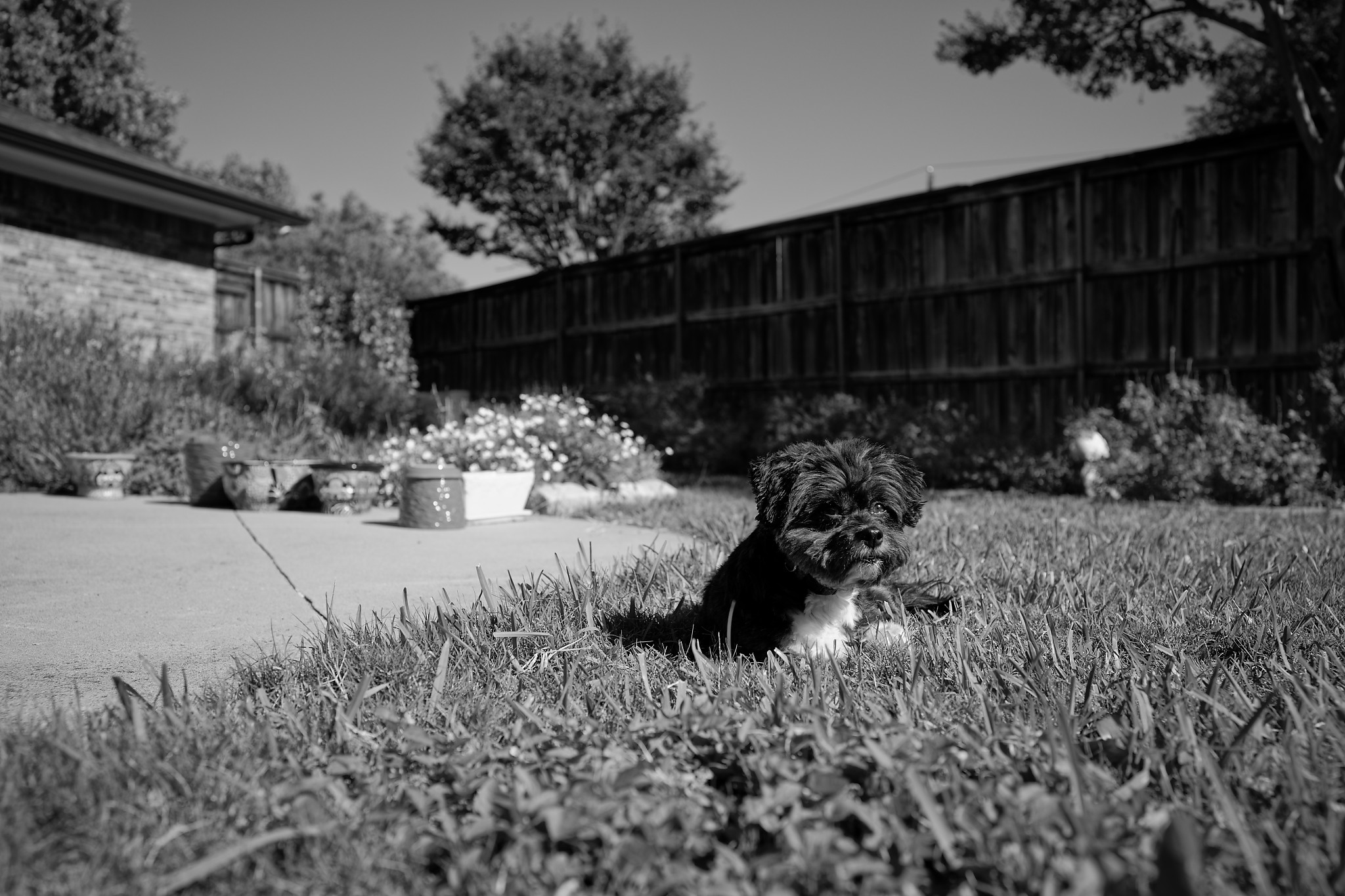
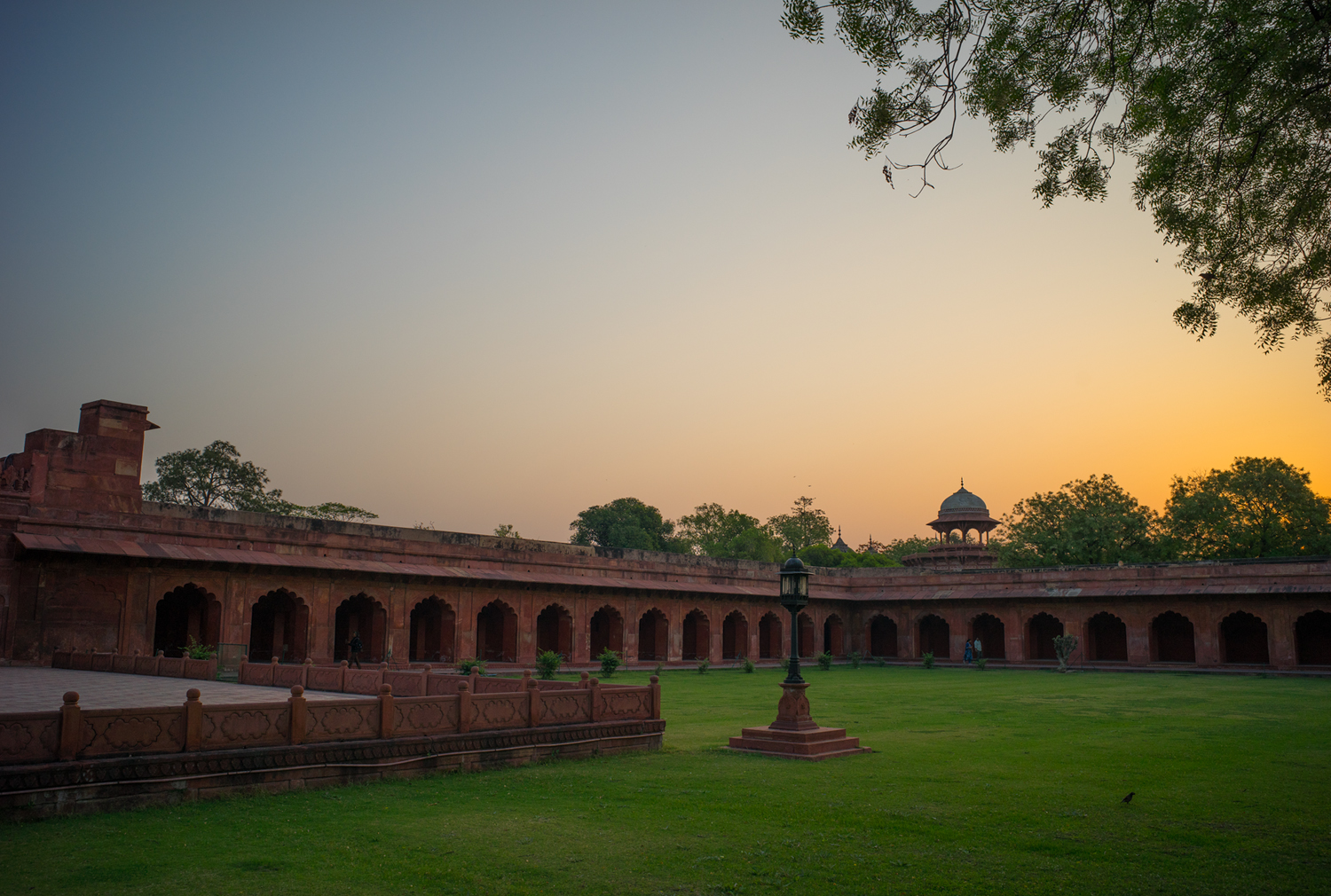
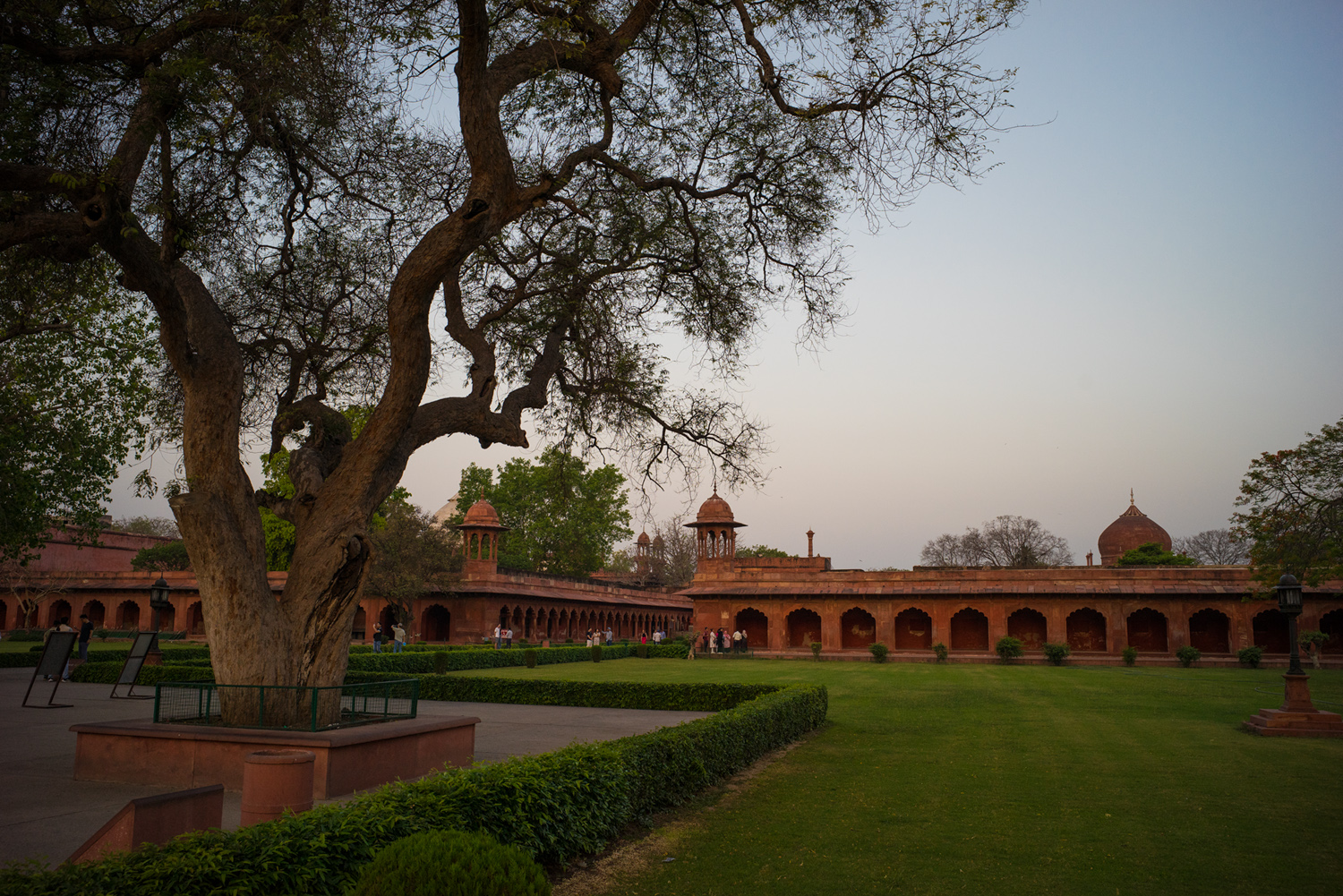
I think it's important to show evidence of what you say here, so here are two (rare) close focus portraits shot with the ZM 35/1.4, and one more showing its poor depth performance inside its bokeh field.
You seem like a Thypoch fanboy. Have you used the ZM 35/1.4 and simera 35/1.4 side by side ? I find comments like "ultra high macro-contrast - the cheap pathway to high saturation" absurd. That is absolutely not the case with the zeiss zm. You make a lot of subjective statements which tell me you have no first hand experience with the ZM let alone a side-by-side comparison.
The ZM 35 has a mid-field dip on my Sonys up to about f/8. This lens was designed for the M mount. The PCX does make things better. Its no secret that, with a subject at mid-long distance the focus transition zone does get a bit nervous. Thypoch designed the lens for M mount, slapped different mounts and called it a day. In the case of the 35 that shows. The midframe and corners don't get to acceptable levels even by f/8. See Philip Reeve's samples. Perhaps this is what you mean by "human friendly", soft and creamy. Would that be a lazy excuse for the lack of sharpness for non portrait use cases ? It doesn't matter that much if you're using it for people + environmental shots but my use cases also extends to landscape/architecture and the zeiss is superior as a do it all lens.
I absolutely love the high contrast starting from wide open and and better sharpness across the field than the simera. Not to mention the color rendition. Its no contest. If you're happy with the simera great that's all matters but some of your claims are just ridiculous. The zeiss 35/1.4 ZM is a legendary optic and doesn't need your certification.
I dont know what your point is with the portrait samples. The lens has high microcontrast and sharpness. I like to have a sharper pic that i can soften in post rather than the other way around. Would have loved to see the same subjects shot on the simera. In the same spirit, lets also pull up some architecture landscape shots 😊
Nov 05, 2025 at 09:05 PM
Steve Spencer Online • • • • • • • Upload & Sell: On
philip_pj wrote:
I think it's important to show evidence of what you say here, so here are two (rare) close focus portraits shot with the ZM 35/1.4, and one more showing its poor depth performance inside its bokeh field.
First photos seems to be misfocused (front focussed a bit), so probably not a good example of what the lens can do. The second photo is super harsh lighting. The Zeiss ZM 35 f/1.4 was never a lens I liked much for portraits, but these examples make it look worse than I think it is. I did like the lens for architecture and nature shooting, however.
Respect @Picture this! Decision to go with the 35 zm
We had a long exchange regarding this after he bought my CV40 Nokton SE (my absolute favorite FF lens before investing into the 28,35,50 Simera Trio)
Personally, I prefer to hold 3 Simera lenses for the price of a used 35 zm. I tested the 35 Simera at the farm back in Florida and of the 1500 frames captured, I found 2 or 3 where the field curvature was noticeable, when zooming into the far right side of the frame. So I’m not worried that the e mount simeras perform poorly on my A7r3 with its thicker sensor glass
To get back on topic, here’s todays captures with the Simera 35 at the Bavarian Nationalmuseum
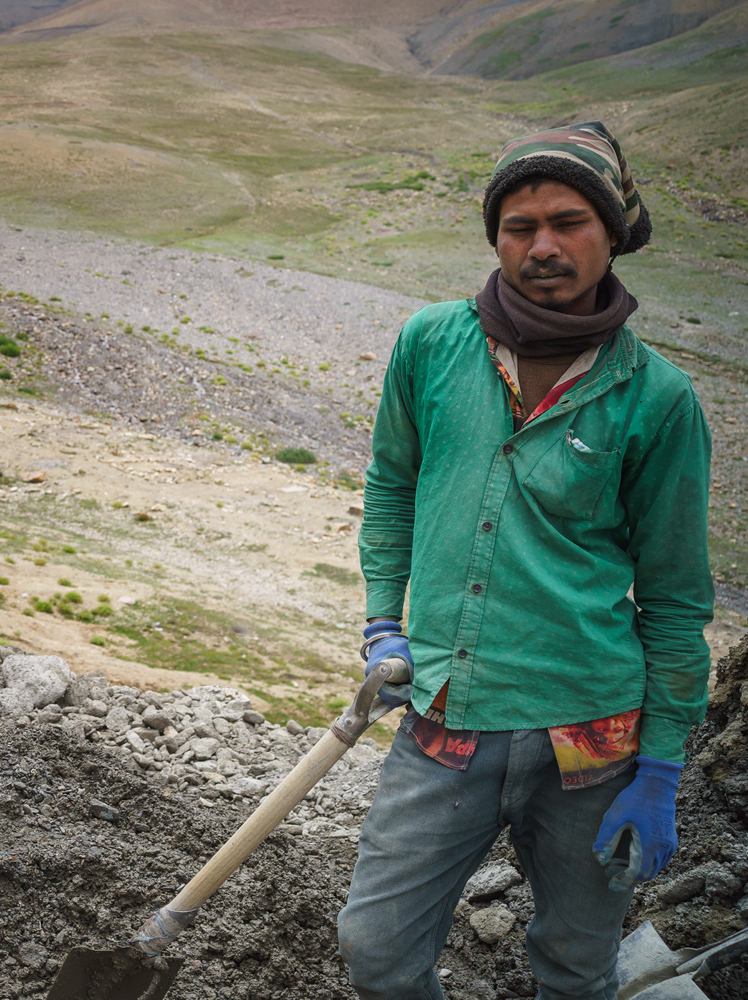
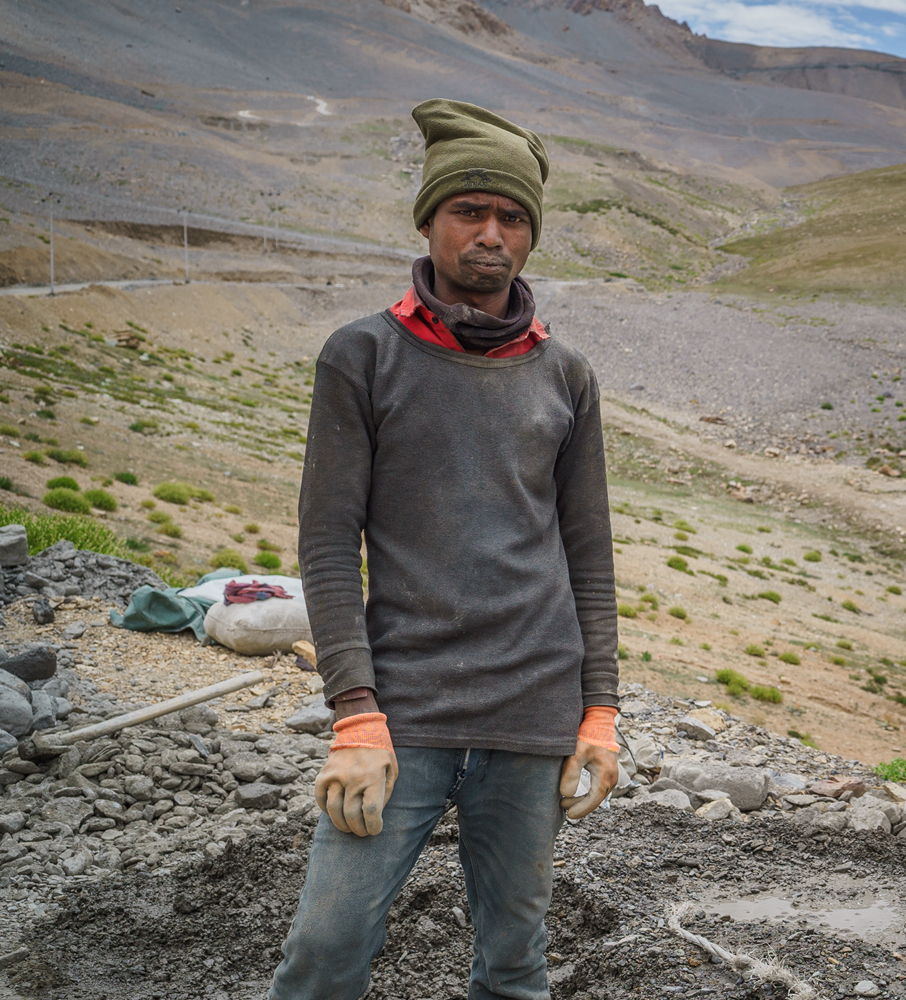
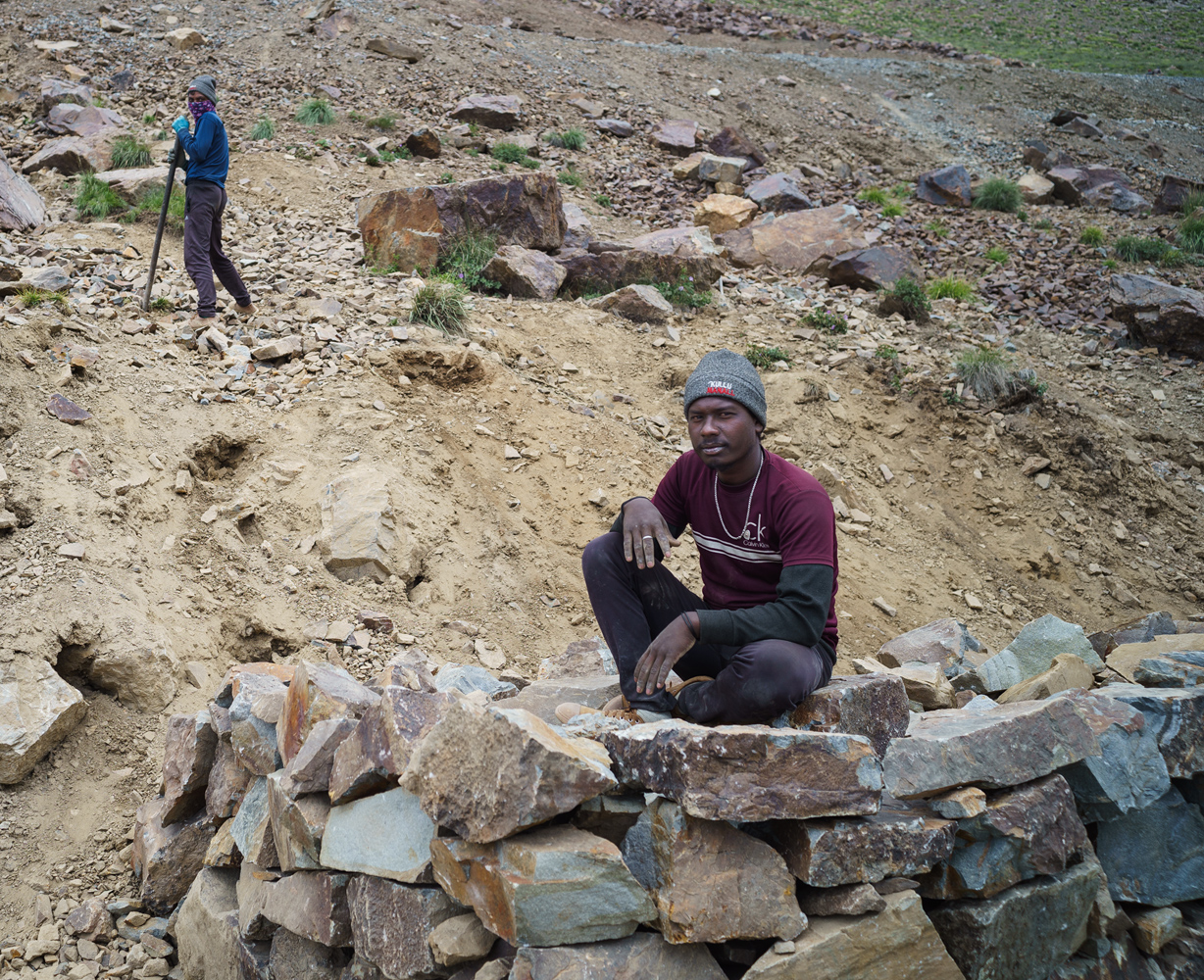
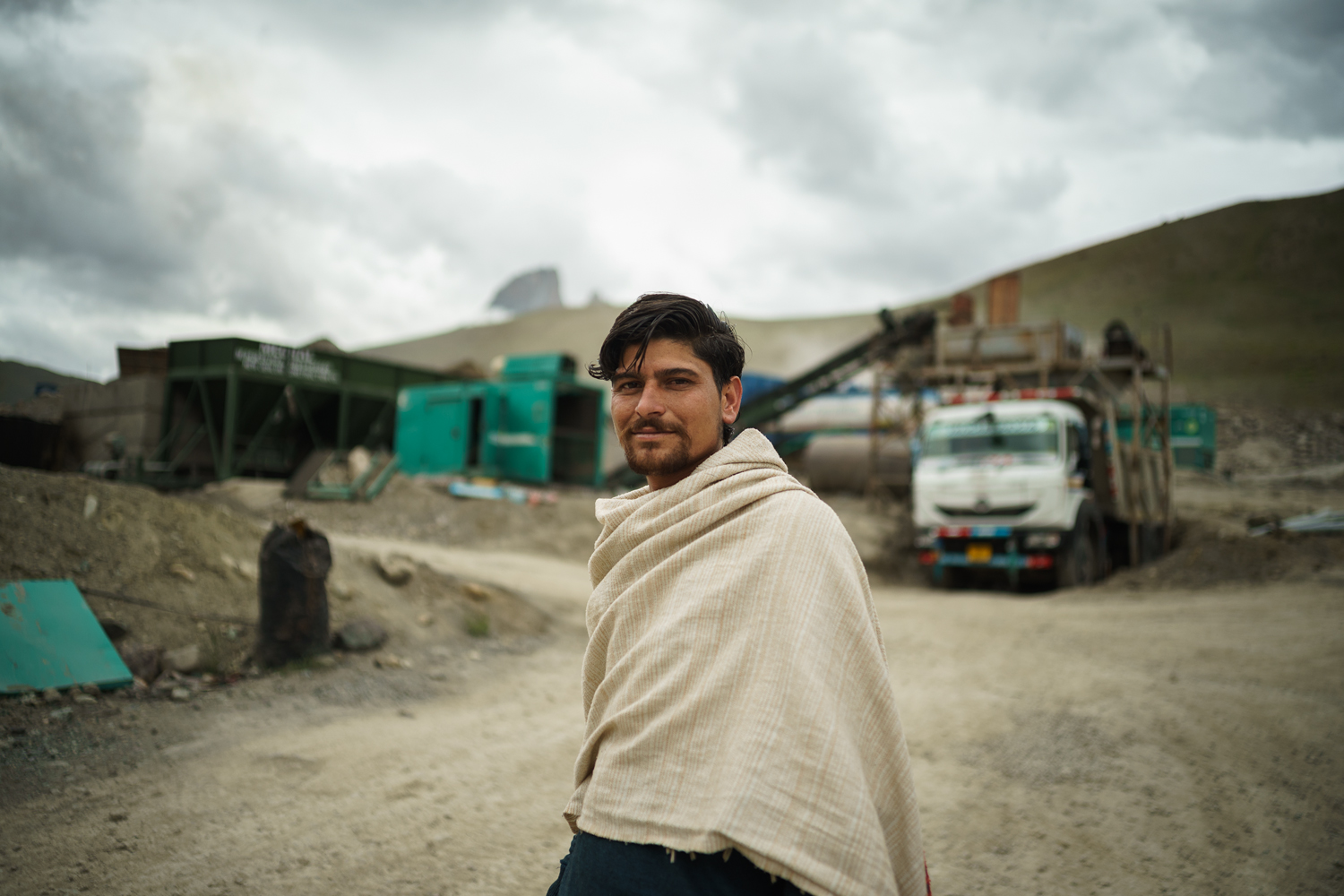
People are going to look back on the 35/1.4 and wonder that so few people ever saw what it does. My copy gets here next week. And here, a few from the road worker series. (All 28/1.4).
Excellent snaps Philip - thanks for traveling for us!
Seeing these poor fellas work on heavy stones and stinking machinery
Really makes me grateful to live with such high standards:
Clean clothes, running hot water, sewage etc.
They obviously work up there because their living conditions at home are tough indeed!
My favorite capture of your recent India trek with the simeras is the first one on pg.3 of this thread, post #3 where you disproved the field curvature scare of the 28 Simera
The pic in the cafe shows India how it really is:
Raw, chaotic - but it works
Old school with modern tech &
Reverence to tradition (Mahatma and Saint pictures hanging) and the attire of the server
THATS REAL REPORTAGE, when no one notices you taking the pic! Bravo!link to Philip’s pic
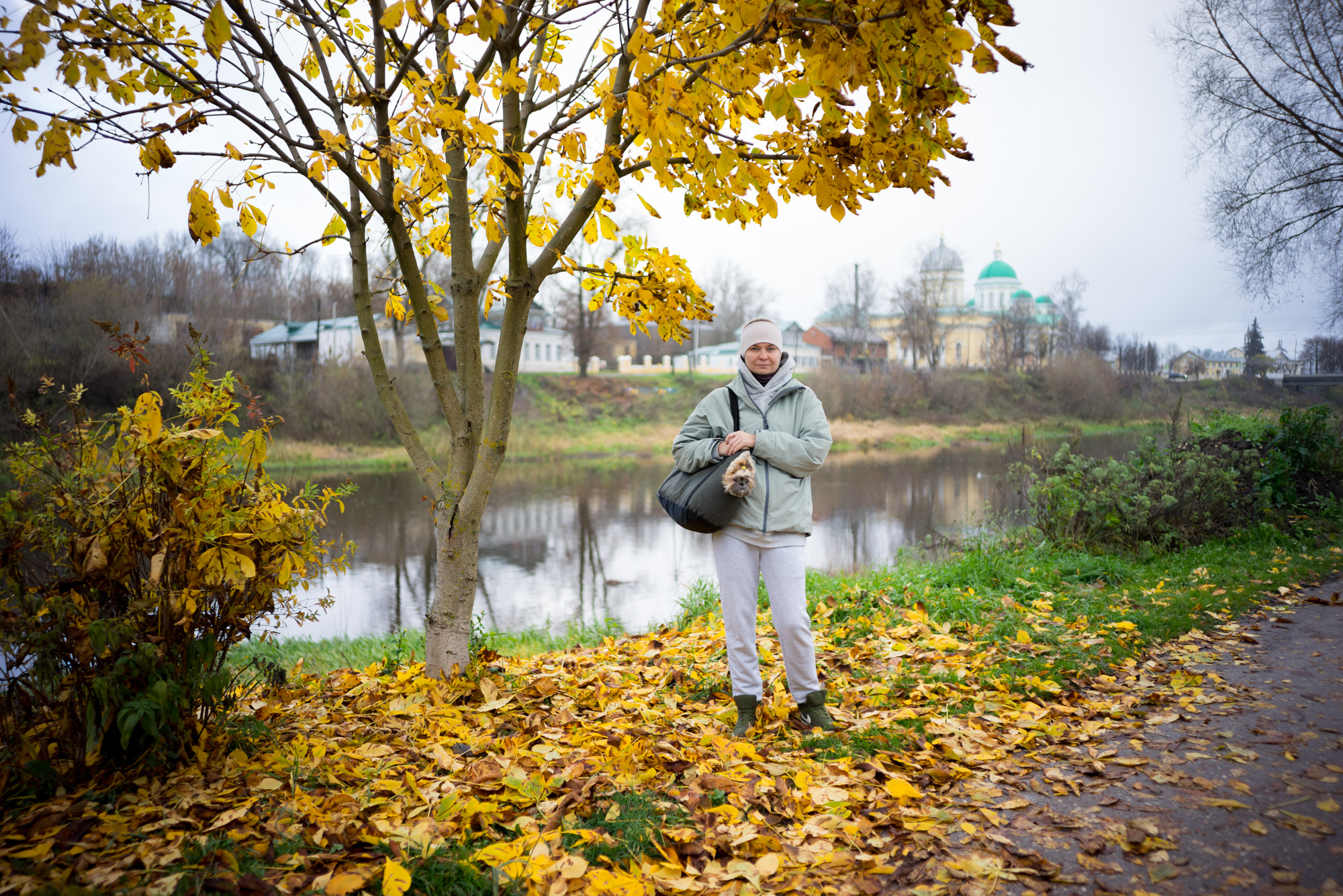
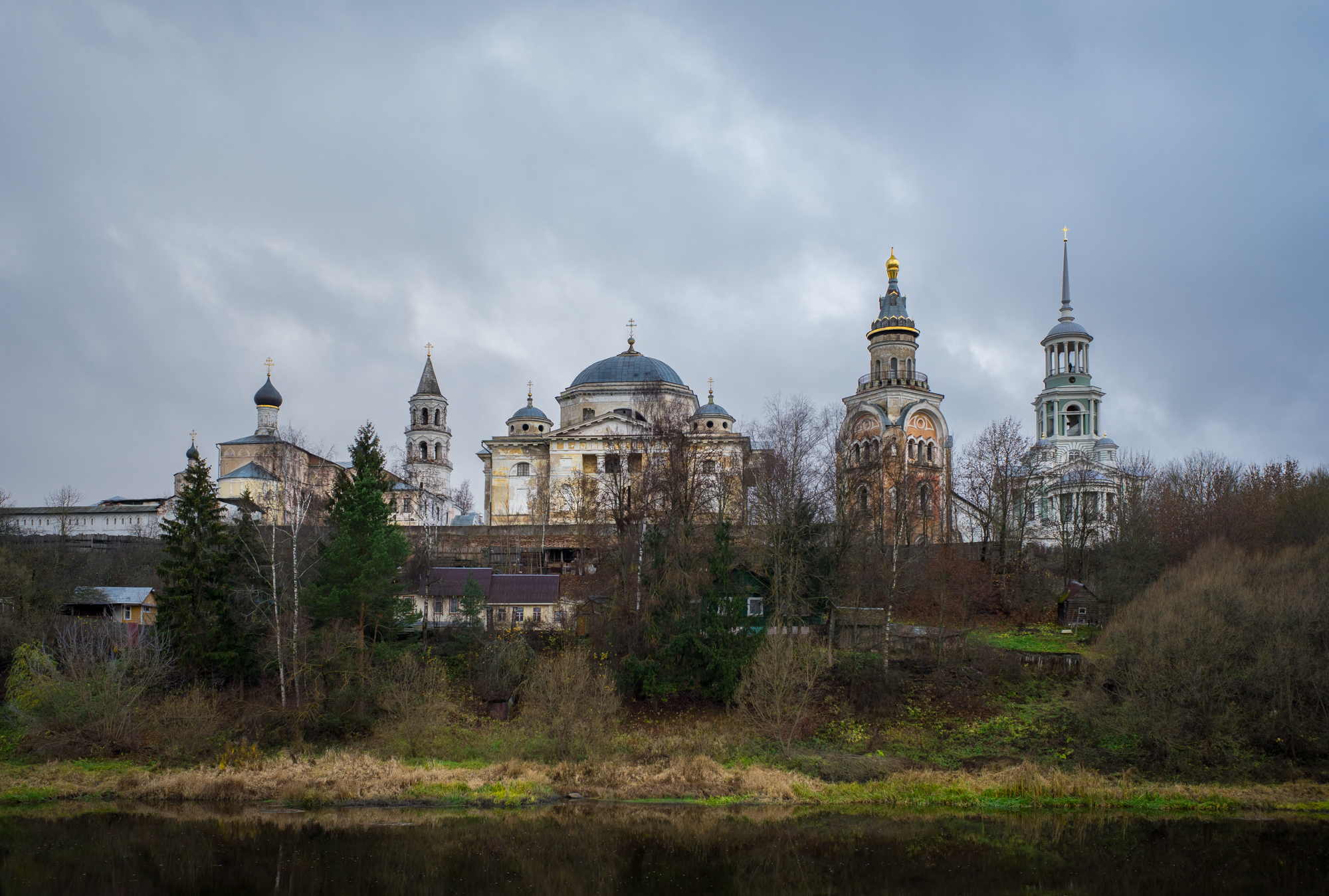
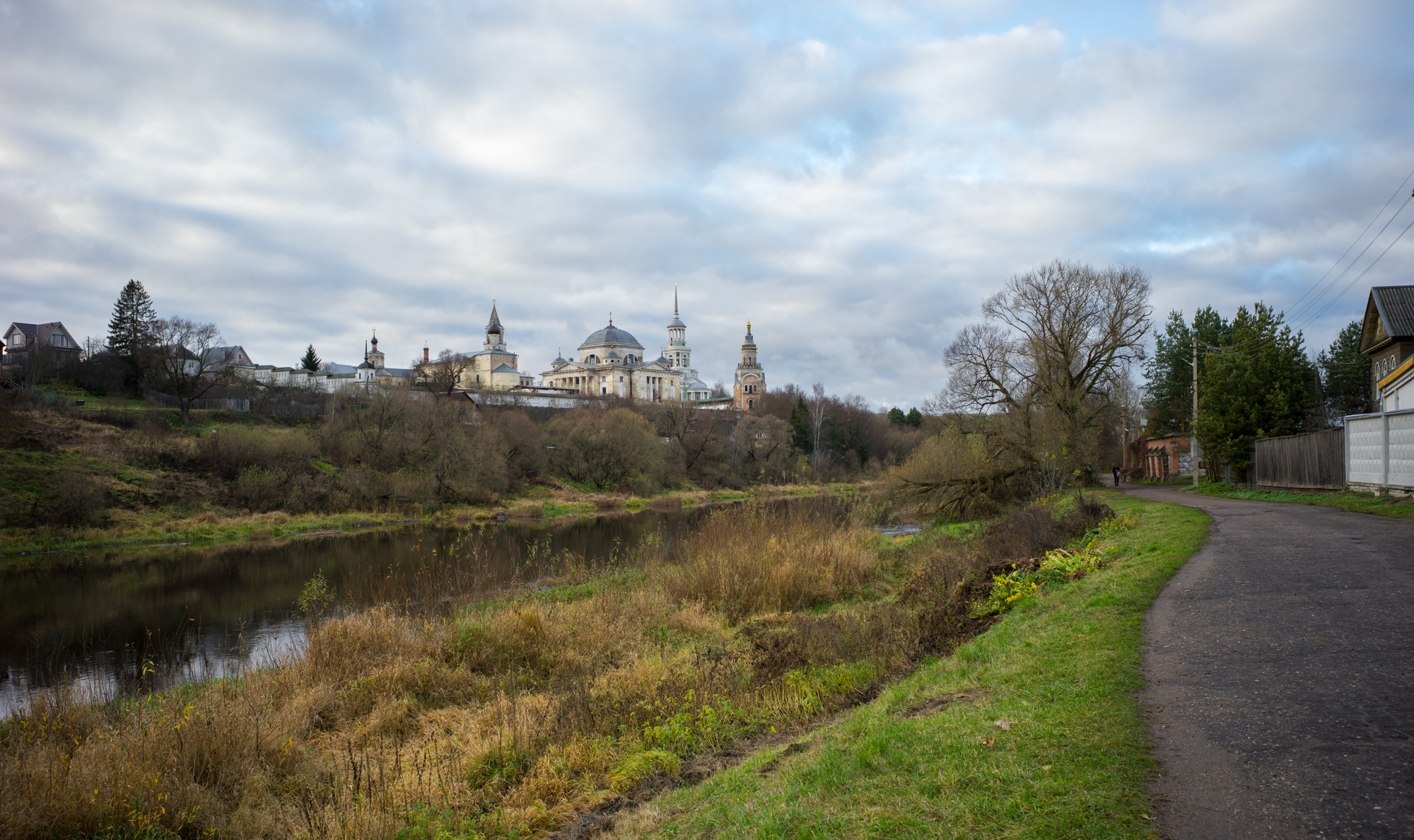
Tver has some beautiful buildings.
The 28mm should not have a great deal of image depth by its design .. but it's almost instantly recognizable purely from its 3D effect, and the more you use the more you see it. It helps with compositions too.
I'm posting below this (for me) interesting 10 minute video, because the Simera user base are the FM group most likely to appreciate it.
It points to the cine blending that is building in the background - Sony's FX3 is a household name and Nikon's ZR is generating a lot of momentum; it's the best-selling camera in Japan right now.
We can learn a lot from the brothers working in this emerging field because, unlike the big budget movies, many of them are grounded and know stills inside out too, and they use a lot of angles and takes that can work well photographically. They understand mood.
If you use a Simera, you belong to a sub-genre of this field. Soon we may have more in common with them than with the stalwarts of stills: Canon and Nikon.
'why Adolescence was shot on this one lens'
..
..
&t=371s
In an email a month back, Thypoch asked what I thought they should do next. I figured they could use a 100mm and an 18mm, to fill out the range. Now, not so sure.
I'd now like to see them do something like this Cooke 32mm, which is entirely within the capacity of DZO to do.
Most insiders know the Simeras are a DZO project, aimed at both cine and stills fields. Their Arles range and the Simeras were developed over the same period, through 2024. They have a similar aesthetic feel.
Cooke ask $4500 for the 32mm. We can visualize a full character Simera32 for say, $1000. 32mm is close to the perfect focal length for universal applications, we could anticipate a C version and a stills version, at say 400 grams. Make it near to irresistible, like the Cooke but within their own aesthetic style. We see that style most clearly in the 28mm and the 75mm, IMO.
Something so good and so affordable, it moves them further towards 'character cinema', instead of duking it out with Voigtlander and Leica, play to their strengths instead. The 32/2.4 looks 'almost' perfectly ready for a stills lens, and it scales at 520 grams. The ZR and FX3 crowd would love it, it would work for interviews, low money applications like YT, commercial.
DZO could make it much lighter (the Cooke is full cine capable) and at say, f2. By the way, can you guess what aperture setting is the most common in movies, across the board? F2.8.
Its great Thypoch are thinking about what's next. The Simera lenses exhibit noticeable to significant focus breathing. While I appreciate the cost and price/performance, look of these lenses they need to figure out how to address the focus breathing issue if they want to be taken seriously in the cinema space.